Hotels in Fujimi
Discover your perfect stay in Fujimi.
Fujimi(Japan) Travel 2026: Cheap Flights, Hotels & Top Attractions
Popular Landmarks in Fujimi
Discover the most iconic attractions in Fujimi
Recommended Hotels in Fujimi
Find the perfect place to stay in Fujimi
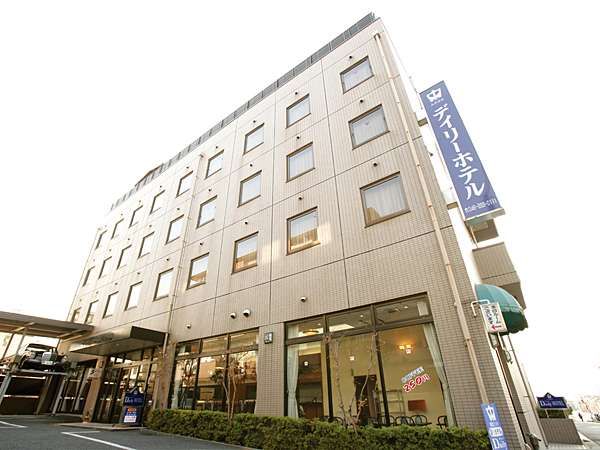
Daily Hotel Mizuhodai
Best Hotels in Fujimi
Discover curated hotel collections in Fujimi
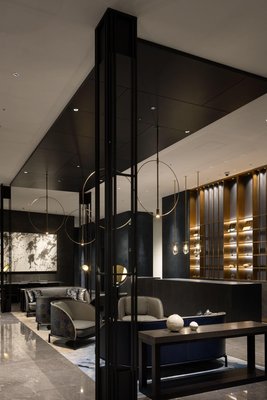
Bellustar Tokyo, A Pan Pacific Hotel
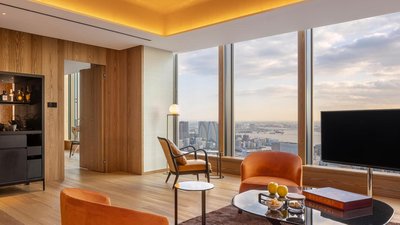
Bvlgari Hotel Tokyo
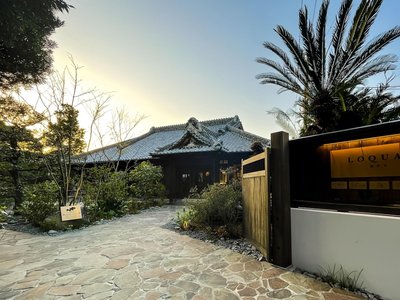
Loquat Nishiizu
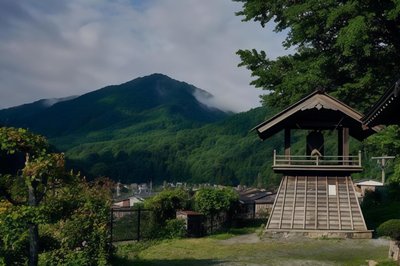
Byaku Narai
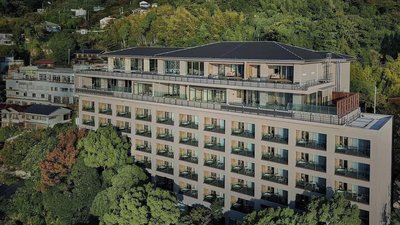
Atami Izusan Karaku
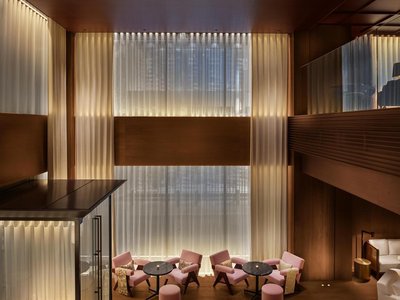
The Tokyo Edition, Ginza
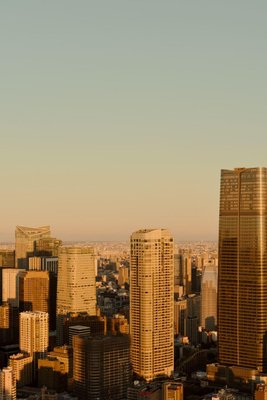
Janu Tokyo
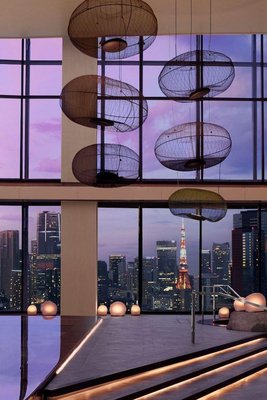
JW Marriott Hotel Tokyo
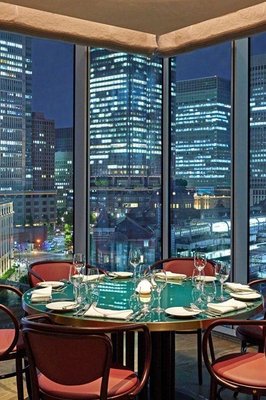
Four Seasons Hotel Tokyo at Marunouchi

Mandarin Oriental, Tokyo
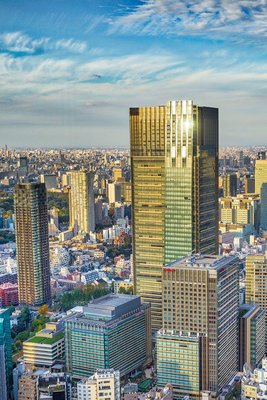
The Ritz-Carlton, Tokyo

Andaz Tokyo Toranomon Hills- A Concept by Hyatt
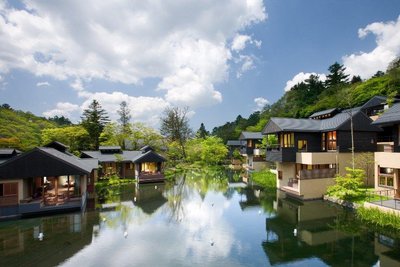
Hoshinoya Karuizawa
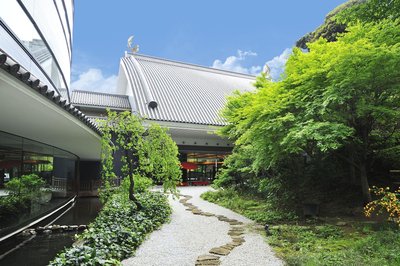
Hotel Gajoen Tokyo
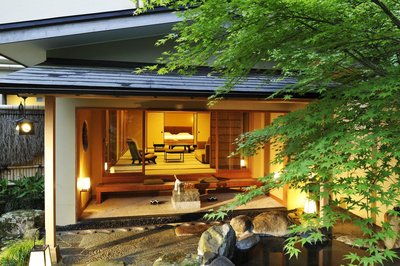
Gora Kadan
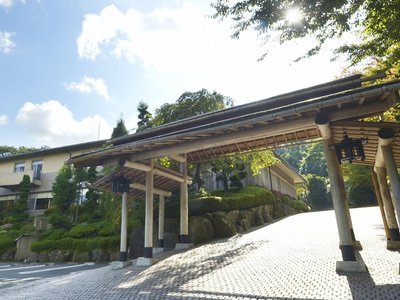
Gora Hanaougi
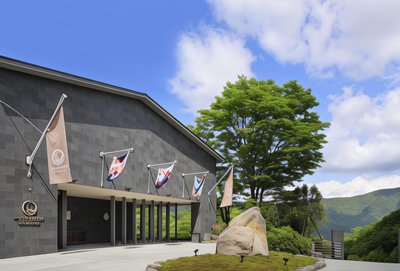
The Hiramatsu Hotels & Resorts Sengokuhara Hakone

Abba Resorts Izu - Zagyosoh
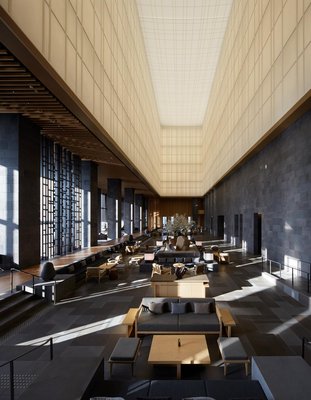
Aman Tokyo
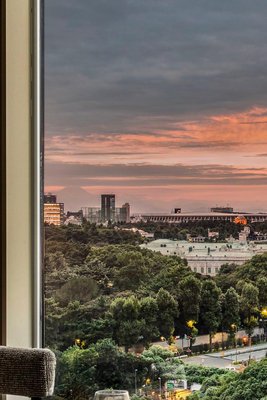
Hotel New Otani Tokyo, Executive House Zen
Frequently Asked Questions about Traveling to Fujimi
Questions You Might Need to Know About Traveling to Fujimi
In Fujimi City, the top hotel for Mount Fuji views is Fujimi Highland Resort, a boutique retreat nestled in the hills overlooking the iconic peak. Its floor-to-ceiling windows, private terraces, and traditional Japanese design create an immersive experience. Guests enjoy access to hot springs, local cuisine featuring mountain vegetables, and guided nature walks. The resort also offers seasonal packages, including sunrise viewing tours during winter months.
The best area for accommodation in Fujimi City is Fujimi-dai, located on elevated ground with panoramic views of Mount Fuji. This quiet residential zone is close to Fujimi Station, offering convenient access to public transit. It's surrounded by green spaces like Fujimi Municipal Park and the Kawaguchi Lake Nature Trail, making it perfect for travelers seeking tranquility, fresh air, and proximity to nature. Many guesthouses and small inns here offer authentic Japanese hospitality.
Must-try cultural experiences in Fujimi City include attending the annual Fujimi Festival, featuring traditional dances, mikoshi parades, and fireworks. Visit the Fujimi Folklore Museum to explore local farming heritage and participate in hands-on workshops like pottery and bamboo weaving. During spring, join the Cherry Blossom Viewing Event at Kawaguchi Lake, where locals gather under blooming sakura trees for tea ceremonies and folk music performances.
Yes, Fujimi City offers several family-friendly hotels. Fujimi Kids Paradise Hotel features a children’s playroom, outdoor lawn areas, and interactive programs such as forest scavenger hunts and origami workshops. The hotel also provides family packages with meals and guided nature trails. Nearby, the Fujimi Nature Education Center offers educational activities for kids, making it a perfect destination for multi-generational travel.
Recommended is Fujimi Onsen Bettei, a secluded Japanese-style ryokan with natural hot spring baths sourced directly from underground springs. Each room includes tatami mats, sliding doors, and private verandas. Guests enjoy kaiseki dining using ingredients from local farms. After soaking, relax in the garden while watching mist rise over Mount Fuji, creating a serene and timeless atmosphere.
Try Fujimi-style rice balls (Fujimi Gohan Maki) filled with pickled mountain vegetables and black beans. Freshwater fish from Kawaguchi Lake, especially steamed sushi, is another highlight. Don’t miss fiddlehead fern tea and chestnut sweets sold at Fujimi Market, both made from locally harvested ingredients. These dishes reflect the region’s deep connection to its mountainous environment and agricultural roots.
Absolutely. Fujimi City offers excellent hiking opportunities along trails like the Fujimi Forest Path and the Kawaguchi Lake Loop. These routes wind through lush forests, past clear streams, and offer stunning vistas of Mount Fuji. Interpretive signs explain local flora and fauna. Best visited early morning to avoid crowds and heat. Pack water, insect repellent, and sturdy footwear for a safe and rewarding trek.
Reaching Fujimi City from Tokyo is convenient via the Seibu Shinjuku Line, which connects directly to Fujimi Station in about 45 minutes. Local shuttle buses link major attractions like Fujimi Highland and Kawaguchi Lake. For those driving, the Kan-etsu Expressway provides fast access. Car rental services are available at the station, making it easy to explore the surrounding countryside at your own pace.
Seasonal highlights include the Cherry Blossom Festival at Kawaguchi Lake in spring, the summer Fujimi Festival with fireworks and street performances, autumn Maple Leaf Viewing Events in the forest trails, and the winter Fujimi Snow Lantern Festival, where paper lanterns illuminate walking paths. These events showcase local traditions and offer visitors unique, memorable experiences throughout the year.
Yes, many hotels in Fujimi City now provide accessibility features. Fujimi Highland Resort offers ramps, elevators, accessible bathrooms, and wheelchair rentals. Some guesthouses have barrier-free rooms. Public facilities like the Fujimi Civic Center and Nature Park also feature ADA-compliant pathways. Travelers with mobility needs should confirm availability in advance, especially during peak seasons.
Fujimi Overview
City Summary
Fujimi City, located in the southeastern part of Saitama Prefecture, Japan, is known for its quiet residential areas and abundant natural landscapes. Situated about 30 kilometers from Tokyo, it's an ideal escape from city bustle. The city's most famous feature is the breathtaking view of Mount Fuji, especially on clear days when its snow-capped peak is vividly visible.
Must-See Attractions
In Fujimi City, the must-see spot is "Fujimi Citizen's Forest", a vast green space perfect for strolls and picnics. The shopping street around "Tsuruse Station" offers a glimpse into local small-town life. Culture enthusiasts should visit "Fujimi City Library", notable for its modern architectural design.
Food Guide
Fujimi's culinary scene reflects Saitama traditions. Don't miss the tender "Saitama pork dishes". For street food, try "soy sauce dango", skewered rice dumplings with sweet-salty glaze. Authentic soba noodle shops scattered throughout the city serve traditional buckwheat noodles.
Transportation Guide
Rail is Fujimi's main transport, with JR Musashino Line and Tobu Tojo Line crossing the city, connecting to Tokyo. Local buses operate but have sparse schedules - check timetables in advance. Taxis are available but expensive. Visitors should consider Suica/Pasmo travel cards for convenience.
Best Time to Visit
The best times to visit are spring (March-May) and autumn (September-November) when weather is mild and Mount Fuji visibility is high. Summers are humid, winters may bring snow.
Travel Tips
- Fujimi is primarily residential - keep noise levels down at night
- Public trash bins are scarce; carry a waste bag
- Smoking is prohibited in public areas except designated spots
- Many shops/restaurants are cash-only; carry sufficient yen
- Some parks restrict pet access - check signage
- Supermarkets/convenience stores close early; shop daytime
Useful Information
Japanese is the main language with limited English proficiency - have a translation app ready. Free WiFi hotspots are rare; consider a local SIM card. While credit cards work at major retailers, cash dominates. For emergencies, dial 110 (police) or 119 (ambulance). Drugstores selling basic medications are plentiful. Most public places have wheelchair accessibility.