Hotels in Funabashi
Discover your perfect stay in Funabashi.
Funabashi(Japan) Travel 2026: Cheap Flights, Hotels & Top Attractions
Popular Landmarks in Funabashi
Discover the most iconic attractions in Funabashi
Recommended Hotels in Funabashi
Find the perfect place to stay in Funabashi
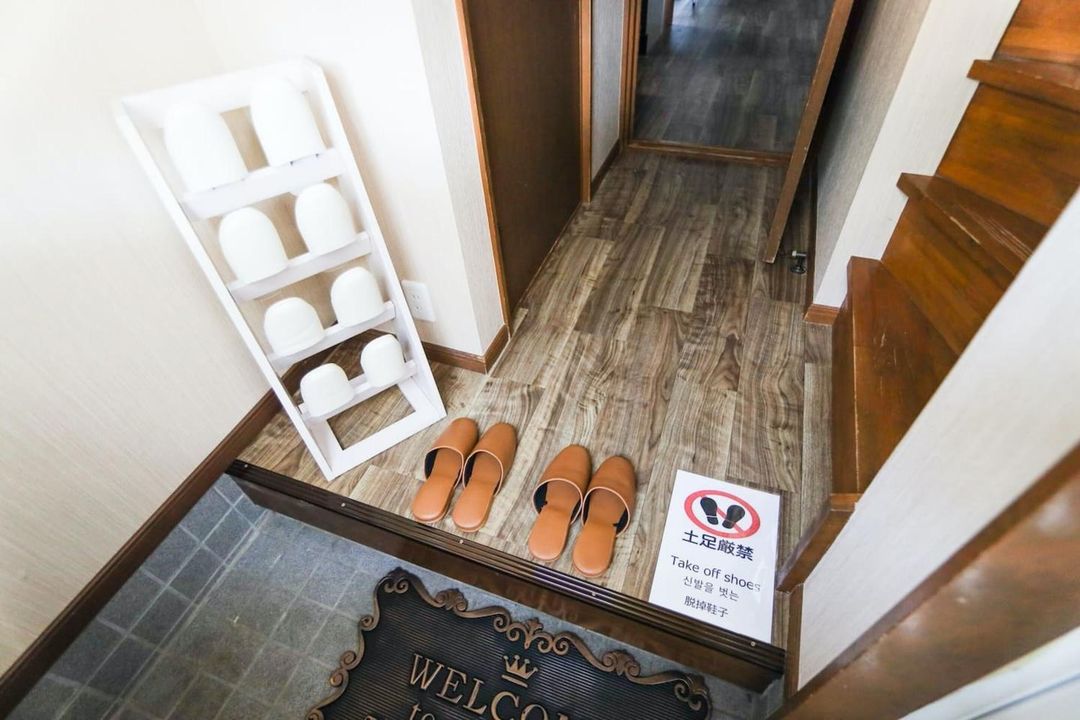
Funabashi House MF1
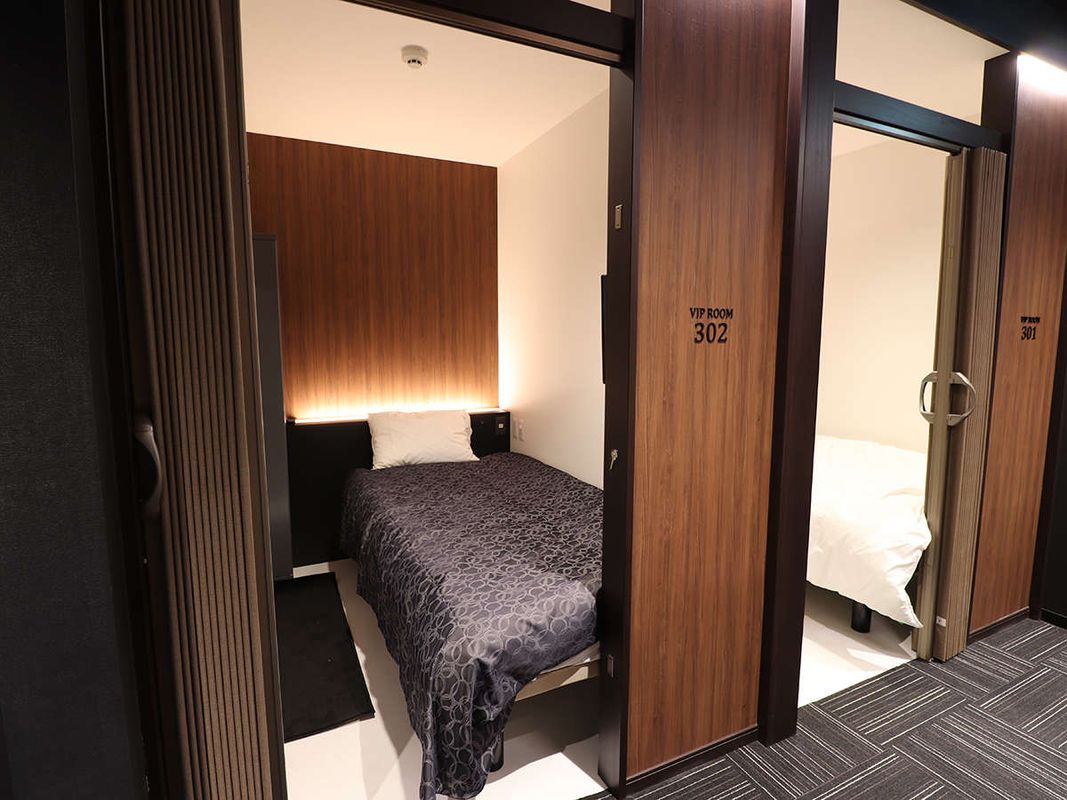
Leo YU Capsule Hotel Nishifunabashi
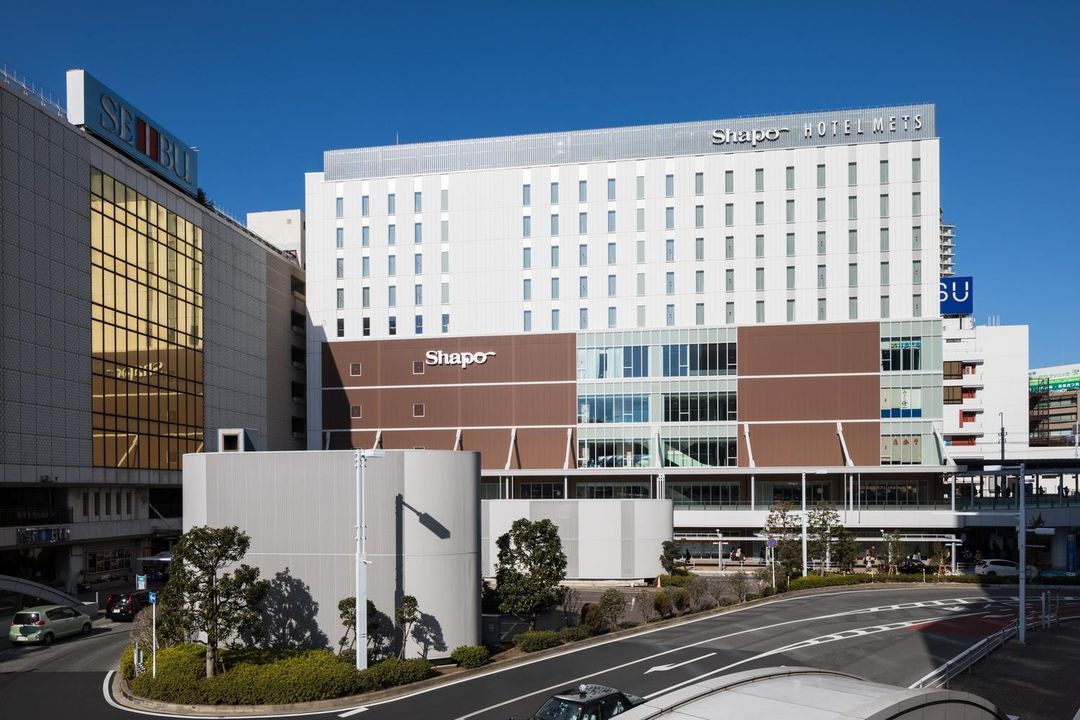
JR-EAST HOTEL METS FUNABASHI
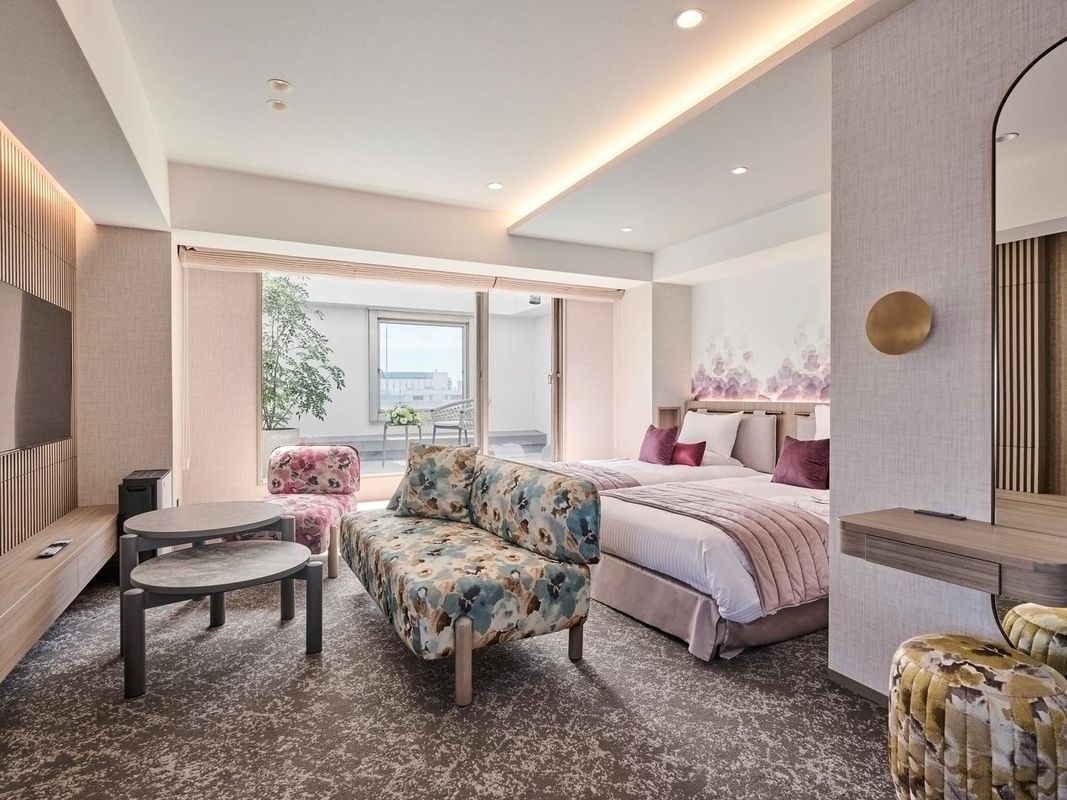
Hotel Flora Funabashi
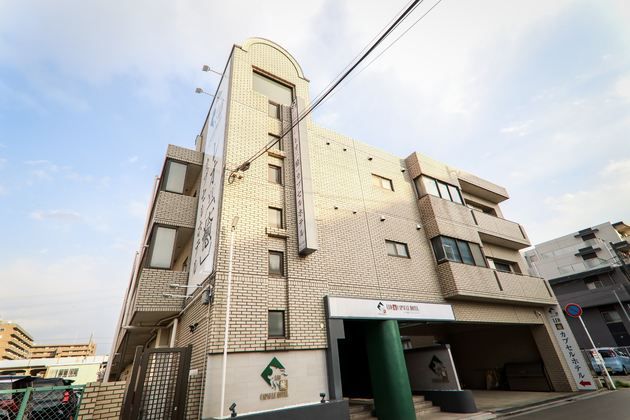
Chiba Nishi-Funabashi Residence #MUx
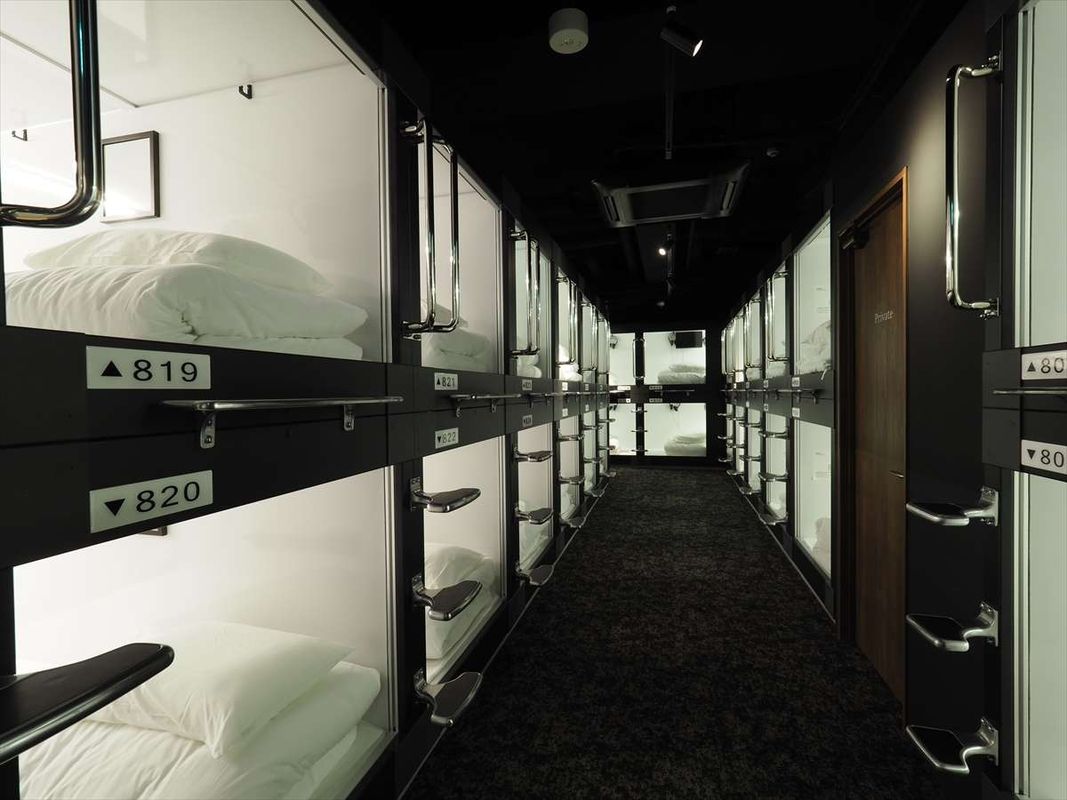
Leo Yu Capsule Hotel Funabashi
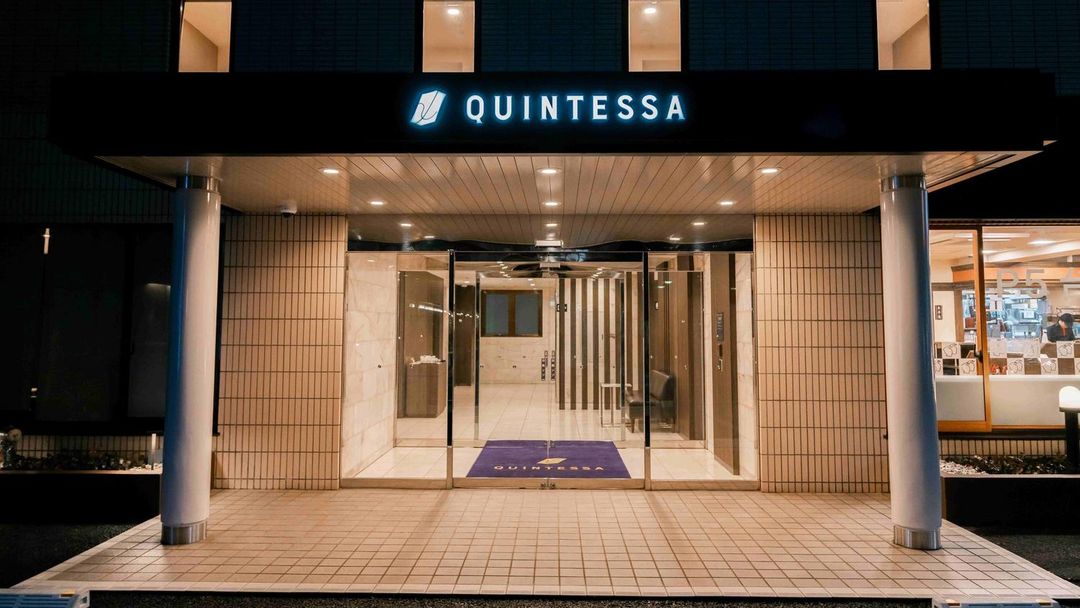
Quintessa Hotel Chiba Funabashi
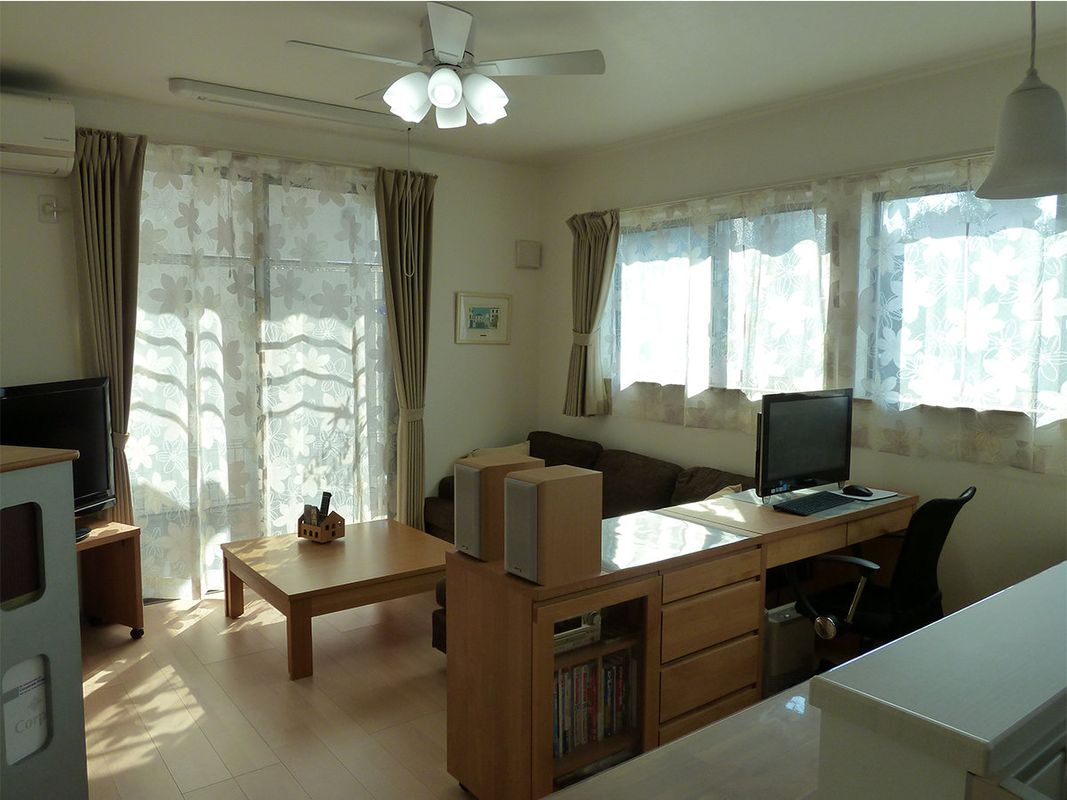
Kanaloa Funabashi
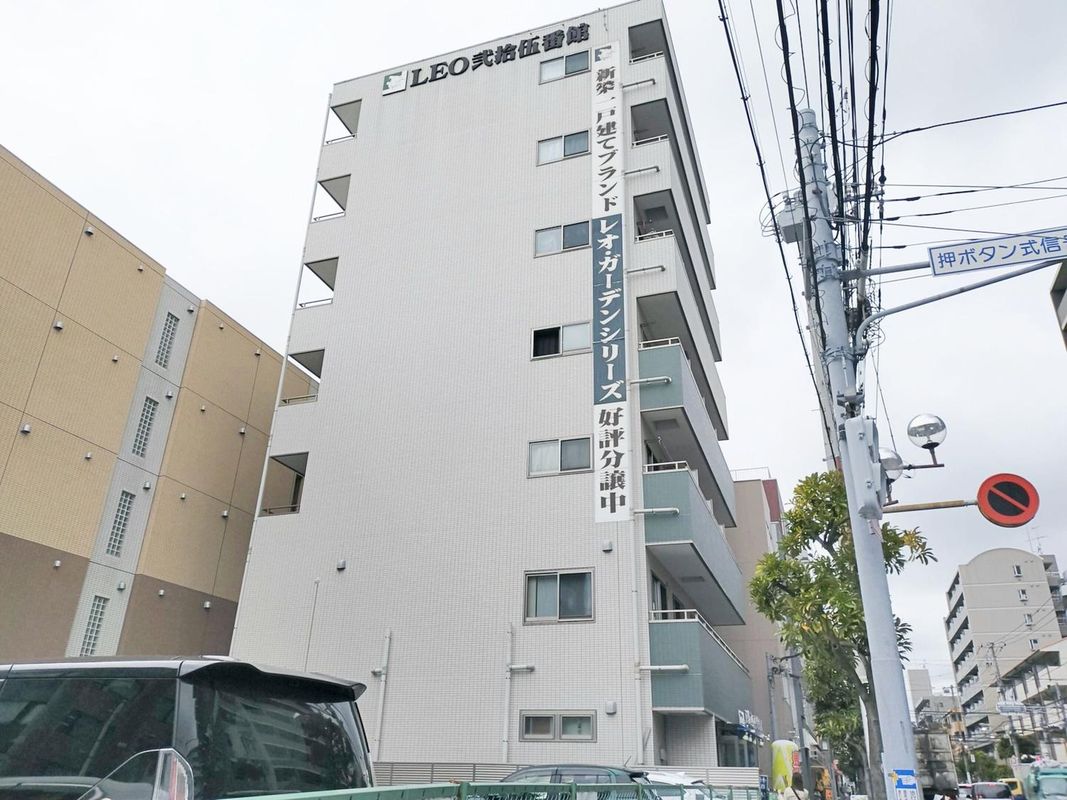
Chiba Funabashi Leo Njyuban-Kan MQx
Best Hotels in Funabashi
Discover curated hotel collections in Funabashi
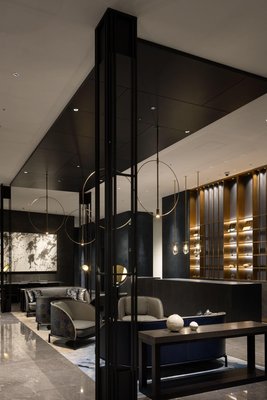
Bellustar Tokyo, A Pan Pacific Hotel
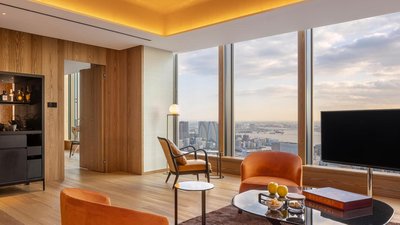
Bvlgari Hotel Tokyo
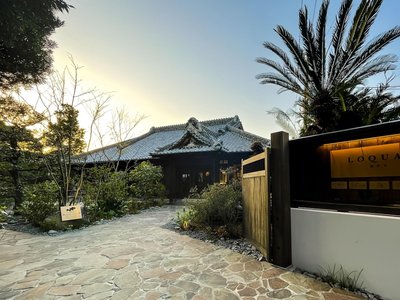
Loquat Nishiizu
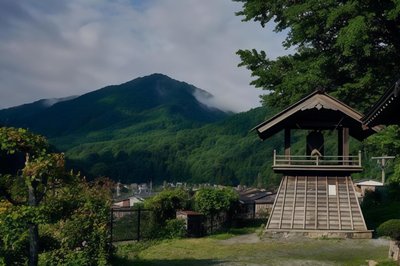
Byaku Narai
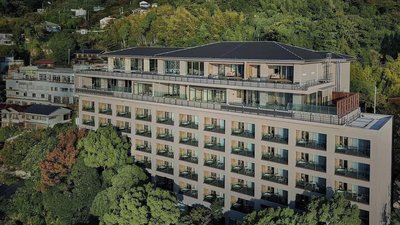
Atami Izusan Karaku
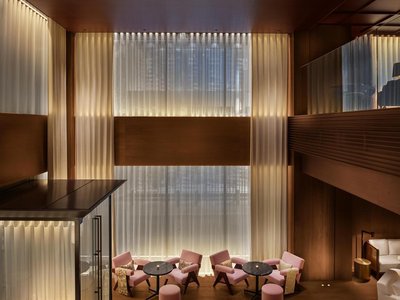
The Tokyo Edition, Ginza
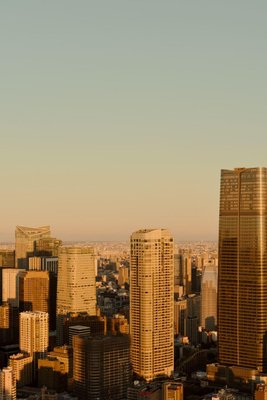
Janu Tokyo
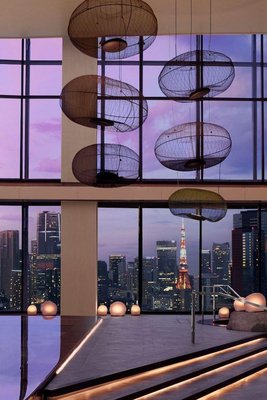
JW Marriott Hotel Tokyo
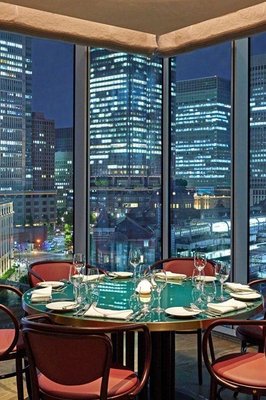
Four Seasons Hotel Tokyo at Marunouchi

Mandarin Oriental, Tokyo
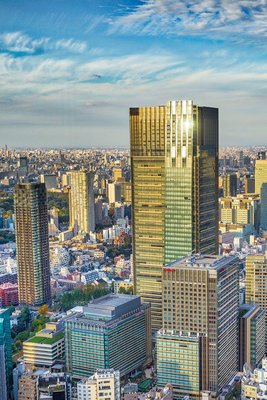
The Ritz-Carlton, Tokyo
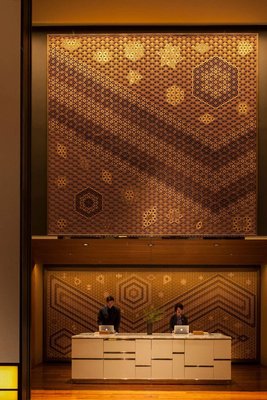
Andaz Tokyo Toranomon Hills- A Concept by Hyatt
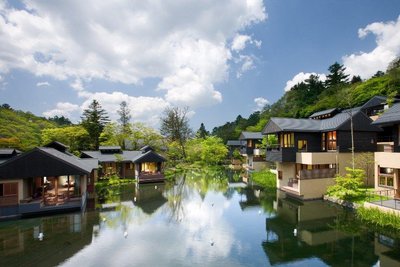
Hoshinoya Karuizawa
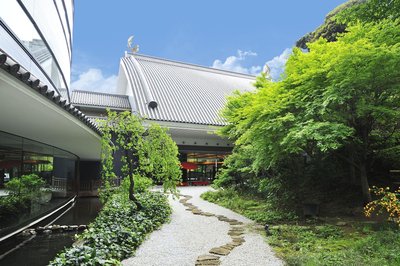
Hotel Gajoen Tokyo
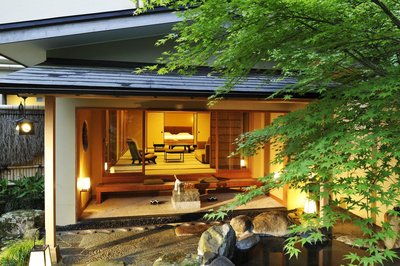
Gora Kadan
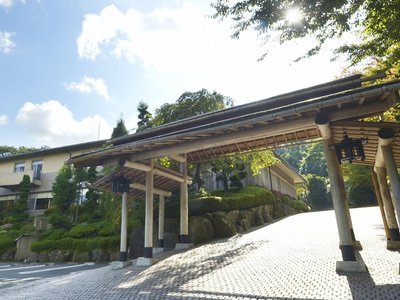
Gora Hanaougi
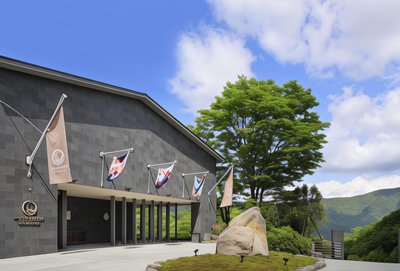
The Hiramatsu Hotels & Resorts Sengokuhara Hakone
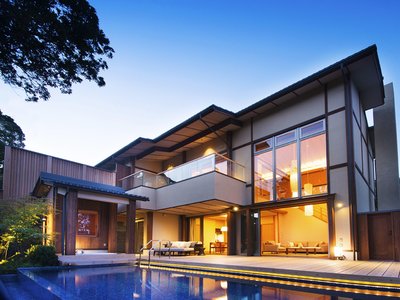
Abba Resorts Izu - Zagyosoh
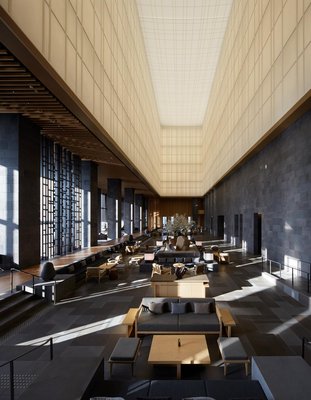
Aman Tokyo
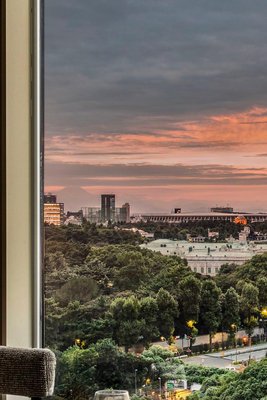
Hotel New Otani Tokyo, Executive House Zen
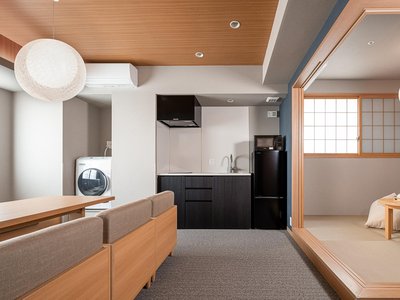
MIMARU SUITES Tokyo Asakusa
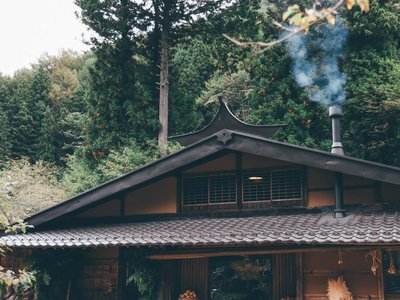
La Terra Resort
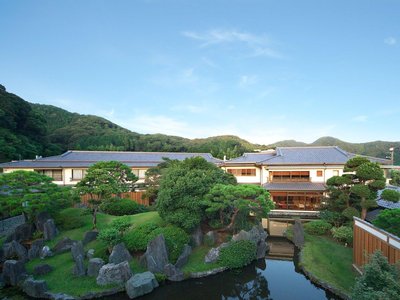
Kagetsutei
karaksa hotel colors Tokyo Yaesu
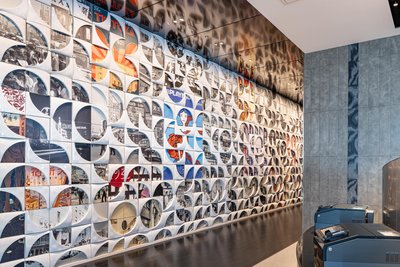
HOTEL GROOVE SHINJUKU, A PARKROYAL Hotel

EN Resort Grandeco Hotel
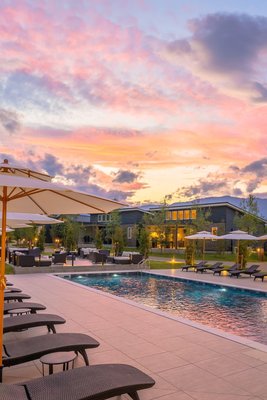
Awaumi Fujikawaguchiko Resort
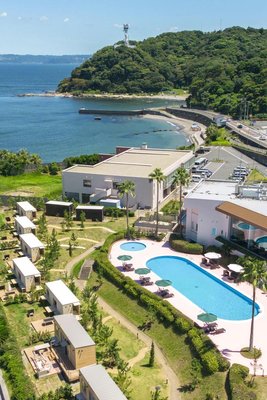
La vista Yokosuka Kannonzaki Terrace
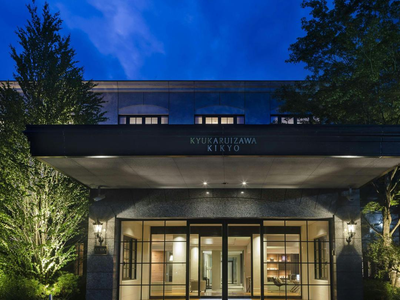
Fufu Karuizawa Wind of Sunshine
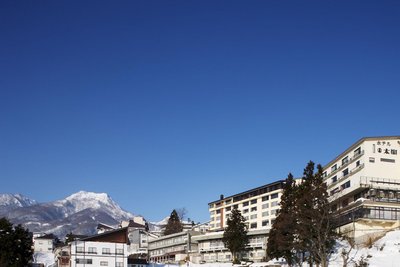
Hotel Taiko, Akakura Onsen
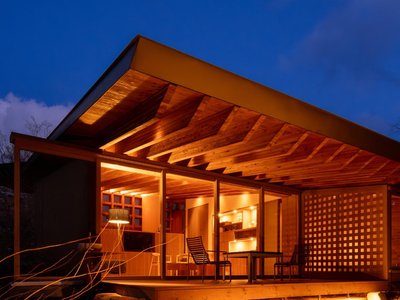
Nasu Mukunone
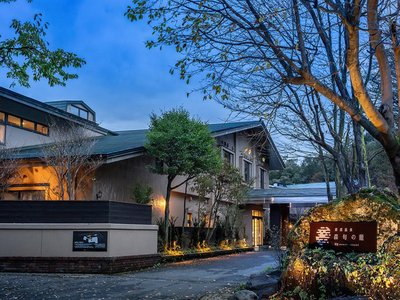
Nasu Onsen Shinshun no Kago Hewitt Resort

Scapes the Suite
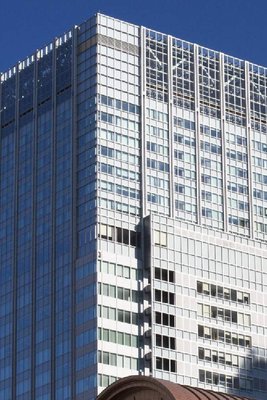
Hotel Metropolitan Tokyo Marunouchi
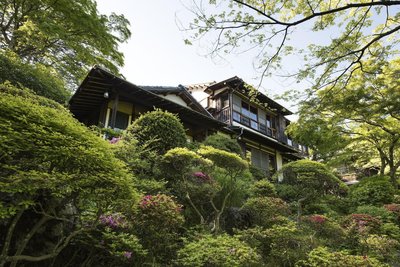
Gora Kansuiro
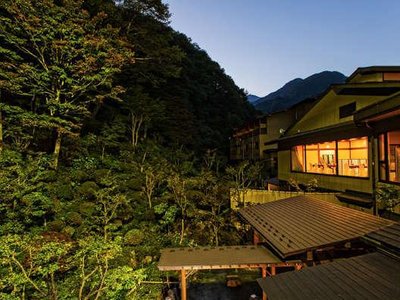
Futari Shizuka
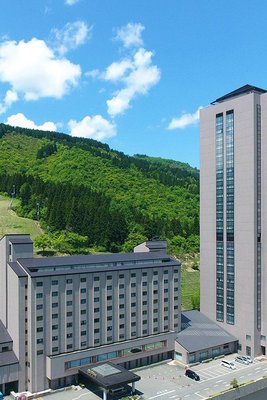
Naspa New Otani
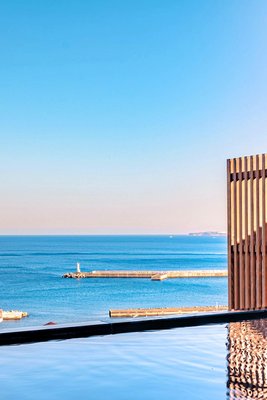
HOTEL KANICHI
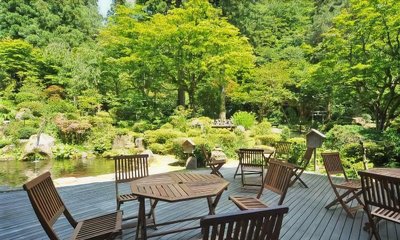
Choseikan
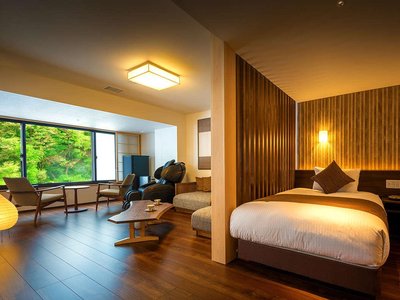
Harataki
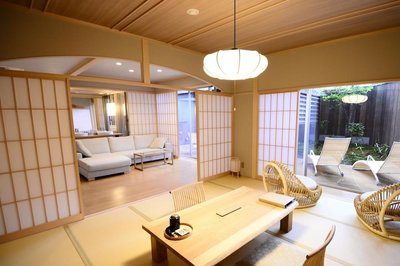
Hakone Gora Byakudan
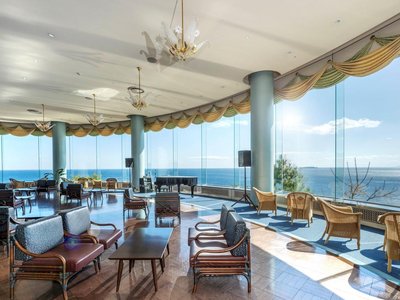
Hotel New Akao
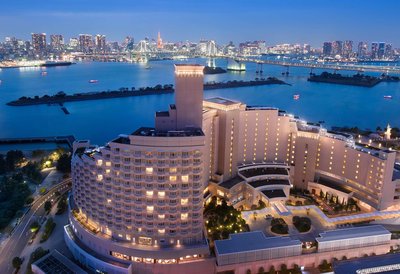
Hilton Tokyo Odaiba
JW Marriott Hotel Tokyo
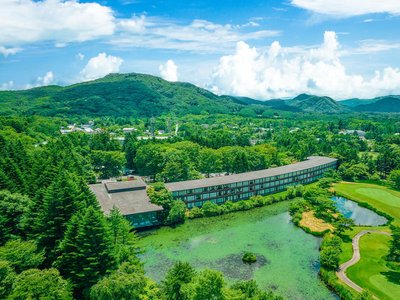
The Prince Karuizawa
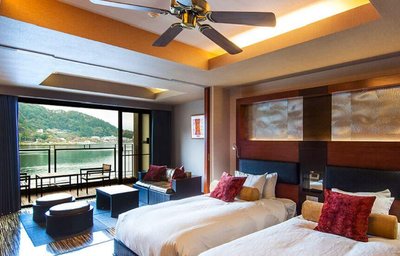
The Kukuna
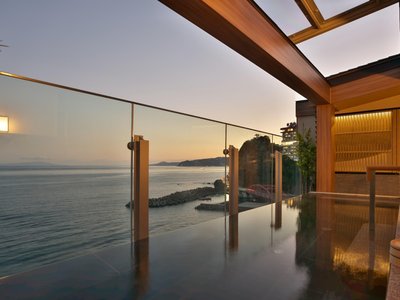
Hotel New Sagamiya
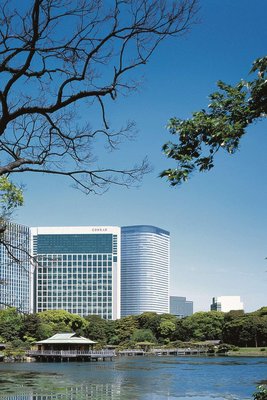
Conrad Tokyo
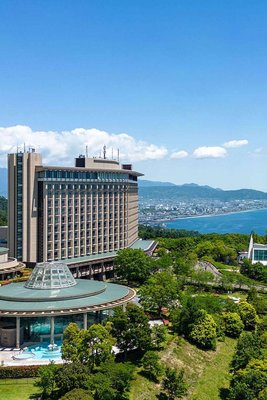
Hilton Odawara Resort & Spa
Hoshinoya Karuizawa
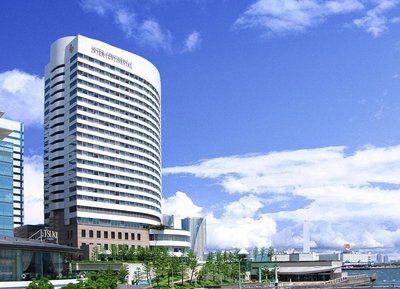
InterContinental Tokyo Bay
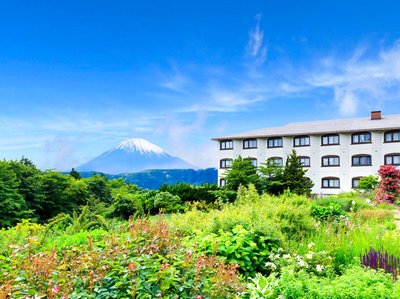
Hotel Green Plaza Hakone
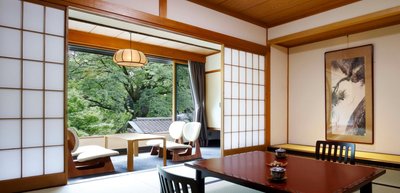
Yoshiike Ryokan
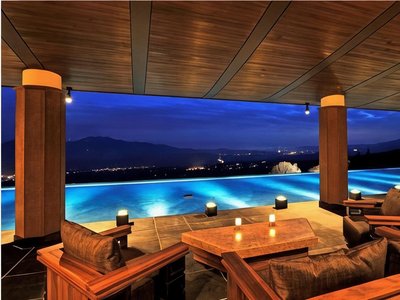
Akakura Kanko Hotel
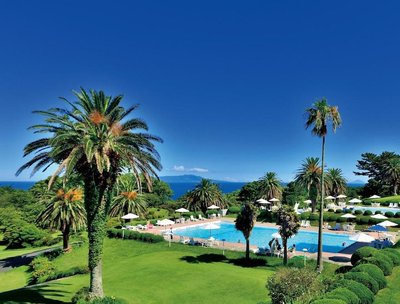
Kawana Hotel
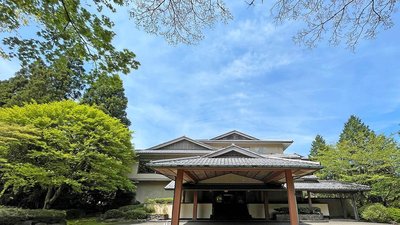
Ryuguden
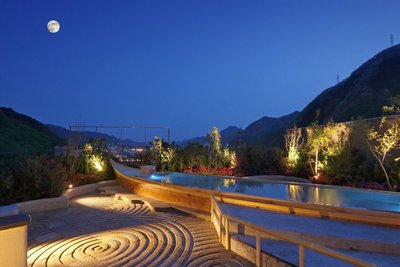
Asaya
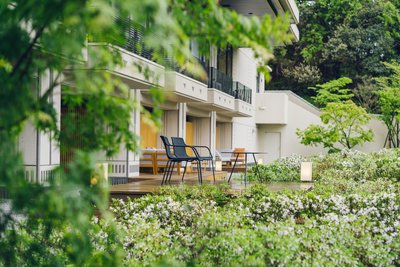
Hoshino Resorts Kai Enshu
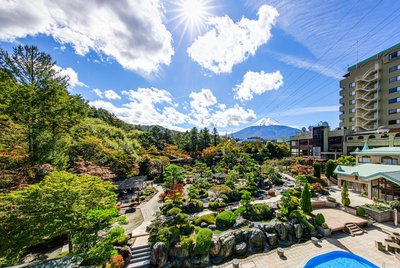
Kaneyamaen
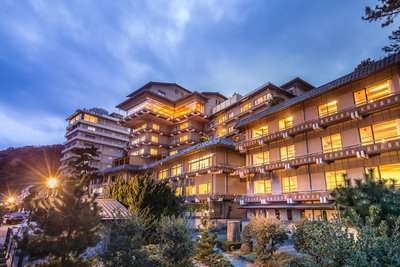
Bousui
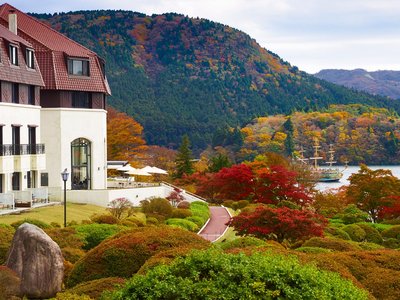
Hotakajyo
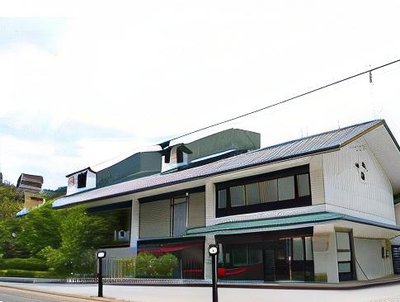
Auberge Suzukane

Onyado Nono Asakusa Bettei Hot Spring
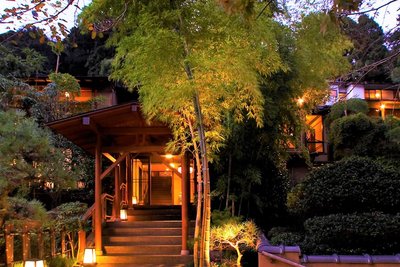
Shiki wo Ajiwau Yado Yamano Chaya
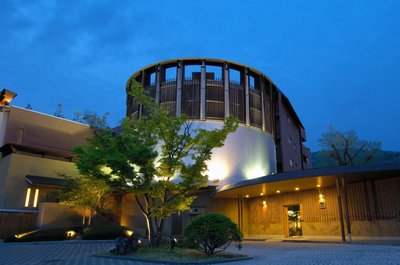
Hoshino Resorts Kai Matsumoto
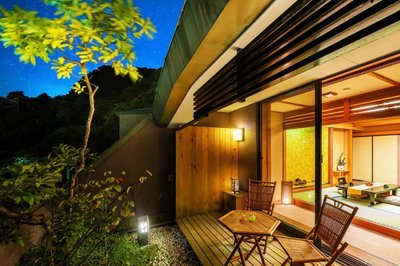
Konjakutei
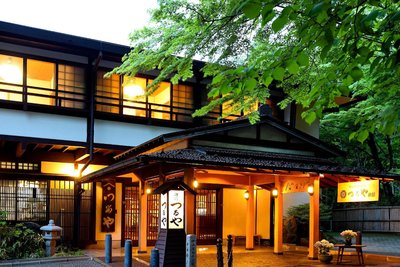
Tsuruya Ryokan
Nakamatsuya Ryokan
Ryokan Sugimoto
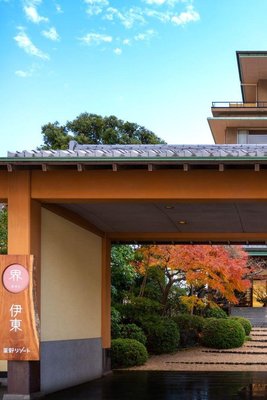
Hoshino Resorts Kai Ito
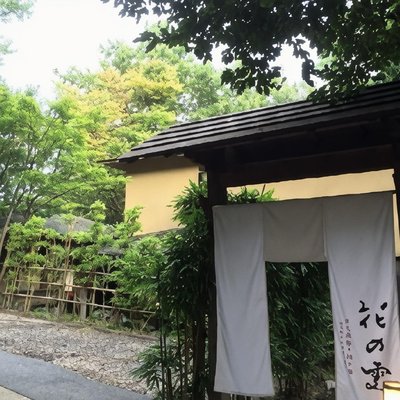
Hana No Kumo
Yoshiike Ryokan
Hotel Gajoen Tokyo
Gora Hanaougi
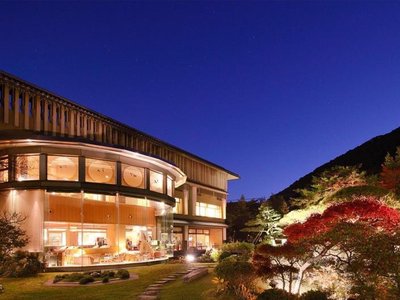
Shikisai Ichiriki
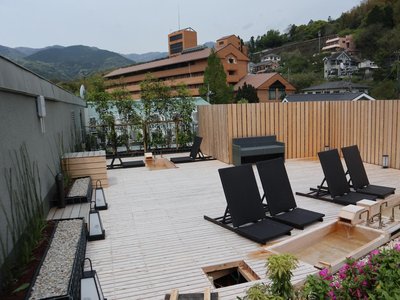
Fukiya Ryokan
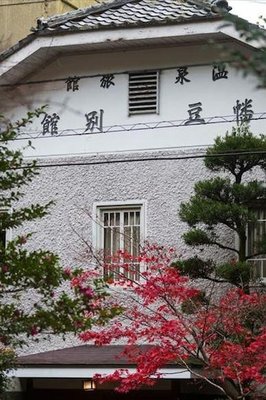
Oku-Mikawa・Yuya Onsen HAZU Bekkan
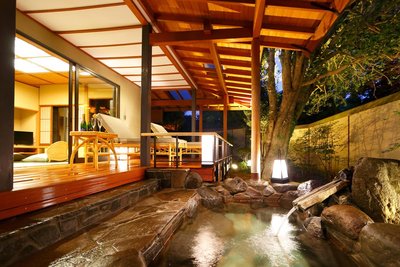
Yoshiharu Ryokan – Izu Nagaoka Onsen
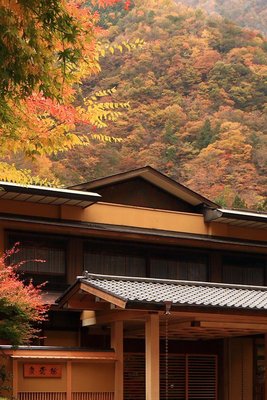
Nishiyama Onsen Keiunkan
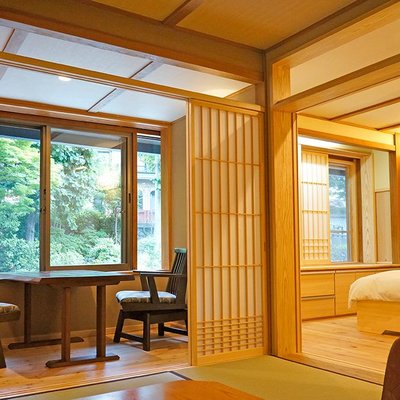
Sumiyosiya Ryokan
Bellustar Tokyo, A Pan Pacific Hotel
JW Marriott Hotel Tokyo
Andaz Tokyo Toranomon Hills- A Concept by Hyatt
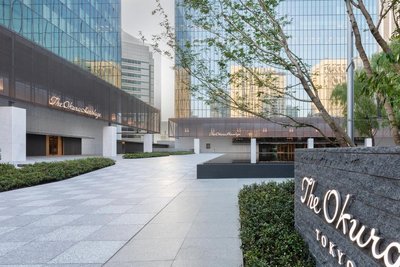
The Okura Tokyo
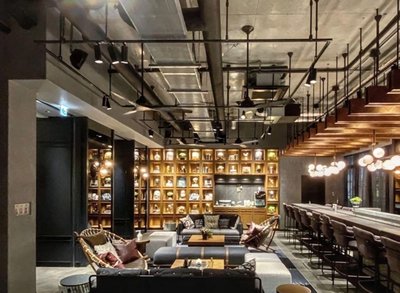
The Lively Azabujuban Tokyo
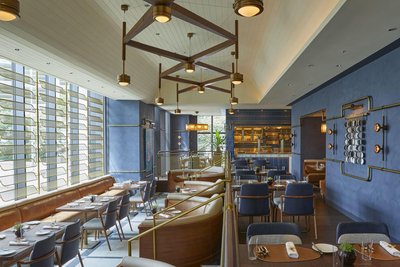
Kimpton Shinjuku Tokyo
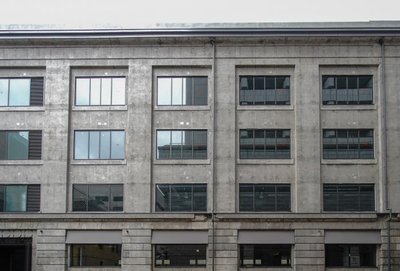
HOTEL K5
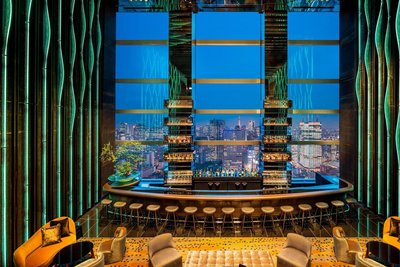
The Prince Gallery Tokyo Kioicho, a Luxury Collection Hotel
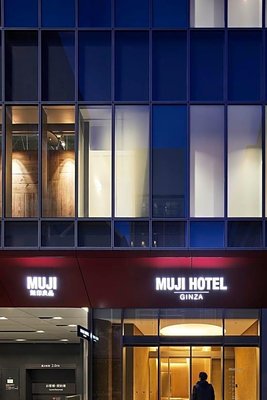
Muji Hotel Ginza
Hakone Gora Byakudan
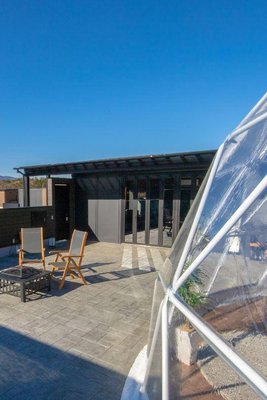
Panoramic Mt. Fuji Views from All Rooms – Vision Glamping Resort & Spa Yamanakako
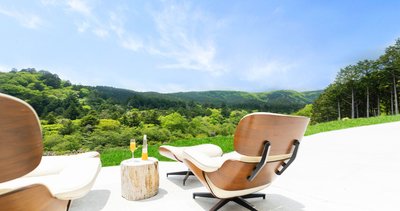
Shelter Garden Nikko
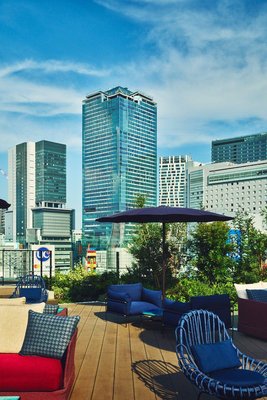
Hotel Indigo Tokyo Shibuya
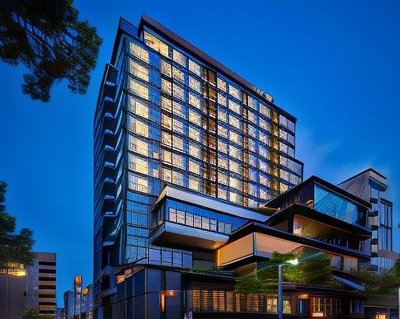
TIAD, AUTOGRAPH COLLECTION
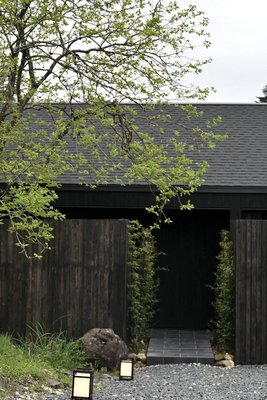
THE LAKOTAN
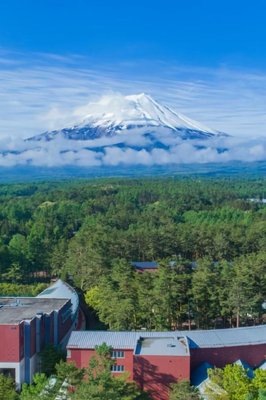
Forest Village (Fuji Premium Resort)
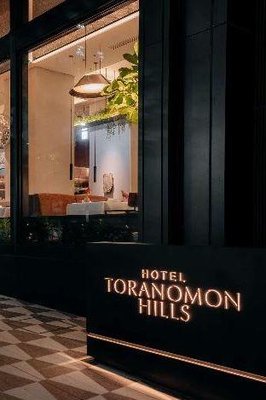
Hotel Toranomon Hills
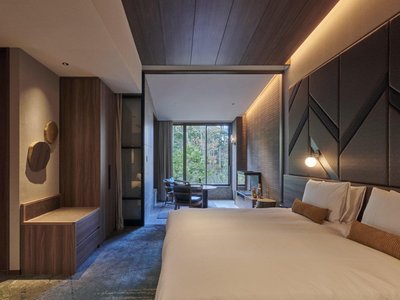
Fufu Kyu-Karuizawa Restful Forest
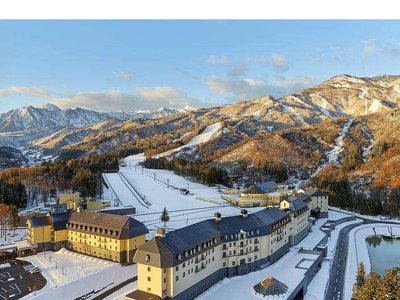
Lotte Arai Resort
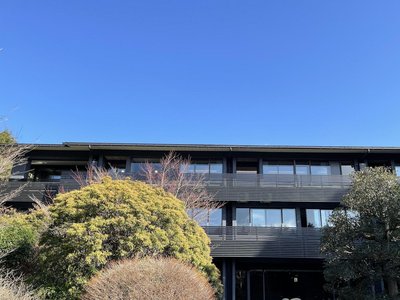
Sengokubara Cocon
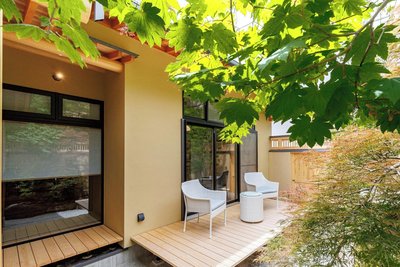
Shoraiso
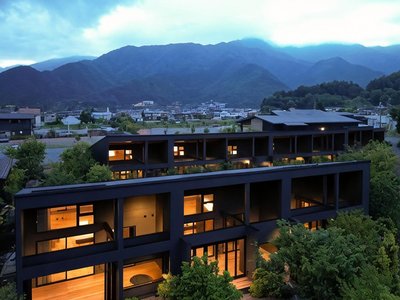
7C Villa and Winery
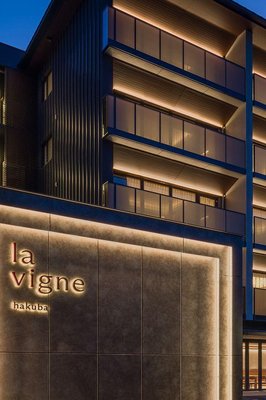
Hotel la Vigne Hakuba by Onko Chishin
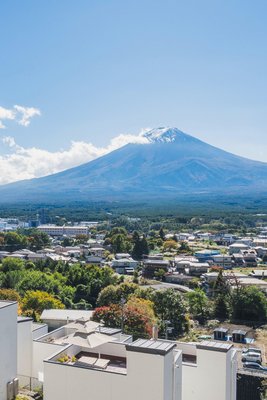
THE TOKI FujiKawaguchiko
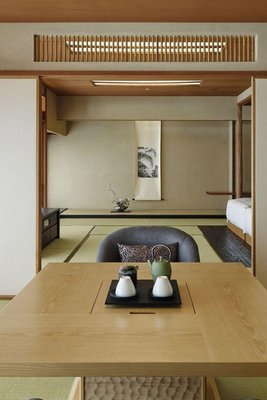
Takanawa Hanakohro (in Grand Prince Hotel Takanawa)
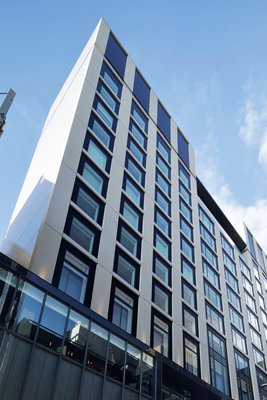
Hyatt Centric Ginza Tokyo
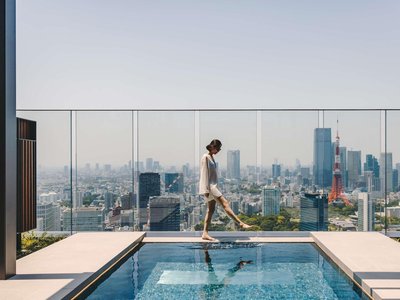
Fairmont Tokyo
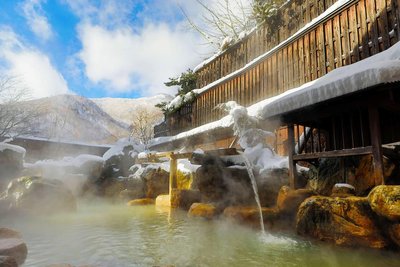
Miyamaouanbekkan yumegurinoyado hirayukan
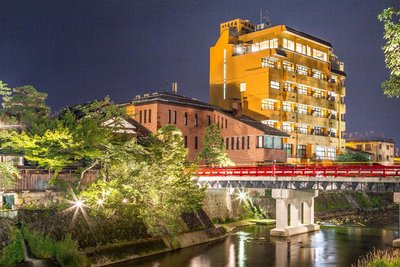
HONJIN HIRANOYA BEKKAN
Bvlgari Hotel Tokyo
Four Seasons Hotel Tokyo at Marunouchi
Mandarin Oriental, Tokyo
The Ritz-Carlton, Tokyo
Andaz Tokyo Toranomon Hills- A Concept by Hyatt
Gora Kadan
Hotel New Otani Tokyo the Main
Aman Tokyo
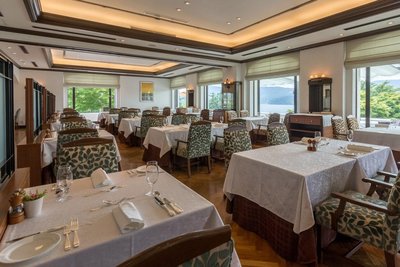
Odakyu Hotel de Yama
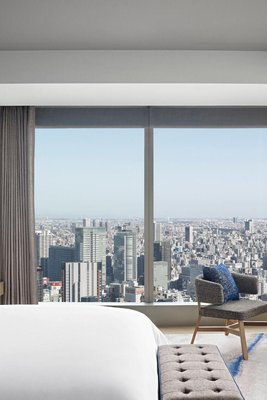
Four Seasons Hotel Tokyo at Otemachi
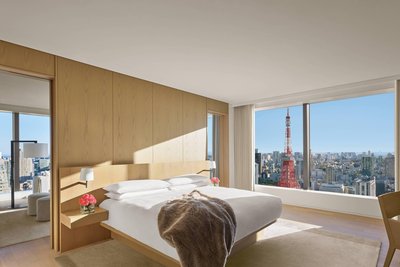
The Tokyo Edition, Toranomon
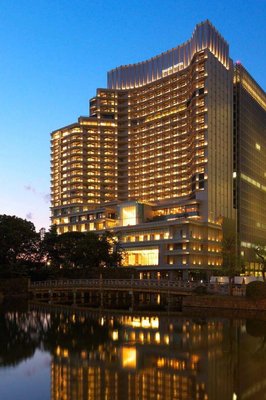
Palace Hotel Tokyo
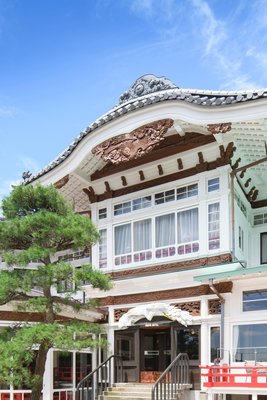
Fujiya Hotel
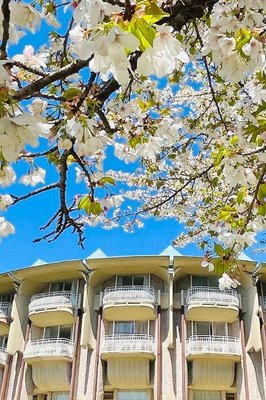
The Prince Hakone Lake Ashinoko
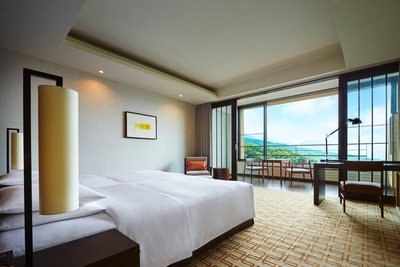
Hyatt Regency Hakone Resort and Spa
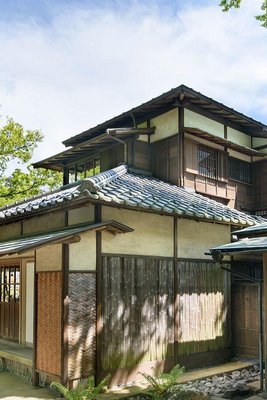
Hakone Suishoen
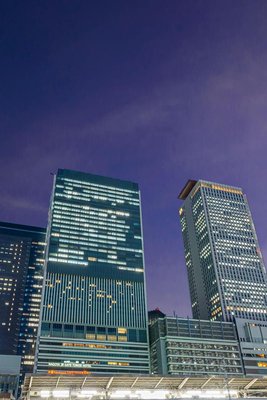
Nagoya JR Gate Tower Hotel (JR-Central Hotels)
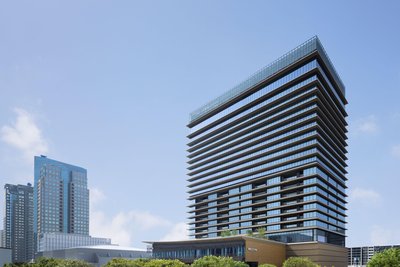
The Westin Yokohama
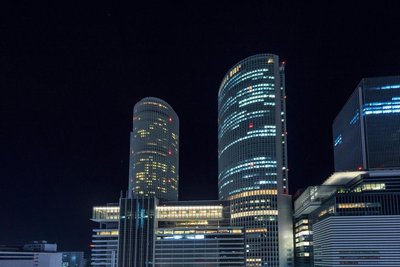
Nagoya Marriott Associa Hotel
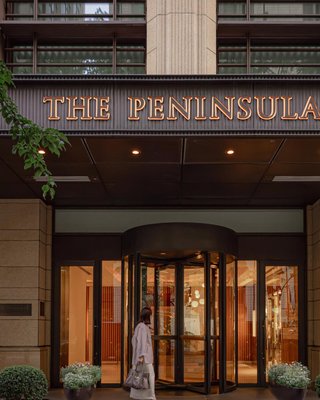
The Peninsula Tokyo
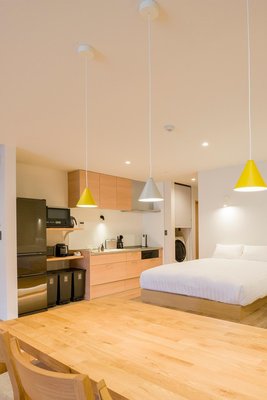
Rakuten STAY VILLA Nasu
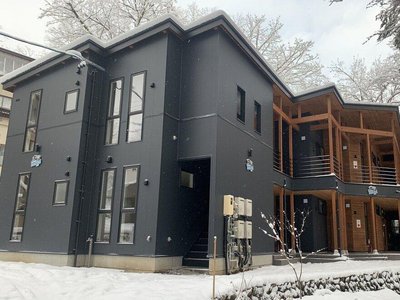
Hakuba Gondola Apartments
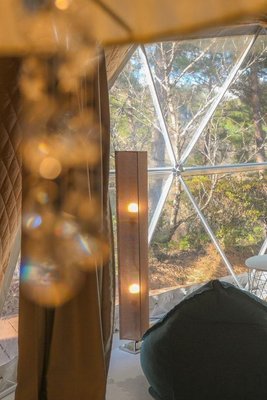
glampark Gekkabijin Nagano
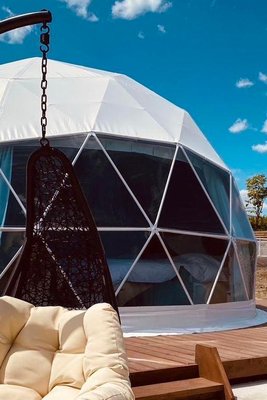
chillout glamping zao
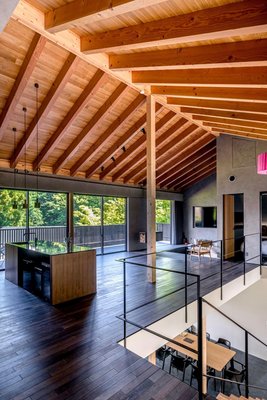
MONS GORA
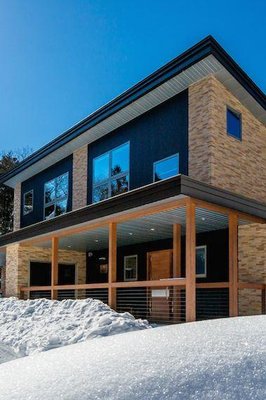
Phoenix Chalets by Hhg
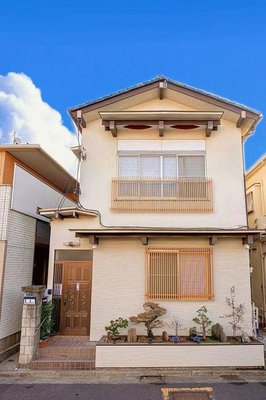
Tokyo Star House-Shinkoiwa
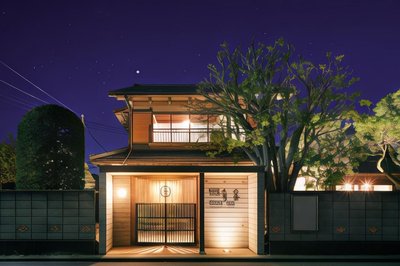
Machi-Jyu
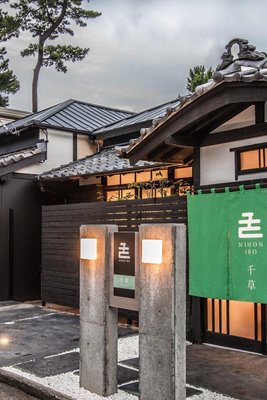
Nihon Iro
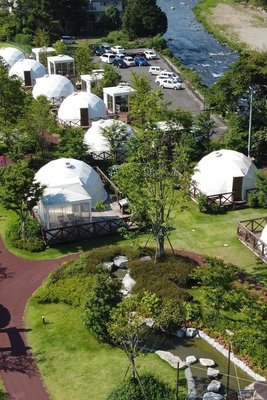
Ufufu Village
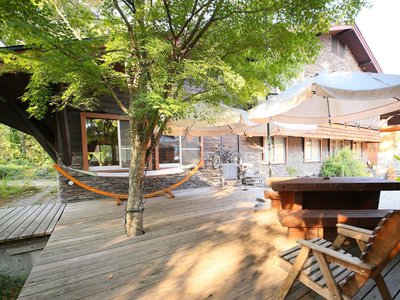
Kunugi Relaxation with 4 Modern Rooms
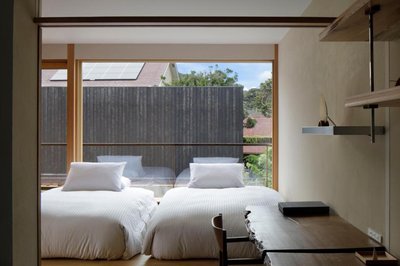
Modern Ryokan Kishi-ke
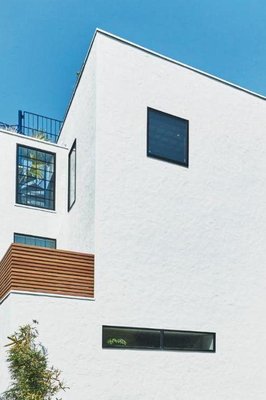
The Flow Kamakura
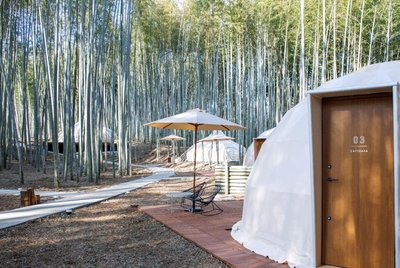
THE BAMBOO FOREST
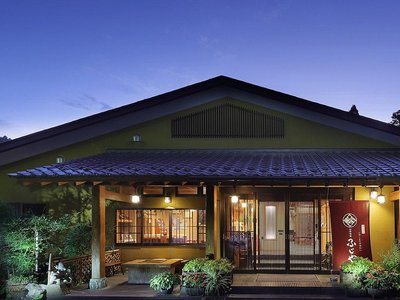
Shikimitei Fujiya
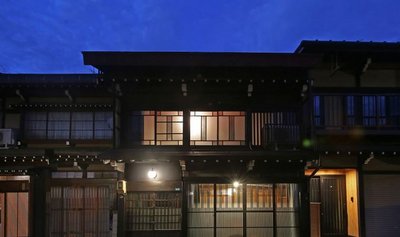
Iori Stay Hida
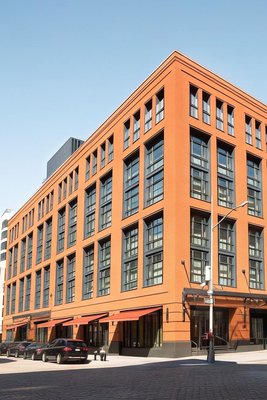
Hotel Barrière Fouquet's New York
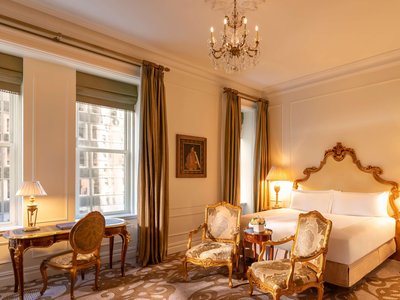
The Plaza - A Fairmont Managed Hotel
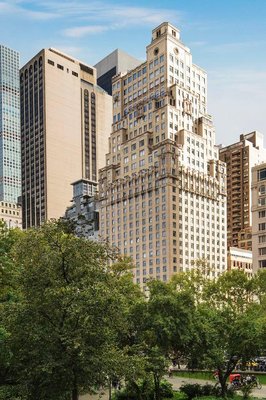
The Ritz-Carlton New York, Central Park
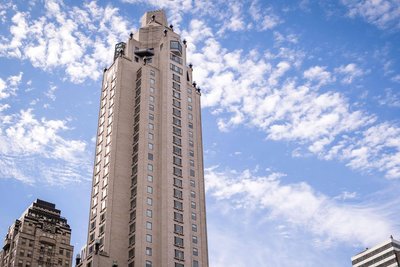
Four Seasons Hotel New York
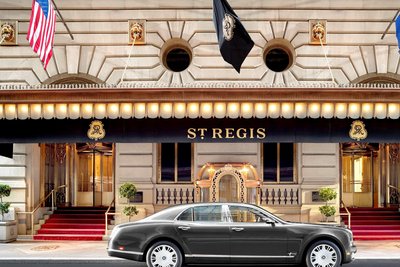
The St. Regis New York
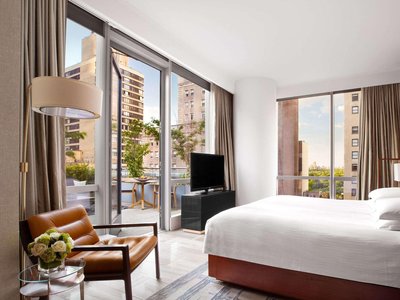
Park Hyatt New York
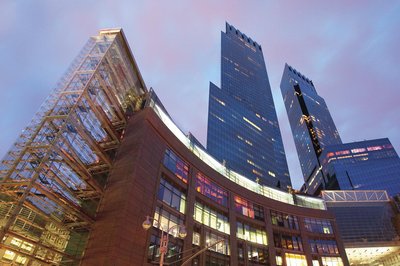
Mandarin Oriental New York
Times Square Edition New York
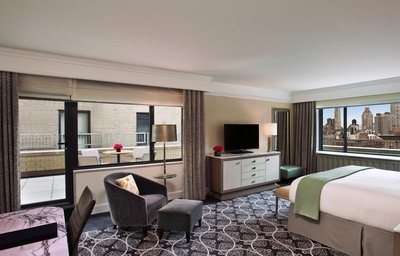
Loews Regency New York Hotel
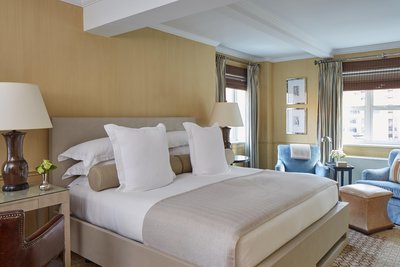
Lowell Hotel
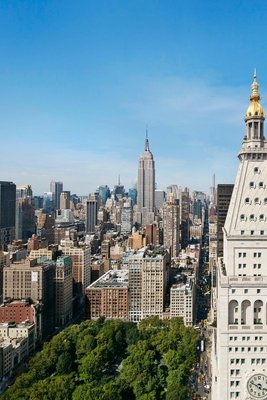
New York Edition
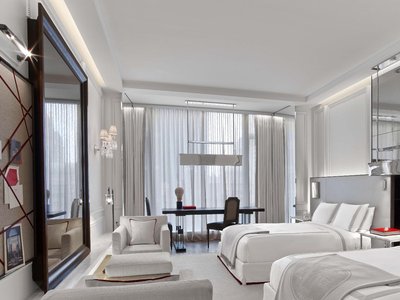
Baccarat Hotel New York
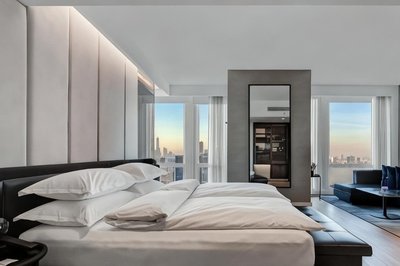
Equinox Hotel New York
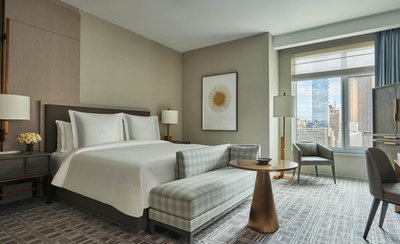
Four Seasons Hotel New York Downtown
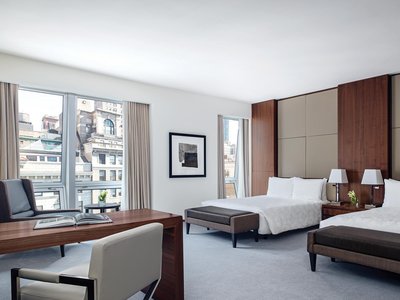
The Langham, New York, Fifth Avenue
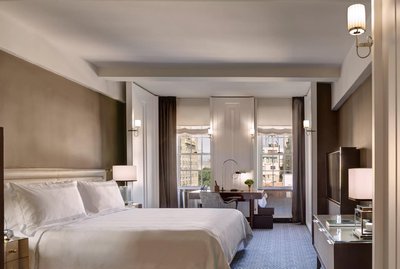
The Carlyle, A Rosewood Hotel

The Chatwal, in the Unbound Collection by Hyatt
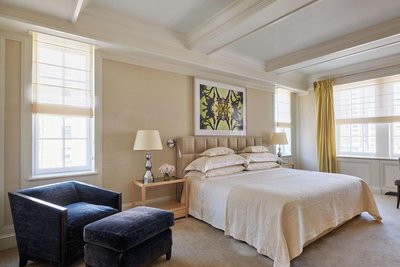
The Mark New York
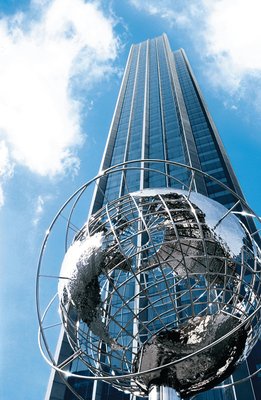
Trump International Hotel & Tower® New York
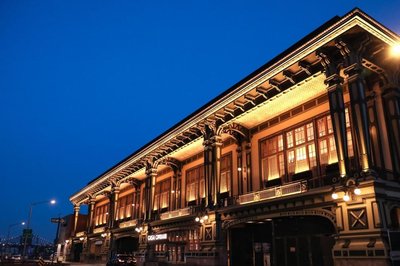
Casa Cipriani New York
Frequently Asked Questions about Traveling to Funabashi
Questions You Might Need to Know About Traveling to Funabashi
In Funabashi City, top family-friendly options include Hotel Eastin Funabashi, located near Funabashi Station and offering spacious family rooms, kid-friendly amenities, and easy access to Funabashi Central Park. Another excellent choice is Hotel Nihonbashi Funabashi, which provides babysitting services, high chairs, and themed children’s activities. Both hotels are within walking distance of Daitemachi Shopping Street, where families can enjoy local snacks and entertainment. The city’s low crime rate and well-maintained public spaces make it ideal for stress-free family travel.
The best area for hotel stays in Funabashi City is around Funabashi Station, a major transit hub with direct access to Tokyo Station via Keisei Electric Railway (approx. 20 minutes). This zone offers a wide range of accommodations from budget-friendly chains like APA Hotel Funabashi Ekimae to mid-range options such as Toyoko Inn Funabashi Station North Exit. It's also surrounded by dining spots, convenience stores, and shopping centers. Plus, the proximity to Funabashi Central Park and Chiba Prefectural Museum of Art makes it perfect for both business travelers and tourists seeking convenience and cultural experiences.
Key cultural attractions in Funabashi City include the Chiba Prefectural Museum of Art, which features rotating exhibitions of contemporary Japanese art and international works. Another highlight is Funabashi Shrine, a historic Shinto site dating back to the Edo period, known for its vibrant Funabashi Festival held annually in spring. Additionally, Funabashi Central Park houses a local history exhibit detailing the city’s evolution from ancient burial mounds to modern urban development. These sites offer deep insights into regional heritage and artistic expression.
For nightlife, head to Daitemachi Shopping Street and the Funabashi Station Front Area, where you’ll find cozy izakayas, ramen shops, and dessert cafés buzzing until late. The Takaya Curry Alley is famous for its rich, aromatic curry rice served in casual settings. For a quieter evening, stroll along the Shishino River Promenade with illuminated bridges and riverside benches. Some hotels, like Hotel Eastin Funabashi, even feature rooftop bars or on-site lounges, offering a relaxing way to unwind after a day of exploring.
Must-try dishes in Funabashi City include Funabashi Curry Rice, a thick, savory curry made with locally sourced ingredients, popular at restaurants like Takaya Curry Factory. Try grilled seafood skewers from Daitemachi Street vendors, especially fresh clams and squid. The city also celebrates seasonal specialties—such as Chiba Watercress Soup in spring and cherry blossom mochi during cherry blossom season. These dishes reflect the region’s agricultural roots and culinary craftsmanship, making them essential for food lovers visiting the area.
Yes, Funabashi City is highly bike-friendly. Ride along the Shishino River Pathway from Funabashi Central Park to the Chiba Prefectural Museum of Art, enjoying scenic views of water lilies and birds. Another great route connects Funabashi Station South Exit to Kasama Forest Park, passing through quiet residential areas and green corridors. Many hotels, including Hotel Eastin Funabashi, offer free bicycle rentals. The city has clear signage and dedicated bike lanes, making it safe and enjoyable for riders of all levels.
Top photo spots in Funabashi City include the Chiba Prefectural Museum of Art, whose sleek glass façade creates stunning reflections in daylight. Funabashi Central Park’s Seasonal Garden offers picturesque backdrops with cherry blossoms in spring, lotus flowers in summer, and colorful foliage in autumn. The red Torii Gate at Funabashi Shrine provides a classic Japanese aesthetic, especially at golden hour. Don’t miss the neon-lit alleys of Daitemachi Shopping Street, where retro signs and traditional storefronts create a nostalgic urban vibe perfect for candid shots.
Funabashi City is ideal for families, with Funabashi Central Park featuring large playgrounds, open lawns, and a petting zoo. The Chiba Prefectural Museum of Art hosts interactive workshops for kids, including pottery and painting sessions. For nature lovers, the Shishino River Eco Trail offers guided walks to observe local wildlife. Most hotels, such as Hotel Nihonbashi Funabashi, provide complimentary baby cots, high chairs, and children’s welcome kits. These family-oriented facilities ensure a comfortable and memorable experience for all ages.
Transportation in Funabashi City is highly convenient. The city is served by Keisei Electric Railway and Tokyu Toyo Line, connecting directly to Tokyo Station in under 20 minutes. Major stations like Funabashi Station and Nishi-Funabashi Station have multiple exits, elevators, and real-time digital displays. Local buses cover all districts, and the city operates a smart transit app for live updates. With pedestrian-friendly sidewalks, bike-sharing stations, and clear signage, navigating Funabashi is seamless for both locals and tourists.
Funabashi City hosts several unique festivals: the annual Funabashi Festival at Funabashi Shrine, featuring traditional taiko drumming, lion dances, and colorful parade floats. In autumn, the Chiba Prefectural Museum of Art’s Open House Weekend includes live art demonstrations, craft markets, and music performances. Additionally, Daitemachi Shopping Street runs a quarterly Gourmet Week, with special menus and discounts. These events showcase local culture, creativity, and community spirit, offering visitors authentic and unforgettable experiences.
Funabashi Overview
City Summary
Funabashi City, located in northwestern Chiba Prefecture along Tokyo Bay, blends rich history with modern amenities. Known for the Ebikawa River's natural landscapes, it serves as a Tokyo commuter town. Key attractions include LaLaport TOKYO-BAY shopping complex and traditional fishing port culture with fresh seafood.
Must-See Attractions
Top sights include Makuhari New City's commercial facilities, Funabashi Fish Market's morning auctions, and Ebikawa River's cherry blossom spots. History buffs can visit Funabashi City Museum to learn about Edo-period post town heritage. At night, visit Sanbanze Seaside Park for Tokyo Bay panoramas.
Food Guide
Renowned for fresh seafood, don't miss "Funabashi-don" with port-direct catches and grilled clams. Local specialties include "Niboshi Ramen" made with dried sardines and Chiba peanut desserts. Summer festivals feature takoyaki and okonomiyaki at food stalls.
Transportation Guide
JR East Sobu Line and Keisei Electric Railway are main transit options, with Funabashi Station as the hub. City buses cover wide areas but walking between attractions is often ideal. 30-minute train ride from Tokyo Station, IC cards (Suica/Pasmo) recommended. Taxis are expensive late night—mind last train schedules.
Best Time to Visit
Best seasons are spring (March-May) for sakura or autumn (September-November) for mild weather. Summer offers beach activities despite humidity, while winter has fewer crowds and illumination events. Avoid Golden Week and Obon festival periods.
Travel Tips
- Fish market trading peaks 5-7AM for freshest catch
- Allow 30+ mins for tax refunds at department stores
- Check tide schedules/flags for coastal activities
- Many old establishments accept cash only
- Observe priority seat etiquette on trains
- Confirm tattoo policies at hot spring facilities
Useful Information
Japanese is primary language; basic English signage exists at stations. Free WiFi hotspots cluster at transport hubs and malls—prepaid SIMs are advisable. Credit cards work at chains/department stores but not street markets. For emergencies, Funabashi Municipal Medical Center requires Japanese assistance. "Matsumoto Kiyoshi" drugstores have Chinese staff. Voltage is 100V with two-flat-pin plugs.









