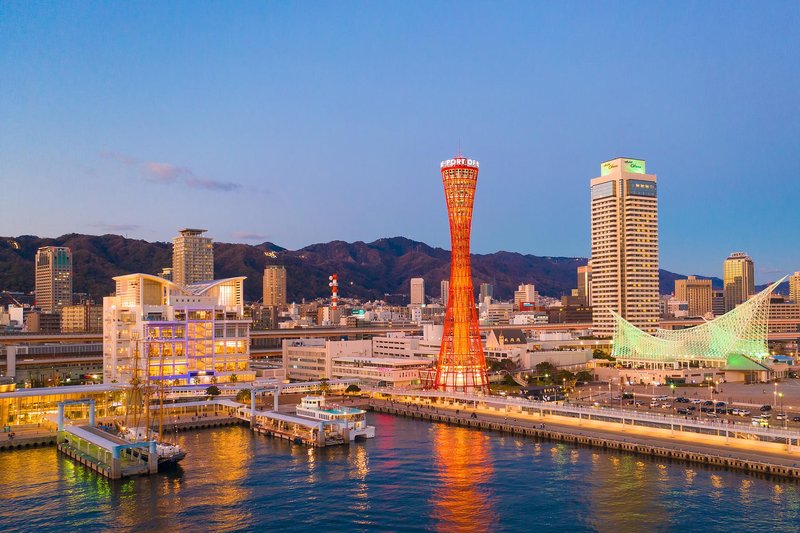
Hotels in Geisei
Discover your perfect stay in Geisei.
Geisei(Japan) Travel 2026: Cheap Flights, Hotels & Top Attractions
Popular Landmarks in Geisei
Discover the most iconic attractions in Geisei
Recommended Hotels in Geisei
Find the perfect place to stay in Geisei
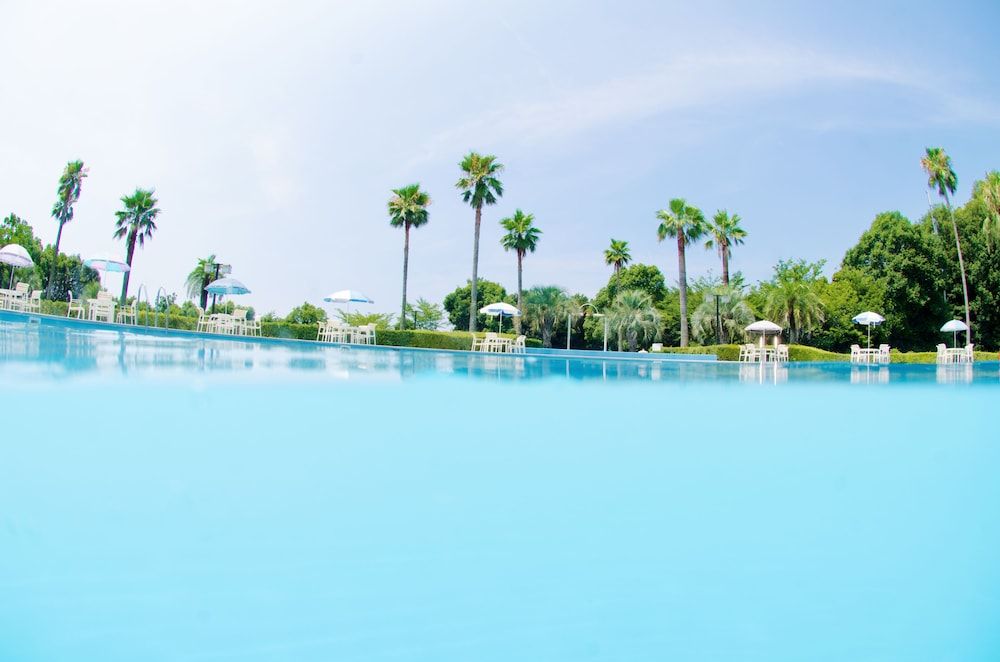
Mercure Kochi Tosa Resort & Spa
Best Hotels in Geisei
Discover curated hotel collections in Geisei
Shima Kanko Hotel the Bay Suites
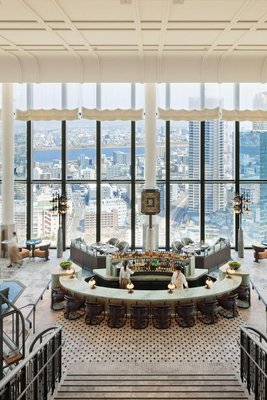
Waldorf Astoria Osaka
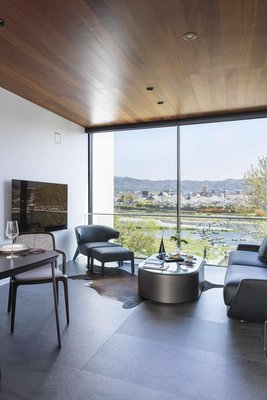
Kamo Residences by Reflections
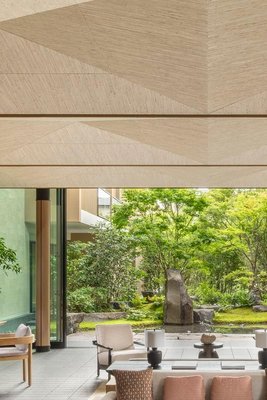
Six Senses Kyoto
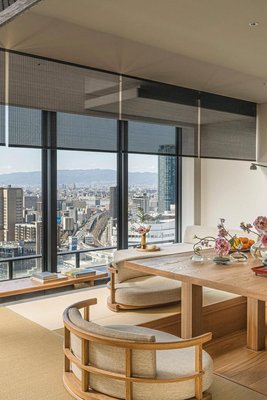
Four Seasons Hotel Osaka
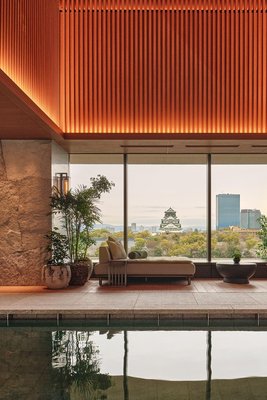
Patina Osaka
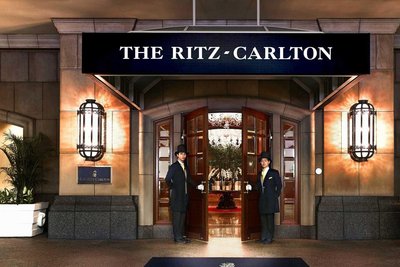
The Ritz-Carlton, Osaka
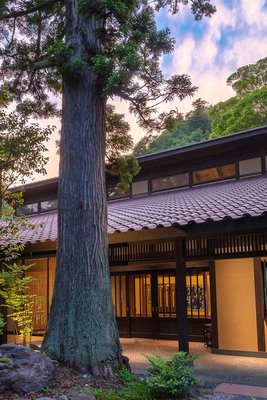
Arimasansoh Goshobessho
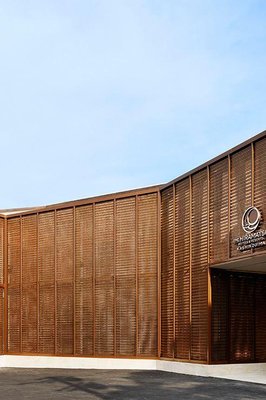
The Hiramatsu Hotels & Resorts Kashikojima
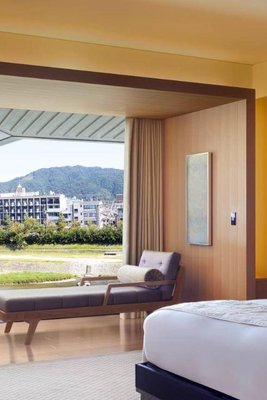
The Ritz-Carlton, Kyoto
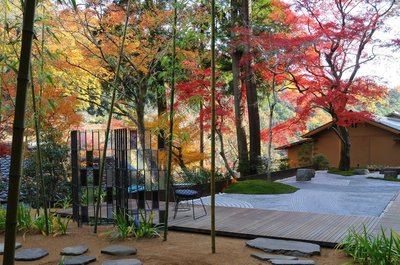
HOSHINOYA Kyoto
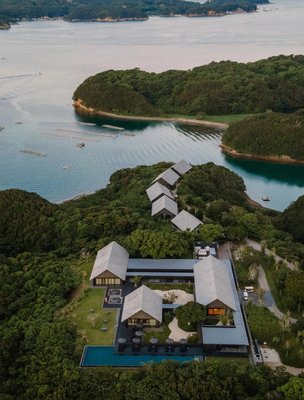
Amanemu
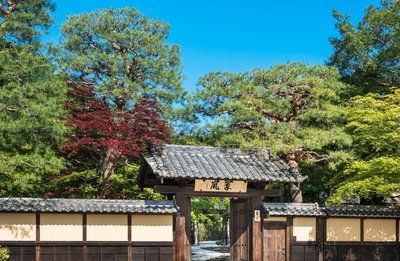
Suiran, a Luxury Collection Hotel, Kyoto
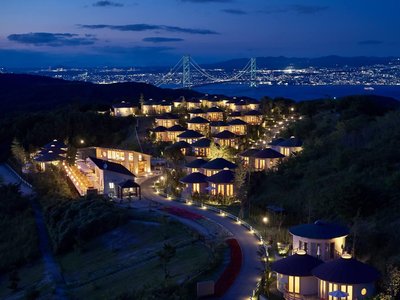
Grand Chariot Hokutoshichisei 135°
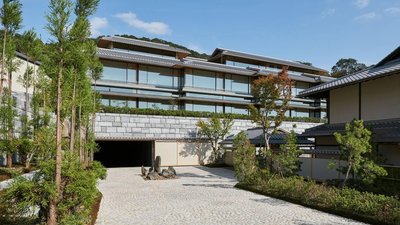
Park Hyatt Kyoto
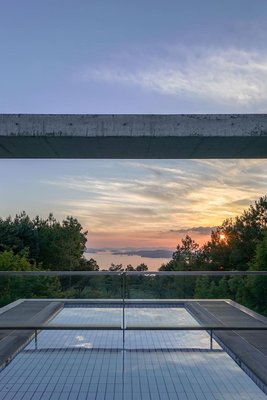
SETOUCHI RETREAT by Onko Chishin
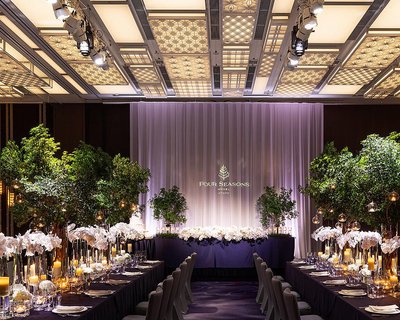
Four Seasons Hotel Kyoto
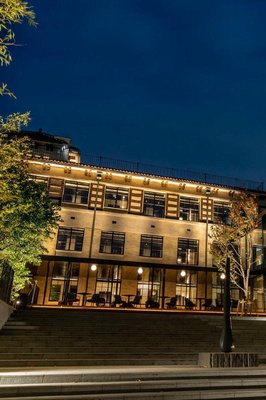
The Hotel Seiryu Kyoto Kiyomizu - a Member of the Leading Hotels of the World-
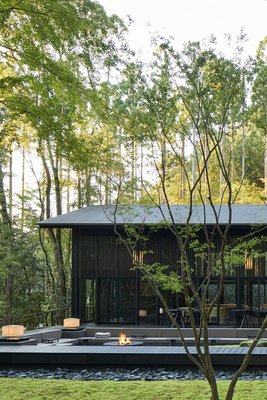
Aman Kyoto
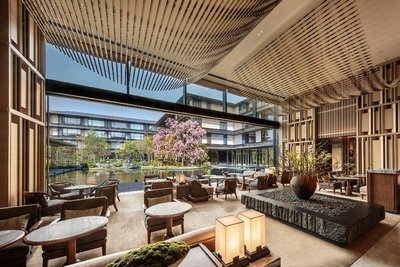
Hotel the Mitsui Kyoto, a Luxury Collection Hotel & Spa
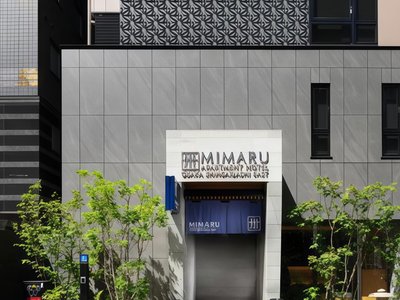
MIMARU Osaka Shinsaibashi East
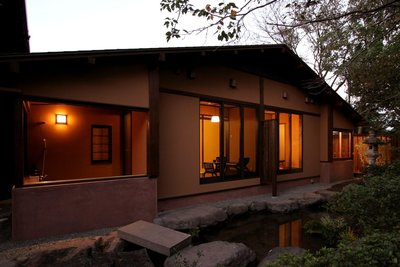
SEKIYA RESORT Bettei Haruki
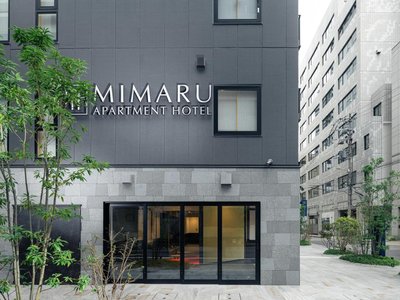
MIMARU Osaka Shinsaibashi North
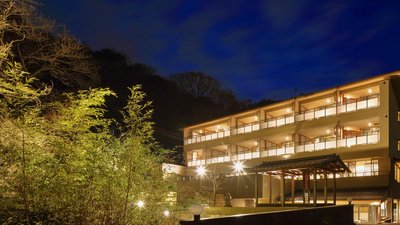
Okuno Hosomichi
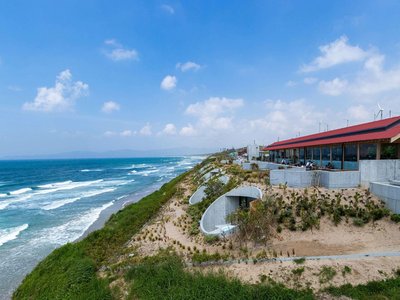
Izumo Hotel the Cliff
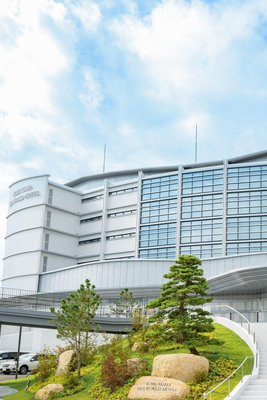
Kobe Suma Sea World Hotel
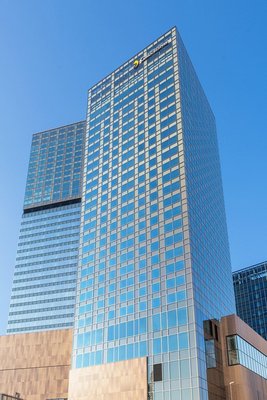
Hotel Hankyu GRAN RESPIRE OSAKA
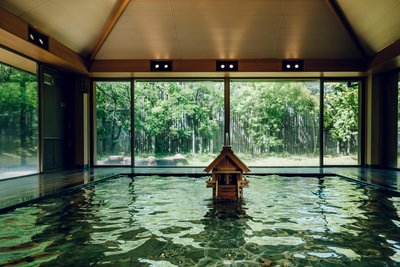
Hoshino Resorts KAI Tamatsukuri
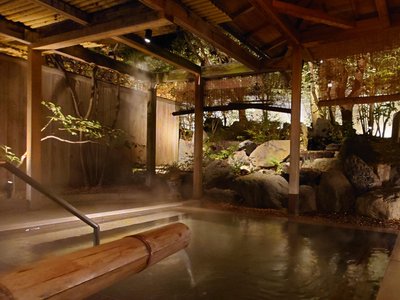
Kasuga Hotel
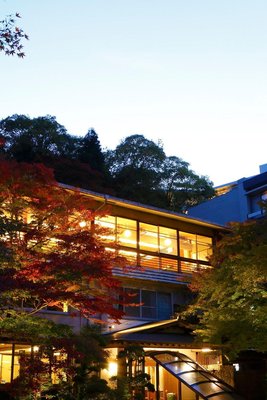
Negiya Ryofukaku
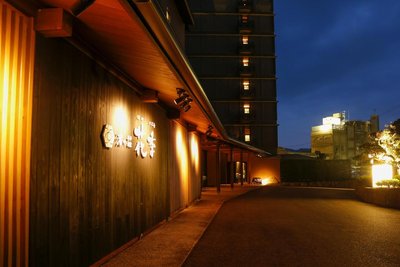
Hanagoyomi
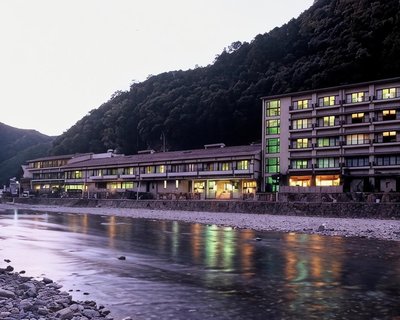
Kawayu Onsen Fujiya
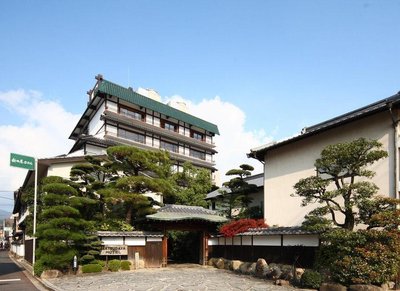
Matsudaya Hotel
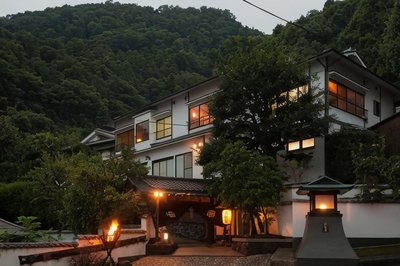
Beppu Showaen
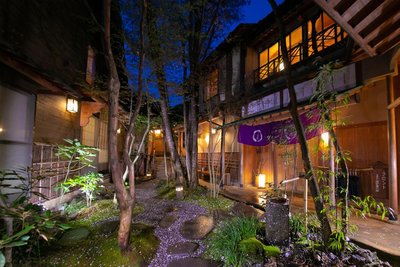
Oyado Ichizen
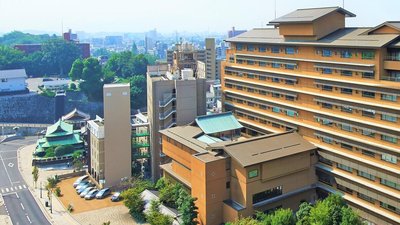
Yamatoya Honten
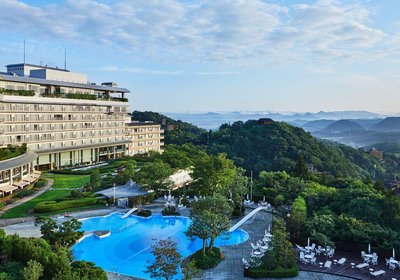
Arima Grand Hotel
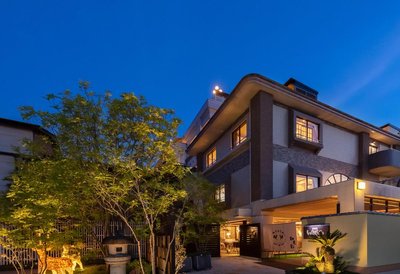
Hotel New Wakasa
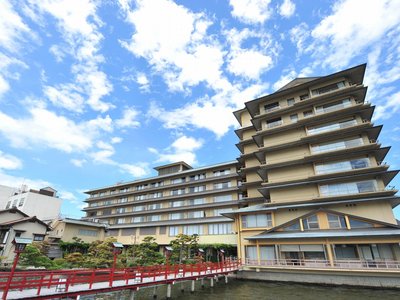
Bokoro Ryokan
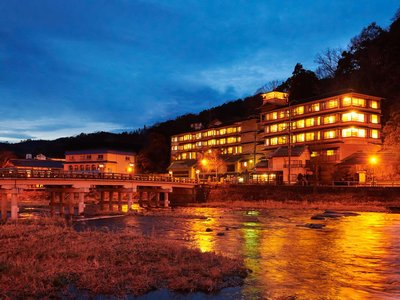
Mansuirou

XYZ Private Spa and Seaside Resort
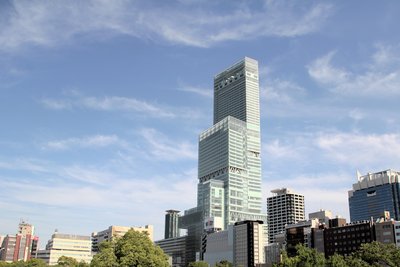
Osaka Marriott Miyako Hotel
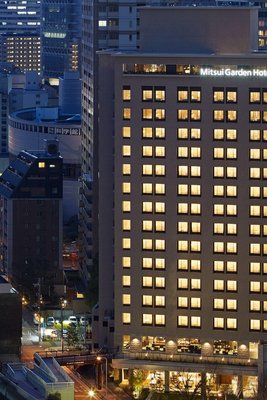
Mitsui Garden Hotel Osaka Premier
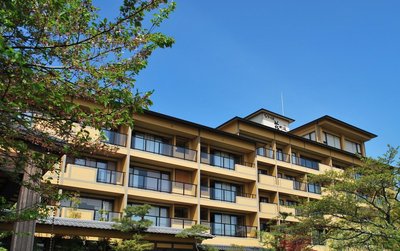
BIWAKO HANAKAIDO
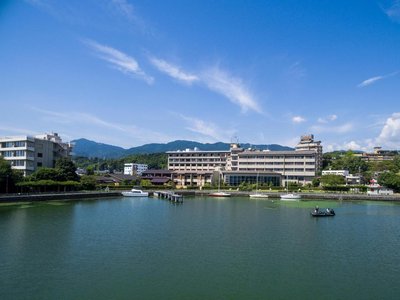
Biwako Ryokusuitei
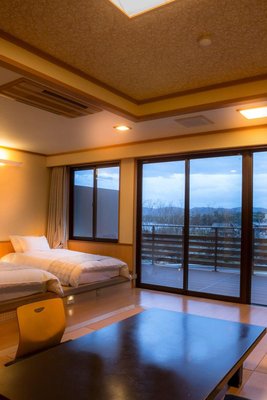
Hotel Kitanoya
Hanagoyomi
Kawayu Onsen Fujiya
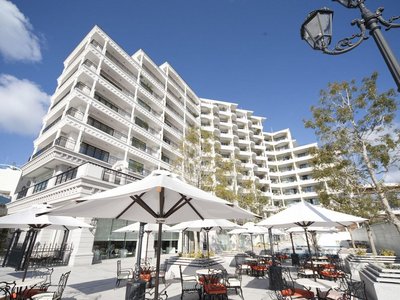
Hotel La Suite Kobe Harborland

AoAwo Naruto Resort

Holiday Inn Resort Miyazaki
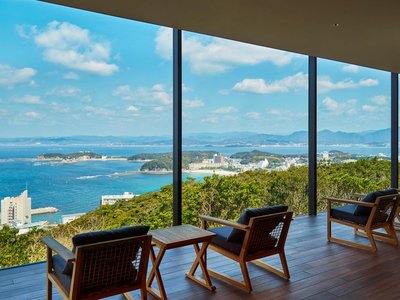
Infinito Hotel and Spa
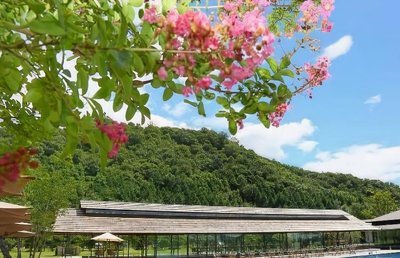
Bella Vista Spa and Marina Onomichi
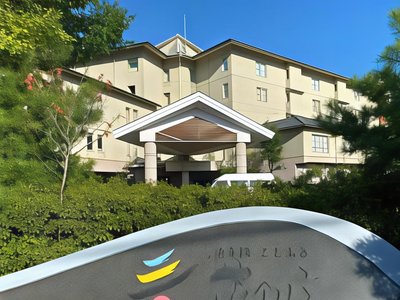
Yufuin Kotobuki Hananosho
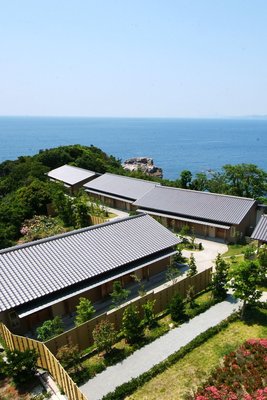
Hamachidorinoyu Kaisyu
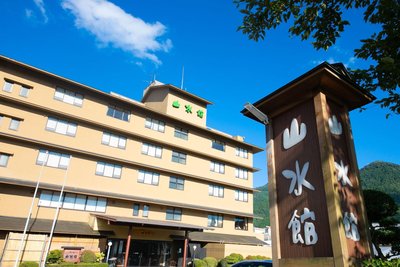
Yufuin Sansuikan
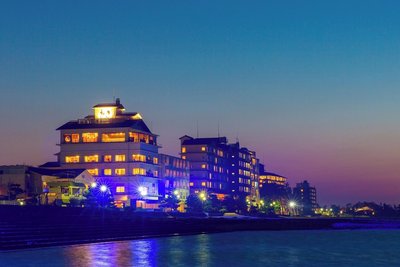
Kaike Shogetsu
The Ritz-Carlton, Kyoto
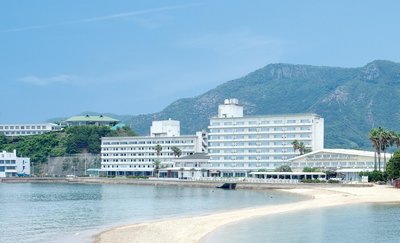
Shodoshima International Hotel
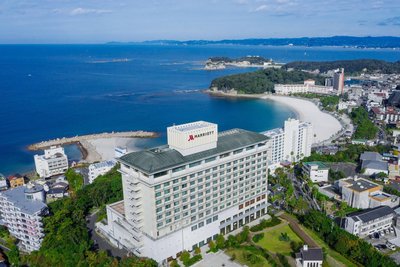
Nanki-Shirahama Marriott Hotel
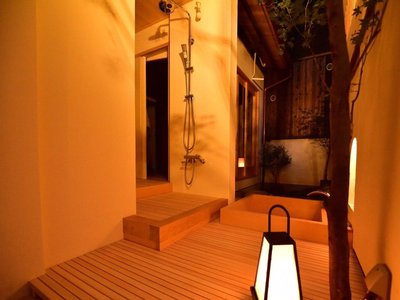
Yado Kiramachi
Arimasansoh Goshobessho
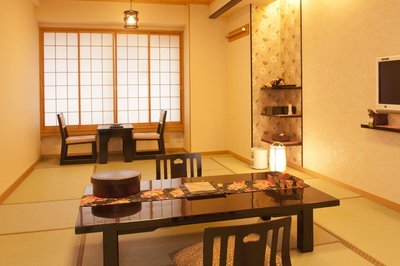
Matsui-Bekkan Hanakanzashi
Hoshino Resorts KAI Tamatsukuri

Taikyourou
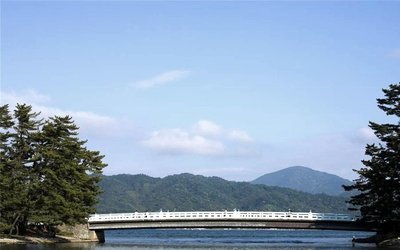
Monjusou Shourotei
Kasuga Hotel
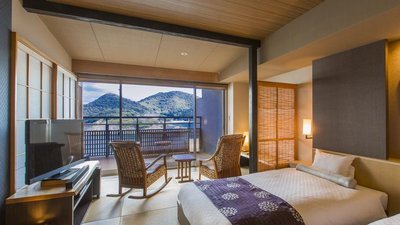
Migiwatei Ochi Kochi
Hotel New Wakasa
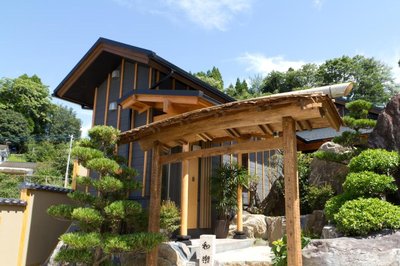
Ryokan Shinsen
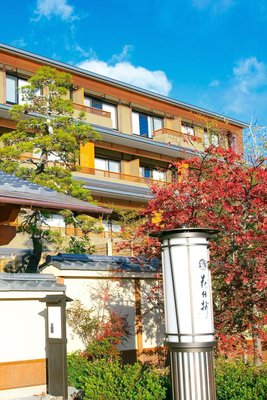
Kyoto Arashiyama Onsen Kadensho (Kyoritsu Resort)
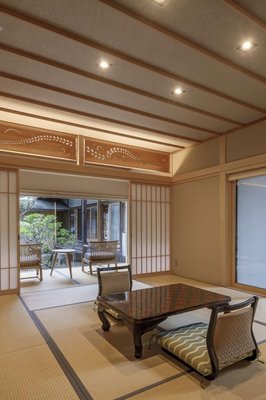
Ichijoin
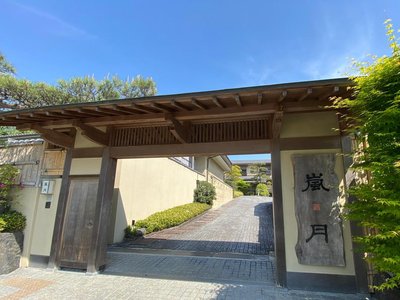
Rangetsu
The Ritz-Carlton, Kyoto
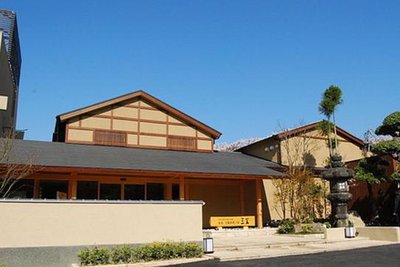
Mikasa
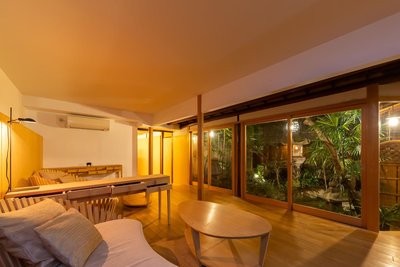
Izuyasu Traditional Kyoto Inn Serving Kyoto Cuisine
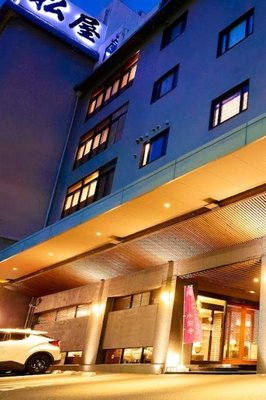
Ryotei Matsuya Honkan Suizenji
HOSHINOYA Kyoto
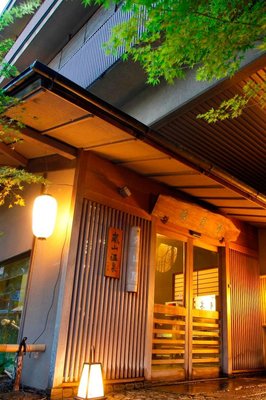
Togetsutei
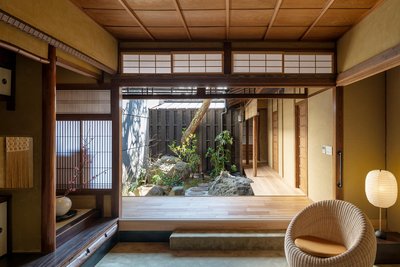
Nazuna Kyoto Gosho

22 PIECES
The Ritz-Carlton, Osaka

The Thousand Kyoto
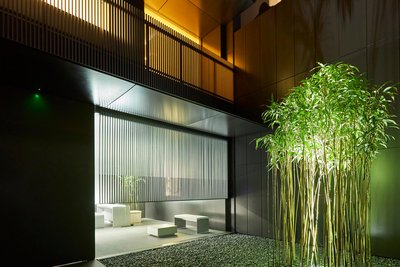
Mogana
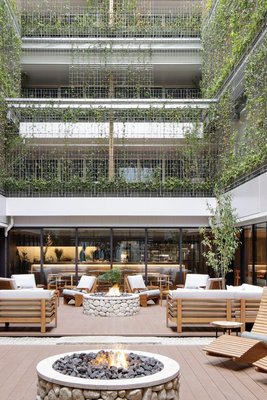
GOOD NATURE HOTEL KYOTO
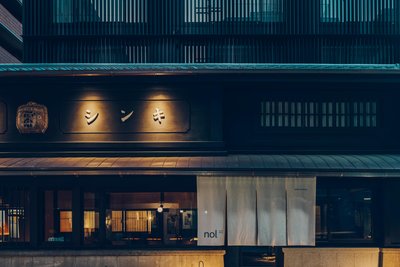
Nol Kyoto Sanjo
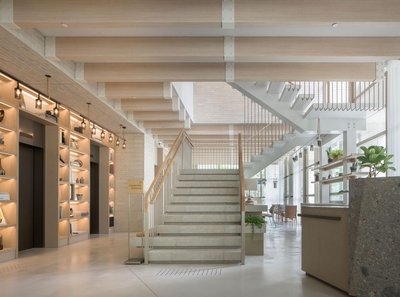
Zentis Osaka
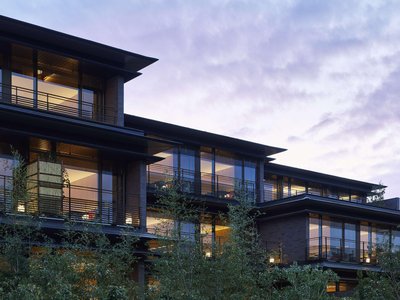
Garrya Nijo Castle Kyoto
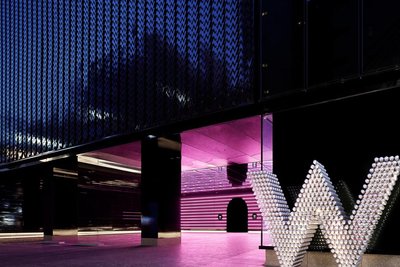
W Osaka
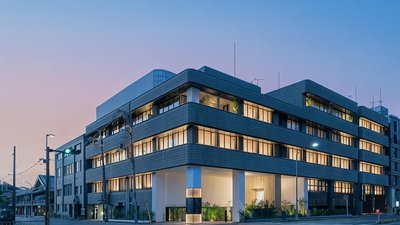
Hotel Kanra Kyoto
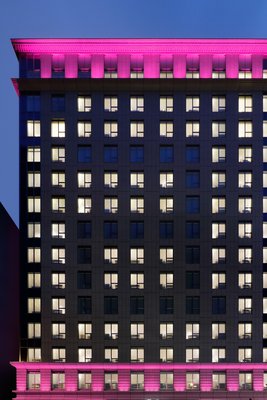
Aloft Osaka Dojima
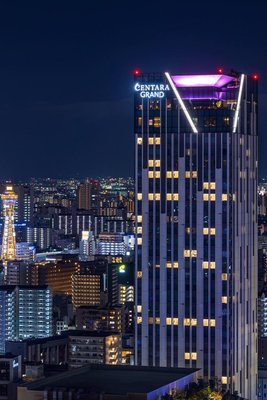
Centara Grand Hotel Osaka
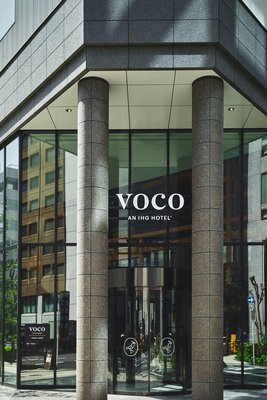
voco Osaka Central
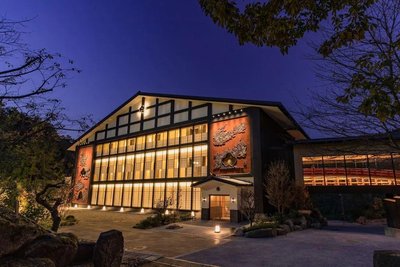
Okuhita Onsen Umehibiki
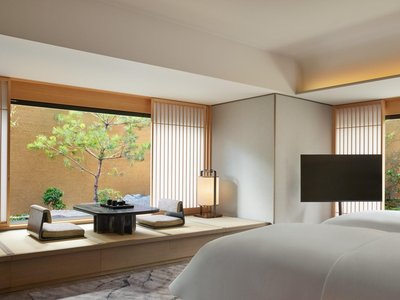
Dusit Thani Kyoto
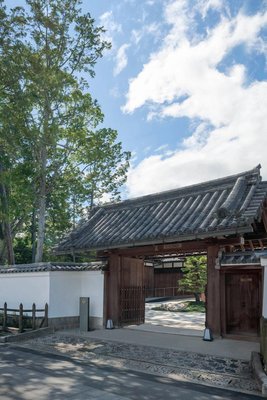
Shisui, a Luxury Collection Hotel, Nara
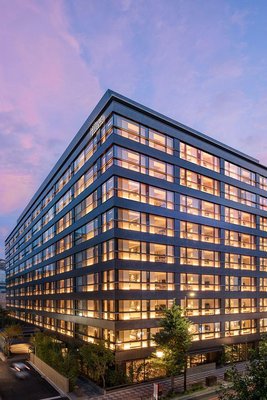
Hilton Kyoto
Osaka Marriott Miyako Hotel
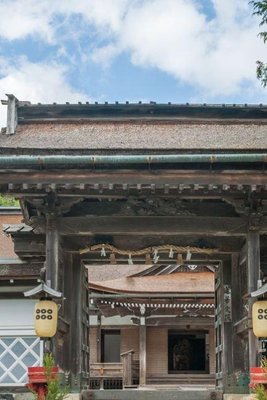
Koyasan Rengejoin
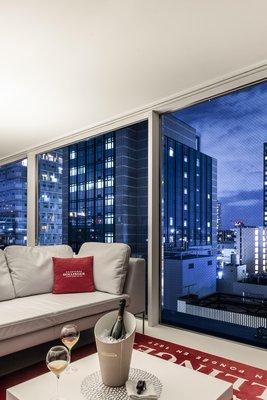
CUVÉE J2 HOTEL OSAKA by Onko Chishin
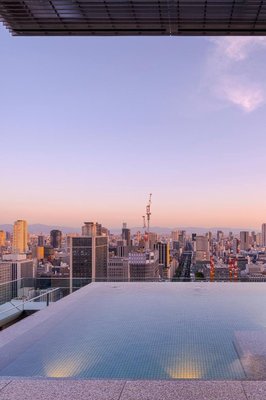
Candeo Hotels Osaka The Tower
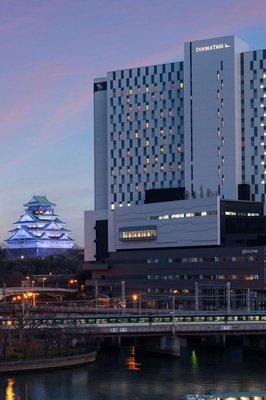
DoubleTree by Hilton Osaka Castle
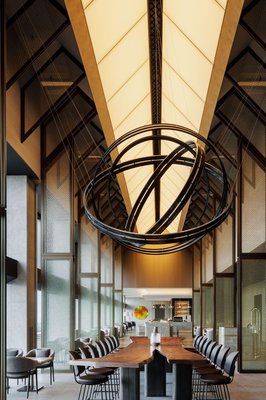
The Osaka Station Hotel, Autograph Collection
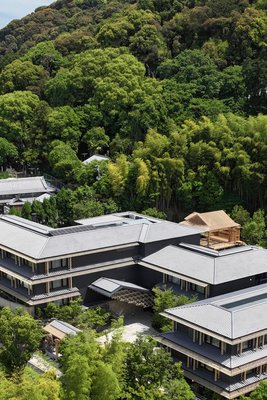
Banyan Tree Higashiyama Kyoto
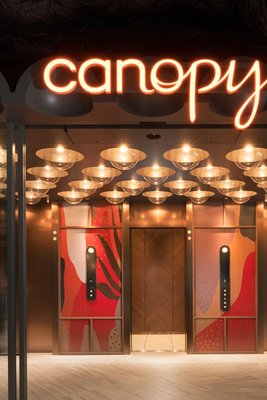
Canopy by Hilton Osaka Umeda
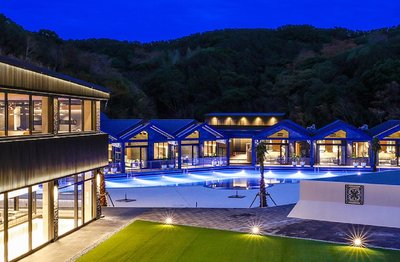
FIVE SPRING RESORT THE SHIRAHAMA
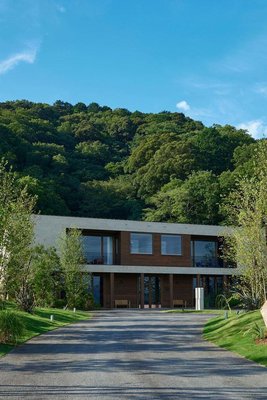
HACIENDA VISON
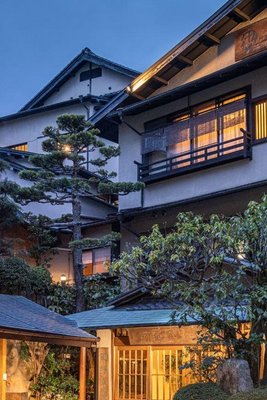
Arima Onsen Tocen Goshobo
Hotel La Suite Kobe Harborland
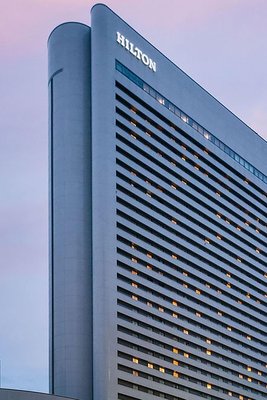
Hilton Osaka Hotel
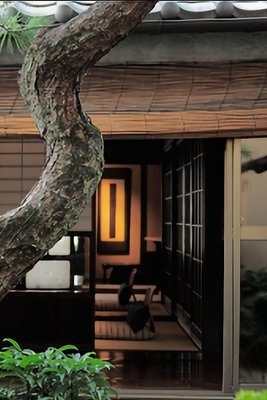
Shimayado Mari
Osaka Marriott Miyako Hotel
The Ritz-Carlton, Osaka
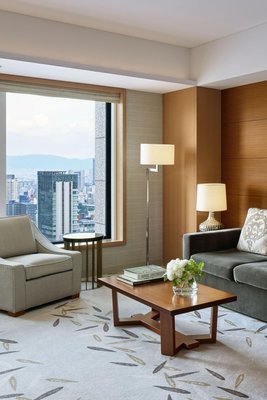
InterContinental Hotel Osaka
The Ritz-Carlton, Kyoto
Suiran, a Luxury Collection Hotel, Kyoto
GOOD NATURE HOTEL KYOTO
Park Hyatt Kyoto
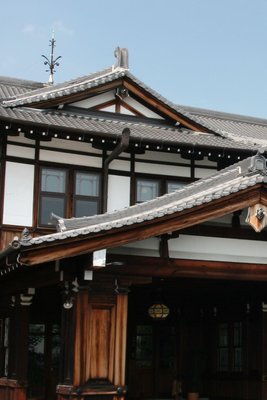
Nara Hotel
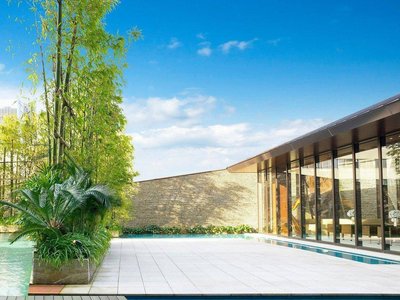
ORIENTAL HOTEL
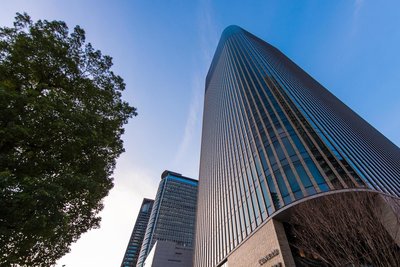
Conrad Osaka
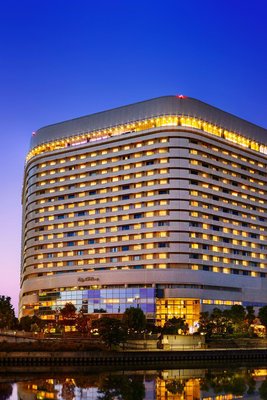
Hotel New Otani Osaka
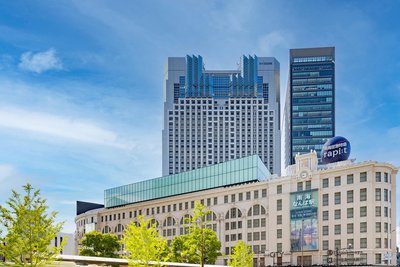
Swissotel Nankai Osaka
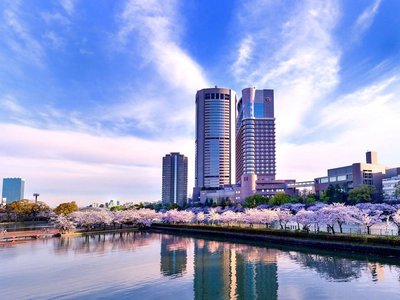
Imperial Hotel Osaka
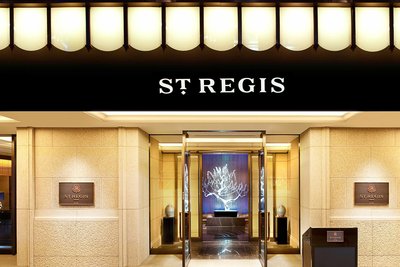
The St. Regis Osaka
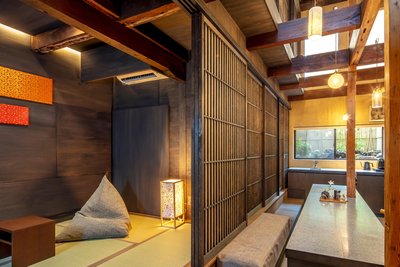
Kyo No Oozora Kihana
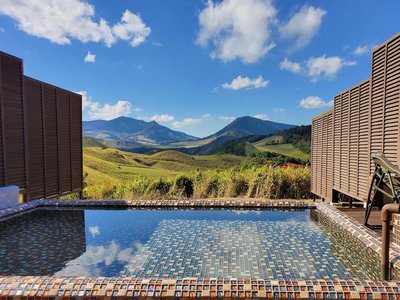
Grand Verde Resort
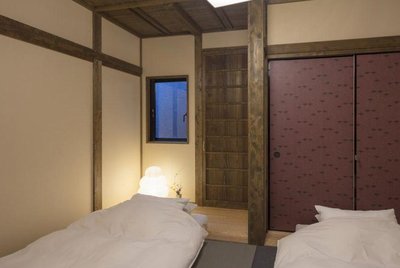
Hanagoromo Machiya House
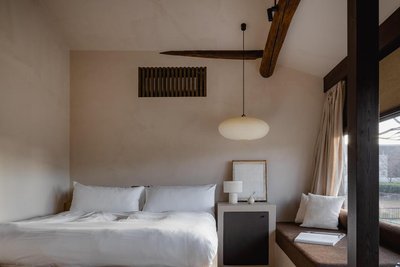
Maana Kiyomizu
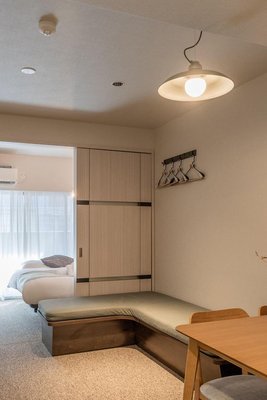
Apartment Hotel 11 Shinsaibashi
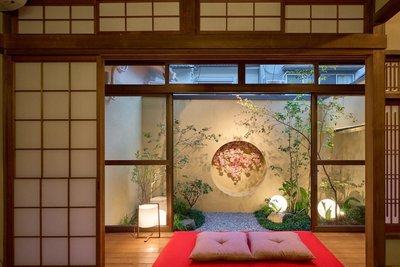
KONJAKUSO Osaka Tengachaya "NIHONCHA" Tea & Relax
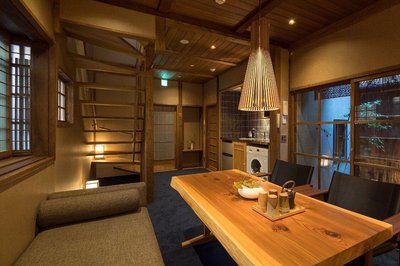
Bonbori an Machiya House
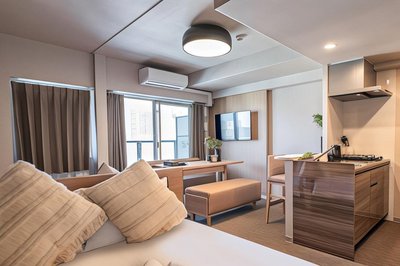
Apartment Hotel 11 Shinsaibashi III
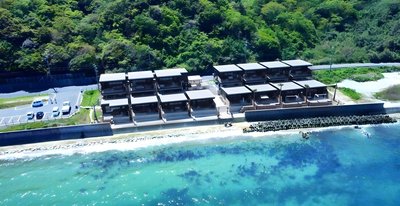
Solavilla Umi Terrace Minamiawaji
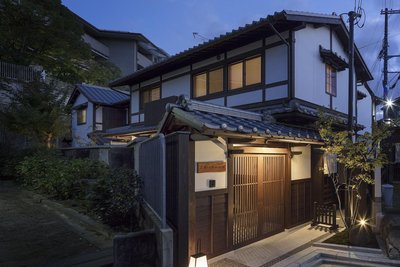
The Machiya Villa Sanjo Shirakawa Koji
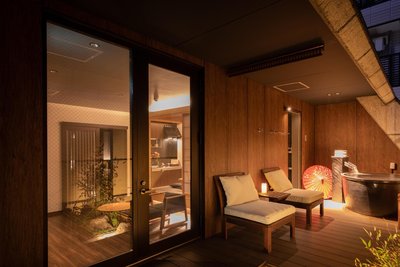
Konjaku-So Dotonbori
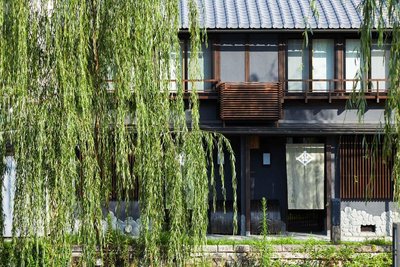
Gion Shirakawa No Yado

Kitashirakawa Natural Radium Onsen
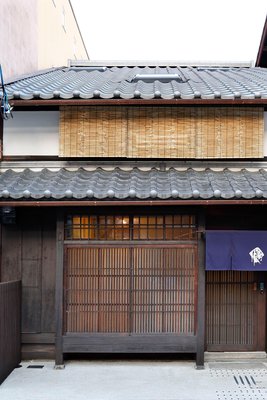
Kyo No Ondokoro Kamanza Nijo #2
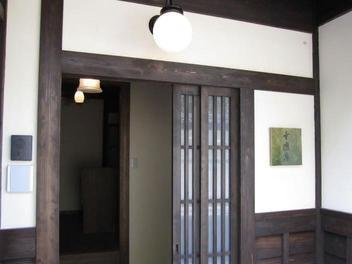
Gion Koyu an Machiya House
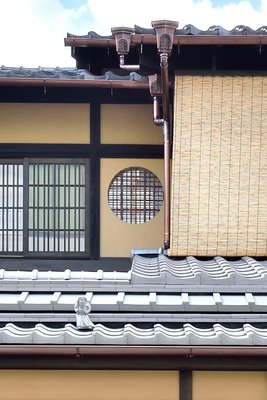
Kyo No Ondokoro Gokomachi Ebisugawa #3
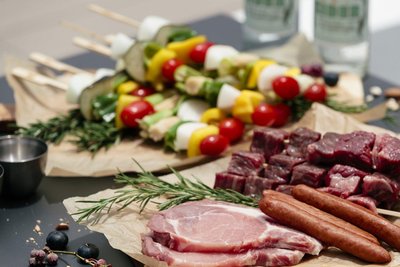
Sana Mane - Glamp Domes
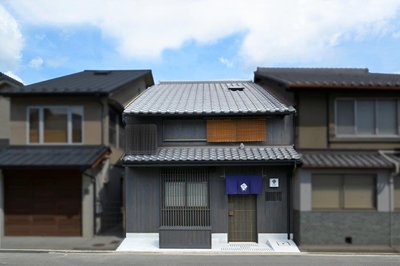
Kyo No Ondokoro Goshonishi #6
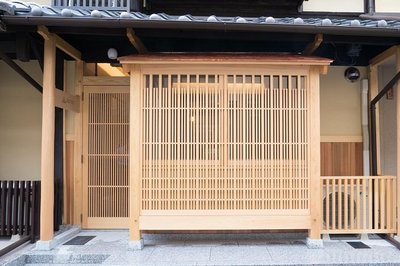
Kyomachiya Suite Rikyu
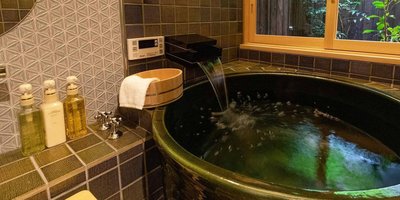
Kyoisuke

Hotel Barrière Fouquet's New York
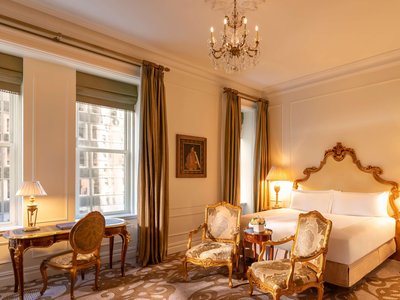
The Plaza - A Fairmont Managed Hotel
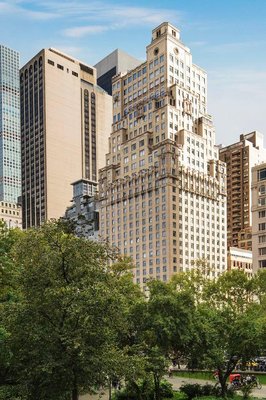
The Ritz-Carlton New York, Central Park
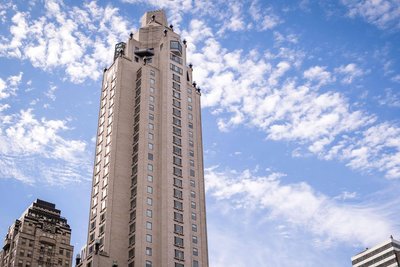
Four Seasons Hotel New York
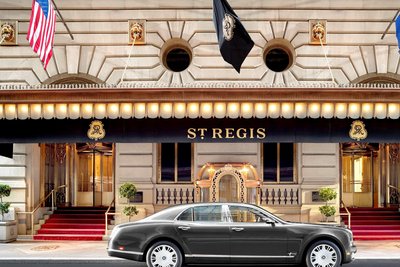
The St. Regis New York
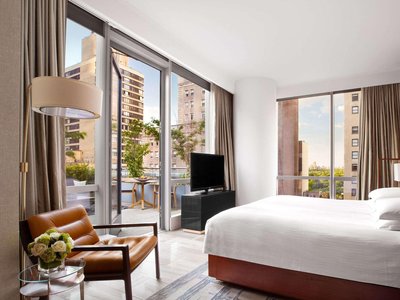
Park Hyatt New York
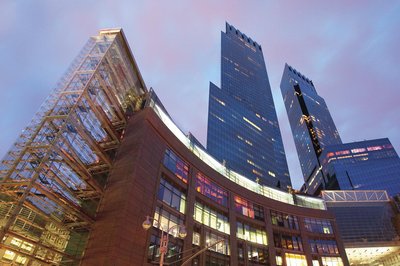
Mandarin Oriental New York
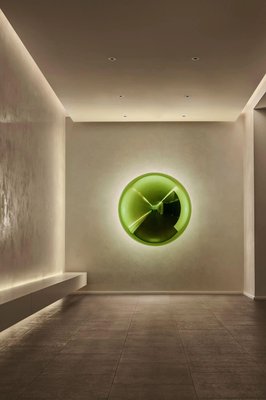
Times Square Edition New York

Loews Regency New York Hotel
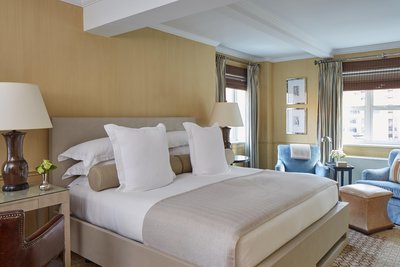
Lowell Hotel
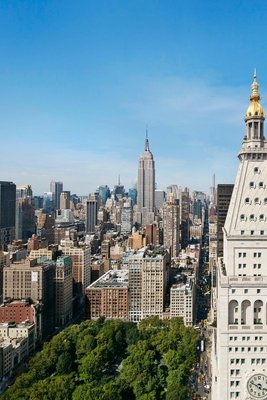
New York Edition
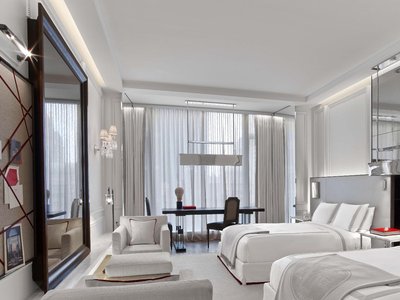
Baccarat Hotel New York

Equinox Hotel New York

Four Seasons Hotel New York Downtown
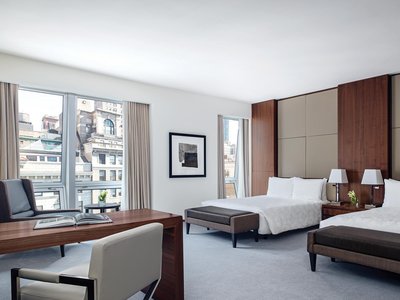
The Langham, New York, Fifth Avenue

The Carlyle, A Rosewood Hotel

The Chatwal, in the Unbound Collection by Hyatt
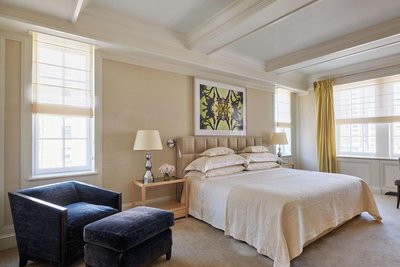
The Mark New York
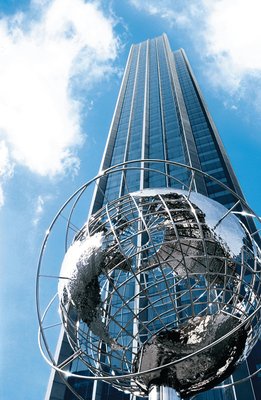
Trump International Hotel & Tower® New York
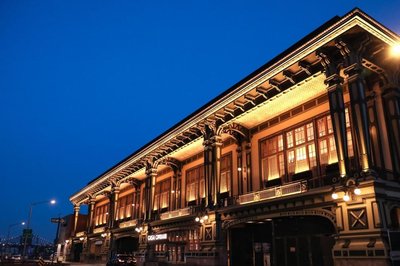
Casa Cipriani New York
Frequently Asked Questions about Traveling to Geisei
Questions You Might Need to Know About Traveling to Geisei
In Higashi Village, the top choice for families is Higashi Village Onsen Inn, a traditional Japanese ryokan nestled beside the Shikoku River (Sugadani River). This family-run inn offers private onsen baths, spacious tatami rooms with futons, and kid-friendly meals made from local organic ingredients. Guests can enjoy river rafting, bamboo weaving workshops, and guided nature walks through ancient forests. The staff warmly welcomes children and provides multilingual support. Located just steps from scenic trails and the village’s farmers' market, it combines comfort, culture, and outdoor adventure—perfect for creating lasting memories in rural Kochi Prefecture.
The ideal time to visit Higashi Village for nature lovers is during spring (March–May) and autumn (September–November). Spring brings blooming wildflowers along the Sugadani River, while autumn paints the surrounding mountains in fiery reds and golds. During these seasons, visitors can enjoy kayaking, birdwatching for rare egrets, and hiking to hidden waterfalls like Ryūnozaki Falls. The air is crisp, the rivers clear, and the villages quiet—offering an immersive experience in untouched Shikoku wilderness. Don’t miss the annual River Festival in late May, celebrating the region’s ecological heritage with lantern releases and local food stalls.
Yes, Higashi Village boasts several stunning photography spots. The Sugadani River upstream gorge at dawn offers ethereal mist rising over crystal-clear waters, framed by towering cedar trees—ideal for long-exposure shots. The Sunset Viewing Deck at Mihara Bridge captures golden light reflecting off the river, perfect for silhouettes. For architectural photography, the preserved Meiji-era thatched-roof homes provide intricate woodwork and weathered textures. During summer, the Purple Wisteria Tunnel near the village center creates a dreamy pink-violet canopy. Bring a tripod and wide-angle lens to capture these moments in their full splendor.
Visitors to Higashi Village must try fresh river trout sushi, caught daily from the Sugadani River, known for its delicate flavor and firm texture. Another must-try is Higashi Rice Dumplings (Mochi) made with locally grown black rice and served warm with sweet bean paste. For a seasonal treat, sample Bamboo Tube Rice, cooked in hollow bamboo stalks over open fire—infused with natural fragrance. These dishes are available at small family-run eateries, farm stands, and weekend markets. Many restaurants source ingredients directly from village farms, ensuring freshness and authenticity—true taste of rural Kochi.
The most convenient way to reach Higashi Village is by taking a public bus from Kochi Station, which runs every 90 minutes and takes about 60 minutes to the Higashi Village Office Stop. Alternatively, rent a car at Kochi Airport or train station for greater flexibility—driving through winding mountain roads reveals breathtaking views of terraced fields and rivers. Free shuttle buses connect major attractions and accommodations within the village. A helpful Tourism Information Center at the entrance provides maps, schedules, and multilingual assistance. Arrive early during peak season to avoid delays.
For first-time visitors, the Riverfront Guesthouse District is the best area due to its central location near the Sugadani River Trail, farmers’ market, and dining options. Accommodations here include renovated traditional homes with modern amenities, such as River View Ryokan and Higashi Garden House. All properties offer free Wi-Fi, shared kitchens, and welcoming staff. The area is safe, well-lit at night, and accessible on foot to key attractions. It’s also the hub for guided tours, making it ideal for travelers who want both comfort and easy access to local culture and nature.
Couples in Higashi Village can enjoy a starlit dinner under the open sky at a secluded riverside glamping site, complete with local cuisine and candlelight. They can also take part in a Bamboo Love Box Workshop, crafting a handwoven box to store love letters—a symbolic gesture of enduring connection. Walking the Morning Light Pathway at dusk, passing beneath a bridge adorned with paper lanterns, adds a poetic touch. Some lodges even offer private onsen baths for two, surrounded by forest sounds. These curated experiences, often organized by local wedding planners, turn a trip into a heartfelt journey of love and memory.
The standout natural attraction in Higashi Village is the Sugadani River’s pristine upper stretch, where the water flows clear and cold through ancient forest gorges. Here, visitors can spot native fish like ayu and rare birds such as the Japanese white-eye. The Ryūnozaki Waterfall, a 12-meter cascade surrounded by moss-covered rocks, offers a refreshing retreat. In spring, the riverbanks bloom with wild azaleas; in summer, dense foliage creates a cool, shaded corridor. This unspoiled landscape, untouched by mass tourism, embodies the true spirit of Shikoku’s wild heart—perfect for hikers, photographers, and those seeking peace.
Yes, it is highly recommended to book accommodation in Higashi Village well in advance, especially during peak seasons: late March to May (spring blooms) and mid-September to November (autumn foliage). With only around 20 guesthouses and ryokans, availability is limited. Popular stays like River View Ryokan and Higashi Garden House often sell out months ahead, particularly during festivals like the Sugadani River Festival. HopeGoo via the official Kochi Prefecture Tourism Portal or partner platforms ensures better rates and exclusive packages including meals and guided tours. Early reservations guarantee a seamless and memorable stay in this serene mountain village.
Geisei Overview
City Summary
Geisei Village, located in Kochi Prefecture, Japan, is a tranquil rural area known for its pastoral scenery. It boasts traditional Japanese countryside culture and natural landscapes, with rich agricultural resources and artisanal traditions. The main attraction is its unspoiled, simple atmosphere, ideal for travelers seeking escape from urban noise.
Must-See Attractions
Key attractions in Geisei Village include its farmland vistas and traditional craft workshops. Visitors can observe local farmers' daily activities or participate in rice planting and harvesting. The village also features well-preserved old houses showcasing traditional Japanese rural architecture. Nearby nature trails are perfect for hiking and birdwatching.
Food Guide
Geisei's culinary culture focuses on local produce, especially fresh organic vegetables and Kochi's famous bonito dishes. Street snacks include roasted sweet potatoes and handmade rice dumplings, common villager treats. Small family-run restaurants serve homestyle meals highlighting seasonal ingredients' natural flavors.
Transportation Guide
Transportation in Geisei is simple, relying mainly on buses and taxis. Buses from Kochi City take about 1 hour. No subway system exists; bicycles or walking are recommended for village exploration. Taxis require advance HopeGoo and are limited. Self-driving is convenient but requires caution on narrow rural roads.
Best Time to Visit
The best seasons are spring (March-May) and autumn (September-November) when temperatures are mild and farmland views are most beautiful. Summers are hot/humid while winters may bring snow. Tourist crowds are minimal year-round.
Travel Tips
- Respect farmers' privacy - don't enter private fields without permission.
- Village shops have limited hours; bring essentials.
- Carry your trash as public bins are scarce.
- Some roads lack lighting; carry flashlights at night.
- Cash is primary; credit card acceptance is low.
- Maintain quiet to avoid disturbing villagers' daily life.
Useful Information
Japanese is the primary language; English proficiency is limited. Mobile coverage exists but may be weak in some areas. Cash (Japanese yen) is essential as electronic payments are uncommon. Medical facilities are limited; the nearest hospital is in Kochi City. Emergency numbers are 110 (police) and 119 (ambulance), standard across Japan.