Hotels in Geldern
Discover your perfect stay in Geldern.
Geldern(Germany) Travel 2026: Cheap Flights, Hotels & Top Attractions
Popular Landmarks in Geldern
Discover the most iconic attractions in Geldern
Recommended Hotels in Geldern
Find the perfect place to stay in Geldern
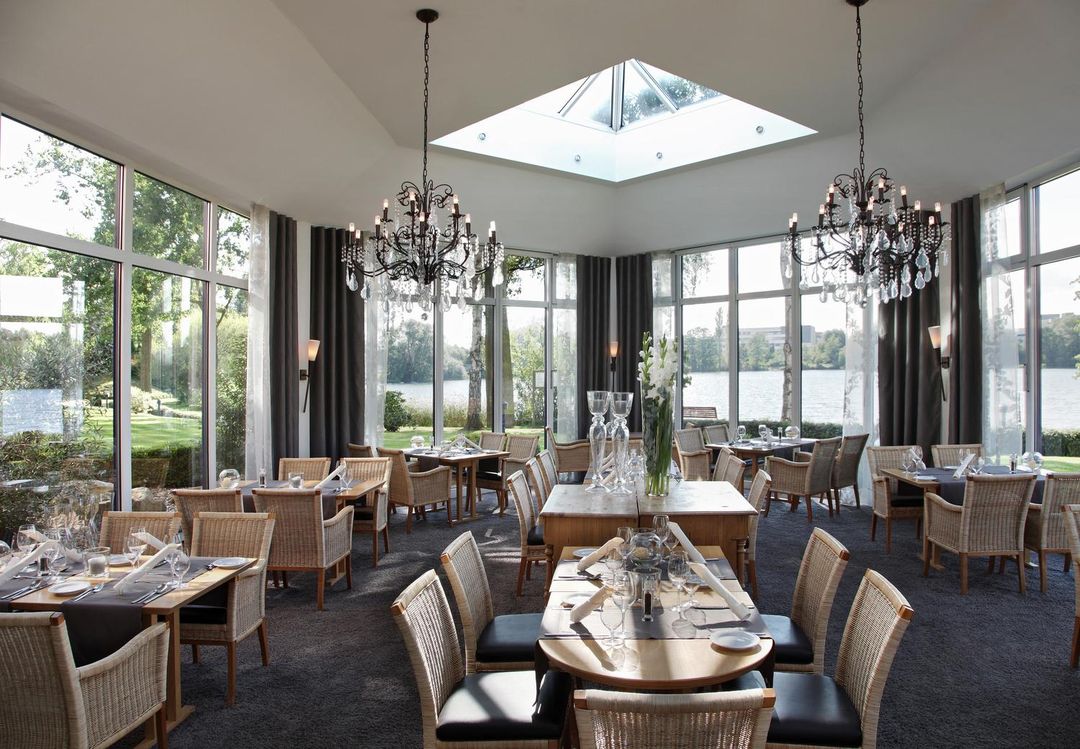
See Park Janssen
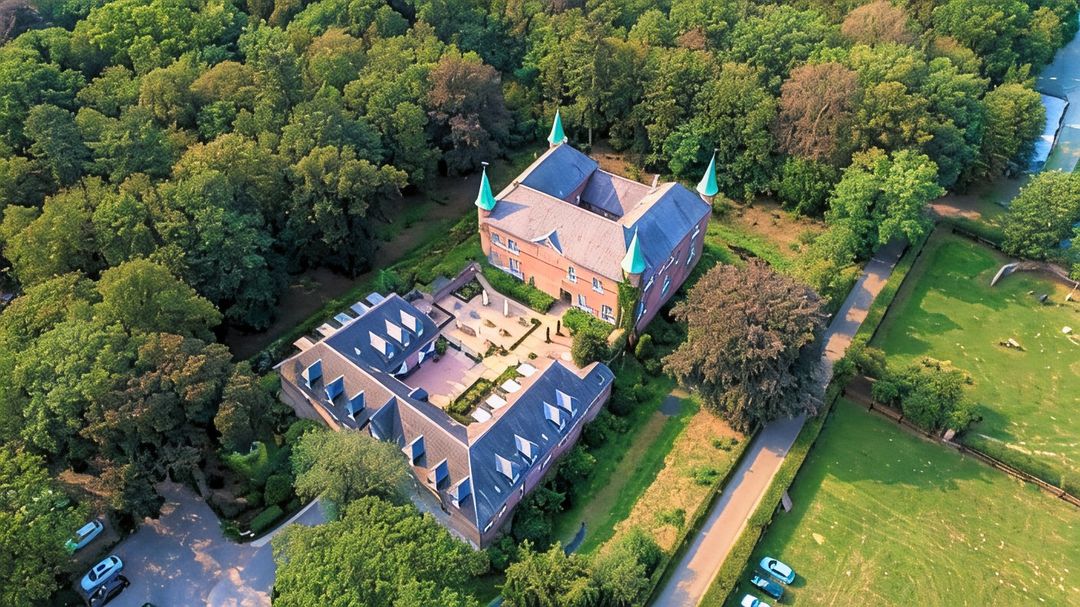
Hotel Schloss Walbeck
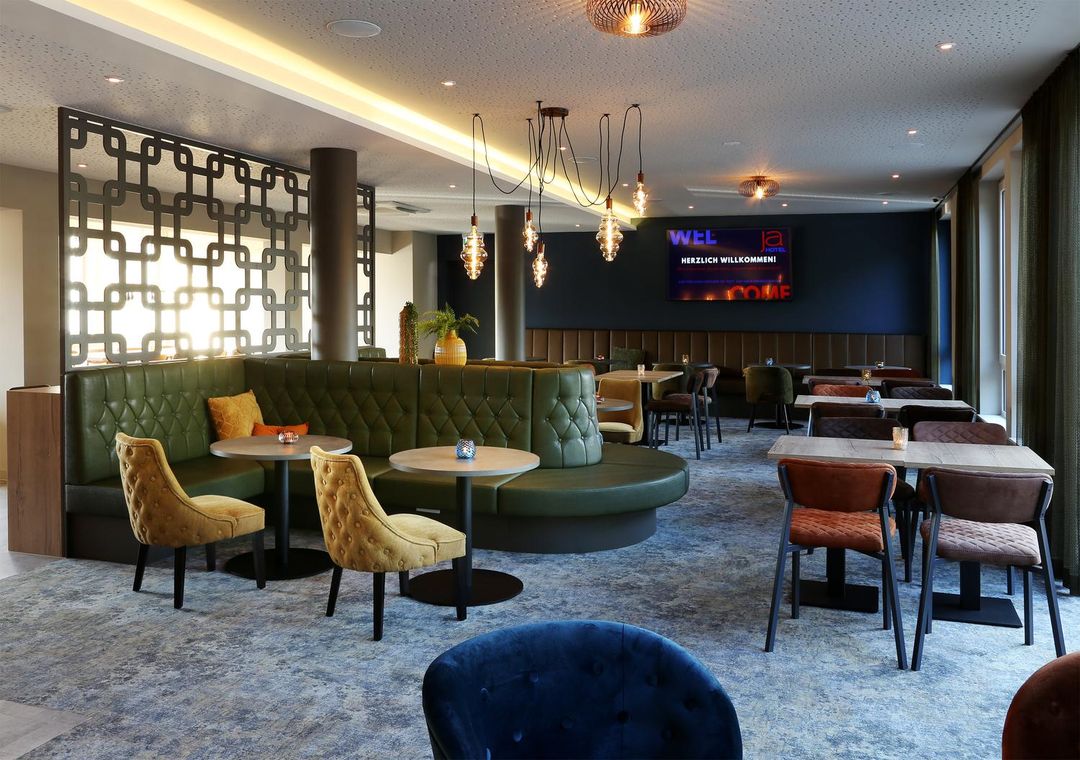
JaHotel
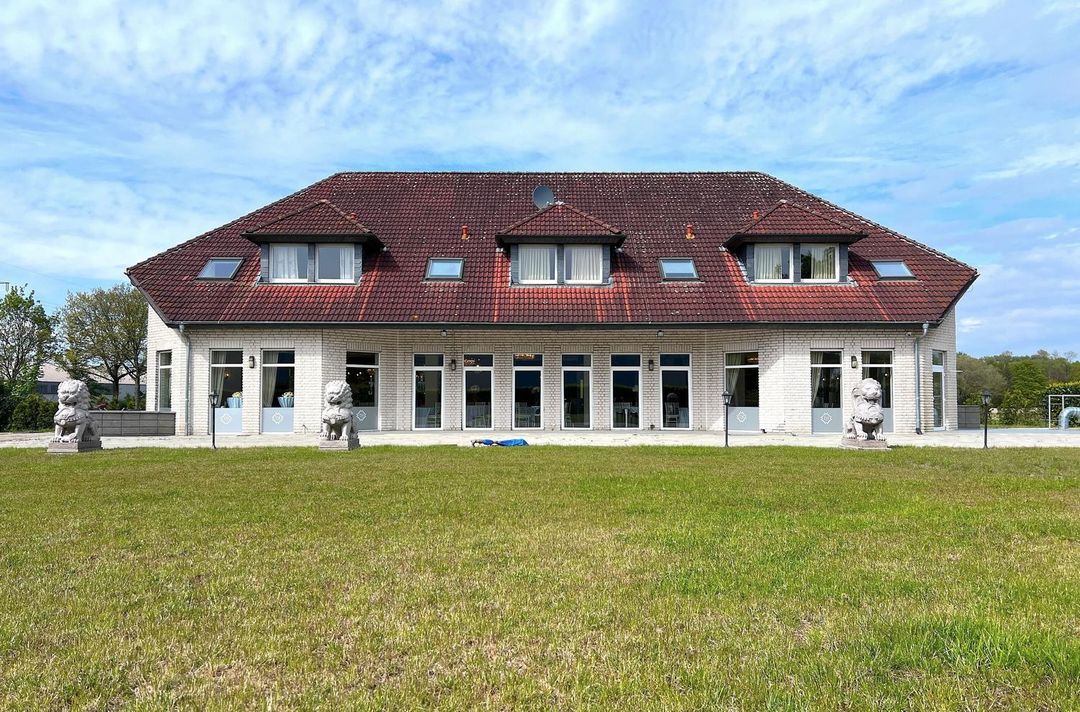
La Melis
Gästehaus Niederrhein
Frequently Asked Questions about Traveling to Geldern
Questions You Might Need to Know About Traveling to Geldern
In Gelsenkirchen, the top choice for historic charm is Hotel am Dom, located steps from the Cathedral Square. This beautifully restored 19th-century building blends original stone facades with modern comforts, offering rooms with exposed beams and antique furnishings. Its central location places guests within walking distance of the St. Mary's Cathedral and the Old Town Market, making it ideal for exploring regional heritage. The hotel also hosts monthly themed evenings featuring traditional German music and local cuisine, enhancing the authentic cultural experience.
For first-time visitors, the City Center District near Domplatz and Rathaus is the most convenient area to stay. It offers easy access to major attractions like the Cathedral, Town Hall, and Museum Ludwig. The area buzzes with local life—cafés, boutiques, and seasonal markets line the cobblestone streets. Plus, public transport links connect seamlessly to nearby cities like Düsseldorf and Cologne. Staying here ensures a rich immersion in Gelsenkirchen’s daily rhythm and cultural heartbeat.
Don’t miss the Evening Chimes Ceremony at St. Mary’s Cathedral, where ancient bells echo across the city skyline each dusk. Another highlight is the annual Old Town Festival in September, featuring live folk music, craft stalls, and street performances by local artists. You can also join a traditional Sauerbraten cooking workshop hosted by a family-run inn, learning how to prepare this regional specialty using heirloom recipes passed down for generations.
Must-try dishes in Gelsenkirchen include Black Bread with Quark Cheese, Roasted Potato Dumplings with Beef, and Apfelwein (apple wine). Head to Wirtshaus Zum alten Hof, a century-old tavern known for its farm-fresh ingredients. Their signature dish, Ruhr Valley Stew, slow-cooked for three hours, delivers tender meat and rich flavor. Pair it with a glass of locally brewed Apfelwein, crisp and slightly tart—a true taste of North Rhine-Westphalia’s culinary roots.
Yes, Gelsenkirchen’s public transit system is efficient and well-connected. The city operates frequent bus lines covering all key neighborhoods and landmarks, while the local train station links directly to Düsseldorf, Cologne, and Bonn—each journey taking just 30 to 60 minutes. Bike-sharing stations are available throughout the city, perfect for riding along the scenic Rhine tributary trail. Tourists can also purchase a City Pass, granting unlimited rides and free entry to several museums, maximizing convenience and value.
Absolutely. Gelsenkirchen is highly family-friendly, with attractions like Kleiner Park, which features playgrounds, picnic areas, and a small animal enclosure. The Public Library hosts weekly storytime sessions and hands-on craft workshops for kids. Many hotels, including Hotel am Dom, offer baby cots and child-sized toiletries. Local shops often provide discounts for young visitors, ensuring a comfortable, engaging trip for all ages.
Near Gelsenkirchen, explore the Hoheneichen Forest Nature Reserve, just 15 minutes by car. This protected woodland offers excellent hiking and birdwatching opportunities—common sightings include red foxes, squirrels, and various songbirds. Along the Rhine tributary path, you’ll find lush greenery and peaceful river views, ideal for morning walks or cycling. During spring, wild tulips and cherry blossoms bloom along the banks, creating stunning photo backdrops.
While not a nightlife hub, Gelsenkirchen offers charming evening options. The Old Town Beer Street features cozy German pubs like Zum Hirschen, serving house-brewed dark lagers and hearty snacks. Every evening at 7 PM, some venues host live folk music performances. During summer, open-air film screenings and small concerts take place at Domplatz, drawing locals and tourists alike. For a quiet night, enjoy a warm Glühwein on your hotel terrace, gazing at the illuminated silhouette of St. Mary’s Cathedral.
Top photo locations in Gelsenkirchen include the double-towered facade and stained-glass windows of St. Mary’s Cathedral, especially during golden hour. The Town Hall Fountain Square offers dramatic architectural details against a backdrop of red-brick buildings. Don’t miss the colorful façades in Hauptstraße, such as the blue-and-white striped house at No. 23. Early morning mist reflecting off the Rhine tributary creates magical shots, while wet cobblestones after rain amplify the city’s nostalgic charm.
The ideal times to visit Gelsenkirchen are spring (April–June) and autumn (September–October). Mild temperatures and blooming gardens make these seasons perfect for sightseeing and outdoor activities. In September, the Old Town Festival brings the city to life with music, food stalls, and cultural events. Avoid peak summer crowds and winter cold by traveling during these shoulder months for a more relaxed, immersive experience.
Geldern Overview
City Summary
Geldern is a charming small town in North Rhine-Westphalia, Germany, known for its medieval architecture and tranquil rural atmosphere. The town boasts rich historical heritage, including ancient churches and castles, and serves as an ideal base for exploring the surrounding natural landscapes. Geldern's cultural events and traditional festivals offer visitors a deep insight into local life.
Must-See Attractions
Key attractions in Geldern include St. Peter's Church, a Gothic structure with stunning stained glass; Geldern Castle, showcasing medieval architecture; and the Market Square, surrounded by colorful traditional houses. Additionally, the local museums and art galleries are worth visiting to delve into the town's history and culture.
Food Guide
In Geldern, you can savor authentic German cuisine such as sausages, sauerkraut, and dark bread. The local beer culture is also vibrant, with many taverns offering house-brewed beers. Don't miss the Geldern specialty stew, a traditional dish made with local ingredients.
Transportation Guide
Geldern's public transportation primarily relies on buses, covering the town and surrounding areas. The city is well-connected, and a day ticket is recommended for cost savings. For longer distances, trains are the best option to connect to other cities. Renting a car is also a good choice, but be mindful of parking restrictions in the city center.
Best Time to Visit
The best time to visit is during spring (April to June) and autumn (September to October), when the weather is pleasant and crowds are smaller. Summer (July to August) can be warm but more crowded. Winter (December to February) is ideal for those who enjoy Christmas markets.
Travel Tips
- Safety: Geldern is generally safe, but keep an eye on personal belongings.
- Etiquette: Maintain silence and dress modestly when entering churches.
- Tipping: Service charge is usually included, but an additional 5%-10% is appreciated.
- Language: English is widely understood in tourist areas, but learning a few German phrases is welcomed.
- Eco-friendliness: Recycling is taken seriously in Germany; follow local rules.
- Shopping hours: Shops are usually closed on Sundays; plan accordingly.
Useful Information
Language: German is the official language, but English is widely spoken in tourist areas. Internet: Free Wi-Fi hotspots are available, but a local SIM card is recommended for better coverage. Payment: Credit cards are accepted in most places, but small shops may only take cash. Emergency: Dial 112 for emergencies; hospitals and pharmacies are well-equipped. Voltage: 230V, using two-pin round plugs (Type F).