Hotels in General San Martin
Discover your perfect stay in General San Martin.
General San Martin(Argentina) Travel 2026: Cheap Flights, Hotels & Top Attractions
Popular Landmarks in General San Martin
Discover the most iconic attractions in General San Martin
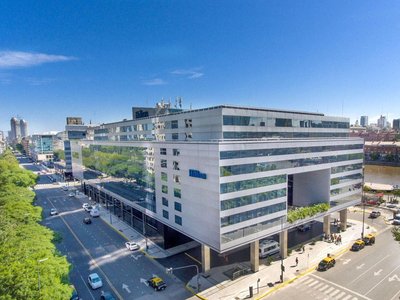
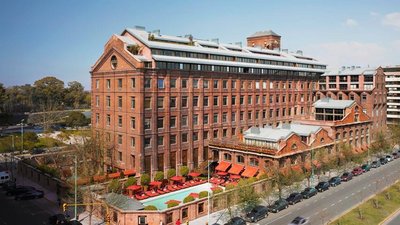
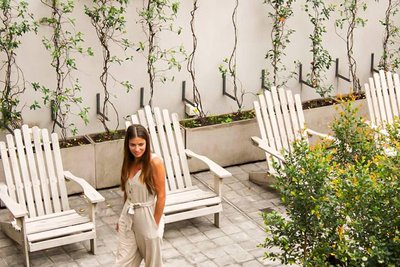
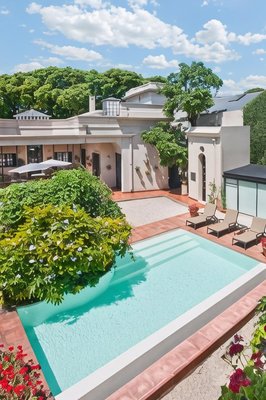
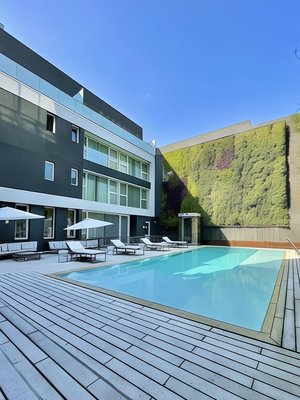
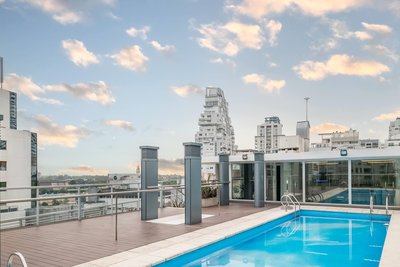
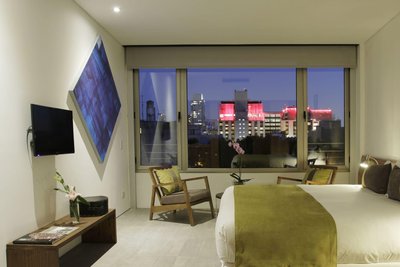
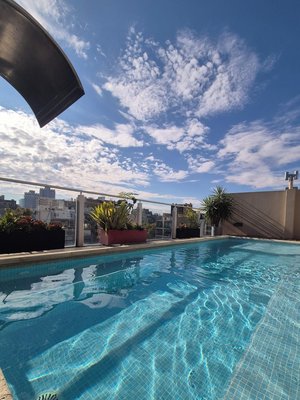
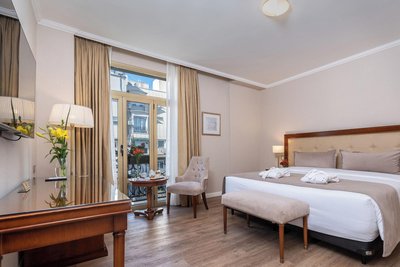
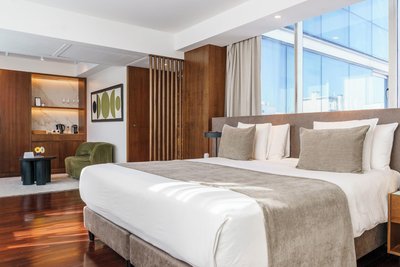
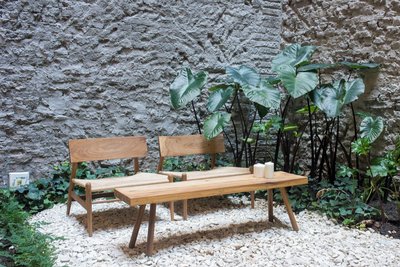
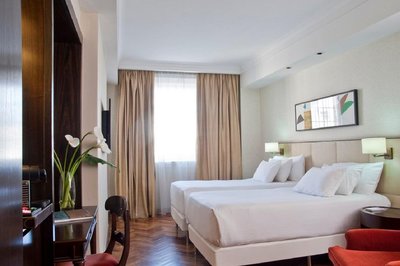
Recommended Hotels in General San Martin
Find the perfect place to stay in General San Martin
Best Hotels in General San Martin
Discover curated hotel collections in General San Martin













Frequently Asked Questions about Traveling to General San Martin
Questions You Might Need to Know About Traveling to General San Martin
In San Martín, ideal budget options include Hostel Buenos Aires Central, offering clean dorm beds with shared kitchens and free Wi-Fi, located just a 5-minute walk from Plaza San Martín. Another affordable choice is Hotel El Pueblo, a family-run guesthouse with simple yet cozy rooms, featuring local artwork and daily complimentary mate tea. Both properties are within walking distance of metro Line A, providing easy access to downtown Buenos Aires.
For travelers seeking cultural immersion, Casa de los Abuelos offers budget private rooms in a restored 19th-century house, complete with guided heritage tours and traditional cooking workshops. Prices range from $25–$40 USD per night during off-season. These accommodations provide excellent value, combining affordability, safety, and authentic neighborhood charm—perfect for backpackers and solo explorers.
Near San Martín, the most culturally rich areas are Retiro and Balvanera. Retiro, just a 15-minute walk away, houses Teatro Colón, one of the world’s finest opera houses, and the National Library, where visitors can explore Argentine literary history. The area also hosts regular tango performances at intimate venues like Café de los Angelitos.
Balvanera, accessible via subway Line A, is home to La Boca’s colorful Caminito Street and the Centro Cultural Recoleta, showcasing tango exhibitions and live folk music. Local markets like Mercado de San Telmo offer artisan crafts, vintage books, and street food, allowing guests to engage directly with porteño traditions.
Both districts provide immersive experiences—from historical architecture to daily life rituals like mate tea sharing—making them ideal complements to a stay in San Martín.
Yes, San Martín offers several authentic culinary experiences. Try Tío Juan’s Asado Stand on Calle Caseros, where locals gather daily for freshly grilled asado using grass-fed beef and native herbs. The dish is served with papas arracheras (grilled potatoes) and onion relish, reflecting traditional Argentine barbecue culture.
Another must-visit is Mate & Pan, a small café serving mate tea in bamboo gourds alongside handmade empanadas—especially the beef and cheese variety. The owner often shares stories about regional customs while preparing meals.
For deeper immersion, book a Family Kitchen Tour hosted by residents, which includes visiting a local market, learning to make dulce de leche flan, and enjoying a homemade dinner. These experiences go beyond dining—they’re windows into Argentine hospitality and family-centered values.
San Martín is highly walkable and well-connected by public transit. The Buenos Aires Underground (Subte) Line A stops at Retiro Station, just a 10-minute walk away, linking directly to major attractions like Teatro Colón, Recoleta Cemetery, and La Boca.
Local buses, especially routes 24 and 35, serve key areas including University of Buenos Aires and Avenida Santa Fe shopping district. Additionally, bike-sharing stations are available near Plaza San Martín, enabling scenic rides along the Riachuelo River Promenade.
The neighborhood’s compact layout means most sights—including the Historical Museum, Church of Our Lady of the Assumption, and artisan markets—are within a 15-minute walk. With reliable transit and pedestrian-friendly streets, San Martín is an ideal base for car-free exploration.
Key historical landmarks in San Martín include Plaza San Martín, centered around the equestrian statue of General José de San Martín, symbolizing Argentina’s independence movement. Surrounding the plaza are the Old City Hall, a neoclassical building with French-inspired façades, and the National Library Branch, housing rare colonial-era documents.
The Church of Our Lady of the Assumption (Iglesia de Nuestra Señora de la Asunción), built in 1870, features stunning religious murals and original 19th-century altarpieces. Adjacent to it lies the San Martín Historical Museum, which displays personal items belonging to the general, military uniforms, and letters from the liberation campaigns.
Walking down Calle Caseros, visitors can admire preserved colonial-era homes with ornate ironwork and wooden balconies—some still inhabited by descendants of early settlers. These sites collectively offer a vivid glimpse into Argentina’s revolutionary past.
The best time to visit San Martín for festivals is between October and March, when Buenos Aires hosts major cultural events. During this period, San Martín becomes part of the city-wide celebrations, including the Buenos Aires International Book Fair and Tango Festival, both held annually in October.
The town also celebrates Independence Day (September 7) with parades, traditional music, and reenactments near Plaza San Martín. In summer months (December–February), outdoor concerts and open-air film screenings take place in the central square.
For quieter visits, consider April to September, when fewer tourists arrive but local traditions remain vibrant. Festivals during this season focus more on community gatherings, such as local art fairs and folk music nights at Café Literario. Timing your trip around these events enhances cultural immersion.
Yes, San Martín is considered safe for solo female travelers. The neighborhood is residential, well-lit, and densely populated, with low crime rates compared to other parts of Buenos Aires. Most streets are pedestrian-friendly, and public transport operates reliably.
Popular spots like Plaza San Martín, Café Literario, and Mate & Pan are frequented by locals and tourists alike, creating a welcoming atmosphere. Many hostels and guesthouses, such as Casa de los Abuelos, offer women-only dorms and 24-hour reception.
Travelers are advised to avoid walking alone late at night in less-traveled side streets, though overall safety remains high. The strong sense of community and visible presence of families and residents contribute to a secure environment—ideal for independent exploration.
Hidden gems in San Martín include Casa de las Botellas, a quirky art gallery made entirely from recycled glass bottles, located behind a narrow alley near Calle Caseros. Each bottle is hand-placed to form intricate patterns and lighting designs.
Another secret spot is El Cuartito, a basement jazz bar beneath a 19th-century bookstore, where local musicians perform weekly in an intimate setting with no cover charge. It’s known for its mate gin cocktails and spontaneous tango improvisations.
Also worth discovering is Parque del Recuerdo, a quiet green space tucked between old mansions, where children play and elders gather under century-old trees. It’s rarely mentioned in guides but offers a peaceful escape from urban life.
These off-the-beaten-path locations reflect the town’s soul—creative, unpretentious, and deeply rooted in local identity.
Yes, San Martín offers growing options for vegetarians and vegans. At Mate & Pan, you can order vegan empanadas filled with spinach and cashew cheese, prepared fresh daily. The café also serves plant-based mate tea with natural sweeteners.
Café Literario features a rotating menu of plant-based dishes, including quinoa-stuffed peppers, lentil stew, and vegan dulce de leche pancakes. They source ingredients from nearby organic farms and label all menu items clearly.
For a full experience, join a Vegan Cooking Workshop hosted by local chefs at Casa de los Abuelos, where participants learn to prepare traditional Argentine dishes using only plant-based ingredients. These inclusive dining choices reflect the town’s increasing openness to diverse dietary lifestyles.
San Martín is an ideal base for exploring Buenos Aires due to its central location, excellent transit links, and authentic local vibe. Just a 15-minute walk from Retiro Station, it provides direct access to Line A of the Subte, connecting to Recoleta, La Boca, Palermo, and Microcentro.
The neighborhood blends tranquility with convenience—quiet residential streets contrast with vibrant cafés, bookshops, and markets. Visitors enjoy proximity to cultural hubs without the crowds of tourist-heavy zones.
Staying here allows deeper engagement with everyday life: sipping mate tea at corner stalls, attending impromptu tango sessions, or joining weekend artisan fairs. Its mix of history, culture, and accessibility makes San Martín a smart, comfortable, and enriching home base for any traveler.
General San Martin Overview
City Summary
General San Martín, located in Buenos Aires, Argentina, is a small town rich in history and culture. Named after the Argentine independence hero José de San Martín, it features colonial-era architecture and lush parks, offering a peaceful retreat from city life. The town's cultural events and traditional festivals provide an authentic local experience.
Must-See Attractions
Must-see spots include Plaza San Martín, the heart of the town surrounded by historic buildings and open-air cafés. The Museo General San Martín showcases the life of the national hero and Argentina's independence history. The Teatro Municipal regularly hosts concerts and plays, ideal for culture enthusiasts.
Food Guide
Food highlights feature Argentina's classic asado (barbecue), best paired with Malbec wine. Local family-run restaurants serve traditional dishes like empanadas and locro. For dessert, try treats made with dulce de leche (caramelized milk).
Transportation Guide
Public transport in General San Martín relies mainly on buses, covering the town and nearby areas. Buenos Aires' subway network also connects to adjacent regions. Taxis and bike-sharing are convenient for short trips. For long-distance travel, trains or intercity buses are recommended.
Best Time to Visit
The best times to visit are spring (September–November) and autumn (March–May), with mild weather and fewer crowds. Summers (December–February) are hot and humid, while winters (June–August) are chilly but festive.
Travel Tips
- Safety: Keep an eye on belongings and avoid isolated areas at night.
- Etiquette: A simple "Buenos días" (good morning) or "Buenas tardes" (good afternoon) when entering shops is polite.
- Tipping: Restaurant bills usually exclude service; leave 10% as a tip.
- Water: Drink bottled water.
- Shopping: Bargain in local markets, but shops are fixed-price.
- Festivals: Join local celebrations for an authentic cultural experience.
Useful Information
Practical info:
- Language: Spanish is primary; English works in tourist areas.
- Internet: Most cafés and hotels offer free Wi-Fi; local SIM cards are handy.
- Payment: Cash preferred at small vendors; cards accepted in larger stores.
- Power: 220V voltage with Type C/I plugs.
- Emergency care: Local clinics offer basic medical services; major hospitals are in Buenos Aires.
- Emergency numbers: Call 101 for police, 107 for ambulance.