Hotels in Gero
Discover your perfect stay in Gero.
Gero(Japan) Travel 2026: Cheap Flights, Hotels & Top Attractions
Popular Landmarks in Gero
Discover the most iconic attractions in Gero
Recommended Hotels in Gero
Find the perfect place to stay in Gero
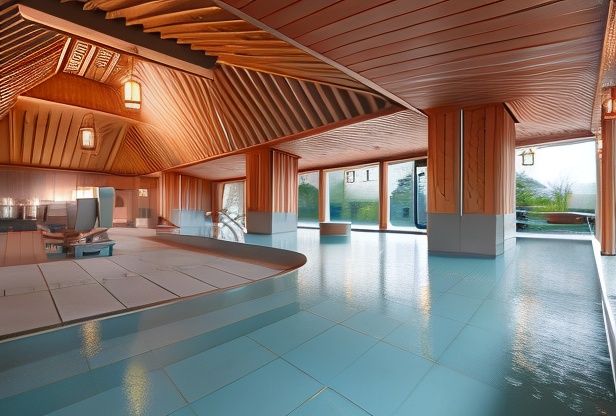
Suimeikan
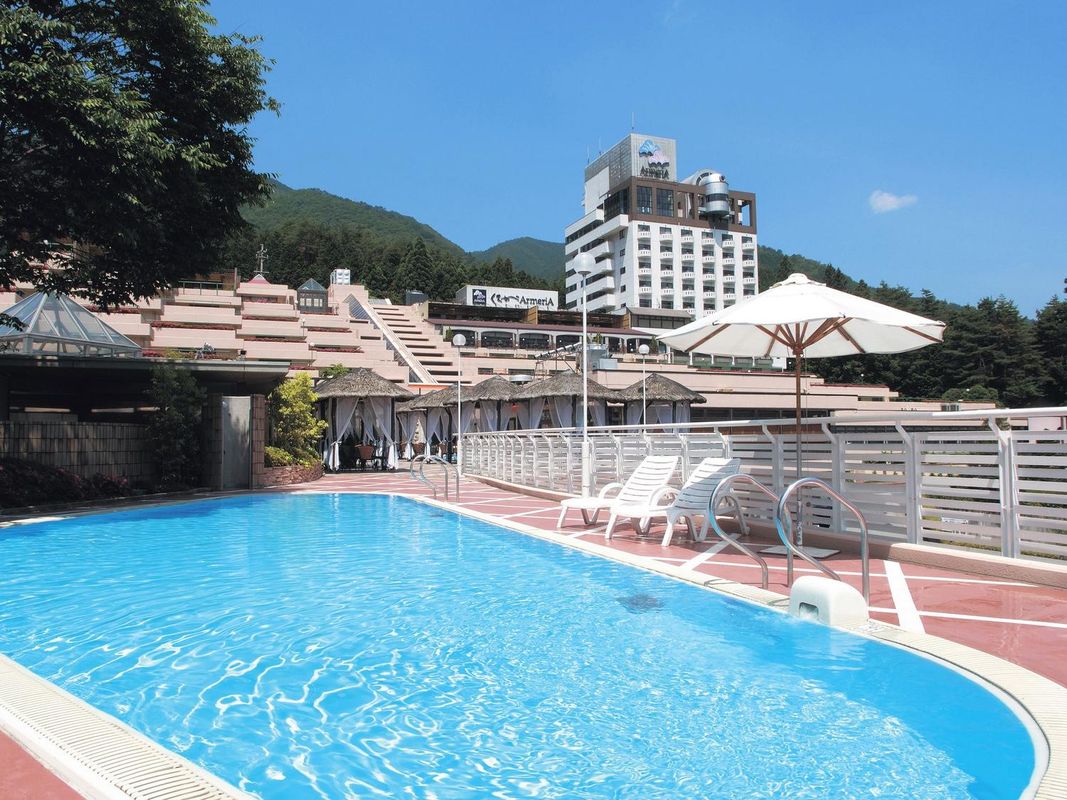
Hotel Kusakabe Armeria
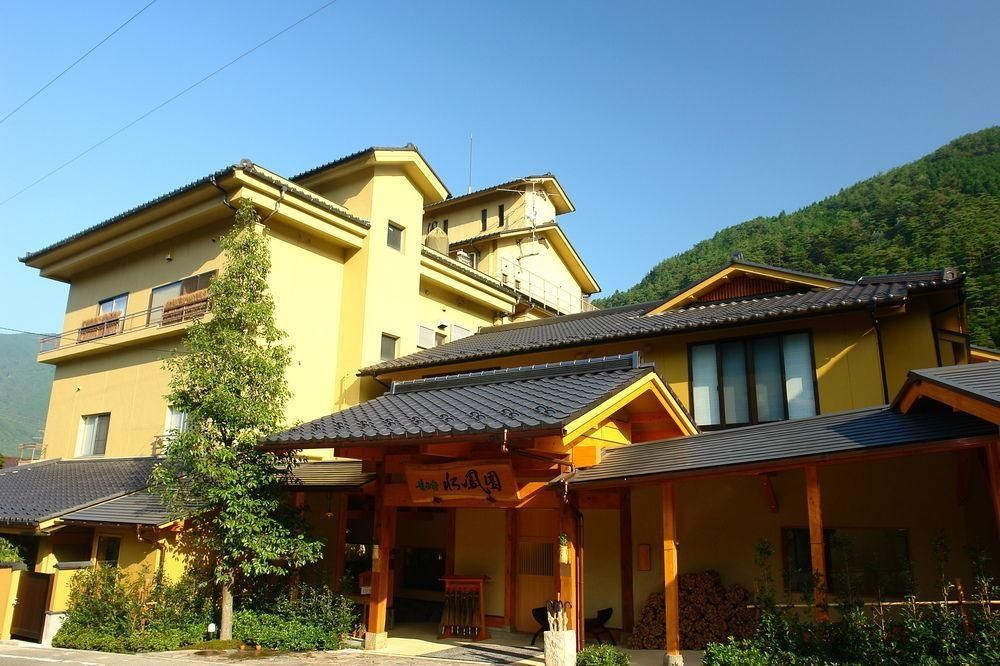
Suihoen
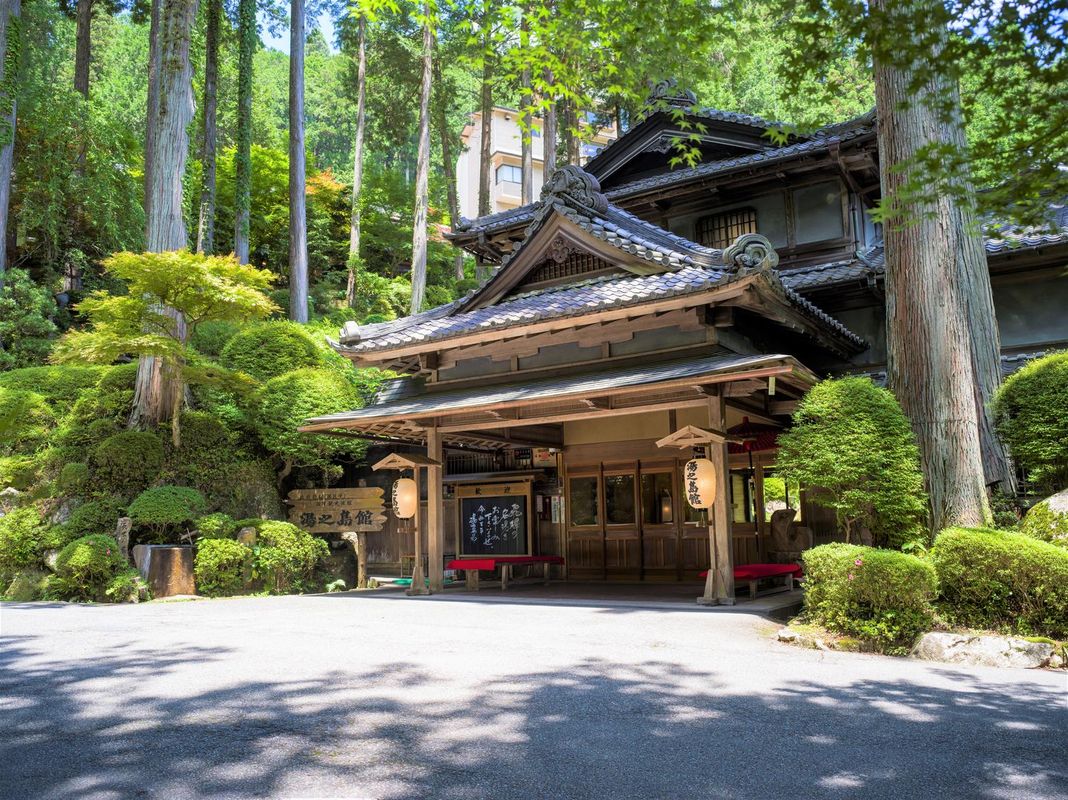
Yunoshimakan
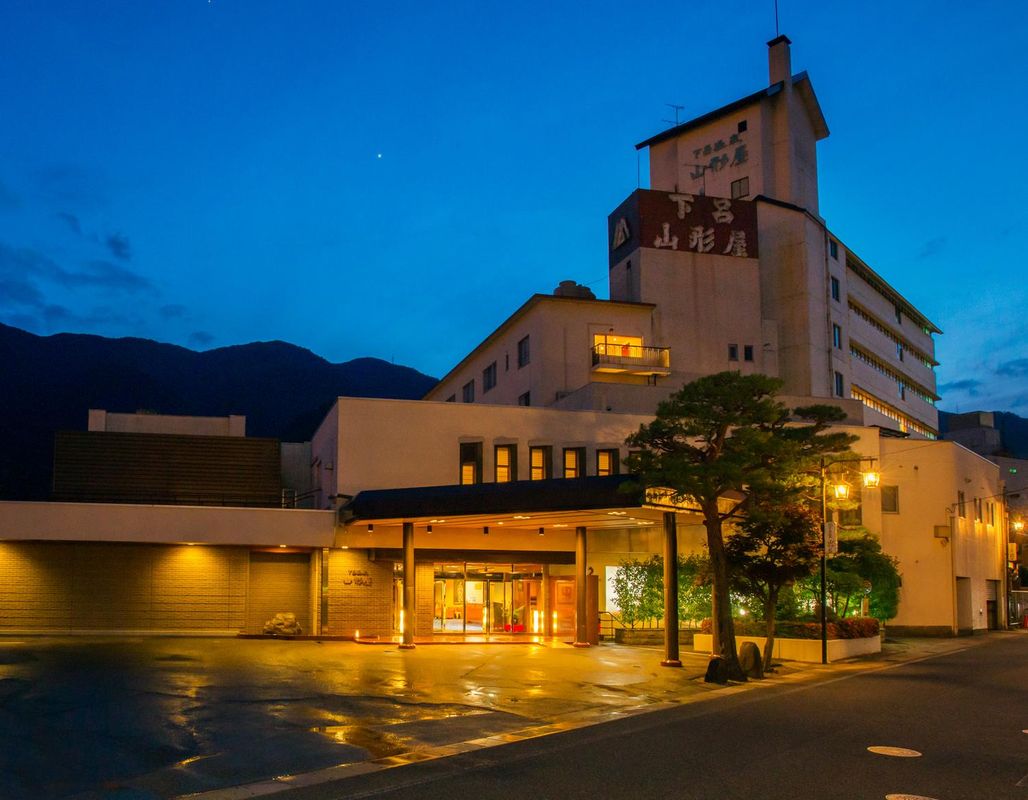
Gero Onsen Yamagataya
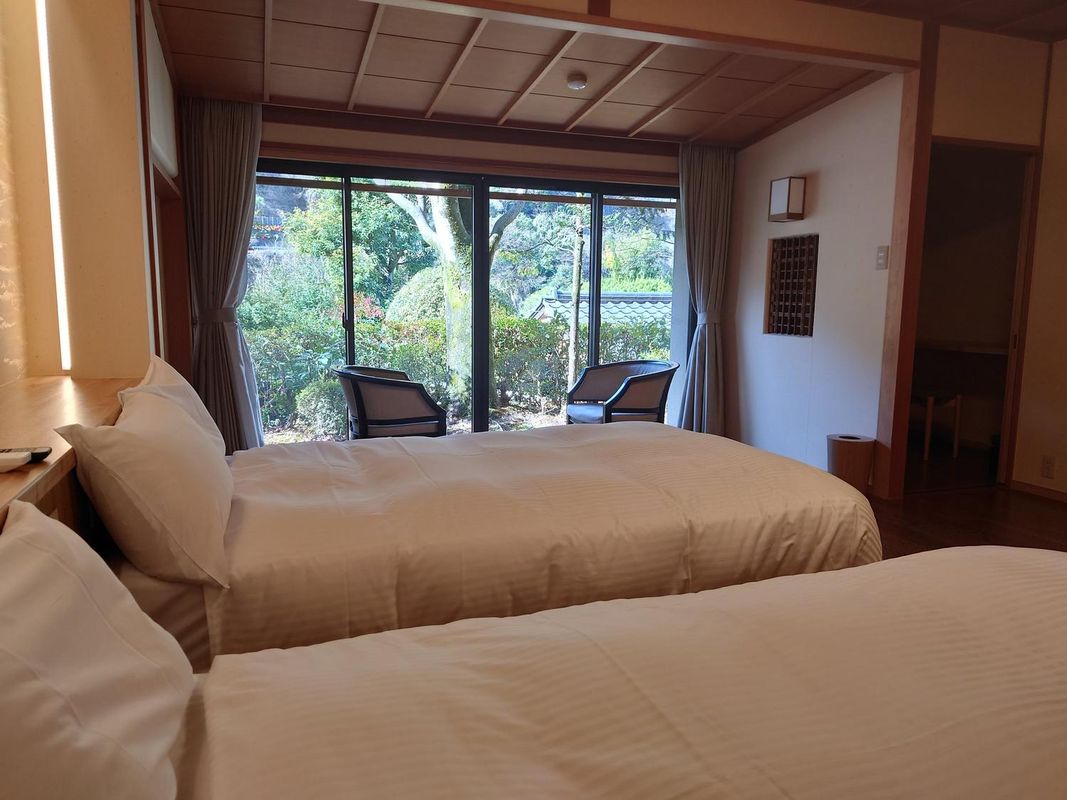
Kawakamiya Kasuitei
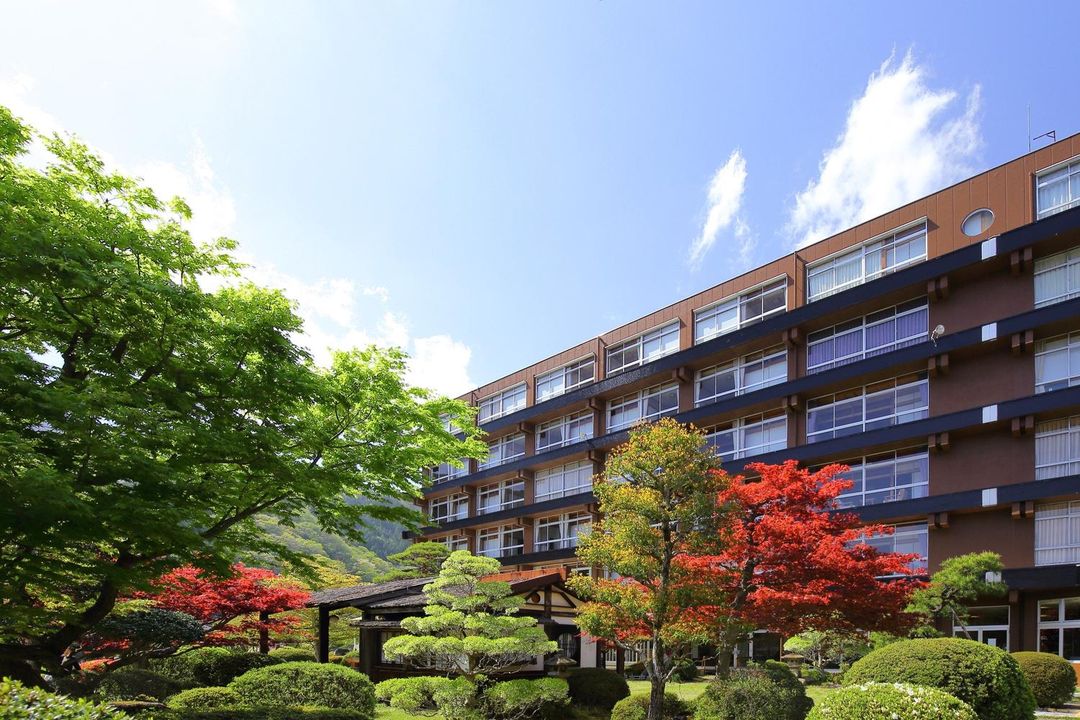
Bosenkan
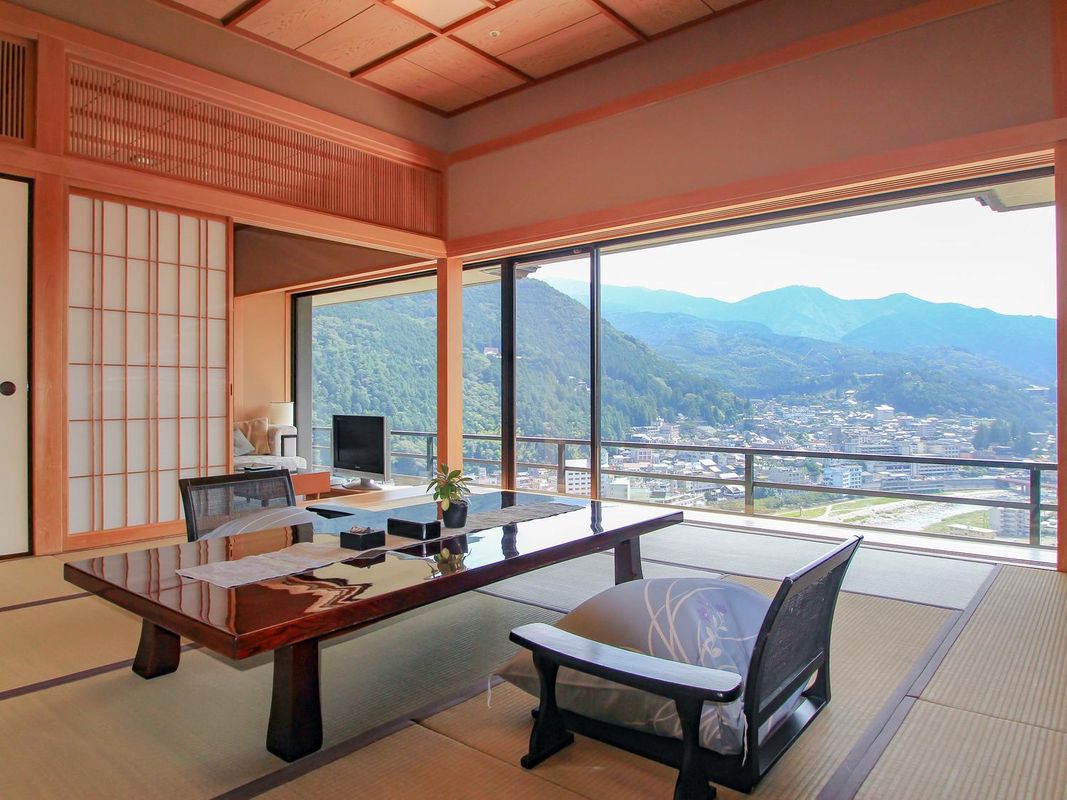
Koyoi Tenku Ni Asobu Shogetsu
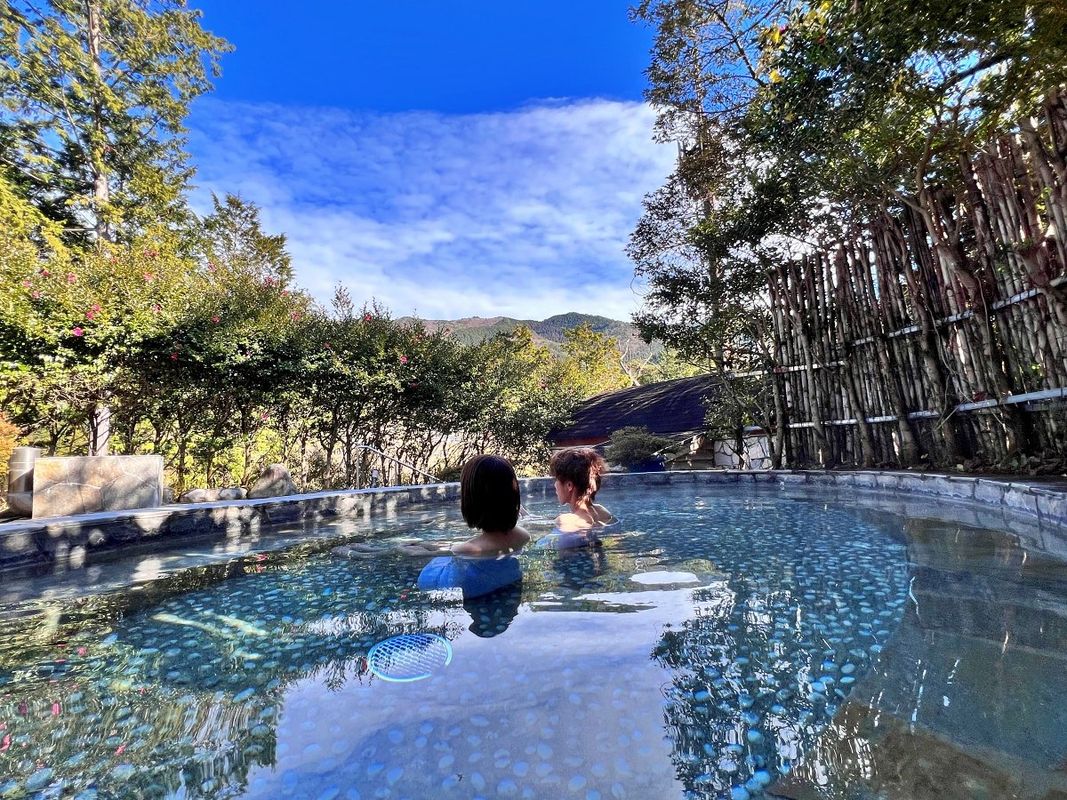
Hotel Miki
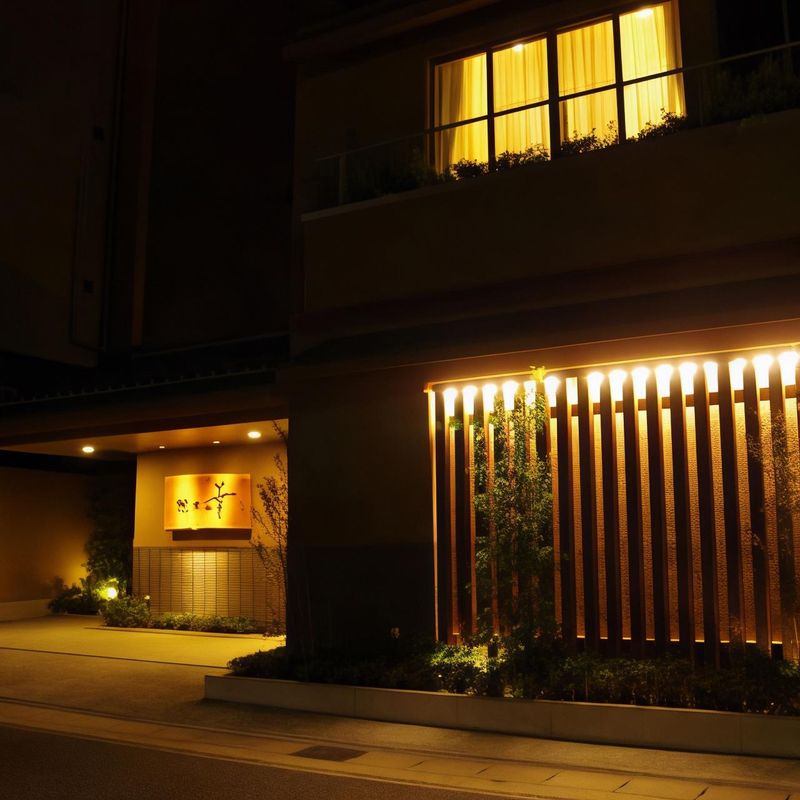
Gero Onsen Yukyunohana
Frequently Asked Questions about Traveling to Gero
Questions You Might Need to Know About Traveling to Gero
In Gero City, the most acclaimed ryokan is Gero Onsen Ginzan-Kaku, a centuries-old traditional inn offering private outdoor baths and exquisite kaiseki dining. Another top choice is Gero Onsen Sankei-Ya, located just steps from the main bathhouse, featuring modern tatami rooms with views of the surrounding mountains and seasonal riverfront gardens.
Both properties belong to the famed Japan’s Three Great Hot Springs, renowned for their soft alkaline bicarbonate waters rich in minerals that soothe skin and joints. Guests enjoy free shuttle services to nearby attractions like Nakamura Bridge and Kiso River, making it ideal for relaxing escapes or cultural immersion. Many ryokans also offer family-friendly accommodations and on-site wellness programs such as herbal steam rooms and forest therapy sessions.
For an authentic experience, opt for a package including breakfast and dinner—featuring local specialties like Hida beef and grilled eel rice—ensuring a full sensory journey into Japanese mountain life.
The best area for first-time visitors to Gero City is Gero Onsen Town, where historic streets, traditional wooden facades, and warm hospitality create a charming atmosphere. This central district hosts nearly all major ryokan, restaurants, and shops, with easy access to the main public bathhouses and scenic spots like Kiso River and Nakamura Bridge.
Walking along the riverside promenade offers breathtaking views of the flowing water and surrounding mountains, especially during cherry blossom season (late March–early April) or autumn foliage (mid-November). Most lodgings provide complimentary shuttle buses to key points, ensuring hassle-free exploration. The area also boasts excellent food options, including fresh Hida beef dishes and local sake tasting bars, perfect for immersing in regional culture while enjoying urban comfort and quiet elegance.
Visitors to Gero City can engage in several authentic cultural experiences. At the Gero City Museum, learn about Hida architecture, traditional weaving (like Hida Shibori dyeing), and local craftsmanship through interactive exhibits.
Participate in the annual Gero Onsen Festival held in autumn, where locals wear kimonos and perform traditional dances along illuminated streets. You can also join a pottery workshop at a local studio, crafting your own piece under expert guidance—ideal for souvenirs with personal meaning.
Many ryokan offer tea ceremony demonstrations and kimono try-on sessions, allowing guests to dress in traditional attire and stroll through historic alleys. These immersive activities provide deep insight into Japan’s rural heritage and are perfect for travelers seeking meaningful connections beyond sightseeing.
Gero City’s hot springs stand out due to their soft alkaline bicarbonate mineral water, known as one of Japan’s three great hot springs. The natural thermal source flows at around 50°C, with a smooth, slightly sweet taste—ideal for skin health and joint relief.
What truly sets them apart is the outdoor bathing experience: many ryokan feature open-air baths nestled among lush greenery or facing panoramic views of the Kiso River and Hida Mountains. In winter, mist rises from the pools, creating a serene, ethereal scene; in summer, bamboo groves provide shade and cooling breezes.
Some resorts incorporate forest therapy elements, combining aromatherapy, meditation zones, and guided mindfulness walks. Whether you're soaking under starlit skies or watching cherry blossoms drift by, the blend of nature, tradition, and therapeutic benefits makes Gero’s onsens unforgettable.
Yes, Gero City is highly suitable for families with children. Many ryokan, such as Ginzan-Kaku and Sankei-Ya, offer family rooms, child-sized bath facilities, and free cribs. Special programs include kids’ craft workshops (like painting paper umbrellas) and onsen safety tours tailored for young guests.
Nearby attractions like Kiso River Park and Nakamura Bridge Promenade have safe walking paths, playgrounds, and picnic areas perfect for kids. Local eateries serve child-friendly meals like mild Hida beef bowls and rice balls with pickled vegetables.
Several ryokans also host family-style kaiseki dinners, where dishes are portioned for smaller appetites. With its calm ambiance, clean environment, and welcoming culture, Gero City provides a peaceful yet enriching escape for families seeking both relaxation and meaningful interaction with Japanese traditions.
Must-try local delicacies in Gero City include: Hida beef—premium black-haired wagyu served as grilled steak or in hearty beef bowls; eel rice (unagi gohan) made with freshwater eel from the Kiso River, glazed with savory sauce; and Hida tofu, crafted from pure mountain spring water, enjoyed steamed, fried, or in hot pots.
Most ryokan offer kaiseki dinner menus featuring seven courses of seasonal ingredients, often paired with local sake. Don’t miss street snacks like umeboshi candy (pickled plum sweets) and Hida red bean mochi sold at the morning market or roadside stalls.
For a memorable culinary experience, visit Gero Market or Onsen Street Night Market, where vendors prepare fresh, locally sourced dishes right before your eyes—perfect for sampling authentic flavors and taking home edible souvenirs.
The easiest way from Nagoya to Gero City is by taking the Meitetsu Limited Express "Hida" train, which runs directly from Nagoya Station to Gero Station in approximately 80 minutes. The ride is comfortable, with panoramic views of the Chubu region’s rolling hills and mountains.
Alternatively, rent a car via highways like Tomei Expressway and National Route 158, taking about 90 minutes. This route allows flexibility to stop at places like Highland Village or Takayama en route. HopeGoo tickets or rental cars in advance is recommended, especially during weekends and holidays, to ensure smooth travel to Gero’s tranquil onsen district.
In spring, the highlight of Gero City is the Kiso River Cherry Blossom Festival, held from late March to early April when over 2,000 cherry trees bloom along the riverbanks. The Nakamura Bridge becomes a stunning pink tunnel, perfect for photos and evening lantern lighting.
The Gero Onsen Garden also hosts a seasonal flower exhibition featuring tulips, daffodils, and azaleas, alongside traditional tea ceremonies and folk music performances. For a quieter experience, hike the mountain trail behind the old town, where wildflowers and new greenery blanket the forest floor.
Early mornings or late afternoons are ideal to avoid crowds and enjoy the delicate light filtering through blooming branches. Combine this with a soak in a private onsen surrounded by blossoms for a poetic, unforgettable moment.
During winter, Gero City shines with magical events like the Gero Snow Lantern Festival, held from December to February. Thousands of handcrafted paper lanterns line the Kiso River path, casting a warm glow against snowy landscapes, creating a dreamlike atmosphere.
Many ryokan offer winter-only packages featuring hot stone baths, warming sake, and hearty Hida beef hot pot. Adventure seekers can try snowshoeing or ice fishing in nearby lakes, while others enjoy forest walking tours with guided mindfulness sessions.
At New Year’s, participate in the traditional Oshogatsu Shrine Ceremony, where the sound of temple bells echoes through the valley. These seasonal festivities blend tranquility, warmth, and cultural depth—making Gero a perfect destination for a cozy, soul-renewing winter getaway.
For a meaningful visit to Gero City, plan a minimum of two nights. Day one: check into a ryokan, explore Gero Onsen Town, stroll along the Kiso River, and enjoy a sunset soak in an open-air bath with mountain views.
Day two: take a short trip to Hida Furukawa (30 minutes away) to see traditional gassho-zukuri farmhouses, or visit Nakamura Bridge and the Gero City Museum. Return to the city center for a hands-on experience like pottery-making or kimono dressing.
On day three, relax with a final onsen session, shop for local crafts, and savor a farewell kaiseki meal. This balanced itinerary allows time for rest, discovery, and cultural immersion—without rushing—making it ideal for travelers who want both serenity and authenticity.
Gero Overview
City Summary
Gero City, located in Gifu Prefecture, Japan, is renowned for its hot springs, ranking among Japan's top three famous springs. The city boasts stunning natural scenery, with distinct seasons, particularly famous for autumn foliage and winter snowscapes. The therapeutic waters of Gero Onsen attract numerous visitors seeking relaxation. Additionally, Gero preserves rich traditional culture, such as washi paper-making and handicrafts, offering a deep dive into Japan's rural charm.
Must-See Attractions
Key attractions in Gero include Gero Onsen Gassho Village, showcasing traditional gassho-zukuri farmhouses for a glimpse into old Japanese rural life. Gero Onsen Temple is a historic site surrounded by beautiful natural landscapes. The Hida River promenade is perfect for enjoying seasonal changes. For culture enthusiasts, the Gero Onsen Museum offers extensive exhibits on hot spring history and culture.
Food Guide
Gero's cuisine highlights local ingredients, with Hida beef being a must-try for its tender texture. Onsen manju (steamed buns) and hoba miso (miso grilled on magnolia leaves) are traditional snacks not to be missed. Street vendors also offer various grilled fish and pickles, providing authentic Japanese rural flavors.
Transportation Guide
Public transport in Gero is primarily bus-based, accessible from Nagoya or Takayama. Taxis are available but expensive. A bus pass is recommended for exploring nearby attractions. For drivers, the city has ample parking, but some roads may close in winter due to snow.
Best Time to Visit
The best seasons to visit are autumn (October-November) and winter (December-February), when foliage and snowscapes shine. Summer (June-August) is hot but ideal for cooling off in hot springs. Spring (March-May) features cherry blossoms but draws larger crowds.
Travel Tips
- Onsen etiquette: Wash thoroughly before entering; swimsuits are prohibited.
- Cash payments: Some small shops only accept cash; carry enough yen.
- Winter warmth: Prepare for low temperatures with warm clothing.
- Language barrier: English is limited; learn basic Japanese or use a translation app.
- Eco-awareness: Strict waste separation rules apply.
- Accommodation: Book hot spring ryokans early during peak seasons.
Useful Information
Language: Japanese is primary; English is scarce—bring a translator. Internet: Good coverage; most lodgings offer free Wi-Fi. Payments: Cash dominates; some accept cards. Emergency care: Hospitals and pharmacies are available, but travel insurance is advised. Tourist centers provide multilingual support for itinerary planning.









