Hotels in Gero
Discover your perfect stay in Gero.
Gero(Japan) Travel 2026: Cheap Flights, Hotels & Top Attractions
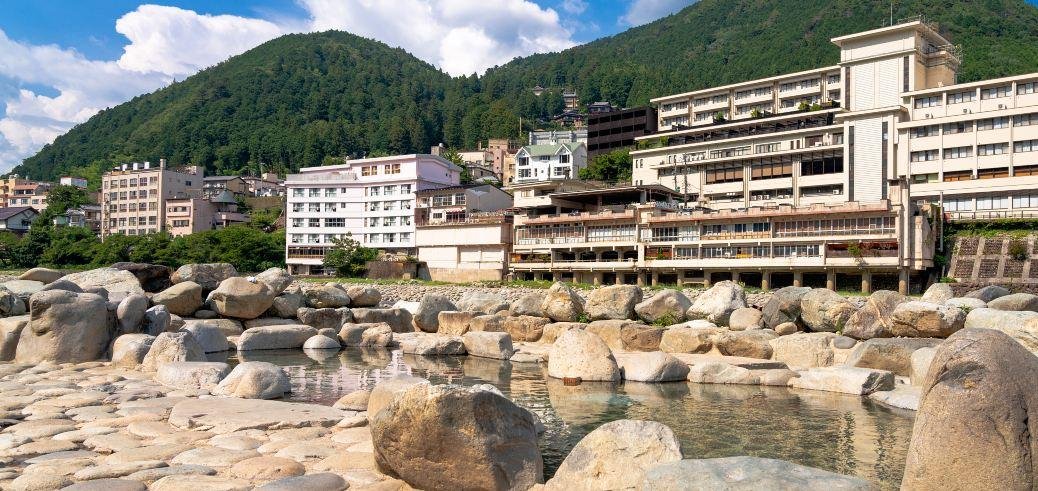
Popular Landmarks in Gero
Discover the most iconic attractions in Gero
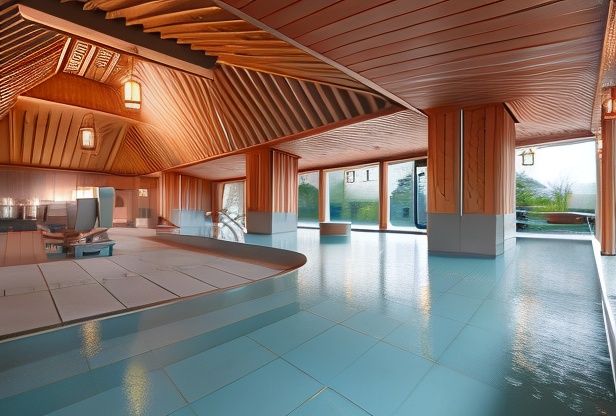
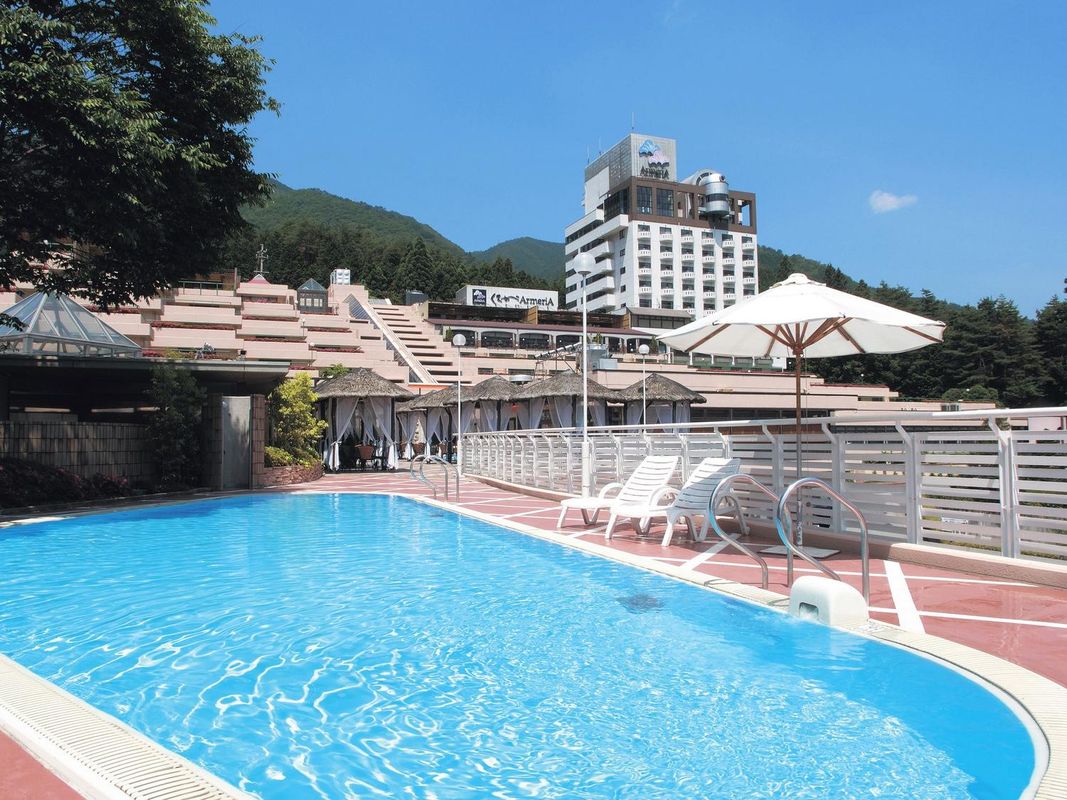
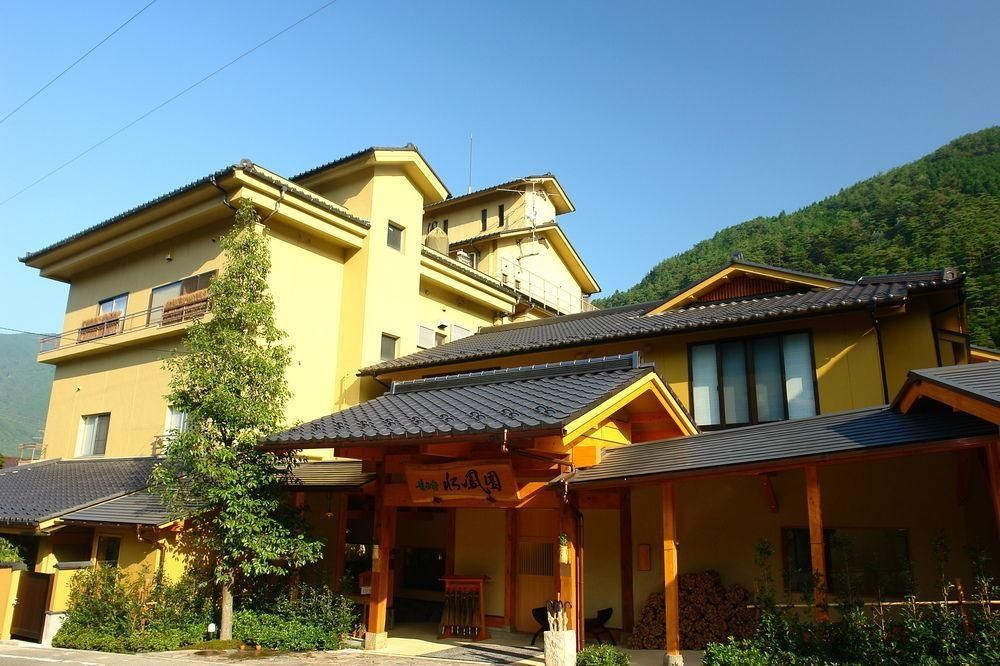
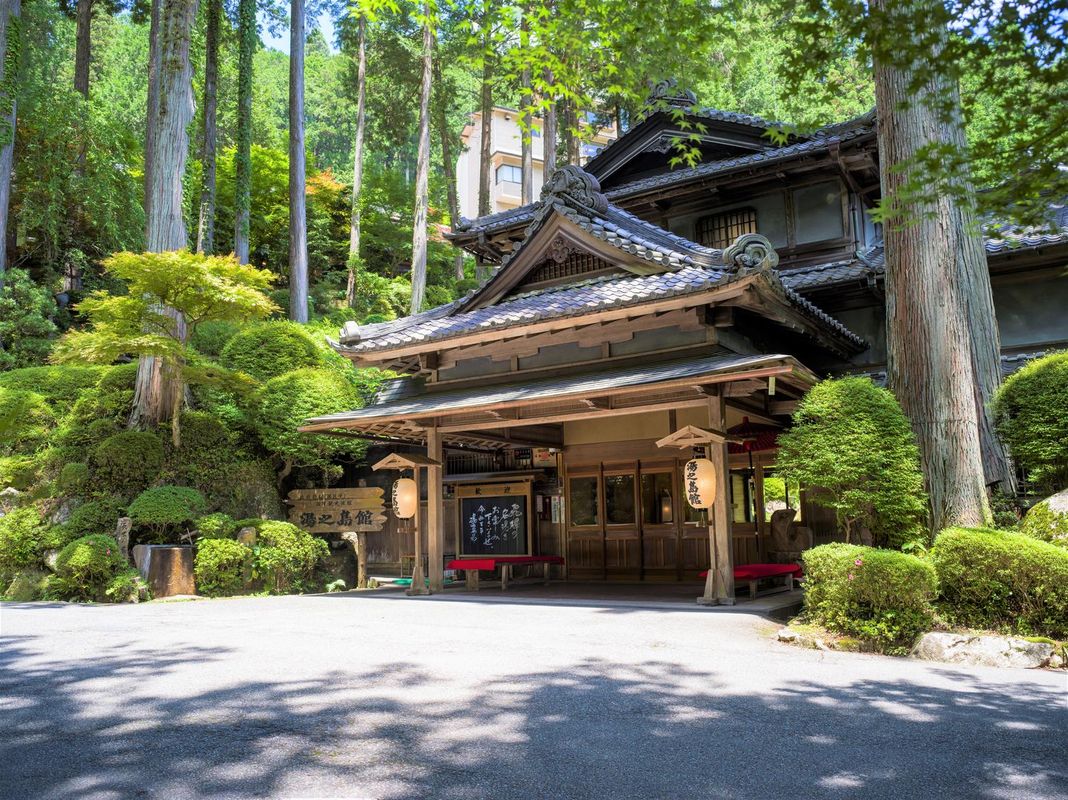
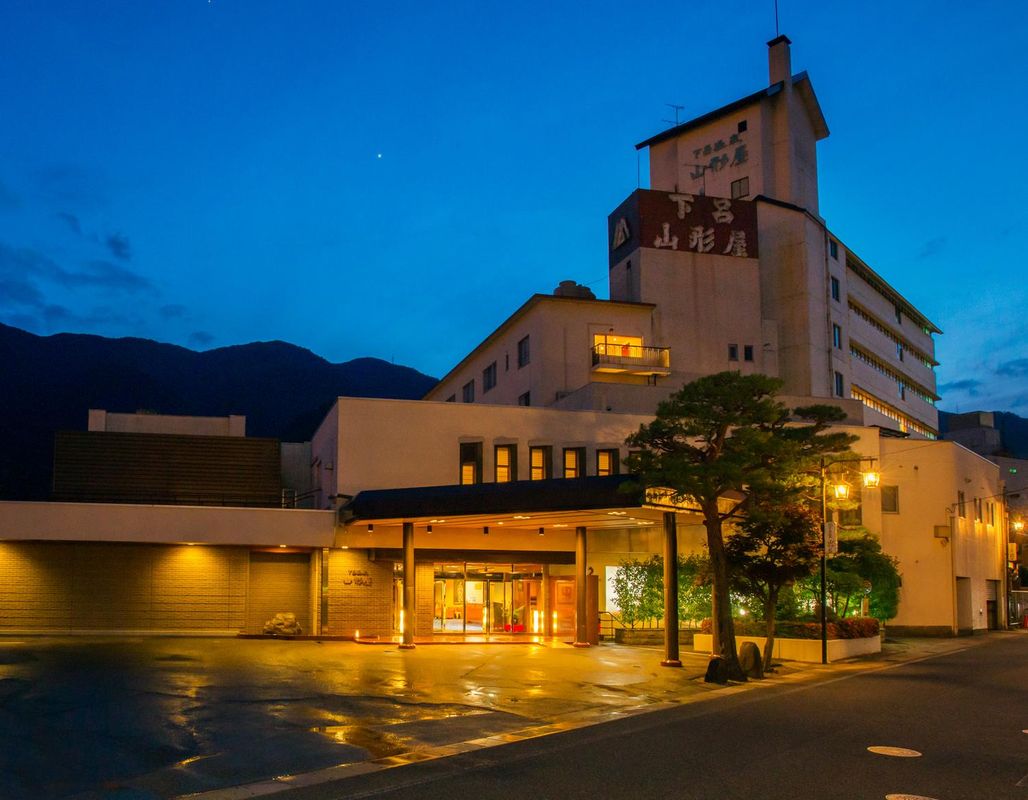
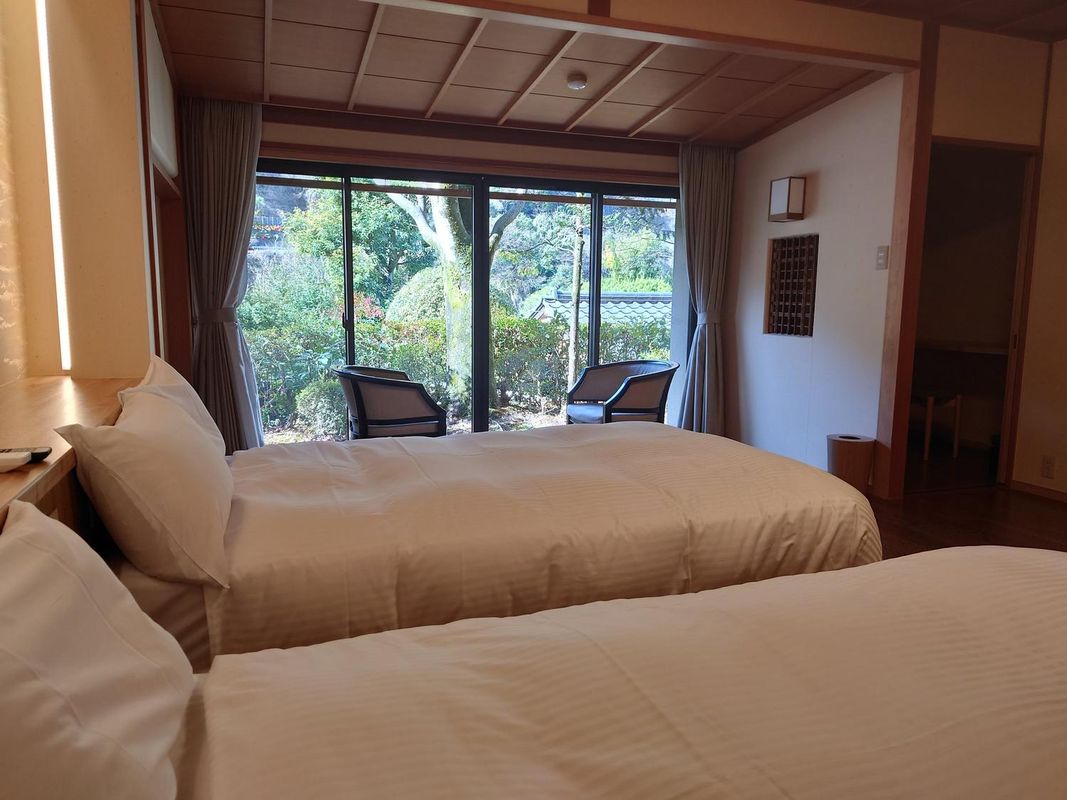
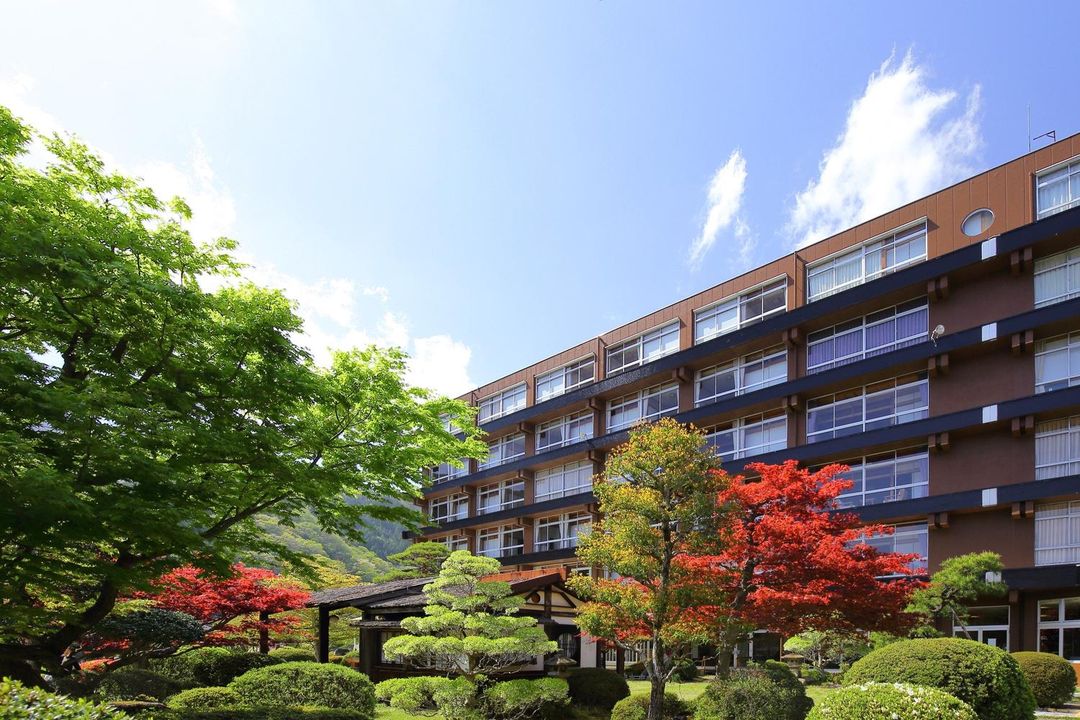
Recommended Hotels in Gero
Find the perfect place to stay in Gero
Frequently Asked Questions about Traveling to Gero
Questions You Might Need to Know About Traveling to Gero
Gero Overview
City Summary
Gero City, located in Gifu Prefecture, Japan, is renowned for its hot springs, ranking among Japan's top three famous springs. The city boasts stunning natural scenery, with distinct seasons, particularly famous for autumn foliage and winter snowscapes. The therapeutic waters of Gero Onsen attract numerous visitors seeking relaxation. Additionally, Gero preserves rich traditional culture, such as washi paper-making and handicrafts, offering a deep dive into Japan's rural charm.
Must-See Attractions
Key attractions in Gero include Gero Onsen Gassho Village, showcasing traditional gassho-zukuri farmhouses for a glimpse into old Japanese rural life. Gero Onsen Temple is a historic site surrounded by beautiful natural landscapes. The Hida River promenade is perfect for enjoying seasonal changes. For culture enthusiasts, the Gero Onsen Museum offers extensive exhibits on hot spring history and culture.
Food Guide
Gero's cuisine highlights local ingredients, with Hida beef being a must-try for its tender texture. Onsen manju (steamed buns) and hoba miso (miso grilled on magnolia leaves) are traditional snacks not to be missed. Street vendors also offer various grilled fish and pickles, providing authentic Japanese rural flavors.
Transportation Guide
Public transport in Gero is primarily bus-based, accessible from Nagoya or Takayama. Taxis are available but expensive. A bus pass is recommended for exploring nearby attractions. For drivers, the city has ample parking, but some roads may close in winter due to snow.
Best Time to Visit
The best seasons to visit are autumn (October-November) and winter (December-February), when foliage and snowscapes shine. Summer (June-August) is hot but ideal for cooling off in hot springs. Spring (March-May) features cherry blossoms but draws larger crowds.
Travel Tips
- Onsen etiquette: Wash thoroughly before entering; swimsuits are prohibited.
- Cash payments: Some small shops only accept cash; carry enough yen.
- Winter warmth: Prepare for low temperatures with warm clothing.
- Language barrier: English is limited; learn basic Japanese or use a translation app.
- Eco-awareness: Strict waste separation rules apply.
- Accommodation: Book hot spring ryokans early during peak seasons.
Useful Information
Language: Japanese is primary; English is scarce—bring a translator. Internet: Good coverage; most lodgings offer free Wi-Fi. Payments: Cash dominates; some accept cards. Emergency care: Hospitals and pharmacies are available, but travel insurance is advised. Tourist centers provide multilingual support for itinerary planning.









