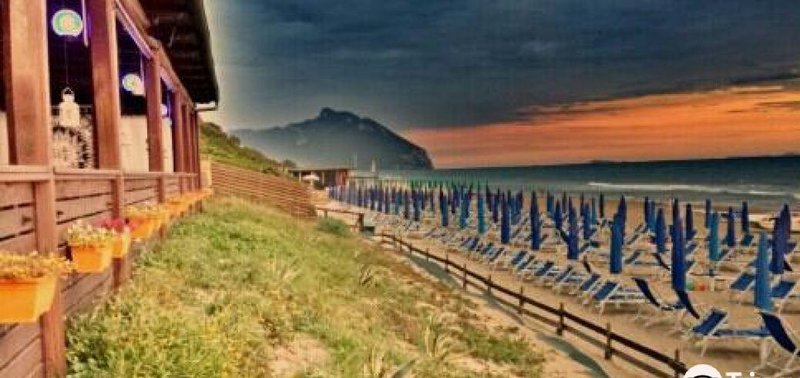
Hotels in Ghiffa
Discover your perfect stay in Ghiffa.
Ghiffa(Italy) Travel 2026: Cheap Flights, Hotels & Top Attractions
Popular Landmarks in Ghiffa
Discover the most iconic attractions in Ghiffa
Recommended Hotels in Ghiffa
Find the perfect place to stay in Ghiffa
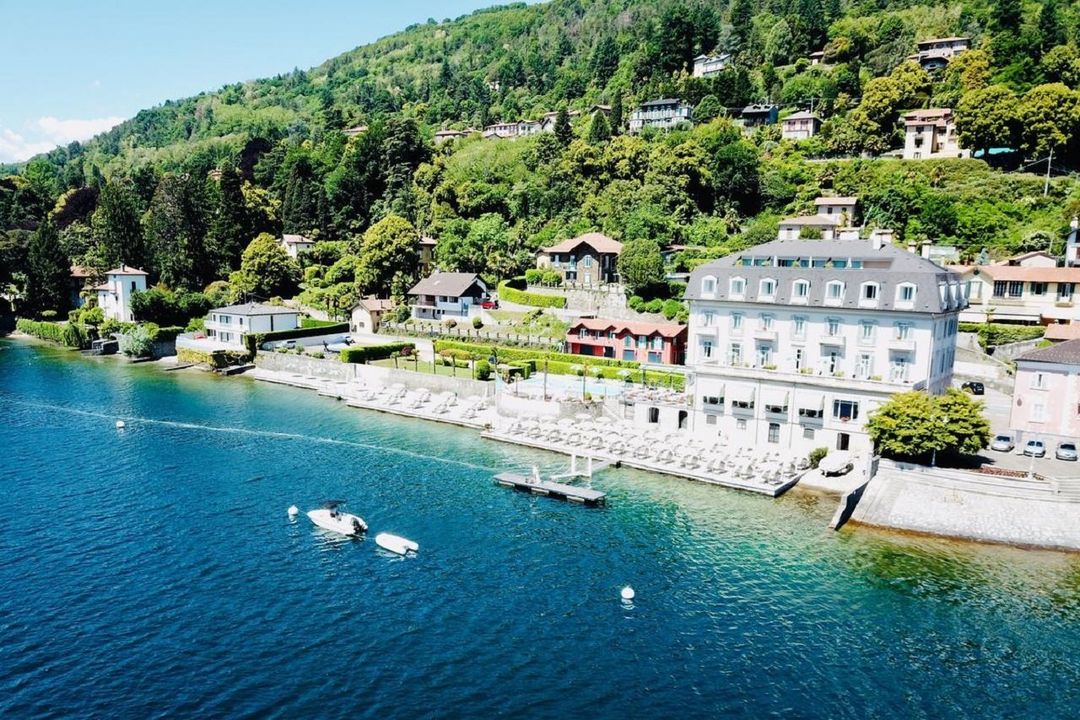
Hotel Ghiffa
Frequently Asked Questions about Traveling to Ghiffa
Questions You Might Need to Know About Traveling to Ghiffa
In Giffa, the top boutique stay is Hotel Albergo del Sole, a beautifully restored 18th-century farmhouse blending rustic charm with modern comfort. Located steps from Piazza Municipio, it features handcrafted wooden furnishings, local stone walls, and panoramic views of the Alps. The rooftop terrace offers sunset vistas perfect for wine tasting. For a more intimate experience, consider B&B Villa Rosa, a converted vineyard estate with lavender gardens and private garden suites. Hosts are local winemakers who offer exclusive tastings and seasonal dinners using ingredients from their own orchards and fields.
Both properties emphasize sustainability—using solar energy, organic linens, and sourcing food locally—making them ideal for eco-conscious travelers seeking authenticity and elegance in the Piedmont countryside.
The historic town center is the best area for first-time visitors to Giffa. This pedestrian-friendly zone surrounds Piazza Municipio, where you’ll find charming cafes, artisan shops, and access to the Church of Santa Maria. Staying here ensures easy walking access to all main attractions, including the autumnal grape festival and local markets. Most accommodations are housed in centuries-old buildings with original archways and terracotta tiles, offering an authentic taste of rural Piedmont life. Morning strolls along cobblestone streets, paired with espresso at a corner café, provide the perfect immersion into daily village rhythms.
Tourists must attend the annual Festa dell'Uva (Grape Festival) in late September, a vibrant celebration of Barolo and Barbaresco wines. Visitors can tour family-run cellars, participate in grape-stomping demonstrations, and enjoy guided tastings with local vintners. Evening events include traditional folk music performances by Piedmontese ensembles and open-air dinners served in private courtyards. Another highlight is the home-hosted 'Cucina della Nonna' experience, where guests join families for a hands-on cooking class preparing dishes like tajarin pasta with truffle sauce and bollito misto, learning age-old recipes passed down through generations.
Giffa boasts several regional specialties: Tajarin al Tartufo, delicate egg noodles served with black truffle oil—a dish perfected by local chefs; Bollito Misto, slow-cooked beef stew made with Alpine-raised cattle, rich in flavor and tradition; and Sfogliatella di Giffa, a flaky pastry filled with almond-honey cream, available only at Pasticceria Bellini, a century-old bakery. These dishes use ingredients sourced directly from nearby farms—fresh milk, free-range eggs, and wild herbs—ensuring unparalleled authenticity. Many restaurants also feature seasonal menus highlighting mountain foraged mushrooms and honey harvested from high-altitude hives.
Yes, Giffa is highly suitable for families. The Piazza Municipio playground offers safe, shaded play areas with climbing structures and water fountains. Guided nature walks through the Alpine foothills include interactive stations teaching kids about local flora and fauna. Several hotels, such as Hotel Albergo del Sole, provide baby cots, high chairs, and child-friendly menus. Families can also visit nearby pasture farms to feed goats, collect fresh eggs, or help with milking. Seasonal events like the Children’s Craft Fair and storytelling nights in the town hall make it a joyful destination for all ages.
For couples, Giffa offers unforgettable romantic moments. Take a private evening walk along the Villa del Sole hilltop path, where golden light bathes the valley below. Book a candlelit dinner under a glass-roofed pergola at Hotel Albergo del Sole, featuring a menu crafted by the resident chef with local ingredients. Alternatively, relax in a private outdoor hot tub at the nearby Alpina Spa & Wellness Retreat, surrounded by pine trees and starlit skies. Don’t miss a sunrise picnic at the Sacred Hill viewpoint, where you can sip local Barolo while watching the mist rise over the mountains—a truly magical moment.
Giffa is accessible even without a car. The nearest train station is Cuneo, just 30 minutes away via regional rail service connecting Turin and Milan. From there, shared shuttle buses run regularly to Giffa’s town center. Within Giffa, the historic core is entirely pedestrian-only, so taxis and electric scooters are available for short trips. Bike rentals are offered at Centro Ciclo Giffa, allowing easy exploration of surrounding vineyards and forest trails. For those preferring guided tours, local agencies offer half-day excursions to nearby villages, wineries, and mountain viewpoints—all included in multi-day packages.
Giffa has a mixed Mediterranean-alpine climate. Summers (June–August) are warm (20–28°C), ideal for hiking and wine tours, while winters (December–February) bring snow and cold temperatures (-5 to 5°C), perfect for winter sports enthusiasts. The best times to visit are spring (April–June) and autumn (September–October), when temperatures are mild, crowds are small, and landscapes are lush or golden. Rainfall peaks in May and October—pack a waterproof jacket and check forecasts before planning outdoor activities. Summer evenings are cool, so bring a light sweater for dining al fresco.
Photographers will love these prime locations in Giffa: the bell tower of Santa Maria Church, offering sweeping views of rooftops and distant Alps; the cobblestone alleys of the old town, especially at dawn when morning mist enhances depth and texture; the vineyard fields in autumn, where crimson grapes contrast against golden wheat; and the Villa del Sole viewing platform, ideal for sunsets and silhouetted compositions. Bring a wide-angle lens and tripod for low-light shots. During festivals, traditional costumes and handmade stalls create dynamic street photography opportunities. The quiet, unspoiled character of the town makes it a hidden gem for documentary-style and fine art photography.
Visitors can purchase authentic Piedmontese crafts in Giffa: handwoven wool blankets with traditional patterns, ceramic tableware from the Ceramica Giffa workshop, and leather wallets made by local artisans using sustainably sourced hides. A must-buy is the Sfogliatella di Giffa gift box, a curated selection of three flavors of the famous pastry from Pasticceria Bellini. Wine lovers should opt for Barolo bottles with family crest labels from small-scale producers, often accompanied by tasting notes. All goods are wrapped in recyclable paper or fabric, reflecting Giffa’s commitment to eco-friendly tourism and heritage preservation.
Ghiffa Overview
City Summary
Giffa is a charming small town in the Piedmont region of Italy, known for its medieval architecture and tranquil rural atmosphere. It is an ideal destination for those seeking to escape the hustle and bustle of the city, offering a deep dive into rich history and stunning natural landscapes. The town's core appeal lies in its well-preserved ancient streets and local wine culture, making it a perfect spot to explore the rustic charm of Italy.
Must-See Attractions
In Giffa, must-see attractions include the Church of the Assumption, a medieval church with exquisite frescoes and architectural details. Giffa Castle is another highlight, where visitors can learn about the town's history. Additionally, the surrounding vineyards offer opportunities to taste renowned Piedmont wines like Barolo and Barbaresco.
Food Guide
Giffa's cuisine features traditional Piedmont dishes. Don't miss tajarin (handmade egg pasta) and brasato al Barolo (beef braised in Barolo wine). Local truffles and cheeses are also must-tries. For street food, try focaccia and gnocchi (potato dumplings).
Transportation Guide
Getting around Giffa primarily relies on self-driving or buses. Due to the town's small size, walking is the best way to explore its attractions. Buses from nearby cities like Alba or Turin can take you to Giffa, but schedules are limited, so check in advance. Renting a car offers more flexibility for visiting nearby vineyards and countryside.
Best Time to Visit
The best time to visit is during spring (April to June) and autumn (September to October), when the weather is mild and the vineyards are at their most beautiful. Summer (July to August) can be hot but less crowded, ideal for those seeking tranquility. Winter (November to March) is colder, and some attractions may be closed.
Travel Tips
- Respect local culture: Giffa is a quiet town, so keep noise levels low.
- Dress appropriately: When visiting churches, avoid wearing revealing clothing.
- Book in advance: If you plan to visit vineyards or wine tastings, reservations are recommended.
- Carry cash: Some small shops may not accept credit cards.
- Learn basic Italian: Locals may not speak much English, so knowing a few Italian phrases is helpful.
- Check opening hours: Many shops and restaurants close in the afternoon and reopen in the evening.
Useful Information
Language: Italian is the main language; English may be limited in tourist areas. Internet: Wi-Fi hotspots are available but may be unreliable; consider a local SIM card. Payments: Credit cards are accepted in most restaurants and hotels, but small shops may only take cash. Emergency: The nearest hospital is in Alba; travel insurance is recommended. Electricity: Italy uses 220V voltage with Type F plugs (two round pins).