Hotels in Gili Islands
Discover your perfect stay in Gili Islands.
Gili Islands(Indonesia) Travel 2026: Cheap Flights, Hotels & Top Attractions
Recommended Hotels in Gili Islands
Find the perfect place to stay in Gili Islands
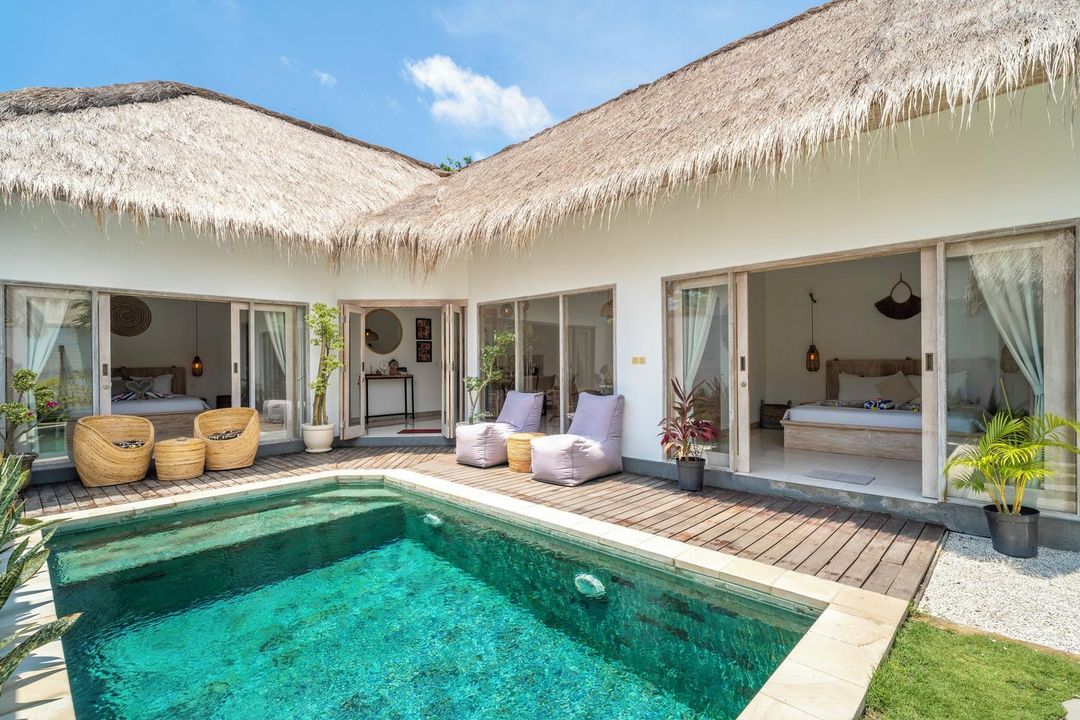
Villa Kayu
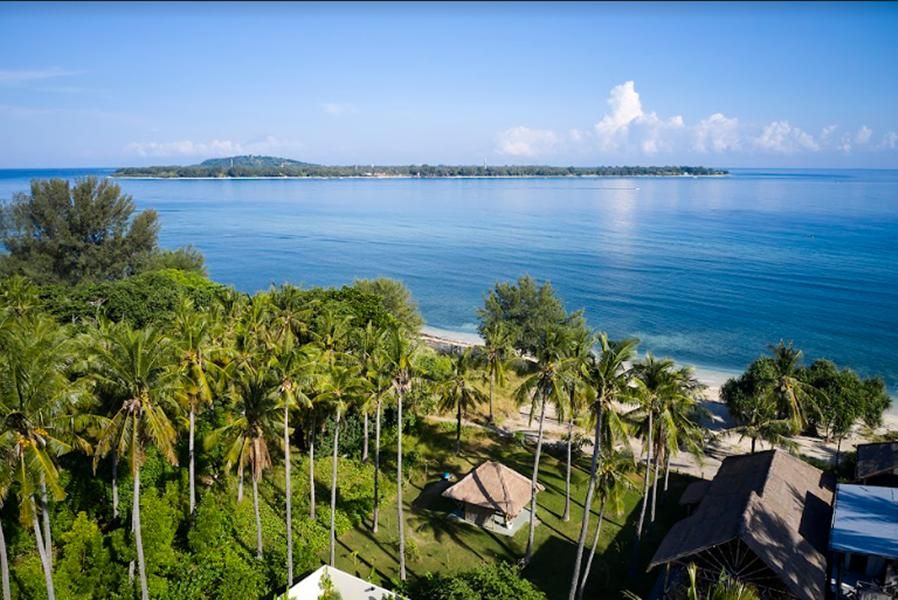
Ama-lurra Resort Gili Air
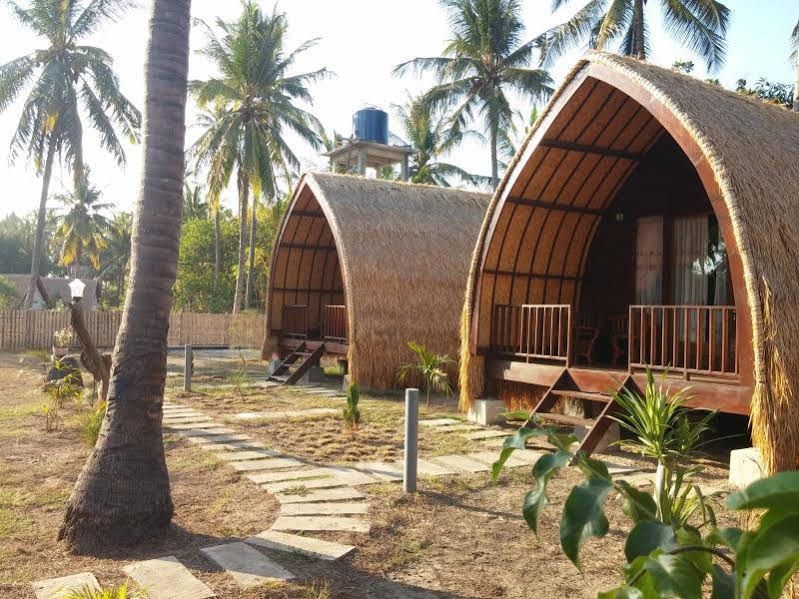
Raiq Villa
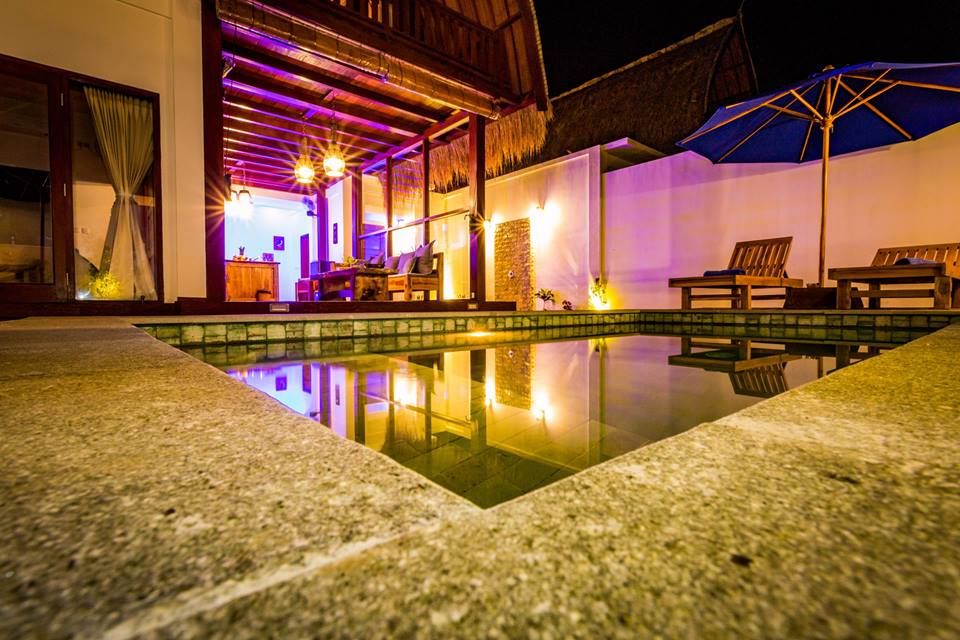
The Sanctuary -Private Pool Villas
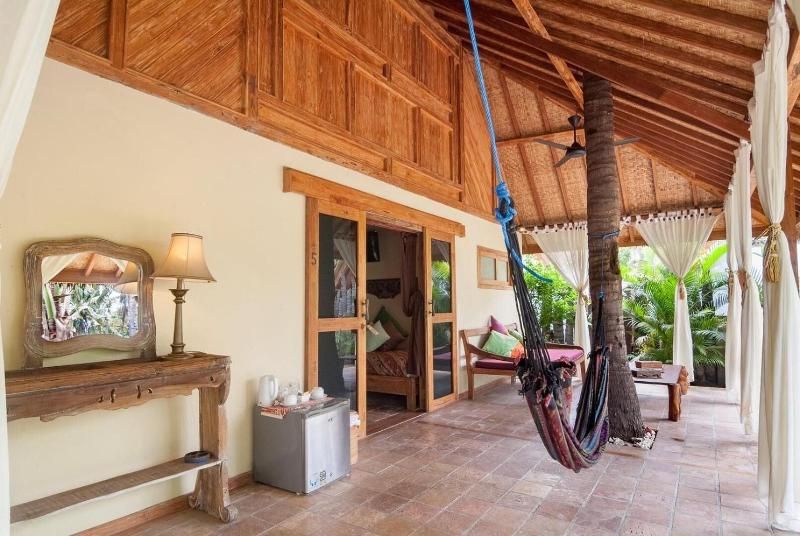
Dolcemare Resort
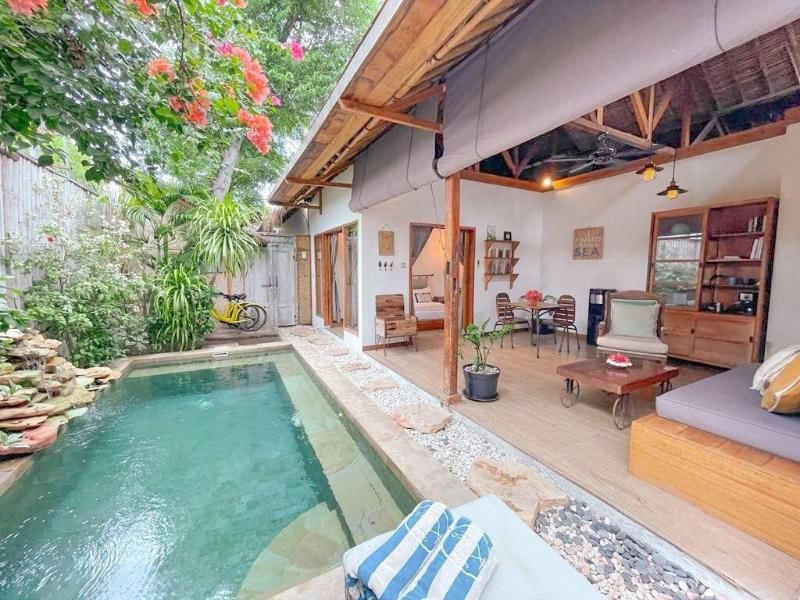
Villa Casa Koko
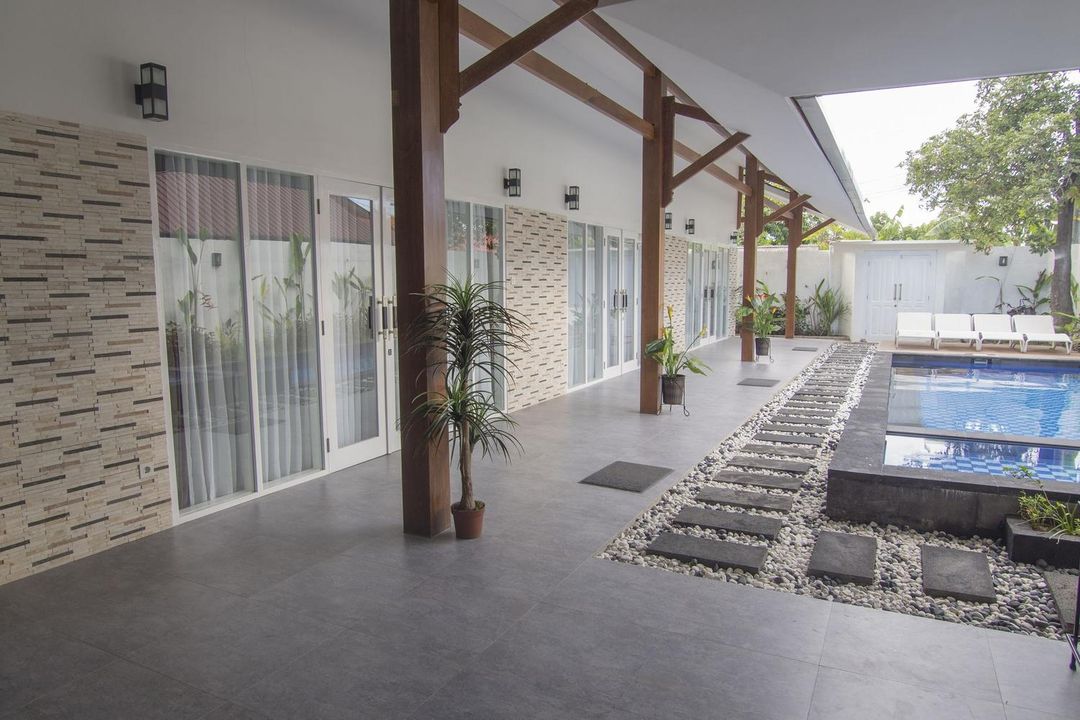
KyGunAya Villa
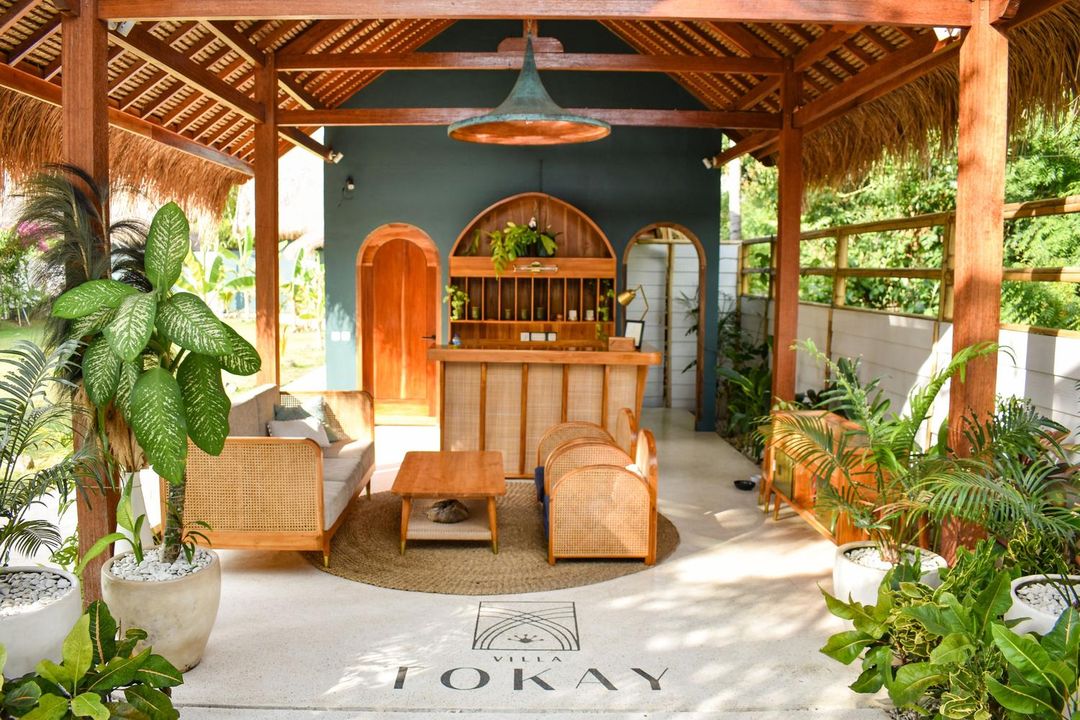
Villa Tokay - The Luxury Resort
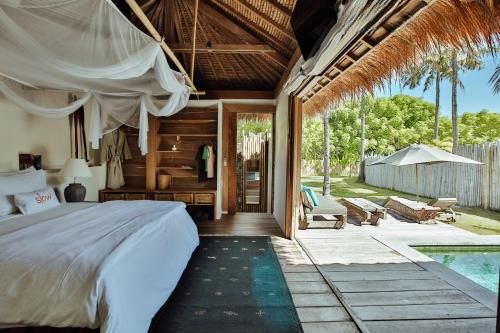
Slow Gili Air
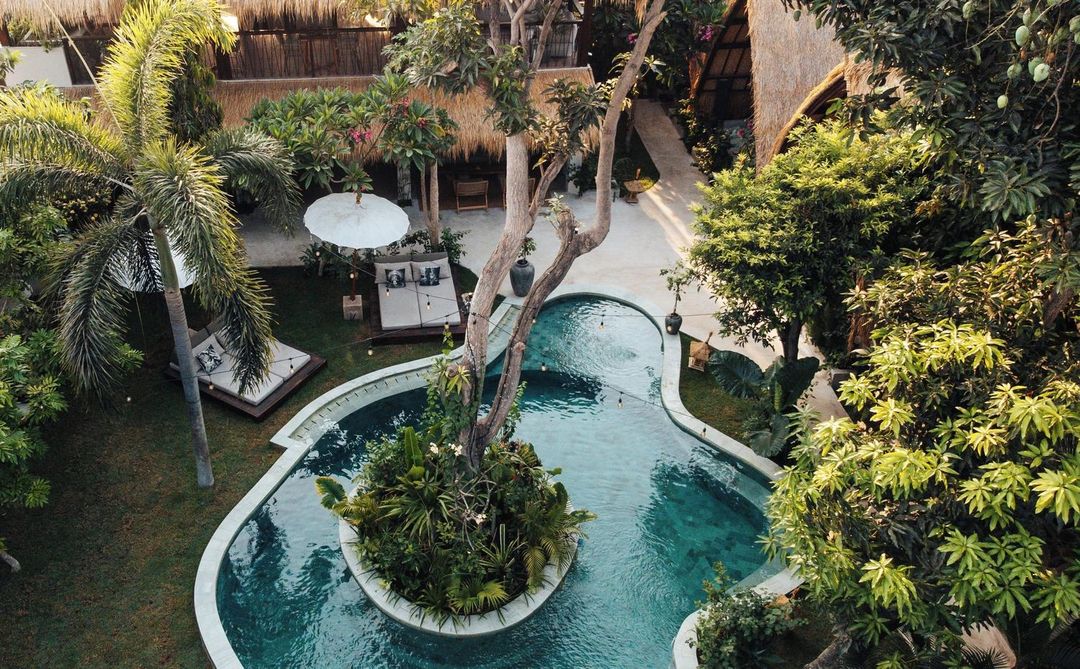
Hani Hideaway
Frequently Asked Questions about Traveling to Gili Islands
Questions You Might Need to Know About Traveling to Gili Islands
In the Gili Islands, Gili Trawangan Beach Resort stands out for its eco-conscious design, featuring solar-powered facilities and rainwater harvesting systems. Located on pristine white-sand beaches, it offers family-friendly rooms and guided snorkeling tours to vibrant coral reefs.
Another top choice is Gili Meno Eco Lodge, nestled in lush tropical greenery with private terraces overlooking the Indian Ocean. The resort emphasizes sustainability through zero-plastic policies and supports local conservation efforts. Guests can join traditional Indonesian craft workshops led by island residents, gaining authentic insights into Gili culture. Nightly beach bonfires and cultural performances enhance the immersive experience.
For beginners, Gili Meno is ideal due to its calm waters and gentle currents. Its shallow lagoon teems with vibrant coral reefs and diverse marine life, including clownfish and harmless sea stars. Designated snorkeling trails within the Coral Reef Conservation Zone offer safe, guided exploration with free gear rental.
The northern shoreline is perfect for first-time snorkelers, offering clear visibility and abundant underwater sights. Local guides—trained in both English and Bahasa—are available for bilingual instruction, ensuring safety and education. Afterward, enjoy freshly grilled charcoal-seared grouper at a beachside stall, paired with chilled coconut water for a refreshing end to the day.
In the Gili Islands, don’t miss the weekly traditional Indonesian dance performance held every Friday evening at Pantai Batu Square, where dancers wear vibrant costumes and perform to the rhythm of gamelan instruments, showcasing local heritage.
Join a handwoven bamboo curtain workshop led by island women, learning to craft natural shade screens using sustainable materials—a memorable keepsake. The islands follow a car-free lifestyle, relying on bicycles and horse carts, promoting a mindful, slow-paced rhythm of life.
Nightly beach bonfire gatherings feature storytelling, acoustic guitar music, and open conversations, fostering deep connections with locals and fellow travelers in a serene, intimate setting.
For convenience and charm, Gili Trawangan’s central area is the top choice. Located near the main dock, it hosts a concentration of boutique hotels, restaurants, and snorkeling rental shops along Church Street and South Bay Road.
Popular stays like Gili Bungalows offer ocean-view wooden bungalows with private beach access. This zone buzzes with nightlife and daily activities, ideal for travelers seeking vibrancy. For tranquility, consider eastern coastal areas of Gili Meno, where secluded villas and eco-lodges provide peaceful retreats surrounded by nature and pristine waters.
Must-try seafood dishes include grilled snapper, succulent and marinated with lemon juice and herbs, served fresh from morning catches. Another highlight is coconut curry rice with prawns, slow-cooked with rich coconut milk and local spices, creating a fragrant, creamy dish.
Don’t miss fried sea urchin at night markets—crispy outside, tender inside, often enjoyed with chili sauce. All ingredients come from daily dawn fishing, guaranteeing freshness. At spots like Gili Seafood Shack, try the self-cook seafood grill, where guests select their own ingredients and cook at personal grills—an interactive way to savor authentic island flavors.
A 3-to-4-day itinerary allows full immersion in the Gili Islands' natural beauty and culture. Day one: check-in and enjoy a relaxed snorkeling session at South Bay to explore coral ecosystems.
Day two: visit Gili Meno for eco-tours and traditional craft workshops, embracing the island’s slow-paced lifestyle. On day three, take a day trip to Gili Air to explore ancient villages, hidden caves, and the panoramic view from the hilltop lookout.
On the final day, unwind with a sunset cruise and shop for souvenirs at the dock-side seafood market. This balanced schedule blends adventure, relaxation, and cultural depth—perfect for a meaningful getaway.
The Gili Islands enforce a car-free policy, relying on bicycles and horse-drawn carts for island travel. Inter-island transport uses speedboats and motorized outriggers, with trips from Gili Trawangan to Gili Meno taking just 10 minutes.
Bicycles are the primary mode within islands, with most hotels offering free rentals. Ride along coastal paths for scenic views of turquoise waters and swaying palms. Horse carts serve short-distance routes, especially from docks to resorts.
Some tours also provide electric bikes for accessibility. All transportation methods support the islands’ eco-friendly ethos, enhancing the tranquil, low-impact travel experience.
Gili Islands Overview
City Summary
The Gili Islands, located in West Nusa Tenggara, Indonesia, comprise three small islands: Gili Trawangan, Gili Meno, and Gili Air. Renowned for their pristine white beaches, crystal-clear waters, and diverse marine life, they are a paradise for divers and snorkelers. With no motorized vehicles allowed, the islands retain their natural beauty and laid-back vibe, ideal for both relaxation and adventure seekers.
Must-See Attractions
Must-visit spots include sunset viewpoints at Gili Trawangan, turtle sanctuaries on Gili Meno, and traditional fishing villages on Gili Air. Dive enthusiasts will love the coral reefs and shipwrecks, while land activities like cycling or yoga classes are equally popular. Beach parties and open-air cinemas highlight the islands' vibrant culture.
Food Guide
Local delights include Indonesian satay, fresh seafood grills, and coconut-based desserts. Beachside warungs (eateries) offer affordable local and international dishes. Try "Nasi Campur" (mixed rice) and "Gado-Gado" (vegetable salad with peanut sauce) for authentic flavors.
Transportation Guide
Inter-island transport relies on speedboats (15-30 minutes) from Lombok or Bali. Only horse carts, bicycles, and walking are permitted on the islands. Renting a bike is recommended (~50,000 IDR/day). Book boat tickets in advance during peak season, and note limited evening schedules.
Best Time to Visit
The best time to visit is April to October, with dry weather and optimal water visibility. July-August is peak season; book early. November-March brings rain, limiting some activities.
Travel Tips
- Respect local customs; dress modestly in villages.
- Avoid touching corals or marine life while diving.
- ATMs are scarce; carry sufficient cash (IDR).
- Drink bottled water only.
- Use a flashlight for night walks; some paths lack lighting.
- Polite bargaining is acceptable for handicrafts.
Useful Information
Bahasa Indonesia is the official language, but English is widely spoken. Credit cards are accepted at major outlets; cash is preferred for small purchases. SIM cards are available at Lombok Airport (Telkomsel has best coverage). Medical facilities are basic; serious cases require transfer to Lombok. Voltage is 220V with Type C/E sockets. Emergency numbers: Police 110, Ambulance 118.