Hotels in Ginan
Discover your perfect stay in Ginan.
Ginan(Japan) Travel 2026: Cheap Flights, Hotels & Top Attractions
Popular Landmarks in Ginan
Discover the most iconic attractions in Ginan
Best Hotels in Ginan
Discover curated hotel collections in Ginan

Bvlgari Hotel Tokyo
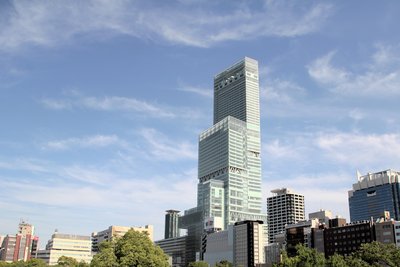
Osaka Marriott Miyako Hotel

The Ritz-Carlton, Osaka

Four Seasons Hotel Tokyo at Marunouchi

Mandarin Oriental, Tokyo
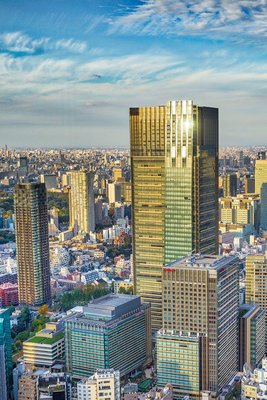
The Ritz-Carlton, Tokyo
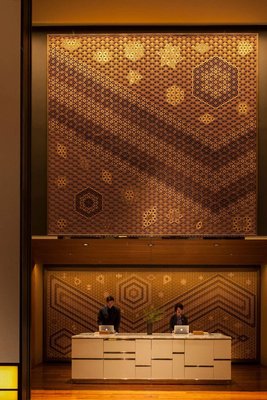
Andaz Tokyo Toranomon Hills- A Concept by Hyatt
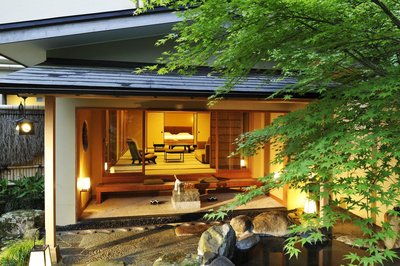
Gora Kadan
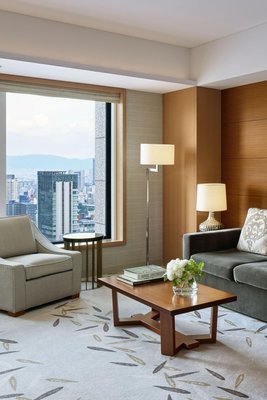
InterContinental Hotel Osaka
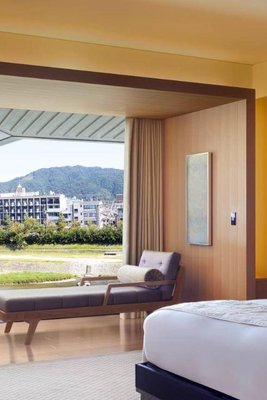
The Ritz-Carlton, Kyoto

Hotel New Otani Tokyo the Main
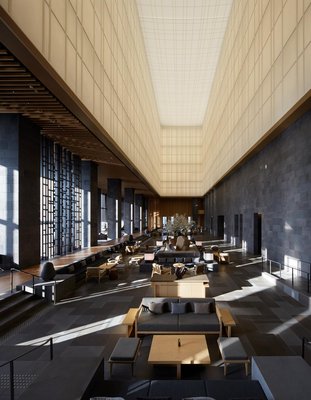
Aman Tokyo
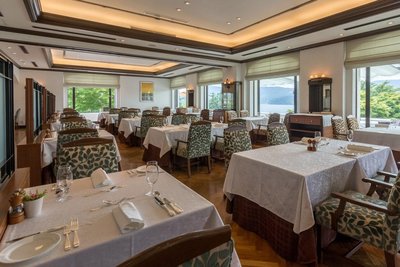
Odakyu Hotel de Yama
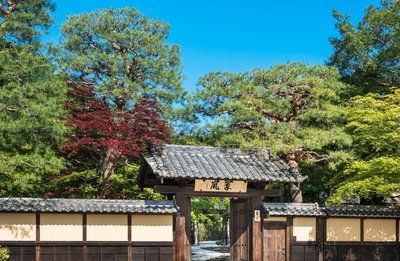
Suiran, a Luxury Collection Hotel, Kyoto

GOOD NATURE HOTEL KYOTO
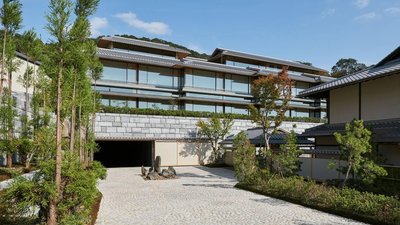
Park Hyatt Kyoto

Four Seasons Hotel Tokyo at Otemachi

The Tokyo Edition, Toranomon

Hyatt Centric Kanazawa
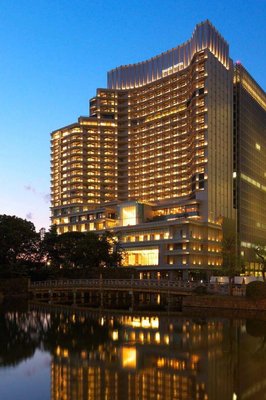
Palace Hotel Tokyo
Frequently Asked Questions about Traveling to Ginan
Questions You Might Need to Know About Traveling to Ginan
In Chinoncho, the top family-friendly option is Chinonoya Family Minshuku, a traditional Japanese-style inn nestled beside the Ono River. Featuring tatami rooms, private gardens, and kid-friendly activities like forest scavenger hunts and local craft workshops, it offers a peaceful retreat for families. The inn serves organic regional dishes such as Hida beef donburi and mountain vegetable tempura. Located just 10 minutes from Shinano Railway Station, it’s ideal for exploring nearby attractions like Shirakawa-go and Gifu Castle Park. Evening stargazing is also available, making it perfect for those seeking quiet, nature-connected experiences.
The best area for accommodation in Chinoncho is the Northern Zone along the Ono River, known for its serene atmosphere and preserved Edo-era townhouses. Stay at a riverside ryokan like Onotake Onsen House, which features private outdoor baths overlooking the river and walking trails to seasonal flower parks. This zone offers easy access to Shirakawa-go and Hida Furukawa, while remaining far from traffic noise. With clear night skies ideal for stargazing, it’s perfect for travelers seeking tranquility, natural beauty, and immersive rural life.
Visitors to Chinoncho can participate in authentic Hida woodcraft workshops at Ono River Craft Hall, where skilled artisans teach traditional carving and washi paper lantern making. During spring, join the Chinoncho Cherry Blossom Festival on the Shirakawa Riverbank, featuring tea ceremonies and Noh theater performances. In autumn, take part in wild mushroom foraging tours guided by local villagers—learn to identify matsutake and boletus mushrooms before cooking them into a rustic meal. These hands-on experiences offer deep insight into Hida’s sustainable traditions and connection with nature.
Top choice among hot spring inns in Chinoncho is Unsui-tei Spa Resort, a secluded wooden ryokan set in a valley surrounded by mountains. Its natural sulfur-rich springs are renowned for soothing skin conditions and promoting relaxation. The inn offers private open-air baths with views of the Shirakawa River, plus kaiseki dining featuring Hida beef, wild mountain vegetables, and river fish. Winter guests enjoy snow walks and bonfire gatherings. With minimal modern distractions and full immersion in nature, it’s ideal for wellness-focused travelers seeking serenity and authenticity.
From Nagoya Station, take the JR Tokai Line to Mino-Ota Station, then transfer to the Hida Bus (approx. 40 minutes) to reach Chinoncho Town Center. The total journey takes about 1 hour 30 minutes, with reliable schedules ideal for travelers with luggage. Alternatively, book a private car service that includes stops at Shirakawa-go and Hida Furukawa, offering flexibility and scenic views of the Hida Mountains. Check Hida Bus official website in advance for timetables and seasonal changes, especially during cherry blossom or autumn foliage seasons.
Chinoncho is a photographer’s paradise. Capture the misty dawn light over the Ono River Bridge at sunrise—perfect for long-exposure shots of flowing water and reflections. In autumn, photograph the fiery red maples lining the Shirakawa River Trail, especially around late October to early November. Don’t miss the ancient wooden gateways and intricate lattice windows of the old town, ideal for street photography. For aerial views, visit the Mount Kurogane Lookout. Bring a polarizing filter and wide-angle lens to enhance color depth and capture the region’s untouched beauty in high detail.
Must-try dishes in Chinoncho include Hida beef sukiyaki, mountain vegetable tempura, and miso pork cutlet rice. Savor Hida beef at Ono River Dining House, where it’s grilled fresh in a traditional iron pot. The mountain vegetable tempura uses seasonal ingredients like fern shoots, bamboo sprouts, and seven-leaf herbs, served with citrus salt for a refreshing bite. Try handmade soba noodles made from locally grown buckwheat—firm and aromatic, paired with a light broth. All meals emphasize farm-to-table sourcing, reflecting the region’s commitment to sustainability and flavor integrity.
Yes, Chinoncho is highly suitable for family travel. The Ono River Kids Nature Education Garden offers interactive programs like insect spotting, stream exploration, and DIY mask-making. Many guesthouses, such as Chinoncho Family Cottage, provide activity kits including treasure hunts and night-time firefly watching. The Shirakawa Railway’s vintage train cars feature cartoon designs, delighting children. With low traffic and safe streets, parents can let kids roam freely. Seasonal events like the Spring Cherry Blossom Festival and Autumn Harvest Fair include family-friendly booths and games, enhancing bonding moments across generations.
Chinoncho has a distinct four-season climate: mild, rainy springs (March–April) with cherry blossoms; warm, brief summers with occasional thunderstorms; cool, crisp autumns (late October–November) ideal for fall foliage viewing; and cold, snowy winters (December–February), with snow depths up to 50 cm. Travelers should pack accordingly—light layers for spring/autumn, thermal wear and non-slip shoes for winter. The region enjoys clean air and strong UV radiation, so sunscreen and sunglasses are essential. Best visiting times are April–May and September–November for pleasant weather and vibrant scenery.
Hidden gems in Chinoncho include the Ono River Waterfall Ruins, a moss-covered cascade accessible via a 20-minute hike through ancient forest; the Old Ono River Iron Bridge Site, a rusted relic from the Meiji era perfect for historical photography; and the 800-year-old cedar tree near the Mountain Shrine, whose twisted branches resemble a dragon. These sites remain untouched by mass tourism, offering solitude and raw natural beauty. Ideal for hikers, photographers, and those seeking quiet reflection away from crowds.
Ginan Overview
City Summary
Ginan-cho is a tranquil town in Gifu Prefecture, Japan, located north of Nagoya. Known for its traditional rural landscapes and rich agricultural culture, it offers historic architecture and handicraft traditions. The town's core appeal lies in the harmony between nature and culture, providing an authentic Japanese countryside experience.
Must-See Attractions
Must-see spots in Ginan-cho include the Ginan-cho Historical Folk Museum, showcasing local history; Ginan-cho Park, perfect for walks and picnics; and the surrounding traditional farmlands, especially the seasonal beauty of rice fields. Visitors can also join handicraft workshops to experience pottery or textile arts.
Food Guide
Ginan-cho's cuisine focuses on local produce. Try Ginan rice, renowned for its quality, as well as local chicken dishes and vegetable tempura. Farm-to-table restaurants serve seasonal dishes, offering the freshest countryside flavors.
Transportation Guide
Transportation in Ginan-cho relies on buses and taxis. From Nagoya, take the JR Tokaido Main Line to Gifu Station, then transfer to a bus. Bus schedules are infrequent, so check timetables in advance. Renting a car is also a great option for exploring the rural areas.
Best Time to Visit
The best times to visit are spring (March-May) and autumn (September-November), when the weather is mild. Spring offers cherry blossoms, while autumn showcases harvest scenery. Summers are hot, and winters are cold with fewer tourists.
Travel Tips
- Respect local customs, especially when visiting shrines.
- Rural shops have shorter hours; plan shopping ahead.
- Carry cash, as some small shops don't accept cards.
- Use insect repellent, especially in summer.
- Keep the environment clean; take trash back to your accommodation.
- Learn basic Japanese phrases for better communication.
Useful Information
Language: Japanese is primary; English is limited. Use a translation app. Internet: Free Wi-Fi spots in town, but rural areas have weak signals. Payment: Cash is king; some restaurants and shops accept cards. Emergency: The nearest hospital is in Gifu City; travel insurance is recommended. Post Office: Available in Ginan-cho for sending postcards or parcels. Voltage: 100V, Type A two-pin plugs.