Hotels in Girisubo
Discover your perfect stay in Girisubo.
Girisubo(Indonesia) Travel 2026: Cheap Flights, Hotels & Top Attractions
Popular Landmarks in Girisubo
Discover the most iconic attractions in Girisubo
Recommended Hotels in Girisubo
Find the perfect place to stay in Girisubo
Frequently Asked Questions about Traveling to Girisubo
Questions You Might Need to Know About Traveling to Girisubo
In Gilisubur, top beachfront stays include Blue Sea Resort, offering water villas with private decks overlooking the turquoise sea. This eco-conscious hotel features solar-powered rooms, local bamboo architecture, and direct access to a pristine sandy cove. Guests enjoy daily guided snorkeling trips to vibrant coral reefs and sunset cruises aboard traditional outrigger boats. The resort also hosts cultural nights featuring Balinese dance performances and organic seafood barbecues. With no motor vehicles allowed on-island, tranquility reigns—perfect for travelers seeking authentic island serenity and sustainable luxury.
The east coast of Gilisubur offers the best accommodations due to its calm waters, white-sand beaches, and serene ambiance. Stay near Gandhasari Pier for easy access to restaurants, dive shops, and boat tours. This area is ideal for families and couples seeking privacy, with many boutique villas and family-friendly resorts offering ocean views. It’s also perfect for early morning surf sessions and watching the sunrise over the horizon. At night, enjoy stargazing under clear skies—making it the ultimate destination for slow-paced, nature-immersed travel.
To experience genuine Indonesian island culture in Gilisubur, join a local fishing trip using traditional bamboo rafts led by village fishermen. Participate in a batik dyeing workshop where you’ll learn to hand-paint fabric using natural plant dyes. Enjoy a seaside dinner of grilled octopus with lime sauce and coconut rice, while listening to traditional kacapi music played on bamboo instruments. These immersive experiences offer insight into daily life, craftsmanship, and spiritual connection to the sea—hallmarks of coastal Javanese heritage.
Yes, Gilisubur is ideal for families. Many resorts, such as Sunbay Villa, offer family suites, kids’ pools, and supervised activities like beginner snorkeling lessons and marine biology talks. The shallow, calm waters are safe for children to play in, and the island has no cars—ensuring a safe, peaceful environment. Daily events like star-gazing storytelling and coconut crafts workshops engage kids while teaching them about nature and culture. Families appreciate the laid-back pace, fresh seafood, and opportunities to bond in a natural setting away from urban stress.
Must-try water activities in Gilisubur include snorkeling among coral reefs, nighttime bioluminescent snorkeling, and sailing around the island. Head to the West Bay Reef Zone for dazzling fish species and vivid coral formations. Most hotels provide free gear and bilingual guides. For a unique experience, book a glow-in-the-dark snorkel tour to see glowing plankton spark beneath your fins. Also recommended: kayaking through mangrove forests, which combines adventure with ecological education—perfect for nature lovers and curious explorers.
Local delicacies in Gilisubur highlight fresh seafood and tropical flavors. Must-try dishes include char-grilled octopus with tamarind sauce, coconut milk lobster stew, and vanilla-fried sea urchin. Street vendors serve satay skewers with rich, house-made peanut sauce. Drink local favorites like coconut ice smoothie and mango ginger tea. Many eateries use organic ingredients sourced daily from nearby islands. Meals are often enjoyed on open-air bamboo decks or beachside pavilions, combining delicious flavors with breathtaking ocean views—creating unforgettable culinary memories.
Gilisubur has a tropical rainforest climate with temperatures ranging from 28–31°C year-round and high humidity. The best time to visit is April to October, during the dry season, when skies are clear and seas calm—ideal for snorkeling and sunbathing. The rainy season (November to March) brings brief showers but rarely disrupts plans. Pack lightweight, quick-dry clothing, reef-safe sunscreen, and a compact rain jacket. Be mindful of strong afternoon sun and mosquitoes—especially at dawn and dusk. Proper preparation ensures an enjoyable, hassle-free experience throughout your stay.
To reach Gilisubur from Yogyakarta, take a bus or private car to Tanjung Priok Port, then board a high-speed ferry to Gilisubur Dock, a journey lasting approximately 5–6 hours. Alternatively, fly from Yogyakarta International Airport to Jepara Harbor, then transfer via speedboat. Many travel agencies offer all-inclusive day trips including transport, guide services, and meals. HopeGoo in advance is essential, especially during peak seasons. Upon arrival, rent electric bikes or walk to explore the entire island at your own pace—no cars mean quiet, relaxed exploration.
Yes, Gilisubur is a paradise for photographers. Capture stunning shots at sunrise over the east coast, mangrove reflections with traditional fishing boats, and bioluminescent plankton at night. The White Sand Lighthouse offers panoramic views perfect for wide-angle landscape photos. Visit the traditional bamboo village and handwoven textile market for vibrant cultural portraits and street scenes. Bring a wide-angle lens and tripod to maximize golden hour lighting. These locations showcase untouched beauty, making Gilisubur a dream destination for both amateur and professional photographers.
Gilisubur promotes sustainability through strict environmental policies. Single-use plastics are banned; all accommodations use reusable bamboo tableware. Solar panels power guest rooms, and rainwater harvesting systems support irrigation. Visitors can join coral nursery projects, planting young corals to restore damaged reefs. Waste stations with color-coded bins are placed across the island, encouraging recycling. Each room includes a sustainability guide promoting low-impact travel. These efforts preserve the island’s pristine ecosystem while empowering tourists to become responsible travelers—setting a benchmark for eco-tourism in Indonesia.
Girisubo Overview
City Summary
Girimulyo is a tranquil village in Yogyakarta, Indonesia, renowned for its serene rural landscapes and traditional Javanese culture. With lush rice fields and ancient temples, it offers an authentic escape into pure Javanese life.
Must-See Attractions
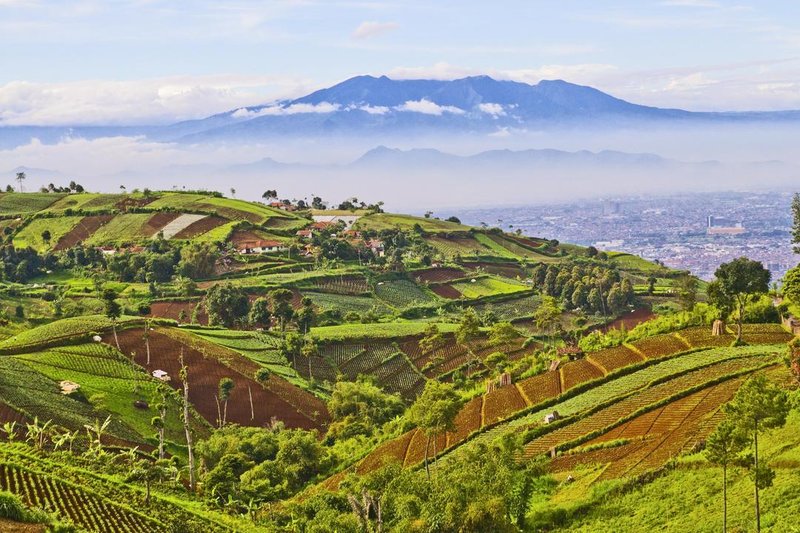
Must-see spots include the 15th-century Cetho Temple, perched on a hillside with breathtaking views, and Sukuh Temple, famous for its pyramid structure and mysterious carvings. Exploring the rice terraces and witnessing traditional farming are also highlights.
Food Guide
Local delicacies feature Gudeg, a sweet-spicy jackfruit stew, and Sate Klathak, skewered grilled meat. Street snacks like Bakpia (mung bean pastry) and Wedang Ronde (ginger tea with glutinous balls) are must-tries.
Transportation Guide
Getting around relies on motorbike rentals or bicycles for village paths. Taxis and ride-hailing apps are available in Yogyakarta city, but private car hires are recommended for Girimulyo. Public buses are infrequent. The village is 1.5 hours from downtown Yogyakarta.
Best Time to Visit
Best visit time is April-October for dry, cool weather. Monsoon (November-March) may disrupt travel.
Travel Tips
- Cultural respect: Wear a sarong when entering temples.
- Mosquito protection: Carry repellent in rural areas.
- Cash reliance: Most shops don't accept cards.
- Transport prep: Book vehicles for remote sites in advance.
- Eco-awareness: Minimize plastic use to preserve nature.
Useful Information
Language: Javanese and Indonesian are spoken; basic English works. Internet: Weak signals in villages; get a local SIM. Payment: Cash preferred; ATMs in Yogyakarta. Emergencies: Nearest hospital is in Yogyakarta; bring basic medicines. Voltage: 220V with two-pin round plugs.