Hotels in Glass House Mountains
Discover your perfect stay in Glass House Mountains.
Glass House Mountains(Australia) Travel 2026: Cheap Flights, Hotels & Top Attractions
Popular Landmarks in Glass House Mountains
Discover the most iconic attractions in Glass House Mountains
Recommended Hotels in Glass House Mountains
Find the perfect place to stay in Glass House Mountains
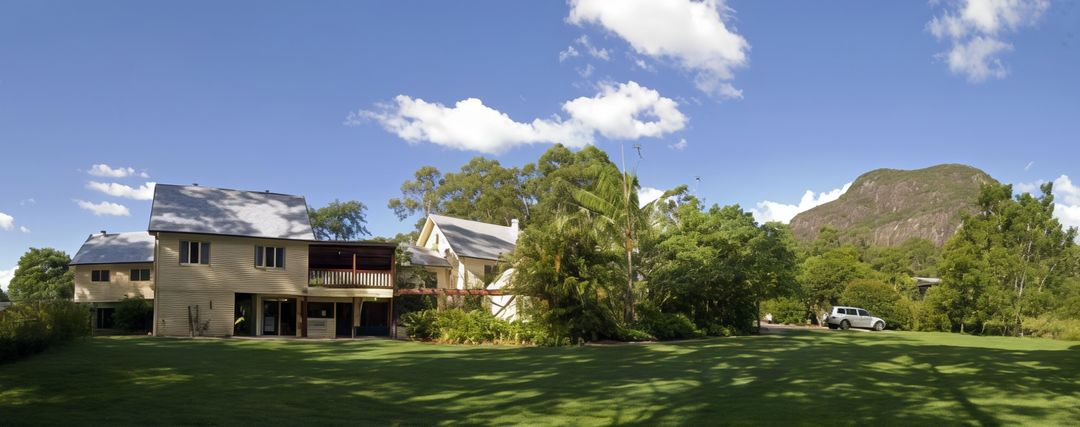
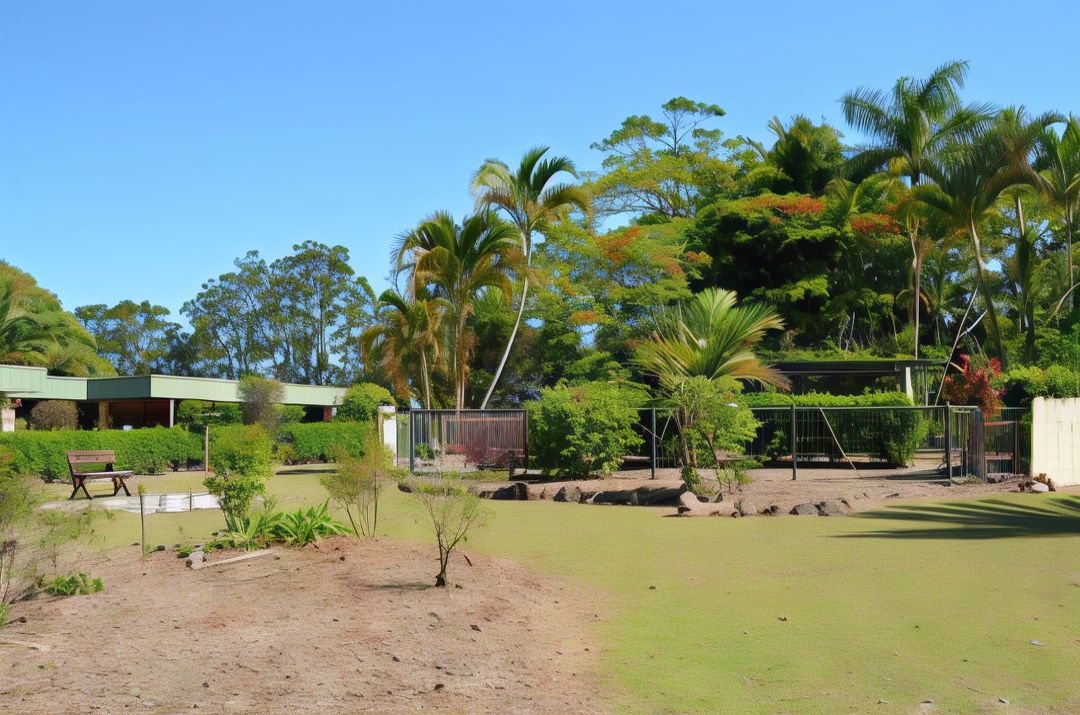
Best Hotels in Glass House Mountains
Discover curated hotel collections in Glass House Mountains
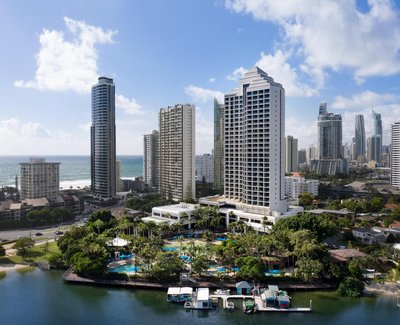
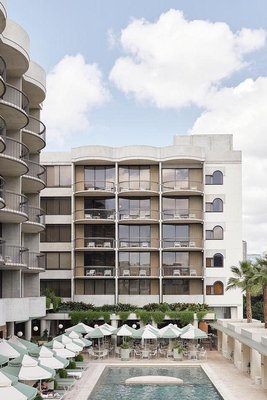



Frequently Asked Questions about Traveling to Glass House Mountains
Questions You Might Need to Know About Traveling to Glass House Mountains
In the Glass House Mountains, top eco-lodges include Eco Glass House Retreat, a solar-powered retreat built with reclaimed timber and bamboo, featuring rainwater harvesting systems and composting toilets. Its design blends seamlessly into the native forest, minimizing environmental impact while offering panoramic views of the volcanic peaks.
Another standout is Green Canopy Glamping, where sustainable tents are equipped with biodegradable toiletries and zero-plastic amenities. The site operates on a zero-waste principle—organic waste is composted for on-site gardens, and all electricity comes from rooftop solar panels. Guests can participate in guided reforestation walks or creek cleanups, directly contributing to local conservation.
For cultural sustainability, Kabi Kabi Earth Stays is a community-run eco-lodge by the traditional Aboriginal custodians. Revenue supports land protection and cultural preservation. Stay here to experience authentic Indigenous hospitality while supporting regenerative tourism practices that honor both nature and heritage.
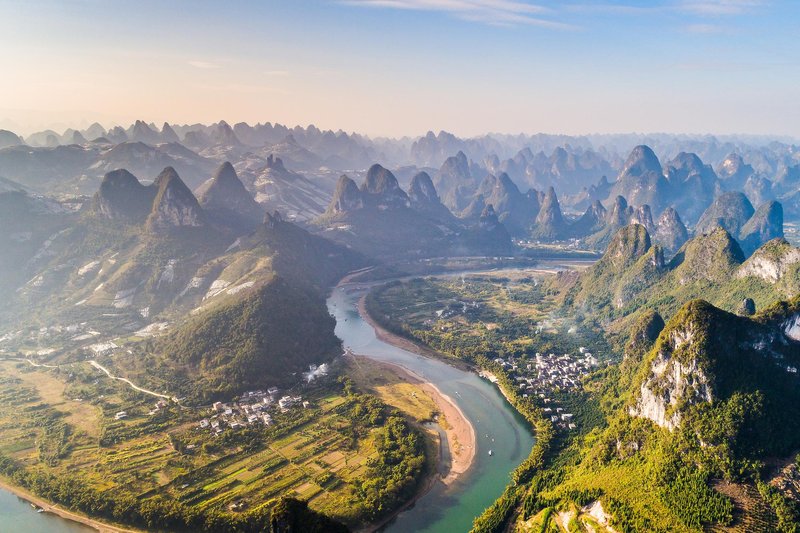
The summit of Great Glass House Mountain offers the most breathtaking panoramic views in the region. A 4.8-kilometer loop trail leads hikers through lush rainforest, volcanic rock formations, and open grasslands, culminating in a sweeping vista of the Burrum River Valley, surrounding mountains, and distant Sunshine Coast coastline.
For a more accessible option, the Burrum River Lookout provides a stunning vantage point just off the main road, perfect for sunrise photography and quiet reflection. Early morning visits are ideal—mist curls around the peaks, creating ethereal lighting conditions. At dusk, the sky turns fiery orange as the sun sets behind the mountain range, making it a favorite among photographers and nature lovers.
Both locations offer interpretive signage detailing Aboriginal significance and geological history, enriching the visual experience with storytelling.
Immerse yourself in Kabi Kabi Aboriginal culture through guided tours at the Burrum Valley Cultural Centre. Local Elders lead immersive walks through sacred sites, sharing Dreamtime stories, traditional hunting techniques, and the spiritual meaning behind rock carvings and ceremonial grounds.
Participate in hands-on workshops like bark weaving, fire-making using flint, and preparing traditional bush foods such as djoura (native yam stew) and wild honey cakes. These experiences connect you directly with millennia-old knowledge passed down through generations.
During the annual Glass House Mountains Festival, enjoy live performances by Indigenous musicians, art exhibitions showcasing ancestral designs, and nightly campfire storytelling under the Southern Cross—a powerful way to understand the deep cultural roots of this land.
Yes, the Glass House Mountains offer excellent family-friendly activities. Stay at Family Tree Lodge, a spacious cabin complex with a playground, BBQ areas, and a mini-zoo housing kangaroos, wallabies, and emus—perfect for kids to interact safely with native wildlife.
Families can explore the Tanglewood Trail, a gentle 1.5-km walk with educational signage about local flora and fauna, ideal for children’s nature discovery. Seasonal programs like forest scavenger hunts and night sky observation sessions provide fun, interactive learning.
Nearby, the Maryborough Marine Park offers safe snorkeling and paddleboarding for all ages. With lifeguards present and calm waters, families can enjoy water adventures while enjoying coastal views. Everything is designed with child safety and engagement in mind.
The Great Glass House Mountain Summit Track is the most rewarding hike in the region. This 4.8-kilometer loop climbs steeply through dense rainforest, past ancient lava flows and fern gullies, ending at the summit with 360-degree views of the surrounding landscape.
Along the way, interpretive signs explain the area’s Aboriginal heritage and geological history. Watch for the Australian wedge-tailed eagle soaring above, and keep an eye out for red kangaroos near the tree line. The trail is moderately challenging but well-marked, with rest platforms and shaded shelters.
For a shorter alternative, try the Caves of the Moon Trail, a 2-kilometer loop leading to limestone caverns with striking stalactite formations—ideal for curious explorers of all ages.
Don’t miss the Bush Picnic Experience—a gourmet outdoor meal served beneath shady eucalyptus trees along the Burrum River. Dishes feature wild ingredients like native lemon myrtle, bush tomato relish, and honey from wild bees, including grilled kangaroo fillet with smoked potato mash and fresh figs with native mint.
Join a Traditional Aboriginal Cooking Workshop at the Kabi Kabi Cultural Centre, where you’ll learn to cook using stone ovens, wrap food in leaves, and grind seeds with hand-held stones. Sample dishes like Djunggu stew (made with native yams and herbs) and bush tea blends brewed from eucalyptus and quandong.
All ingredients are locally sourced—either farmed organically or ethically harvested—offering a true taste of the land’s rich culinary heritage.
The tropical humid climate of the Glass House Mountains influences lodging choices significantly. Summer (Dec–Feb) brings high heat and frequent rain, so opt for accommodations with air conditioning, cross-ventilation, and shaded patios.
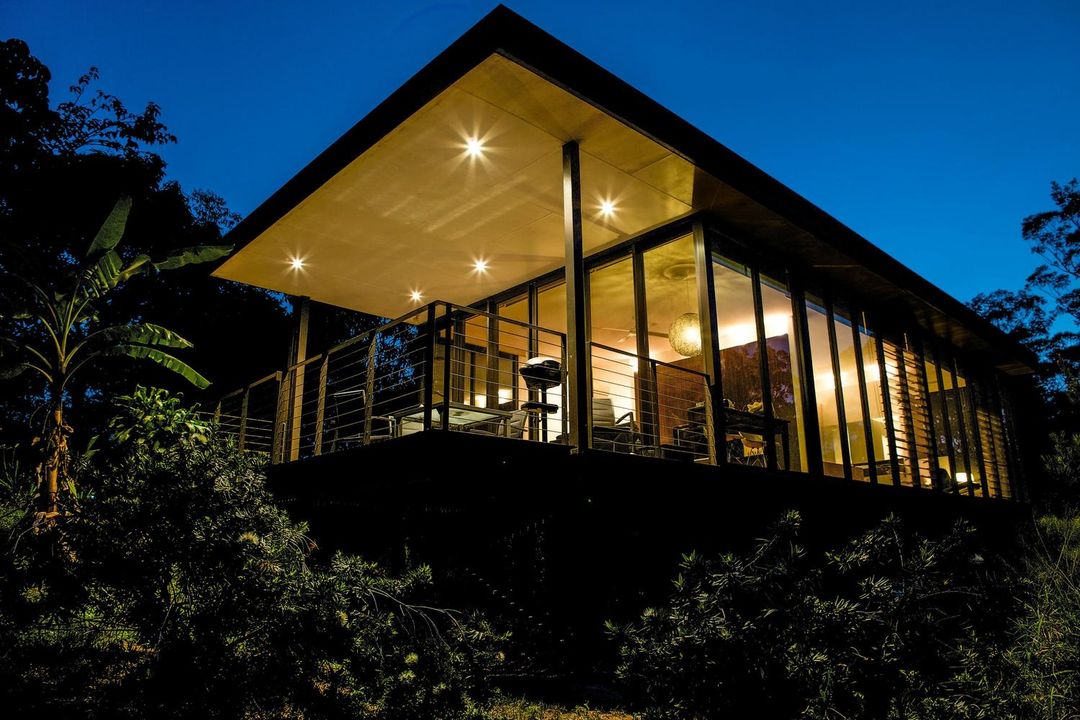
Look for mountain-top lodges or forest-view cabins with elevated decks and natural airflow—such as Glass House Mountain Lodge—which use passive cooling techniques like double-roof insulation and wide overhangs.
In winter (Jun–Aug), temperatures drop, especially at night. Choose properties with wood-burning fireplaces or heated rooms, like Summit Hearth Cottages. For summer stays, select lodges with private pools or cooling gardens; in winter, prioritize insulated cabins with cozy interiors to enjoy crisp mountain air without discomfort.
Absolutely. The Glass House Mountains are a paradise for photographers. Capture the golden hour light painting the volcanic peaks during sunrise, when mist swirls through valleys and creates dreamlike textures.
Use a telephoto lens to photograph wedge-tailed eagles circling above the summits, or a wide-angle lens to frame the dramatic silhouettes against a fiery sunset sky. The Burrum River Gorge offers reflections and layered depth, perfect for landscape shots.
At night, the lack of light pollution makes it ideal for astrophotography—the Milky Way stretches across the sky above the peaks. Bring a tripod, long-exposure settings, and a star chart app to capture the Southern Cross in stunning clarity. Even the Aboriginal rock art sites provide rich, culturally significant subjects for documentary-style photography.
Yes, driving is highly recommended for exploring the Glass House Mountains. From Maryborough, follow the Great North Road—a well-maintained asphalt route—to reach the base of the mountains in about 25 minutes.
Most access roads are paved, but some forest trails leading to viewpoints or hiking starts are gravel or dirt—best suited for 4WD vehicles or compact SUVs. Key parking areas include the Summit Carpark and Burrum River Lookout, both equipped with clear signage, restrooms, and picnic facilities.
Self-driving allows flexible scheduling and access to remote spots like Caves of the Moon and Tanglewood Trailhead. GPS-enabled apps and downloadable audio guides enhance navigation and storytelling. Public buses run infrequently—only two daily services from Maryborough—so renting a car is essential for full exploration.
The Glass House Mountains are a sanctuary for nature lovers. Home to one of Australia’s most intact subtropical rainforests, the region shelters rare species like the greater glider and endangered rufous bettong.
Explore over 30 kilometers of protected walking trails, ranging from easy riverside strolls to challenging summit ascents. The Burrum River Corridor teems with birdlife—including rainbow lorikeets, kingfishers, and the elusive lyrebird—making it a hotspot for birdwatchers.
The area also hosts volcanic rock formations shaped over 26 million years, revealing layers of geological history. Guided geology walks explain how these peaks formed from ancient magma intrusions. With no commercial development, the wilderness remains pristine, offering solitude, biodiversity, and a deep connection to the natural world.
Glass House Mountains Overview
City Summary
Glass House Mountains in Queensland's Sunshine Coast hinterland feature ancient volcanic plugs sacred to Aboriginal people. This UNESCO-listed landscape blends ecological wonders with adventure tourism, ideal for nature-focused travelers.
Must-See Attractions
Must-see spots include the Tibrogargan summit climb and Mary Cairncross rainforest walks. Join Jinibara cultural tours to learn bush tucker traditions and Dreamtime stories from Indigenous guides.
Food Guide
Food highlights feature avocado dishes from local farms and macadamia desserts. Try artisanal beers brewed with mountain spring water, paired with grilled Wagyu beef ribs.
Transportation Guide
Driving is optimal (1hr from Brisbane via Bruce Hwy). Public transport involves TrainLink to Beerwah Station then taxi (15min). Trails are walk-only—wear sturdy hiking shoes.
Best Time to Visit
May-Sep (dry season, avg 22°C) is ideal. Avoid Dec-Feb monsoons when trails may close.
Travel Tips
- Respect Indigenous sites—no photography without permission
- Register hike plans at visitor centers
- Carry 2L water/person daily
- Avoid solo hikes at dusk (kangaroo hazards)
- Use SPF50+ sunscreen
- Drones prohibited in national parks
Useful Information
English is primary; multilingual maps available. Payment: Carry Visa/Mastercard (cash-only in remote areas). Emergencies: Dial 000; nearest hospital in Beerwah (15km). Mobile coverage is patchy on peaks—download offline maps.