Hotels in Gobō
Discover your perfect stay in Gobō.
Gobō(Japan) Travel 2026: Cheap Flights, Hotels & Top Attractions
Popular Landmarks in Gobō
Discover the most iconic attractions in Gobō
Recommended Hotels in Gobō
Find the perfect place to stay in Gobō
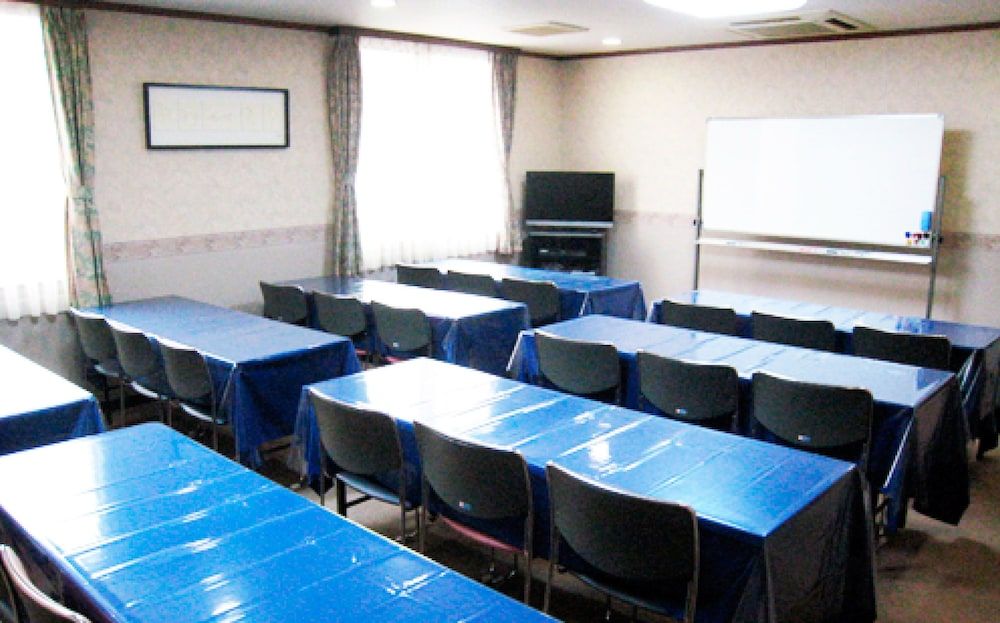
Forest Inn Gobo
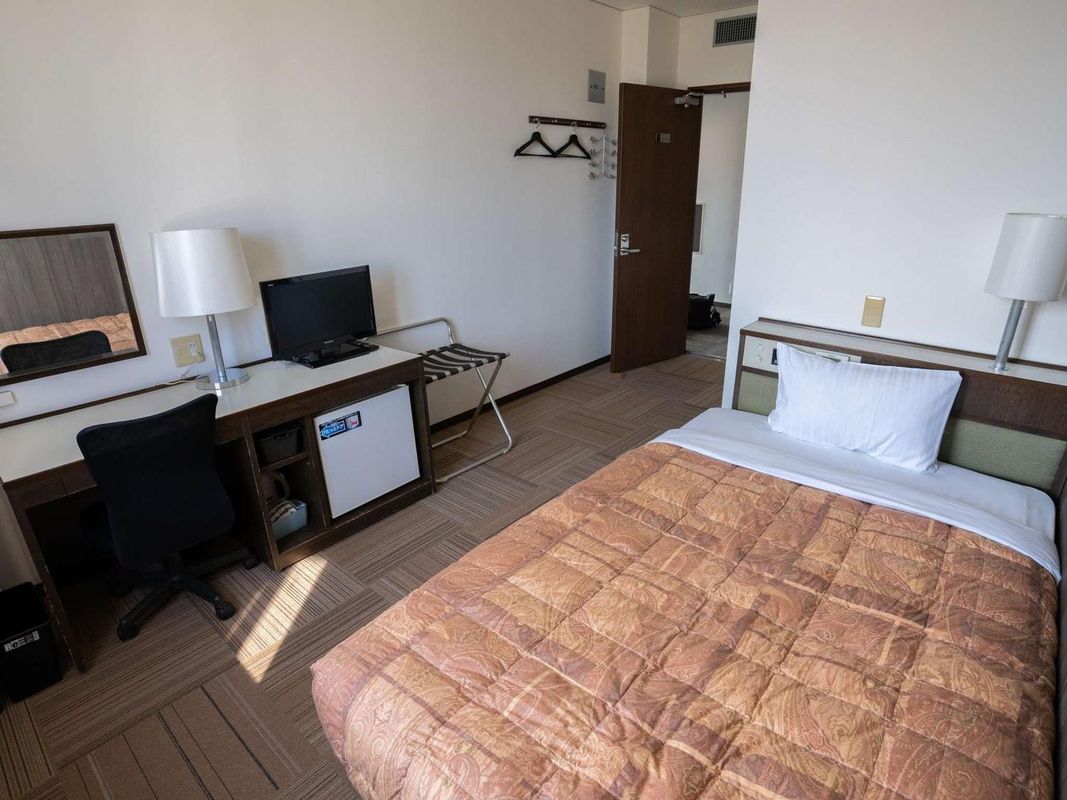
Hotel Green Hill Annex
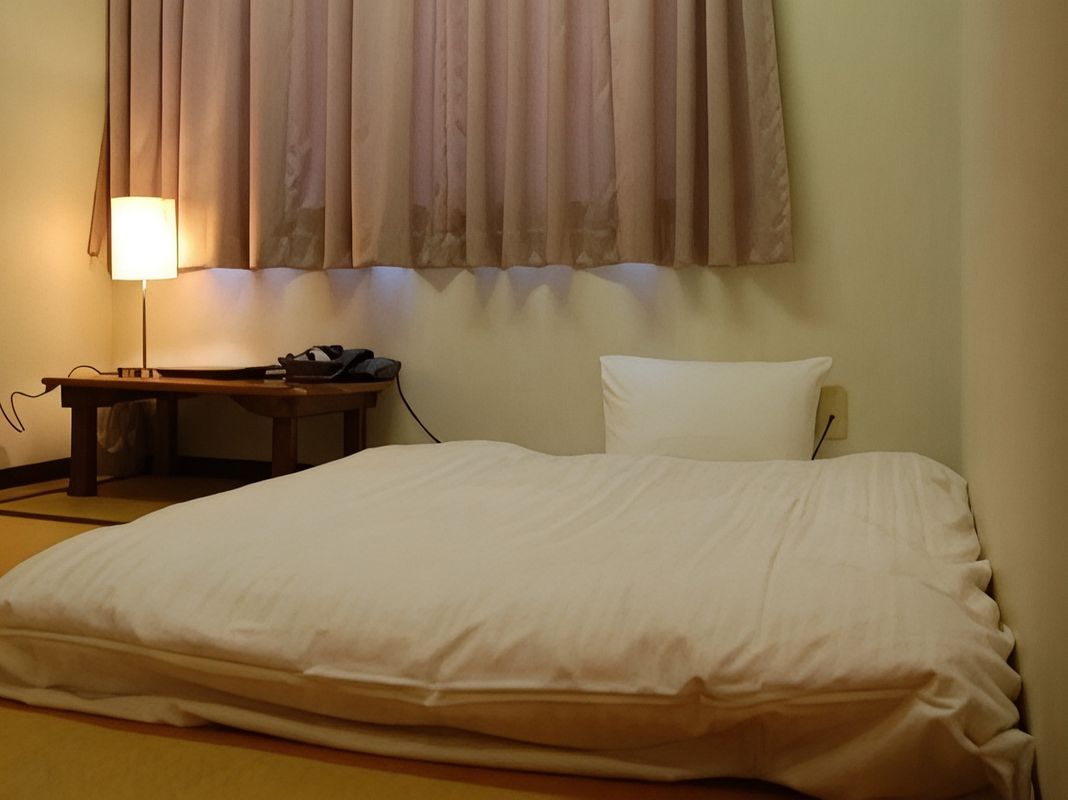
Green Hill Gobo Station
Best Hotels in Gobō
Discover curated hotel collections in Gobō
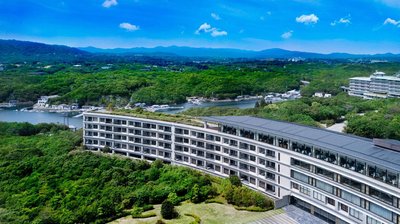
Shima Kanko Hotel the Bay Suites
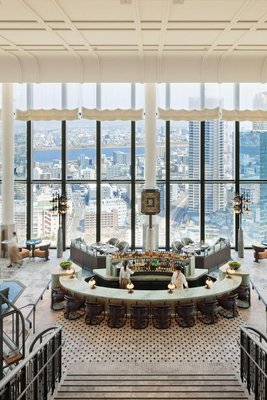
Waldorf Astoria Osaka
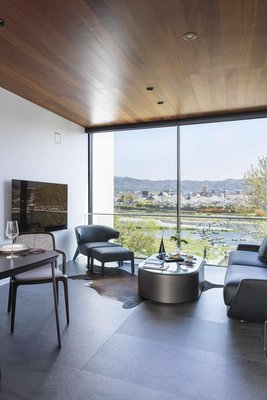
Kamo Residences by Reflections
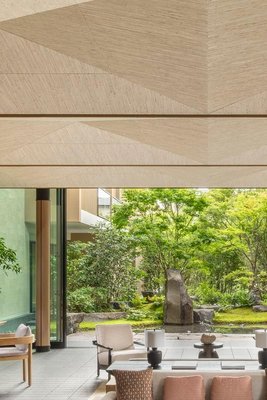
Six Senses Kyoto
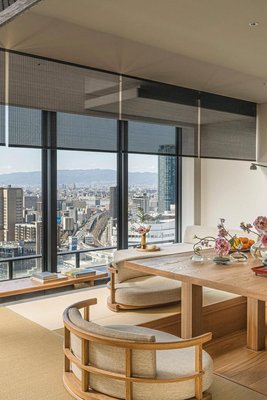
Four Seasons Hotel Osaka
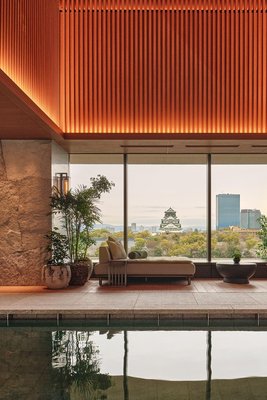
Patina Osaka
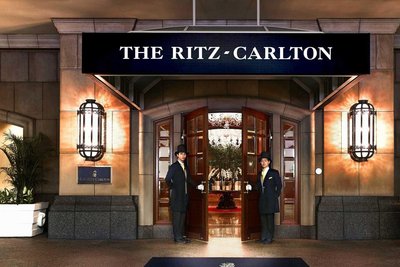
The Ritz-Carlton, Osaka
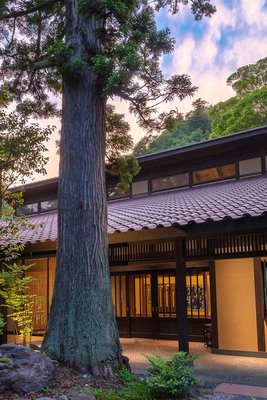
Arimasansoh Goshobessho
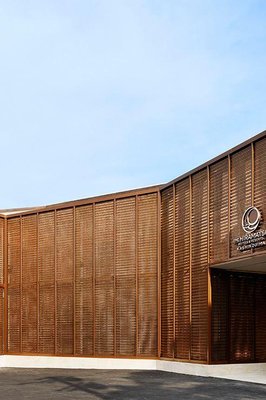
The Hiramatsu Hotels & Resorts Kashikojima
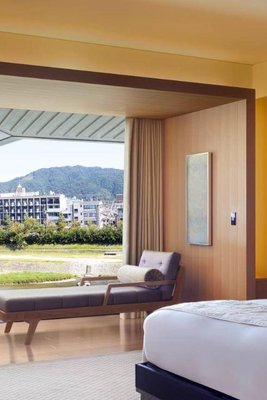
The Ritz-Carlton, Kyoto
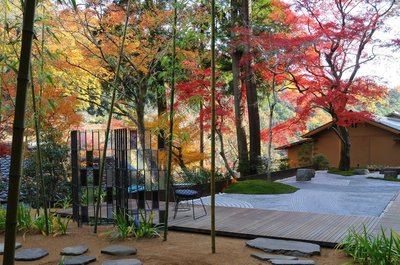
HOSHINOYA Kyoto
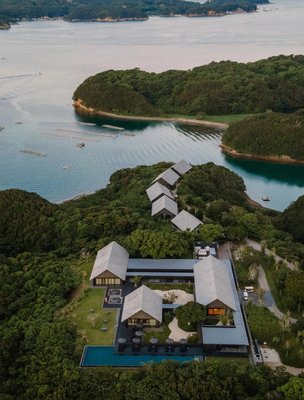
Amanemu
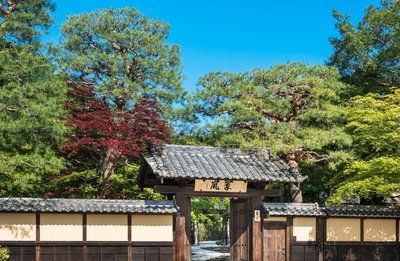
Suiran, a Luxury Collection Hotel, Kyoto
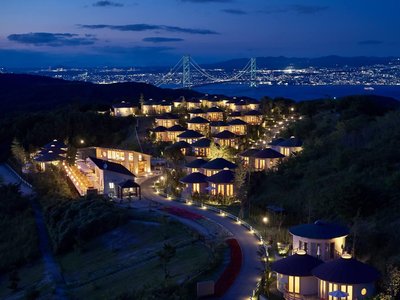
Grand Chariot Hokutoshichisei 135°
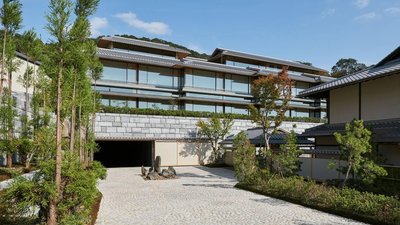
Park Hyatt Kyoto
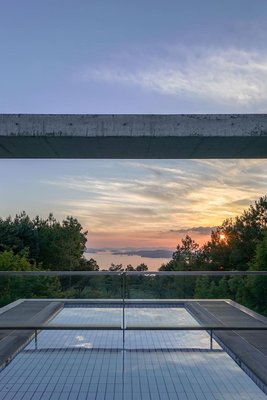
SETOUCHI RETREAT by Onko Chishin
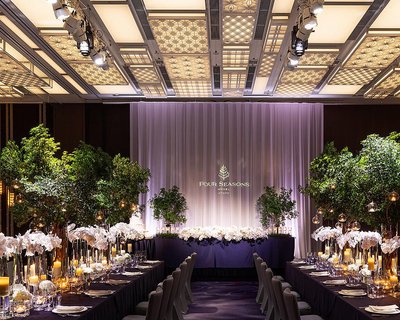
Four Seasons Hotel Kyoto
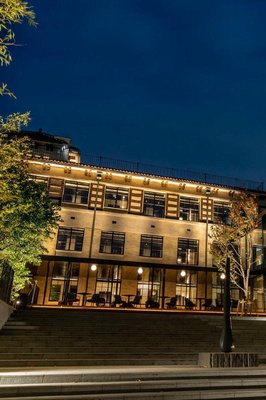
The Hotel Seiryu Kyoto Kiyomizu - a Member of the Leading Hotels of the World-
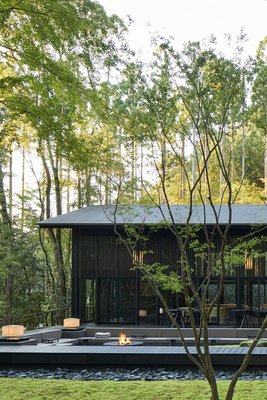
Aman Kyoto
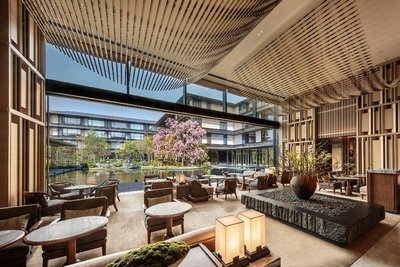
Hotel the Mitsui Kyoto, a Luxury Collection Hotel & Spa
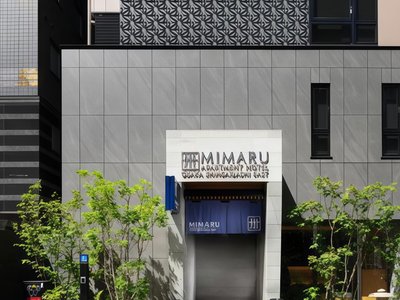
MIMARU Osaka Shinsaibashi East

Toba International Hotel Shiojitei
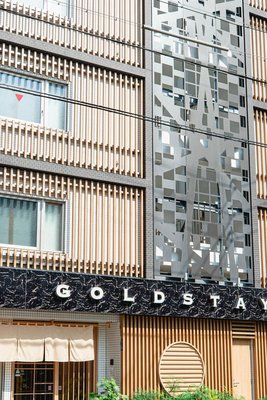
Gold Stay Nagoya OSU
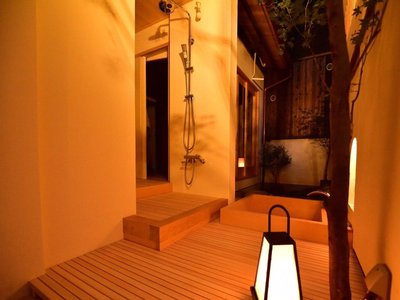
Yado Kiramachi
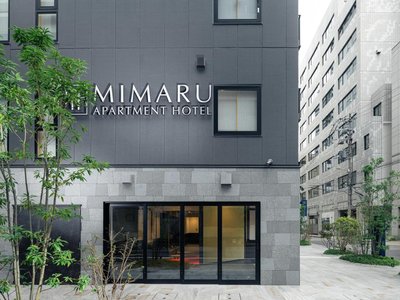
MIMARU Osaka Shinsaibashi North
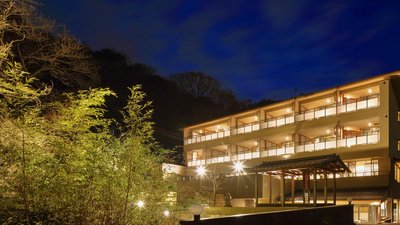
Okuno Hosomichi
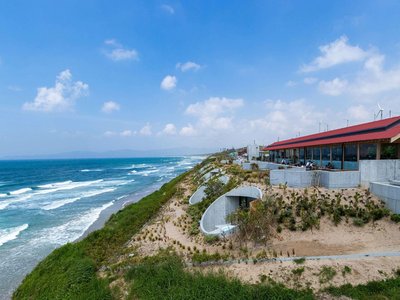
Izumo Hotel the Cliff
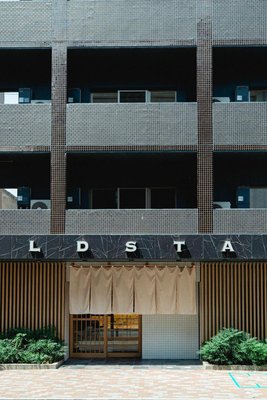
GOLD STAY Nagoya Sakae
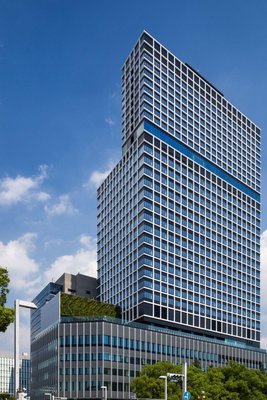
The Royal Park Hotel Iconic Nagoya
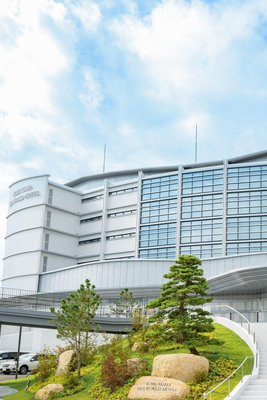
Kobe Suma Sea World Hotel
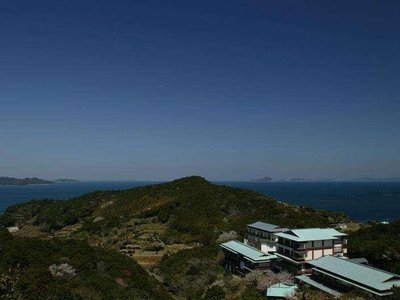
Hanashinsui
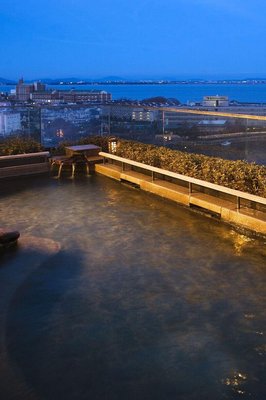
Yumotokan
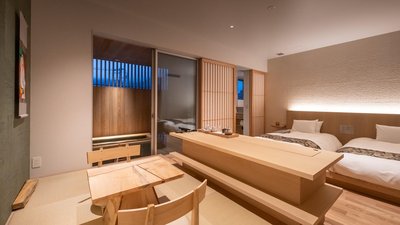
Japanese Auberge Kararako
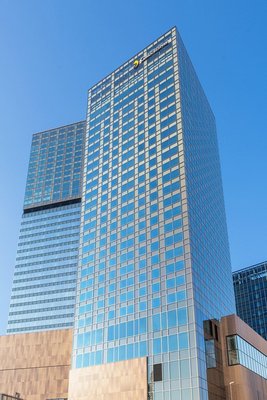
Hotel Hankyu GRAN RESPIRE OSAKA
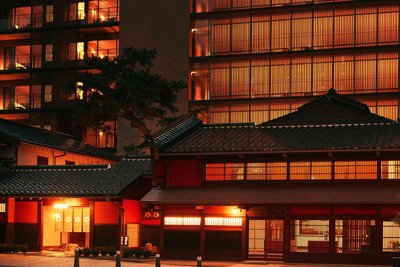
Hoshino Resorts Kai Kaga
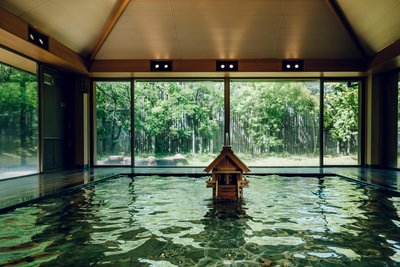
Hoshino Resorts KAI Tamatsukuri

Taikyourou
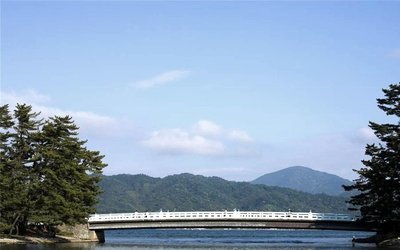
Monjusou Shourotei
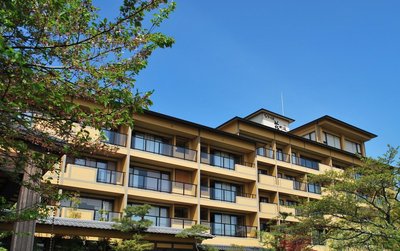
BIWAKO HANAKAIDO
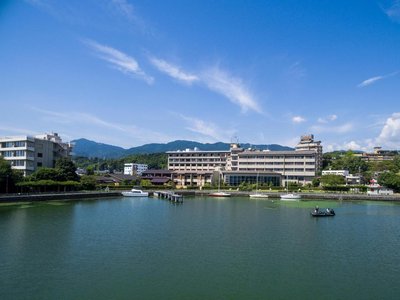
Biwako Ryokusuitei
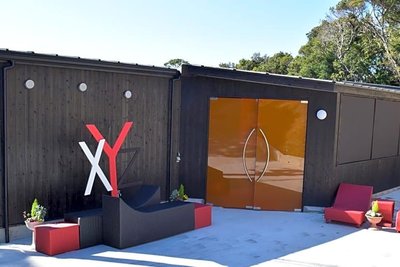
XYZ Private Spa and Seaside Resort
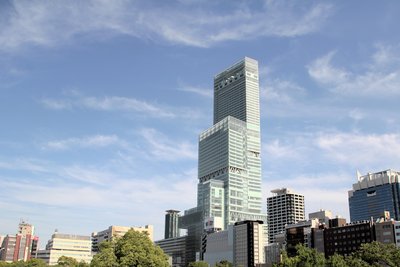
Osaka Marriott Miyako Hotel
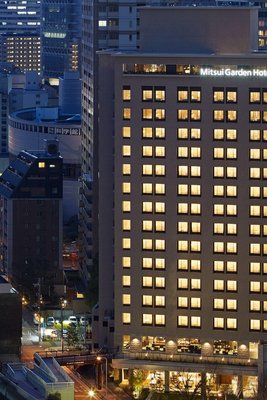
Mitsui Garden Hotel Osaka Premier
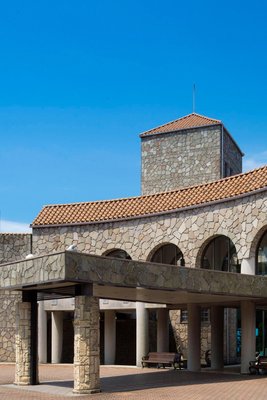
Izumigo Hotel Altia Toba
BIWAKO HANAKAIDO
Biwako Ryokusuitei
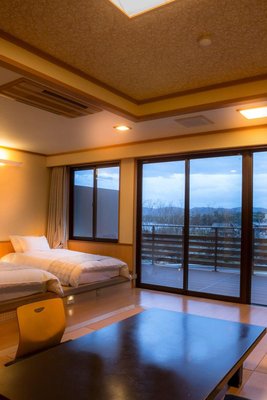
Hotel Kitanoya
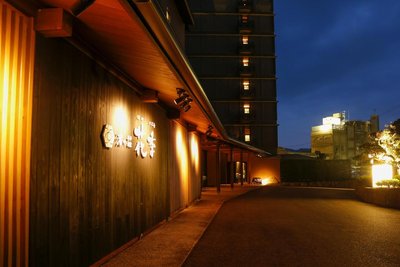
Hanagoyomi
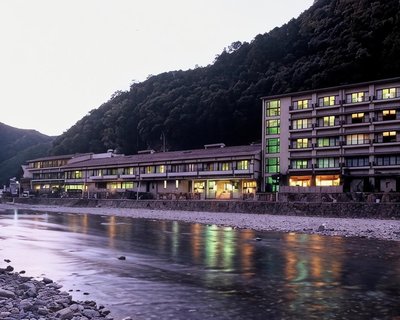
Kawayu Onsen Fujiya
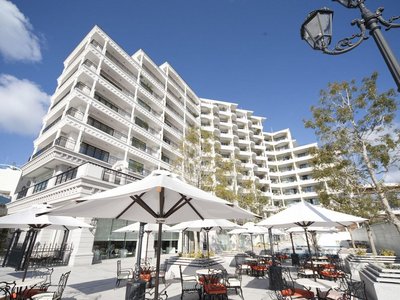
Hotel La Suite Kobe Harborland

AoAwo Naruto Resort
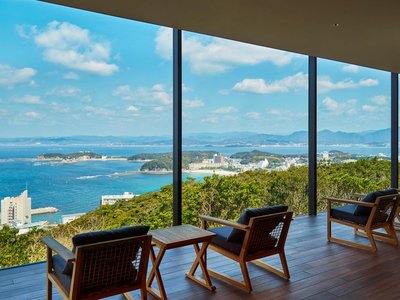
Infinito Hotel and Spa
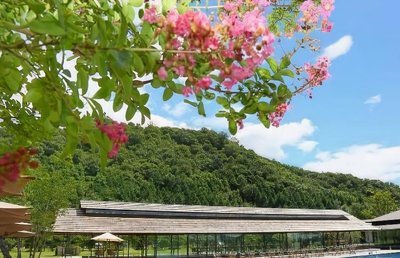
Bella Vista Spa and Marina Onomichi
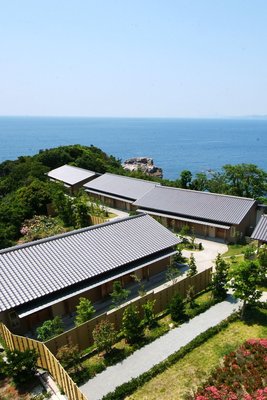
Hamachidorinoyu Kaisyu
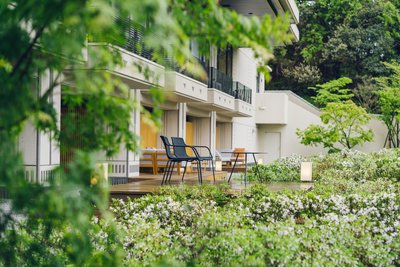
Hoshino Resorts Kai Enshu
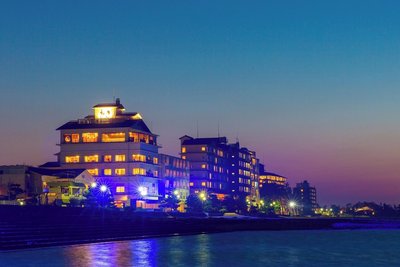
Kaike Shogetsu
The Ritz-Carlton, Kyoto
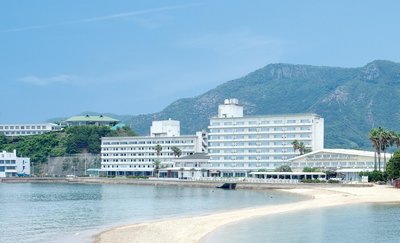
Shodoshima International Hotel
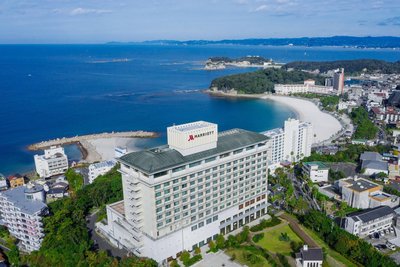
Nanki-Shirahama Marriott Hotel
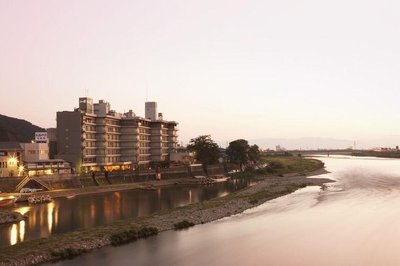
Juhachiro
Yado Kiramachi
Arimasansoh Goshobessho
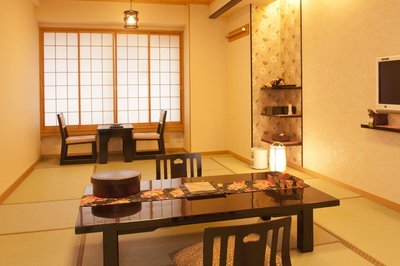
Matsui-Bekkan Hanakanzashi
Hoshino Resorts KAI Tamatsukuri
Taikyourou
Monjusou Shourotei
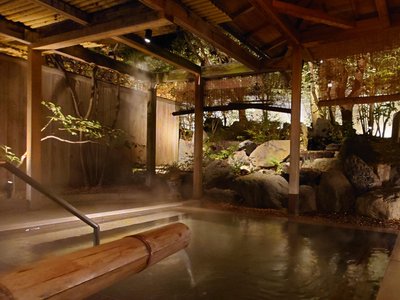
Kasuga Hotel
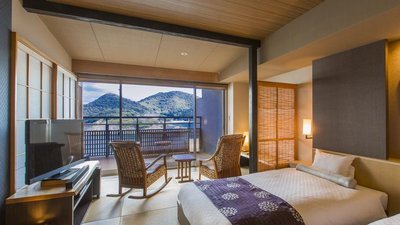
Migiwatei Ochi Kochi
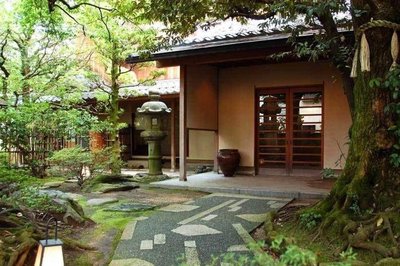
Kocho
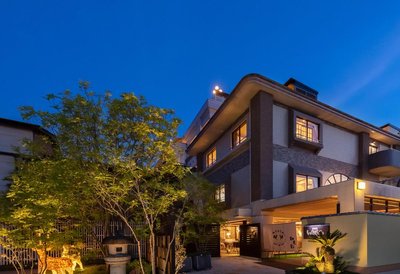
Hotel New Wakasa
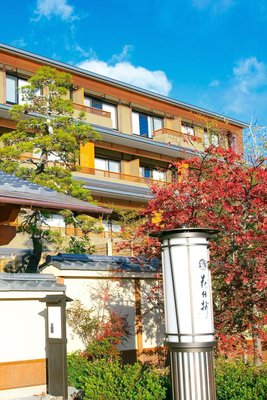
Kyoto Arashiyama Onsen Kadensho (Kyoritsu Resort)
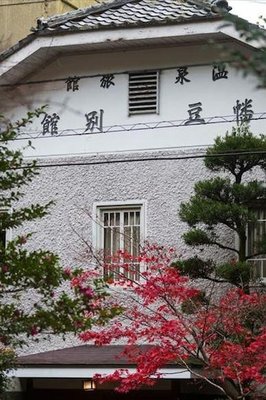
Oku-Mikawa・Yuya Onsen HAZU Bekkan
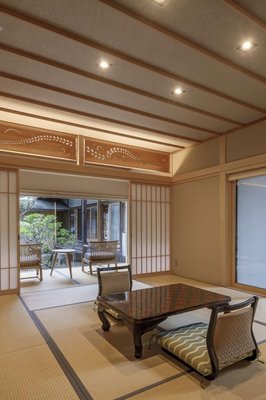
Ichijoin
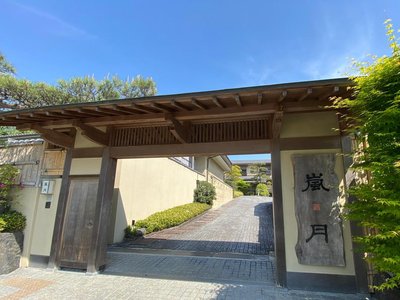
Rangetsu
The Ritz-Carlton, Kyoto
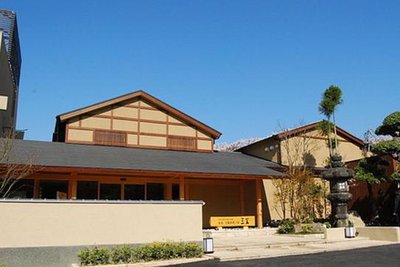
Mikasa
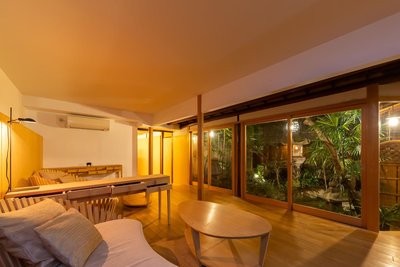
Izuyasu Traditional Kyoto Inn Serving Kyoto Cuisine
HOSHINOYA Kyoto
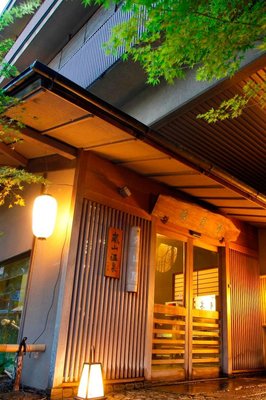
Togetsutei
Juhachiro
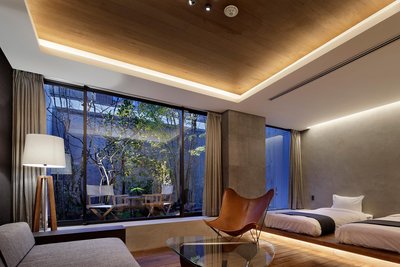
22 PIECES
The Ritz-Carlton, Osaka
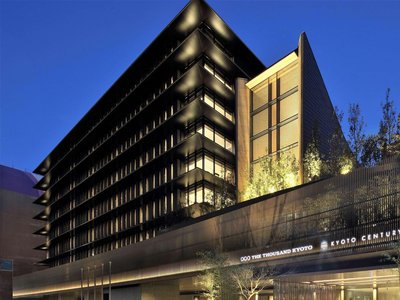
The Thousand Kyoto
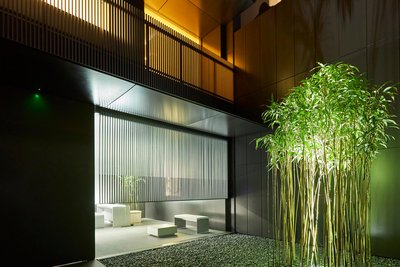
Mogana
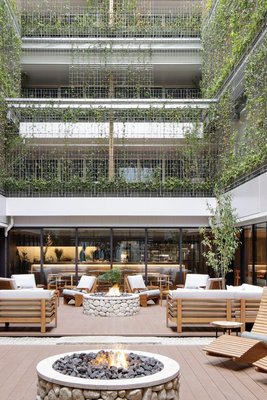
GOOD NATURE HOTEL KYOTO
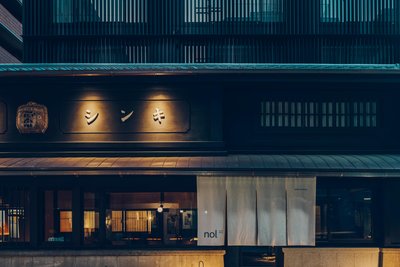
Nol Kyoto Sanjo
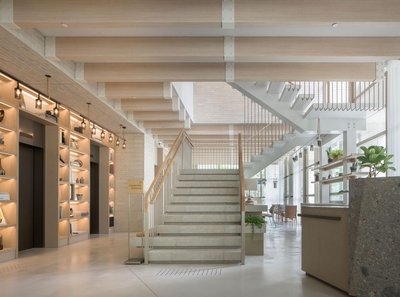
Zentis Osaka
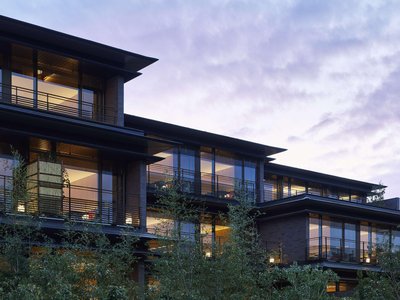
Garrya Nijo Castle Kyoto
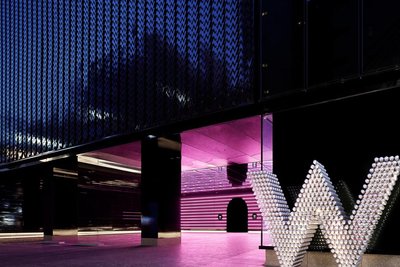
W Osaka
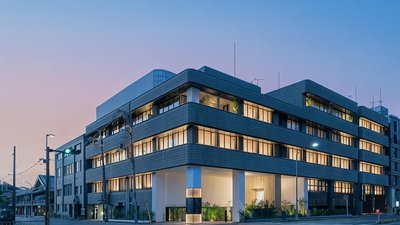
Hotel Kanra Kyoto
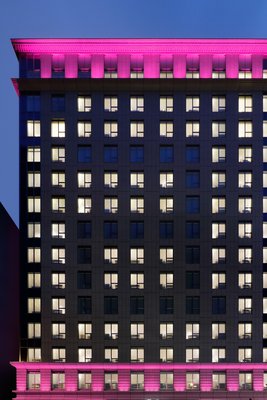
Aloft Osaka Dojima
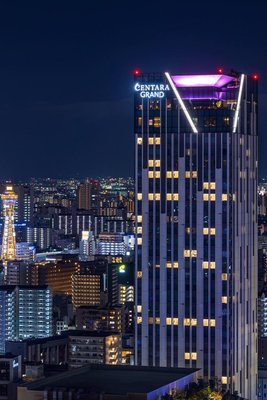
Centara Grand Hotel Osaka
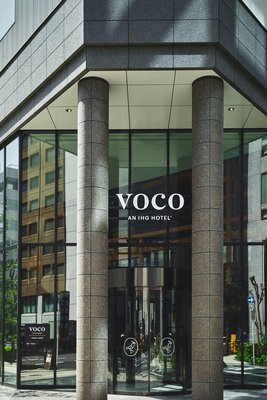
voco Osaka Central
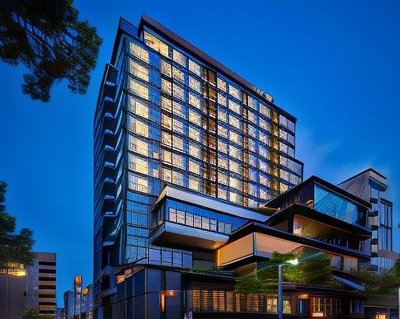
TIAD, AUTOGRAPH COLLECTION
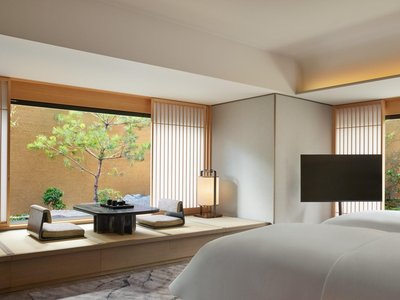
Dusit Thani Kyoto
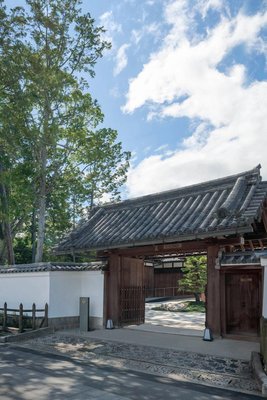
Shisui, a Luxury Collection Hotel, Nara
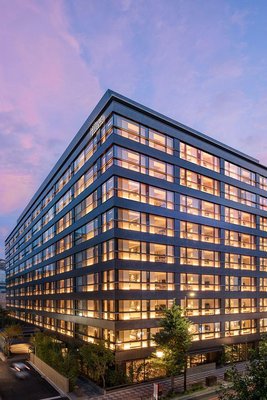
Hilton Kyoto
Osaka Marriott Miyako Hotel
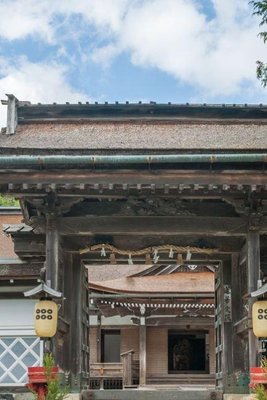
Koyasan Rengejoin
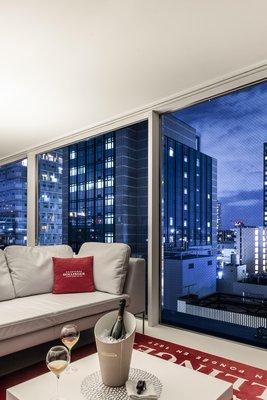
CUVÉE J2 HOTEL OSAKA by Onko Chishin
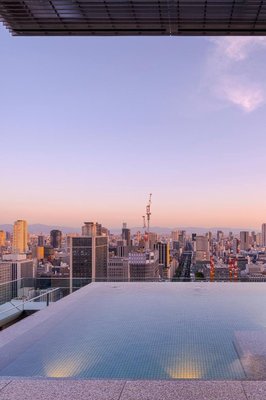
Candeo Hotels Osaka The Tower
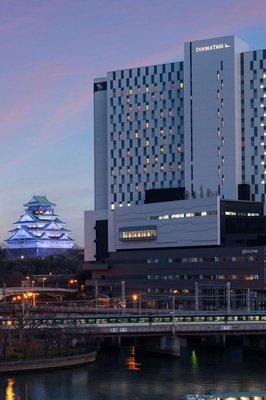
DoubleTree by Hilton Osaka Castle
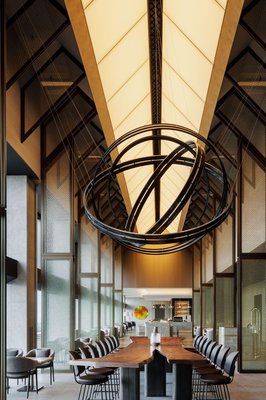
The Osaka Station Hotel, Autograph Collection
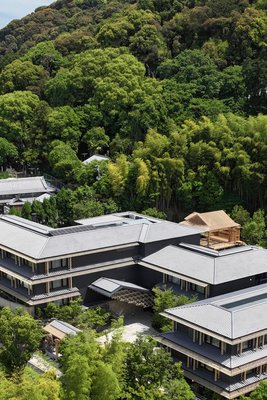
Banyan Tree Higashiyama Kyoto
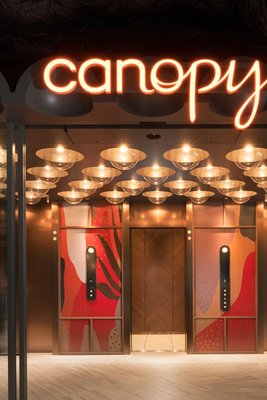
Canopy by Hilton Osaka Umeda
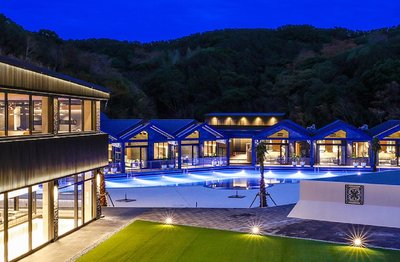
FIVE SPRING RESORT THE SHIRAHAMA
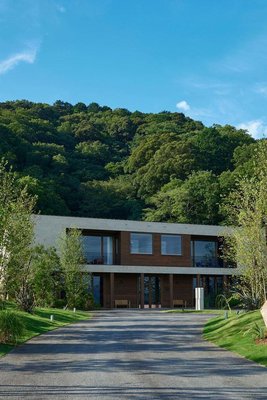
HACIENDA VISON
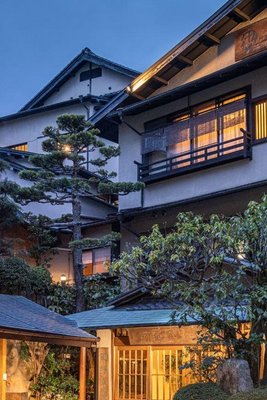
Arima Onsen Tocen Goshobo
Hotel La Suite Kobe Harborland
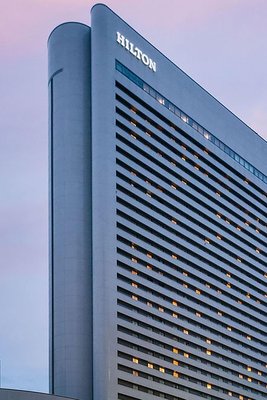
Hilton Osaka Hotel
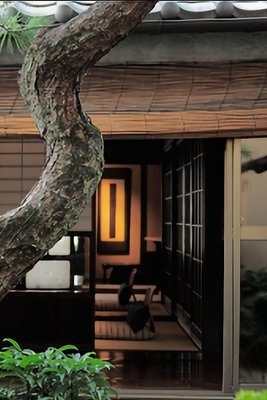
Shimayado Mari
Osaka Marriott Miyako Hotel
The Ritz-Carlton, Osaka
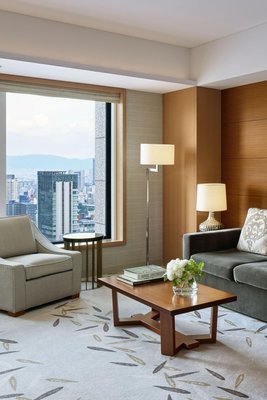
InterContinental Hotel Osaka
The Ritz-Carlton, Kyoto
Suiran, a Luxury Collection Hotel, Kyoto
GOOD NATURE HOTEL KYOTO
Park Hyatt Kyoto
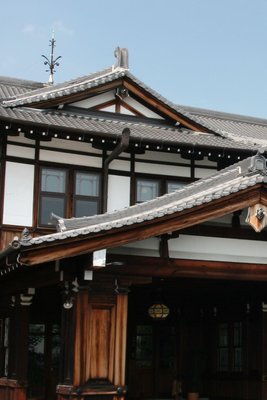
Nara Hotel
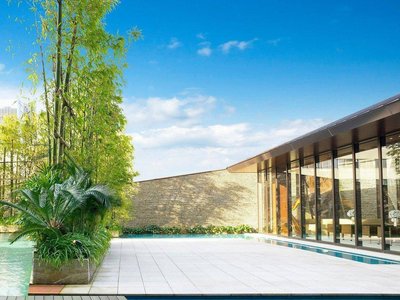
ORIENTAL HOTEL
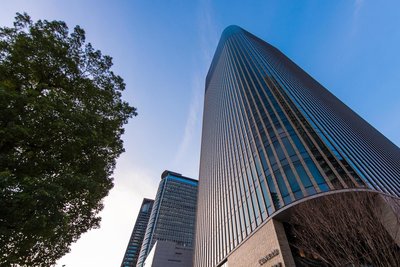
Conrad Osaka
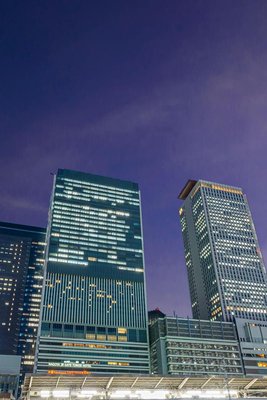
Nagoya JR Gate Tower Hotel (JR-Central Hotels)
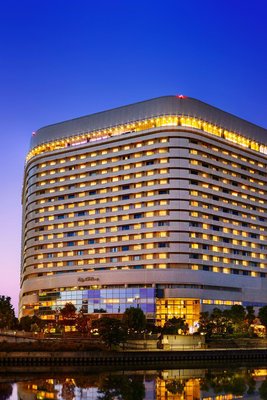
Hotel New Otani Osaka
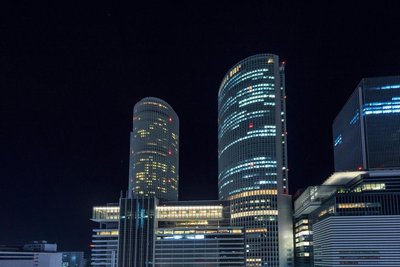
Nagoya Marriott Associa Hotel
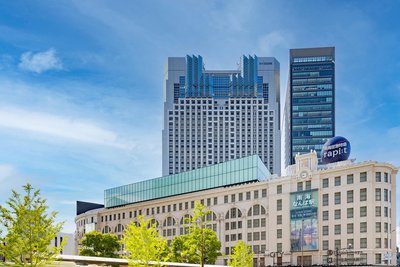
Swissotel Nankai Osaka
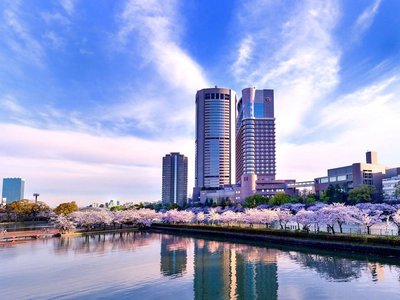
Imperial Hotel Osaka
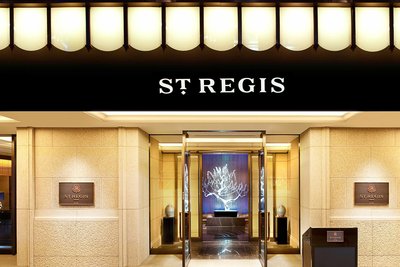
The St. Regis Osaka
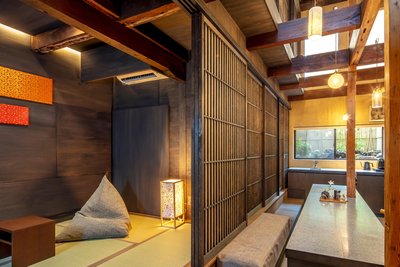
Kyo No Oozora Kihana
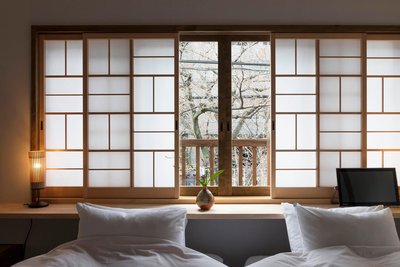
Hanagoromo Machiya House
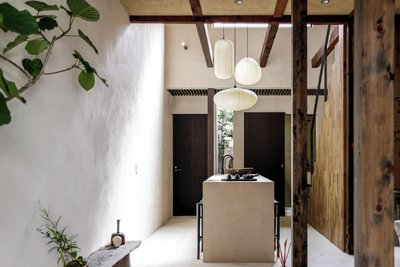
Maana Kiyomizu
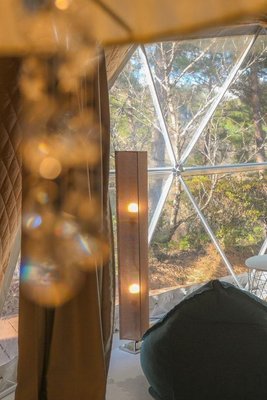
glampark Gekkabijin Nagano
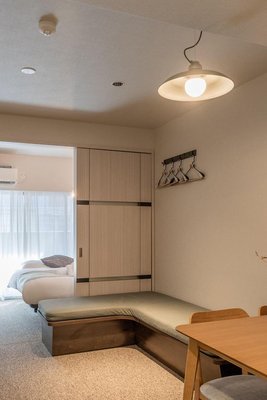
Apartment Hotel 11 Shinsaibashi
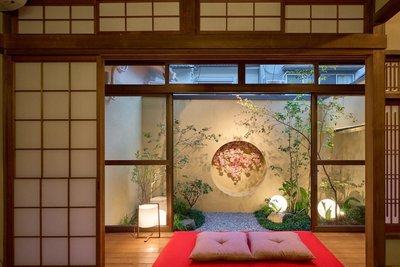
KONJAKUSO Osaka Tengachaya "NIHONCHA" Tea & Relax
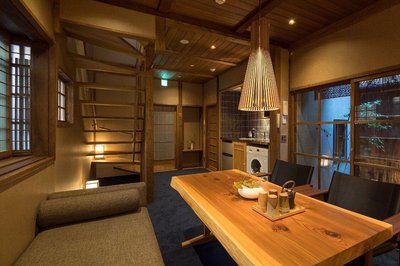
Bonbori an Machiya House
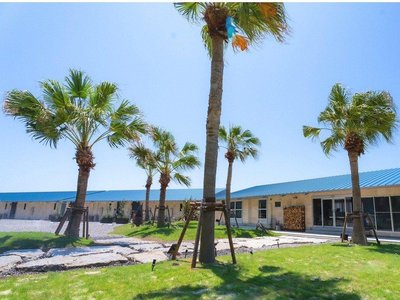
Glamping&Resort Wood Design Park Noma
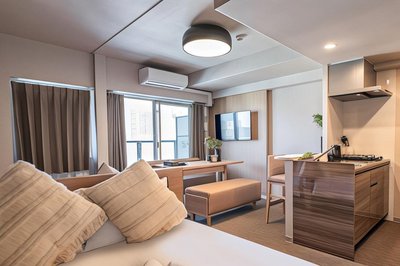
Apartment Hotel 11 Shinsaibashi III
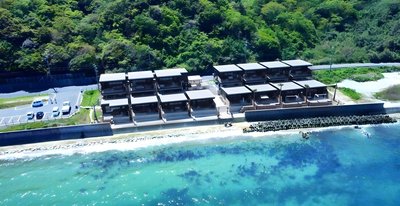
Solavilla Umi Terrace Minamiawaji
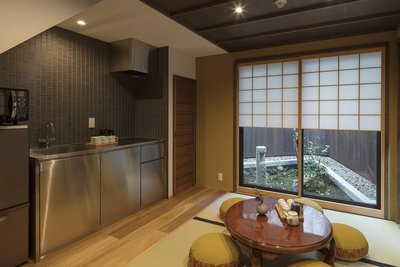
The Machiya Villa Sanjo Shirakawa Koji
Konjaku-So Dotonbori
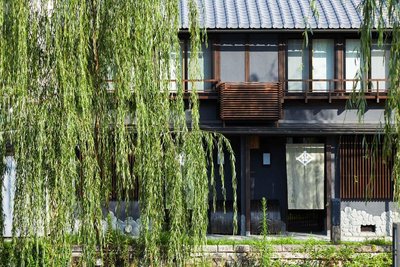
Gion Shirakawa No Yado

Kitashirakawa Natural Radium Onsen
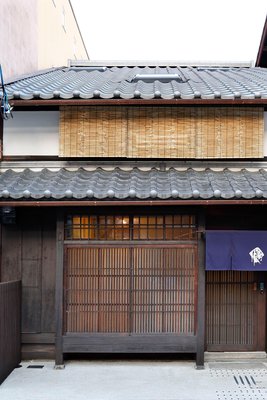
Kyo No Ondokoro Kamanza Nijo #2
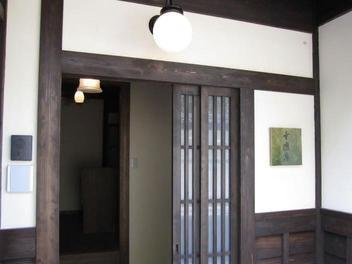
Gion Koyu an Machiya House
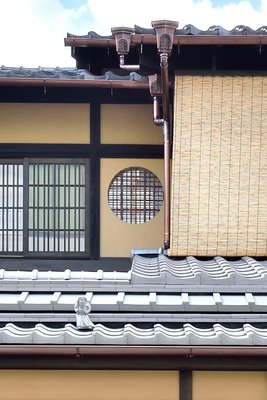
Kyo No Ondokoro Gokomachi Ebisugawa #3

Sana Mane - Glamp Domes
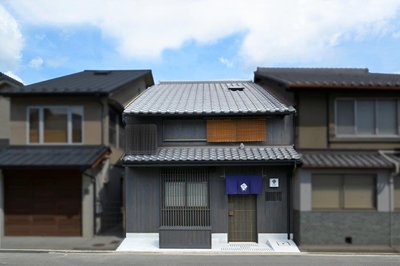
Kyo No Ondokoro Goshonishi #6
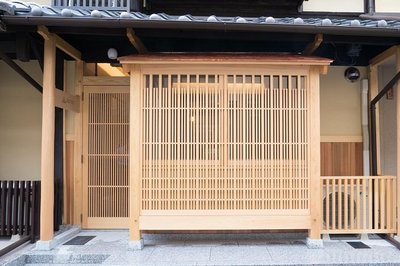
Kyomachiya Suite Rikyu
Frequently Asked Questions about Traveling to Gobō
Questions You Might Need to Know About Traveling to Gobō
In Gofu City, stay at Gofu Onsen Ryokan, a traditional Japanese inn nestled beside the Kino River, offering natural hot springs and kaiseki dining. Its rooms blend modern comfort with serene wabi-sabi design, some with views of Koya Mountain. For families, Kii Peninsula Resort provides private beach access, outdoor grilling areas, and spacious cabins—perfect for nature immersion. Both offer authentic local charm and excellent service.
The city center is ideal for lodging, offering easy access to key sites like Omiya Shrine and Gofu Castle Ruins. It hosts mid-to-high-end ryokans and business hotels within walking distance of restaurants and shopping streets. For tranquility, consider Kino Riverfront inns, where morning river sounds and starlit nights enhance relaxation. Combining central convenience with riverside serenity makes this district the top choice for visitors.
Experience the annual Spring Festival at Omiya Shrine, held every March, featuring traditional costumes, lion dances, and taiko drum performances honoring Okuninushi-no-Kami. Visit Kii Peninsula Pottery Workshops to craft authentic Wakayama-style ceramics or join a tea ceremony at Gofu Cha-ya Tea House. These immersive activities reflect deep-rooted local heritage, allowing travelers to engage meaningfully with Wakayama Prefecture’s traditions.
Gofu City boasts excellent natural hot springs, especially Gofu Onsen, known for its weak alkaline bicarbonate water rich in minerals beneficial for skin health. Many ryokans feature open-air baths (rotenburo) overlooking Koya Mountain, perfect for evening relaxation. Some spas also offer herbal baths and aromatherapy treatments. Visit at sunset to enjoy golden light reflecting on the steam—a truly meditative experience.
Must-see landmarks include Omiya Shrine, an ancient Shinto site dedicated to Okuninushi-no-Kami, famed for its elegant architecture and cherry blossoms in spring. Gofu Castle Ruins Park offers panoramic views of the Kino River Valley, once the stronghold of Suzuki Shigehisa during the Sengoku period. Don’t miss the Sea Forest Trail along the Kii Peninsula coastline, with scenic overlooks and ecological signage—ideal for hikers and photographers.
Yes, Gofu City is highly family-friendly. Attractions include Gofu Children’s Science Museum, Kino River Wetland Park, and Coastal Farm Experience, where kids can interact with animals and learn farming. Many hotels offer child-focused programs like kimono dressing, pottery-making, and nature scavenger hunts. The Gofu City Museum features interactive exhibits on local history and marine life. Safe streets, clean environment, and short transit times from Wakayama Station make it ideal for families traveling with children.
Try fresh Kii Peninsula seafood, especially sea bream and uni (sea urchin), available at Gofu Port Market. Sample Wakayama-style rice cakes with local soy sauce or enjoy udon noodles cooked with water from the Kino River at Kiiya Dining House. Don’t miss Momotaro Sake, a sweet local rice wine made from regional peaches—great as a souvenir. Join a fisherman’s dinner experience to learn how to prepare seafood like a local.
Transportation is convenient: take the Kintetsu Nankai Line from Wakayama Station to Gofu Station (~25 minutes). The city operates a free loop bus covering major attractions and shopping areas. For drivers, the West Nankai Expressway offers quick access, with rest stops en route. Visitors without cars can use Gofu Tourism Information Center’s shuttle service to reach Omiya Shrine and onsen hotels, greatly enhancing travel ease.
Absolutely, Gofu City is a photographer’s paradise. Capture the cherry blossom tunnel at Omiya Shrine in spring or the maple reflections on Kino River in autumn. The coastal sea trail at dusk features dramatic silhouettes of lighthouses and waves. Many ryokan gardens use karesansui rock gardens with seasonal flowers—perfect for minimalist compositions. Bring a wide-angle lens and tripod; early mornings and golden hours yield stunning results.
Gofu has a humid subtropical climate. Summers (July–August) are hot and humid, with temperatures up to 30°C—best to avoid midday sightseeing. Winters (Dec–Feb) are mild (5–15°C), ideal for hiking and onsen visits. The best seasons are spring (Mar–May) and autumn (Sep–Nov), with pleasant weather, blooming cherry blossoms, and vibrant fall foliage. Rainy season occurs in June and October—carry rain gear and check forecasts to adjust plans accordingly.
Gobō Overview
City Summary
Gobo City is located in the southern part of Wakayama Prefecture, Japan. Blessed with a mild climate and rich marine resources, it offers visitors hot springs for relaxation. The city is steeped in history and traditional charm, ideal for travelers seeking tranquility and cultural experiences.
Must-See Attractions
Must-visit spots in Gobo include the Gobo and Yukawa hot springs, renowned for authentic Japanese onsen experiences. The Kumano Kodo pilgrimage route attracts hiking enthusiasts, while the Hidaka River offers scenic walks for casual visitors.
Food Guide
Gobo's seafood is exceptionally fresh, especially at local fishing markets, where you can taste the day's catch of fish, shellfish, and sushi. Traditional Japanese fare such as umeboshi (pickled plums) and miso dishes are must-tries.
Transportation Guide
Buses and trains are the main modes of transport in Gobo. The bus network is extensive, making it convenient for sightseeing. For more flexibility, renting a car is recommended—roads are well-marked and easy to navigate.
Best Time to Visit
The best time to visit is during spring and autumn when temperatures are pleasant. Summer is great for beach activities, while winter offers soothing hot spring retreats.
Travel Tips
- Follow local onsen etiquette—always wash before entering the bath. 2. Respect religious sites by keeping noise levels low. 3. Carry small change, as cash is preferred at many small eateries and markets.
Useful Information
Japanese is the official language, though some tourist spots may have English signage. Free Wi-Fi is available in city centers. While credit cards are accepted at major establishments, having yen on hand is advisable. For medical emergencies, dial 119 for assistance.









