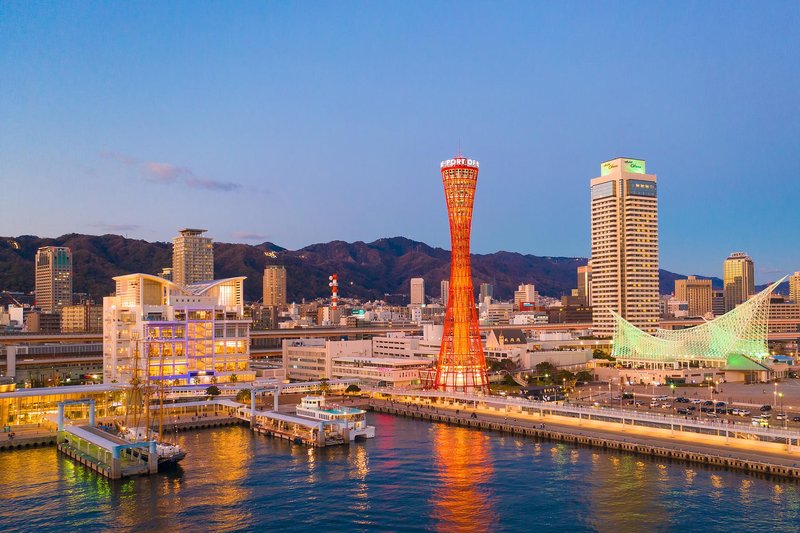
Hotels in Gojō
Discover your perfect stay in Gojō.
Gojō(Japan) Travel 2026: Cheap Flights, Hotels & Top Attractions
Popular Landmarks in Gojō
Discover the most iconic attractions in Gojō
Recommended Hotels in Gojō
Find the perfect place to stay in Gojō
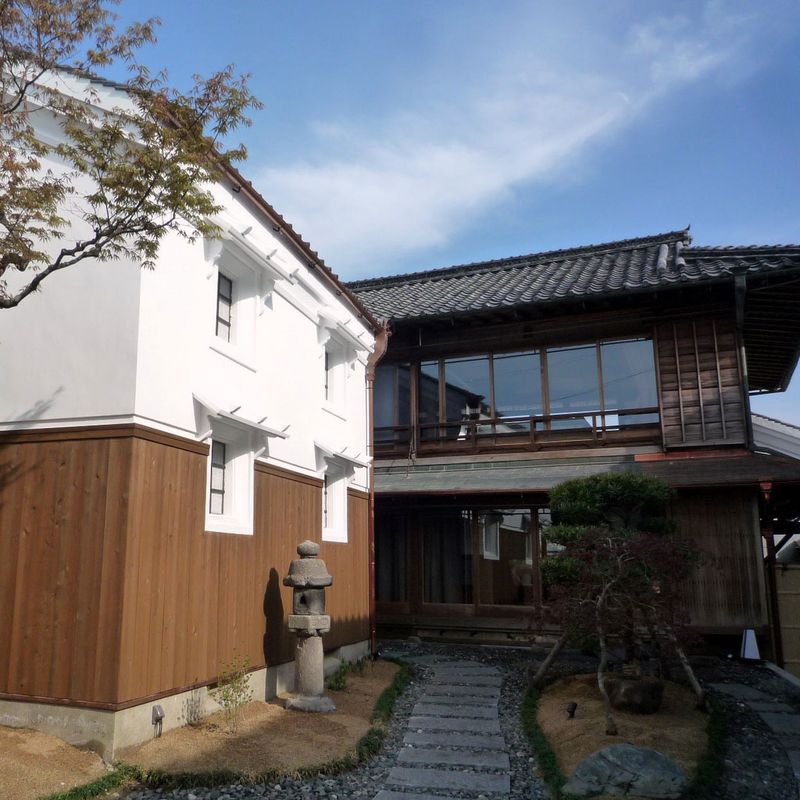
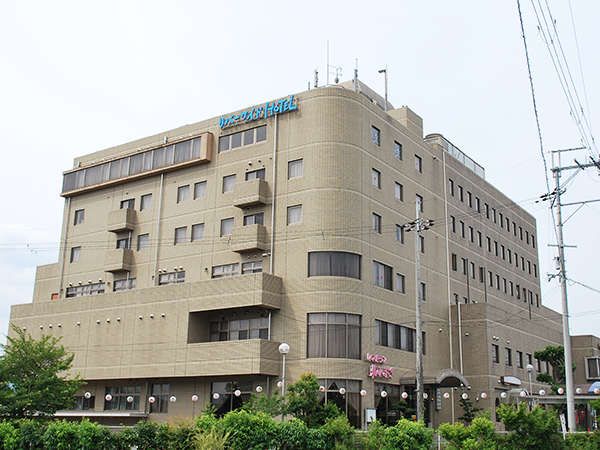
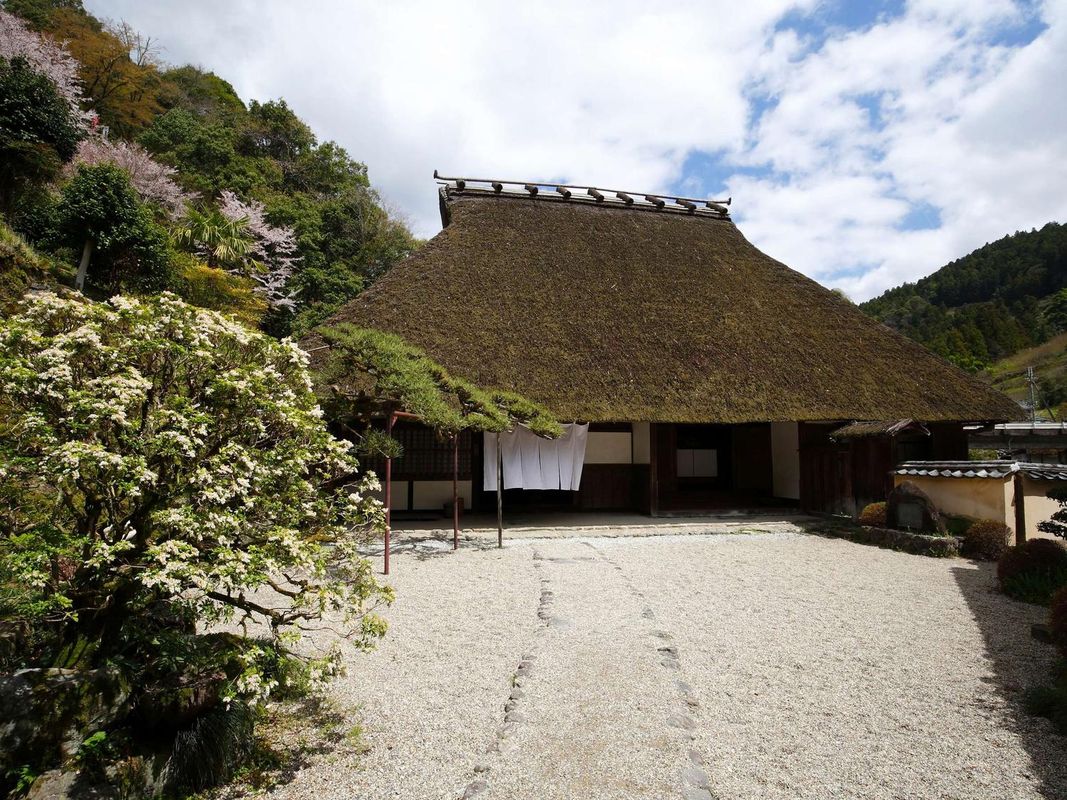
Frequently Asked Questions about Traveling to Gojō
Questions You Might Need to Know About Traveling to Gojō
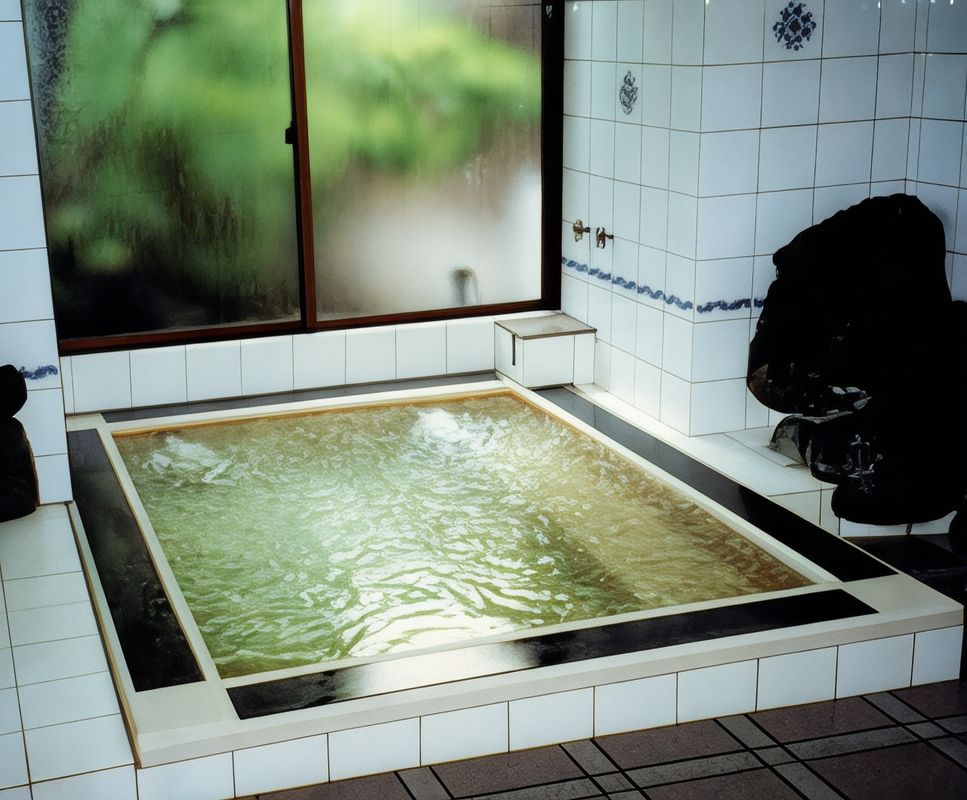
In Gojō City, the top-rated hotel is Gojō Daiya Hotel, located near Gojō Station and offering modern Japanese-style rooms with private onsen baths. The hotel features free bicycle rentals, ideal for exploring the scenic Yoshino River and nearby Ise-Shima region. Guests enjoy authentic Nara prefecture cuisine, including wagyu beef and matcha desserts. Its central location makes it perfect for accessing historical sites like Gojō Shrine and local festivals, blending comfort with cultural immersion.
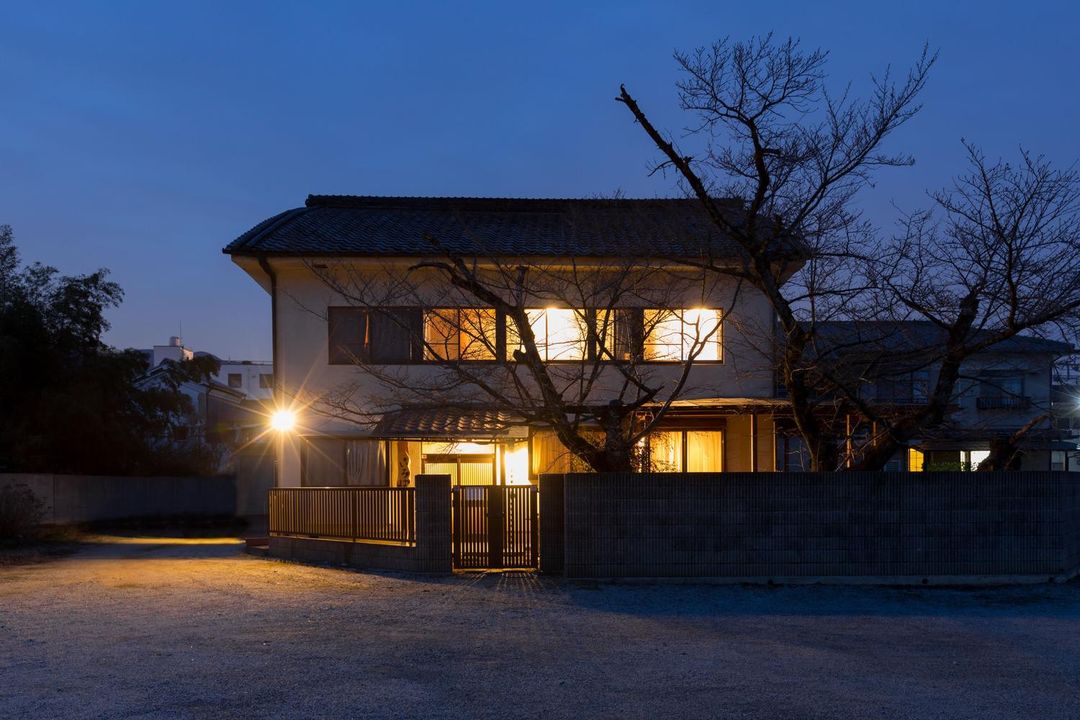
The best area for accommodation in Gojō City is the central district around Gojō Station. This zone offers easy access to major attractions such as Gojō Shrine, Old Gojō Town Hall, and the Yoshino River Trail. It hosts a variety of mid-to-high-end hotels and ryokans, including Gojō Ryokan, which provides traditional tatami rooms and family-friendly services. Staying here allows seamless exploration of both urban charm and natural beauty, making it ideal for travelers seeking an authentic Nara Prefecture experience.
Visitors to Gojō City can participate in the annual Yoshino River Fireworks Festival, held in late July, featuring thousands of pyrotechnics lighting up the night sky. The city also hosts the Gojō Shrine Spring Festival, complete with traditional dances and rituals. Additionally, hands-on workshops in washi paper-making allow guests to craft their own paper lanterns or bookmarks. These events highlight Gojō’s deep-rooted heritage and vibrant community spirit within Nara Prefecture.
Yes, Gojō City is highly suitable for family travel. The Yoshino River Recreational Park features children’s splash zones, picnic areas, and bike paths, perfect for outdoor fun. The Gojō City Museum offers interactive exhibits on local history and agriculture, including simulated rice farming activities for kids. Stay at Gojō Daiya Hotel, which provides spacious family rooms with private baths, complimentary breakfast, and shuttle service—ensuring a stress-free and enjoyable trip for all ages.
Tourists visiting Gojō City must try Nara wagyu sukiyaki, known for its rich flavor and tender texture, available at Wagyu-tei restaurant. Another must-try is Gojō soy sauce ramen, with a deep broth, handmade noodles, and house-pickled vegetables. Don’t miss persimmon cakes and matcha ice cream, popular local treats sold at Gojō Market. The market opens early daily, offering fresh seafood, seasonal produce, and farm-fresh goods—ideal for experiencing authentic local life.
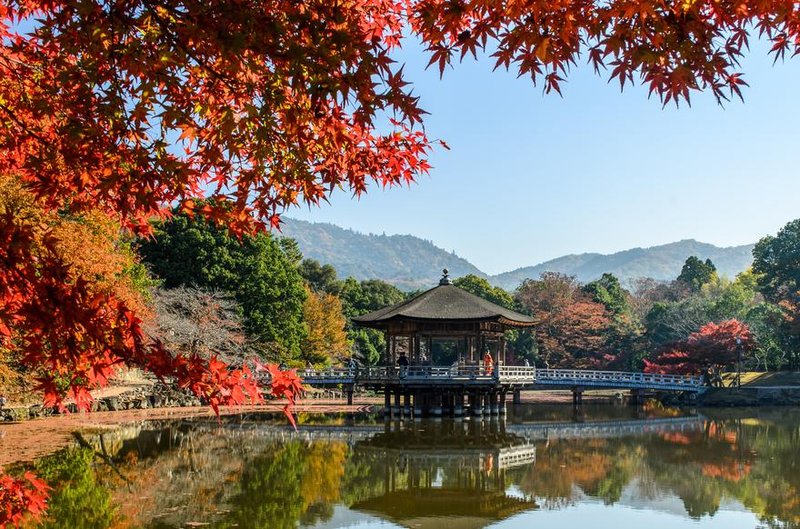
Gojō City boasts stunning natural attractions, including the Yoshino River trail, perfect for hiking and birdwatching. Summer visitors can enjoy river rafting through thrilling rapids surrounded by lush forests. In spring, Haru no Hara Fields become a breathtaking cherry blossom site, with views extending toward the Mie Prefecture mountains. For a quiet retreat, explore the Ōmine Mountain foothills, where forest trails wind past ancient trees and clear springs—ideal for photography and meditation.
Transportation in Gojō City is convenient via JR West's Gojō Station, reachable from Osaka Namba Station in about 1 hour by express train. Local buses connect key attractions and shopping districts. Many hotels, such as Gojō Daiya Hotel, offer free shuttle services. For self-drivers, the Kansai Expressway passes near the city, providing quick access to Nara City and Kyoto—just 40 minutes away—making it ideal for multi-day itineraries across Nara Prefecture.
Key historical sites in Gojō City include Gojō Shrine, built during the Heian period, with well-preserved wooden architecture and a sacred atmosphere. The Old Gojō Town Hall, originally a Meiji-era administrative building, now serves as a cultural museum showcasing historical documents and vintage photos. The Yoshino River Bridge Ruins, remnants of Edo-period construction, still feature stone foundations visible along the riverbank. Together, these landmarks reflect Gojō’s significance as a cultural crossroads in Nara Prefecture.
Gojō City hosts several annual festivals: the Yoshino River Fireworks Festival in late July draws crowds with dazzling displays over the river. The Gojō Shrine Spring Festival features traditional dances, prayers, and ceremonial processions. Additionally, the Gojō Marathon, held in autumn, combines urban streets and forest trails, attracting runners and spectators alike. These events celebrate community spirit and preserve local traditions throughout Nara Prefecture.
Shoppers in Gojō City should visit Gojō Market, a bustling daily market offering fresh seafood, seasonal fruits, and artisanal sauces. The Gojō Shopping Street specializes in traditional goods, including matcha sweets and persimmon cake boxes. For unique souvenirs, head to the Washi Paper Village, where local artisans sell handmade washi paper lanterns, bookmarks, and stationery. These shops not only provide memorable gifts but also support the preservation of Gojō’s cultural heritage.
Gojō Overview
City Summary
Gojo City in southern Nara Prefecture blends history and nature seamlessly. Known for the scenic Yoshino River Valley, it preserves Sengoku-era relics like the traditional machiya houses in Gojo Shinmachi. As a gateway to the UNESCO-listed "Sacred Sites of Kii Mountain Range", its spiritual heritage shines, with surrounding mountains ideal for hiking and onsen retreats.
Must-See Attractions
Top attractions include Gojo Shinmachi with Edo-period wooden architecture, and Nibu Kawakami Shrine featuring vermilion torii gates dedicated to water deities. Join a washi paper workshop or trek the Omine Okugake pilgrimage route to experience Shugendo practices.
Food Guide
Must-try Yoshino kudzu cuisine features arrowroot starch desserts; kakinoha-zushi (persimmon leaf-wrapped sushi) offers unique herbal notes. Seek out sansai tempura (mountain vegetables) paired with local "Kaze no Mori" sake at farm restaurants.
Transportation Guide
Take Kintetsu Railway from Osaka Namba to Gojo Station (1.5hrs). Buses and taxis serve the city - the "Nara Yamatoji 1-day Pass" (¥2,500) covers regional transport. Note infrequent mountain bus schedules; some roads close in winter.
Best Time to Visit
Ideal in April (cherry blossoms) and November (autumn foliage) with 15-20°C temperatures. Avoid summer humidity and Golden Week (early May)/Obon (mid-August) crowds.
Travel Tips
- Bow slightly before passing shrine torii gates; avoid walking center paths
- Wear sturdy shoes for mountain trails; check bear warnings
- Ryokan often require check-in by 5pm for dinner service
- Cash preferred; rural shops may reject cards
- Separate trash into "burnable/non-burnable"; public bins are rare
- Always ask permission before photographing traditional properties
Useful Information
Language: Basic English at stations; multilingual brochures available Wi-Fi: Free "Nara_Free_WiFi" in town (spotty in mountains) Payment: IC cards (Suica/Pasmo) accepted at convenience stores; int'l ATMs at post offices Emergency: Gojo City Hospital (0747-22-5151) has English-speaking staff Emergency calls: Police 110/Fire 119; English helpline 0120-461-997