Hotels in Gonohe
Discover your perfect stay in Gonohe.
Gonohe(Japan) Travel 2026: Cheap Flights, Hotels & Top Attractions
Popular Landmarks in Gonohe
Discover the most iconic attractions in Gonohe
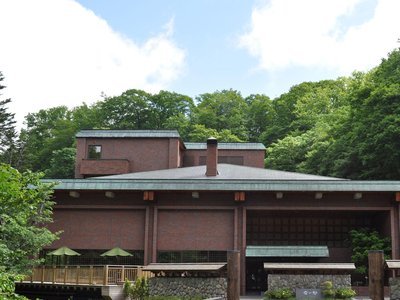
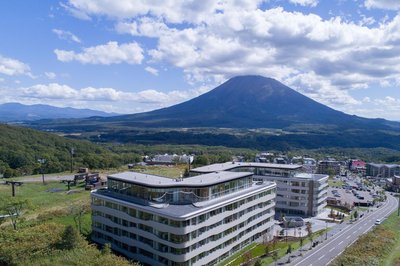
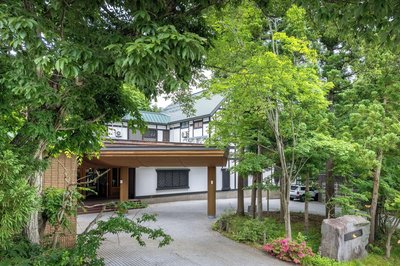
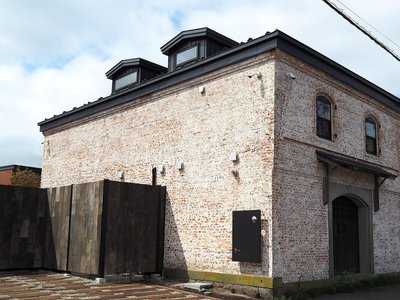
Recommended Hotels in Gonohe
Find the perfect place to stay in Gonohe
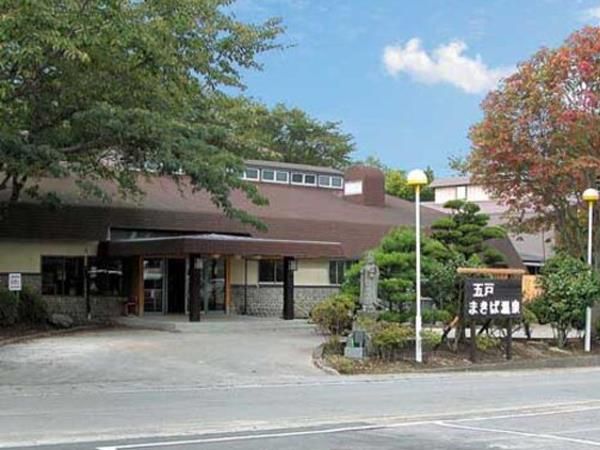
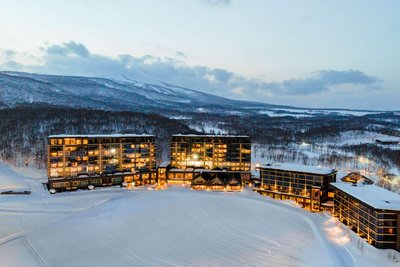
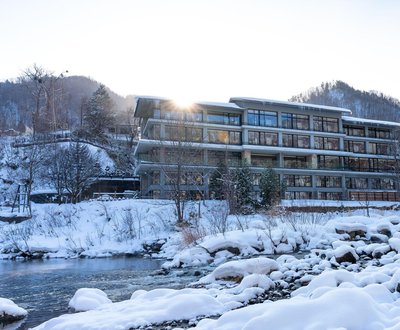
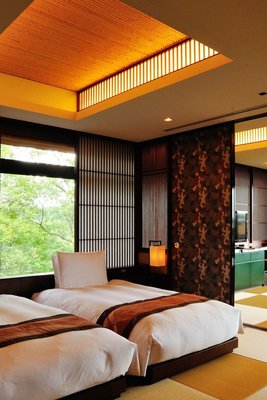
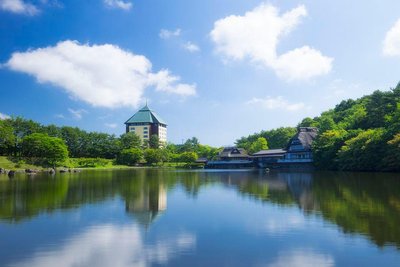
Best Hotels in Gonohe
Discover curated hotel collections in Gonohe
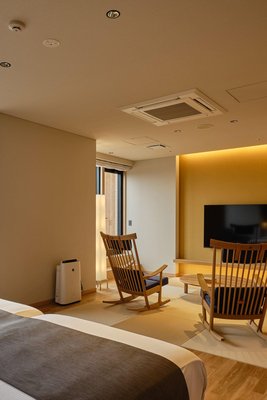
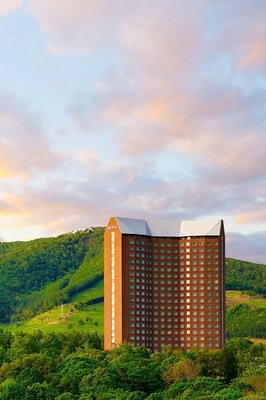


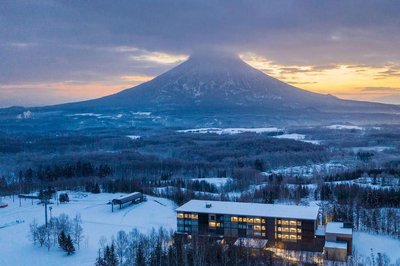



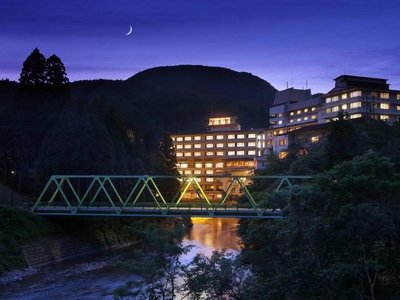
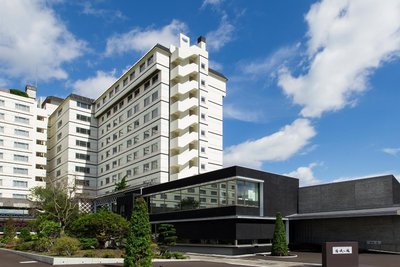

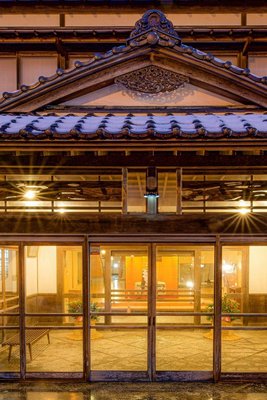
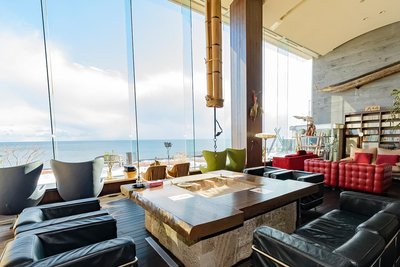



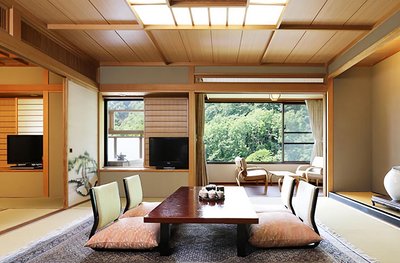
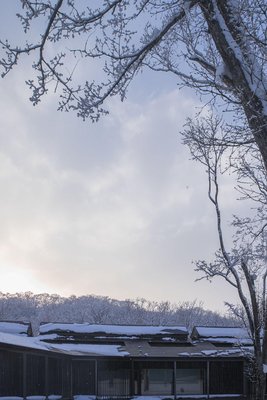
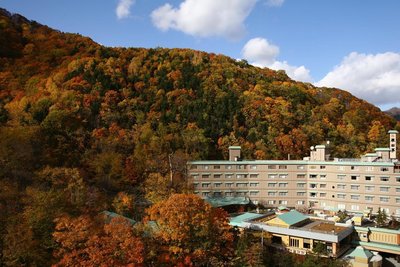
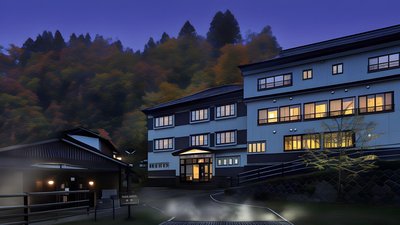






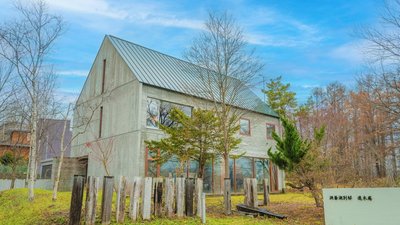
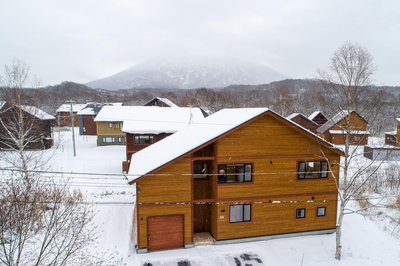
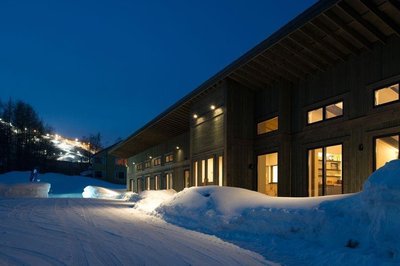


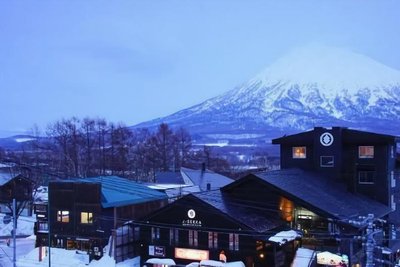




















Frequently Asked Questions about Traveling to Gonohe
Questions You Might Need to Know About Traveling to Gonohe
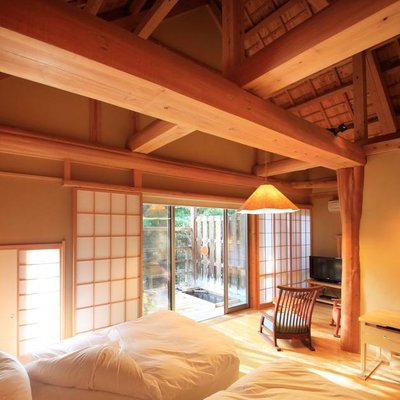
In Gojō-cho, the top choice is Gojō-cho Kōdo Kan Minshuku, a traditional wooden guesthouse transformed from a historic farmhouse. Guests enjoy authentic Tsugaru folk art decor, including hand-carved Tsugaru weaving and bamboo crafts. The inn offers hands-on workshops like Tsugaru shamisen playing and lacquerware making, guided by local artisans. Each morning, guests can join a farm tour to harvest Aomori apples or explore nearby Iwate Mountain trails. Evening dinners feature locally-sourced dishes such as Tsugaru beef steak and apple-stewed pork, showcasing regional flavors and hospitality.
The central district of Gojō-cho is the most convenient base for travelers. Located near Gojō Station and the Town Hall, it offers easy access to public transport and local amenities. This low-density residential zone preserves traditional Tsugaru-style townhouses, ensuring a peaceful atmosphere. From here, visitors can walk 10 minutes to the Tsugaru Railway Line, reaching attractions like Ishikawa Garden and Tanaka Family Old Residence. Many lodgings provide free shuttle services to nearby sights, enhancing travel efficiency and comfort.
Gojō-cho offers immersive Tsugaru shamisen lessons and lacquerware workshops. Local masters teach the passionate, high-pitched style of Tsugaru shamisen, where visitors learn to play classics like Nami no Ondo. At Gojō Lacquer Workshop, guests craft their own lacquered bowls using natural urushi resin, creating a lasting souvenir. During the annual Tsugaru Festival in autumn, enjoy live taiko drumming and night lantern processions, celebrating community spirit and spiritual traditions through vibrant performances and shared rituals.
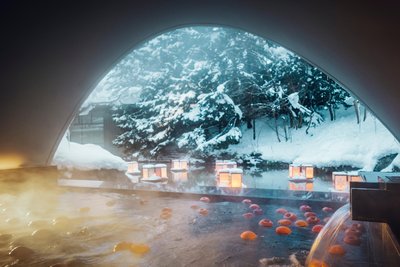
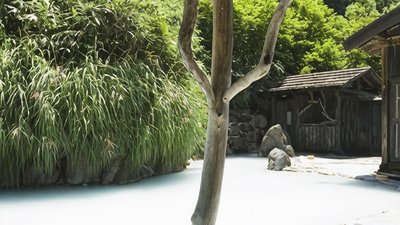
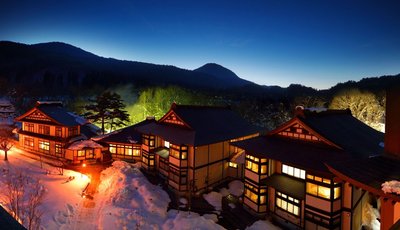
Winter in Gojō-cho shines with snow hiking and onsen relaxation. Visit Shirahata Onsen, nestled in the mountains east of town, famed for its sulfur-rich waters that soothe joints and skin. The open-air baths offer panoramic views of snow-covered pines and distant Mount Iwate. Nearby, Gojō Ski Resort provides beginner-friendly slopes and snowmobile rides, with cozy huts for breaks. Every Saturday evening, the Snow Lantern Festival lights up streets with handmade paper lanterns, creating a dreamlike glow—perfect for photography and quiet reflection.
Gojō-cho Children’s Nature Village Ryokan is ideal for families, featuring a dedicated kids’ playroom, outdoor vegetable garden, and child-sized bathrobes. Rooms accommodate extra beds and cribs, and daily programs include forest scavenger hunts combining map puzzles and nature education. Families also participate in cooking classes preparing Tsugaru miso hot pot with fresh local ingredients. Outside, safe walking paths lead to a creek perfect for children to splash and observe ants, making it an engaging, educational stay for all ages.
Must-try dishes in Gojō-cho include Tsugaru beef steak and Aomori apple stewed pork. The premium beef comes from locally raised black-haired Wagyu, grilled over charcoal to achieve a crispy exterior and tender interior, served with a rich house sauce. Another highlight is apple stewed pork, where Aomori apples are slow-cooked with pork for a sweet-savory fusion. Don’t miss buckwheat tea bowl steamed egg at the morning market, or Tsugaru umeboshi pickled plums made in clay jars for over three years. Fresh seafood caught daily and honey from local apiaries are also excellent souvenirs.
Key natural sites include the Hachiman Pond Trail and the Gojō Mountain Primeval Forest. The 2.8-kilometer trail winds along crystal-clear streams flanked by century-old cherry trees and deciduous forests—especially stunning during spring cherry blossom season, when pink petals form a tunnel-like canopy. In summer, fireflies dance above the water at night, creating a magical glow. Hiking to Tengu Mountain Viewpoint rewards visitors with sweeping vistas of the Gojō basin and snow-capped Mount Iwate. The Deer Valley Wetland is a prime habitat for migratory birds; every October, flocks of red-crowned cranes pause here, offering exceptional opportunities for wildlife photography.
The Gojō Castle Ruins stand as a key historical landmark, with remaining stone walls and moats reflecting Edo-period military design. Inside the small museum, exhibits include samurai swords, armor, and Tsugaru Domain documents. Another must-see is the Tanaka Family Old Residence, a well-preserved Tsugaru-style gassho-zukuri farmhouse with original living spaces and wall murals. During equinoxes, the “Old House Night Tour” illuminates the home with candlelight, reenacting traditional family ceremonies. The Gojō Shrine’s thousand-torii path, though less famous than Fushimi Inari, features weathered wooden gates and a serene atmosphere perfect for contemplation.
Top shopping spots include Gojō Lacquer Workshop for handcrafted Tsugaru lacquerware bowls and pens, each piece uniquely painted by artisans. Aomori Fruit House sells premium dried apples, jams, and vinegar—ideal for gifts. For textiles, look for Tsugaru weaving tote bags with traditional patterns like waves and willow branches, both stylish and practical. The Gojō Agricultural Cooperative Market hosts weekly fairs selling seasonal vegetables, honey, and artisanal sake at affordable prices. All items reflect local craftsmanship and sustainability, making them meaningful keepsakes.
The easiest way to reach Gojō-cho is via JR Tōhoku Main Line to Gojō Station, then transfer to local bus or taxi. From Aomori City, direct express buses take about 40 minutes. As there’s no subway system, many lodgings offer free shuttle services, especially during peak seasons. Renting bicycles or e-bikes is ideal for exploring the Tsugaru Railway Greenway, linking attractions like Ishikawa Garden and Tanaka Family Old Residence. The Gojō Town Tourism Pass includes unlimited bus rides, entry to major sites, and bike rental discounts—perfect for efficient, budget-friendly exploration.
Gonohe Overview
City Summary
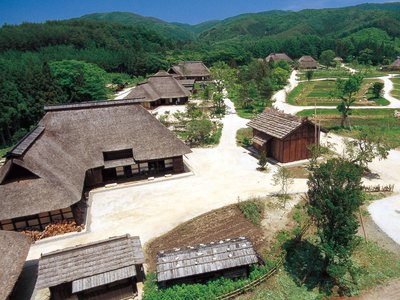
Gonohe Town in southern Aomori Prefecture is a tranquil rural retreat famous for its traditional Japanese village scenery and abundant natural landscapes. The town showcases distinct seasonal beauty, particularly autumn foliage and winter snowscapes. Preserving Edo-period architecture, it's renowned for handicrafts and local agricultural products, ideal for culturally immersive travelers.
Must-See Attractions
Must-visit spots include the Gonohe History Museum displaying local artifacts, and Koto Shrine with千年 history stunning during fall. Explore surrounding farmlands by bicycle, or experience the Snow Lantern Festival in winter. Craft enthusiasts can book workshops at Nanbu Sakiori Textile Studio to learn traditional weaving.
Food Guide
Gonohe prides itself on farm-to-table cuisine - don't miss desserts made with Aomori apples. Sample crunchy Nanbu senbei rice crackers, or winter's salmon hotpot with fresh Tsugaru Strait catch. Farm restaurants serve tempura highlighting seasonal vegetables.
Transportation Guide
Accessible via bus from Aomori Station (90mins, limited schedules). Attractions are walkable; bike rentals (some hotels offer) recommended for countryside exploration. Taxis require phone HopeGoo; no subway. Self-drivers need winter tires Dec-Feb; Route 104 is the main artery.
Best Time to Visit
Best visited September-November for autumn colors. December-February offers magical snowscapes (-10°C). Spring (March-May) has fewer tourists. Avoid Obon week in August due to accommodation shortages.
Travel Tips
- Cash preferred: Most small shops don't accept cards; withdraw JPY at Aomori Station ATMs
- Bus etiquette: Press stop buttons early; long-distance buses depart punctually
- Winter gear: Waterproof boots/ice cleats essential Dec-Feb
- Dialect awareness: Elders may speak Nanbu dialect; basic Japanese + gestures work
- Onsen rules: Wash thoroughly before bathing; cover tattoos or book private baths
- Eco-practices: Strict recycling; convenience stores have sorting bins
Useful Information
Language: Basic Japanese helpful; minimal English signage at stations/museums. Wi-Fi: Free in town center; rent pocket Wi-Fi (available at Aomori Station). Payment: International cards work at JP Post/7-11 ATMs; VISA/Mastercard widely accepted. Healthcare: Gonohe Clinic handles minor issues; severe cases go to Hachinohe hospitals (1hr drive). Emergency: Dial 110(police)/119(fire); limited English support - ask lodging staff. Voltage: 100V Type A plugs (same as Tokyo); check device compatibility.









