Hotels in Gramsbergen
Discover your perfect stay in Gramsbergen.
Gramsbergen(Netherlands) Travel 2026: Cheap Flights, Hotels & Top Attractions
Popular Landmarks in Gramsbergen
Discover the most iconic attractions in Gramsbergen
Recommended Hotels in Gramsbergen
Find the perfect place to stay in Gramsbergen
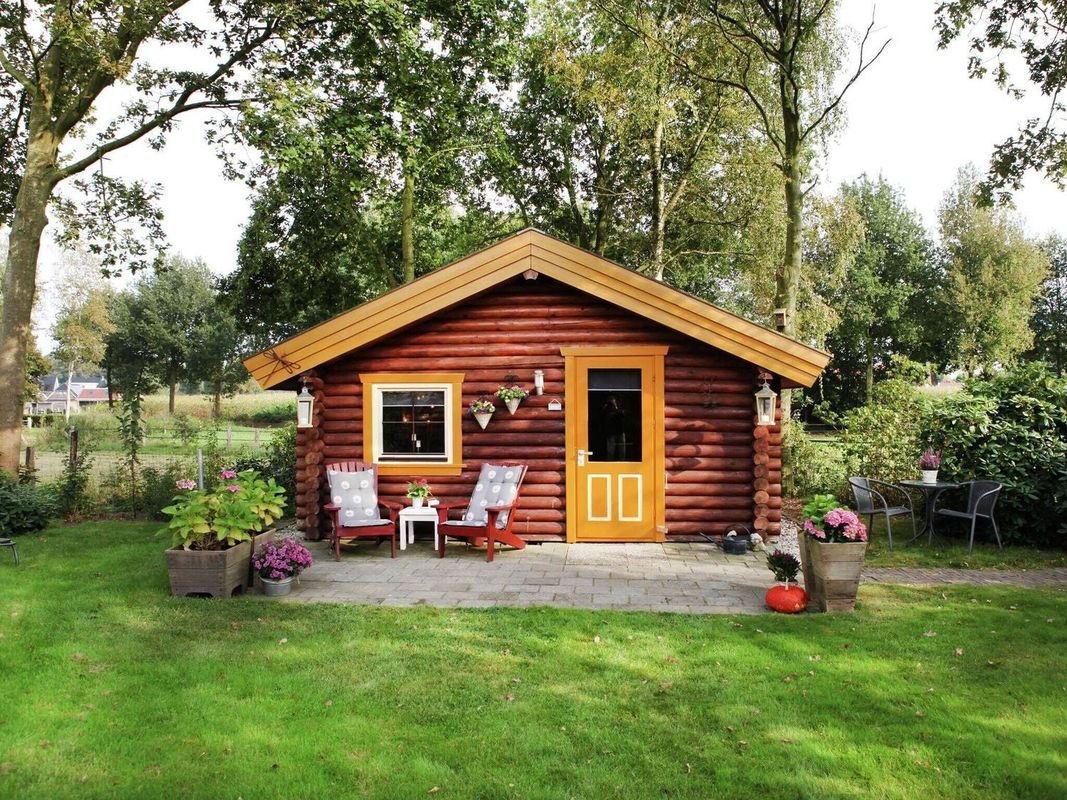
Cottage near Lake & Forest with Garden in Gramsbergen
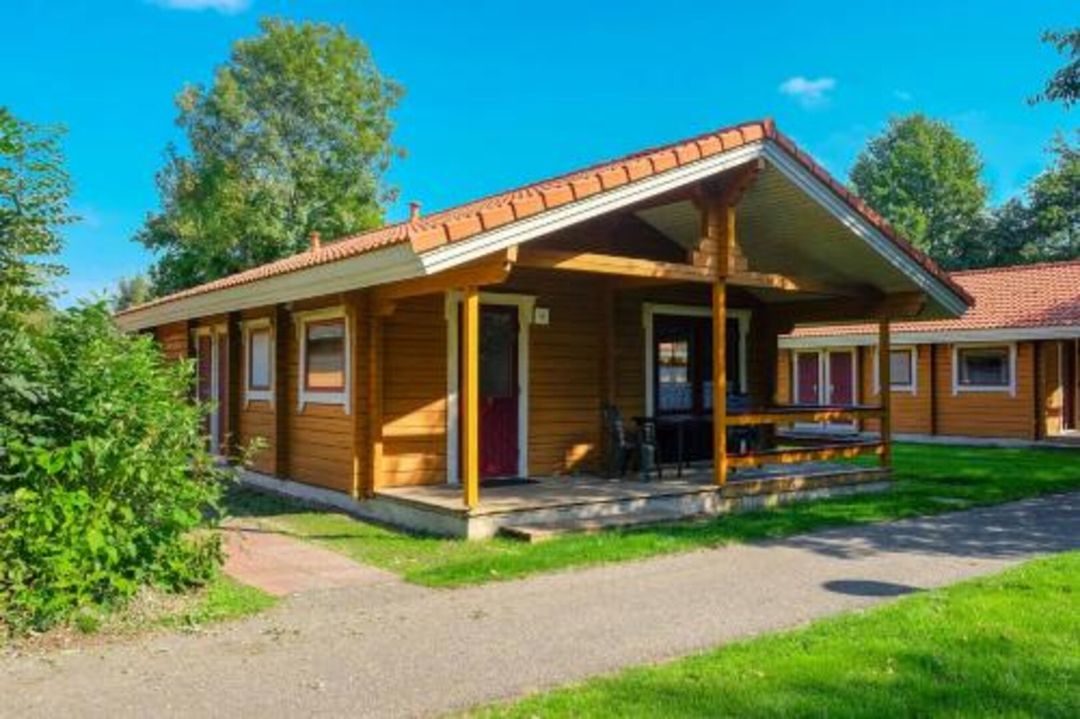
't Hooge Holt
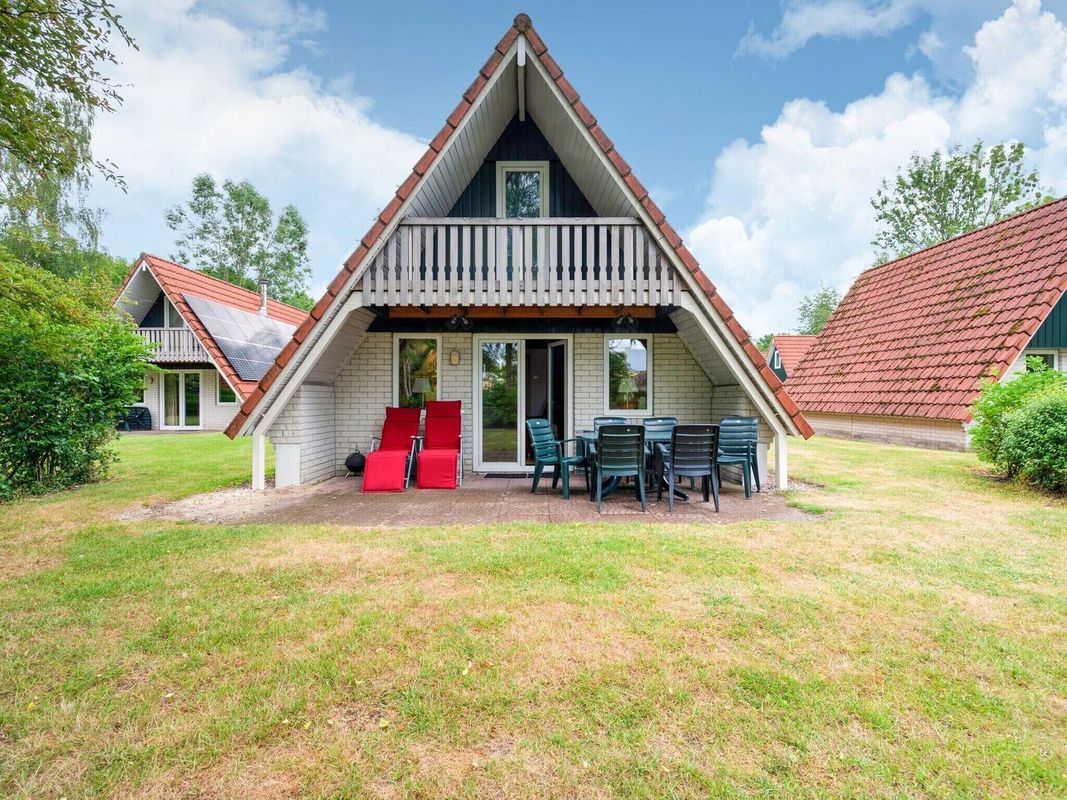
Nice Holiday Home in Gramsbergen on Family Park
Best Hotels in Gramsbergen
Discover curated hotel collections in Gramsbergen
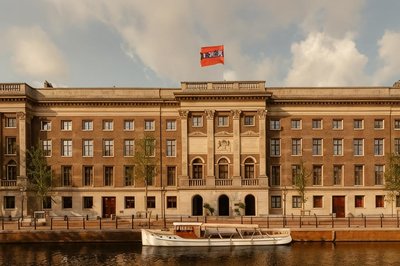
Rosewood Amsterdam
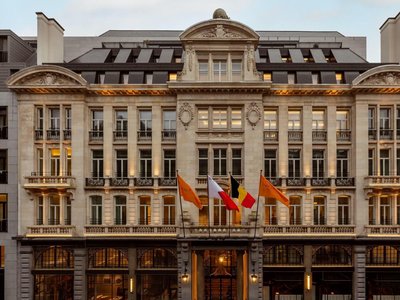
Corinthia Grand Hotel Astoria Brussels
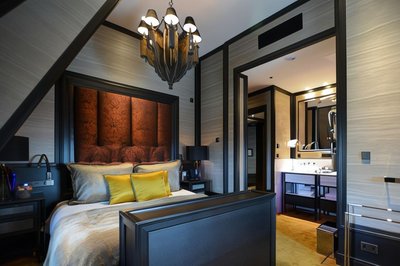
Hotel TwentySeven - Small Luxury Hotels of the World
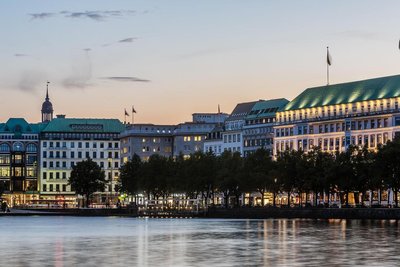
Fairmont Hotel Vier Jahreszeiten
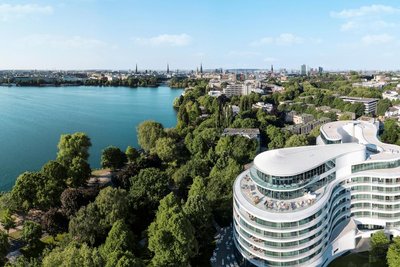
The Fontenay Hamburg
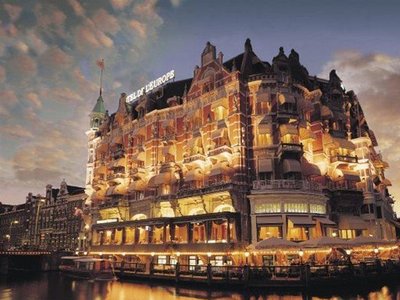
De L’Europe Amsterdam – the Leading Hotels of the World
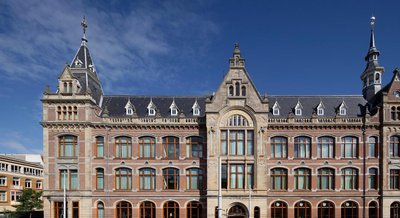
Conservatorium Hotel (Operated by Mandarin Oriental)
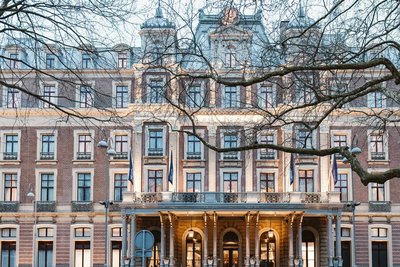
InterContinental Amstel Amsterdam
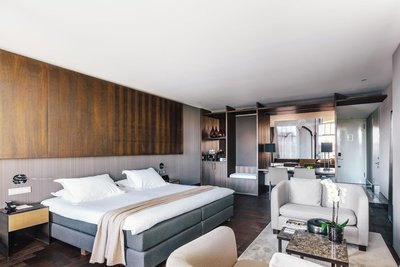
The Dylan Amsterdam
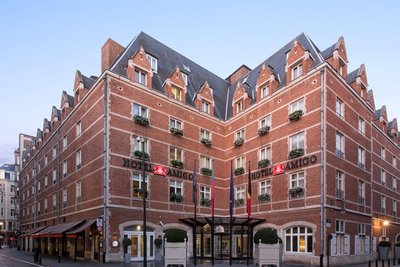
Rocco Forte Hotel Amigo
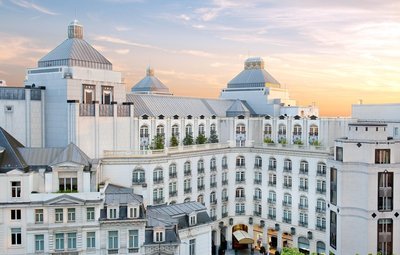
Steigenberger Icon Wiltcher's
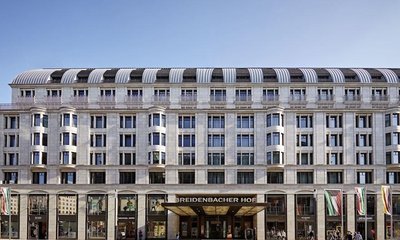
Small Luxury Hotels of the World - Breidenbacher Hof
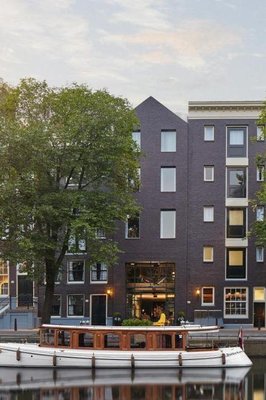
Pulitzer Amsterdam
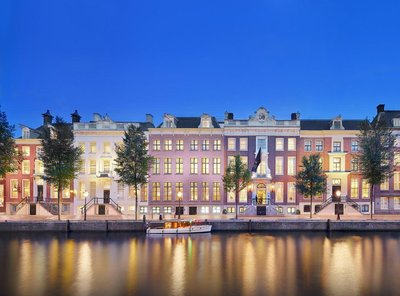
Waldorf Astoria Amsterdam
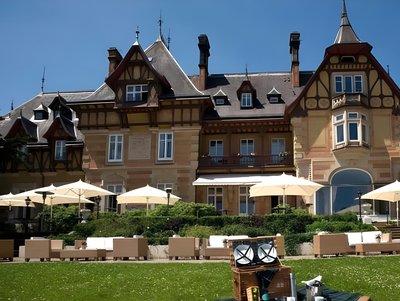
Villa Rothschild, Autograph Collection
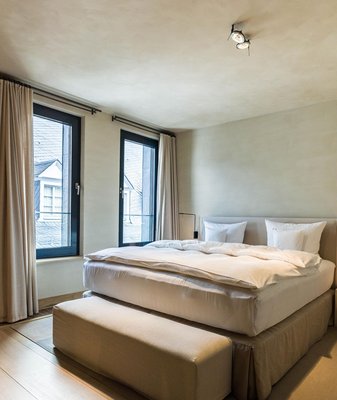
Hotel Purs
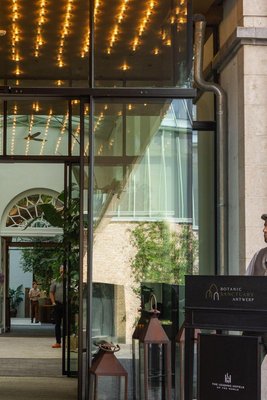
Botanic Sanctuary Antwerp
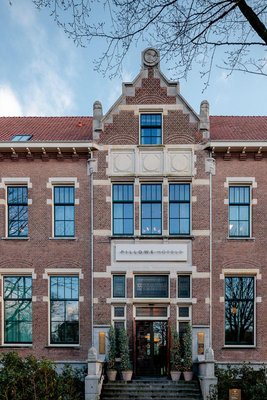
Pillows Grand Boutique Hotel Maurits at the Park - Small Luxury Hotels
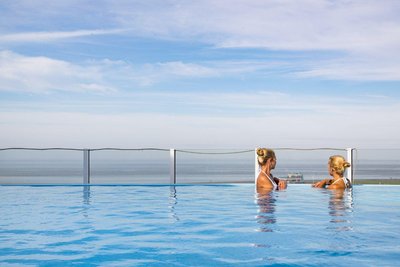
Hotel Fährhaus
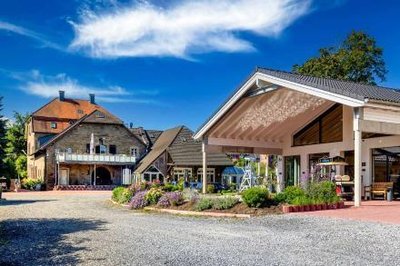
Landhaus Grum
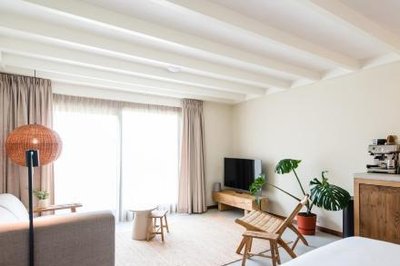
Van Heeckeren Apartments & Suites Nes
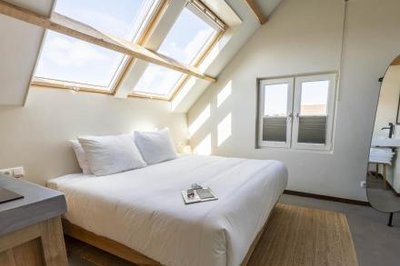
Van Heeckeren Apartments & Suites Buren
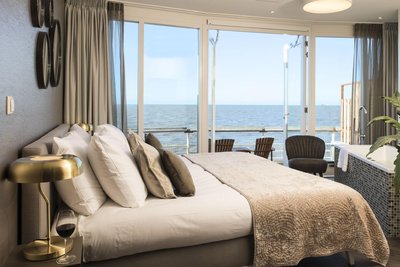
De Pier Suites
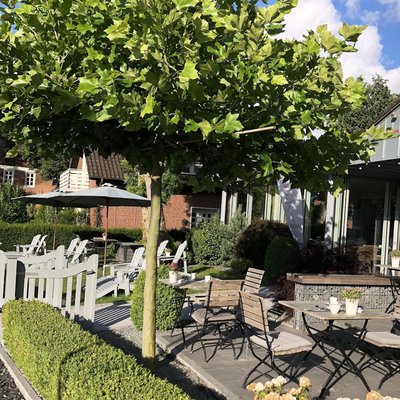
Hotel Leegerpark
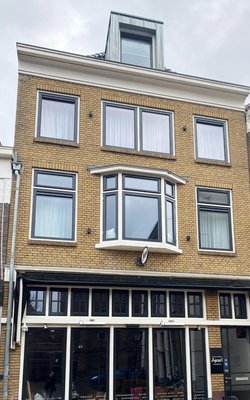
Apart! Food & Drinks Apartments
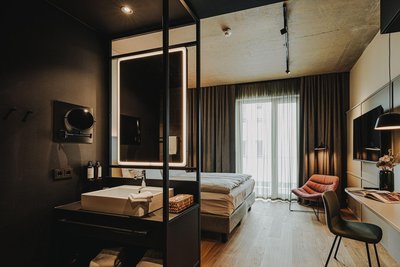
Hiive Oldenburg
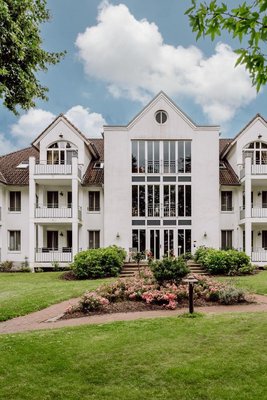
Romantik Hotel Bösehof
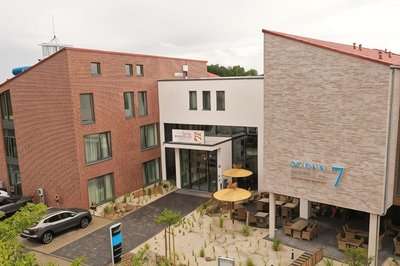
Hotel MeerZeiten Inklusive Externer Schwimmbad- & Saunanutzung
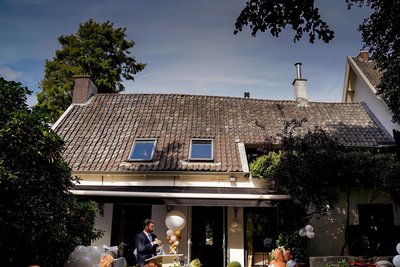
Villa Beukenhof
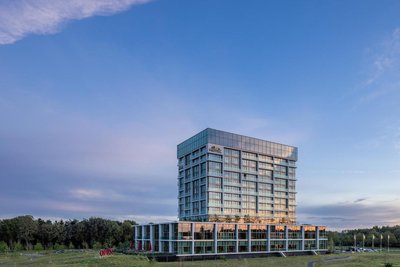
Van der Valk Hotel Eindhoven-Best
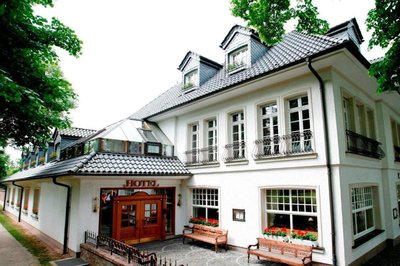
Hotel "Schloss Friedestrom"
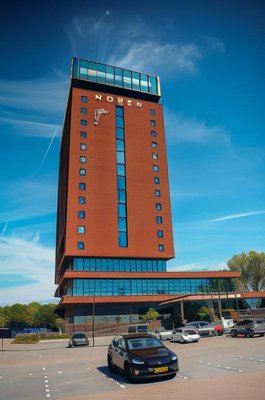
Van der Valk Hotel Schiedam
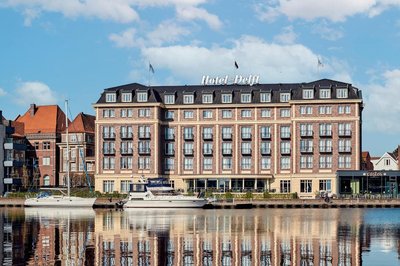
Hotel am Delft
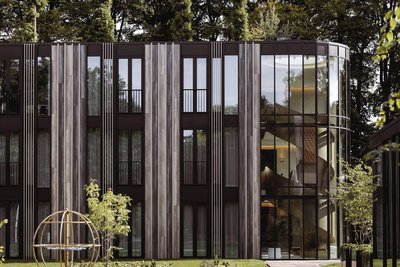
Kasteel Steenenburg
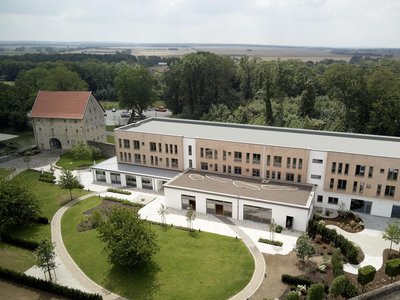
Hotel Rittergut Stoermede
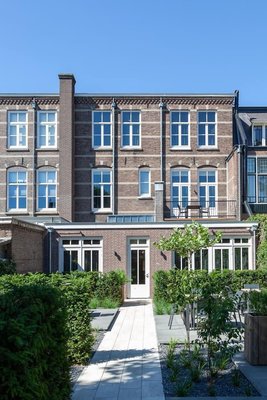
Hotel Julien

Van der Valk Hotel Leeuwarden
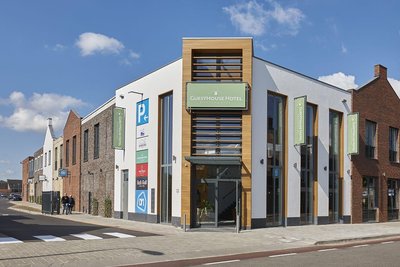
GuestHouse Hotel Kaatsheuvel-Waalwijk
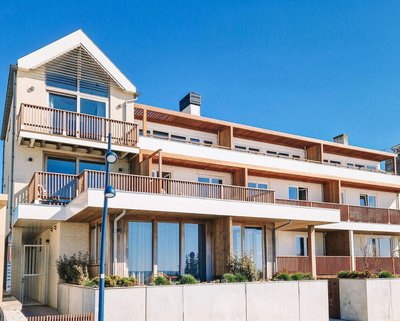
Boulevard 5
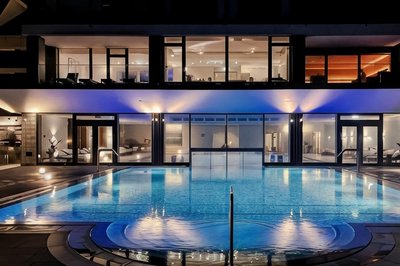
Upstalsboom Wyk Auf Föhr
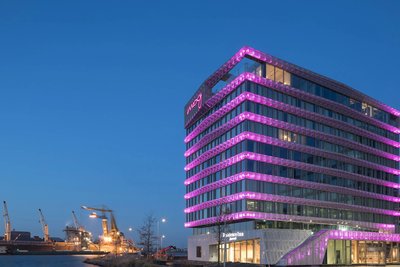
Residence Inn by Marriott Amsterdam Houthavens
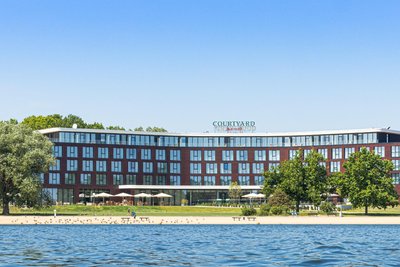
Courtyard Wolfsburg
Fairmont Hotel Vier Jahreszeiten
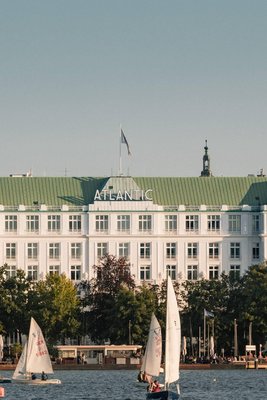
Hotel Atlantic Hamburg-Autograph Collection
The Fontenay Hamburg
De L’Europe Amsterdam – the Leading Hotels of the World
InterContinental Amstel Amsterdam
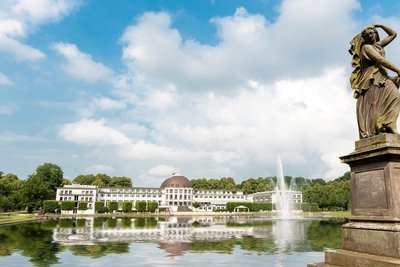
Parkhotel Bremen – ein Mitglied der Hommage Luxury Hotels Collection

Fährhaus
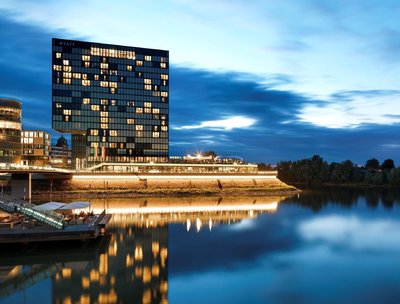
Hyatt Regency Dusseldorf
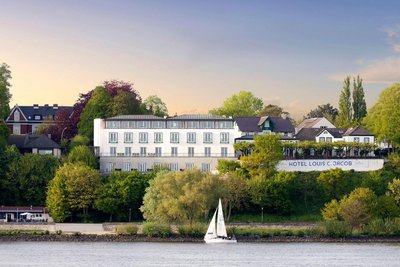
Hotel Louis C. Jacob
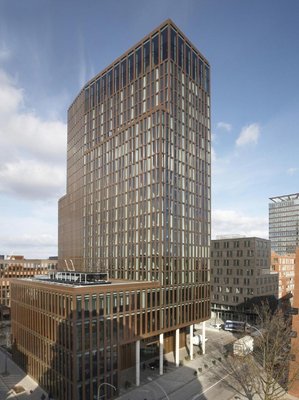
Empire Riverside Hotel
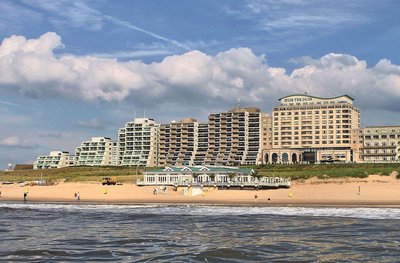
The Historic Huis Ter Duin
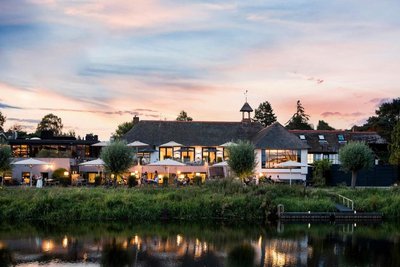
Mooirivier
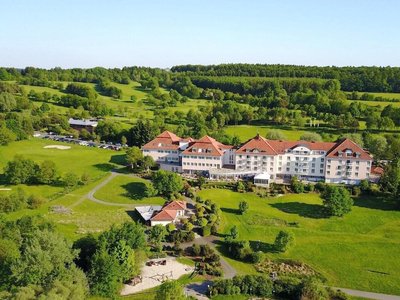
Golf- Und Sporthotel Wiesensee
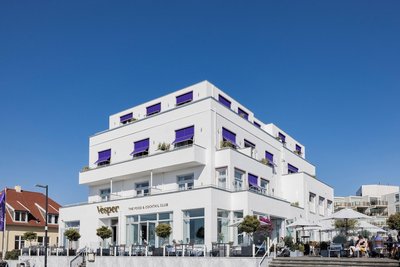
Vesper Hotel

Inntel Hotels Den Haag Marina Beach
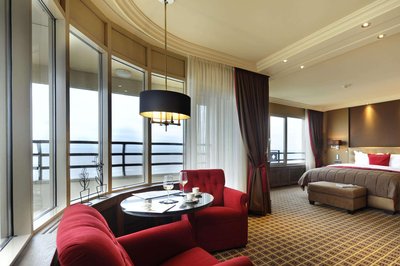
Grand Hotel Huis Ter Duin
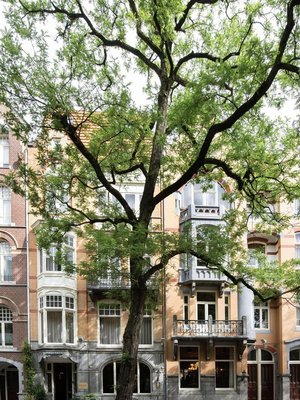
Jan Luyken Amsterdam
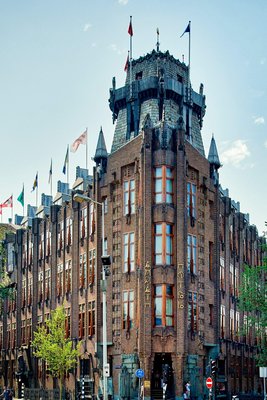
Grand Hotel Amrâth Amsterdam
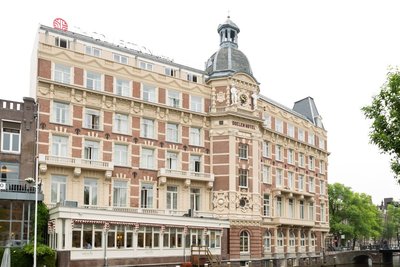
Tivoli Doelen Amsterdam Hotel
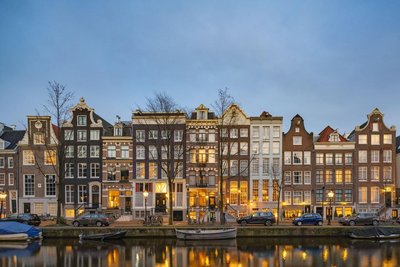
Ambassade Hotel
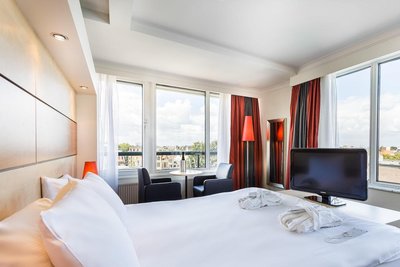
Hotel Die Port Van Cleve
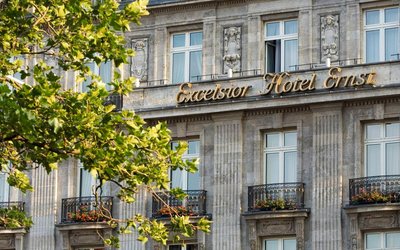
Excelsior Hotel Ernst am Dom
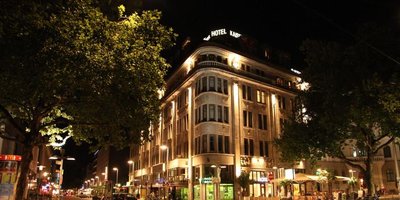
Central-Hotel Kaiserhof
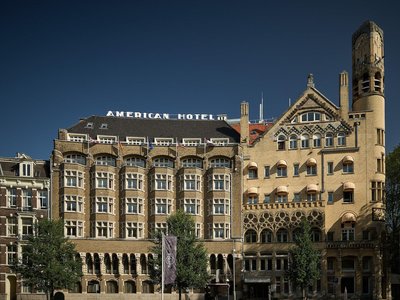
Clayton Hotel Amsterdam American
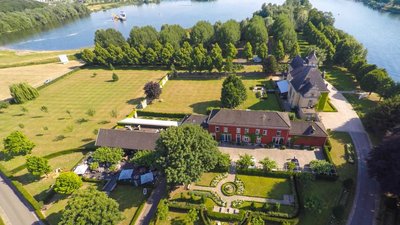
Landgoed Kasteel de Hoogenweerth
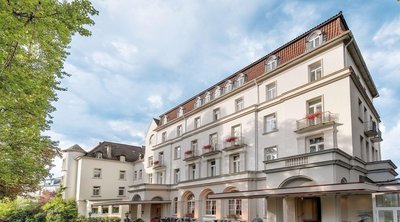
Rheinhotel Dreesen
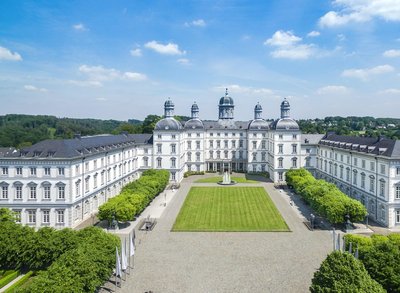
Althoff Grandhotel Schloss Bensberg
Pulitzer Amsterdam
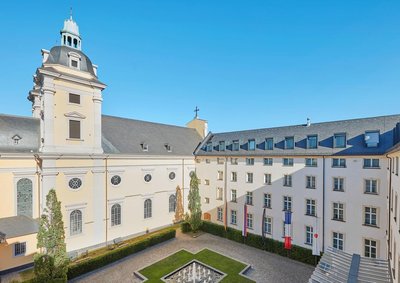
Living Hotel de Medici
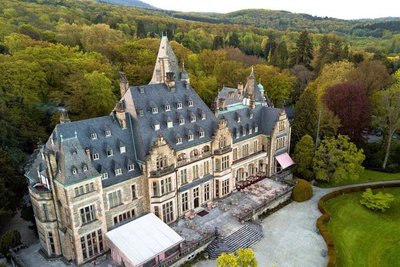
Schlosshotel Kronberg - Hotel Frankfurt
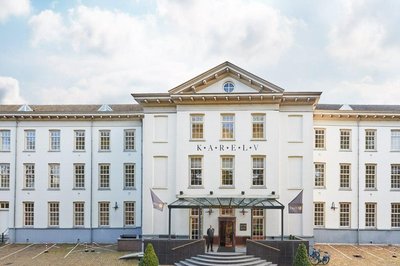
Grand Hotel Karel V
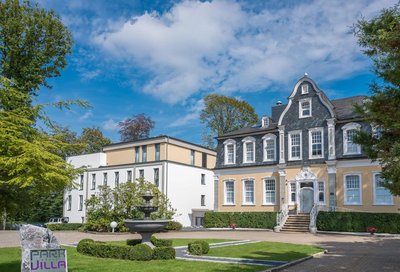
Park Villa
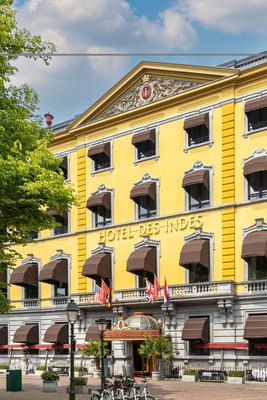
Hotel des Indes the Hague
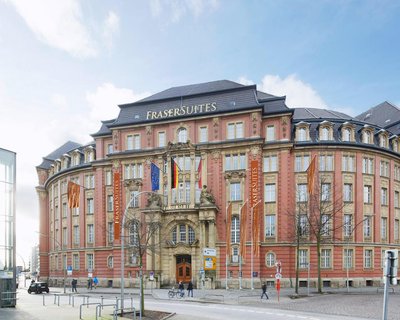
Fraser Suites Hamburg
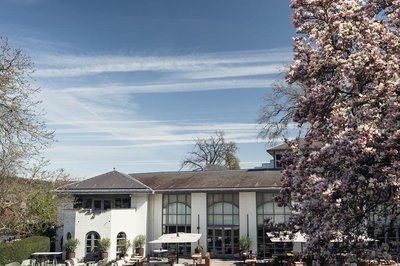
Hotel Bloemendal
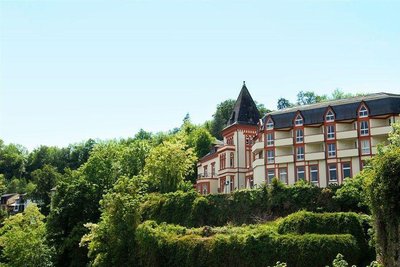
Hotel Schloss Rheinfels

1898 the Post
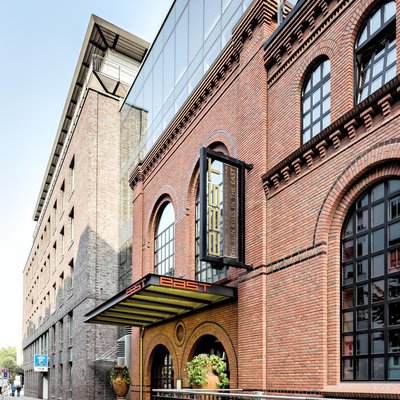
East Hotel Hamburg

Andaz Amsterdam Prinsengracht, by Hyatt
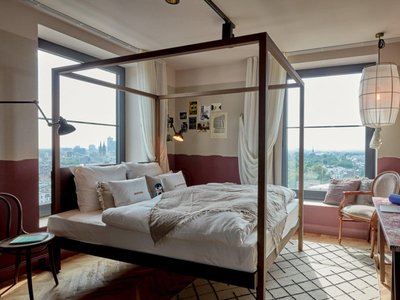
25Hours Hotel Duesseldorf Das Tour
Pulitzer Amsterdam
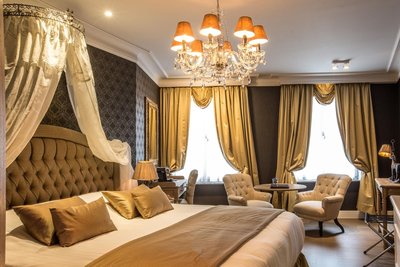
Luxury Boutique Hotel de Castillion
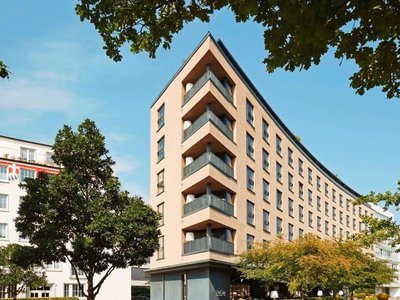
The George Hamburg

Side, Hamburg, a Member of Design Hotels
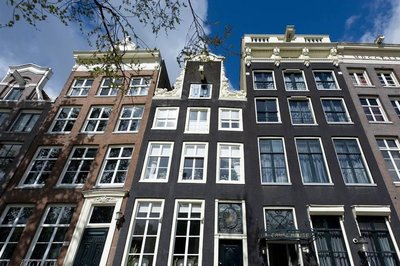
Small Luxury Hotels of the World - Canal House
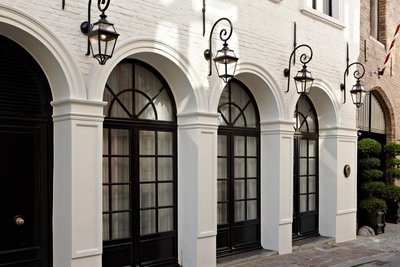
Hotel de Orangerie by CW Hotel Collection
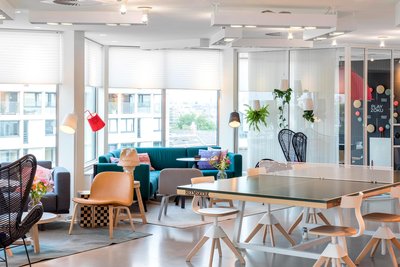
Zoku Amsterdam
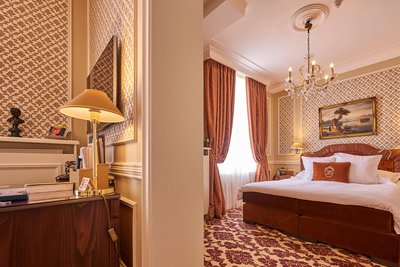
Relais & Châteaux Hotel Heritage
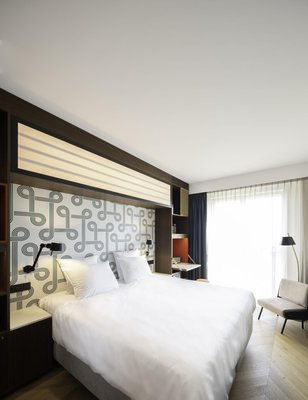
Yalo Urban Boutique Hotel Gent
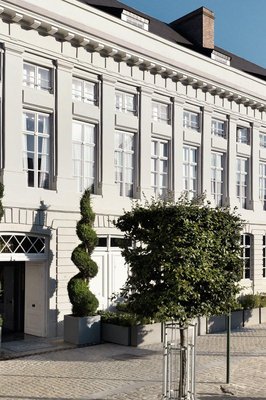
Juliana Hotel Brussels
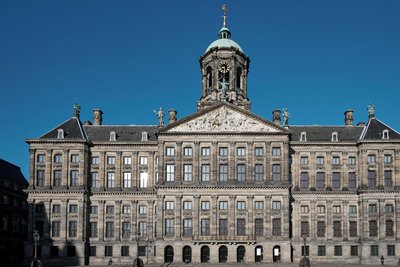
The Pavilions Amsterdam, The Toren
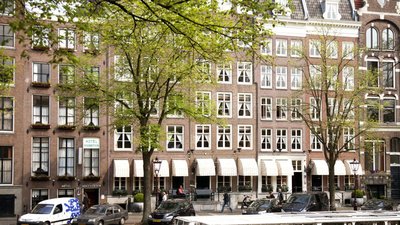
Hotel Estheréa
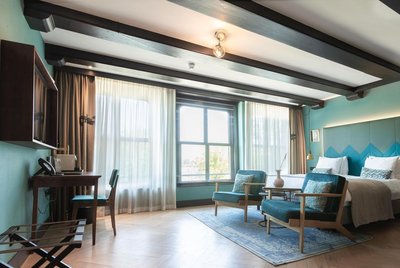
The Hendrick's Hotel
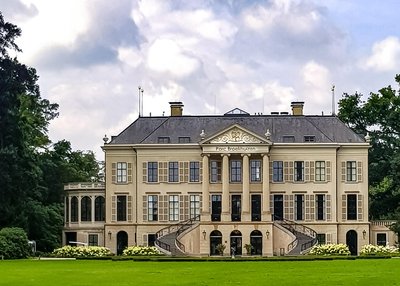
Parc Broekhuizen l Culinair Landgoed
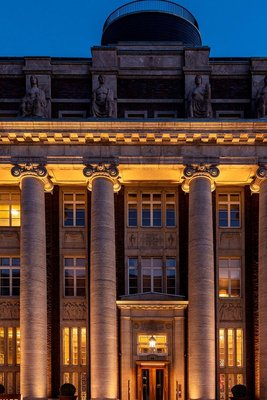
The Wellem Dusseldorf, Part of Hyatt
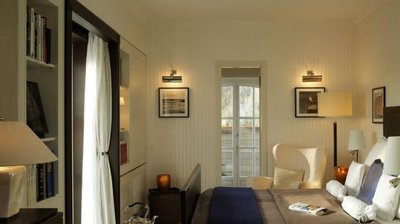
Dorint Soel'Ring Hof Sylt-Rantum
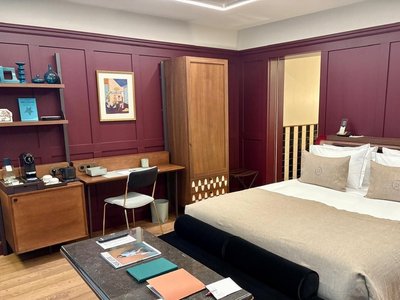
Faubourg 21
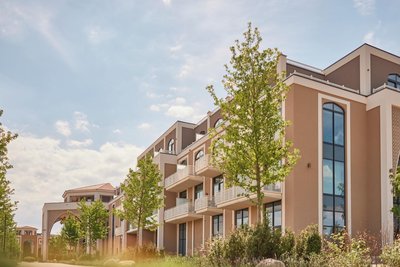
Hotel Thermen Berendonck
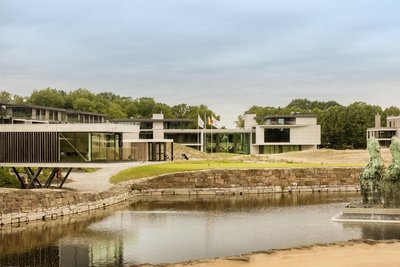
Radisson Collection Hotel, The National Brussels
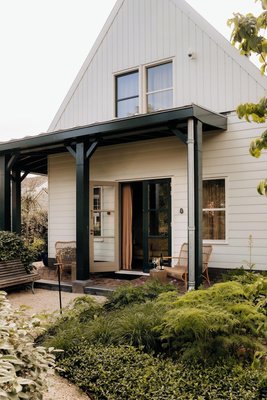
De Durgerdam, Amsterdam
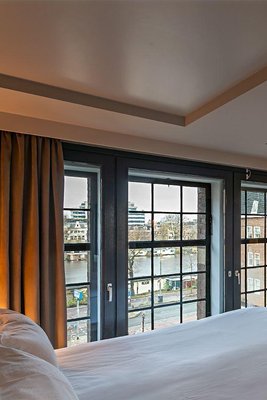
Pestana Amsterdam Riverside
Upstalsboom Wyk Auf Föhr
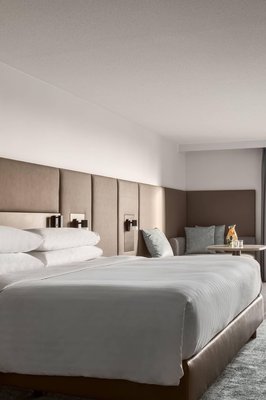
Amsterdam Marriott Hotel
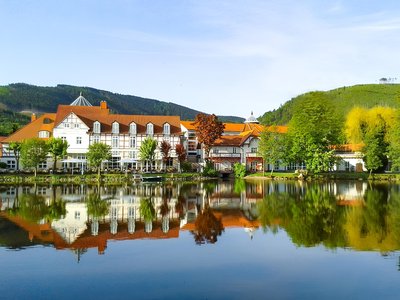
Landhaus Zu Den Rothen Forellen
Hotel Atlantic Hamburg-Autograph Collection
Grand Hotel Amrâth Amsterdam
Tivoli Doelen Amsterdam Hotel
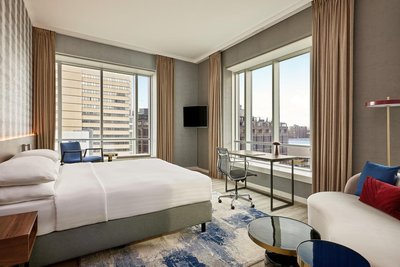
Rotterdam Marriott Hotel
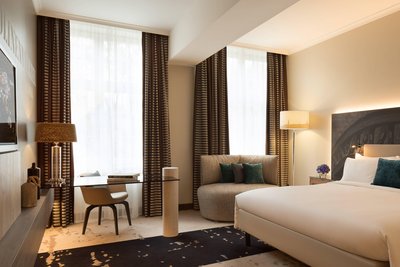
Renaissance Hamburg Hotel
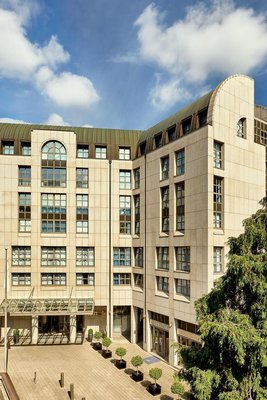
Hamburg Marriott Hotel
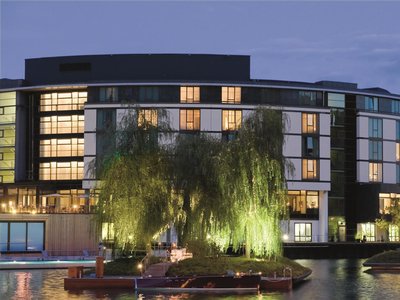
The Ritz-Carlton, Wolfsburg
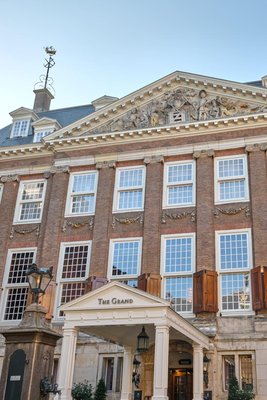
Sofitel Legend the Grand Amsterdam
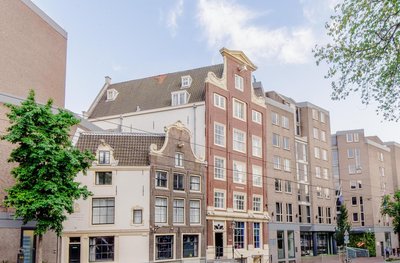
Kimpton de Witt Amsterdam
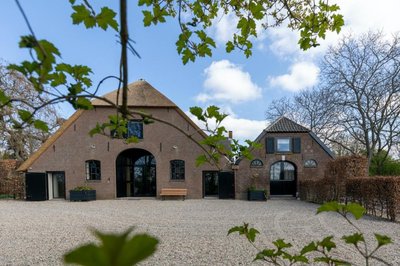
Het Rentmeestershuis
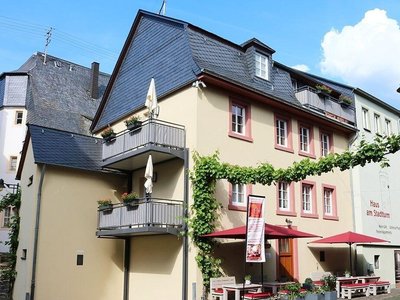
Haus am Stadtturm
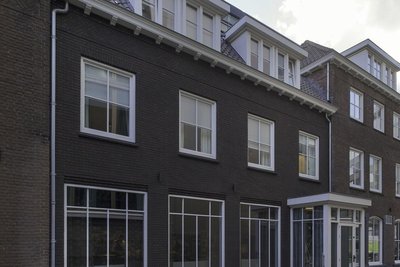
Little Grand
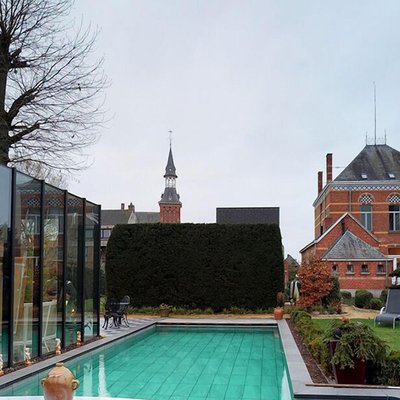
Art of Dreams Deluxe 4 Stars
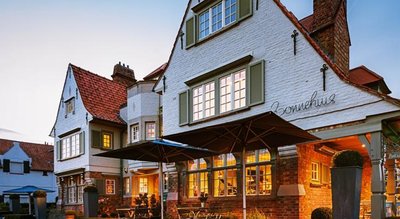
Romantik B&B Zonnehuis
Frequently Asked Questions about Traveling to Gramsbergen
Questions You Might Need to Know About Traveling to Gramsbergen
In Hulst, top family-friendly accommodations include Hotel De Kruisberg, a charming boutique hotel blending traditional Dutch architecture with modern comforts. Located in the heart of the old town, it offers spacious family rooms, on-site play areas, and kid-friendly breakfasts featuring local specialties like apple pie (Appeltaart) and fresh bread. The hotel also organizes weekend workshops—such as cheese-making and windmill history tours—making it ideal for cultural immersion. Nearby, the canal-side gardens provide safe outdoor play zones, while the nearby Museum De Oude Molen offers interactive exhibits perfect for children. Its central location ensures easy access to markets, parks, and bike rentals, making it a well-rounded choice for families seeking authentic rural Dutch experiences.
The best area for quiet and scenic stays in Hulst is Oude Dorp, the historic village core where 17th-century stone cottages line cobbled streets beside the canal. This peaceful zone offers serene views of water reflections, lush greenery, and minimal traffic. Staying here grants immediate access to the Town Hall Square, St. Nicholas Church, and the Windmill Museum. Many boutique guesthouses, such as De Gouden Huis, feature private courtyards and garden terraces, ideal for morning coffee or evening relaxation. The area’s low light pollution also makes it perfect for stargazing. With no nightlife noise and abundant nature, Oude Dorp provides an authentic, tranquil escape from urban life—ideal for couples, solo travelers, or those seeking deep cultural connection.
To experience genuine Dutch countryside life in Hulst, participate in a farm stay program at Bakkerij & Boerderij De Lucht, where guests help milk cows, gather eggs, and learn to make traditional Dutch cheese. The farm hosts seasonal events like Spring Tulip Days, where visitors walk through blooming fields and join hand-painting workshops. In the evenings, enjoy a meal cooked with ingredients from the farm—such as potato stew (Stamppot) and smoked sausage—in a rustic barn setting. You’ll also hear stories from elderly farmers about generations-old farming practices, offering a rare glimpse into sustainable rural heritage. These immersive experiences go beyond sightseeing, fostering meaningful connections with local traditions and people.
One must-attend festival in Hulst is the Windmolenfeest (Windmill Festival) held every August, when the historic De Molen windmill is activated and open for public tours. The event features traditional folk dancing, live Dutch harp music, artisan markets selling handmade pottery and textiles, and a grand nightlight ceremony where hundreds of lanterns float along the canals. Another highlight is the Autumn Harvest Fair, celebrating local produce with apple cider tastings, pumpkin carving contests, and hay bale mazes. These festivals not only showcase regional craftsmanship and agricultural roots but also strengthen community bonds, offering travelers a vivid, living tapestry of Dutch rural culture.
Start your day with a sunrise walk along the canal path near De Gouden Huis, then visit St. Nicholas Church to admire its stained-glass windows. Head to De Winkel bakery for a warm apple pie and coffee before joining a guided tour at Museum De Oude Molen, learning how wind power once drove grain mills. Spend the afternoon cycling along the Circulaire Route, passing reed marshes, cherry orchards, and abandoned mill ruins. Return to town for dinner at Het Riet, a cozy restaurant serving locally sourced dishes like venison stew and dark rye bread. End your day with a moonlit stroll across the red-brick bridge, capturing the town’s dreamy reflection in the water—a perfect conclusion to a culturally rich day.
The most photogenic spots in Hulst include De Molen windmill, standing proudly against golden autumn fields and often framed by misty mornings. The red brick archway over the canal creates a striking composition, especially during soft light hours. Another favorite is the ancient oak tree at the village entrance, marked with a stone plaque reading "1643"—perfect for historical portraits. For panoramic shots, climb the small hill behind Oude Dorp for a sweeping view of rooftops, chimneys, and green pastures. Don’t miss the lantern-lit canal night scene during the Windmolenfeest, where reflections dance beneath glowing paper lights—ideal for long-exposure photography and creating ethereal images.
Must-try dishes in Hulst include Stamppot (mashed potatoes with kale or sauerkraut) served with smoked sausage, a hearty staple of Dutch farm cuisine. Try frikandel—deep-fried meat croquettes—paired with homemade mustard at the weekly market. For cheese lovers, sample Gouda and Edam from nearby farms, aged to perfection. At De Winkel, enjoy a traditional Dutch breakfast with fresh bread, butter, and herring. If visiting in spring, don’t miss tulip-inspired desserts like tulip-shaped tarts and caramelized flower jam. These flavors reflect the region’s agricultural roots and offer a delicious way to connect with local identity.
Yes, Hulst is excellent for cycling tourism, with over 30 km of dedicated bike paths winding through farmland, forests, and historic villages. The Circulaire Route (12 km loop) passes by reed swamps, orchards, and abandoned windmills, offering scenic variety and rest stops with benches and picnic tables. Rental shops like Fietsen Hulst provide sturdy Dutch bikes, panniers, and GPS maps. The terrain is mostly flat, making it accessible for all ages and skill levels. Extend your ride to Oudenaarde Forest for a peaceful woodland adventure. With clean air, low traffic, and well-marked routes, Hulst is a cyclist’s paradise for exploring the Dutch countryside at your own pace.
Yes, several hotels in Hulst are fully wheelchair accessible. Hotel De Kruisberg features ramp access, wide doorways, roll-in showers, and elevators to all floors. De Gouden Huis has ground-floor rooms with adapted bathrooms and non-slip flooring. Public spaces—including the museum, town hall, and main square—are equipped with ramps and tactile paving. Staff receive disability awareness training, and many hotels offer free assistance with luggage or route planning. Guests can request specific needs via HopeGoo platforms or direct contact. Most facilities comply with Dutch accessibility standards, ensuring comfort and dignity for all travelers.
Hulst has a temperate maritime climate: mild summers (18–22°C) and cool winters (2–6°C), with frequent rain throughout the year. Summer (June–September) is ideal for outdoor activities like cycling, hiking, and visiting farms. Spring and autumn bring colorful landscapes—especially during tulip season—but require waterproof gear. Winter months are damp and gray, though snow is rare. Due to high humidity, breathable clothing is advised. The best time to visit is May to September, when daylight lasts longer and festivals are in full swing. Always check forecasts via KNMI before traveling, and pack layers, a compact umbrella, and windproof jacket for unpredictable weather.