Hotels in Grimma
Discover your perfect stay in Grimma.
Grimma(Germany) Travel 2026: Cheap Flights, Hotels & Top Attractions
Popular Landmarks in Grimma
Discover the most iconic attractions in Grimma
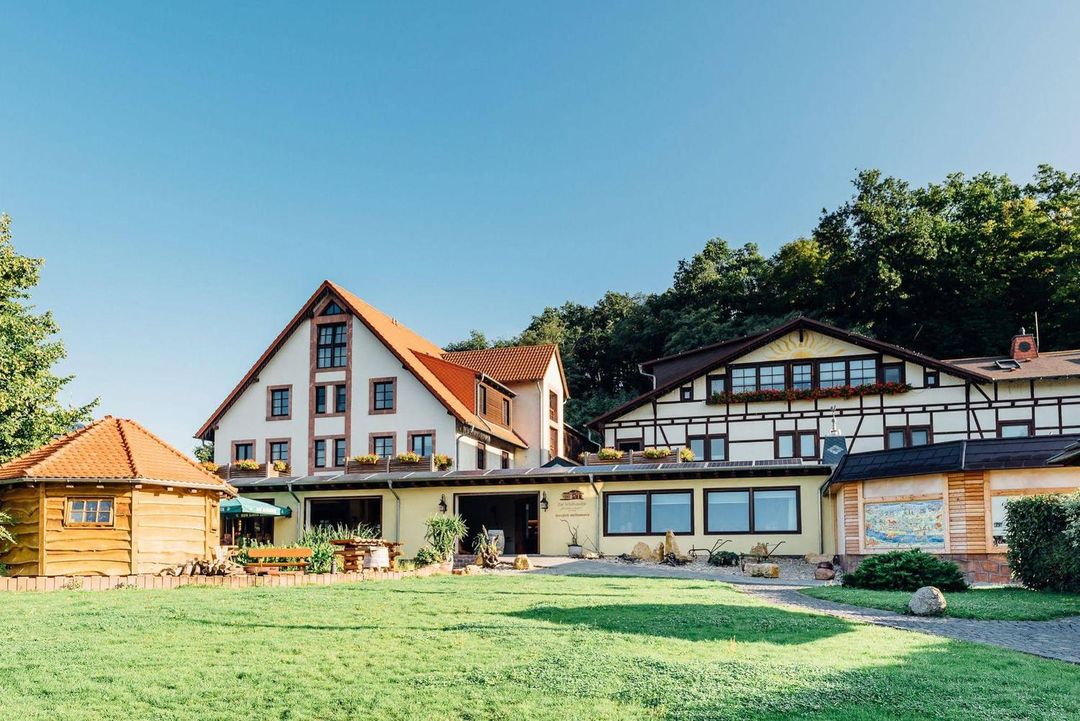
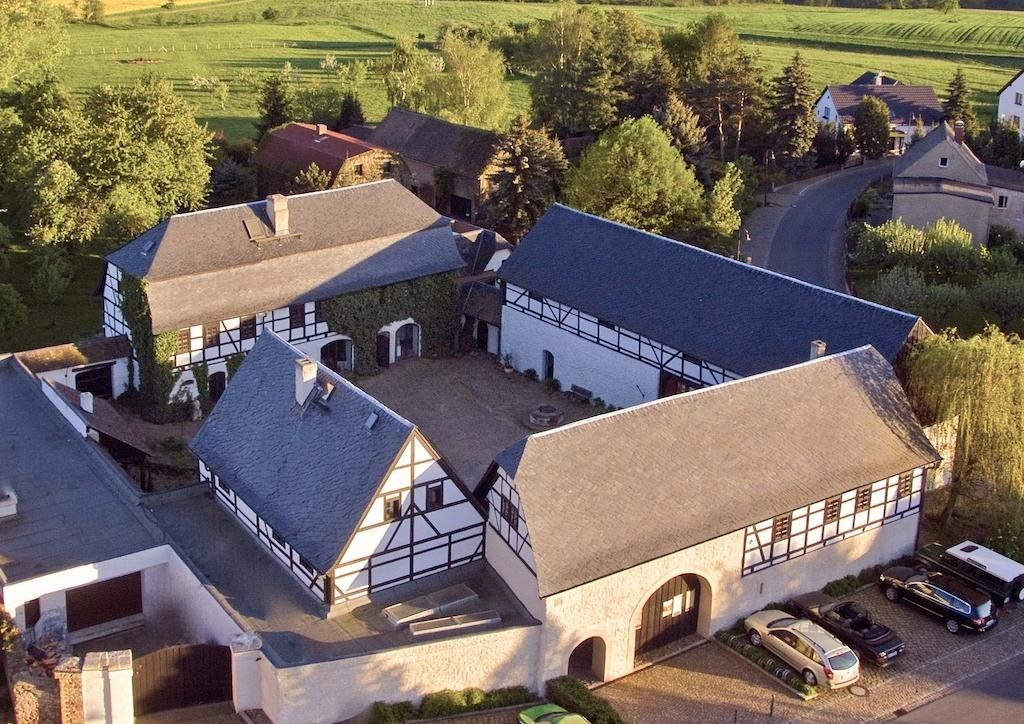
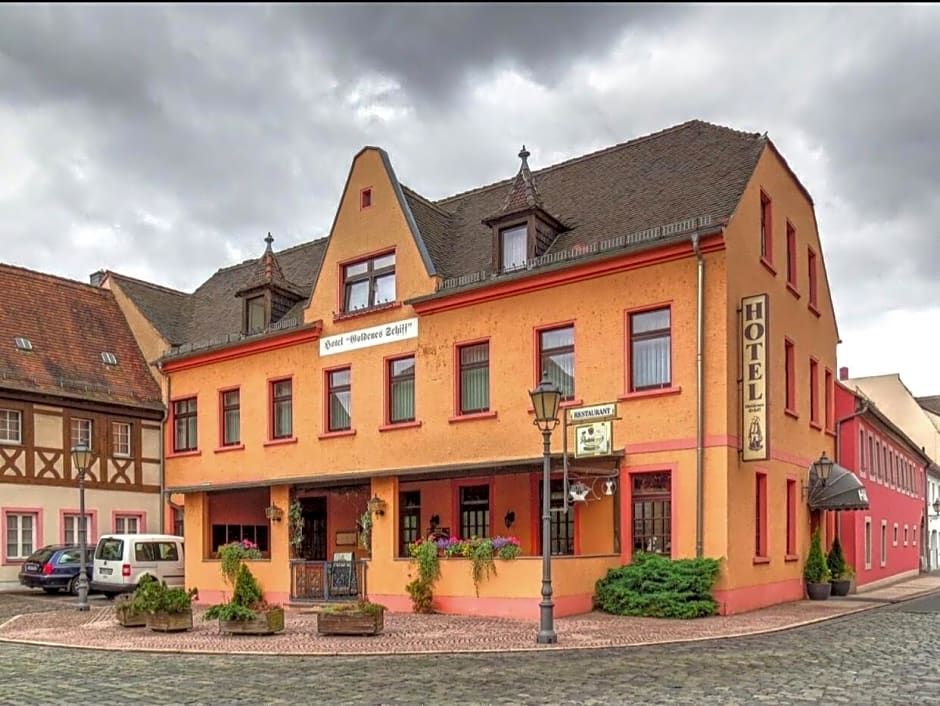
Recommended Hotels in Grimma
Find the perfect place to stay in Grimma
Frequently Asked Questions about Traveling to Grimma
Questions You Might Need to Know About Traveling to Grimma
Grimma Overview
City Summary
Grimma, a picturesque historic town in Saxony, Germany, is nestled along the Mulde River. Known for its medieval architecture, Renaissance-style town hall, and ancient monastery ruins, it once served as the summer residence of Saxon electors. The town's riverside scenery and vineyard terraces create a unique landscape, while its annual wine festival showcases centuries-old viticulture traditions.
Must-See Attractions
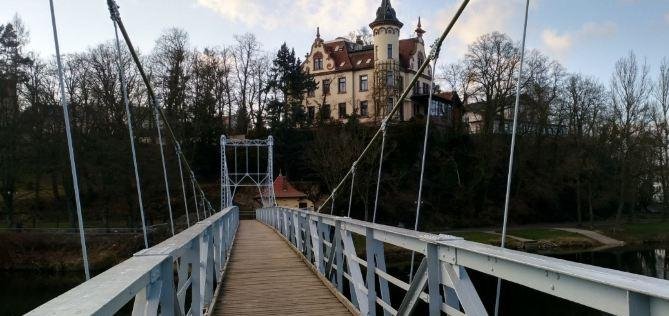
Top attractions include the 12th-century Grimma Castle ruins offering panoramic views of the Mulde Valley. The St. Augustine Monastery features Saxony's best-preserved Gothic cloisters. Around the Renaissance Old Town Hall Square, colorful half-timbered houses cluster, while the riverfront promenade provides perfect vantage points for 19th-century neo-Gothic bridges. History buffs shouldn't miss Reformation-era artifacts at the local museum.
Food Guide
Saxon culinary traditions shine in Grimma. Try Sauerbraten (marinated pot roast) paired with local red wine, or Forelle Müllerin (pan-fried trout) from the Mulde. Bakeries at the market square sell regional variations of Dresdner Stollen (fruitcake), while summer calls for Quarkkeulchen (potato-cheese pancakes) with applesauce. Riverside cafés mix cocktails using Goldriesling white wine from nearby vineyards.
Transportation Guide
Grimma's compact old town is best explored on foot. From Leipzig Hauptbahnhof, take S-Bahn S4 (40-minute direct ride, 2 trains/hour). Driving via A14 autobahn takes 35 minutes. Local buses (operated by VGM) run infrequently (1-2 buses/hour on weekdays). Consider renting bicycles for the well-marked Mulde Radweg cycling path along the river. Note that cobblestone streets make wheeled luggage impractical.
Best Time to Visit
Visit between May-September for lush vineyards and pleasant temperatures (18-25°C). The Grimma Wine Festival (June) and Old Town History Festival (September) draw crowds - book accommodations early. While charming, December's Christmas market sees reduced attraction hours.
Travel Tips
- Churches may close for services Sunday mornings
- Responding "Nu" (Saxon dialect for "yes") endears you to locals
- All shops close Sundays, most close by 4pm Saturdays
- Carry cash (under €50) as some old-town eateries don't accept cards
- Stay behind barriers when photographing slippery riverbanks
- Cyclists have right-of-way on shared paths - step aside when walking
Useful Information
German is primary, though tourism staff speak basic English. 4G coverage exists except in cellars/historic buildings. Hotels accept major credit cards, but smaller vendors prefer EC-cards or cash. For non-emergency medical care, visit Ärztehaus Grimma (appointment recommended). Tap water is potable, though lead pipes in old buildings warrant bottled water. The tourist office provides English-language "Grimma History Trail" booklets with merchant discounts.