Hotels in Grotte di Castro
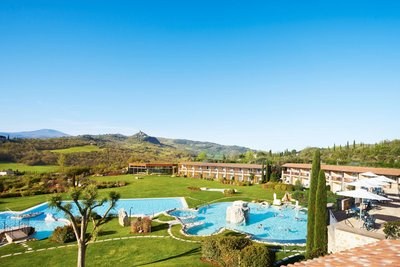
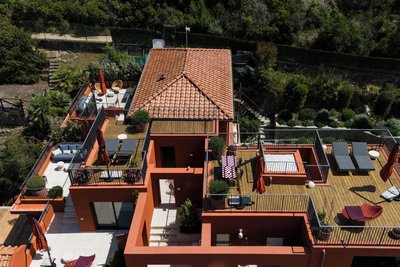
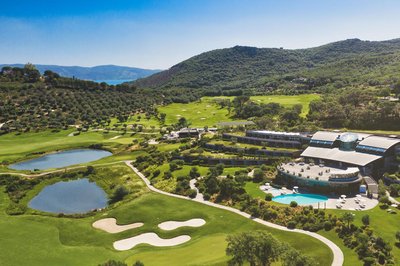
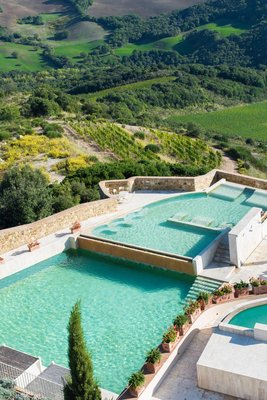
Discover your perfect stay in Grotte di Castro.
Grotte di Castro(Italy) Travel 2026: Cheap Flights, Hotels & Top Attractions
Popular Landmarks in Grotte di Castro
Discover the most iconic attractions in Grotte di Castro
Recommended Hotels in Grotte di Castro
Find the perfect place to stay in Grotte di Castro
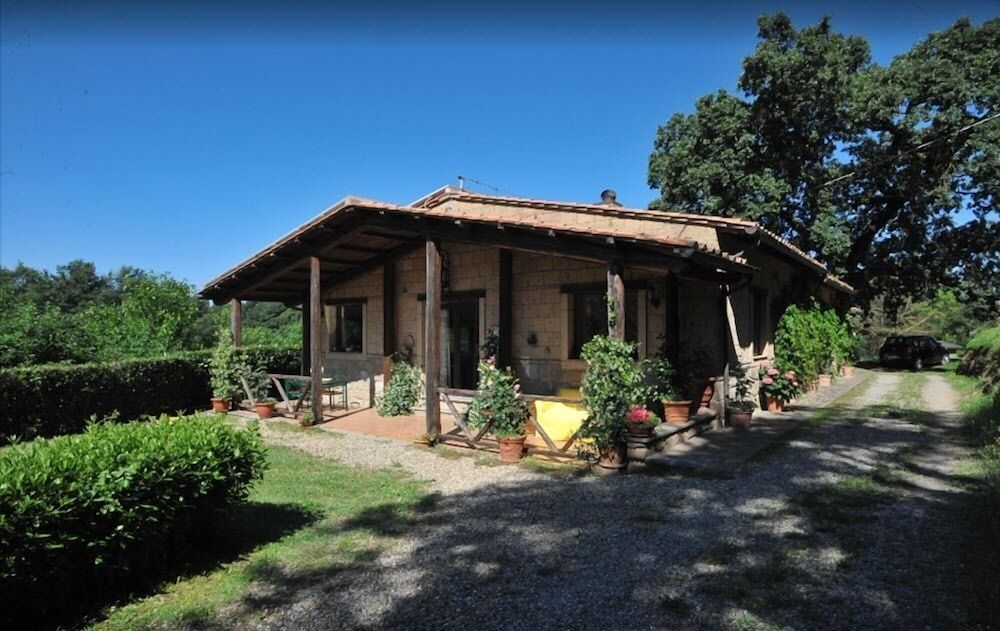
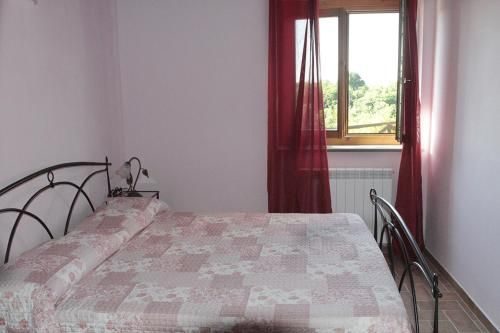
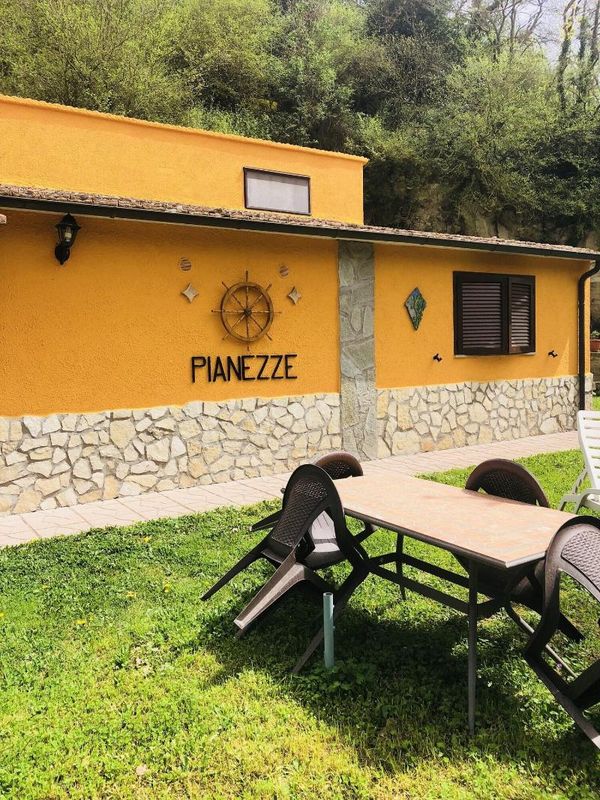
Best Hotels in Grotte di Castro
Discover curated hotel collections in Grotte di Castro




































Frequently Asked Questions about Traveling to Grotte di Castro
Questions You Might Need to Know About Traveling to Grotte di Castro
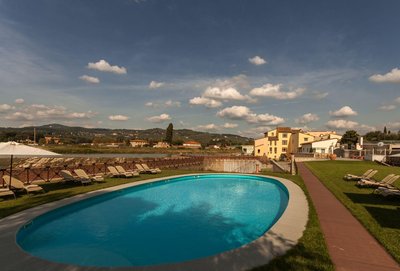
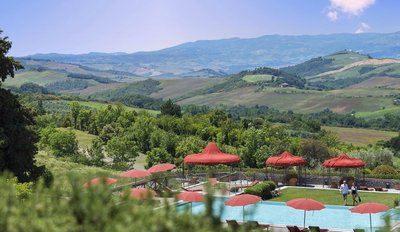
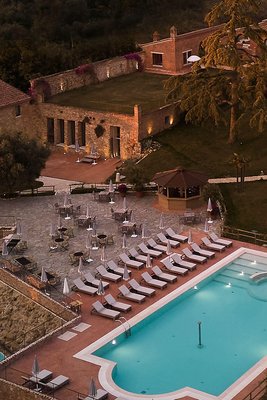
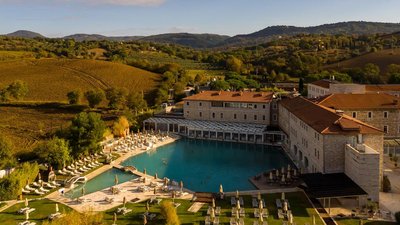
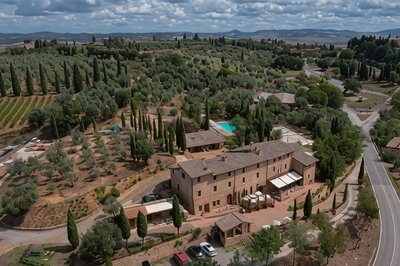
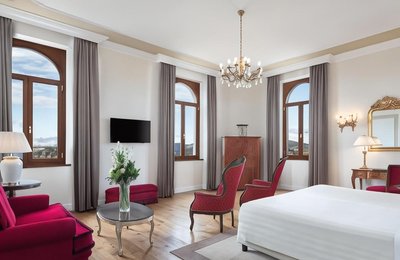
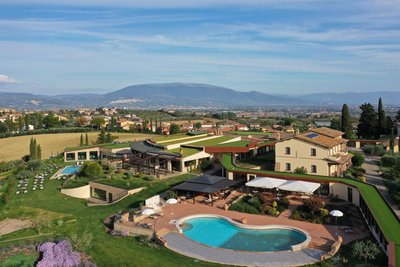
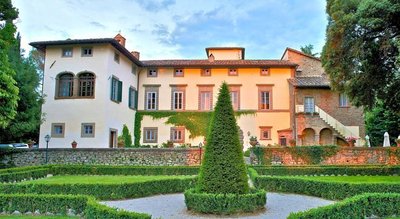
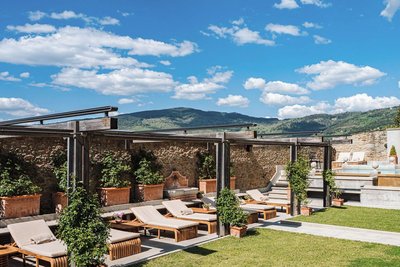
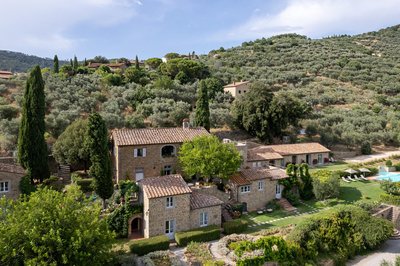
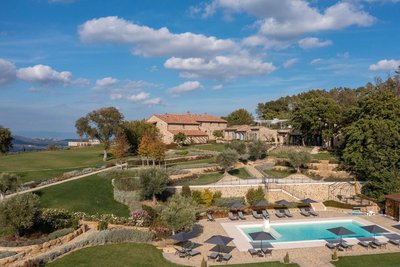
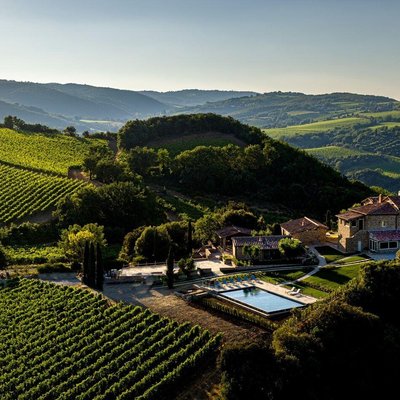
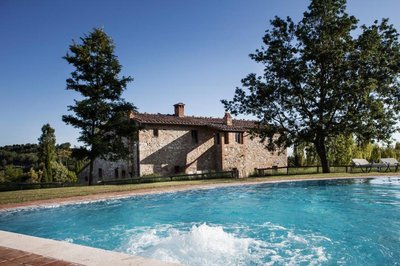
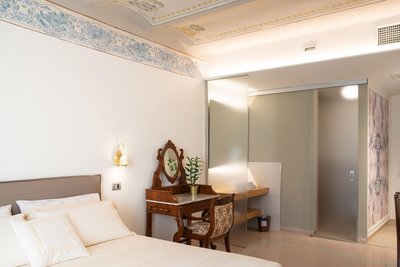
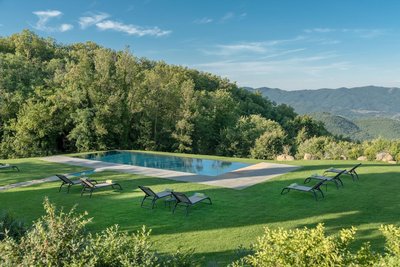
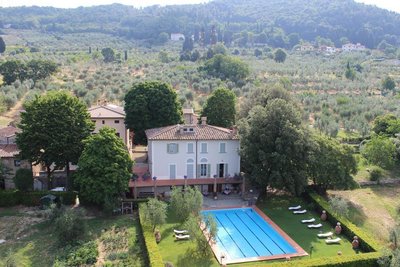
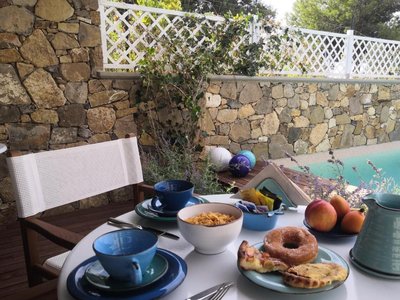
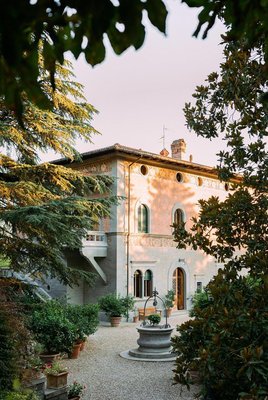
In Grotta di Castro, the top boutique choice is Agriturismo La Vigna, a charming farmstay nestled in the rolling hills of Lazio. This restored 18th-century farmhouse blends rustic charm with modern comfort, offering spacious rooms with stone walls, exposed beams, and handmade textiles. Guests enjoy farm-to-table meals featuring organic produce from on-site gardens and local wines. The property also hosts seasonal workshops on traditional pottery and olive oil pressing. Located just steps from the Church of Santa Maria Assunta, it’s ideal for travelers seeking authenticity and tranquility amidst nature. Nearby hiking trails lead to ancient Roman aqueducts, making it perfect for cultural and outdoor enthusiasts.
The best area to stay in Grotta di Castro is the historic old town center, centered around the Piazza del Municipio and Santa Maria Assunta Church. This compact, pedestrian-friendly zone features cobblestone streets, Renaissance facades, and cozy family-run trattorias. It offers easy access to local events like the annual Madonna Festival, as well as quiet evening strolls beneath lantern-lit alleys. The area is also close to small artisan shops and seasonal markets selling regional crafts and food. Staying here ensures immersion in authentic Lazio culture, while remaining convenient for day trips to Tivoli, Rome, and nearby vineyards.
In Grotta di Castro, one of the most unique cultural experiences is attending the Festa della Madonna, an annual summer celebration featuring religious processions, folk music, and traditional costumes. Visitors can also book guided tours of the ancient Roman aqueduct ruins located just outside town, where archaeologists share insights into ancient water systems. Another highlight is participating in a hands-on pottery workshop at a local studio, where you’ll craft your own piece using traditional techniques passed down through generations. Additionally, the town library hosts monthly lectures on local archaeology and Etruscan history, offering deep insight into the region’s layered past.
Must-try dishes in Grotta di Castro include Pasta alla Gricia—a rich, peppery pasta with guanciale (cured pork cheek), Carciofi alla Romana (braised artichokes), and Pizza di Pasqua, a festive sweet bread traditionally baked during Easter. Many restaurants source ingredients directly from nearby farms, emphasizing freshness and seasonality. Don’t miss Trattoria Vecchia Corte, a family-run gem praised by Italy’s Food Guide for its centuries-old wood-fired oven and authentic recipes. Local specialties like wild boar ragù and olive oil-infused desserts are also worth sampling, especially during harvest festivals.
Yes, Grotta di Castro is highly suitable for families with children. The town features child-friendly walking trails connecting historical sites like the Angel's Creek Path and the Ancient Aqueduct Park, complete with educational signage and safe pathways. Several guesthouses offer kids’ activity rooms, outdoor play areas, and even overnight camping options. The annual **
The best time to visit Grotta di Castro is during spring (April–June) and autumn (September–October). Temperatures average between 15–22°C, with ample sunshine and fewer crowds. Spring brings blooming almond trees and lavender fields, creating picturesque landscapes. Autumn is ideal for harvesting activities—especially truffle hunts and grape picking—offering immersive rural experiences. Summer months (July–August) can be hot and crowded, while winter is cold and rainy. Avoid peak tourist seasons for a more peaceful, authentic experience.
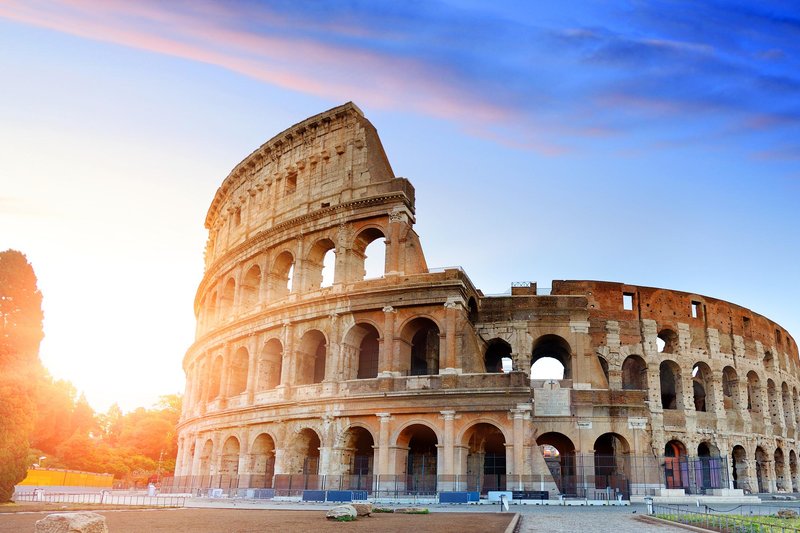
From Grotta di Castro, must-visit nearby attractions include Villa d'Este in Tivoli, a UNESCO World Heritage site renowned for its Baroque fountains and terraced gardens. Just 30 km away, Rome offers iconic landmarks like the Colosseum, Vatican City, and Trevi Fountain. The Ancient Roman Aqueduct Ruins near Grotta di Castro itself are perfect for history lovers and hikers. Nature enthusiasts should explore Montefiore Forest Reserve, which offers scenic trails, birdwatching, and picnic spots. All these destinations are accessible by regional bus or car, making them ideal day-trip options.
Public transportation in Grotta di Castro is limited but functional. Regional buses operated by Lazio Bus run several times daily between the town and major hubs like Rome and Tivoli. Within the town, most attractions are within walking distance, and there are no metro or tram lines. For greater flexibility, renting a car or bicycle is recommended, especially for exploring rural roads and vineyards. Some guesthouses provide free shuttle services to key points. Travelers heading to distant sites can take a bus to Roma Termini Station, then transfer to metro or train networks.
For couples, Grotta di Castro offers unforgettable romantic experiences. Stay at La Casa del Sole, a private villa with a panoramic terrace overlooking vineyards—perfect for stargazing or candlelit dinners. Take a sunset walk along the cobblestone lanes near Santa Maria Assunta Church, where soft church bells echo in the breeze. Book a private cooking class at a local farm, learning to make tiramisu and pair it with handcrafted wine. In May, visit the Rose Valley (Valle dei Rosa), where blooming roses create a dreamy backdrop for photos and intimate moments. The town’s serene ambiance makes it a hidden gem for love-filled getaways.
In Grotta di Castro, authentic souvenirs can be found at the weekly artisan market held in the Piazza del Municipio, featuring handmade ceramics, embroidered textiles, natural candles, and olive wood carvings. Look for locally made woven baskets and lavender sachets as keepsakes. The gift shop at Agriturismo La Vigna sells premium products like cold-pressed olive oil, truffle spreads, and organic honey—directly sourced from the farm. For something truly special, consider purchasing a limited-edition postcard set featuring vintage maps and architectural sketches of the town’s historic buildings, each signed by a local artist.
Grotte di Castro Overview
City Summary
Grotte di Castro is a charming town in the Lazio region of Italy, known for its medieval architecture and tranquil rural atmosphere. The town boasts a rich historical heritage, especially its ancient Roman ruins and traditional handicrafts. Visitors can experience authentic Italian countryside life, away from the hustle and bustle of cities.
Must-See Attractions
Grotte di Castro attracts tourists with its historical buildings and natural scenery. Must-visit sites include the Church of San Giovanni, a centuries-old church, and the ancient Roman ruins, showcasing Roman-era architecture. The town also features numerous handicraft shops, where visitors can admire or purchase unique Italian artisan goods.
Food Guide
The local cuisine embodies traditional Italian rural flavors. Try handmade pastas like freshly made "Tagliatelle" with local mushroom sauce. Don’t miss the roast lamb and farmhouse wine, which are local specialties. For street food, Porchetta sandwiches and fried olives are must-tries.
Transportation Guide
In Grotte di Castro, the main modes of transportation are buses and taxis. The town is small, making walking a viable option. Buses from Rome or other Lazio cities take about 1-2 hours. Visitors are advised to check bus schedules in advance or rent a car to explore the surrounding countryside more freely.
Best Time to Visit
The best times to visit are spring (April-June) and autumn (September-October), when the weather is pleasant and crowds are smaller. Summers are hot and busy, while winters are cold and quiet.
Travel Tips
- Respect local customs; dress appropriately when visiting churches.
- The town has cobbled streets, so wear comfortable walking shoes.
- Many shops and restaurants close between 1-3 PM, so plan your shopping and dining accordingly.
- If driving, note that many areas in town are pedestrian-only; park on the outskirts.
- Exchange euros in advance, as some small shops don’t accept credit cards.
- Learning basic Italian greetings will make locals more friendly.
Useful Information
In Grotte di Castro, Italian is the main language, but some merchants speak English. Internet coverage is good, but consider getting a local SIM card. Cash is the primary payment method, though some restaurants and hotels accept credit cards. For emergencies, dial 112 (EU-wide emergency number). The town has no major hospitals; the nearest medical facilities are in nearby cities.