Hotels in Guiguinto
Discover your perfect stay in Guiguinto.
Guiguinto(Philippines) Travel 2026: Cheap Flights, Hotels & Top Attractions
Popular Landmarks in Guiguinto
Discover the most iconic attractions in Guiguinto
Recommended Hotels in Guiguinto
Find the perfect place to stay in Guiguinto
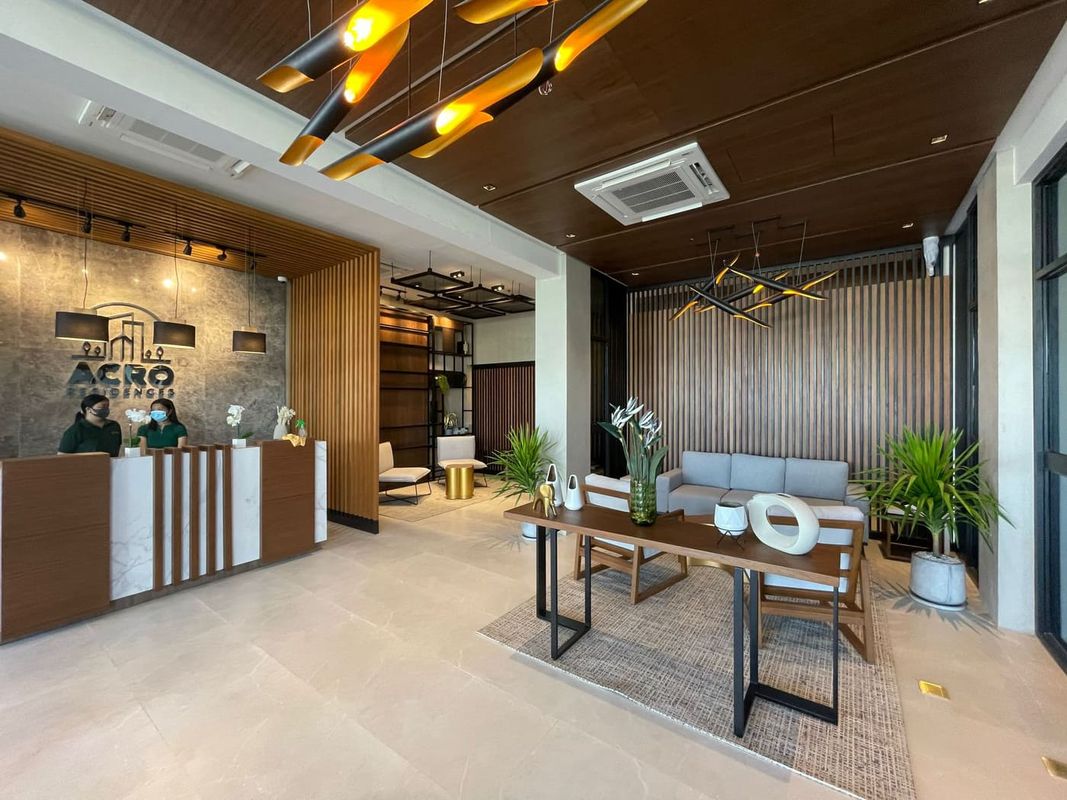
Best Hotels in Guiguinto
Discover curated hotel collections in Guiguinto
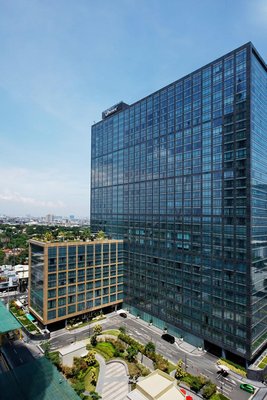
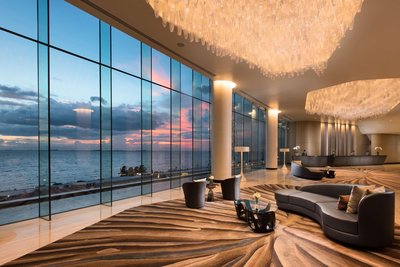
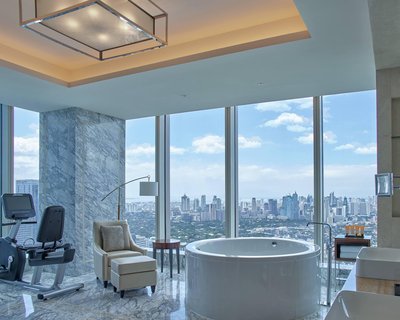






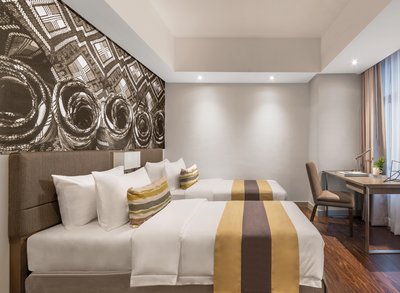
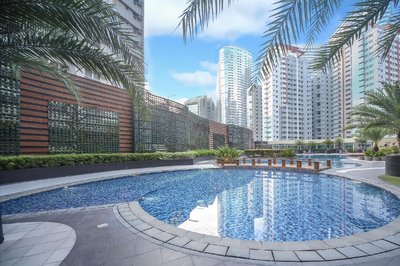


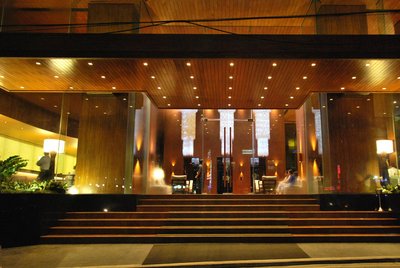


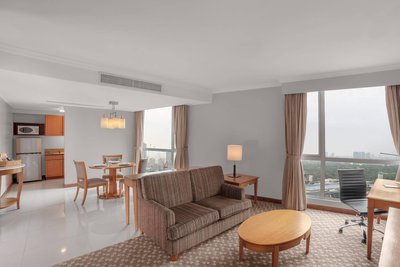















Frequently Asked Questions about Traveling to Guiguinto
Questions You Might Need to Know About Traveling to Guiguinto
For budget travelers, Gikinoto Hostel Hub stands out with affordable dorms and private rooms starting at ₱600 per night. Located just a 5-minute walk from the city center, it offers shared kitchens, free Wi-Fi, and a rooftop terrace perfect for socializing. The hostel organizes weekly local tours, cooking classes, and cultural nights, helping guests connect with locals. Nearby, Manila Boulevard Night Market provides street food and handmade crafts. With 24-hour front desk service and bike rentals, it’s ideal for backpackers seeking comfort and community without breaking the bank.
Downtown Gikinoto is the top choice for first-time visitors due to its central location and access to key attractions. Here, you’ll find the Church of Our Lady of the Assumption, vibrant markets like Gikinoto Public Market, and cozy cafes serving authentic Barako coffee. Most mid-range hotels and guesthouses cluster around this area, offering good value and easy walking access. The streets are lively but safe, with friendly locals and plenty of dining options—from roadside adobo stalls to family-run restaurants. Evening strolls along Kawagbo Riverwalk offer scenic views and a peaceful end to the day.
To experience authentic Filipino culture in Gikinoto, attend the Balangbangan Festival held monthly, featuring traditional dances, local crafts, and regional cuisine. Visit the Gikinoto Historical Museum to explore colonial-era artifacts and independence stories. Don’t miss trying lechon kawayan (whole roasted pig) and halo-halo at Manila Boulevard Night Market—both staples of Filipino home cooking. For hands-on immersion, join a Ilocano bamboo weaving workshop hosted by local artisans. These experiences offer deep insight into daily life, traditions, and craftsmanship unique to the region.
The most photogenic spots in Gikinoto include the Church of Our Lady of the Assumption, with its striking white façade and Gothic spires, especially stunning at golden hour. The Kawagbo River Bridge, draped in vines and flanked by century-old trees, offers a romantic, rustic backdrop for portraits. The Municipal Plaza Fountain becomes a living canvas during weekend art exhibitions, while Lakeview Park features serene lakeside benches and illuminated pathways perfect for evening shots. Early mornings or late afternoons provide soft lighting, ideal for capturing the city’s charm in high-quality photos.
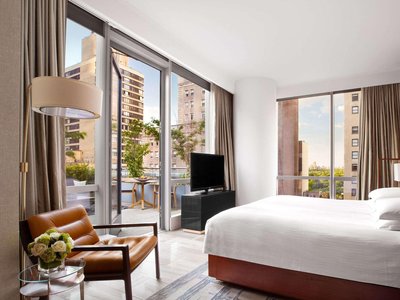
For couples seeking romance, Lakeside Retreat Gikinoto is unparalleled. Nestled beside Gikinoto Lake, this boutique retreat offers spacious suites with private balconies overlooking the water. Each room features ambient lighting, premium bedding, and a sound system for personalized playlists. Guests can enjoy private dinner setups on the deck, complete with locally sourced dishes and wine pairings. At night, rent a paddleboat for a quiet ride across the lake or watch an open-air movie under the stars. The intimate atmosphere and breathtaking views make it a dream destination for honeymooners and couples celebrating milestones.
Must-try dishes in Gikinoto include Lechon Kawayan—slow-roasted whole pig over bamboo, served with tangy vinegar dip; Adobo, a savory stew of meat simmered in soy sauce, vinegar, and garlic; and Halo-Halo, a refreshing dessert combining shaved ice, coconut milk, beans, and fruit. Sample these at Manila Boulevard Night Market, where vendors serve homemade versions. Also try Balangbangan Juice, a tropical blend of mango and pineapple, and Kalamay, a sticky sweet made from glutinous rice and coconut sugar. These flavors represent the heart of Filipino home cooking and are deeply rooted in local tradition.
Gikinoto has a tropical climate with a rainy season from May to October, bringing high humidity and sudden downpours. When choosing accommodations, opt for hotels with air conditioning, dehumidifiers, and elevated floors—like Blue Sea Gikinoto Hotel—to stay comfortable. Avoid low-lying areas prone to flooding. Pack light, breathable clothing, rain gear, and waterproof shoes. Plan indoor activities such as museum visits or spa treatments during peak rainfall. HopeGoo stays with indoor lounges, gyms, or event spaces ensures flexibility regardless of weather. Staying aware of seasonal patterns helps maximize comfort and enjoyment.
For business travelers, Gikinoto International Conference Hotel is the top choice. Located near the Central Luzon Regional Office, it features high-speed Wi-Fi, modern meeting rooms, and a 24-hour business center with printing and video conferencing. Rooms come with ergonomic desks and noise-reducing walls for focused work. The hotel offers airport transfers, executive check-in, and concierge services. Nearby are banks, courier services, and upscale dining venues ideal for client meetings. With a short 7-minute walk to the Gikinoto Convention Center, it’s perfect for hosting conferences, workshops, or corporate retreats.
Nighttime in Gikinoto comes alive with vibrant activities. Head to Manila Boulevard Night Market for sizzling street food, live music, and handmade souvenirs. Attend the Lakeview Concert Series, held every Saturday, featuring local folk and indie artists. The Municipal Plaza Light Show transforms the square with animated projections telling the city’s history. Some hotels, like Gikinoto Garden Hotel, host stargazing nights and meditation sessions. For a relaxed vibe, sip fresh coconut water at a riverside café while listening to acoustic guitar tunes—perfect for unwinding after a long day.
Gikinoto stands out in Central Luzon for its blend of preserved heritage, lively festivals, and tranquil natural beauty. Unlike larger cities, it maintains a small-town charm with strong community ties and authentic local traditions. Its Balangbangan Festival and Kawagbo Riverwalk offer immersive cultural and scenic experiences rarely found elsewhere. The city also boasts a rich agricultural legacy, evident in its farm-to-table dining culture. With affordable lodging, warm hospitality, and proximity to nature reserves, Gikinoto delivers a balanced mix of adventure, relaxation, and cultural discovery—making it a hidden gem worth exploring.
Guiguinto Overview
City Summary
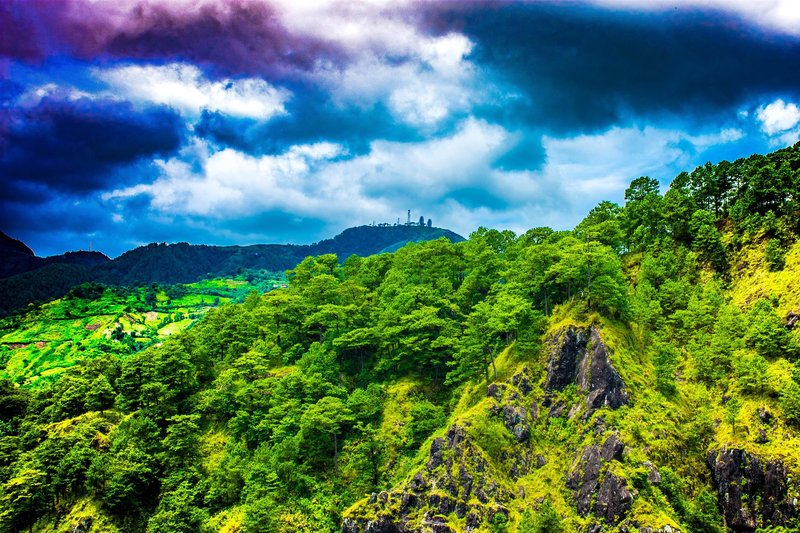
Guimba, located in the Central Luzon region of the Philippines, is a small town renowned for its stunning mountain landscapes and authentic Filipino rural life. Ideal for those seeking tranquility and adventure, it offers a glimpse into traditional culture.
As an underdeveloped tourist destination, Guimba retains a strong local cultural atmosphere, allowing visitors to experience genuine Filipino countryside charm. Nearby nature reserves and waterfalls are paradise for hikers.
Must-See Attractions
Key attractions include Mt. Damas, a majestic mountain perfect for hiking, offering panoramic views of Central Luzon. The Bangkong Kahoy Valley provides serene natural surroundings with fresh mountain air.
Culture enthusiasts can visit traditional villages to learn about local lifestyles and handicrafts. Evening folk music performances showcase the region’s rich cultural heritage.
Food Guide
Guimba’s cuisine features traditional Filipino rural dishes. Must-tries include Sinigang na Baboy (sour pork soup) and Adobo (braised meat in soy sauce), which are local staples.
Street food like BBQ skewers and Halo-halo (mixed dessert) are also popular. Many small eateries use fresh local ingredients, offering authentic home-style flavors.
Transportation Guide
Public transport mainly relies on Jeepneys and Tricycles, the most common and affordable options.
From Manila, long-distance buses to Guimba take 3-4 hours. There is no metro system; renting a motorbike is convenient for exploring nearby natural spots. Check transport schedules in advance, especially in remote areas.
Best Time to Visit
The best time to visit is the dry season (November-February), with cooler and less rainy weather ideal for outdoor activities. Avoid the rainy season (June-October) when some roads may become impassable.
Travel Tips
- Respect local culture; dress modestly when visiting villages or religious sites.
- Carry cash as small vendors and remote areas may not accept cards.
- Drink bottled water to avoid stomach issues.
- Learn basic Filipino phrases for smoother communication.
- Use sunscreen and insect repellent; mountain areas have more bugs.
- Arrange transport in advance as remote attractions have limited public transit.
Useful Information
Tagalog is the main language, but English is widely understood in tourist areas. Internet coverage can be spotty; buy a local SIM card in town.
Cash is preferred; few restaurants and hotels accept cards. Medical facilities are limited; bring basic medications and travel insurance. Emergency numbers: Police (117), Ambulance (912-3546). Voltage is 220V with US-style two-pin plugs.
Other Cities You Might Like
Explore more amazing destinations