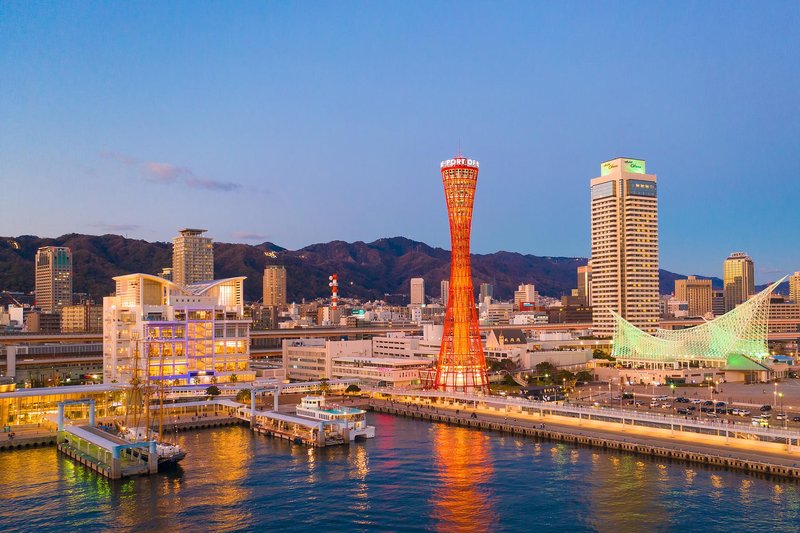
Hotels in Gujō
Discover your perfect stay in Gujō.
Gujō(Japan) Travel 2026: Cheap Flights, Hotels & Top Attractions
Popular Landmarks in Gujō
Discover the most iconic attractions in Gujō
Recommended Hotels in Gujō
Find the perfect place to stay in Gujō
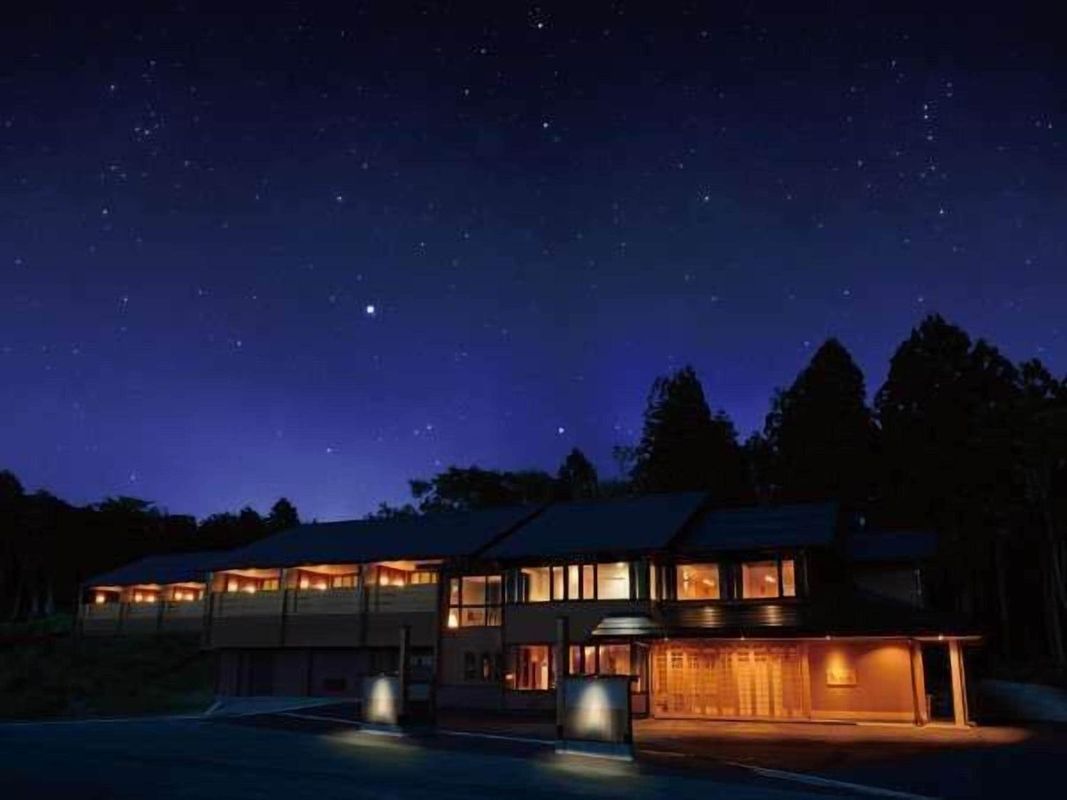
Manten No Yado
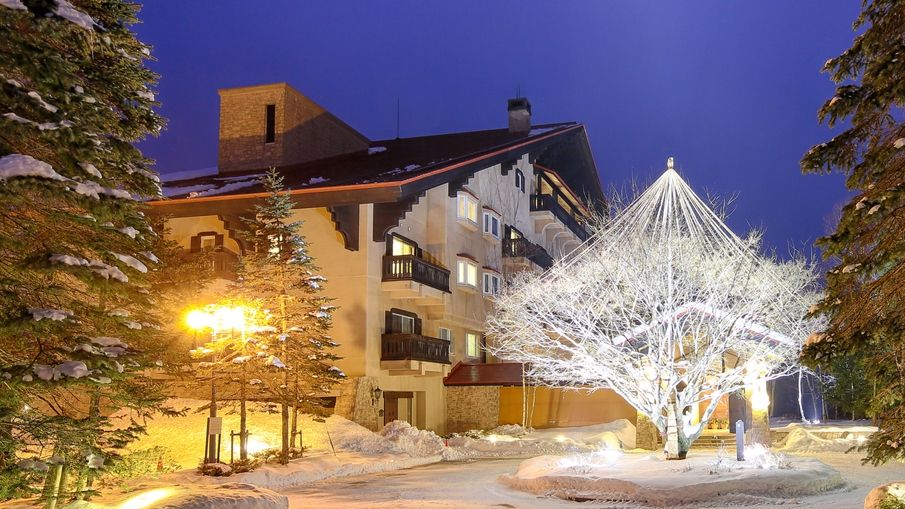
Sun Members Hirugano
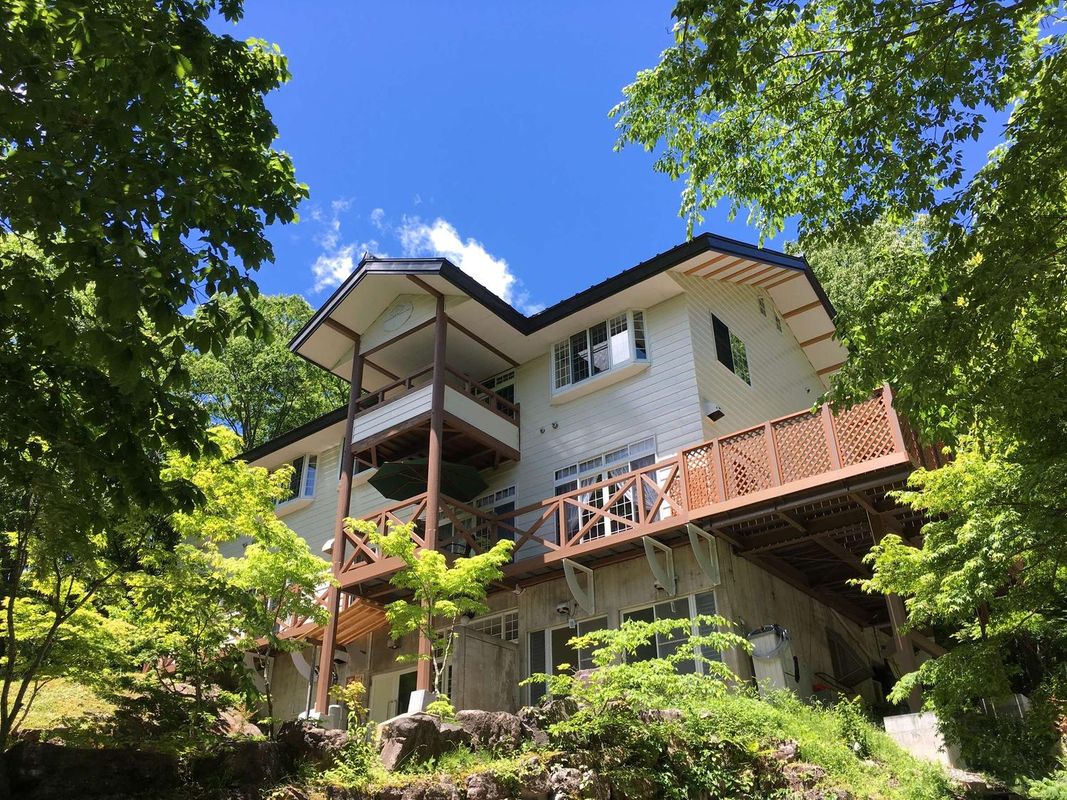
Resort Pension Shikisai
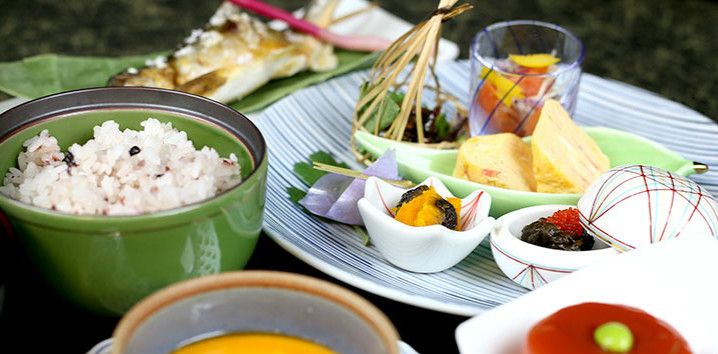
Hatago Azumaya
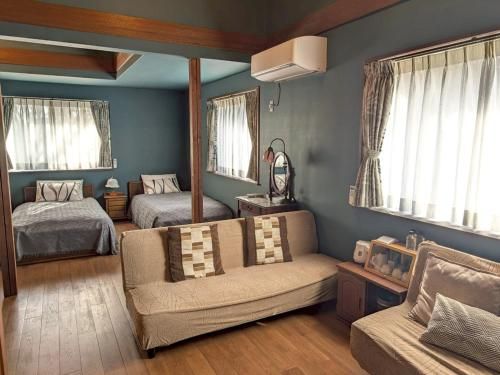
Pension Green Lake
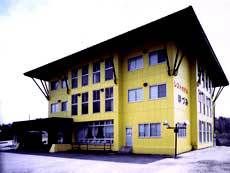
Rest Hotel Hozumi
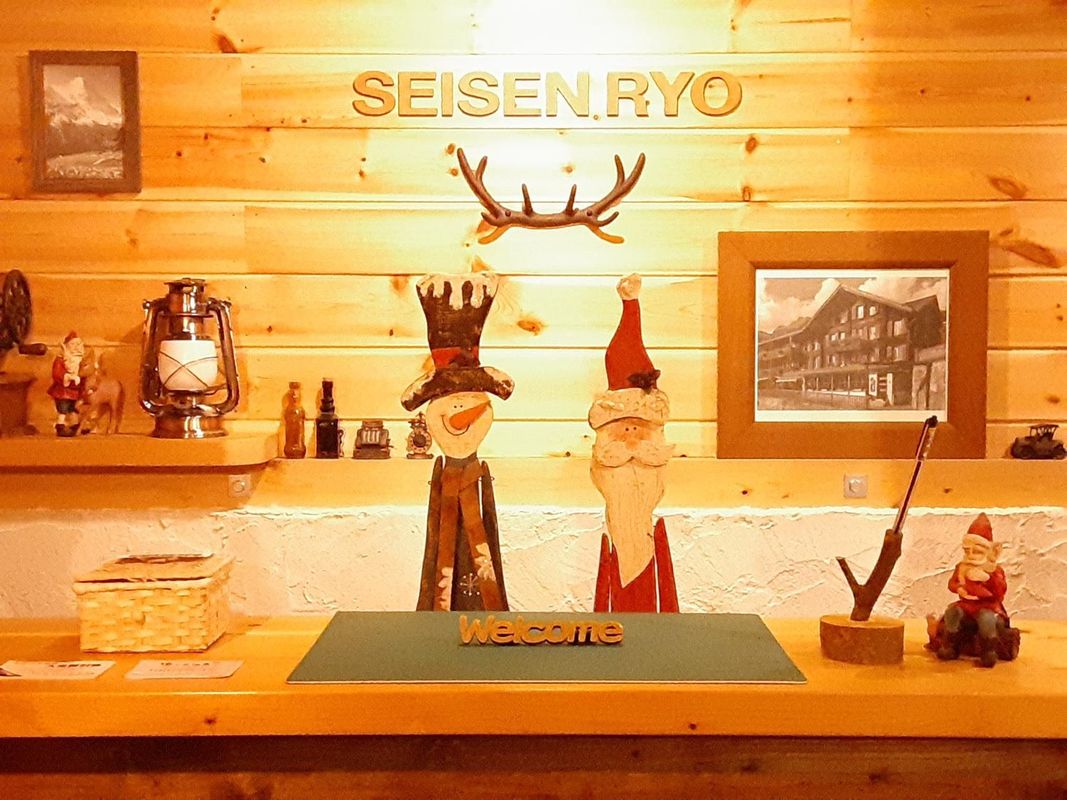
Seisen-Ryo (Seisen-Ryo)
Best Hotels in Gujō
Discover curated hotel collections in Gujō
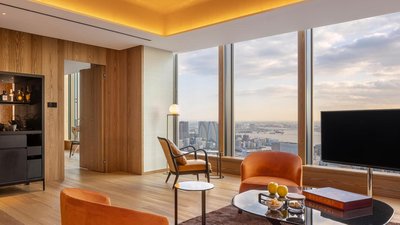
Bvlgari Hotel Tokyo
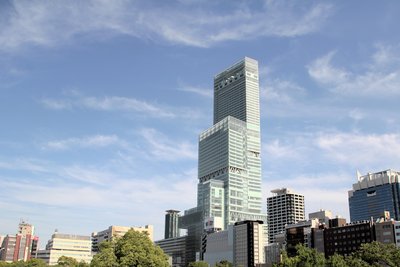
Osaka Marriott Miyako Hotel

The Ritz-Carlton, Osaka
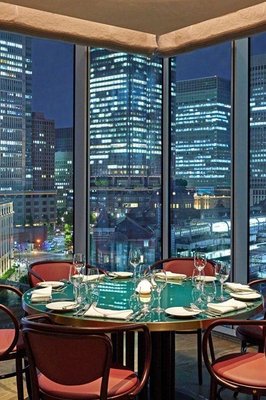
Four Seasons Hotel Tokyo at Marunouchi

Mandarin Oriental, Tokyo
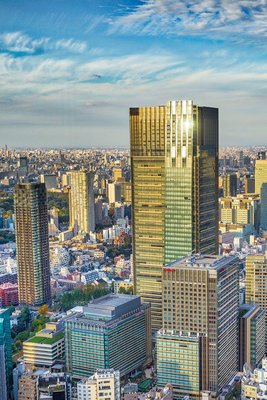
The Ritz-Carlton, Tokyo
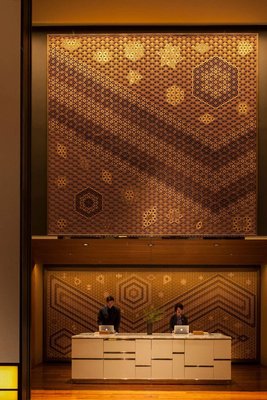
Andaz Tokyo Toranomon Hills- A Concept by Hyatt
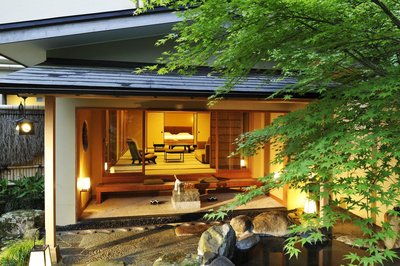
Gora Kadan
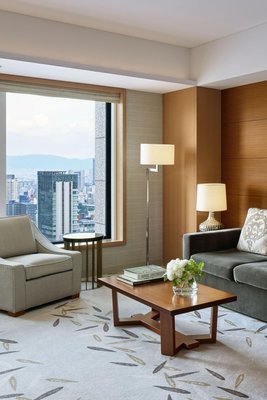
InterContinental Hotel Osaka
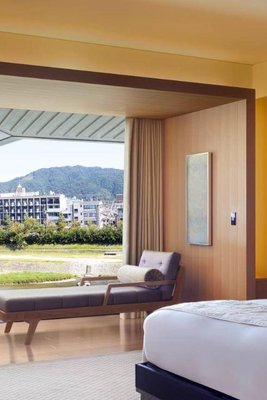
The Ritz-Carlton, Kyoto
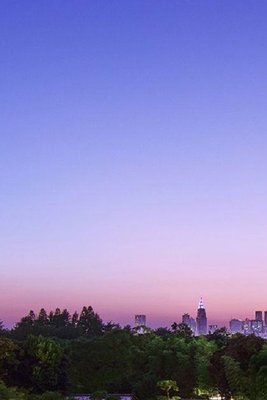
Hotel New Otani Tokyo the Main
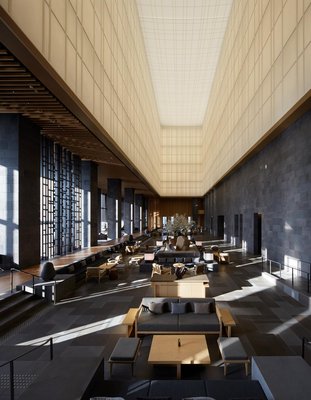
Aman Tokyo
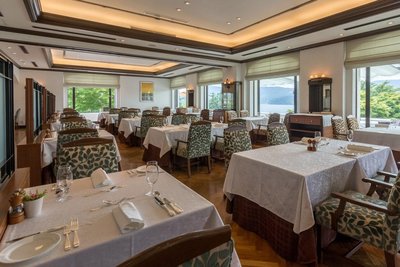
Odakyu Hotel de Yama
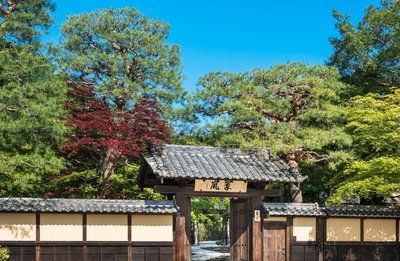
Suiran, a Luxury Collection Hotel, Kyoto
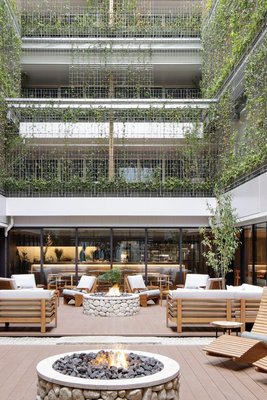
GOOD NATURE HOTEL KYOTO
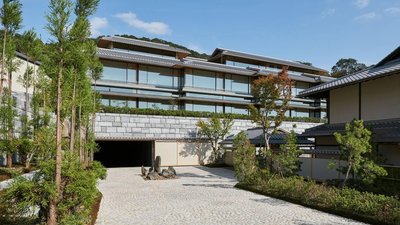
Park Hyatt Kyoto
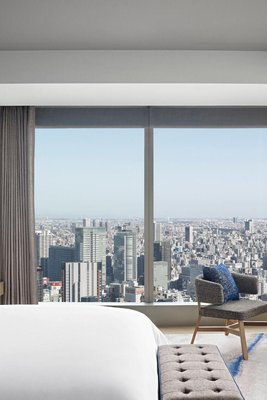
Four Seasons Hotel Tokyo at Otemachi
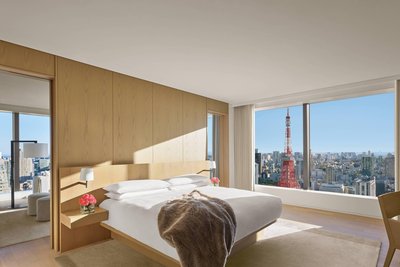
The Tokyo Edition, Toranomon

Hyatt Centric Kanazawa
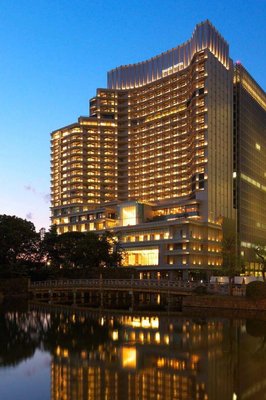
Palace Hotel Tokyo
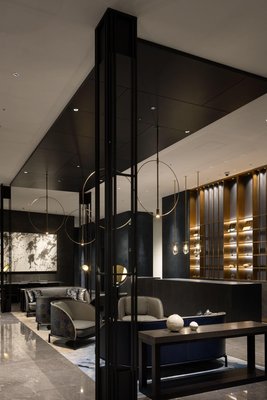
Bellustar Tokyo, A Pan Pacific Hotel
Bvlgari Hotel Tokyo
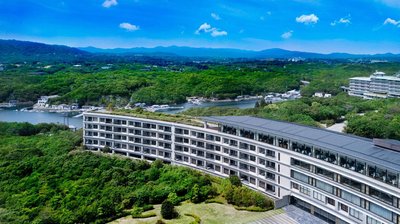
Shima Kanko Hotel the Bay Suites
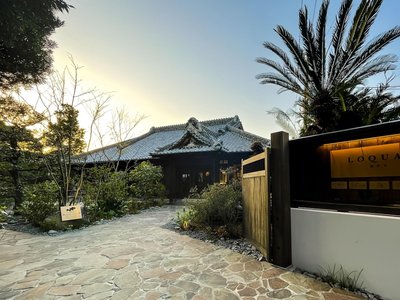
Loquat Nishiizu
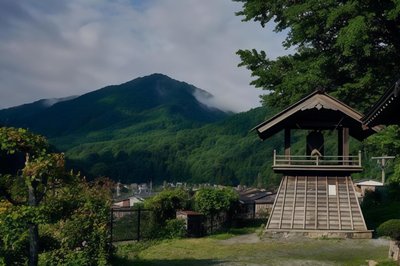
Byaku Narai
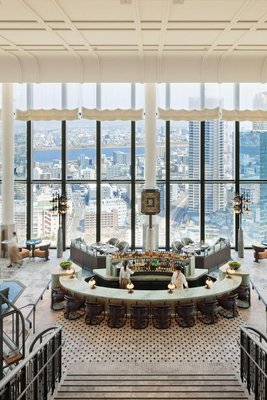
Waldorf Astoria Osaka
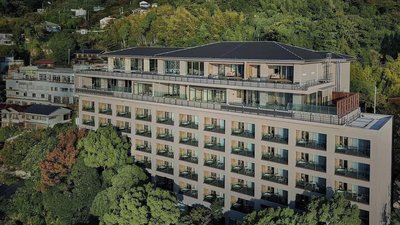
Atami Izusan Karaku
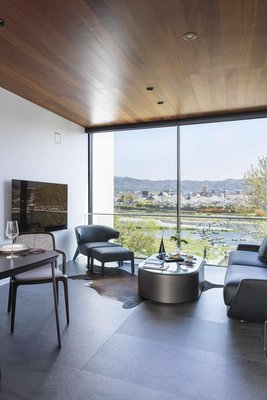
Kamo Residences by Reflections
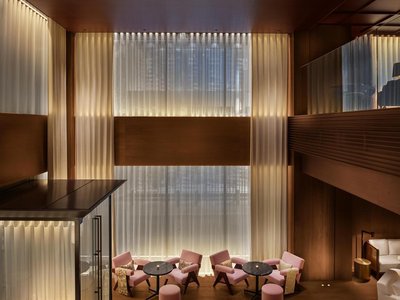
The Tokyo Edition, Ginza
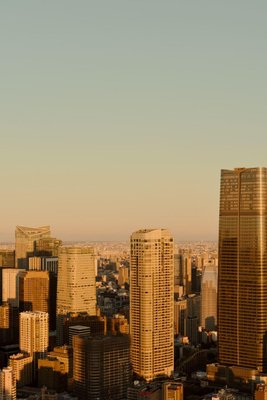
Janu Tokyo
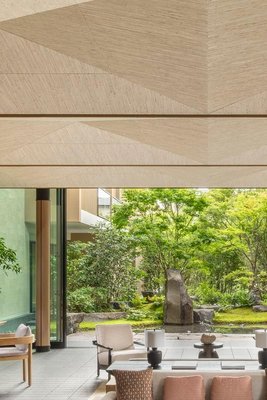
Six Senses Kyoto
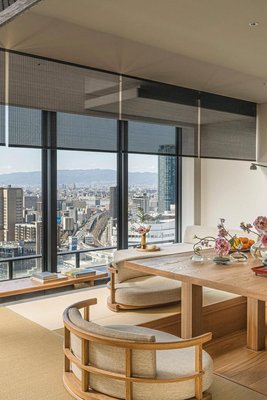
Four Seasons Hotel Osaka
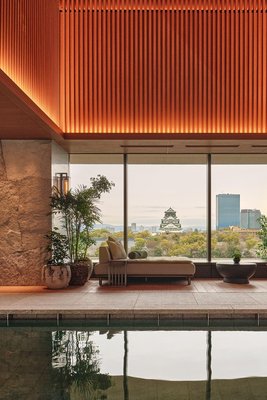
Patina Osaka
The Ritz-Carlton, Osaka
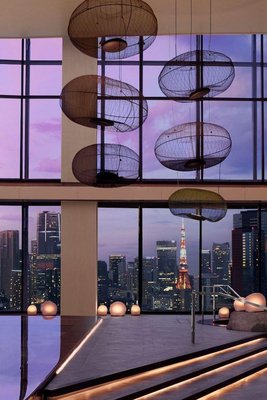
JW Marriott Hotel Tokyo
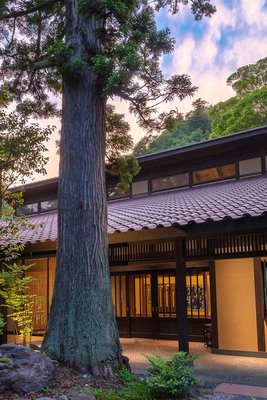
Arimasansoh Goshobessho
Four Seasons Hotel Tokyo at Marunouchi
Mandarin Oriental, Tokyo
The Ritz-Carlton, Tokyo
Andaz Tokyo Toranomon Hills- A Concept by Hyatt

The Address Akakura
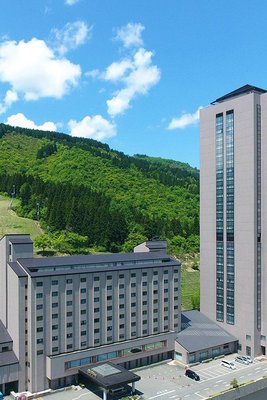
Naspa New Otani
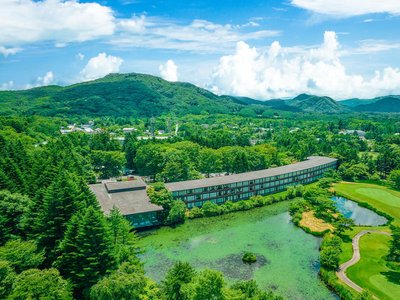
The Prince Karuizawa
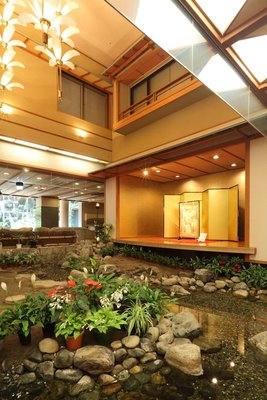
Hotel Futaba
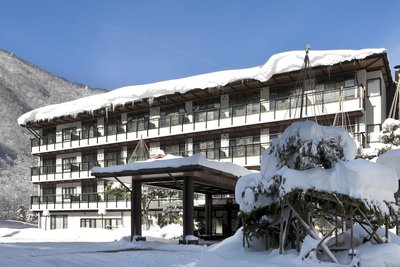
Okada Ryokan Warakutei
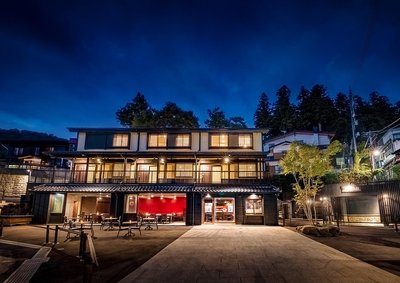
Ryokan Sakaya
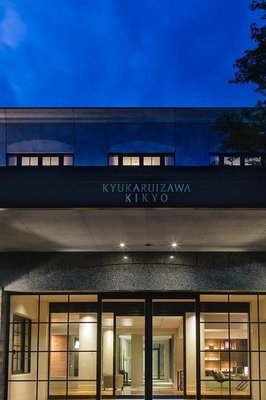
Kyukaruizawa Kikyo, Curio Collection by Hilton
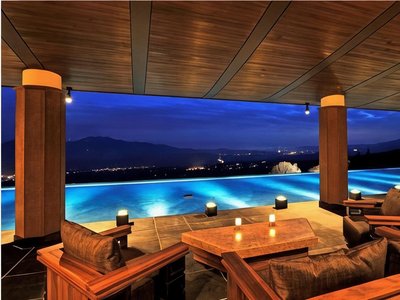
Akakura Kanko Hotel
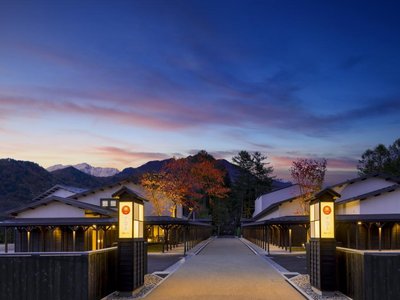
Hoshino Resorts KAI Alps
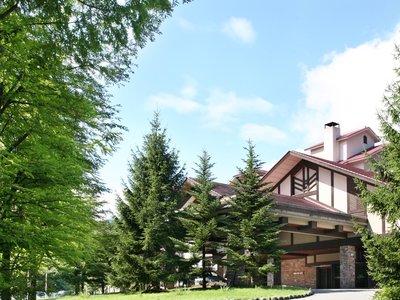
Hakuba Tokyu Hotel
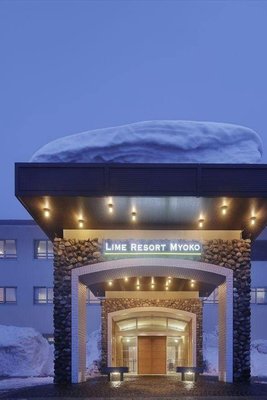
Lime Resort Myoko
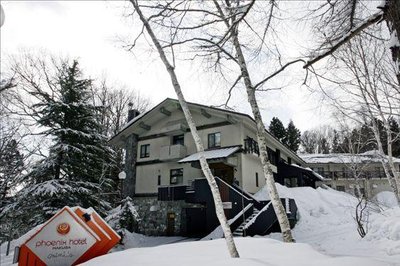
Phoenix Hotel by Hhg
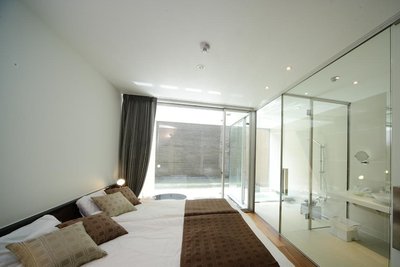
Four Seasons Yuzawa Quattro

Courtyard by Marriott Hakuba
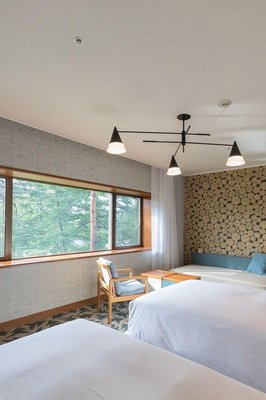
Karuizawa Prince Hotel East
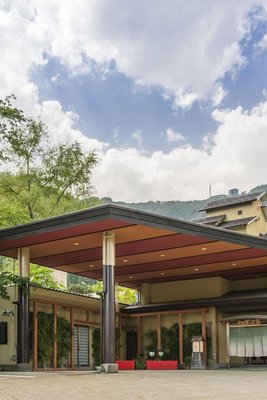
Shosenkaku Kagetsu
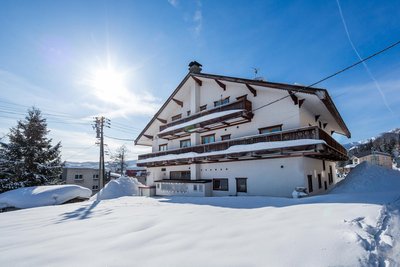
Marillen Hotel by Hhg
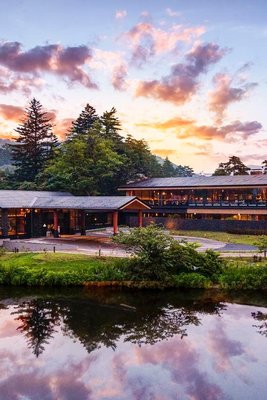
Karuizawa Prince Hotel West
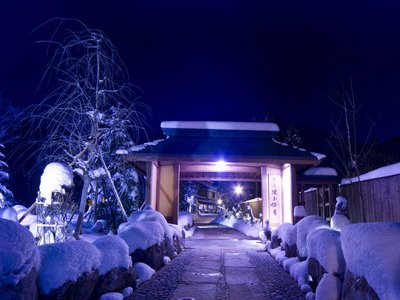
Miyama Ouan
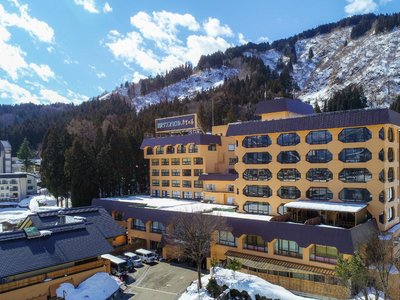
Yuzawa Grand Hotel
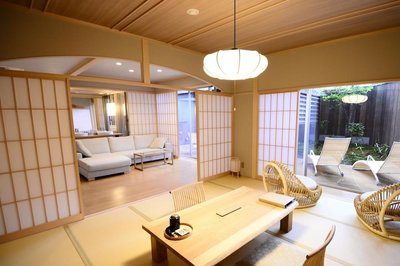
Hakone Gora Byakudan

Toba International Hotel Shiojitei
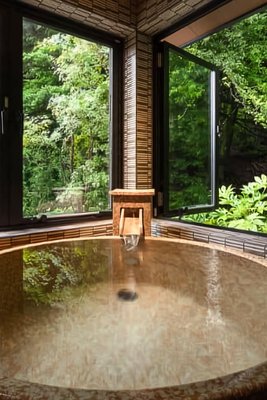
Hakkai Konohanakan
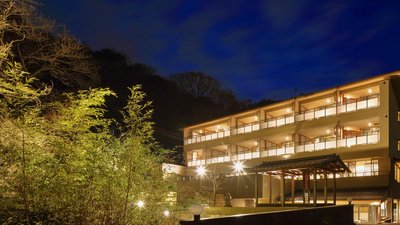
Okuno Hosomichi
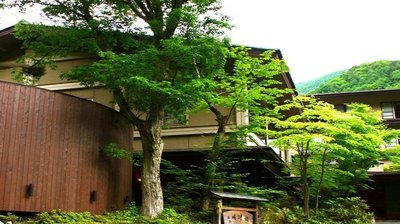
Myojinkan
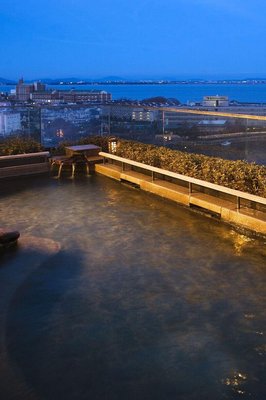
Yumotokan
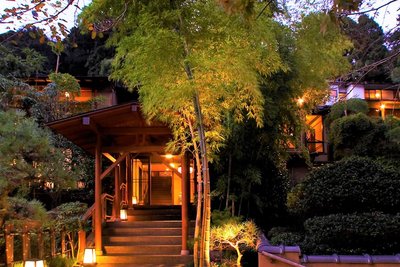
Shiki wo Ajiwau Yado Yamano Chaya
Arimasansoh Goshobessho
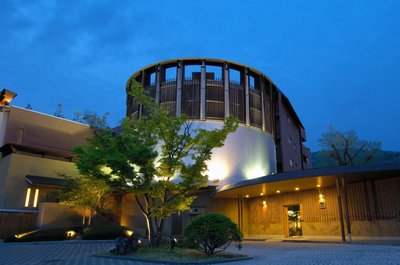
Hoshino Resorts Kai Matsumoto
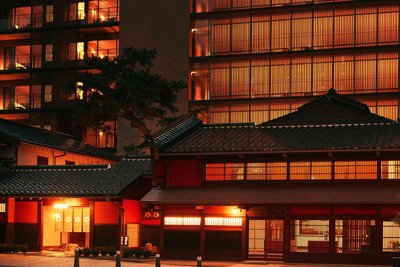
Hoshino Resorts Kai Kaga
The Address Akakura

Taikyourou
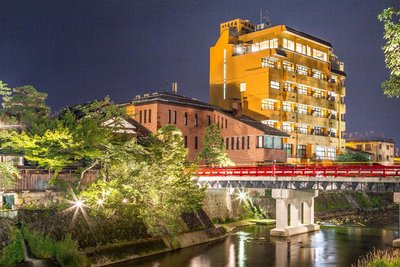
HONJIN HIRANOYA BEKKAN
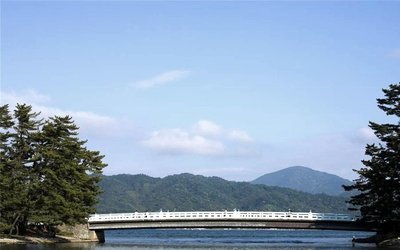
Monjusou Shourotei
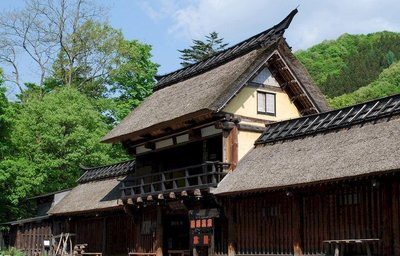
Kayabukinosato Yakushionsen Hatago

Tokinoniwa
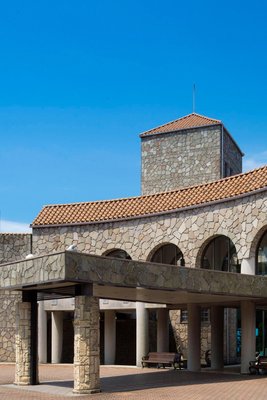
Izumigo Hotel Altia Toba
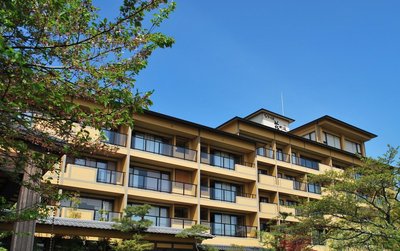
BIWAKO HANAKAIDO
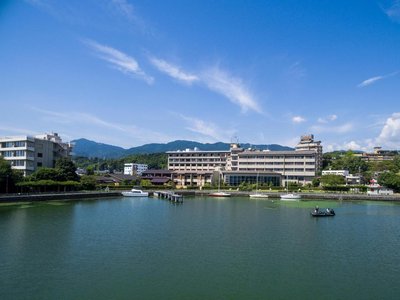
Biwako Ryokusuitei
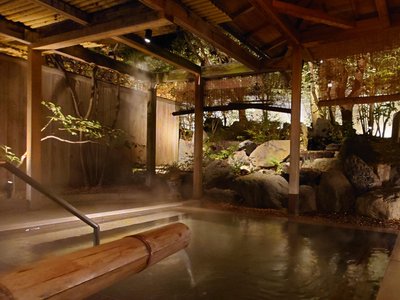
Kasuga Hotel
Hakone Gora Byakudan
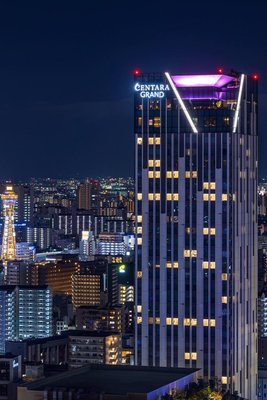
Centara Grand Hotel Osaka
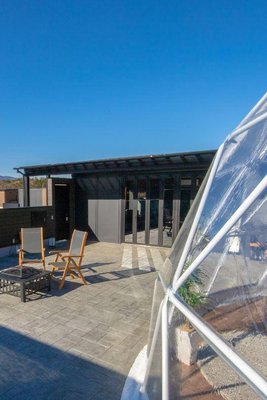
Panoramic Mt. Fuji Views from All Rooms – Vision Glamping Resort & Spa Yamanakako
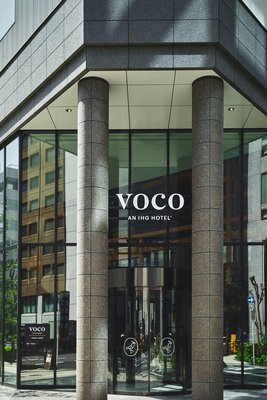
voco Osaka Central
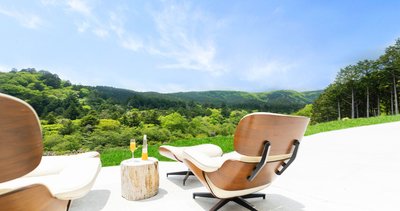
Shelter Garden Nikko
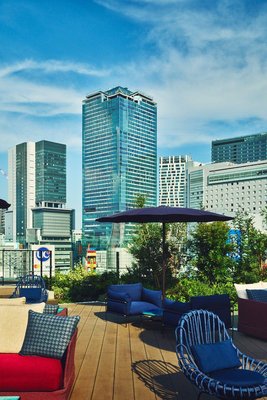
Hotel Indigo Tokyo Shibuya
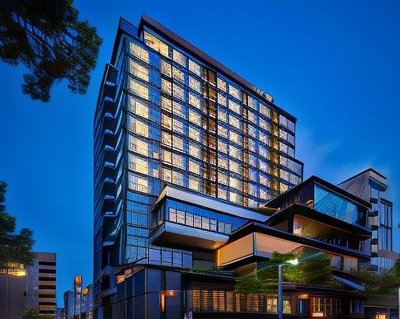
TIAD, AUTOGRAPH COLLECTION
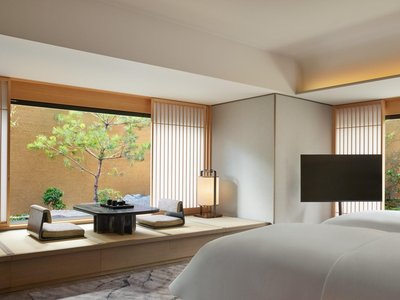
Dusit Thani Kyoto
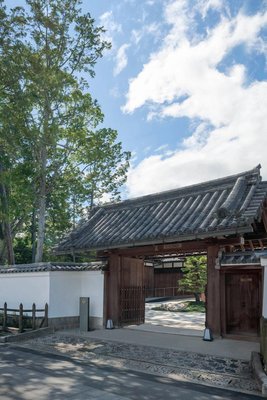
Shisui, a Luxury Collection Hotel, Nara

Hilton Kyoto
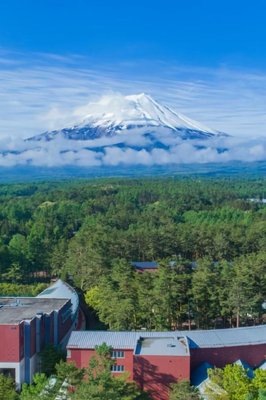
Forest Village (Fuji Premium Resort)
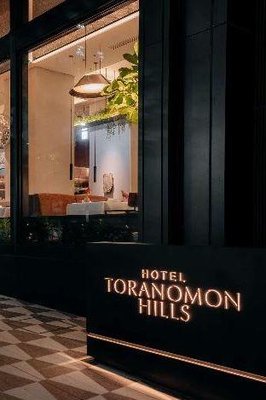
Hotel Toranomon Hills
Osaka Marriott Miyako Hotel
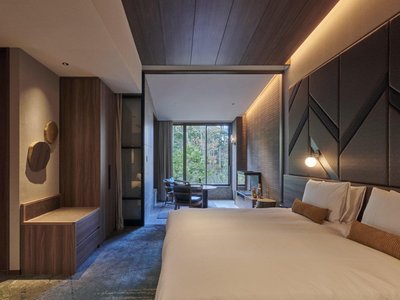
Fufu Kyu-Karuizawa Restful Forest
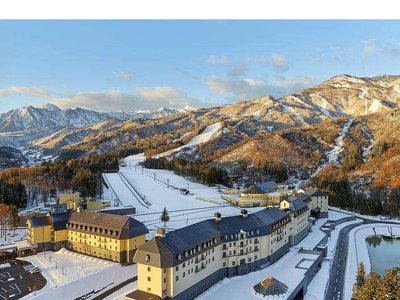
Lotte Arai Resort
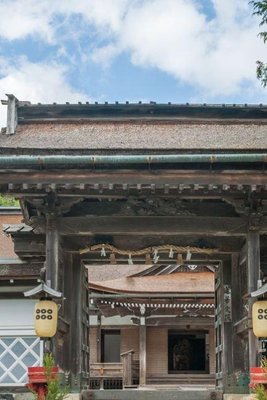
Koyasan Rengejoin
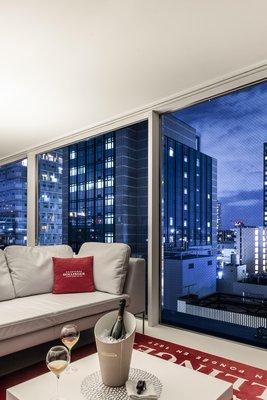
CUVÉE J2 HOTEL OSAKA by Onko Chishin
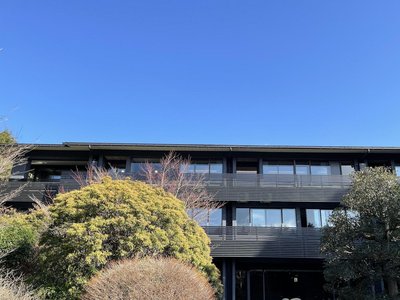
Sengokubara Cocon
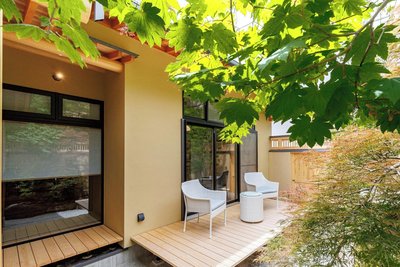
Shoraiso
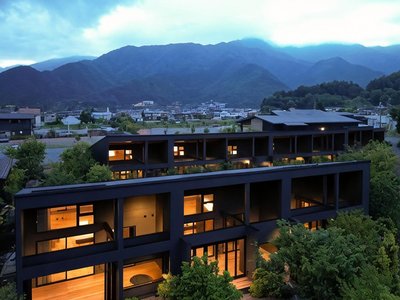
7C Villa and Winery
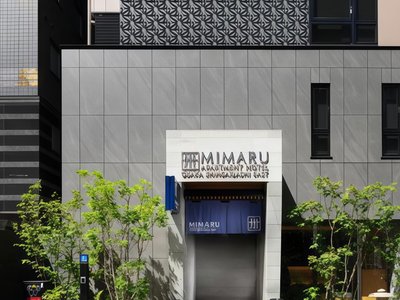
MIMARU Osaka Shinsaibashi East
Toba International Hotel Shiojitei
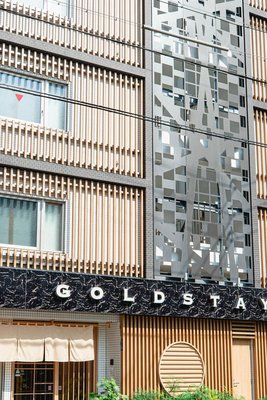
Gold Stay Nagoya OSU
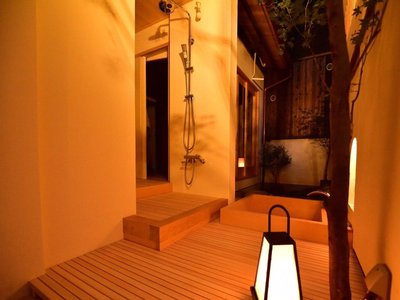
Yado Kiramachi
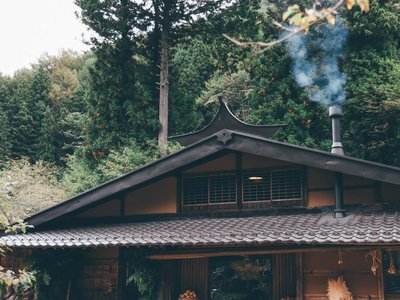
La Terra Resort
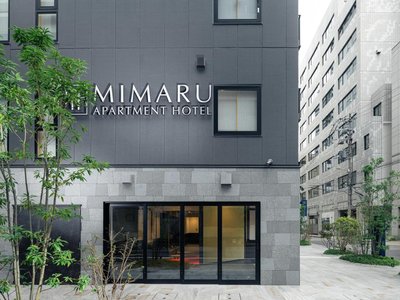
MIMARU Osaka Shinsaibashi North
Okuno Hosomichi
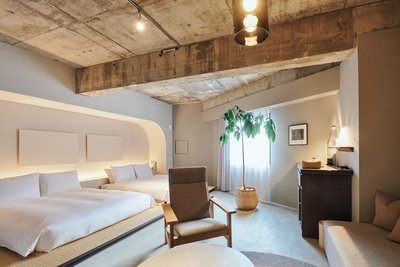
Korinkyo
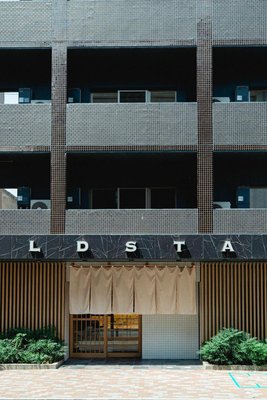
GOLD STAY Nagoya Sakae
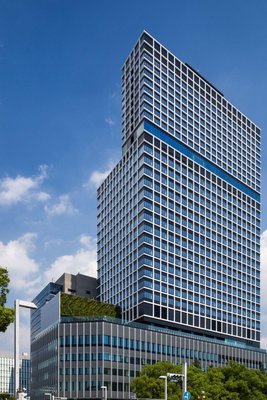
The Royal Park Hotel Iconic Nagoya
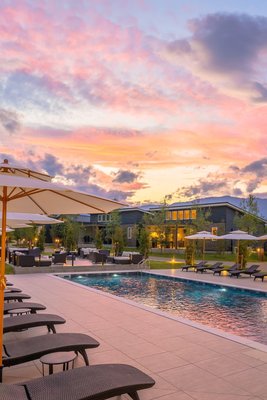
Awaumi Fujikawaguchiko Resort
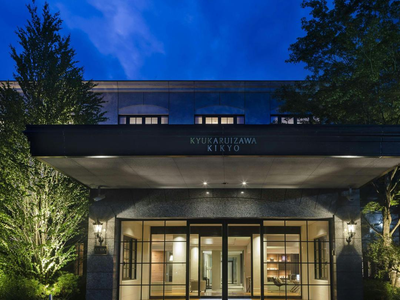
Fufu Karuizawa Wind of Sunshine
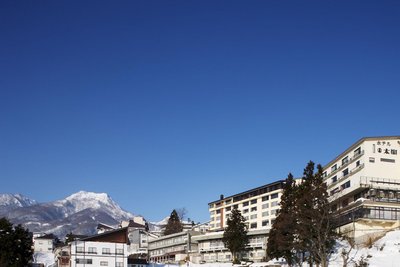
Hotel Taiko, Akakura Onsen
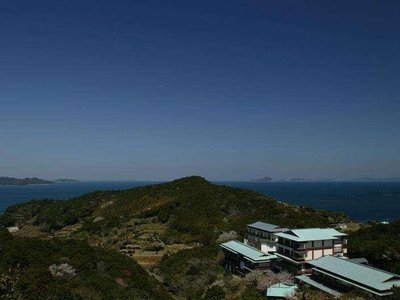
Hanashinsui
Yumotokan
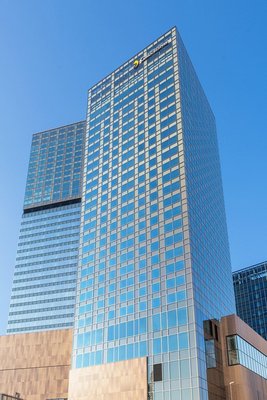
Hotel Hankyu GRAN RESPIRE OSAKA
Hoshino Resorts Kai Kaga
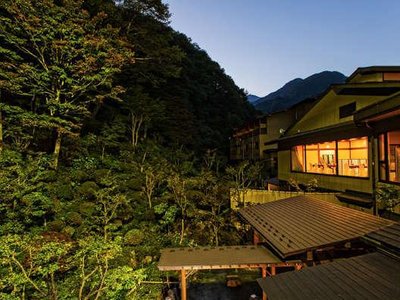
Futari Shizuka
Taikyourou
Monjusou Shourotei
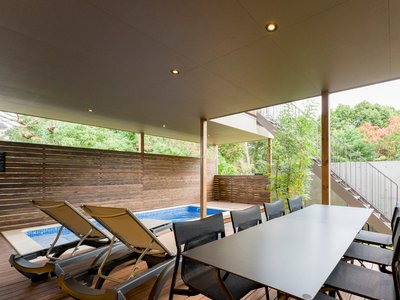
Rakuten STAY VILLA Kamogawa
Awaumi Fujikawaguchiko Resort
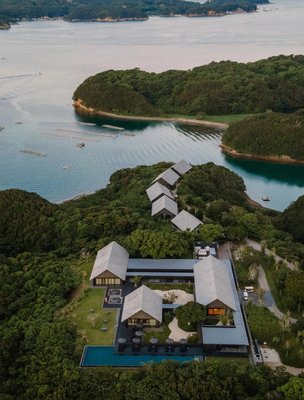
Amanemu
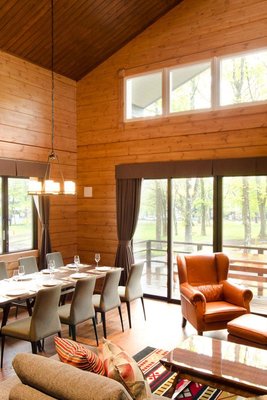
The Prince Villa Karuizawa
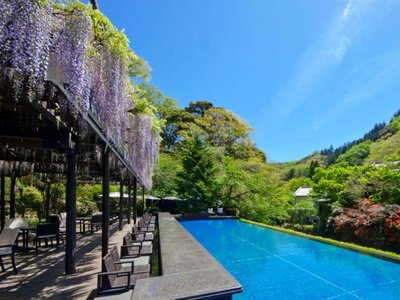
Tofuya Resort & Spa Izu
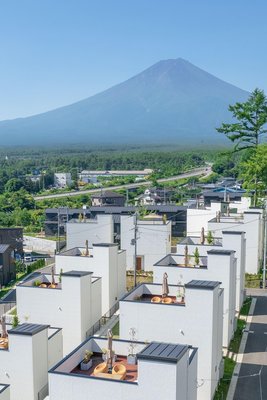
Fuji Granvilla -TOKI-
Hakone Gora Byakudan
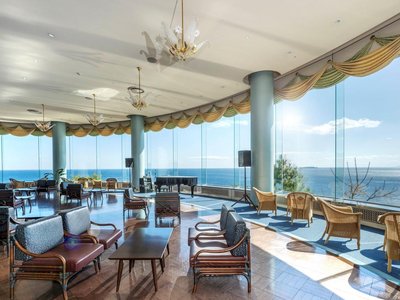
Hotel New Akao

XYZ Private Spa and Seaside Resort
Osaka Marriott Miyako Hotel
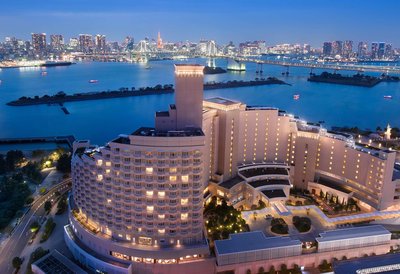
Hilton Tokyo Odaiba
JW Marriott Hotel Tokyo
The Prince Karuizawa
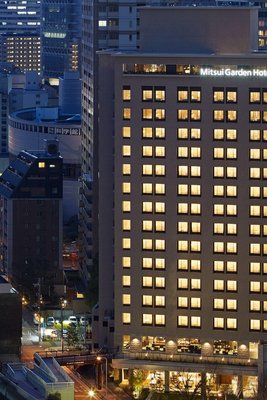
Mitsui Garden Hotel Osaka Premier
Izumigo Hotel Altia Toba
BIWAKO HANAKAIDO
Biwako Ryokusuitei
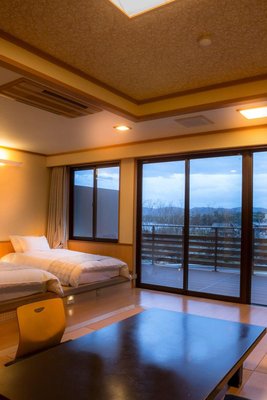
Hotel Kitanoya
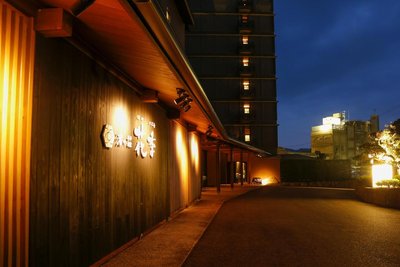
Hanagoyomi
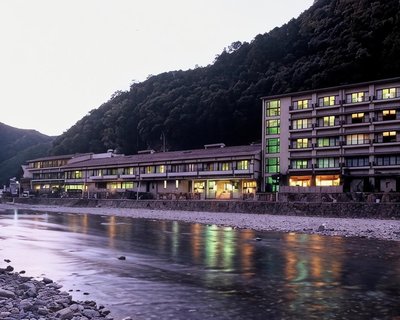
Kawayu Onsen Fujiya
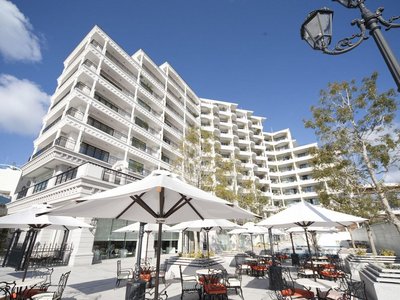
Hotel La Suite Kobe Harborland

The Kukuna
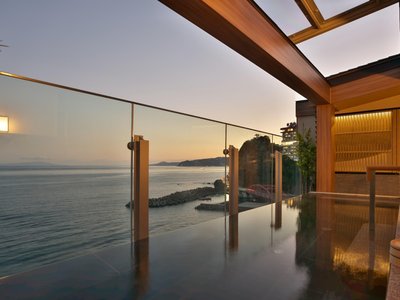
Hotel New Sagamiya
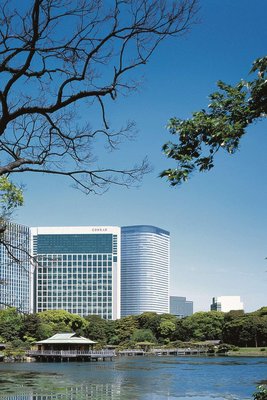
Conrad Tokyo
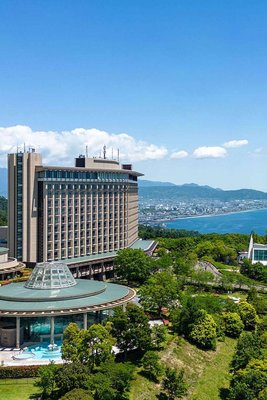
Hilton Odawara Resort & Spa
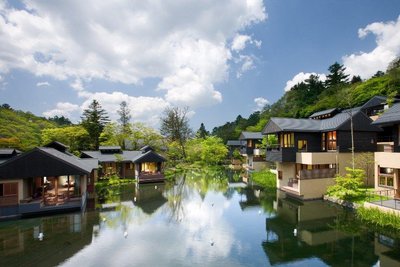
Hoshinoya Karuizawa
Bellustar Tokyo, A Pan Pacific Hotel
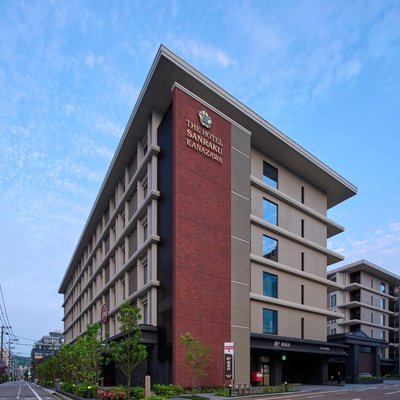
The Hotel Sanraku Kanazawa 21th December 2022 Open
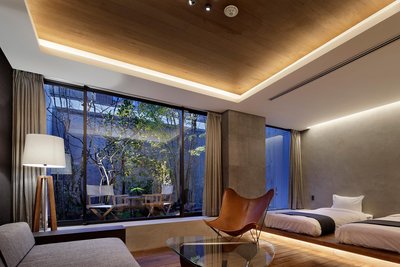
22 PIECES
The Ritz-Carlton, Osaka
JW Marriott Hotel Tokyo
Andaz Tokyo Toranomon Hills- A Concept by Hyatt

The Thousand Kyoto
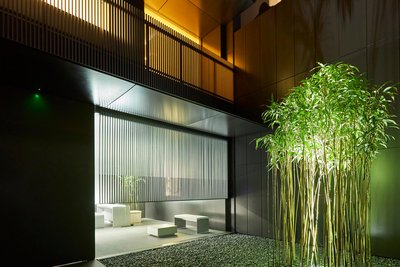
Mogana
GOOD NATURE HOTEL KYOTO
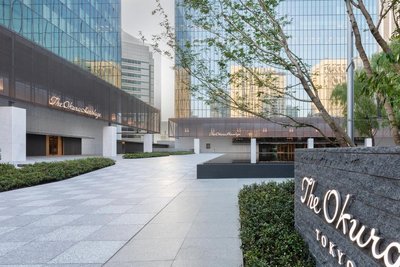
The Okura Tokyo
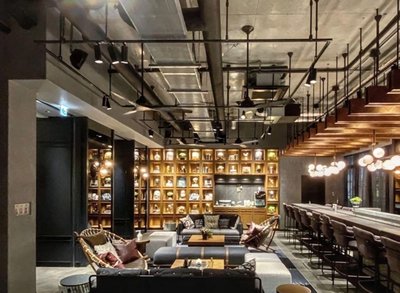
The Lively Azabujuban Tokyo
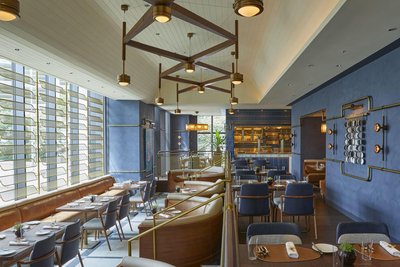
Kimpton Shinjuku Tokyo
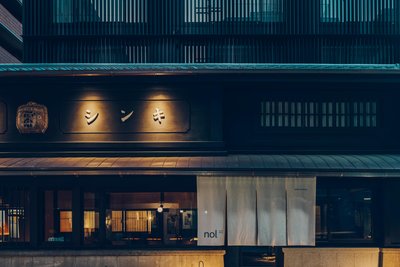
Nol Kyoto Sanjo

HOTEL K5
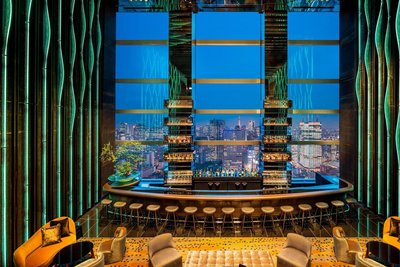
The Prince Gallery Tokyo Kioicho, a Luxury Collection Hotel
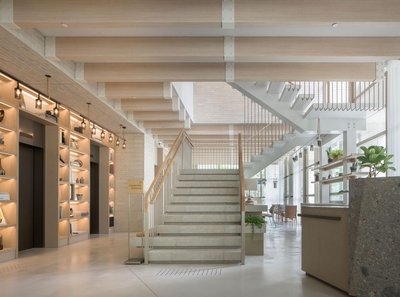
Zentis Osaka
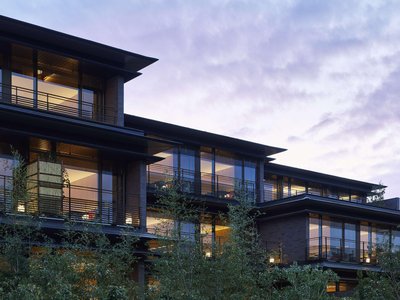
Garrya Nijo Castle Kyoto
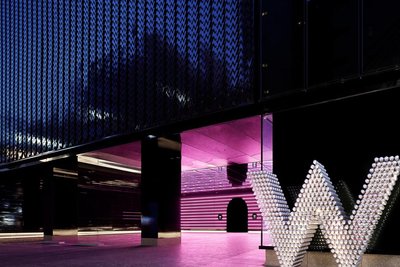
W Osaka

Hotel Kanra Kyoto

Aloft Osaka Dojima
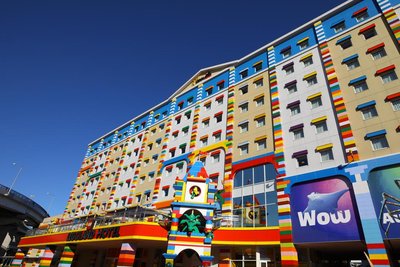
Legoland Japan Hotel
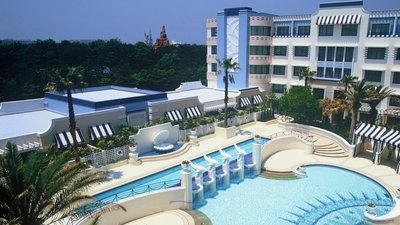
Disney Ambassador® Hotel

HOTEL UNIVERSAL PORT VITA
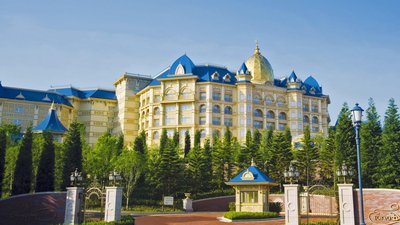
Tokyo Disneyland Hotel

The Park Front Hotel at Universal Studios Japan

HOTEL UNIVERSAL PORT

THE SINGULARI HOTEL & SKYSPA at UNIVERSAL STUDIOS JAPAN
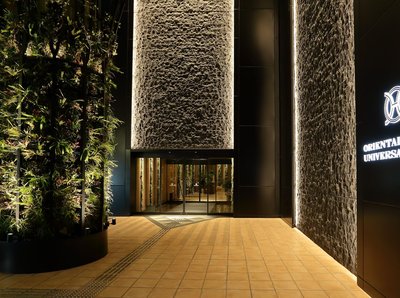
Oriental Hotel Universal City

Hotel Keihan Universal Tower
Yado Kiramachi
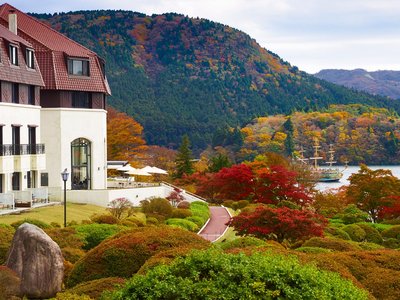
Hotakajyo

Onyado Nono Asakusa Bettei Hot Spring
Shiki wo Ajiwau Yado Yamano Chaya
Arimasansoh Goshobessho
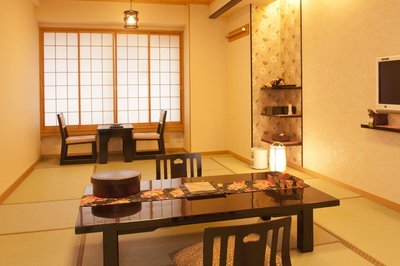
Matsui-Bekkan Hanakanzashi
Hoshino Resorts Kai Matsumoto
Taikyourou
Monjusou Shourotei
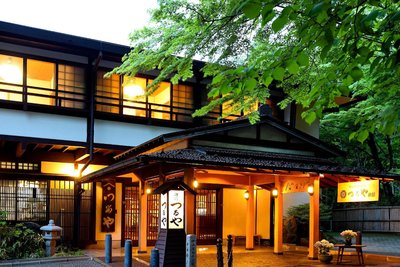
Tsuruya Ryokan
Kasuga Hotel
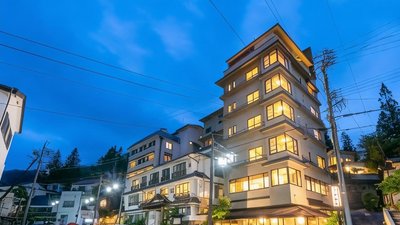
Nakamatsuya Ryokan
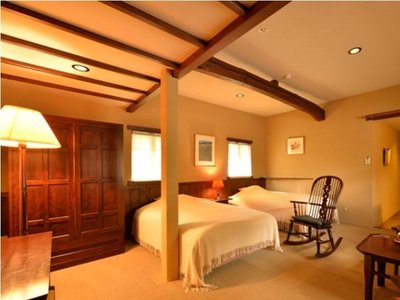
Ryokan Sugimoto
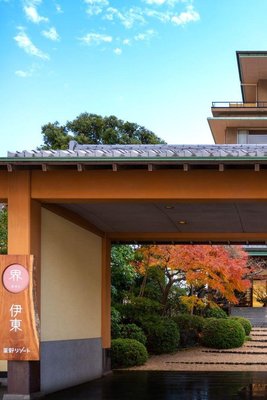
Hoshino Resorts Kai Ito
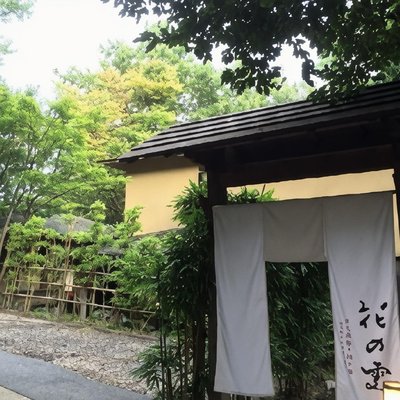
Hana No Kumo
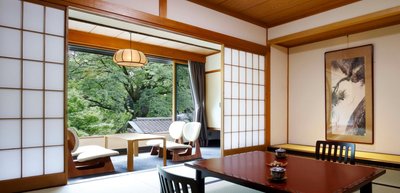
Yoshiike Ryokan
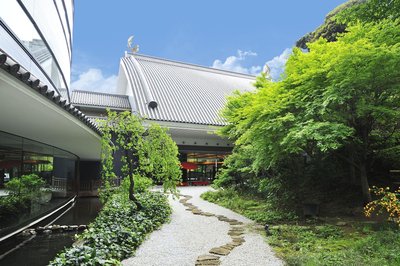
Hotel Gajoen Tokyo
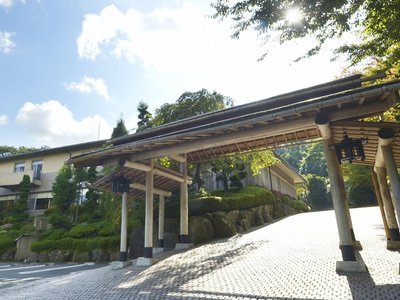
Gora Hanaougi
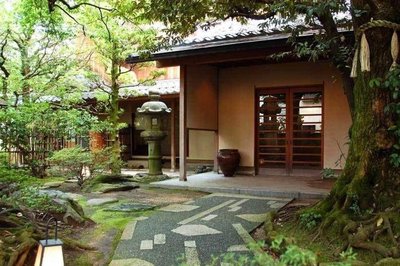
Kocho
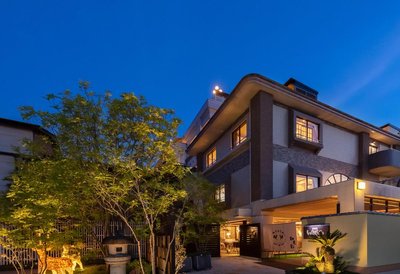
Hotel New Wakasa
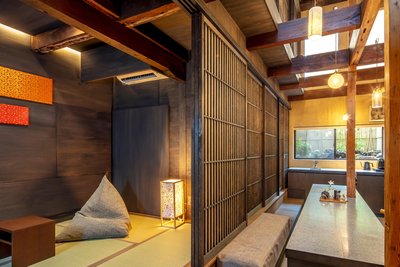
Kyo No Oozora Kihana
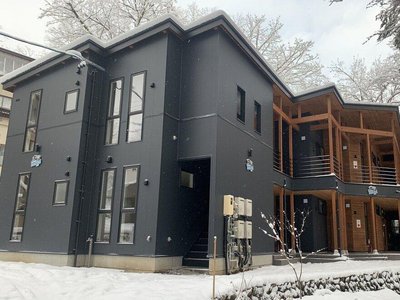
Hakuba Gondola Apartments
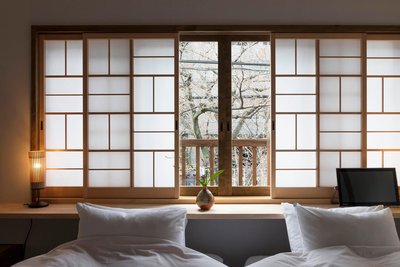
Hanagoromo Machiya House
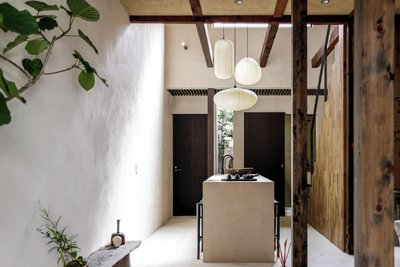
Maana Kiyomizu
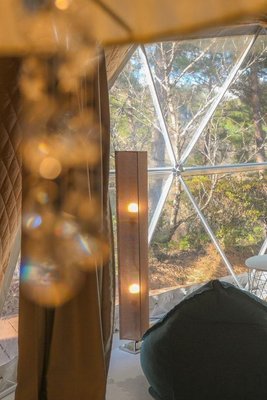
glampark Gekkabijin Nagano
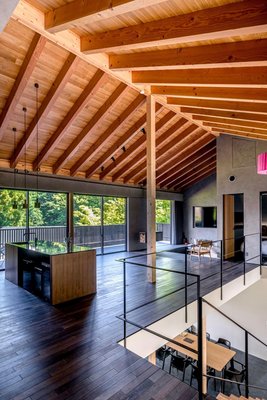
MONS GORA
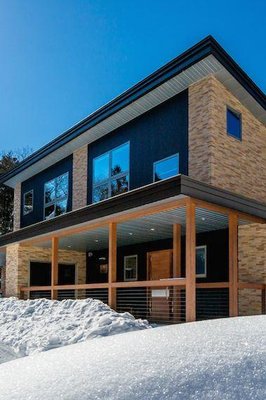
Phoenix Chalets by Hhg
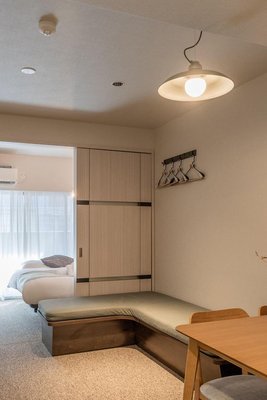
Apartment Hotel 11 Shinsaibashi
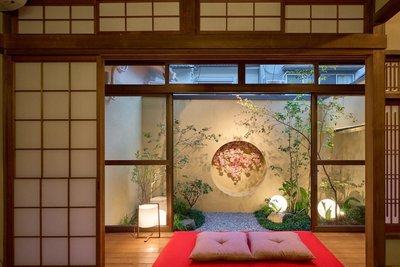
KONJAKUSO Osaka Tengachaya "NIHONCHA" Tea & Relax
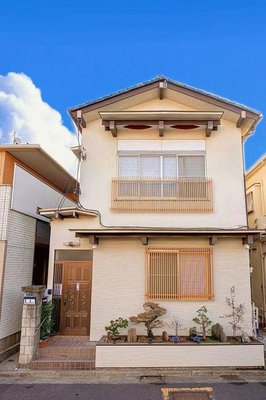
Tokyo Star House-Shinkoiwa
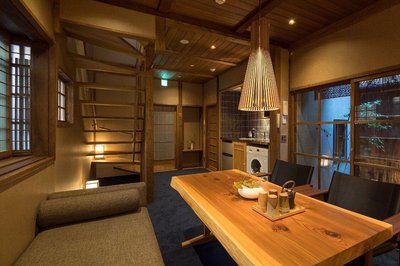
Bonbori an Machiya House
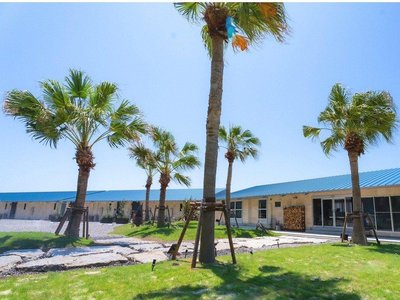
Glamping&Resort Wood Design Park Noma
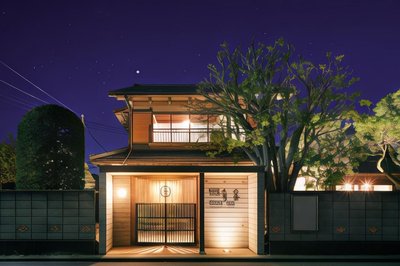
Machi-Jyu
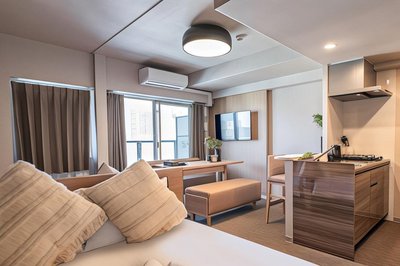
Apartment Hotel 11 Shinsaibashi III
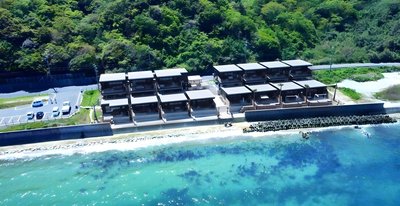
Solavilla Umi Terrace Minamiawaji
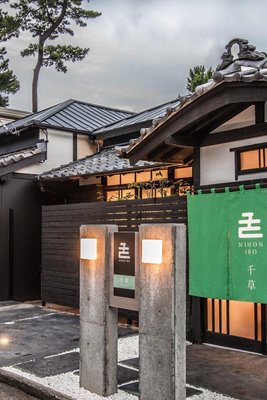
Nihon Iro
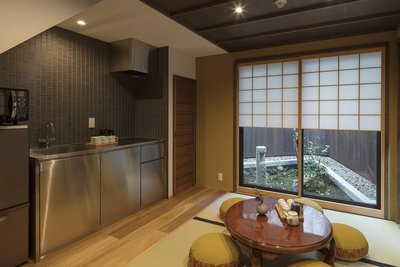
The Machiya Villa Sanjo Shirakawa Koji
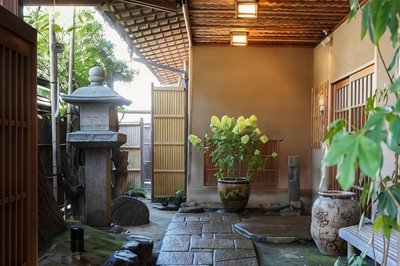
Ryokan Asadaya
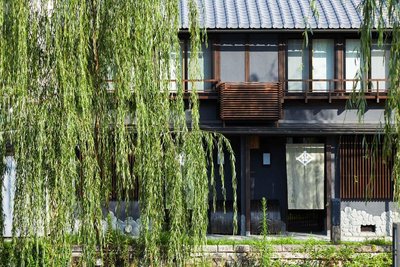
Gion Shirakawa No Yado

Kitashirakawa Natural Radium Onsen
Frequently Asked Questions about Traveling to Gujō
Questions You Might Need to Know About Traveling to Gujō
For authentic Japanese culture immersion, Kumakura House near Kumagawa Castle is a top choice. This century-old inn preserves wooden architecture and tatami rooms, offering tea ceremonies, kimono rentals, and local craft workshops. Located in the well-preserved Kumagawa Juku district, it’s ideal for experiencing Edo-period atmosphere. Many rooms face serene gardens, perfect for morning tea rituals with views of misty mountains in Gifu Prefecture.
The best area for staying is around Kumagawa Juku Town, adjacent to Kumagawa Castle. This historic post town features preserved old machiya houses converted into guesthouses and restaurants. You can easily walk to the castle, town square, and seasonal events like the Kumagawa Dance Festival. The area is also just 1 hour from Takayama, making it ideal for day trips or overnight stays.
For stunning views of the Hida Mountains, stay at Hida no Mori Resort, located north of Kumagawa. This boutique hotel blends modern design with Zen aesthetics, featuring floor-to-ceiling windows overlooking forests and rivers. Morning fog rolls over distant peaks, creating a poetic atmosphere. On-site activities include forest walks, woodcraft workshops, and nature photography sessions—perfect for connecting with the region’s natural beauty.
Yes, Kumakura Kids House is specifically designed for families, offering connecting rooms and a dedicated kids’ playroom. The property includes a mini farm where children can feed sheep and chickens, plus hands-on workshops like tofu-making and bamboo weaving. Weekends feature "Family Kumagawa Dance" sessions, letting parents and kids learn local folk dances together, deeply immersing them in Gifu Prefecture's traditions.
Must-do experiences include joining public rehearsals of the Kumagawa Dance, a vibrant Edo-era folk dance performed annually in August; visiting local workshops to try washi papermaking or wood carving; and strolling through illuminated Juku Town at night. Don’t miss the Yama no Yu hot spring, renowned for its mineral-rich waters that soothe tired muscles after exploring the countryside.
Hida no Yu Hot Spring Resort is the premier onsen destination in Kameyama. With natural hot springs sourced directly from underground aquifers, the water is clear and rich in sulfur and bicarbonate minerals. The resort offers both indoor and outdoor baths, including private tubs in select rooms. Dinner features local specialties like Hida beef, wild mountain vegetables, and sake, all served in a traditional setting. Book early, especially during festival season.
Absolutely. The Kumagawa Castle Night Illumination (July–September) transforms the entire site into a golden glow, with lantern-lit streets and historic buildings. Many inns, like Senbon-ya Ryokan, offer guided night tours through the illuminated alleys, sharing stories of samurai history and folklore. Staying nearby allows you to enjoy quiet rural evenings under starlit skies and avoid late-night travel.
Try Kumakura Sunset Inn, a unique lodging-dining hybrid. Each day, guests enjoy meals made with fresh ingredients from local farms: Hida beef bowls, Kumagawa tofu, and mountain vegetable tempura. The chef changes the menu seasonally and even hosts cooking classes in the open kitchen. Rooms come equipped with small refrigerators and cooking tools, enabling guests to prepare their own meals. Savor sunset views from the terrace while enjoying a slow-paced lifestyle.
Yes, most central inns provide kimono rentals. Kumakura House and Senbon-ya Ryokan offer a wide range of styles—including men’s, women’s, and children’s kimonos—and include hairstyling and photo sessions. Prices range from ¥500 to ¥2,000. Reservations are recommended, especially during peak festivals like the Kumagawa Dance Festival, when demand surges.
Despite being rural, Kameyama is well-connected. Take the JR Tokaido Main Line to Mino-Ota Station, then transfer to a local bus (30 minutes). Alternatively, take a highway bus from Nagoya Station, which takes about 2 hours. Most attractions center around Kumagawa Castle and Juku Town, easily walkable. Many inns offer free shuttle services, and ample parking is available for self-drive travelers.
Gujō Overview
City Summary
Gujo City, nestled in the heart of Gifu Prefecture, Japan, is a captivating blend of natural beauty and traditional culture. Famous for the crystal-clear Nagara River and Gujo Hachiman Castle, it's also home to the 400-year-old Gujo Odori dance recognized as a National Important Intangible Folk Cultural Property. The summer Gujo Festival and winter Snow Lantern Corridor showcase unique seasonal charms, making it an ideal destination to experience Japanese rural life.
Must-See Attractions
Gujo Hachiman Castle features one of Japan's oldest wooden keep towers with panoramic views. The Sōgi Spring, selected as one of Japan's Top 100 Famous Waters, is surrounded by preserved Edo-period buildings. Don't miss the Gujo Odori night dances during summer festivals. Nature lovers can explore the Nagaragawa Railway scenic route or hike through Shiratori Highlands.
Food Guide
Gujo's river-nurtured cuisine shines with specialties like Ayu no Shioyaki (salt-grilled sweetfish) and Hoba Miso (fermented soybean paste grilled on magnolia leaves). Try rustic Gohei Mochi rice skewers and premium Hida beef dishes. Morning markets offer wild mountain vegetables, while local breweries produce exceptional Gujo sake.
Transportation Guide
From Nagoya Station, take the JR Takayama Line to Mino-Ōta Station (1 hour), then transfer to the Nagaragawa Railway to Gujo-Hachiman Station (40 minutes). The city operates loop buses (500 yen/day pass) and bicycle rentals (~1000 yen/day). Taxis start at 600 yen; pre-HopeGoo is advised for rural transfers. Winter mountain roads may require snow tires.
Best Time to Visit
May-October offers ideal conditions: May greenery, July-August festivals, and October foliage. Summer averages 25°C with high humidity. Winter (Dec-Feb) features snowscapes but limited attractions. Festival periods require early accommodation bookings.
Travel Tips
- Wear rented happi coats for Gujo Odori - avoid high heels
- Onsen etiquette requires full pre-bath washing; tattoos need private baths
- Carry offline maps for mountain areas with spotty signals
- Cash is king - many rural shops don't accept cards
- Separate trash into burnable/non-burnable/bottles
- Always ask permission before photographing locals
- Nagara River rafting requires advance HopeGoo and waivers
Useful Information
Language: Japanese predominates; tourist centers have English staff Currency: JPY (carry 20,000-30,000 yen cash) Mobile: Prepaid SIMs available at convenience stores (e.g. IIJmio) Emergency: Police 110/Ambulance 119 Medical: Gujo City Hospital offers 24/7 emergency care Voltage: 100V (Type A plugs) Water: Public spring water stations are drinkable Etiquette: Remove shoes indoors; use umbrella drip bags