Hotels in Gunung Putri
Discover your perfect stay in Gunung Putri.
Gunung Putri(Indonesia) Travel 2026: Cheap Flights, Hotels & Top Attractions
Popular Landmarks in Gunung Putri
Discover the most iconic attractions in Gunung Putri
Recommended Hotels in Gunung Putri
Find the perfect place to stay in Gunung Putri
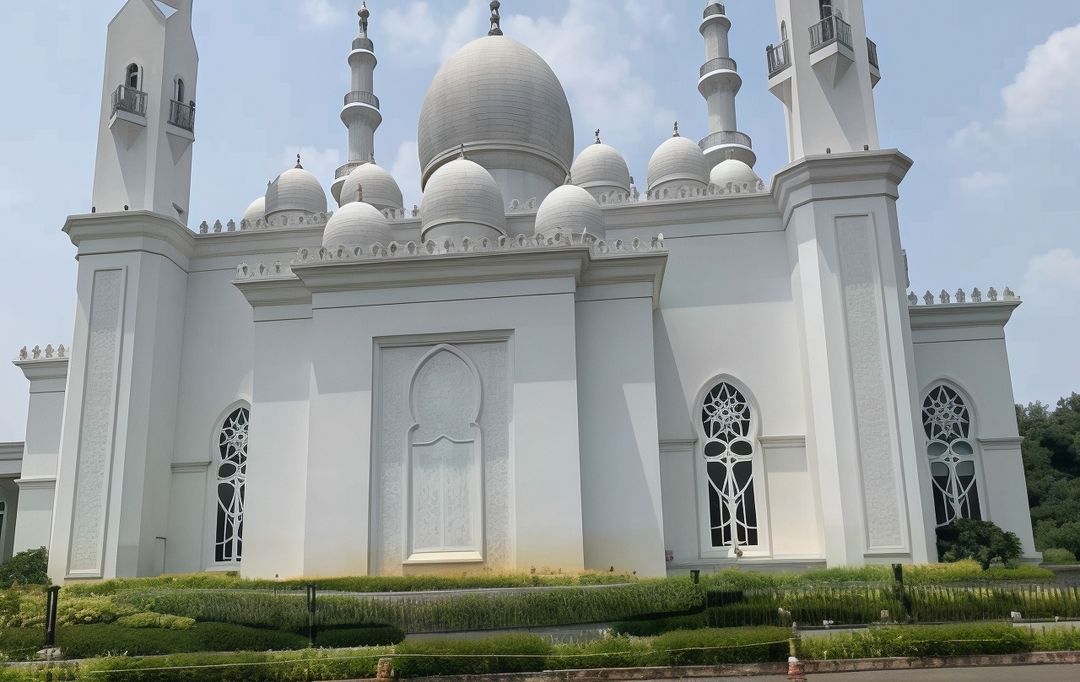
Skyland Podomoro Golf View
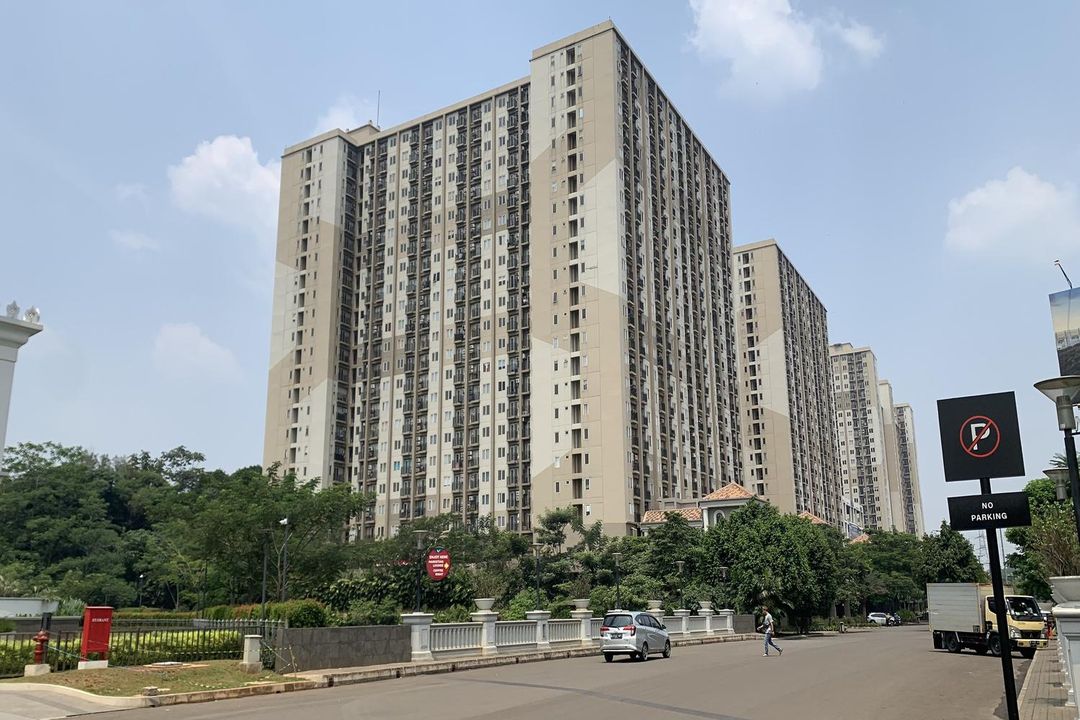
Velito at Podomoro Golf View Apartment
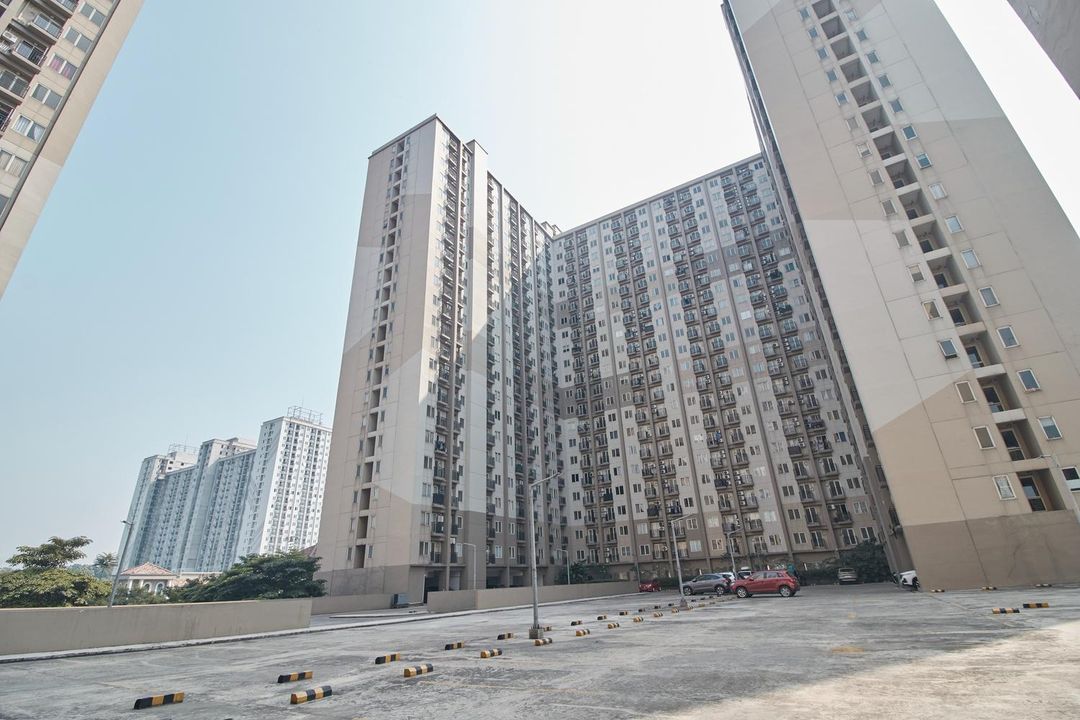
Room Rendi @ Podomoro Golf View

Beautiful Studio at Gunung Putri Square Apartment
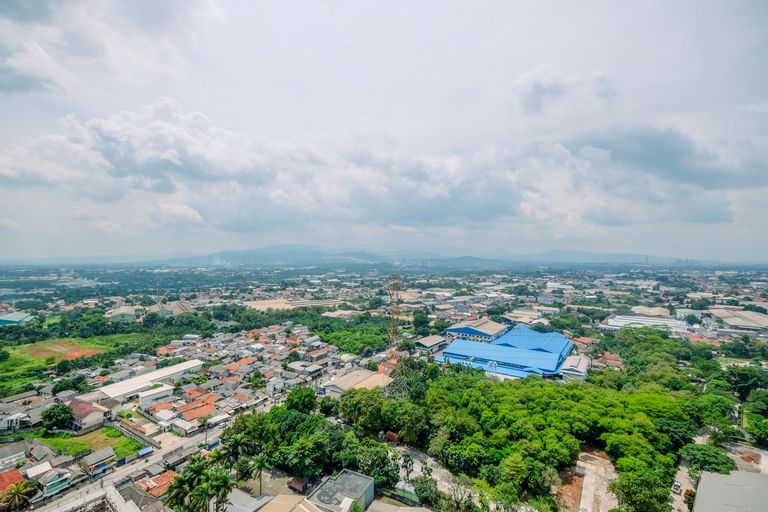
Modern and Homey Studio at Gunung Putri Apartment
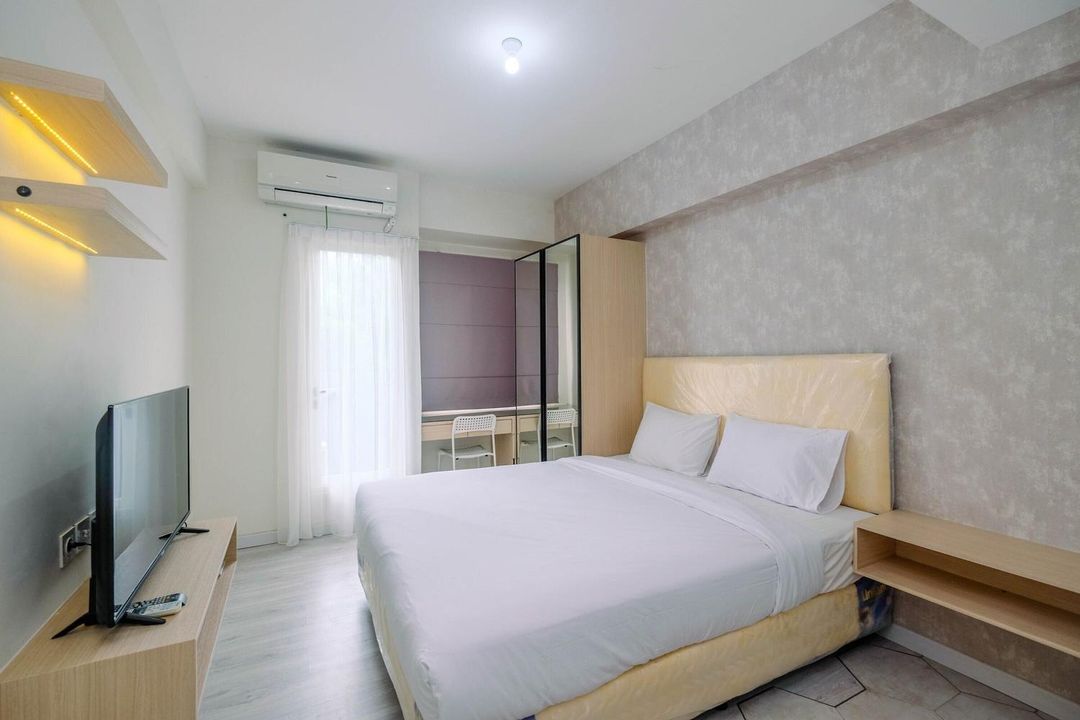
Graceful Studio Room At Podomoro Golf View Apartment By Travelio
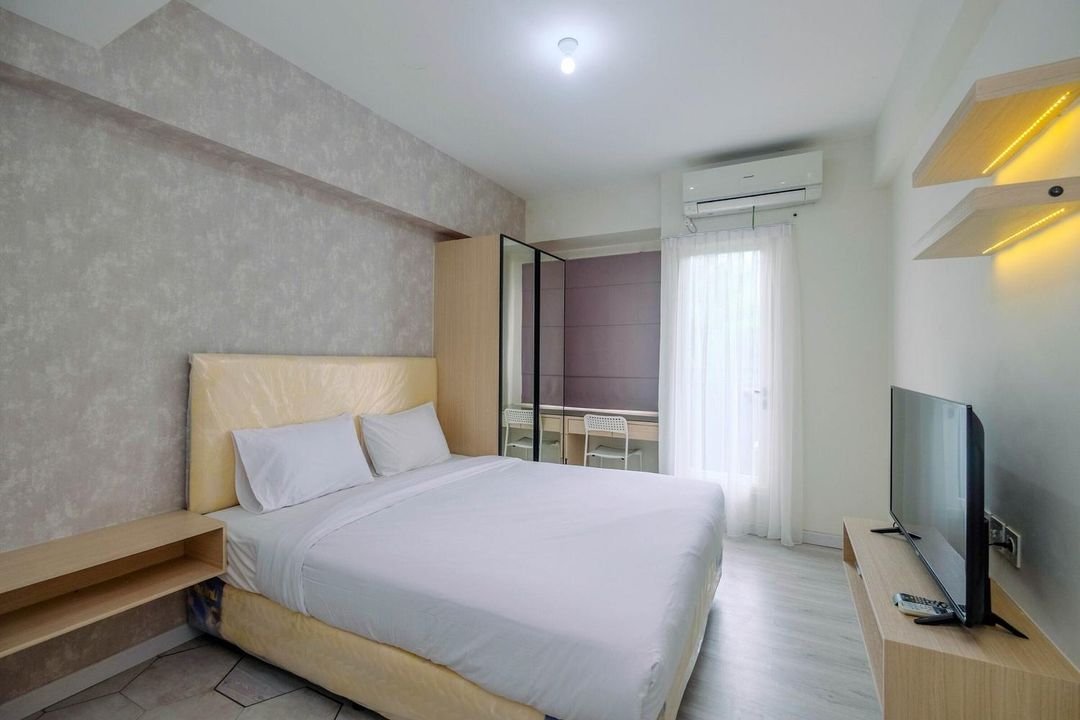
Comfy And Stylish Studio Podomoro Golf View Apartment By Travelio
Frequently Asked Questions about Traveling to Gunung Putri
Questions You Might Need to Know About Traveling to Gunung Putri
In Gunung Putri, the top family-friendly option is Green Valley Resort & Spa, a serene eco-lodge nestled near Lake Gunung Putri. It features spacious family suites with private pools, kid-friendly activities like nature scavenger hunts, and organic farm tours. The resort emphasizes sustainability with bamboo architecture, solar power, and rainwater harvesting systems.
Another excellent choice is Bumi Lestari Homestay, run by a welcoming local family offering authentic Indonesian breakfasts and cultural workshops. Families can participate in cooking classes for dishes like Nasi Timbel or learn traditional Batik art. Located just 30 minutes from Bandung, it’s ideal for travelers seeking a peaceful, immersive experience in West Java’s rural heartland. Both properties provide safe, engaging environments perfect for children and parents alike.
The best area for accommodations in Gunung Putri is the southern region near Lake Gunung Putri and the West Java Nature Reserve. This tranquil zone offers clean air, lush greenery, and access to eco-tourism attractions. Many boutique lodges here, such as Sukamaju Eco Lodge, use sustainable materials like bamboo and rattan, blending traditional Javanese design with modern comfort.
Guests enjoy easy access to hiking trails, organic farms, and local craft markets. The area also hosts community-led events like village festivals and cooking demonstrations. With a short 30-minute drive from Bandung, it's ideal for travelers seeking a quiet retreat while remaining close to urban amenities. The emphasis on environmental conservation makes this district a standout choice for responsible tourism.
To experience authentic rural Indonesian culture in Gunung Putri, join the annual Pesta Panen (Harvest Festival) held every March, where locals wear Batik attire, perform traditional dances, and offer handmade crafts and food. Participate in a home-cooking class at Warung Ibu Rina, learning to prepare Sate Babi Pesisir (coastal-style grilled pork) and Gado-Gado (vegetable salad with peanut sauce).
Visit the Gunung Putri Craft Village to watch artisans weave bamboo baskets, dye fabric using natural pigments, or create intricate Kain Tenun (handwoven cloth). For deeper immersion, rent a bicycle and cycle along the Bujur River Trail to nearby Sari Kuka Village, where elders share stories of ancestral traditions and community values. These experiences go beyond sightseeing—they foster meaningful cultural exchange.
For couples seeking romance, Lembah Cinta Eco Villa stands out as the ultimate getaway in Gunung Putri. Each private villa features a panoramic view of Lake Gunung Putri, an open-air bathtub, and a customizable candlelit dinner setup. The property offers sunrise yoga sessions on the lakeside deck and evening stargazing with professional telescopes.
Couples can also book a private Indonesian cuisine dinner with a live Gamelan performance, featuring dishes like slow-cooked Rendang and banana leaf-wrapped rice. The villa’s secluded location ensures privacy, while its commitment to sustainability—using solar energy and locally sourced materials—enhances the emotional connection with nature. Perfect for honeymoons or anniversary trips, this retreat delivers tranquility, intimacy, and unforgettable moments.
Nature lovers should explore the Gunung Kencana Ecological Trail, a 6-kilometer path through dense tropical forest with wooden boardwalks and stone steps. Along the way, you’ll spot rare orchids, hear bird calls, and reach a hidden waterfall near the Bujur River Source. Guided tours are required for safety and conservation.
Another must-visit is the Sekar Jaya Viewing Path, ideal for photographers, winding through terraced rice fields that turn emerald during planting season. Three rest stops offer fresh coconut water and snacks. Early morning hikes are recommended to avoid afternoon heat and maximize wildlife sightings. All trails are managed by certified local guides who share insights into the region’s biodiversity and ecological importance.
Must-try local delicacies in Gunung Putri include Sate Babi Pesisir—grilled pork skewers marinated in peanut sauce and lemon juice, served with steamed rice. Another highlight is Pisang Goreng Srikandi, crispy fried bananas coated in coconut and palm sugar glaze, often enjoyed with chilled coconut milk.
Don’t miss Tahu Gejrot, a unique street snack where tofu is briefly boiled in hot palm sugar syrup, creating a translucent, sweet-savory coating. It’s typically paired with spicy sambal. At family-run warungs like Warung Ibu Rina, guests can enjoy fresh organic vegetable platters and chicken stew cooked over wood fire, reflecting West Java’s agricultural roots.
For a hands-on experience, sign up for the "Kitchen of the Village" workshop to learn how to make these dishes yourself, gaining insight into regional ingredients and culinary heritage.
Gunung Putri offers fantastic kid-friendly activities, starting with the Farm Animal Interaction Zone, where children can feed goats, pigs, and chickens and even try milking a cow. The Insect Discovery Garden provides magnifying glasses and educational guides to help kids identify butterflies, ants, and beetles in their natural habitat.
The Children’s Science Lab at Gunung Putri Eco School runs weekly workshops on plant pressing, simple water filtration, and building solar-powered lamps—hands-on lessons that spark curiosity. Kids can also take part in bamboo kite-making classes, then fly their creations at the lakeside park under supervision.
All activities are led by trained staff and prioritize safety and fun. Parents are welcome to join, making it a bonding experience. These programs not only entertain but also teach children about nature, sustainability, and creativity.
Gunung Putri has a tropical monsoon climate with temperatures averaging 24–28°C year-round and heavy rainfall from October to February. This influences accommodation choices: opt for hotels with elevated structures and proper ventilation, such as Green Valley Resort & Spa, which uses bamboo construction and built-in dehumidifiers to combat humidity.
During the rainy season, choose lodges with indoor activity spaces—like Bumi Lestari Homestay’s community hall—for games and workshops. Rooms facing north or shaded areas reduce heat exposure. Most quality hotels offer free umbrellas, raincoats, and emergency charging stations. Planning your stay between March and August (dry season) ensures better outdoor access and more consistent weather for hiking and cultural visits.
Gunung Putri is easily accessible via car or ride-hailing services from Bandung, located just 30 minutes away via Jalan Raya Cibinong. The road is well-maintained and suitable for self-driving. For public transport, buses depart regularly from Terminal Baros in Bandung to Cibinong Station, followed by a short Angkot (local minibus) ride to Gunung Putri’s center.
International travelers can arrange airport transfers through premium homestays and resorts. Ride-hailing apps like Gojek and Grab operate in the area, providing reliable on-demand rides. While there’s no railway or metro system, the proximity to Bandung makes it convenient for day trips or weekend getaways. Just be sure to confirm schedules ahead of time, especially during peak seasons.
The best time to visit Gunung Putri is between March and August, during the dry season when skies are clear and temperatures are pleasant (25–27°C). This period is ideal for outdoor activities like hiking, cycling, and visiting rice fields.
Peak interest occurs in May and June, coinciding with the end of the farming season and several cultural festivals, including the Festival Alam Gunung Putri (Gunung Putri Nature Festival), featuring eco-exhibitions, night light shows, and artisan markets. Accommodations fill quickly during this time, so HopeGoo at least four weeks in advance is advised.
Avoid the rainy season (October–February) due to frequent downpours that may disrupt trail access and outdoor events. However, if you prefer lush green landscapes and fewer crowds, consider visiting in late September, just before the rains begin.
Gunung Putri Overview
City Summary
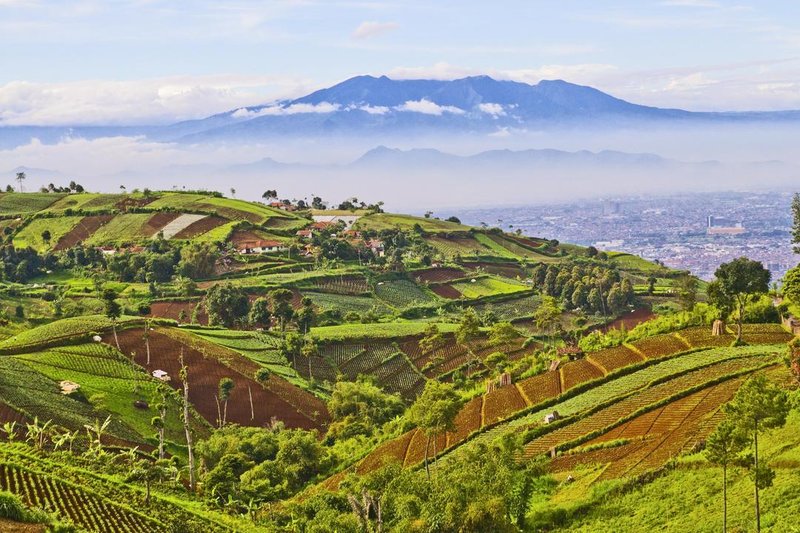
Gunung Putri is a small town in West Java, Indonesia, known for its serene rural landscapes and proximity to nature. It attracts visitors seeking an escape from urban hustle with its lush agricultural fields and surrounding greenery.
Must-See Attractions
Key attractions include scenic rice fields and traditional villages. Hike up Gunung Putri Peak for breathtaking views and nature immersion. Nearby Puncak Tea Plantation offers relaxing vistas and fresh air. Don’t miss local craft markets to experience Javanese culture.
Food Guide
Must-try dishes include Nasi Liwet (coconut rice) and Soto Bandung (beef soup). Street markets serve snacks like Martabak Manis (sweet pancake) and Lemper (sticky rice rolls), showcasing Java’s rich spices and culinary traditions.
Transportation Guide
Transport relies on motorbikes and local buses. From Jakarta, private cars or rentals take 2-3 hours. For inner-city travel, use Ojek (motorbike taxis) or Becak (cycle rickshaws)—affordable and flexible options.
Best Time to Visit
Best visiting period is the dry season (May–September), with cooler temperatures and minimal rain. Avoid the monsoon (November–March) due to muddy conditions.
Travel Tips
- Respect local customs: Dress modestly, especially in villages and religious sites.
- Carry cash: Small vendors and transport often only accept cash.
- Stay hygienic: Drink bottled water and avoid raw food.
- Mosquito protection: Use repellent in rural areas.
Useful Information
Language: Indonesian and Sundanese are spoken; basic English is understood. Internet: 4G in town, weaker signals in villages. Payment: Cash dominant, limited e-payments. Emergency: Nearest hospitals are in Bogor; carry basic medications.