Hotels in Gyōda
Discover your perfect stay in Gyōda.
Gyōda(Japan) Travel 2026: Cheap Flights, Hotels & Top Attractions
Popular Landmarks in Gyōda
Discover the most iconic attractions in Gyōda
Recommended Hotels in Gyōda
Find the perfect place to stay in Gyōda
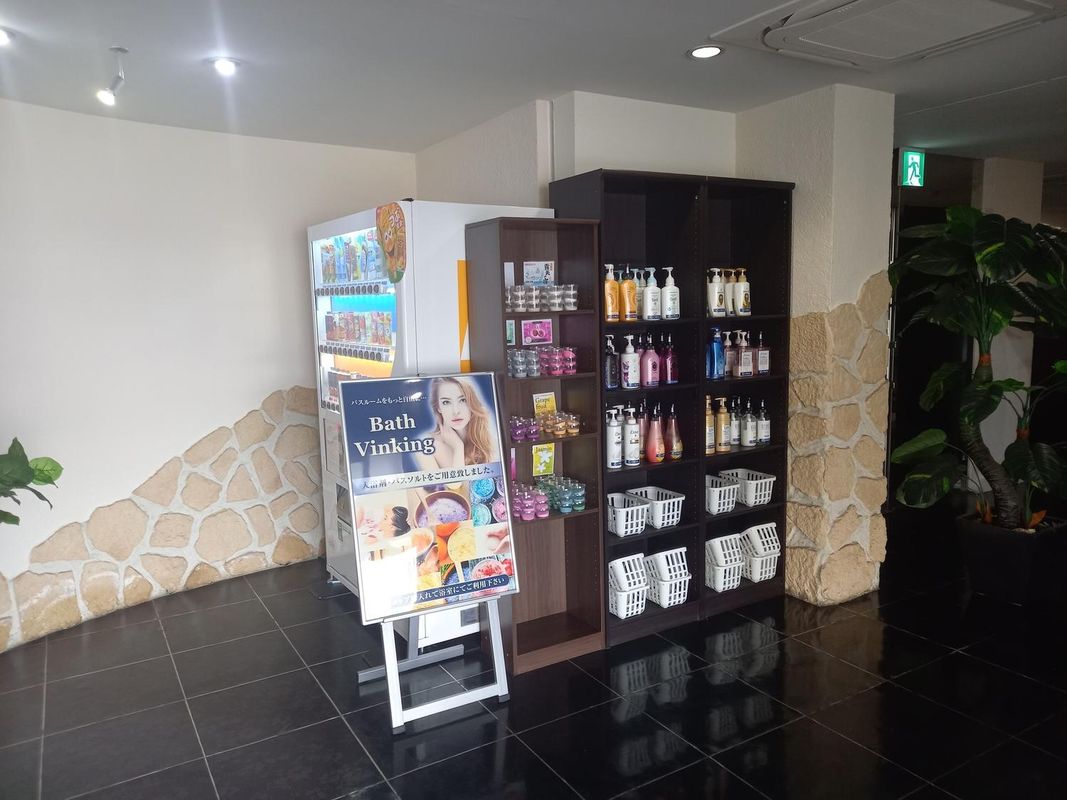
HOTEL C-PLUS - Adults Only

Hana Hotel Gyoda
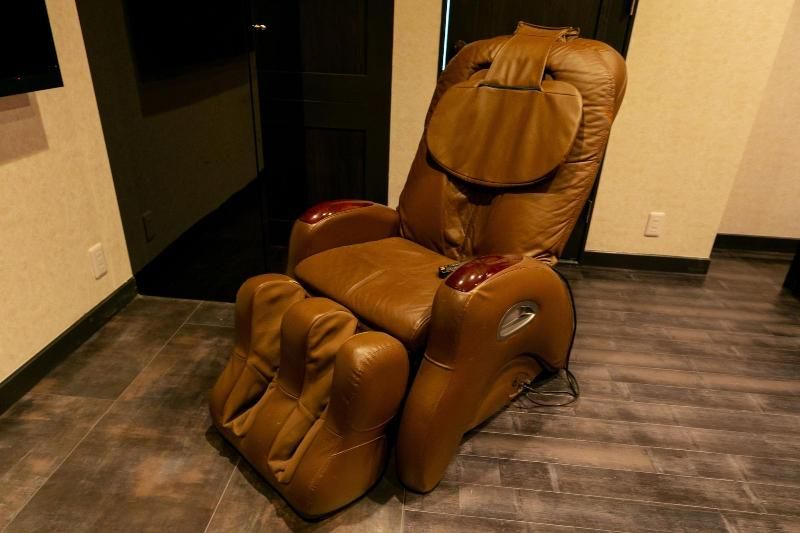
Hotel Eldia Japanese Modern (Adult Only)
Best Hotels in Gyōda
Discover curated hotel collections in Gyōda
Bellustar Tokyo, A Pan Pacific Hotel
Bvlgari Hotel Tokyo
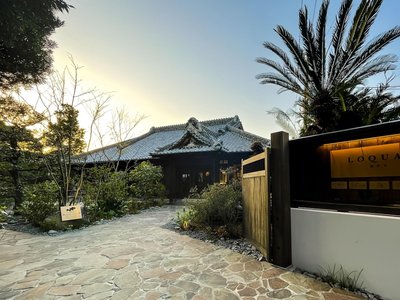
Loquat Nishiizu
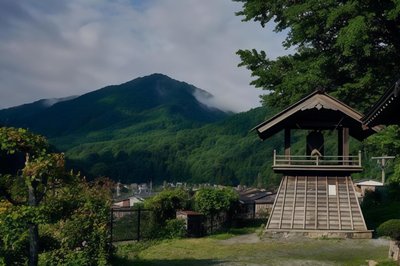
Byaku Narai
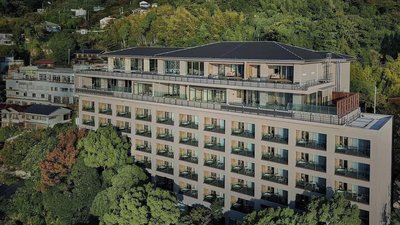
Atami Izusan Karaku
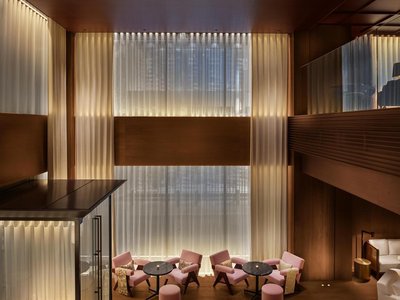
The Tokyo Edition, Ginza
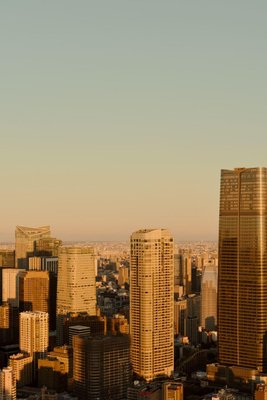
Janu Tokyo
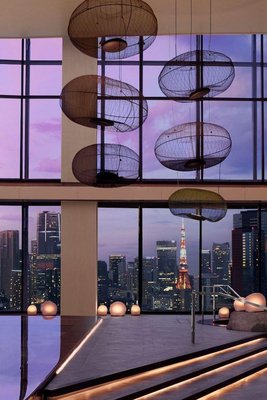
JW Marriott Hotel Tokyo
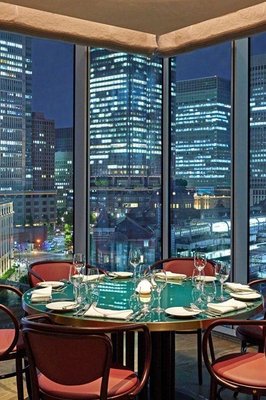
Four Seasons Hotel Tokyo at Marunouchi

Mandarin Oriental, Tokyo
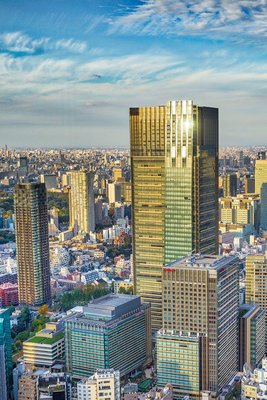
The Ritz-Carlton, Tokyo
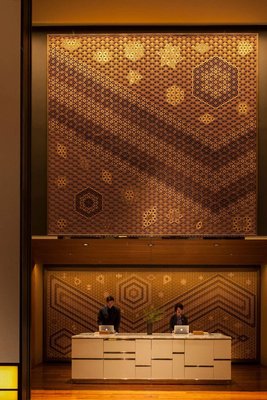
Andaz Tokyo Toranomon Hills- A Concept by Hyatt
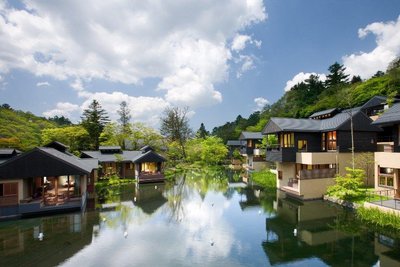
Hoshinoya Karuizawa
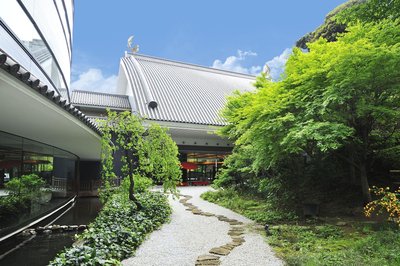
Hotel Gajoen Tokyo
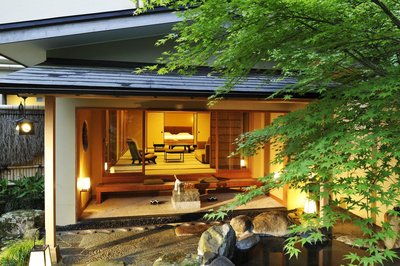
Gora Kadan
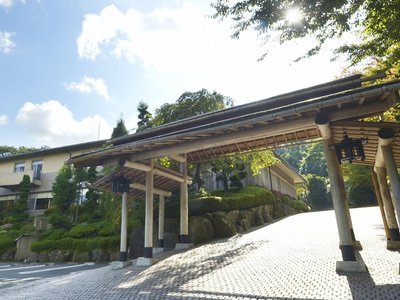
Gora Hanaougi
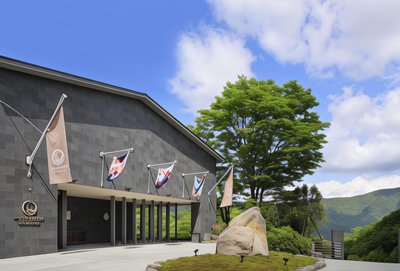
The Hiramatsu Hotels & Resorts Sengokuhara Hakone
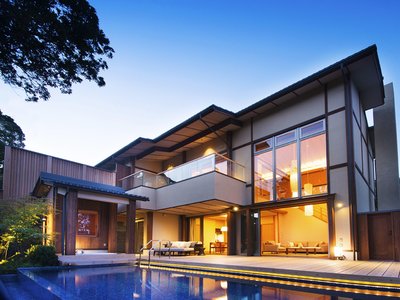
Abba Resorts Izu - Zagyosoh
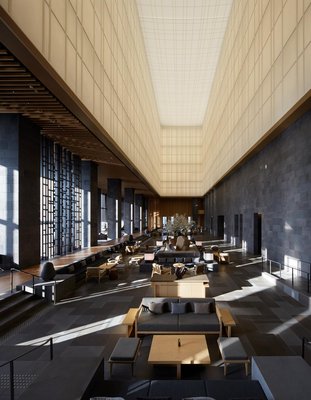
Aman Tokyo
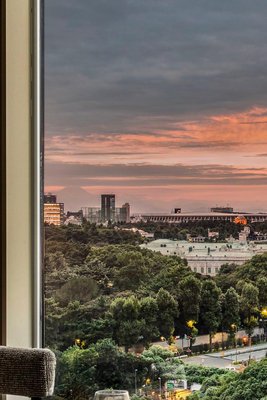
Hotel New Otani Tokyo, Executive House Zen
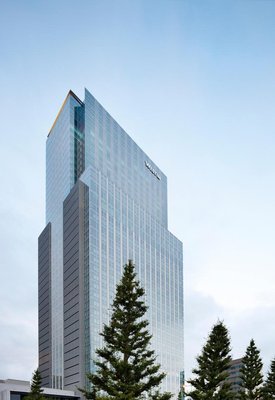
The Westin Sendai Hotel
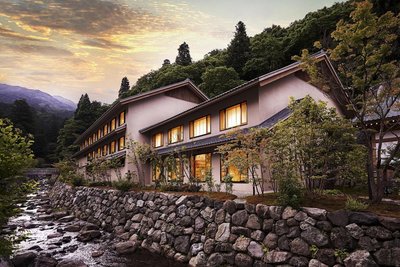
Hakujukan
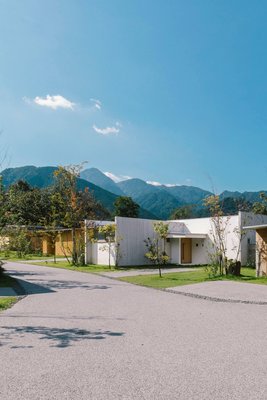
Yunoyama Onsen Sosuikyo
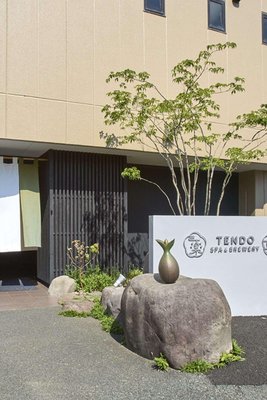
Yubo Ichiraku TENDO SPA&BREWERY
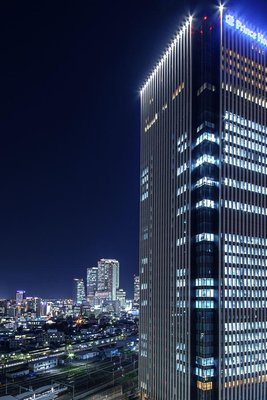
Nagoya Prince Hotel Sky Tower
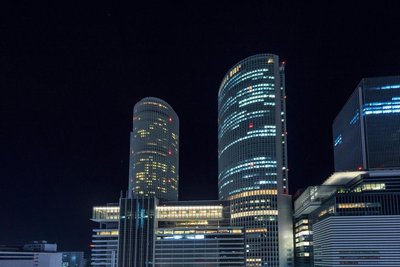
Nagoya Marriott Associa Hotel
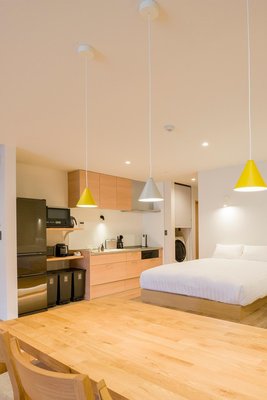
Rakuten STAY VILLA Nasu
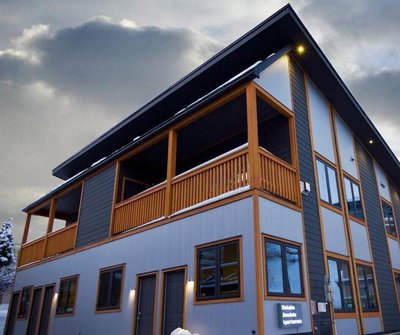
Hakuba Gondola Apartments
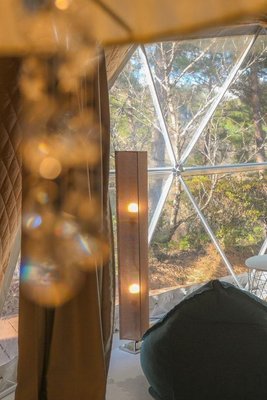
glampark Gekkabijin Nagano
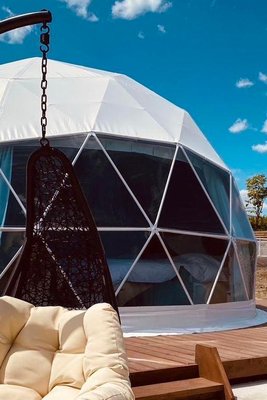
chillout glamping zao
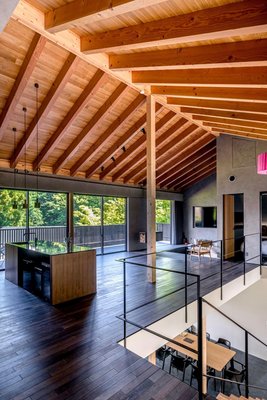
MONS GORA

Phoenix Chalets by Hhg
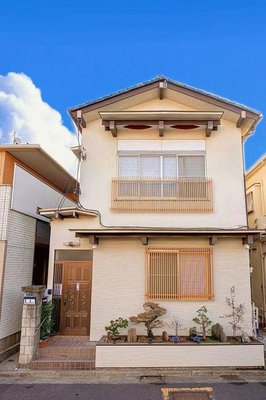
Tokyo Star House-Shinkoiwa
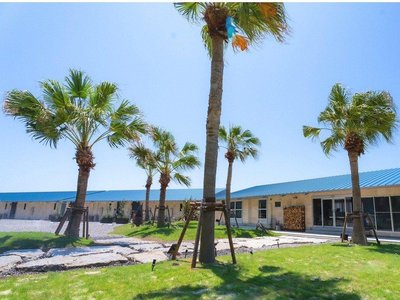
Glamping&Resort Wood Design Park Noma
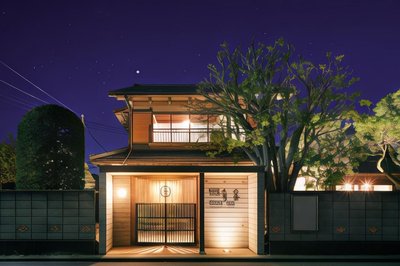
Machi-Jyu
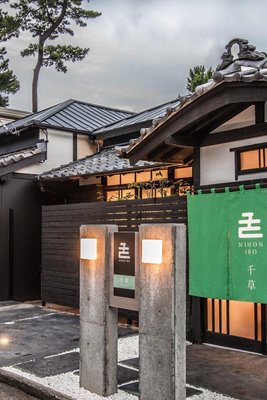
Nihon Iro
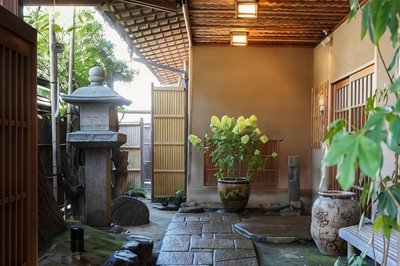
Ryokan Asadaya
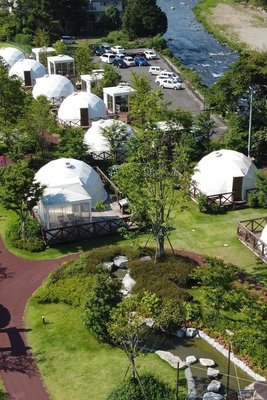
Ufufu Village
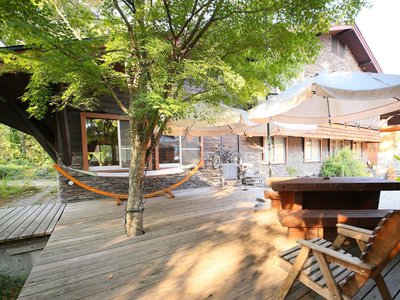
Kunugi Relaxation with 4 Modern Rooms
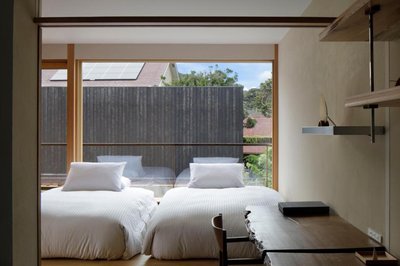
Modern Ryokan Kishi-ke
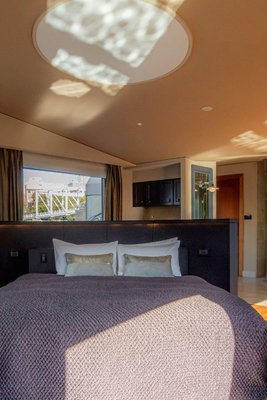
Petals Tokyo - Floating Hotel
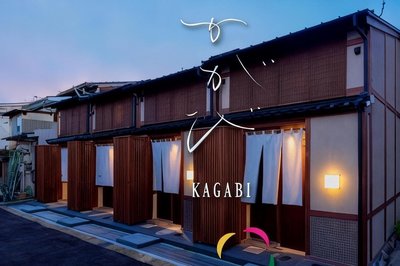
Kagabi Machiya House
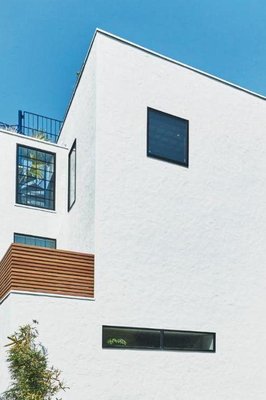
The Flow Kamakura
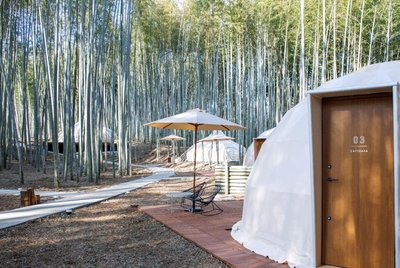
THE BAMBOO FOREST
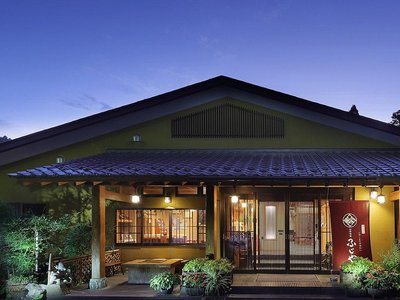
Shikimitei Fujiya
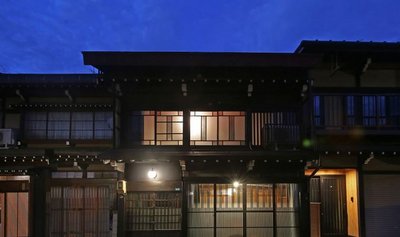
Iori Stay Hida
Frequently Asked Questions about Traveling to Gyōda
Questions You Might Need to Know About Traveling to Gyōda
For a tranquil and authentic experience in Hikari City, consider staying at Hikari Hotel, located just steps from Hikari Station. This locally-owned hotel blends traditional Japanese design with modern comfort, featuring tatami rooms, free Wi-Fi, and a complimentary breakfast. Its central location offers easy access to local markets, parks like Hikari Daishō Park, and the historic Hikari Clock Tower. The staff provides personalized recommendations, making it ideal for travelers seeking genuine regional charm without the crowds of major cities.
The area around Hikari Station is the most convenient and vibrant district for lodging in Hikari City. It's well-connected via Seibu Railway, allowing quick commutes to Ikebukuro (35 minutes) and Kawagoe (20 minutes). The neighborhood features cozy cafes, family-run restaurants, and small convenience stores. You'll also find easy access to Hikari City Hall and Hikari Cultural Center, perfect for those who want to immerse themselves in daily life while enjoying a peaceful suburban atmosphere.
Visitors to Hikari City must attend the annual Hikari Matsuri, a centuries-old summer festival featuring elaborate floats, taiko drum performances, and spectacular fireworks. Another highlight is the Hikari City Museum, which showcases local agricultural heritage, especially rice cultivation in the Kanto plains. For hands-on culture, try pottery-making workshops at Hikari Ceramics Studio, where you can create your own unique piece using traditional techniques and local clay.
Yes, Hikari City is excellent for families. Visit the Hikari Children’s Science Museum, which offers interactive exhibits and a planetarium ideal for kids. Nearby, Hikari Zoo houses native animals like Japanese macaques and deer, with feeding areas perfect for young visitors. The spacious Hikari Daishō Park includes playgrounds, sand pits, and picnic areas—ideal for children to play safely. Families can also enjoy evening strolls along the park’s riverside trail under soft streetlights.
Must-try dishes in Hikari City include Hikari Gyūdon, a rich beef bowl made with locally raised meat and savory sauce. Another local specialty is Minase Soba, handmade buckwheat noodles prepared with water from nearby springs—delicate and refreshing. Don’t miss the stalls at Hikari Station Front Market, offering grilled yakisoba, oden, and fresh mochi. For dessert, try matcha ice cream or homemade sweet red bean buns at cozy neighborhood cafés along Nanamachi-dori.
Top photo locations in Hikari City include the Hikari Clock Tower, a historic red-brick building dating back to 1920, perfect for vintage-style shots. The Sakura Avenue in Hikari Daishō Park is breathtaking during cherry blossom season, with pink petals lining the walkway—ideal for romantic or candid portraits. Also visit the lantern corridor outside Hikari City Museum, a serene, lantern-lit path that captures the essence of Japanese tranquility, especially beautiful at dusk.
Hikari City is highly accessible for day trips from Tokyo. With a direct train ride on the Seibu Railway from Ikebukuro Station (just 35 minutes), you can reach Hikari Station easily. From there, buses connect to Kawagoe, Omiya, and other nearby towns. If driving, National Route 17 runs through the city, linking smoothly to Saitama, Koshigaya, and Koma. The short travel time makes it an ideal escape from Tokyo’s hustle, even for a single-day visit.
A 1 to 2-day itinerary is ideal for exploring Hikari City. On Day 1, visit the Hikari City Museum, stroll through Hikari Daishō Park, and explore the charming streets around Hikari Station. On Day 2, head to Hikari Zoo and the natural reserve Minase no Sato, perfect for nature lovers. If time allows, take a short trip to Kawagoe Old Town or Kosugi Shrine—both reachable by train in under an hour. The relaxed pace suits travelers seeking a slow, meaningful journey away from urban chaos.
Hikari City has a humid subtropical climate with four distinct seasons. Spring (March–May) brings cherry blossoms and mild temperatures—perfect for outdoor walks. Summer (June–August) is hot and humid, with occasional thunderstorms; pack light clothing and rain gear. Autumn (September–November) offers crisp air and stunning fall foliage—ideal for photography. Winter (December–February) is cold but clear, with occasional snowfall, creating a peaceful, picturesque landscape. Always check seasonal forecasts and dress accordingly.
Absolutely. Hikari City offers intimate, low-key romance perfect for couples. Walk hand-in-hand along the riverside promenade in Hikari Daishō Park at sunset, or enjoy a quiet dinner at a hidden café near Hikari Station Front Market, savoring grilled fish and plum wine. The illuminated Hikari Clock Tower at night creates a dreamy backdrop for photos. For added intimacy, book a private pottery workshop at Hikari Ceramics Studio, crafting a keepsake together amidst the calm countryside setting.
Gyōda Overview
City Summary
Gyoda City, located in northern Saitama Prefecture, Japan, is a tranquil town blending historical heritage with natural beauty. Renowned for its ancient burial mounds (including UNESCO-listed Saitama Kofun Group) and traditional tabi sock craftsmanship, the city offers rural landscapes and onsen hot springs for relaxation.
Must-See Attractions
Top attractions include the Saitama Kofun Group (Maruhakayama Kofun is Japan's largest round mound), Gyoda City Museum showcasing local history, and Oshi Castle Ruins reflecting Warring States-period architecture. Don't miss summer's Lotus Festival (thousand-blossom fields) or winter illuminations at converted tabi warehouses.
Food Guide
Must-try is Zeri-furai (deep-fried batter blocks), a snack born from tabi factory workers' culture. Local specialties also feature lotus root dishes and Saitama-brand wagyu beef. Visit old-town eateries like Furusato Shokudo for homestyle teishoku meals.
Transportation Guide
From Tokyo, take JR Takasaki Line to Gyoda Station (1.5 hours). Explore via loop buses (30-min intervals) or rental bicycles. Major sites are walkable, but buses (15-min ride) are recommended for kofun areas. Taxis cost ~700 yen initially, ideal for groups.
Best Time to Visit
Prime seasons are June-August (lotus blooms) and October-November (fall foliage). Avoid humid rainy season (late June). Winter (Dec-Feb) offers solitude but shorter attraction hours.
Travel Tips
- Stay on designated paths at kofun sites
- Seek permission before photographing active tabi factories
- Watch for vehicles on rural roads lacking sidewalks
- Carry cash as small shops rarely accept cards
- Many onsens prohibit tattooed guests
- Use insect repellent near lotus ponds
Useful Information
Language: Basic English at stations; multilingual brochures available. Internet: Free WiFi hotspots downtown; prepaid SIMs recommended. Payments: Credit cards only at major stores; low e-payment adoption. Emergencies: Gyoda Municipal Hospital (072-366-2111) has 24/7 ER. Etiquette: Remove shoes in traditional venues; avoid loud conversations.









