Hotels in Hōdatsushimizu
Discover your perfect stay in Hōdatsushimizu.
Hōdatsushimizu(Japan) Travel 2026: Cheap Flights, Hotels & Top Attractions
Popular Landmarks in Hōdatsushimizu
Discover the most iconic attractions in Hōdatsushimizu
Recommended Hotels in Hōdatsushimizu
Find the perfect place to stay in Hōdatsushimizu
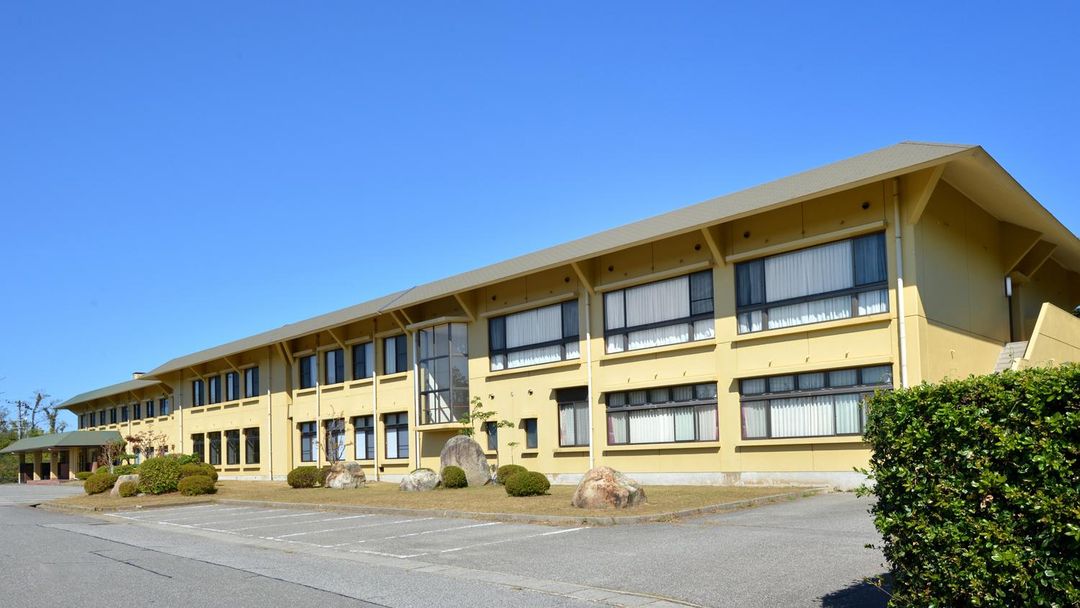
Hotel Wellness Notoji
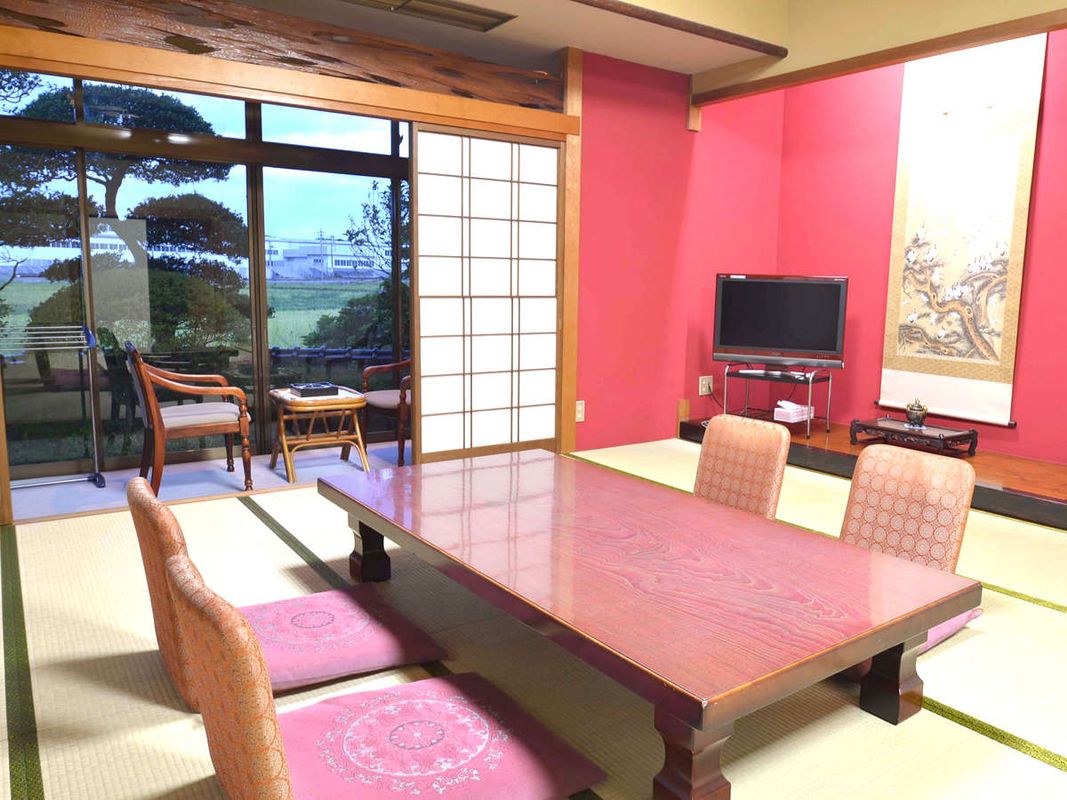
Ryokan Yamamoto
Best Hotels in Hōdatsushimizu
Discover curated hotel collections in Hōdatsushimizu
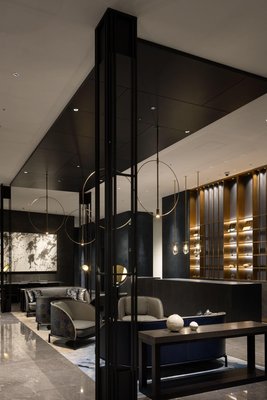
Bellustar Tokyo, A Pan Pacific Hotel
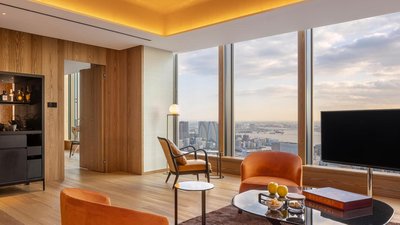
Bvlgari Hotel Tokyo
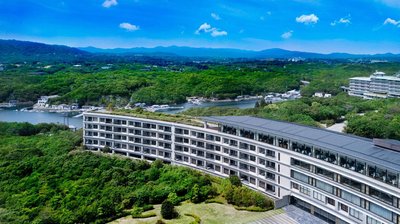
Shima Kanko Hotel the Bay Suites
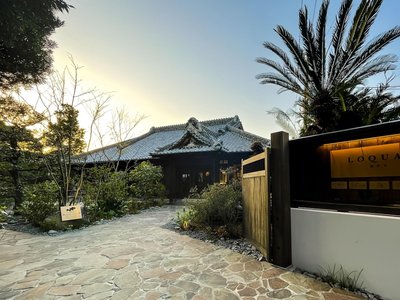
Loquat Nishiizu
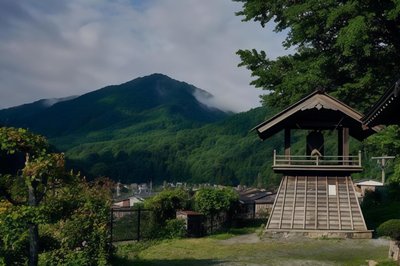
Byaku Narai
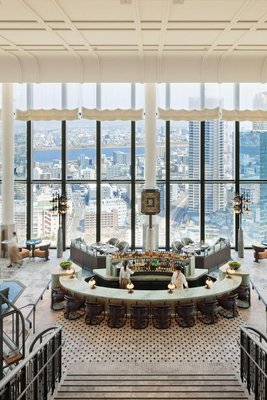
Waldorf Astoria Osaka
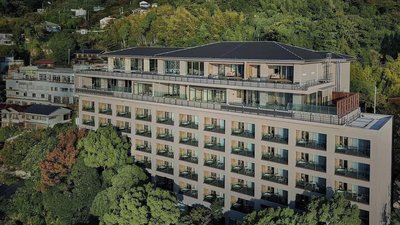
Atami Izusan Karaku
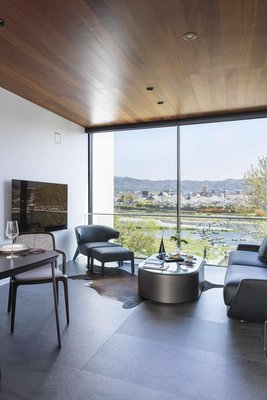
Kamo Residences by Reflections
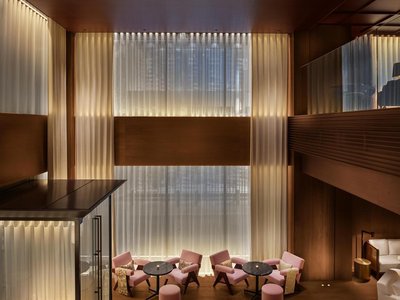
The Tokyo Edition, Ginza
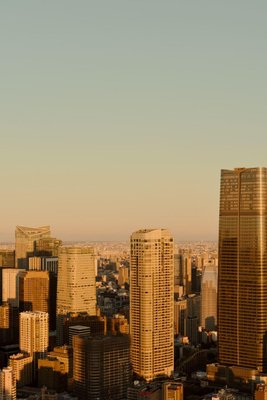
Janu Tokyo
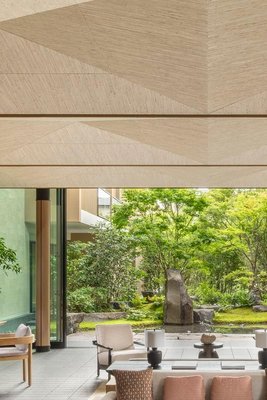
Six Senses Kyoto
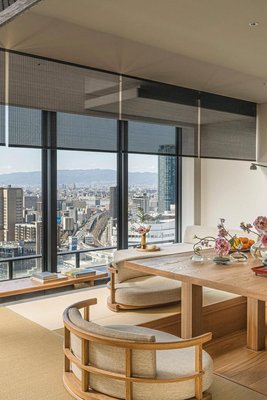
Four Seasons Hotel Osaka
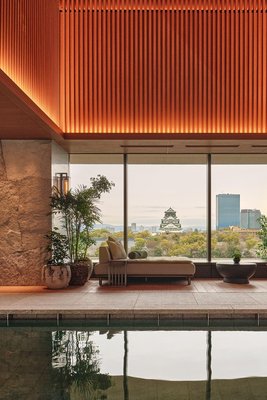
Patina Osaka

The Ritz-Carlton, Osaka
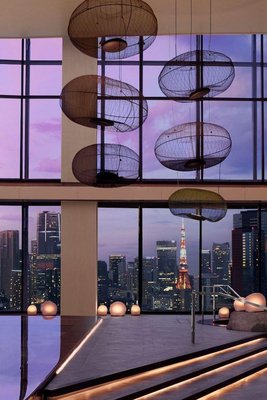
JW Marriott Hotel Tokyo
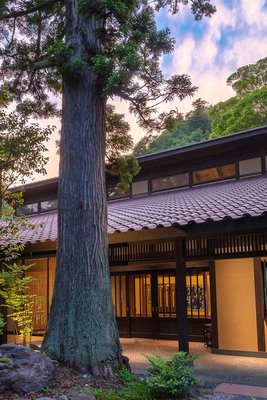
Arimasansoh Goshobessho
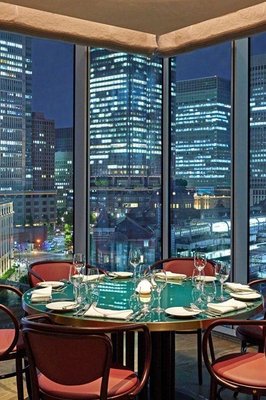
Four Seasons Hotel Tokyo at Marunouchi

Mandarin Oriental, Tokyo
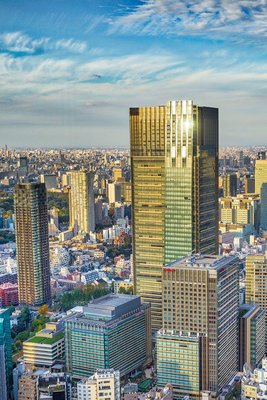
The Ritz-Carlton, Tokyo
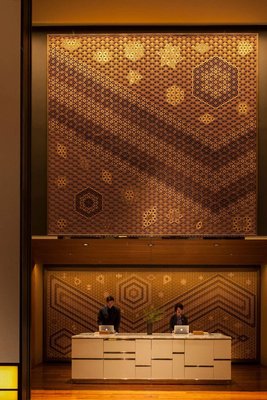
Andaz Tokyo Toranomon Hills- A Concept by Hyatt

Toba International Hotel Shiojitei
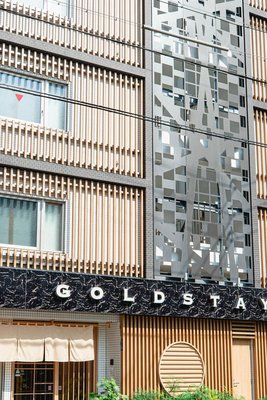
Gold Stay Nagoya OSU
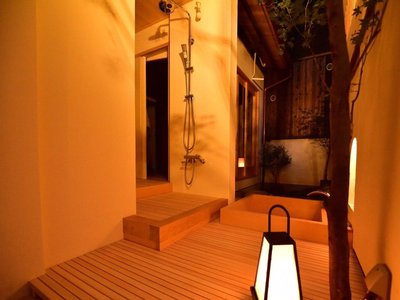
Yado Kiramachi
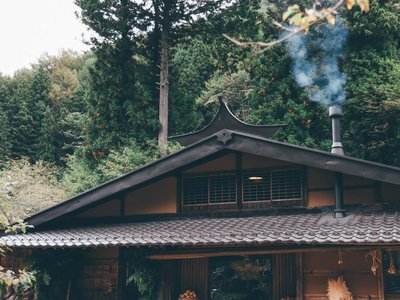
La Terra Resort
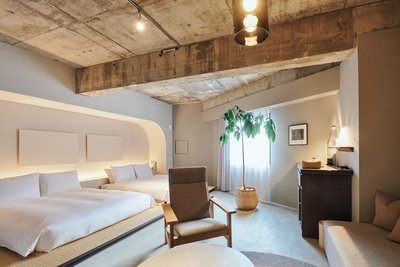
Korinkyo

GOLD STAY Nagoya Sakae
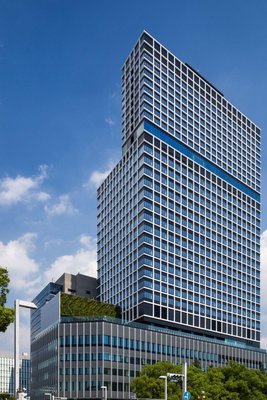
The Royal Park Hotel Iconic Nagoya
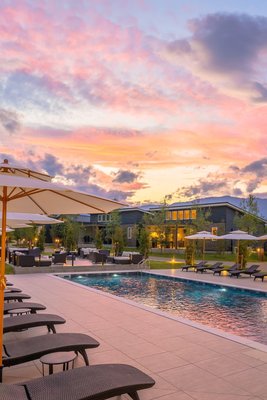
Awaumi Fujikawaguchiko Resort
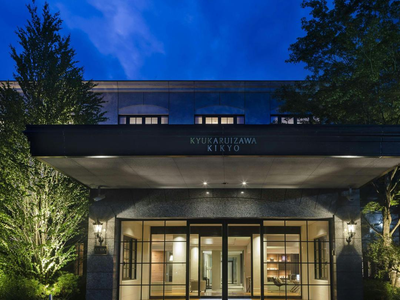
Fufu Karuizawa Wind of Sunshine
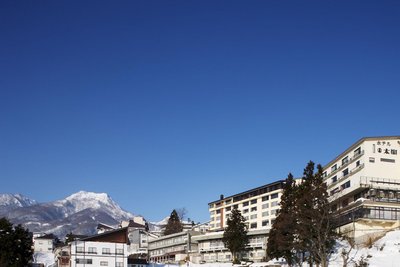
Hotel Taiko, Akakura Onsen
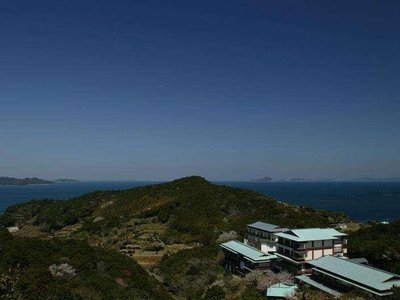
Hanashinsui
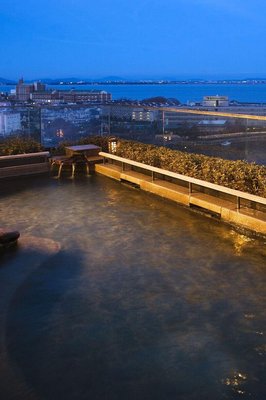
Yumotokan
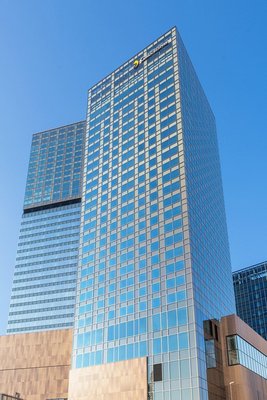
Hotel Hankyu GRAN RESPIRE OSAKA
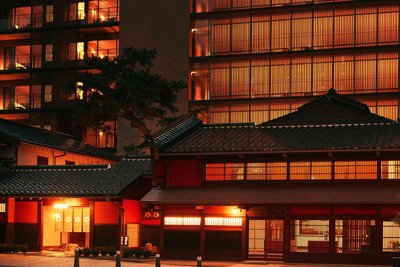
Hoshino Resorts Kai Kaga
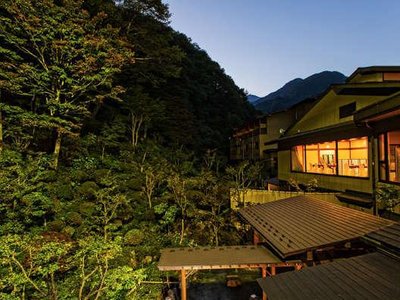
Futari Shizuka
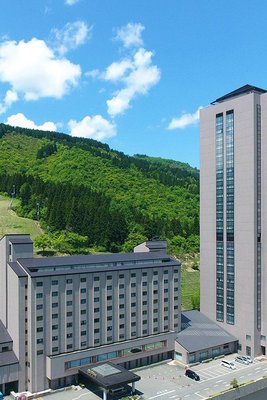
Naspa New Otani

Taikyourou
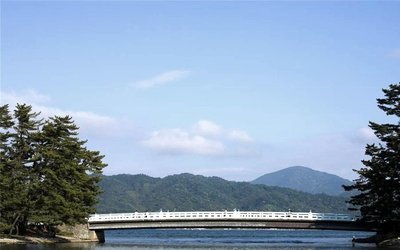
Monjusou Shourotei
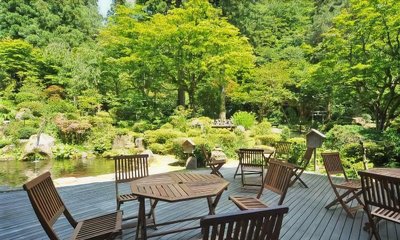
Choseikan
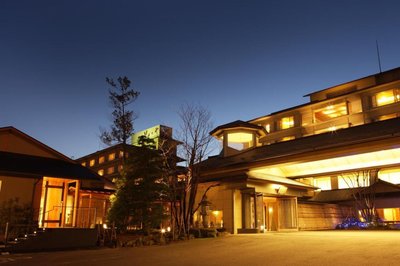
Yumotoya
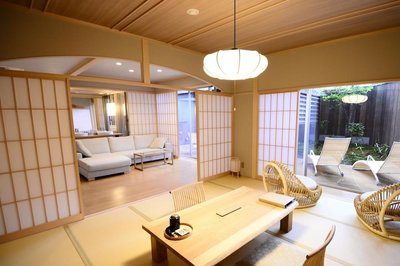
Hakone Gora Byakudan
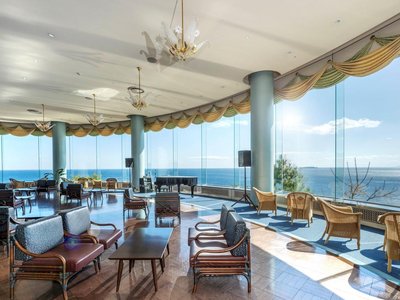
Hotel New Akao
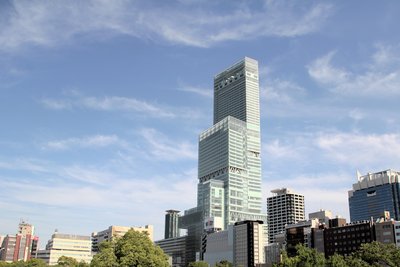
Osaka Marriott Miyako Hotel
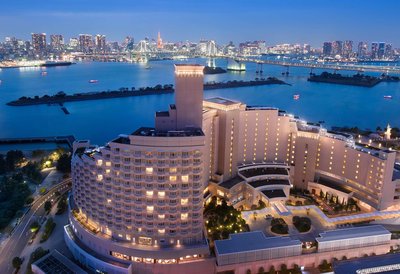
Hilton Tokyo Odaiba
JW Marriott Hotel Tokyo
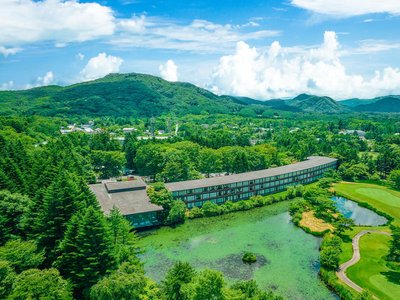
The Prince Karuizawa
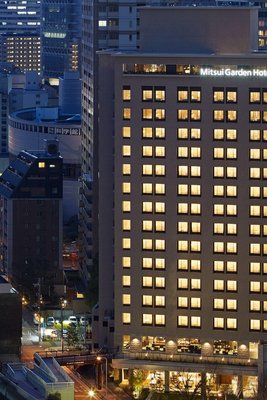
Mitsui Garden Hotel Osaka Premier
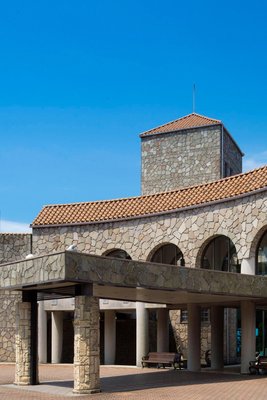
Izumigo Hotel Altia Toba
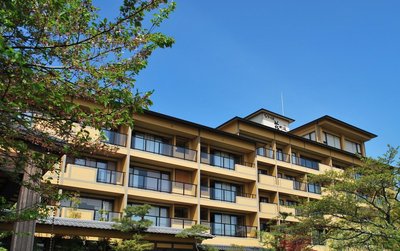
BIWAKO HANAKAIDO
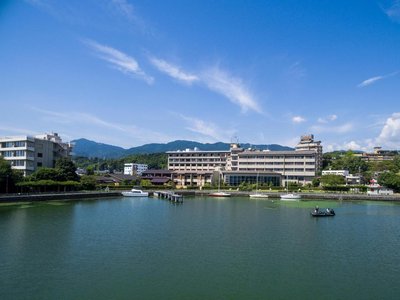
Biwako Ryokusuitei
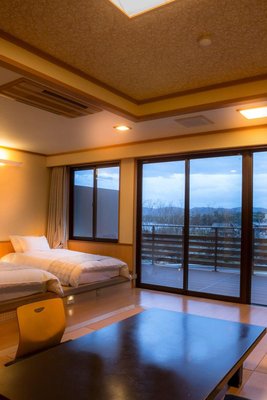
Hotel Kitanoya
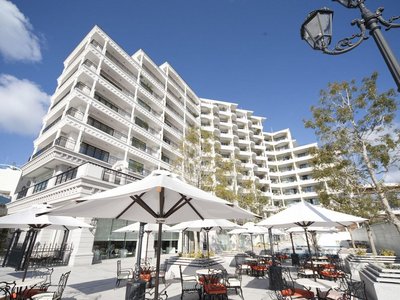
Hotel La Suite Kobe Harborland

The Kukuna
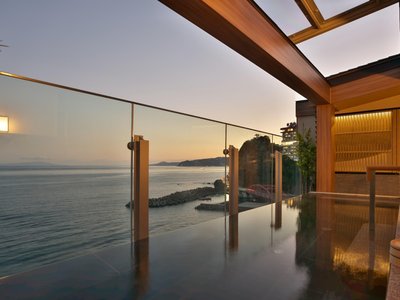
Hotel New Sagamiya
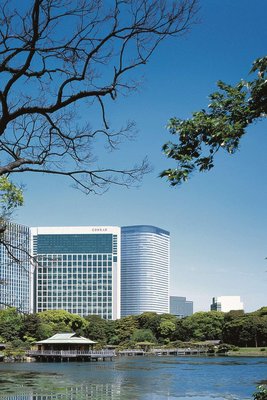
Conrad Tokyo
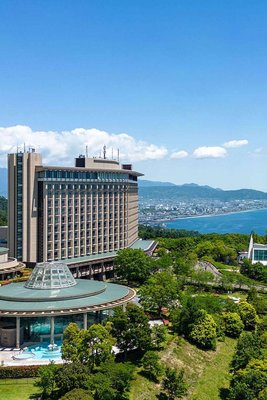
Hilton Odawara Resort & Spa
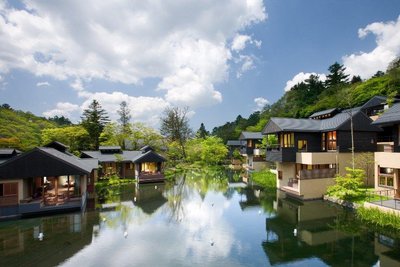
Hoshinoya Karuizawa
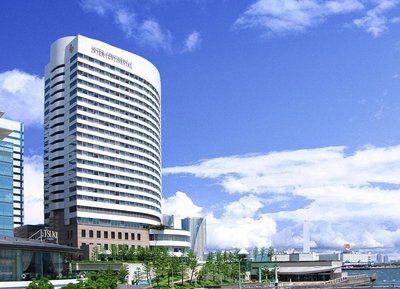
InterContinental Tokyo Bay
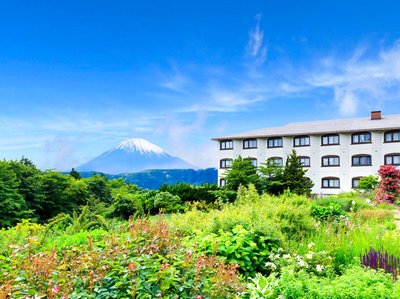
Hotel Green Plaza Hakone
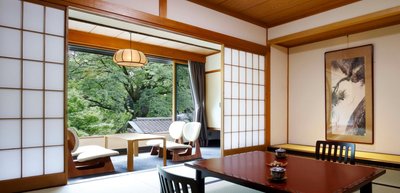
Yoshiike Ryokan
Bellustar Tokyo, A Pan Pacific Hotel
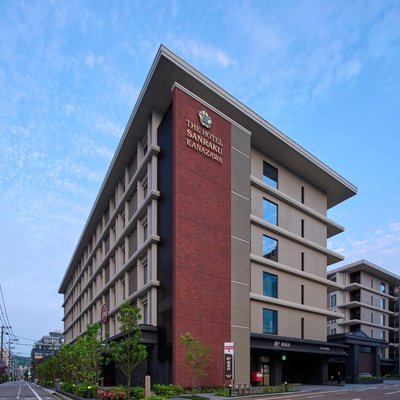
The Hotel Sanraku Kanazawa 21th December 2022 Open
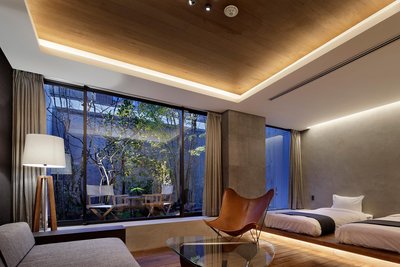
22 PIECES
The Ritz-Carlton, Osaka
JW Marriott Hotel Tokyo
Andaz Tokyo Toranomon Hills- A Concept by Hyatt

The Thousand Kyoto
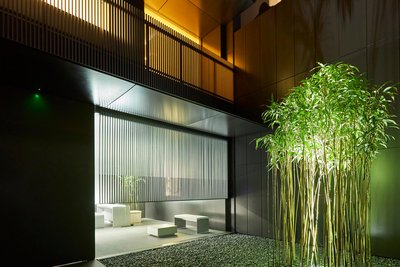
Mogana
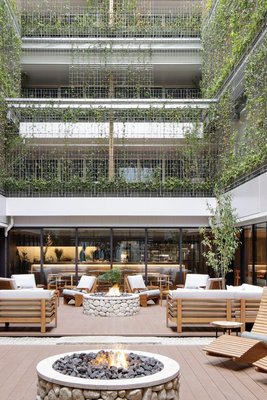
GOOD NATURE HOTEL KYOTO
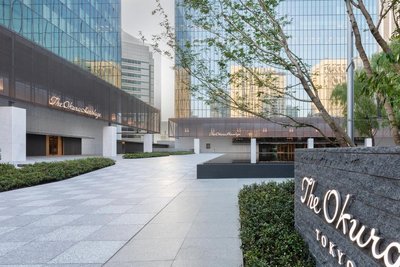
The Okura Tokyo
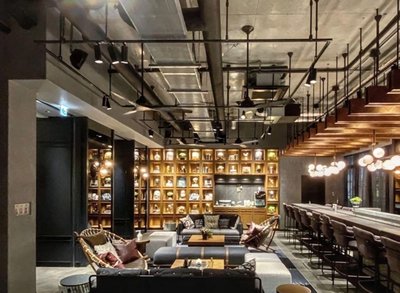
The Lively Azabujuban Tokyo
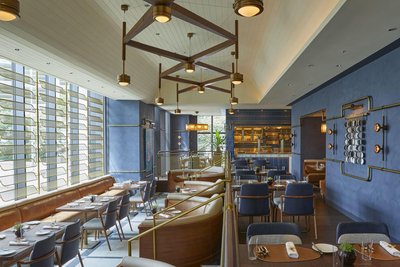
Kimpton Shinjuku Tokyo
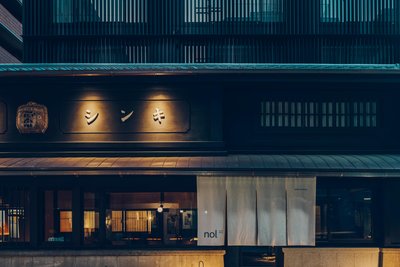
Nol Kyoto Sanjo

HOTEL K5
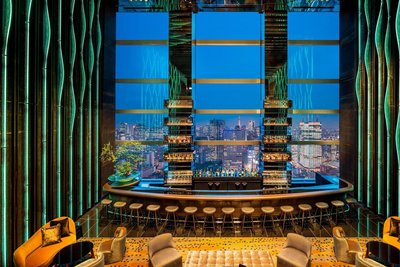
The Prince Gallery Tokyo Kioicho, a Luxury Collection Hotel
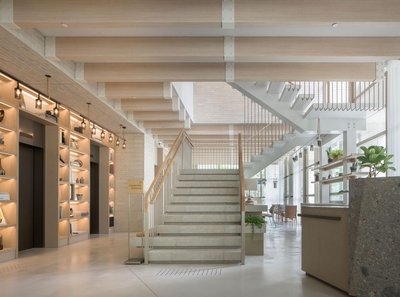
Zentis Osaka

Garrya Nijo Castle Kyoto
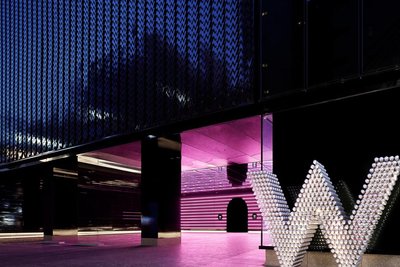
W Osaka

Hotel Kanra Kyoto

Aloft Osaka Dojima
Hakone Gora Byakudan
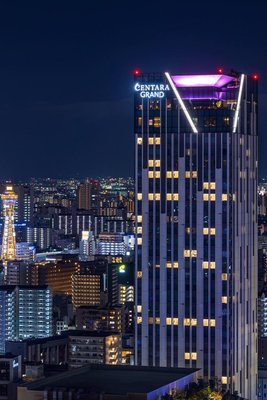
Centara Grand Hotel Osaka
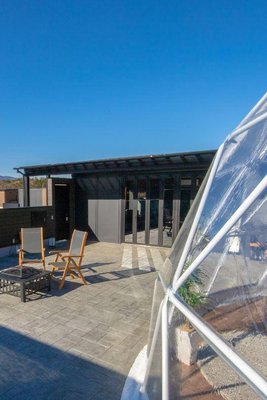
Panoramic Mt. Fuji Views from All Rooms – Vision Glamping Resort & Spa Yamanakako
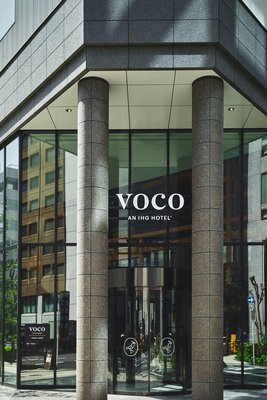
voco Osaka Central
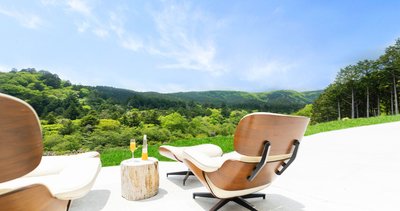
Shelter Garden Nikko
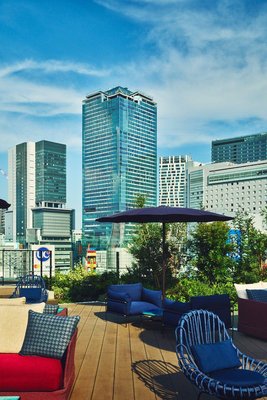
Hotel Indigo Tokyo Shibuya
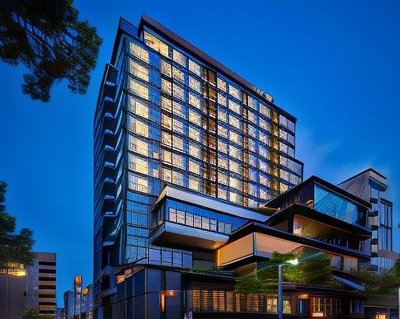
TIAD, AUTOGRAPH COLLECTION
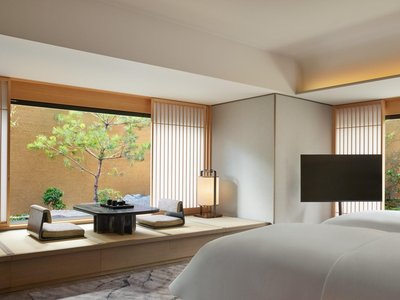
Dusit Thani Kyoto
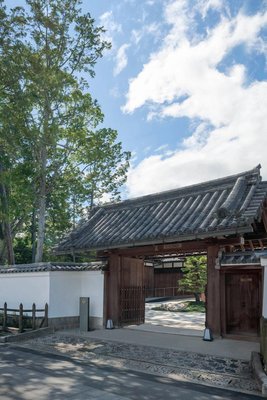
Shisui, a Luxury Collection Hotel, Nara

Hilton Kyoto
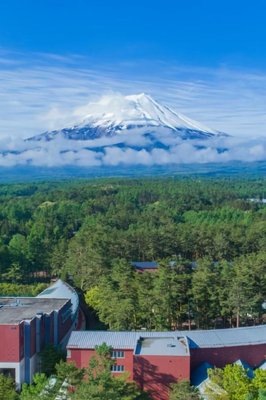
Forest Village (Fuji Premium Resort)
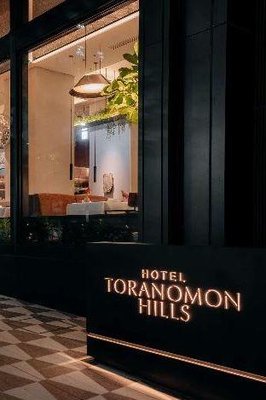
Hotel Toranomon Hills
Osaka Marriott Miyako Hotel
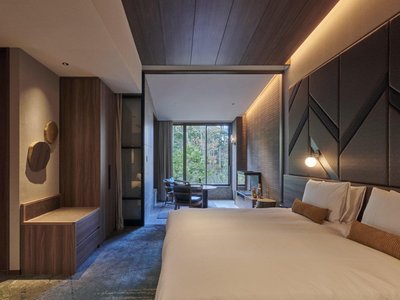
Fufu Kyu-Karuizawa Restful Forest
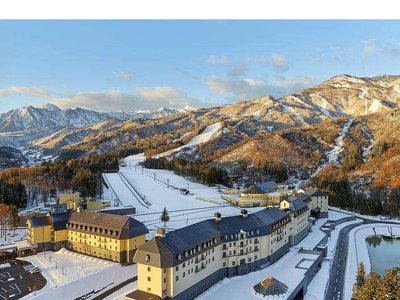
Lotte Arai Resort
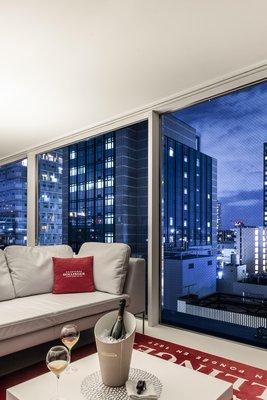
CUVÉE J2 HOTEL OSAKA by Onko Chishin
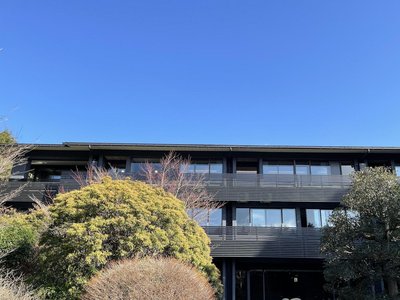
Sengokubara Cocon
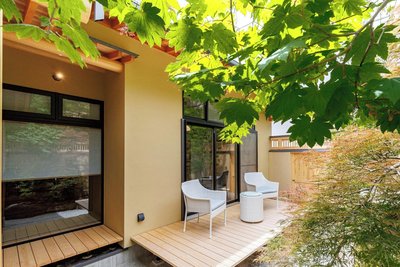
Shoraiso
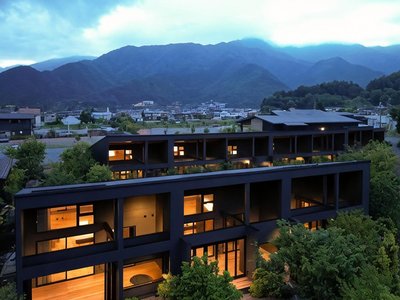
7C Villa and Winery
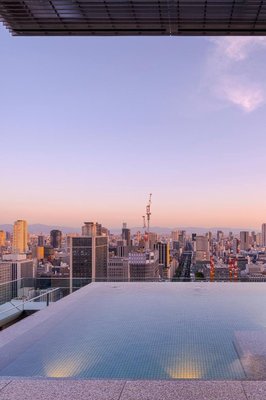
Candeo Hotels Osaka The Tower
Bvlgari Hotel Tokyo
Osaka Marriott Miyako Hotel
The Ritz-Carlton, Osaka
Four Seasons Hotel Tokyo at Marunouchi
Mandarin Oriental, Tokyo
The Ritz-Carlton, Tokyo
Andaz Tokyo Toranomon Hills- A Concept by Hyatt
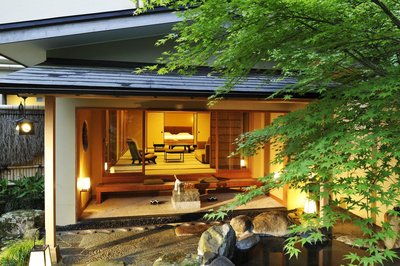
Gora Kadan
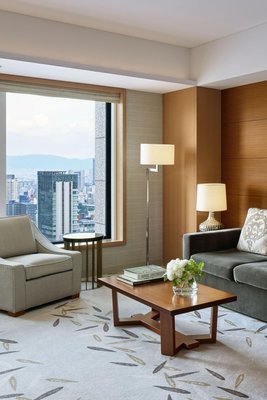
InterContinental Hotel Osaka
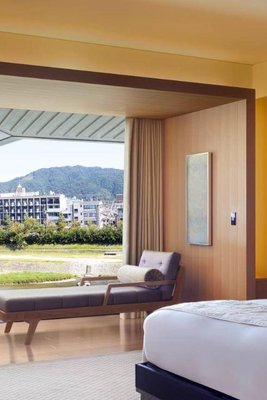
The Ritz-Carlton, Kyoto
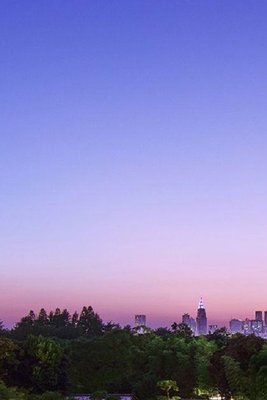
Hotel New Otani Tokyo the Main
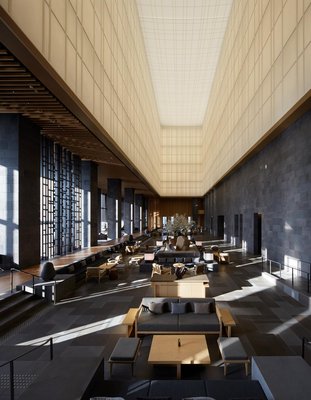
Aman Tokyo
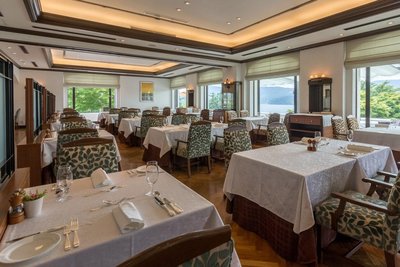
Odakyu Hotel de Yama
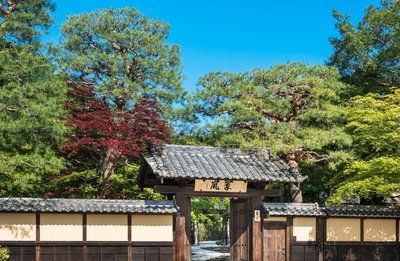
Suiran, a Luxury Collection Hotel, Kyoto
GOOD NATURE HOTEL KYOTO
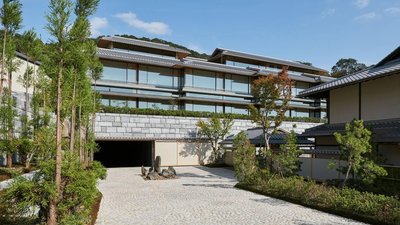
Park Hyatt Kyoto
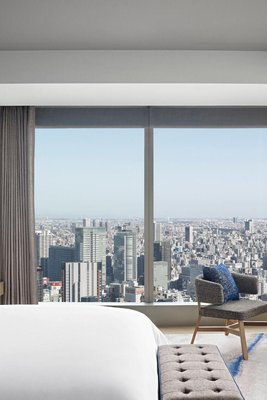
Four Seasons Hotel Tokyo at Otemachi
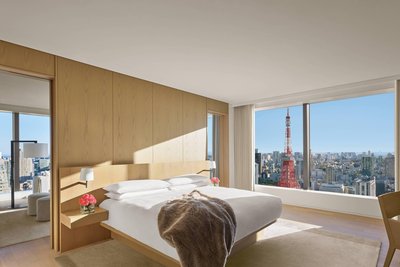
The Tokyo Edition, Toranomon

Hyatt Centric Kanazawa
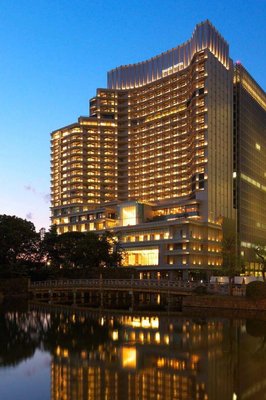
Palace Hotel Tokyo
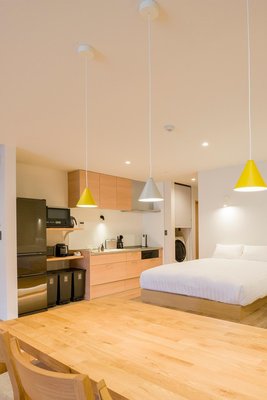
Rakuten STAY VILLA Nasu
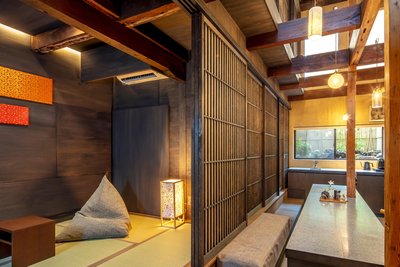
Kyo No Oozora Kihana
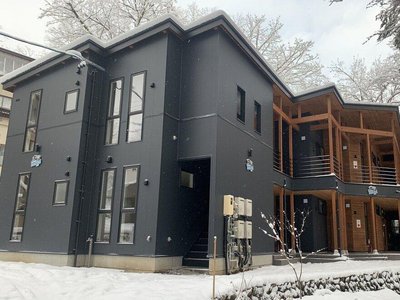
Hakuba Gondola Apartments
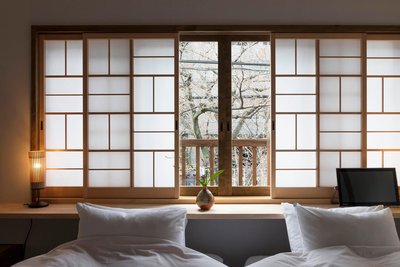
Hanagoromo Machiya House
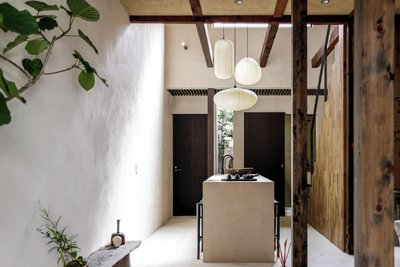
Maana Kiyomizu
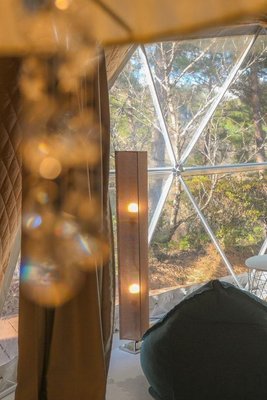
glampark Gekkabijin Nagano
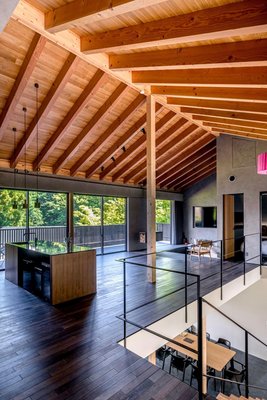
MONS GORA
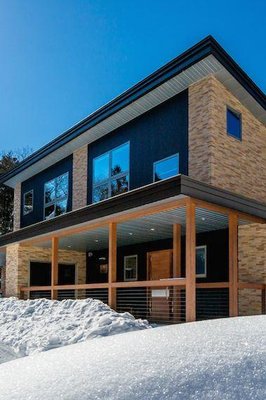
Phoenix Chalets by Hhg
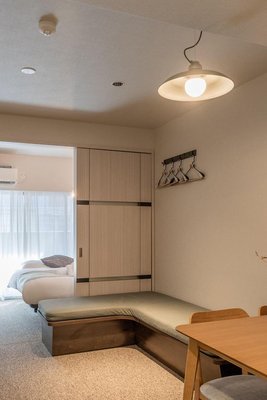
Apartment Hotel 11 Shinsaibashi
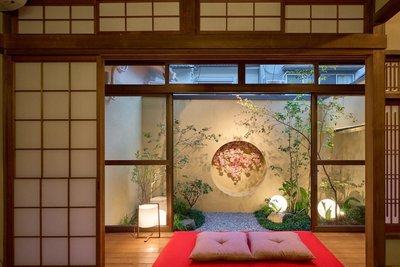
KONJAKUSO Osaka Tengachaya "NIHONCHA" Tea & Relax
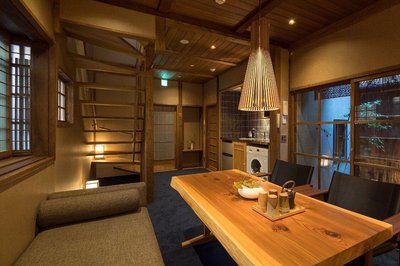
Bonbori an Machiya House
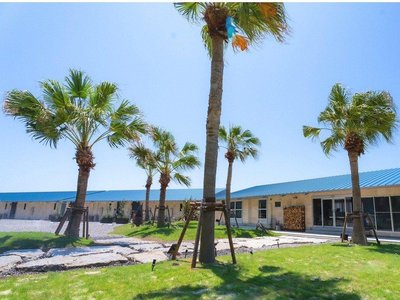
Glamping&Resort Wood Design Park Noma
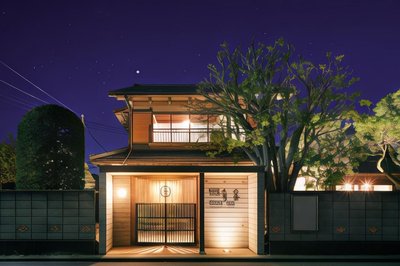
Machi-Jyu
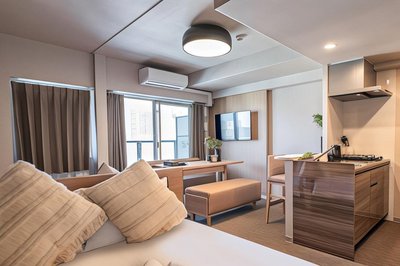
Apartment Hotel 11 Shinsaibashi III
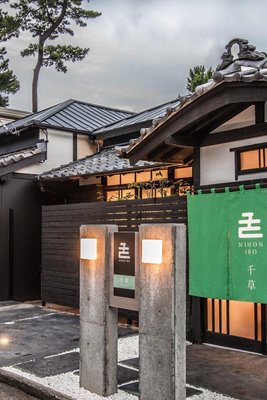
Nihon Iro
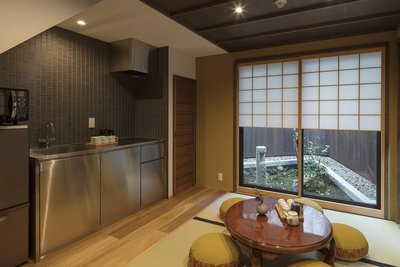
The Machiya Villa Sanjo Shirakawa Koji
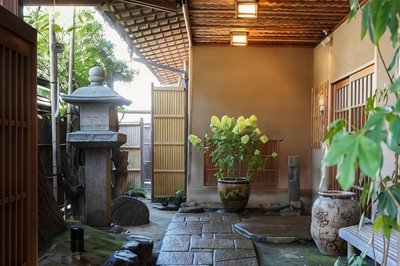
Ryokan Asadaya
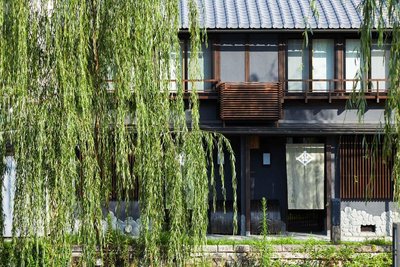
Gion Shirakawa No Yado

Kitashirakawa Natural Radium Onsen
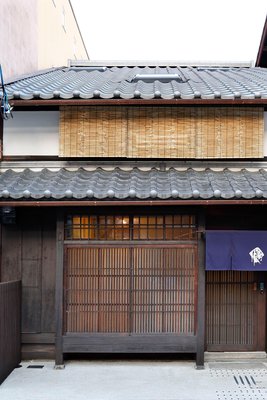
Kyo No Ondokoro Kamanza Nijo #2

Hotel Barrière Fouquet's New York
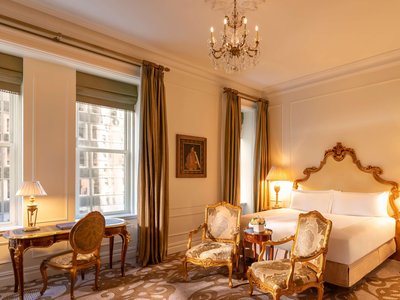
The Plaza - A Fairmont Managed Hotel
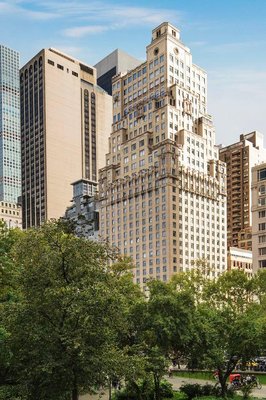
The Ritz-Carlton New York, Central Park
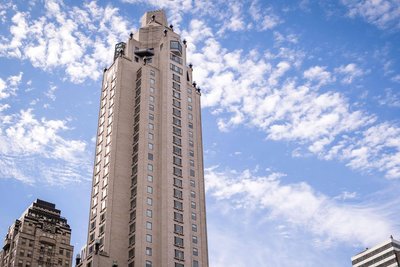
Four Seasons Hotel New York
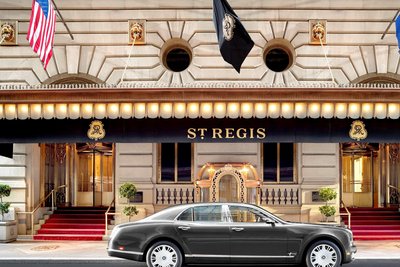
The St. Regis New York
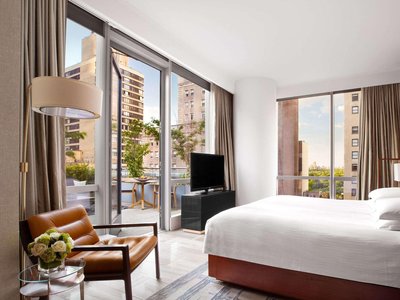
Park Hyatt New York
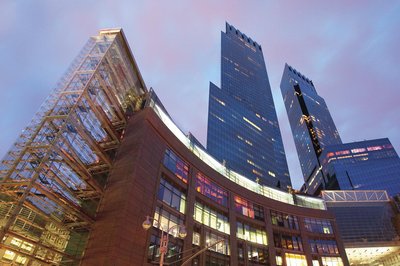
Mandarin Oriental New York
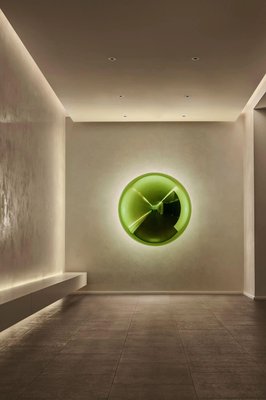
Times Square Edition New York

Loews Regency New York Hotel
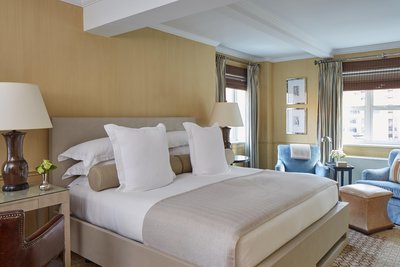
Lowell Hotel
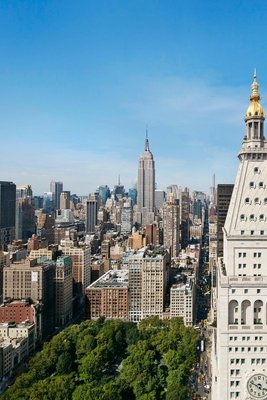
New York Edition
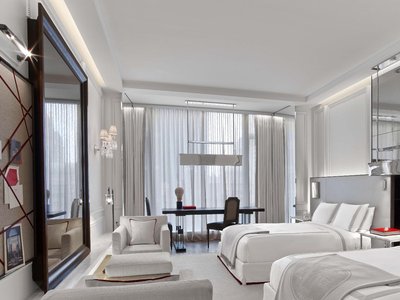
Baccarat Hotel New York
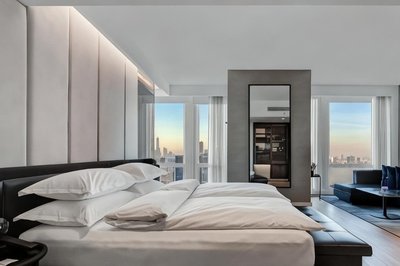
Equinox Hotel New York

Four Seasons Hotel New York Downtown
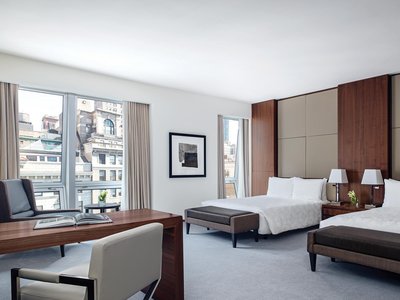
The Langham, New York, Fifth Avenue

The Carlyle, A Rosewood Hotel

The Chatwal, in the Unbound Collection by Hyatt
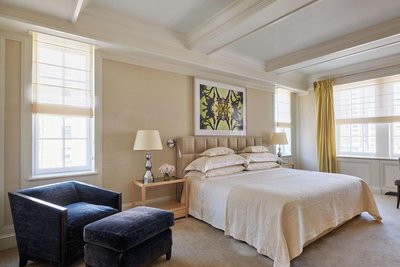
The Mark New York
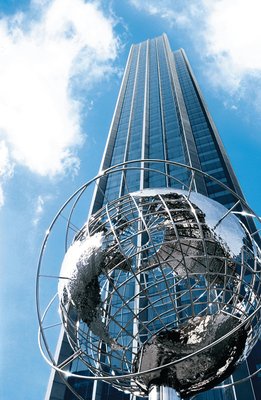
Trump International Hotel & Tower® New York
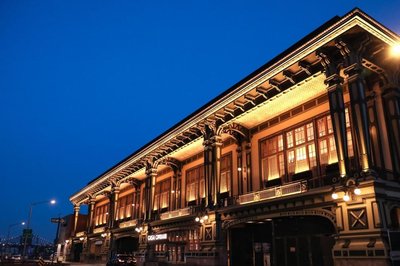
Casa Cipriani New York
Frequently Asked Questions about Traveling to Hōdatsushimizu
Questions You Might Need to Know About Traveling to Hōdatsushimizu
In Hōtōshimizu Town, the top boutique stay is Hokuriku Nature Lodge, a restored traditional Japanese farmhouse nestled in the mountains with views of the Noto Peninsula. The rooms feature tatami mats, exposed wood beams, and minimalist design, offering a serene retreat. Guests can enjoy locally sourced organic breakfasts and participate in hands-on workshops like Noto Washi paper-making or pottery crafting. Another standout is Kanazawa Ryokan Kōya, a small family-run inn near the town center, known for its warm hospitality and private onsen baths overlooking rice fields.
The ideal time to visit Hōtōshimizu Town for nature lovers is spring (March–May) and autumn (September–November). Spring brings cherry blossoms along the Ōno River Gorge, creating a dreamy pink canopy over clear waters. In autumn, the White Mountain Range foothills burst into crimson and gold foliage, perfect for hiking and photography. The region also hosts the annual Noto Traditional Festival in October, showcasing local craftsmanship and seasonal rituals—ideal for experiencing authentic rural life amid stunning natural backdrops.
Must-visit cultural sites in Hōtōshimizu Town include the Miyaguchi Kofun Cluster, ancient keyhole-shaped burial mounds dating back to the Kofun period, offering insight into early Japanese society. The Noto Yashiki Site was once a Edo-era post station; its stone walls and preserved garden layout reflect historical trade routes. Additionally, the Hōtōshimizu Town Museum houses exhibits on local fishing traditions, farming practices, and ceramic art, providing a deep dive into the community’s heritage and resilience through centuries.
Yes, Hōtōshimizu Town is highly suitable for families. The Ōno River Family Nature Park offers safe walking trails, child-friendly water play zones, and guided ecological tours where kids can spot dragonflies and stream insects. Many lodges, such as Hokuriku Nature Lodge, provide family suites, kid-sized meals, and interactive activities like making Noto Washi paper or trying local clay sculpting. With low population density, excellent safety, and minimal traffic, parents can relax while children explore nature and culture at their own pace.
Must-try dishes in Hōtōshimizu Town include Noto Bonito Sushi, made with fresh daily-caught bonito, offering a sweet-savory flavor profile. Try White Mountain Wild Greens Tempura, featuring foraged herbs like ferns and wild parsley, lightly battered and fried to perfection. Miyaguchi Tofu is renowned for its silky texture—serve it chilled with soy sauce or warm in miso soup. Don’t miss organic rice and black bean tea, available at local farms and inns, ideal as healthy souvenirs to bring home.
The easiest way to reach Hōtōshimizu Town from Kanazawa is by taking the Noto Bus from Kanazawa Station, which runs directly to the town center in about 1 hour 40 minutes, passing scenic coastal and mountain landscapes. Alternatively, take the JR Nanao Line to Noto Takahashi Station, then transfer to a local bus. For those driving, use the Hokuriku Expressway followed by Prefectural Road 37, with clear signage throughout. HopeGoo buses or rental cars in advance is recommended, especially during peak season or festivals.
Yes, Hōtōshimizu Town holds several hidden photo gems. The Ōno River Gorge Viewing Platform at dawn offers mist-laden reflections of red maple trees and flowing water—perfect for ethereal landscape shots. The Kanazawa Ryokan Kōya’s dry landscape garden features moss-covered stones and raked gravel patterns, ideal for minimalist composition. At sunset, the Miyaguchi Kofun Cluster view point captures ancient burial mounds silhouetted against the White Mountain Range, creating a powerful contrast between past and present. Bring a tripod and polarizing filter for dramatic results.
While not a major spa destination, Hōtōshimizu Town boasts high-quality natural hot springs. Noto Onsen Resort Hotel features indoor and outdoor open-air baths fed by mineral-rich carbonate spring water, known for improving skin health and relieving muscle tension. The baths are surrounded by pine and bamboo groves, enhancing the tranquil, meditative atmosphere. Some guesthouses offer private onsen pools using traditional wooden architecture, blending comfort with nature. Evening soaks under starlit skies are especially magical, offering a peaceful escape from modern life.
The quietest area in Hōtōshimizu Town is the mountain-side village upstream of Ōno River, far from main roads and tourist hubs. Here, secluded lodges like Hokuriku Nature Lodge and Kanazawa Ryokan Kōya are set among bamboo forests and terraced rice fields, offering total peace. Minimal light pollution ensures deep night silence, ideal for meditation or stargazing. These areas have limited mobile signal and no commercial development—perfect for travelers seeking solitude, digital detox, and a true connection with nature.
For slow travel enthusiasts, Hōtōshimizu Town offers immersive experiences: stroll the Ōno River Gorge trail at a leisurely pace, stopping to observe wildlife and river stones; join a Noto Washi paper-making workshop to learn the centuries-old craft; attend a guided tour of the Miyaguchi Kofun Cluster, exploring ancient burial mounds with local historians; or spend a day as a local farmer, planting organic vegetables and harvesting wild greens. These activities emphasize presence, reflection, and meaningful connection with place and people.
Hōdatsushimizu Overview
City Summary
Hodatsushimizu Town is a tranquil town in Ishikawa Prefecture, Japan, blending tradition and nature. Known for its clear rivers and rich agriculture, especially rice and vegetable cultivation, the town boasts a deep historical culture with ancient temples and shrines showcasing rural Japanese charm. Visitors can experience slow living away from urban hustle.
Must-See Attractions
Key attractions in Hodatsushimizu Town include Mount Hodatsu, a hiking sanctuary with panoramic views from its summit. Shio Shrine is a cultural heritage site hosting traditional festivals. The Hodatsu River offers pristine waters for summer activities. Visitors can also explore local farms for fresh produce picking.
Food Guide
The town's culinary culture centers on local produce. Try fresh rice and local vegetables. Street food like grilled fish and miso soup is popular. The area's sake, with a long brewing history, is a must-try.
Transportation Guide
Transportation in Hodatsushimizu relies on buses and bicycles. There are no subways; buses or bike rentals are recommended. Buses from Kanazawa take about 1 hour. Taxis are scarce; HopeGoo in advance is advised. Self-driving is convenient with ample parking.
Best Time to Visit
Best seasons are spring (March-May) and autumn (September-November) for mild weather. Summer (June-August) is hot but ideal for water activities. Winter (December-February) is cold with fewer tourists.
Travel Tips
- Respect local culture: Follow shrine etiquette.
- Waste sorting: Strict recycling rules; comply with local practices.
- Language barrier: Limited English; learn basic Japanese.
- Cash payments: Some shops don’t accept cards; carry cash.
- Transport schedules: Buses are infrequent; check timetables.
- Sun protection: Summer sun is strong; bring sunscreen.
Useful Information
Language: Japanese; English is rare. Internet: Limited free Wi-Fi spots. Payment: Cash preferred; some cards accepted. Emergencies: Nearest hospital is in Kanazawa; travel insurance recommended. Emergency numbers: Police 110, ambulance 119.