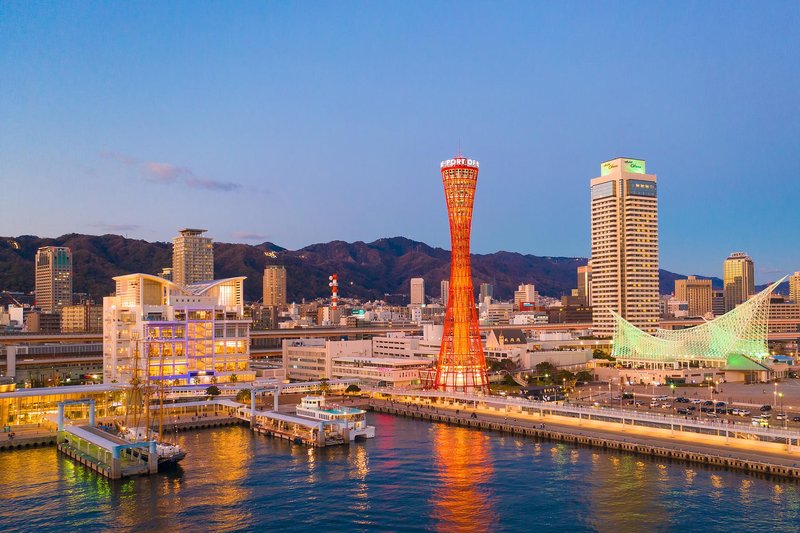
Hotels in Hōki
Discover your perfect stay in Hōki.
Hōki(Japan) Travel 2026: Cheap Flights, Hotels & Top Attractions
Popular Landmarks in Hōki
Discover the most iconic attractions in Hōki
Recommended Hotels in Hōki
Find the perfect place to stay in Hōki
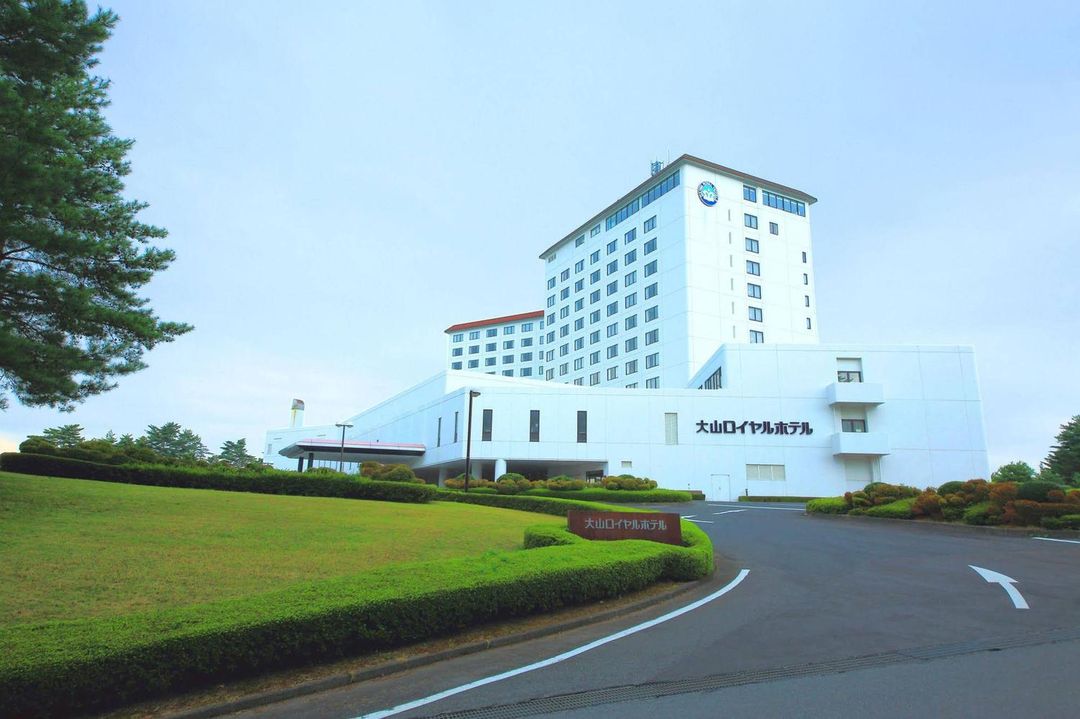
Mercure Tottori Daisen Resort & Spa
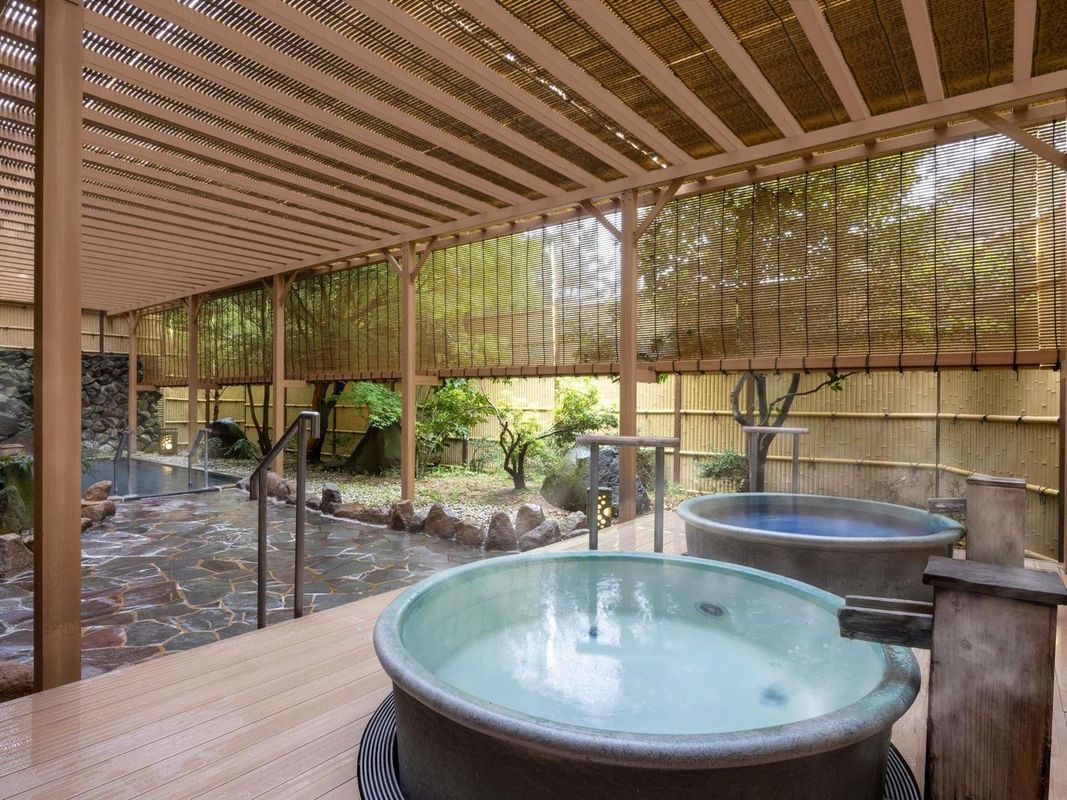
Mercure Tottori Daisen Resort & Spa
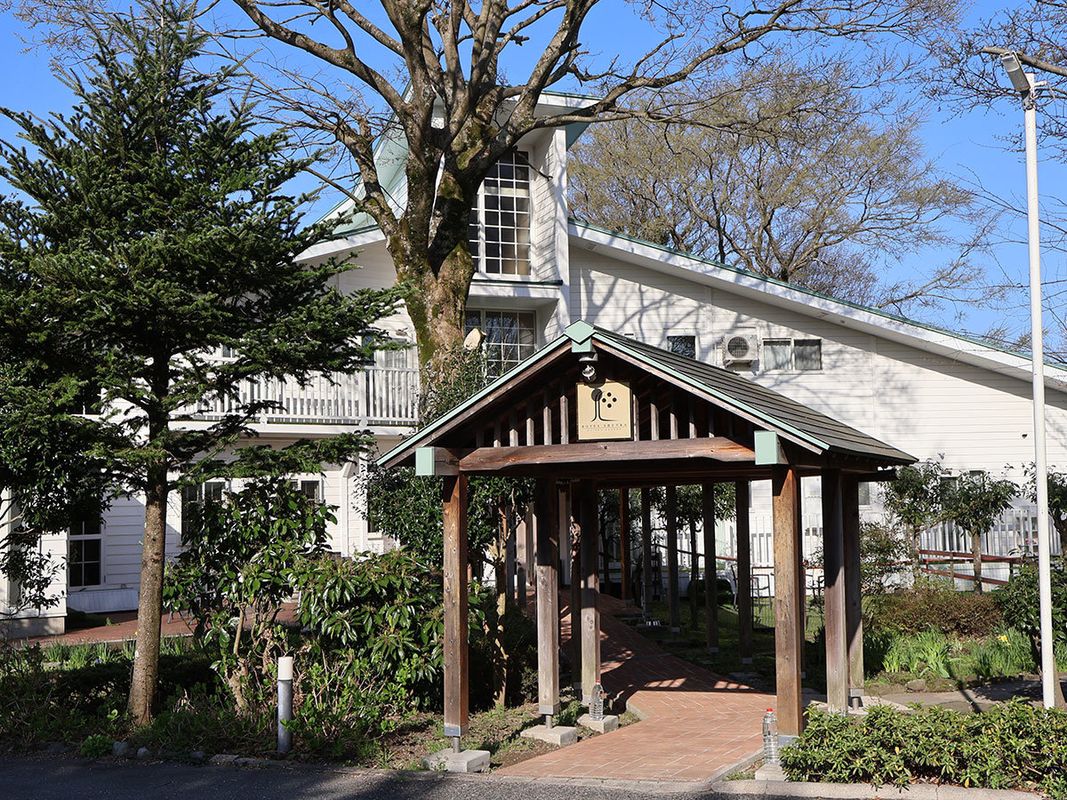
Hotel Shunka Tottori Daisen Resort
Yuho Pension
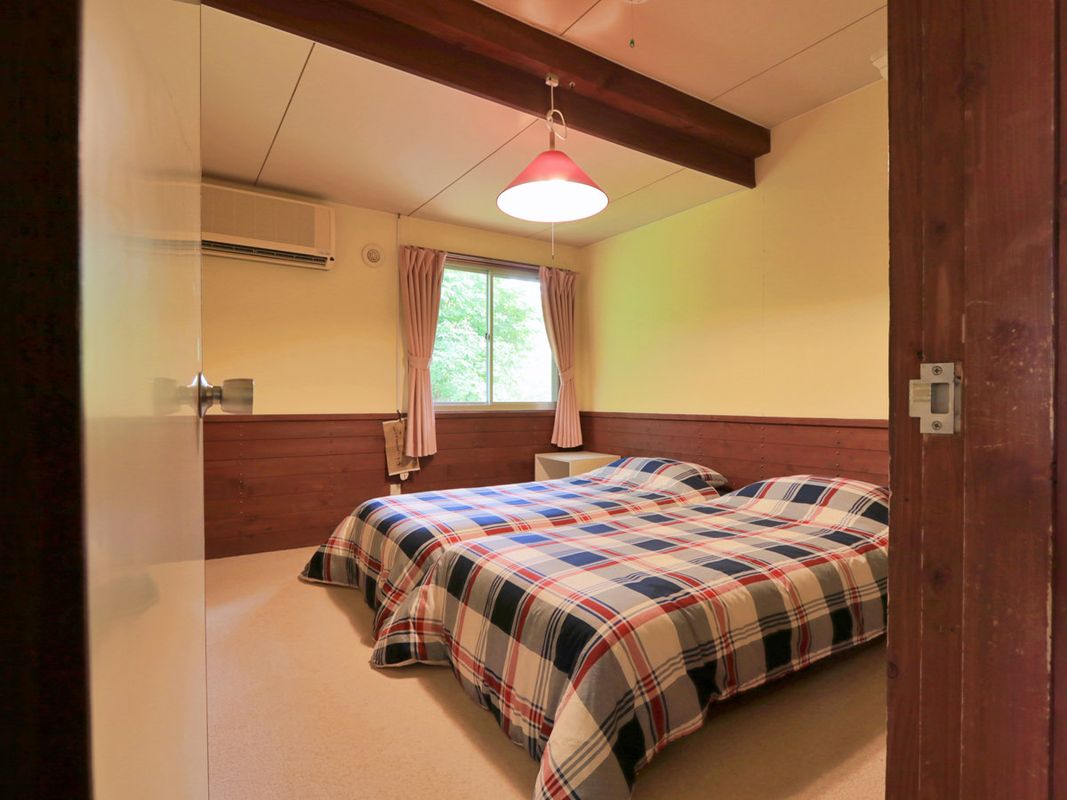
Pension Asuka
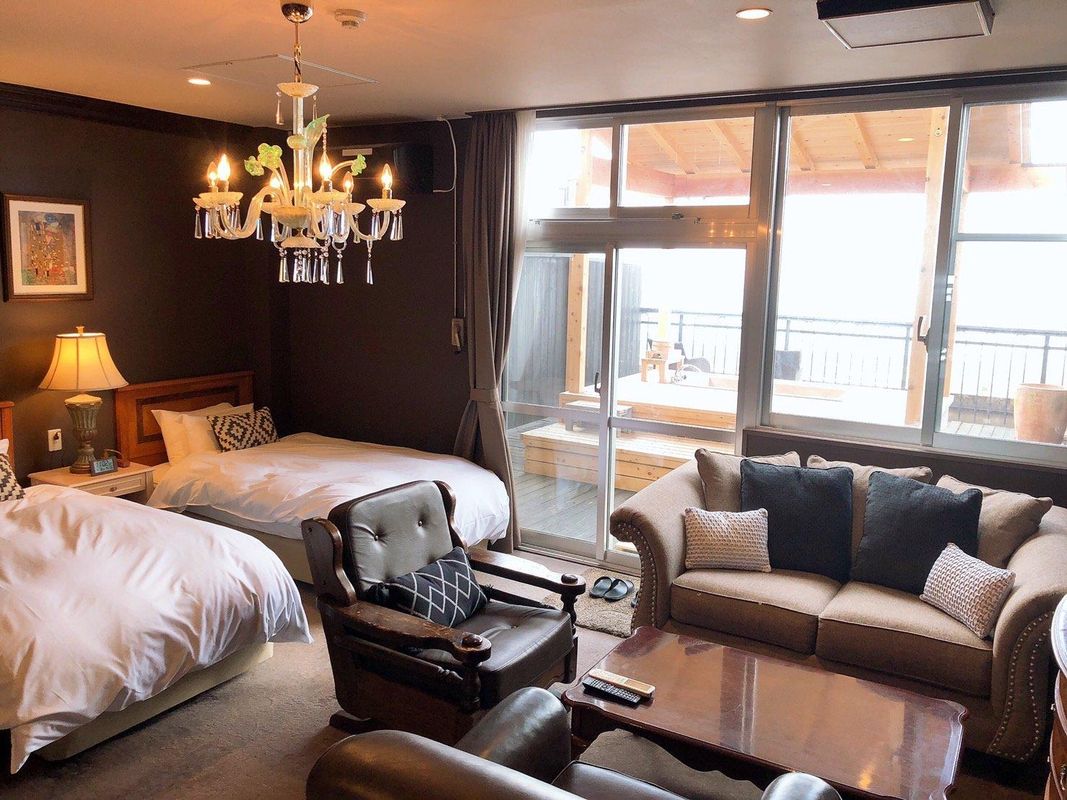
Auberge Tenku
Best Hotels in Hōki
Discover curated hotel collections in Hōki
MIMARU Osaka Shinsaibashi East
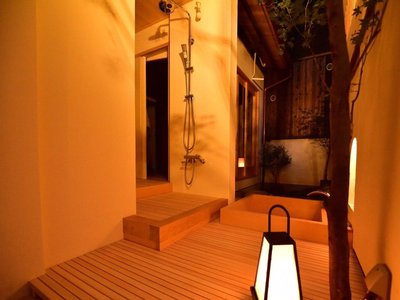
Yado Kiramachi
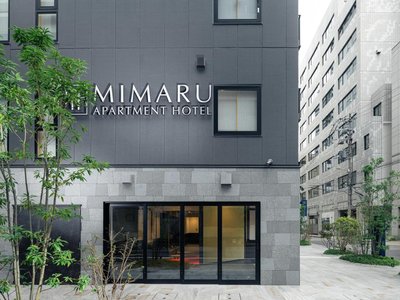
MIMARU Osaka Shinsaibashi North
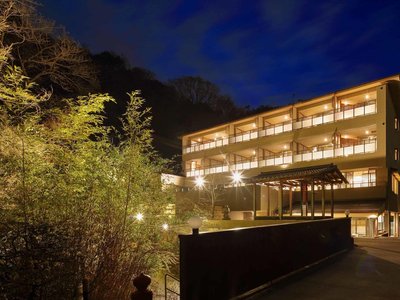
Okuno Hosomichi
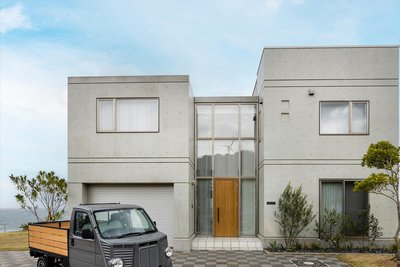
Izumo Hotel the Cliff
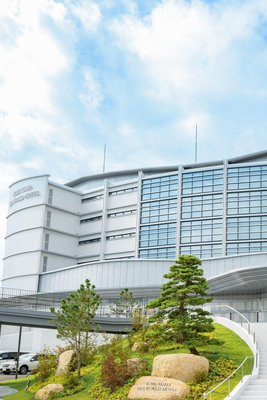
Kobe Suma Sea World Hotel
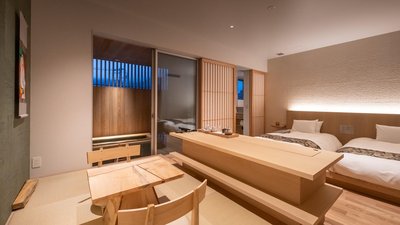
Japanese Auberge Kararako
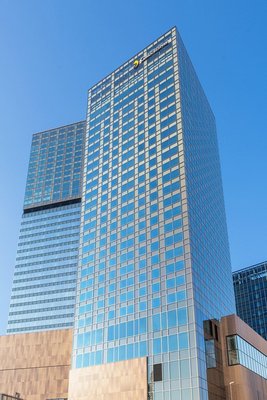
Hotel Hankyu GRAN RESPIRE OSAKA
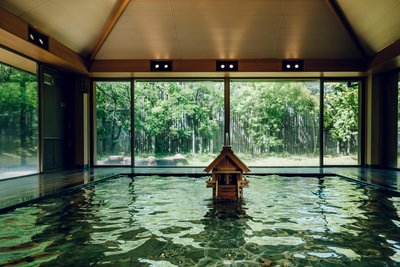
Hoshino Resorts KAI Tamatsukuri

Taikyourou
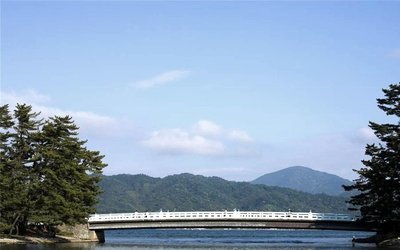
Monjusou Shourotei
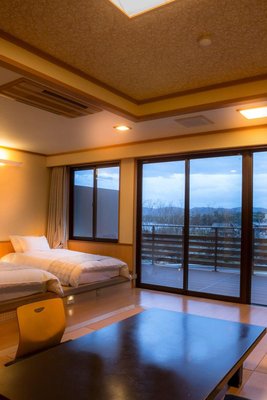
Hotel Kitanoya
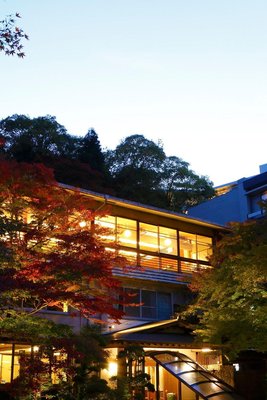
Negiya Ryofukaku
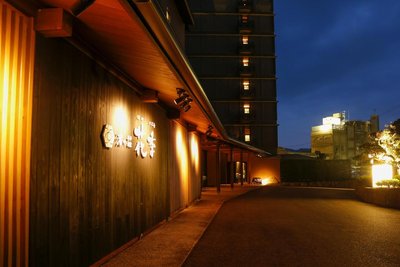
Hanagoyomi
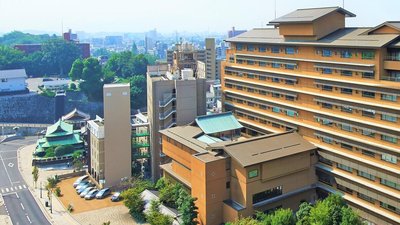
Yamatoya Honten
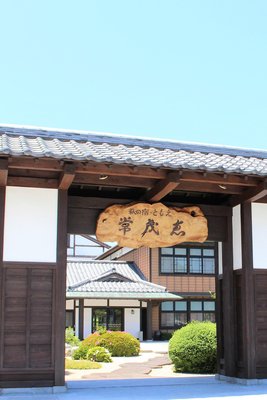
Hagi No Yado Tomoe
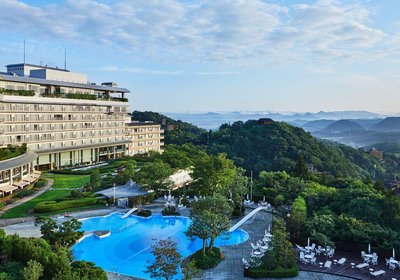
Arima Grand Hotel
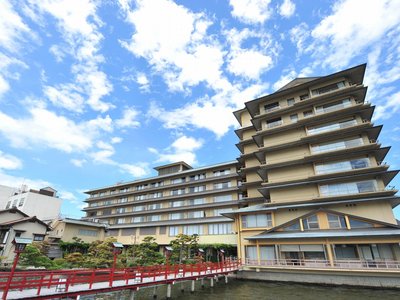
Bokoro Ryokan
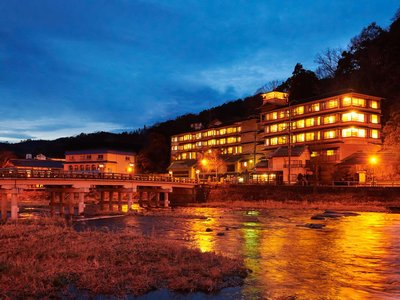
Mansuirou
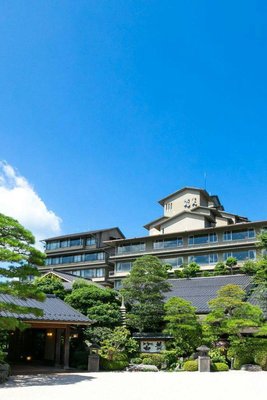
Kasuien Minami
Yado Kiramachi
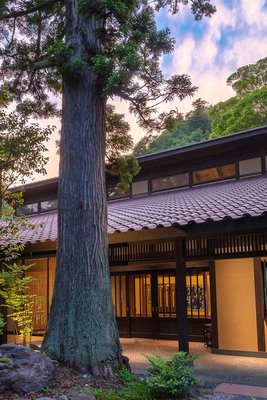
Arimasansoh Goshobessho
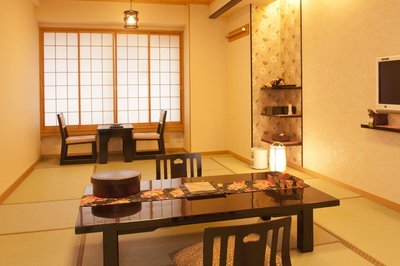
Matsui-Bekkan Hanakanzashi
Hoshino Resorts KAI Tamatsukuri
Taikyourou
Monjusou Shourotei
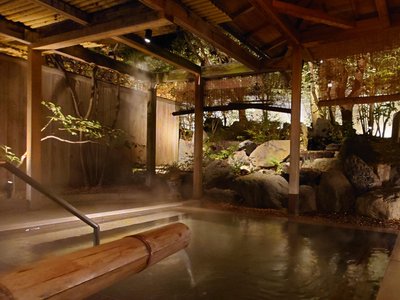
Kasuga Hotel
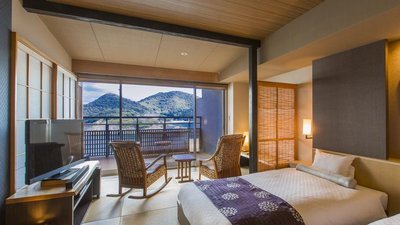
Migiwatei Ochi Kochi
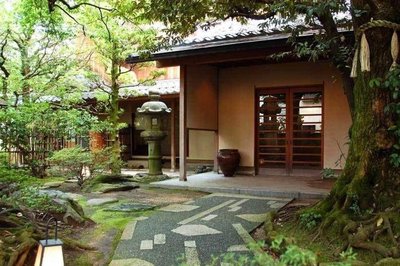
Kocho
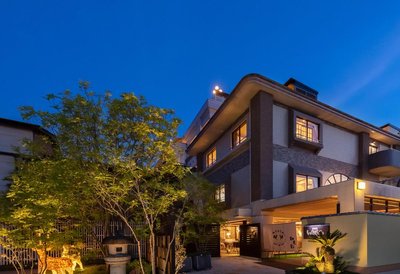
Hotel New Wakasa
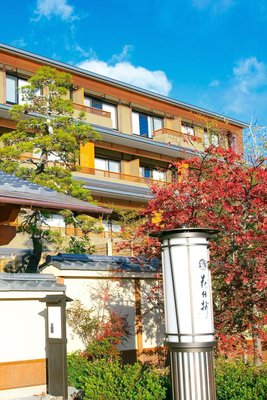
Kyoto Arashiyama Onsen Kadensho (Kyoritsu Resort)
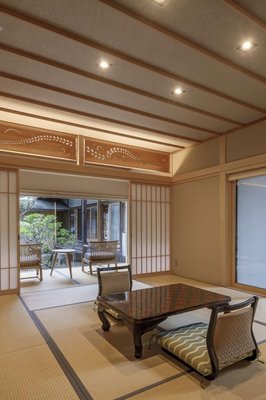
Ichijoin
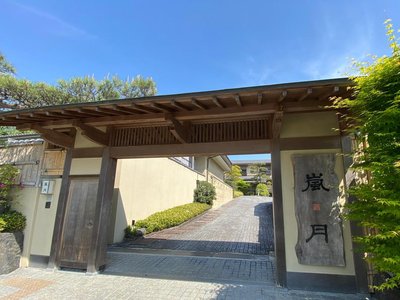
Rangetsu
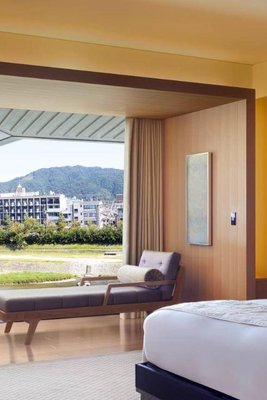
The Ritz-Carlton, Kyoto
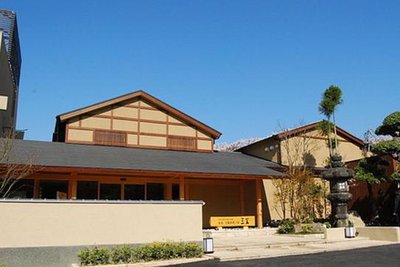
Mikasa
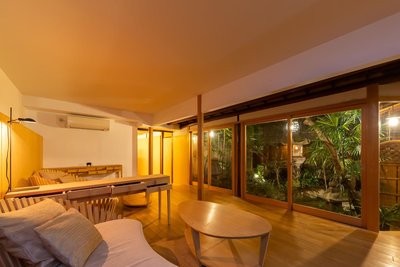
Izuyasu Traditional Kyoto Inn Serving Kyoto Cuisine
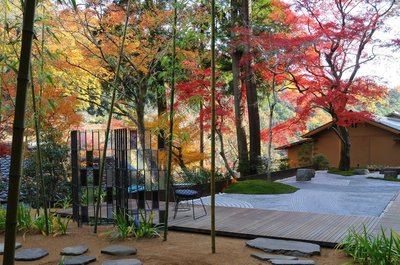
HOSHINOYA Kyoto
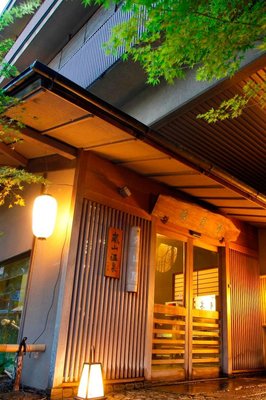
Togetsutei
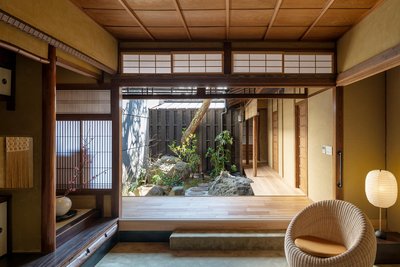
Nazuna Kyoto Gosho
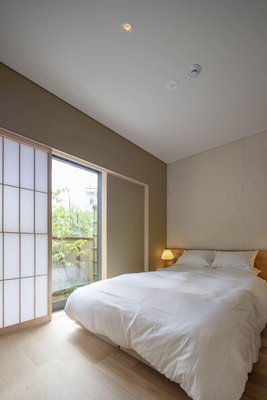
CAMPTON KIYOMIZU

22 PIECES

The Ritz-Carlton, Osaka

The Thousand Kyoto
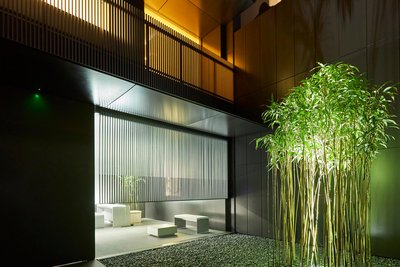
Mogana
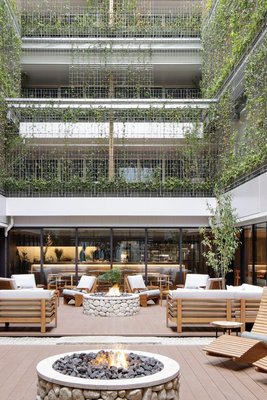
GOOD NATURE HOTEL KYOTO
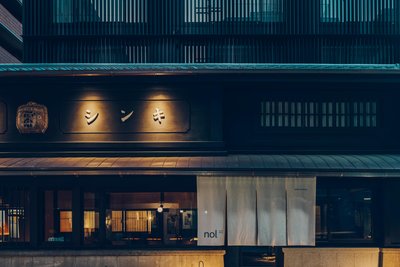
Nol Kyoto Sanjo

Zentis Osaka

Garrya Nijo Castle Kyoto
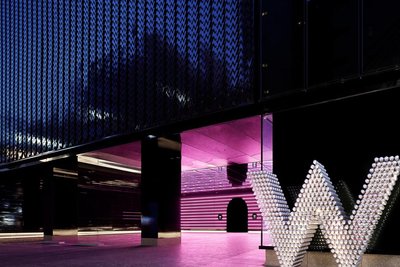
W Osaka

Hotel Kanra Kyoto

Aloft Osaka Dojima
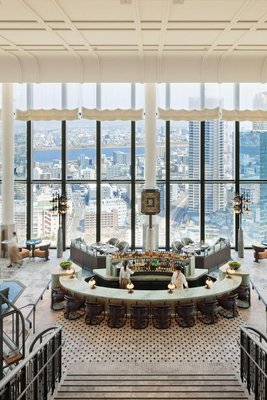
Waldorf Astoria Osaka
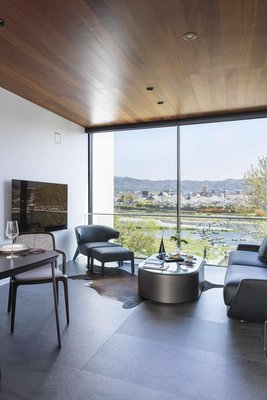
Kamo Residences by Reflections
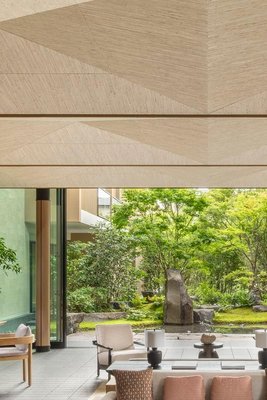
Six Senses Kyoto
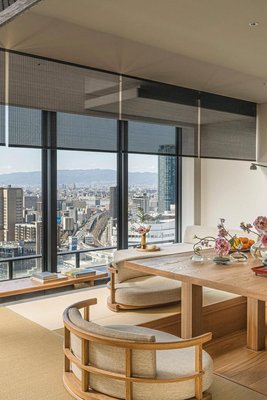
Four Seasons Hotel Osaka
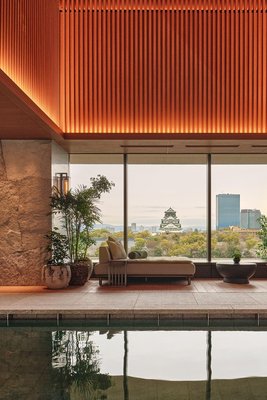
Patina Osaka
The Ritz-Carlton, Osaka
Arimasansoh Goshobessho
The Ritz-Carlton, Kyoto
HOSHINOYA Kyoto
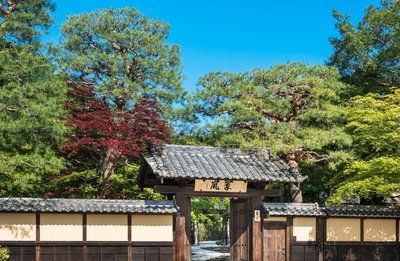
Suiran, a Luxury Collection Hotel, Kyoto
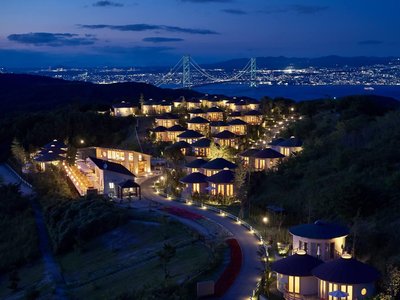
Grand Chariot Hokutoshichisei 135°
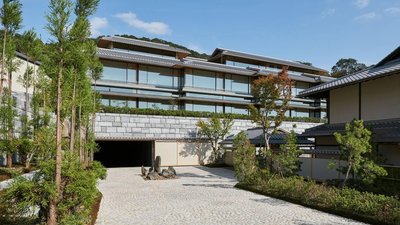
Park Hyatt Kyoto
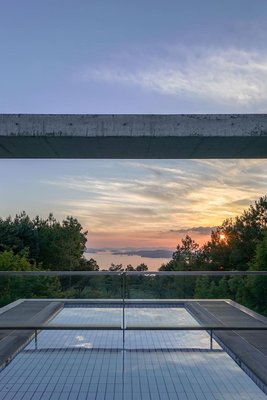
SETOUCHI RETREAT by Onko Chishin
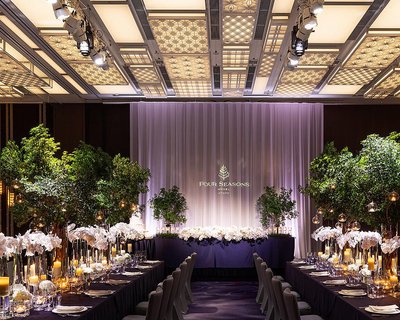
Four Seasons Hotel Kyoto
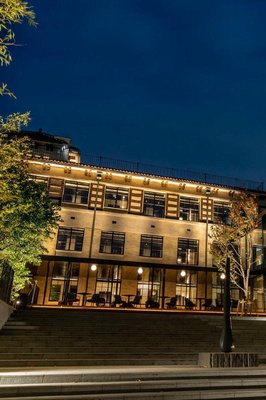
The Hotel Seiryu Kyoto Kiyomizu - a Member of the Leading Hotels of the World-
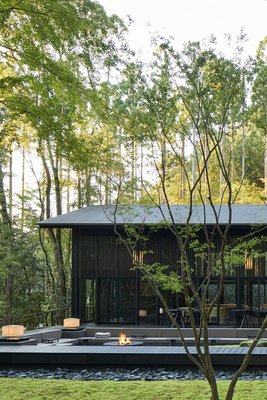
Aman Kyoto
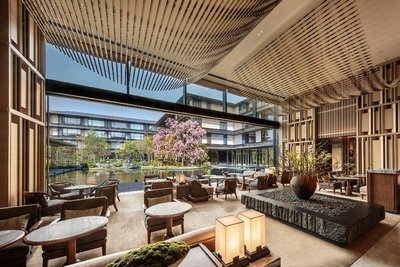
Hotel the Mitsui Kyoto, a Luxury Collection Hotel & Spa
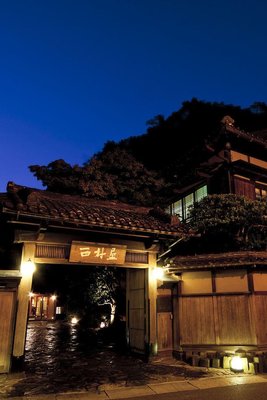
Nishimuraya Honkan
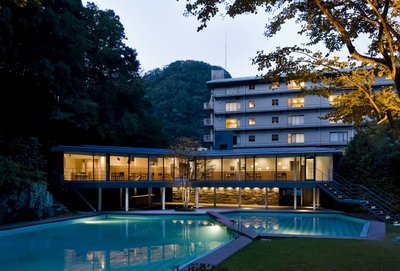
Kinosaki Onsen Nishimuraya Hotel Shogetsutei
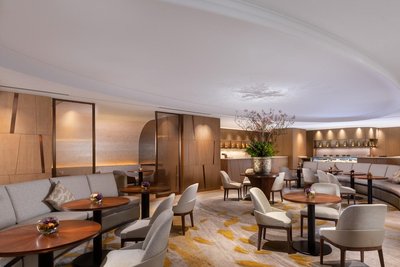
The Westin Miyako Kyoto (KASUI-EN)
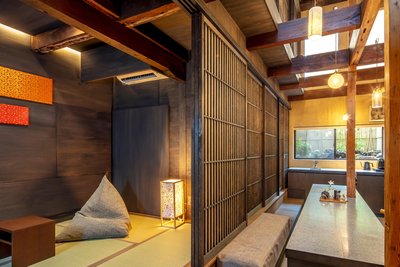
Kyo No Oozora Kihana
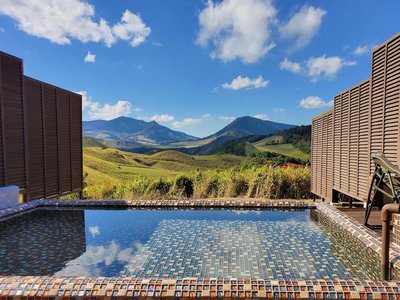
Grand Verde Resort
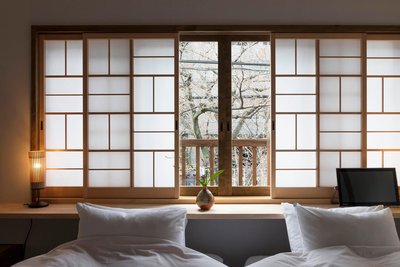
Hanagoromo Machiya House
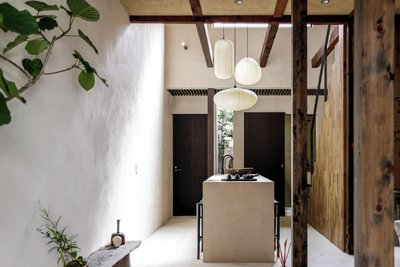
Maana Kiyomizu
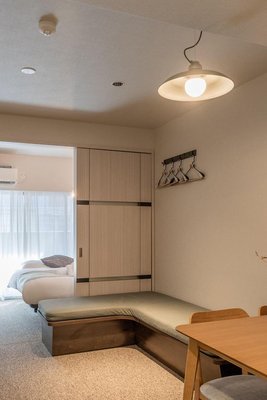
Apartment Hotel 11 Shinsaibashi
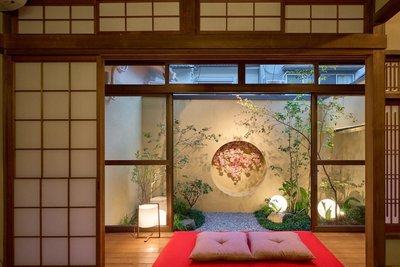
KONJAKUSO Osaka Tengachaya "NIHONCHA" Tea & Relax
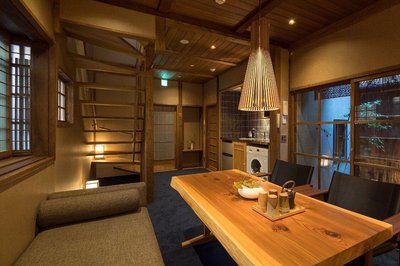
Bonbori an Machiya House
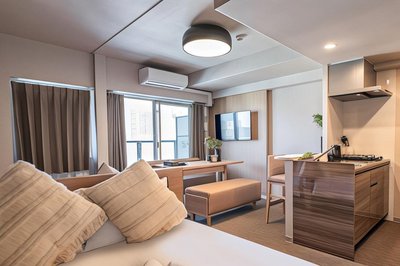
Apartment Hotel 11 Shinsaibashi III
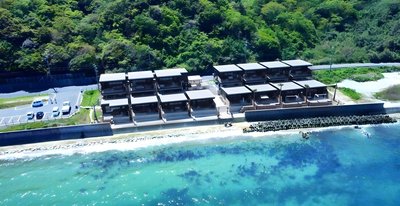
Solavilla Umi Terrace Minamiawaji
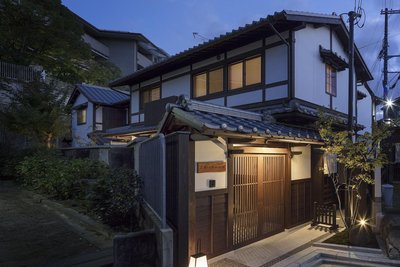
The Machiya Villa Sanjo Shirakawa Koji
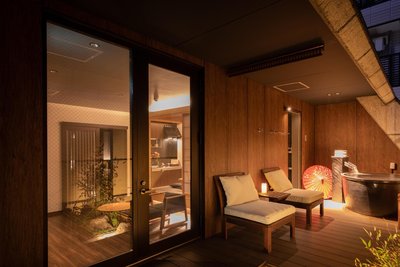
Konjaku-So Dotonbori
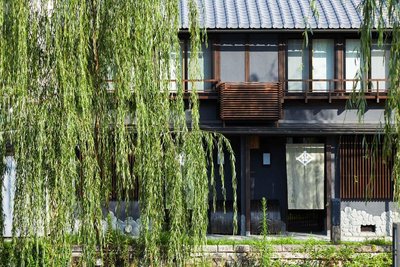
Gion Shirakawa No Yado

Kitashirakawa Natural Radium Onsen
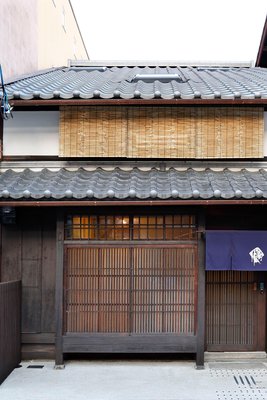
Kyo No Ondokoro Kamanza Nijo #2
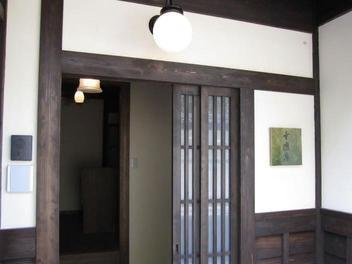
Gion Koyu an Machiya House
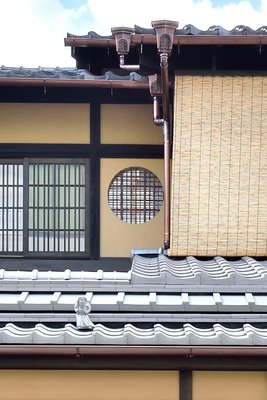
Kyo No Ondokoro Gokomachi Ebisugawa #3

Sana Mane - Glamp Domes
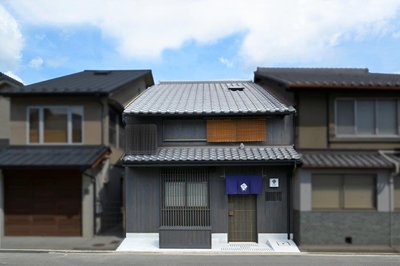
Kyo No Ondokoro Goshonishi #6
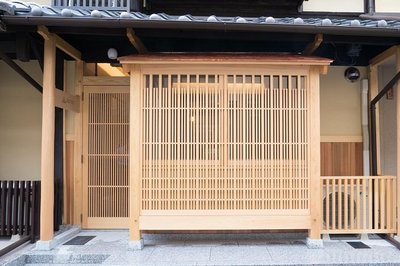
Kyomachiya Suite Rikyu
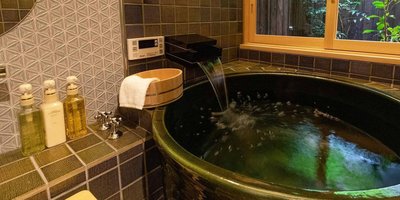
Kyoisuke

Hotel Barrière Fouquet's New York
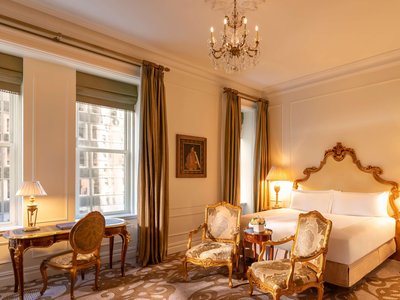
The Plaza - A Fairmont Managed Hotel
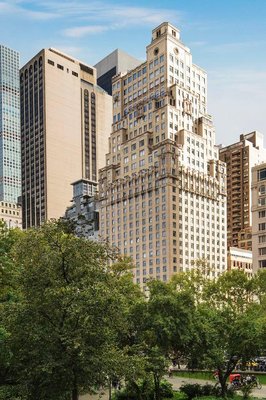
The Ritz-Carlton New York, Central Park

Four Seasons Hotel New York
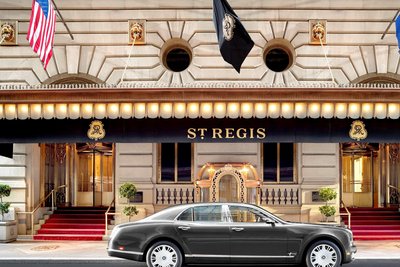
The St. Regis New York

Park Hyatt New York
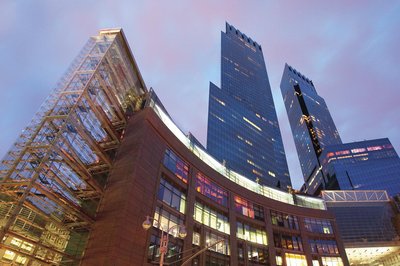
Mandarin Oriental New York
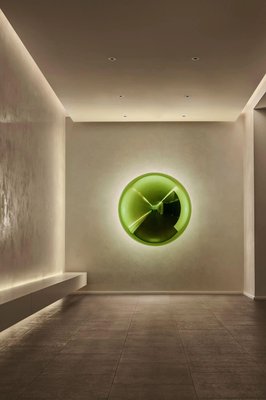
Times Square Edition New York

Loews Regency New York Hotel

Lowell Hotel
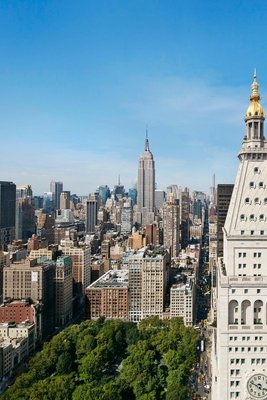
New York Edition
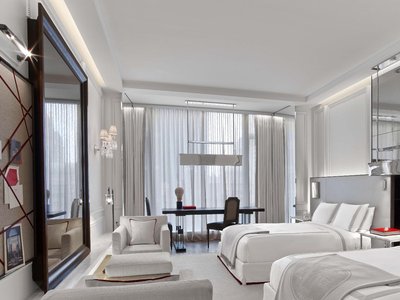
Baccarat Hotel New York

Equinox Hotel New York

Four Seasons Hotel New York Downtown
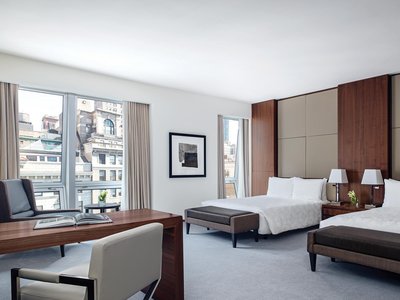
The Langham, New York, Fifth Avenue

The Carlyle, A Rosewood Hotel

The Chatwal, in the Unbound Collection by Hyatt
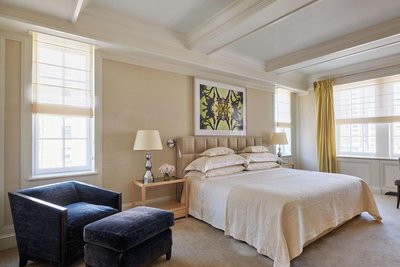
The Mark New York
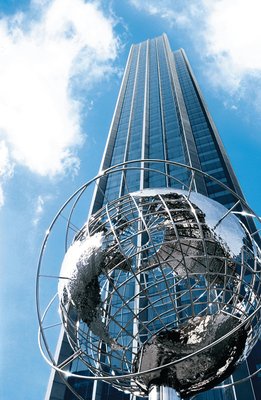
Trump International Hotel & Tower® New York
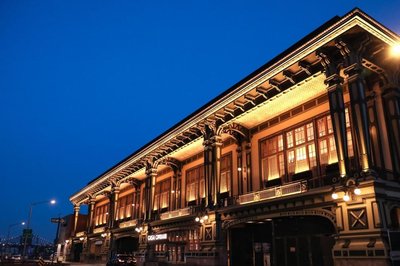
Casa Cipriani New York
Frequently Asked Questions about Traveling to Hōki
Questions You Might Need to Know About Traveling to Hōki
In Hohi Town, the top choice is Hohi Daisen Onsen Ryokan, a traditional Japanese inn nestled at the foot of Mount Daisen. It offers authentic onsen baths, tatami rooms, and views of seasonal landscapes. The inn emphasizes wabi-sabi aesthetics and local culture, hosting guests in kaiseki dining with mountain-grown ingredients. Nearby, Hohi-machi Minshuku House provides cozy, family-run accommodations with homemade meals using regional produce. Both locations offer easy access to hiking trails and spiritual sites like Mount Daisen Shrine.
The Daisen Onsen District is the most serene and recommended area for overnight stays in Hohi Town. Located at the base of Mount Daisen, it features tranquil ryokans, forested paths, and minimal light pollution—perfect for stargazing. Guests can enjoy early morning baths with panoramic views of misty peaks. The quiet atmosphere and proximity to Daisen Nature Trail make it ideal for those seeking nature immersion and mental rejuvenation. Many inns offer private onsen rooms for added privacy.
Visitors staying in Hohi Town can participate in the Morning Ritual at Mount Daisen Shrine, where they witness traditional prayers and receive blessing charms. Local artisans host workshops in Bihō pottery making, using techniques passed down for generations. Seasonal events like the Autumn Harvest Festival feature folk dances, rice planting demonstrations, and tea ceremony sessions. Some ryokans even offer kimono dressing and local cooking classes, deepening the connection to rural Japanese heritage.
The hot springs in Hohi Town are renowned for their alkaline carbonated mineral water, sourced from depths of 300 meters beneath Mount Daisen. With temperatures around 42°C, these waters are known for improving skin health and relieving muscle fatigue. Many inns feature open-air rotenburo baths with views of snow-capped peaks or autumn foliage. The combination of natural geothermal energy and scenic surroundings makes them perfect for therapeutic relaxation and nature therapy.
Yes, Daisen Family Resort is a top-rated family-friendly option in Hohi Town, offering spacious multi-generation rooms, a children’s play area, and guided nature walks. The resort includes a kitchenette and outdoor garden, allowing families to cook together. Nearby, the Daisen Nature Education Center provides interactive learning about local flora and fauna. Parents can also enjoy forest bathing while kids explore the interactive trail stations, making it an ideal destination for intergenerational travel.
Start your day with a morning meditation session at a local ryokan, followed by a visit to Mount Daisen Shrine for traditional rites. In the morning, join a handmade pottery workshop creating Bihō-style ceramics. After lunch, explore the Local History Museum to learn about ancient farming practices and mountain worship. End the day with a kaiseki dinner at your inn, featuring wild mountain vegetables and locally raised beef, completing a holistic journey into rural Japanese life.
Tourists must try Daisen Beef, raised on high-altitude grasslands, served as a rich beef hot pot at local inns. Hohi Rice Balls wrapped in bamboo leaves are another highlight, often paired with grilled fish from nearby streams. Don’t miss mountain vegetable tempura—a seasonal dish made with wild ferns, bamboo shoots, and mushrooms. These dishes reflect the region’s harmony with nature, prepared with care using ingredients harvested daily from surrounding forests and fields.
Hohi Town offers excellent opportunities for hiking, stargazing, photography, and forest bathing. The Daisen Nature Trail spans 15 km through lush forests, waterfalls, and alpine meadows—ideal for all skill levels. At night, the Daisen Summit Observatory provides stunning views of the Milky Way, thanks to its designation as a dark sky preserve. Many lodges offer gear rentals and guided tours, ensuring safe and enriching exploration of this pristine mountain landscape.
Guests can immerse themselves in Hohi Town’s festivals—such as the Daisen Festival (August) and Harvest Celebration (October)—by HopeGoo festival-themed packages at select ryokans. These include lantern processions, taiko drumming, and rice harvesting experiences. Some inns provide traditional yukata robes, festival tickets, and hands-on workshops like crafting kagura masks. Staying in a participating hotel ensures full participation in community rituals and local traditions.
Yes, Hohi Town is highly accessible by car and ideal for self-drive tourism. From Tottori Station, take National Route 9 for about 40 minutes to reach the Daisen Onsen area. The roads are well-maintained, with ample parking at inns and trailheads. Many ryokans offer free shuttle services to key attractions. Along the way, enjoy scenic views of rice paddies and forested mountains. Self-driving allows flexibility to explore hidden valleys and secluded shrines, enhancing the sense of authentic rural discovery.
Hōki Overview
City Summary
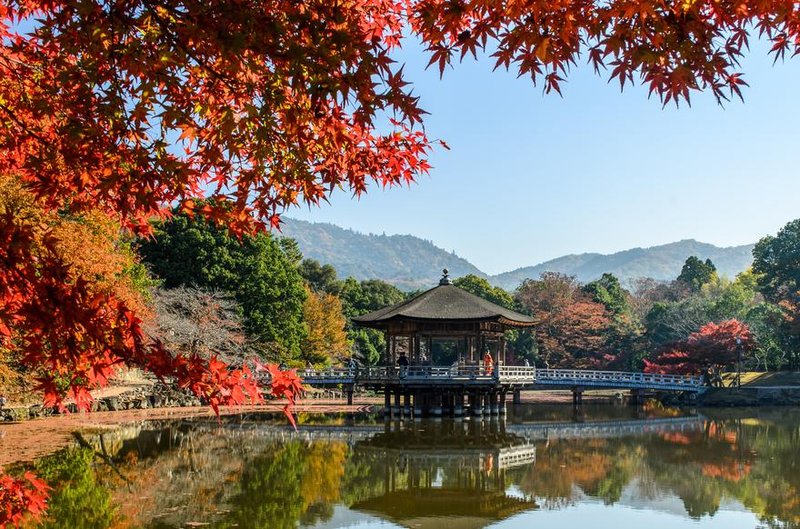
Hōki Town, located in western Tottori Prefecture, Japan, is a tranquil destination blending natural beauty with traditional culture. Framed by Mount Daisen, it boasts hot springs and ancient temples, offering an escape from urban bustle.
Must-See Attractions
Must-see spots include Daisenji Temple, a sacred mountain worship site with 1,300 years of history, and Daisen-Oki National Park for hiking and autumn foliage. Winter visitors can enjoy ski resorts. Explore local heritage at Hōki Town Museum.
Food Guide
Savor Daisen Wagyu beef in sukiyaki or yakiniku; seafood lovers should try snow crab and rock oysters. For dessert, indulge in 20th Century Pear jelly, a refreshing treat.
Transportation Guide
From Tottori City, take JR Sanin Line to "Yonago Station", then transfer to a 40-minute bus ride to Hōki Town. Local transport relies on buses and taxis; renting a car is ideal for flexibility. Some ryokans offer shuttle services.
Best Time to Visit
The best time is autumn (October-November) for vibrant foliage paired with hot springs. Winter (December-February) suits skiing, but heavy snow may disrupt transport.
Travel Tips
- Onsen etiquette: Rinse before bathing; swimwear is prohibited.
- Mountain weather changes rapidly—pack layers and rain gear.
- Reserve tables in advance for premium Wagyu restaurants.
- Carry cash as rural shops may not accept cards.
- Maintain quiet in temple precincts.
- Follow strict local waste sorting rules.
Useful Information
Japanese is primary; basic English signs exist at tourist sites. Mobile coverage is stable—consider renting a pocket Wi-Fi. Cash is essential; credit cards work at major venues. For emergencies, dial 110 (police) or 119 (ambulance). Medical facilities are concentrated in Yonago—travel insurance is advised.