Hotels in Hachinohe
Discover your perfect stay in Hachinohe.
Hachinohe(Japan) Travel 2026: Cheap Flights, Hotels & Top Attractions
Popular Landmarks in Hachinohe
Discover the most iconic attractions in Hachinohe
Recommended Hotels in Hachinohe
Find the perfect place to stay in Hachinohe
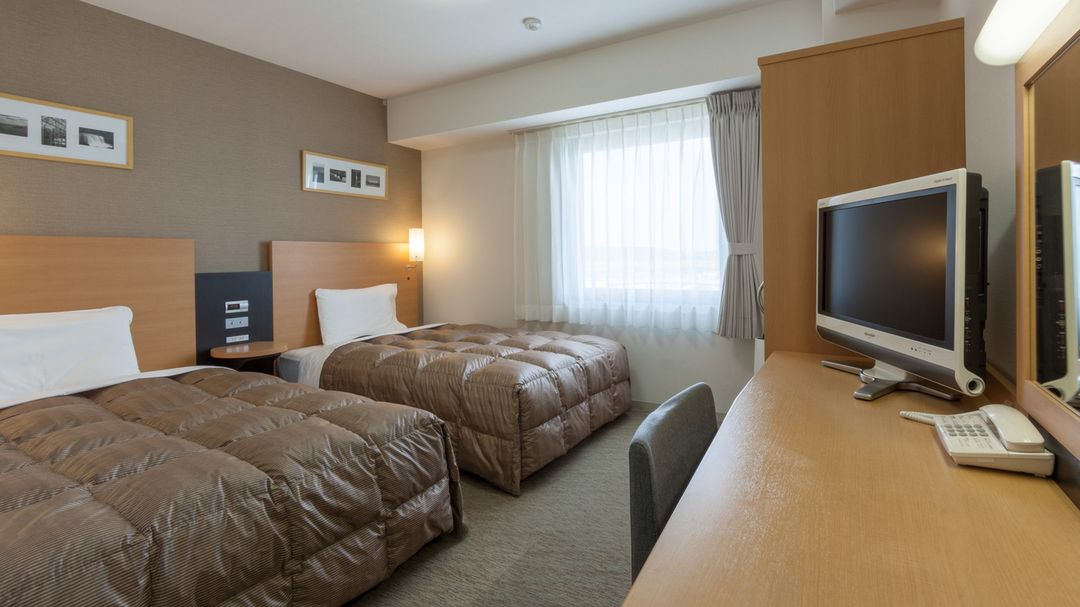
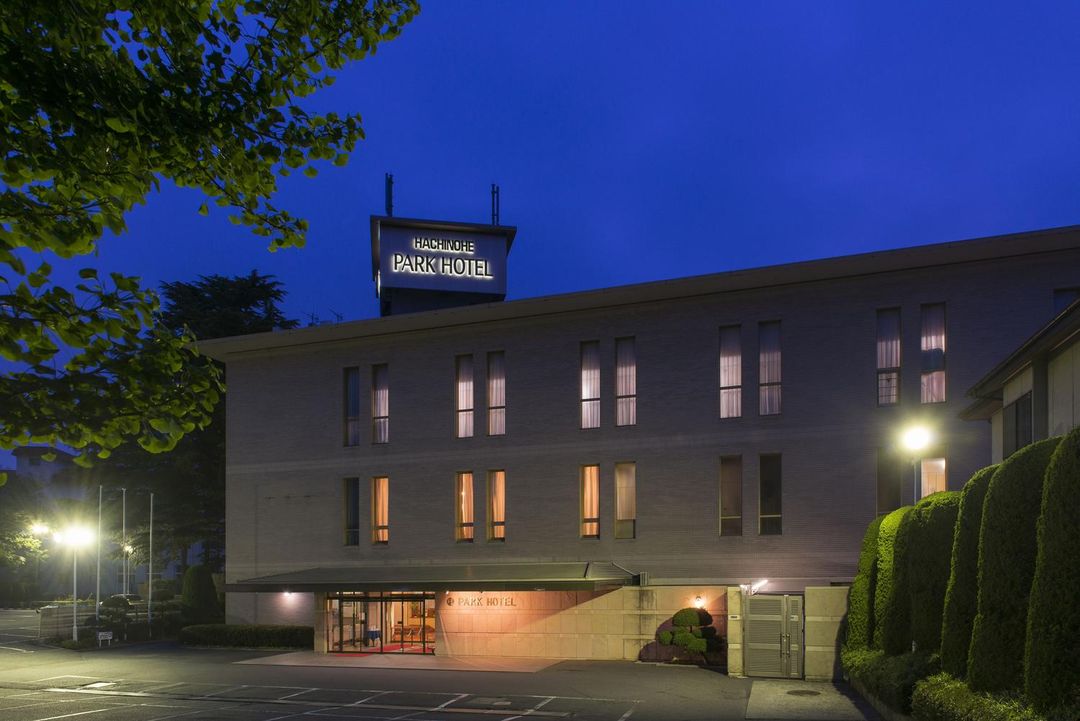
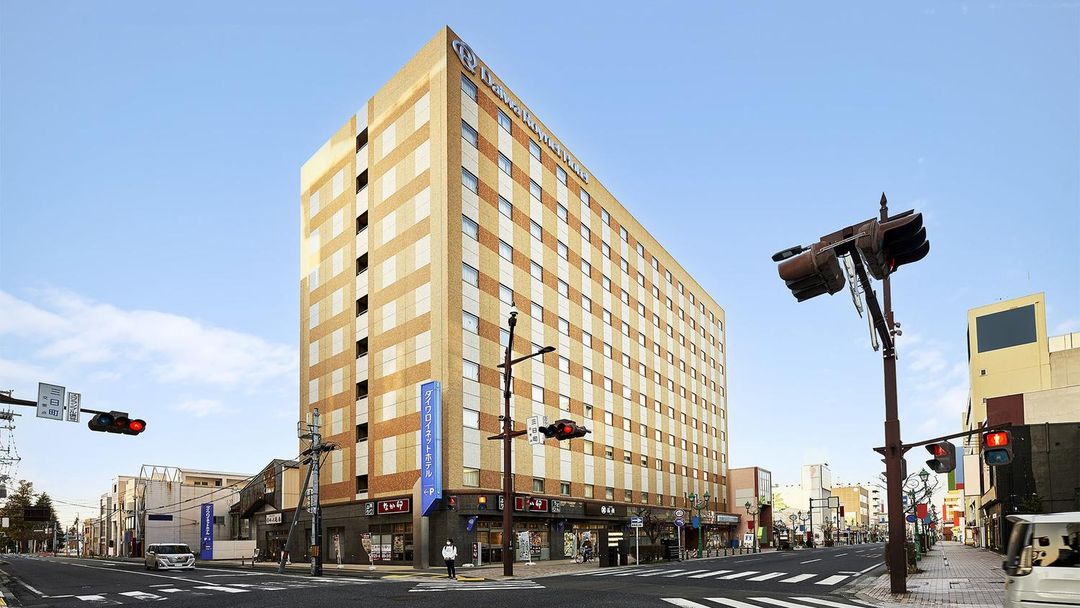
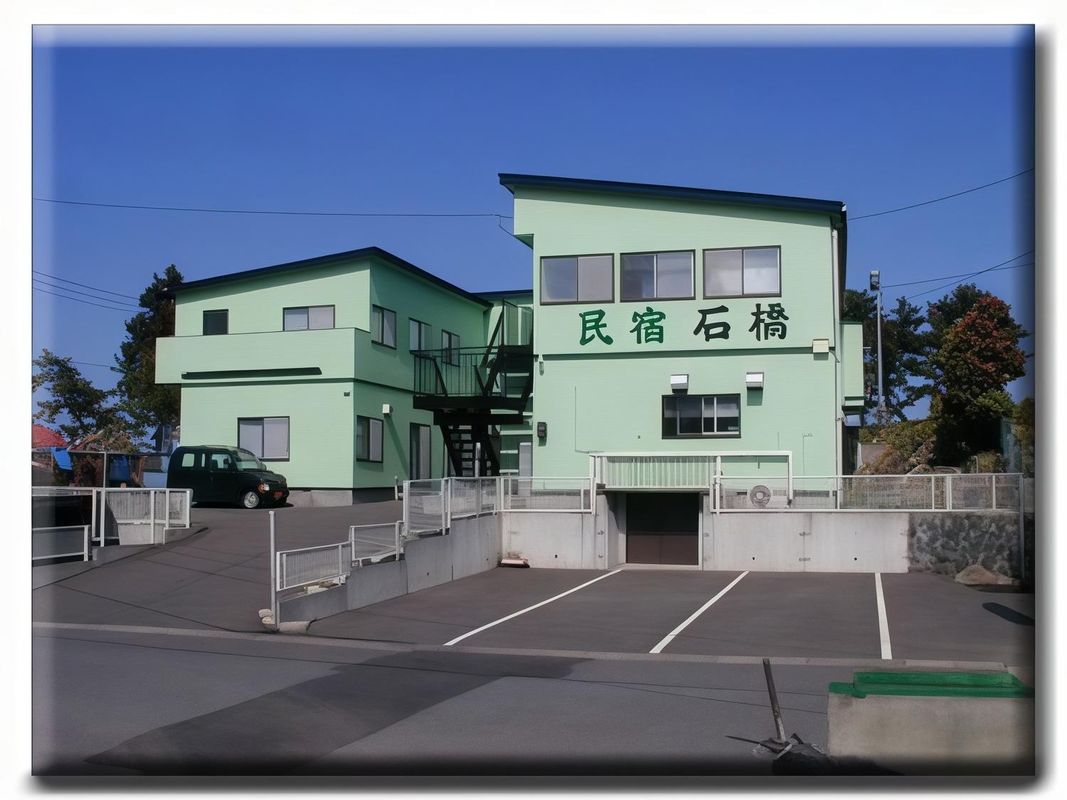
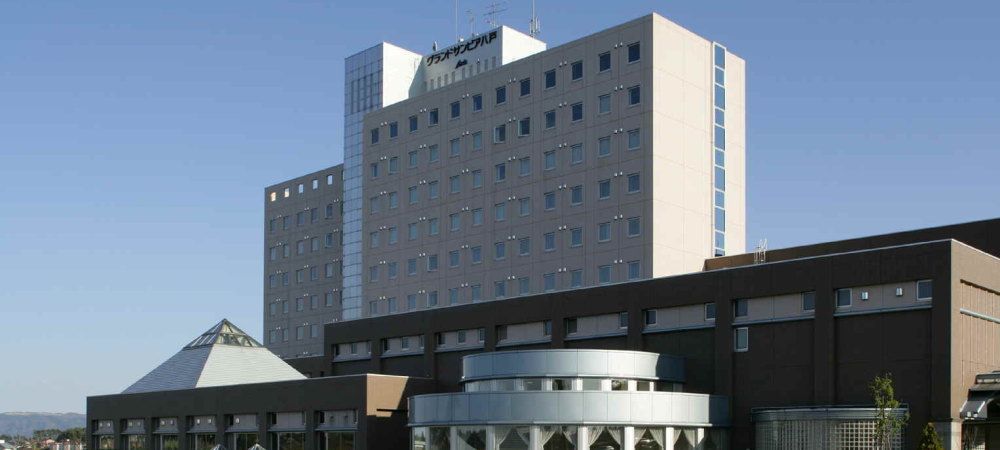
Best Hotels in Hachinohe
Discover curated hotel collections in Hachinohe
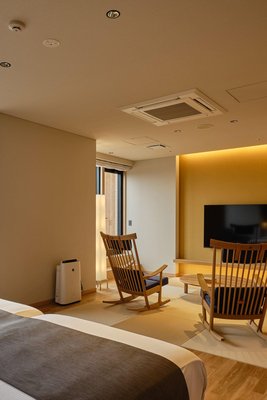
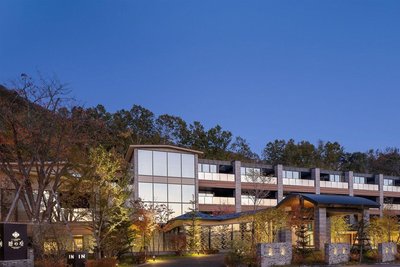
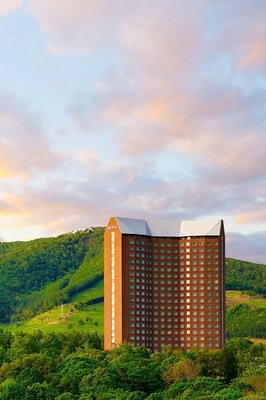




Frequently Asked Questions about Traveling to Hachinohe
Questions You Might Need to Know About Traveling to Hachinohe
In Hachinohe City, the top family-friendly hotel is Hachinohe East Japan Inn, located near the city center with spacious family rooms, a hot spring bath, and convenient access to Hachinohe Castle Ruins and Hachinohe Central Plaza. It offers free parking, breakfast, and multilingual staff. For luxury comfort, Hachinohe Hotel Nikko provides modern amenities, excellent service, and proximity to Hachinohe Port, ideal for seafood lovers.
Both hotels feature kid-friendly facilities and are within walking distance of local attractions like Hachinohe Municipal Hall and shopping areas. Families can enjoy traditional experiences such as Tsugaru barbecue cooking classes or visiting Tsugaru lacquerware workshops nearby.
Key highlights: Hachinohe East Japan Inn, Hachinohe Hotel Nikko, Tsugaru barbecue, Hachinohe Port, Hachinohe Castle Ruins
The best area for accommodation in Hachinohe City is the city center around Hachinohe Station, offering excellent transportation links and easy access to major attractions. This district hosts several quality hotels, including Hachinohe East Japan Inn and Hachinohe Hotel Nikko, both within walking distance of Hachinohe Central Plaza, Hachinohe Municipal Hall, and dining spots.
It’s also close to Hachinohe Castle Ruins and the Tsugaru Local Culture Museum, perfect for cultural exploration. For a quieter stay, consider Hachinohe Port area, which offers sea views and a relaxed atmosphere. Overall, the central location balances convenience, culture, and accessibility—ideal for first-time visitors.
Key highlights: Hachinohe Station, Hachinohe Central Plaza, Hachinohe Castle Ruins, Tsugaru Local Culture Museum, Hachinohe Port
Hachinohe City offers unique cultural experiences such as visiting the Tsugaru Local Culture Museum, which showcases regional dialects, history of the Tsugaru Railway, and traditional crafts. The annual Hachinohe Gion Festival is a highlight—featuring elaborate floats, traditional dances, and vibrant street parades during summer.
Guests can also take part in Tsugaru barbecue cooking classes, learning to prepare local seafood and beef dishes. For artisans, hands-on workshops at Tsugaru lacquerware studios allow you to create your own piece using age-old techniques. These immersive activities provide deep insight into the region’s heritage and enhance travel memories.
Key highlights: Tsugaru Local Culture Museum, Hachinohe Gion Festival, Tsugaru barbecue, Tsugaru lacquerware, Tsugaru dialect
In Hachinohe City, must-try seafood includes Hachinohe eel rice bowl (Unagi Don)—made with fresh local eel glazed in savory sauce. Another standout is Tsugaru sea urchin, known for its sweet, creamy texture; enjoy it raw at Hachinohe Port Seafood Market or prepared on-site.
Also sample Hachinohe white shrimp and Aomori salmon, available grilled or served as sushi at local restaurants in Hachinohe Central Plaza. For an authentic experience, join a seafood market tour guided by locals who explain daily catch cycles and preparation methods.
Key highlights: Hachinohe eel rice bowl, Tsugaru sea urchin, Hachinohe white shrimp, Aomori salmon, Hachinohe Port Seafood Market
Top attractions in Hachinohe City include Hachinohe Castle Ruins, a historic park with preserved Edo-period structures and stunning cherry blossoms in spring. Nearby, the Tsugaru Local Culture Museum displays regional art, language, and traditions.
Another must-visit is Hachinohe Port, featuring seaside walkways, fishing boats, and seasonal fireworks shows. In summer, the illuminated harbor creates a romantic atmosphere. Additionally, Hachinohe Municipal Hall hosts exhibitions and performances by local artists, reflecting contemporary community life.
Key highlights: Hachinohe Castle Ruins, Tsugaru Local Culture Museum, Hachinohe Port, Hachinohe Municipal Hall, Tsugaru cherry blossoms
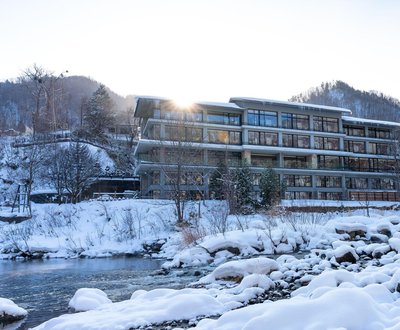
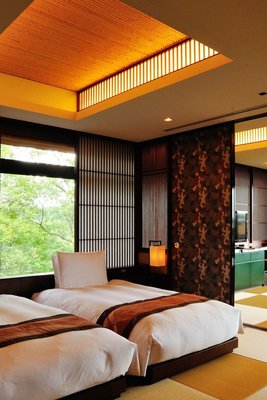
Recommended hot spring hotels in Hachinohe City include Hachinohe Onsen Town - Hoshizora, a ryokan-style inn blending traditional Japanese design with modern comfort. It features indoor and outdoor baths fed by natural mineral-rich springs, perfect for relaxation.
Another option is the onsen facility at Hachinohe Hotel Nikko, offering diverse bathing options including saunas and steam rooms. Some rooms provide ocean views. Both hotels serve kaiseki dinners made with local ingredients and offer guided tours to nearby sites.
For a more intimate experience, consider Tsugaru Country Guesthouse, a small-scale inn with private onsen and homely hospitality, ideal for those seeking quiet immersion in rural life.
Key highlights: Hachinohe Onsen Town - Hoshizora, Hachinohe Hotel Nikko, Tsugaru Country Guesthouse, indoor/outdoor baths, kaiseki dinner
Spend 2 to 3 days in Hachinohe City to fully explore its culture and nature. Day one: visit Hachinohe Castle Ruins and the Tsugaru Local Culture Museum, then stroll along Hachinohe Port and enjoy fresh seafood.
Day two: participate in a Tsugaru barbecue class or visit a lacquerware workshop, followed by shopping at Hachinohe Central Plaza. On day three, attend the Hachinohe Gion Festival (if in season) or take a day trip to Lake Towada and Oku-Naisho River, renowned for scenic beauty and hiking trails.
This itinerary balances history, food, and nature—perfect for cultural travelers and families.
Key highlights: Hachinohe Castle Ruins, Tsugaru Local Culture Museum, Hachinohe Gion Festival, Lake Towada, Oku-Naisho River
Hachinohe City is well-connected via JR East Japan trains from Hachinohe Station, linking to Aomori City (50 minutes) and Akita City (2 hours). Local buses run frequently across key destinations like Hachinohe Castle Ruins, Hachinohe Port, and Hachinohe Central Plaza.
For exploring rural areas such as Lake Towada or Oku-Naisho River, renting a car is ideal—approximately 1.5 hours away. Many hotels, including Hachinohe East Japan Inn and Hachinohe Hotel Nikko, offer free shuttle services to and from the station, enhancing convenience for guests.
Key highlights: Hachinohe Station, JR East Japan, local buses, car rental, free shuttle service
The best night views in Hachinohe City are from Hachinohe Port Seaside Walkway, where illuminated docks and fishing boats reflect in the calm waters—especially magical during summer fireworks. The Hachinohe Municipal Hall rooftop observatory offers panoramic city lights and distant mountain silhouettes.
For a serene experience, relax in the open-air bath at Hachinohe Onsen Town - Hoshizora, where you can gaze at the stars while soaking in warm mineral water. The combination of urban glow and natural stillness creates unforgettable moments.
Key highlights: Hachinohe Port Seaside Walkway, Hachinohe Municipal Hall, rooftop observatory, Hachinohe Onsen Town - Hoshizora, fireworks show
Best photo spots in Hachinohe City include Hachinohe Castle Ruins with its ancient stone walls and cherry blossom-lined paths—ideal for spring portraits. The Tsugaru Local Culture Museum’s traditional architecture and tranquil garden offer elegant backdrops for cultural photography.
Hachinohe Port’s dockside scene, especially at golden hour, captures the harmony of sea, sky, and fishing vessels. At night, Hachinohe Central Plaza’s modern lighting and neon signs create striking urban visuals. These locations deliver diverse aesthetics—from historical to contemporary.
Key highlights: Hachinohe Castle Ruins, Tsugaru Local Culture Museum, Hachinohe Port, Hachinohe Central Plaza, cherry blossom path
Hachinohe Overview
City Summary
Hachinohe City in southeastern Aomori Prefecture is a port town renowned for its fishing industry and traditional culture. The Hachinohe Port Morning Market (Jōgai Ichiba) offers ultra-fresh seafood, while the city blends fishing village heritage with modern industry. The Hachinohe Sansha Taisai Festival is designated as an Important Intangible Folk Cultural Property.
Must-See Attractions
Kabushima Island hosts Japan's only black-tailed gull breeding colony, with tens of thousands of birds in spring. Hachinohe City Museum showcases local art, while Hachinohe Park is famous for cherry blossoms. History buffs will appreciate the Korekawa Jōmon Site. At night, explore Hachinohe Yatai Village for street food.
Food Guide
Must-try Hachinohe Senbei-Jiru features seafood stew with hardtack crackers. Sea urchin tempura and tuna donburi dominate market stalls, while strawberry stew (uni+abalone clear soup) reflects fishermen's wisdom. Morning market specialties include grilled squid and salmon rice balls.
Transportation Guide
The city relies on JR East Hachinohe Line and buses, with most attractions near stations. Consider the "Hachinohe Free Pass". Taxis start at ¥660, ideal for remote sites. Shinkansen from Tokyo takes 3 hours to Hachinohe Station; Misawa Airport requires a 40-minute bus transfer.
Best Time to Visit
May-September offers mild weather and festivals, peaking during July's Sansha Taisai. Winter (Dec-Feb) has snowy scenery but limited access. Avoid Golden Week and Obon holidays for fewer crowds.
Travel Tips
- Morning market vendors prefer cash - carry small bills
- No feeding birds at Kabushima Island
- Many onsens require bringing your own towel
- Restaurant closures common 14:00-17:00
- Wear anti-slip shoes in winter
- Harbor areas are windy - pack a jacket
- Purify hands/mouth before shrine visits
- Photography restrictions at some heritage sites
Useful Information
Japanese is primary language; stations/tourist sites have basic English. Limited free WiFi suggests getting a SIM card. JPY is standard - credit cards work at hotels/department stores but not markets. Dial 119 for emergencies; Hachinohe City Hospital has 24/7 ER. The central post office (near station) operates 9:00-17:00. Type A plugs (110V) match Taiwan standards.