Hotels in Haga
Discover your perfect stay in Haga.
Haga(Japan) Travel 2026: Cheap Flights, Hotels & Top Attractions
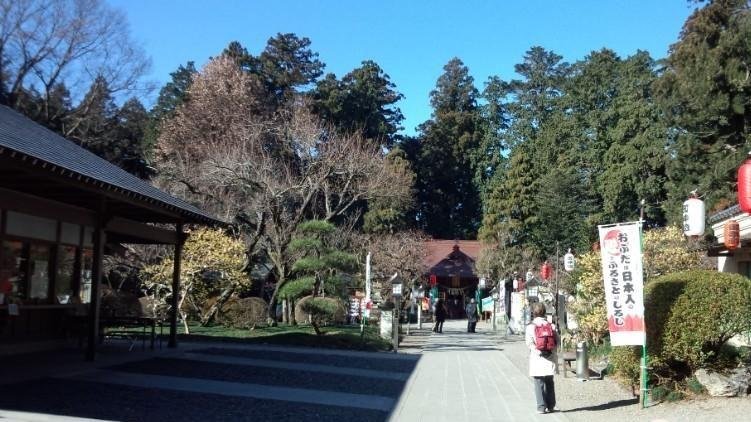
Popular Landmarks in Haga
Discover the most iconic attractions in Haga
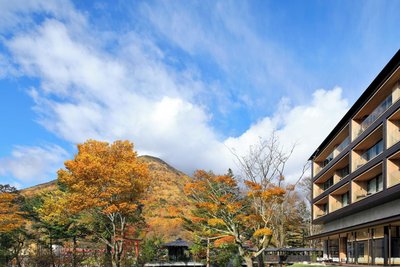
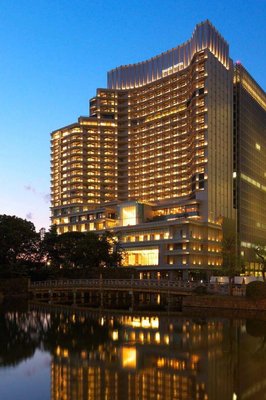
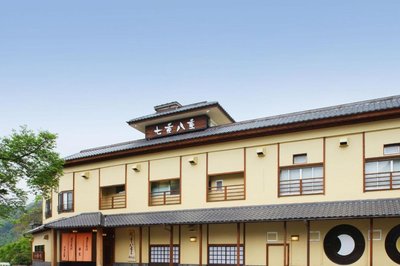
Best Hotels in Haga
Discover curated hotel collections in Haga





































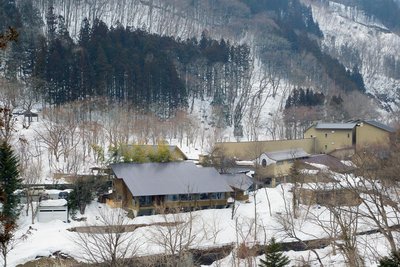





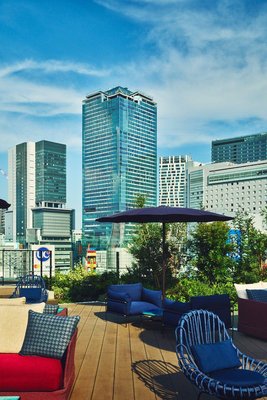

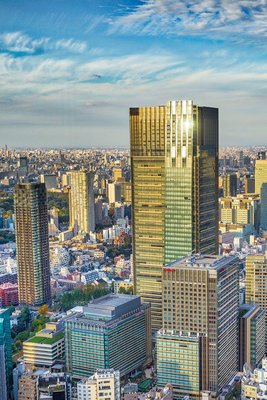

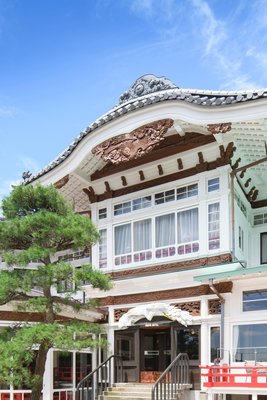
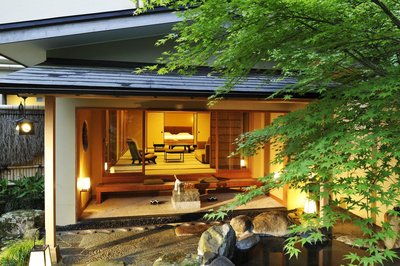

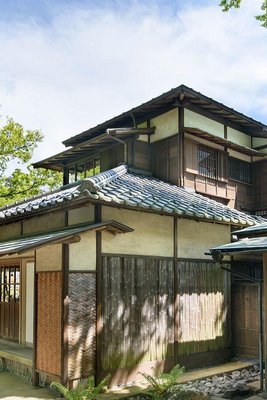
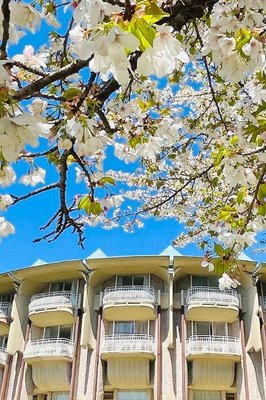

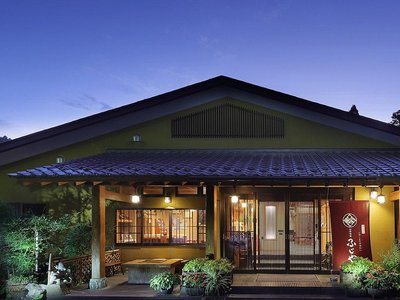










Frequently Asked Questions about Traveling to Haga
Questions You Might Need to Know About Traveling to Haga
Haga Overview
City Summary
Haga Town in Tochigi Prefecture, Japan, blends traditional agricultural heritage with modern industry. Known for its expansive rural landscapes, the town offers stunning seasonal views—rapeseed flower fields in spring and golden rice paddies in autumn. Historic sites like Edo-period streets and unique crafts such as traditional washi papermaking highlight its cultural depth.
Must-See Attractions
Must-visits include the Haga Town History & Folklore Museum showcasing artifacts from Jomon era to present, solar power facilities demonstrating eco-technology, and seasonal festivals like Rapeseed Flower Festival (spring) and Rice Ear Festival (autumn). Stay at farmhouse lodgings to experience planting/harvesting activities.
Food Guide
Try Haga-grown Koshihikari rice in onigiri or bento, paired with tempura using local vegetables. Specialties include shibazuke pickles aged in cedar barrels and amazake sweetened with local honey. Summer-only chilled somen noodles prepared with spring water are exceptional.
Transportation Guide
From Tokyo, take JR Tohoku Shinkansen to Utsunomiya Station (50min), transfer to JR Mito Line for Shimonke Station (20min), then take community buses (every 30min) to Haga. Rent bicycles (¥1000/day) or use community loop buses (¥200/ride). Taxis require advance HopeGoo (Tel: 028-677-XXXX).
Best Time to Visit
Best periods are April-May for rapeseed blossoms and September-November for harvest season, with mild temperatures (15-25°C) and fewer tourists. Summers (June-August) are humid, while some farm experiences pause in winter (December-February) though snowscapes are picturesque.
Travel Tips
- Always ask permission before entering farm fields
- Strict trash separation: "burnable," "non-burnable," "recyclables"
- Many onsens prohibit tattooed guests
- Cash preferred; credit cards only at major facilities
- Pack layers for morning/evening chill
- Buses depart punctually—arrive 5min early
- Politely ask before photographing produce stalls
- Some shops close Wednesdays
Useful Information
Language: Basic English at stations; Japanese/gestures needed locally. Internet: Paid Wi-Fi at convenience stores (¥300/day), free at town office. Payment: International ATMs at 7-11/LAWSON. Emergency: Haga Clinic (028-677-XXXX) for minor cases; serious conditions go to Utsunomiya hospitals. Post: International mail at 1-5-10 Chuo-cho. Voltage: 100V, Type A plugs. Drinking water: Public water fountains available.









