Hotels in Hagi
Discover your perfect stay in Hagi.
Hagi(Japan) Travel 2026: Cheap Flights, Hotels & Top Attractions
Popular Landmarks in Hagi
Discover the most iconic attractions in Hagi
Recommended Hotels in Hagi
Find the perfect place to stay in Hagi
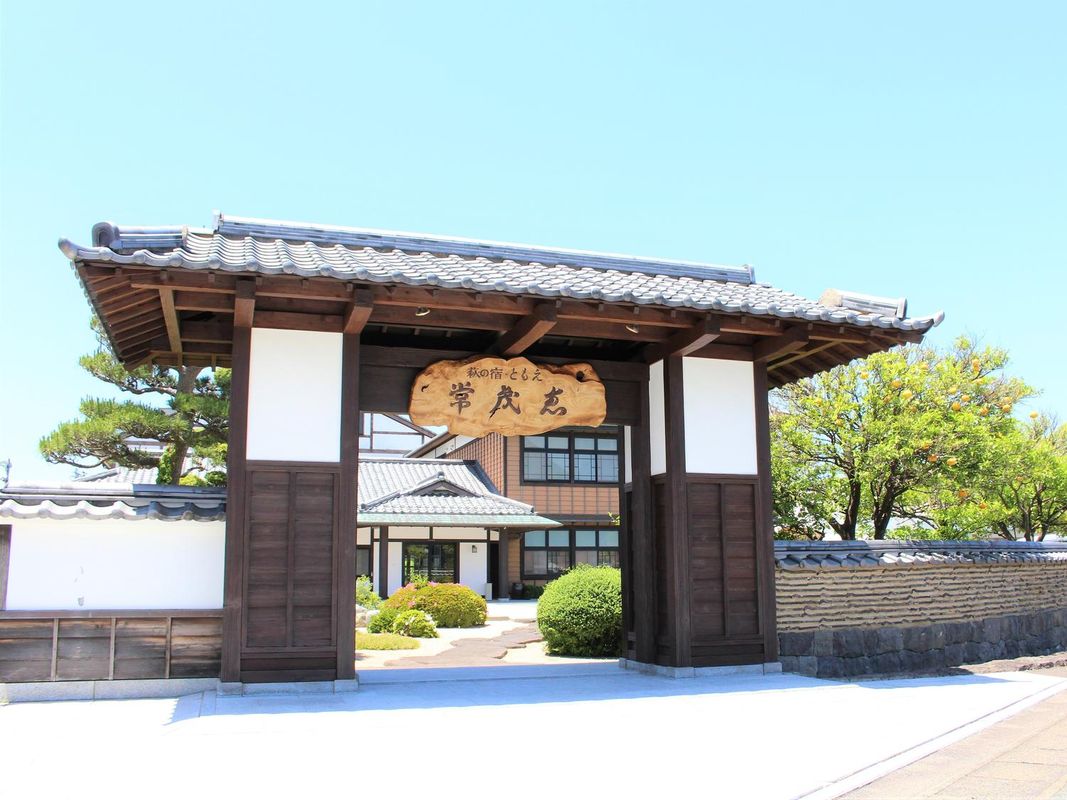
Hagi No Yado Tomoe
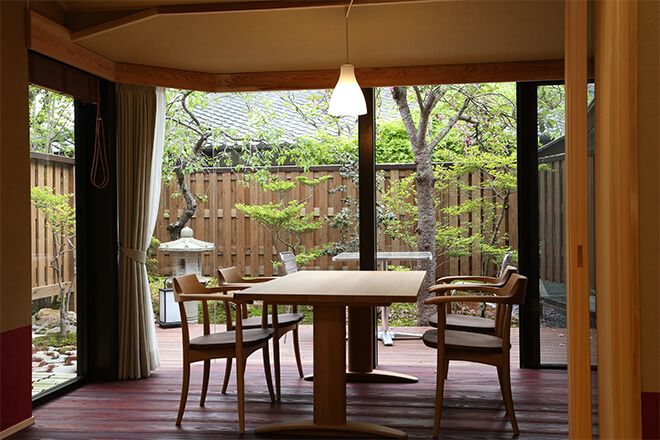
Hokumon Yashiki
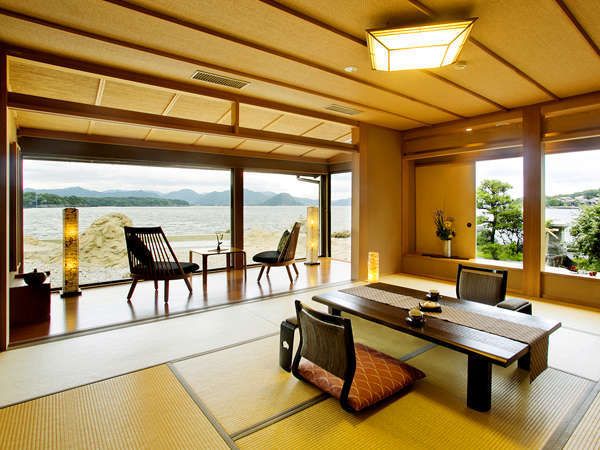
Yukei No Yado Umi No Yurikago Hagikomachi
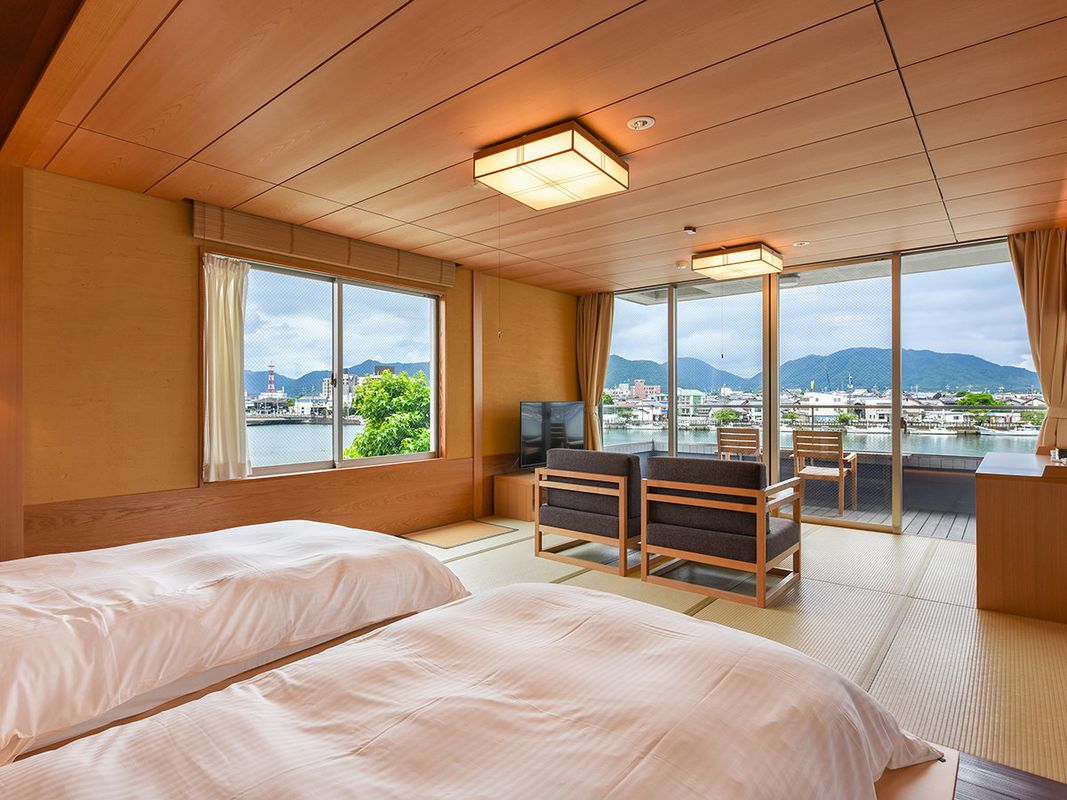
Gajima Bessou
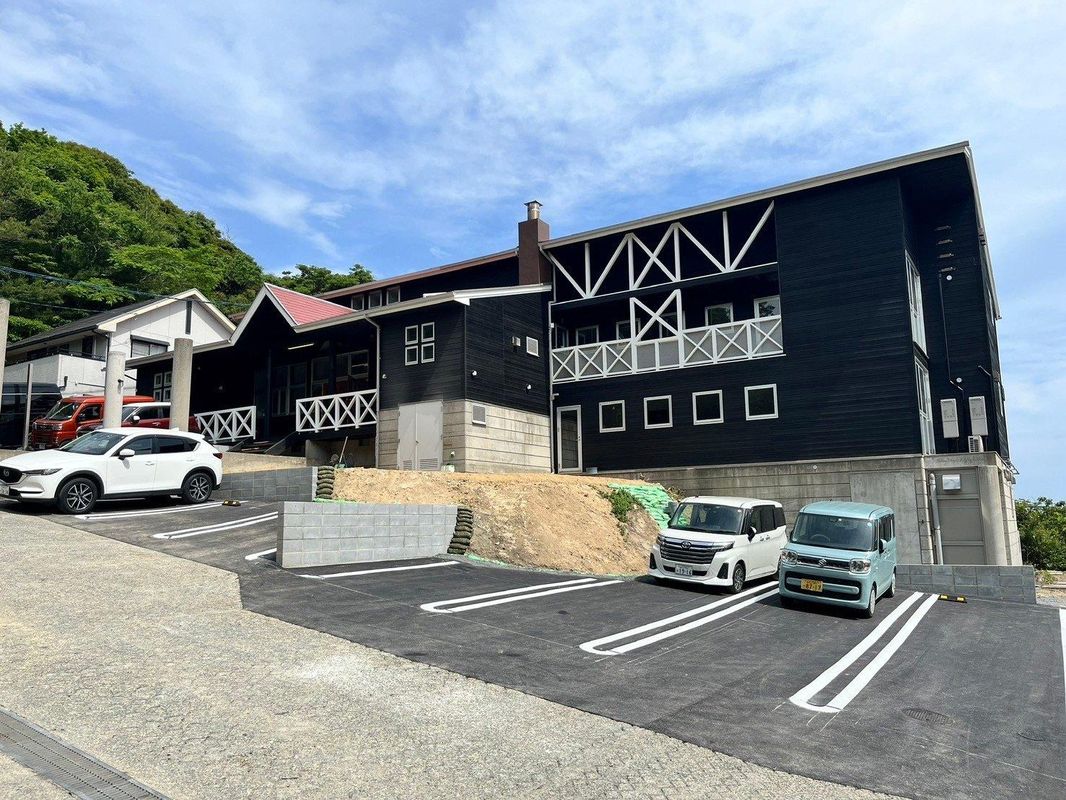
Peace Inn Hagi
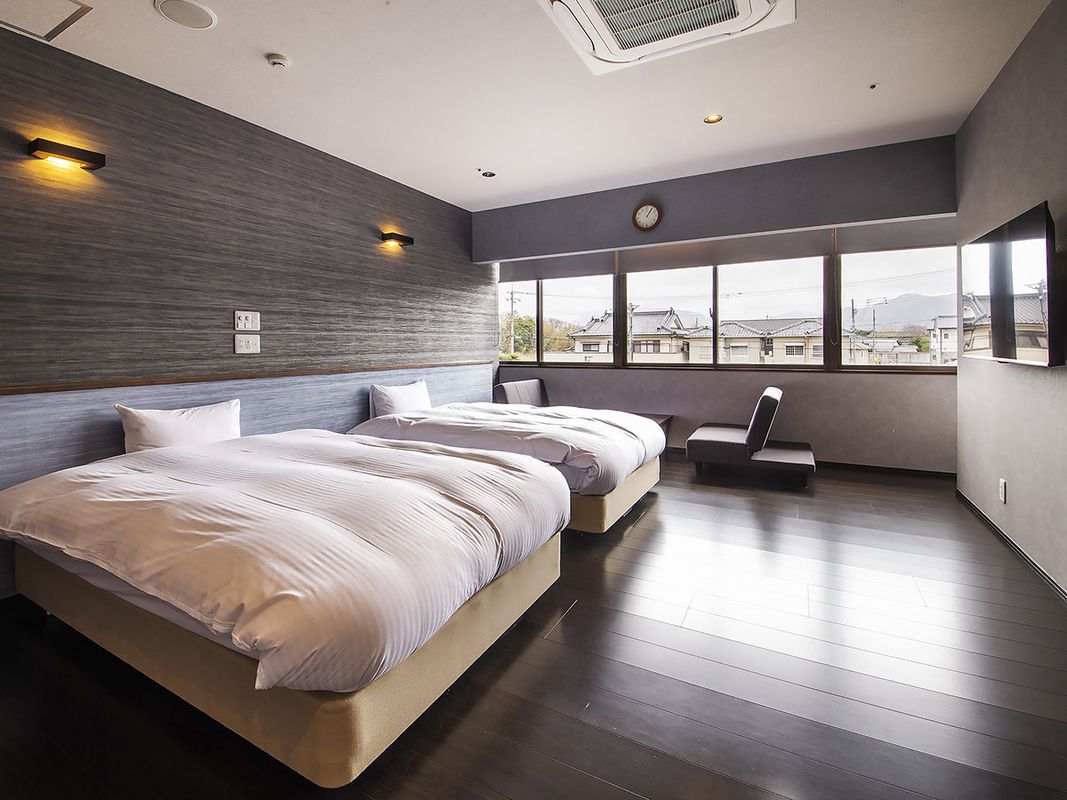
Resort Hotel Mihagi
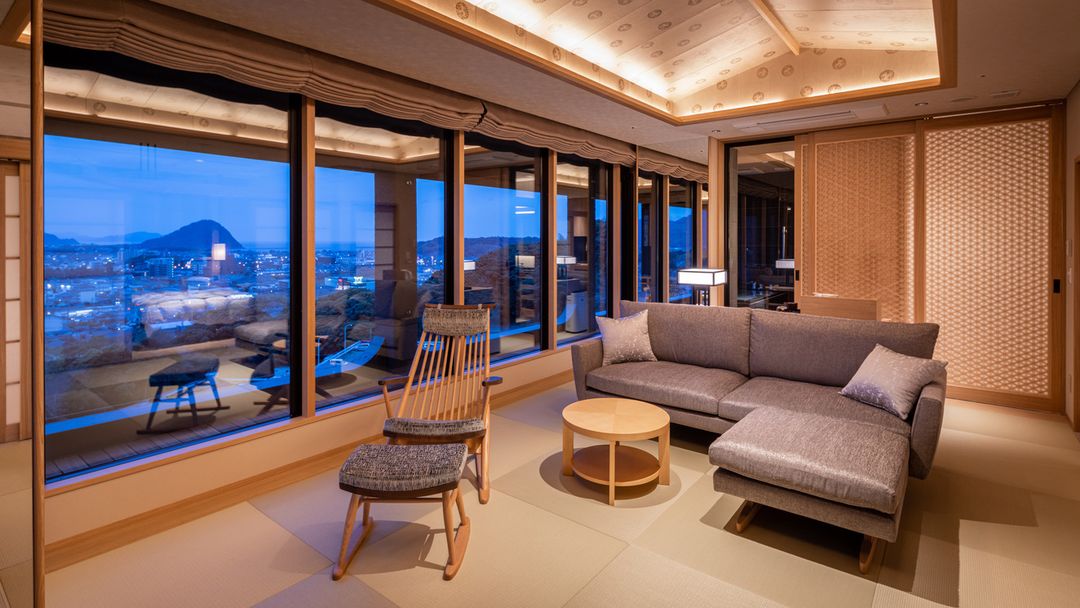
Hagihonjin
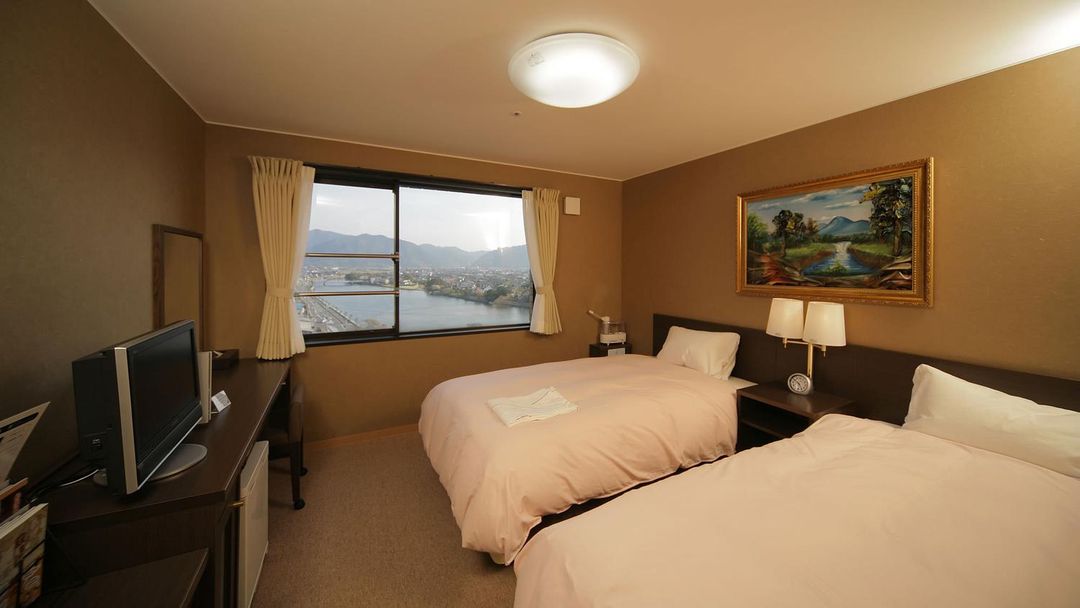
Hagi Royal Intelligent Hotel
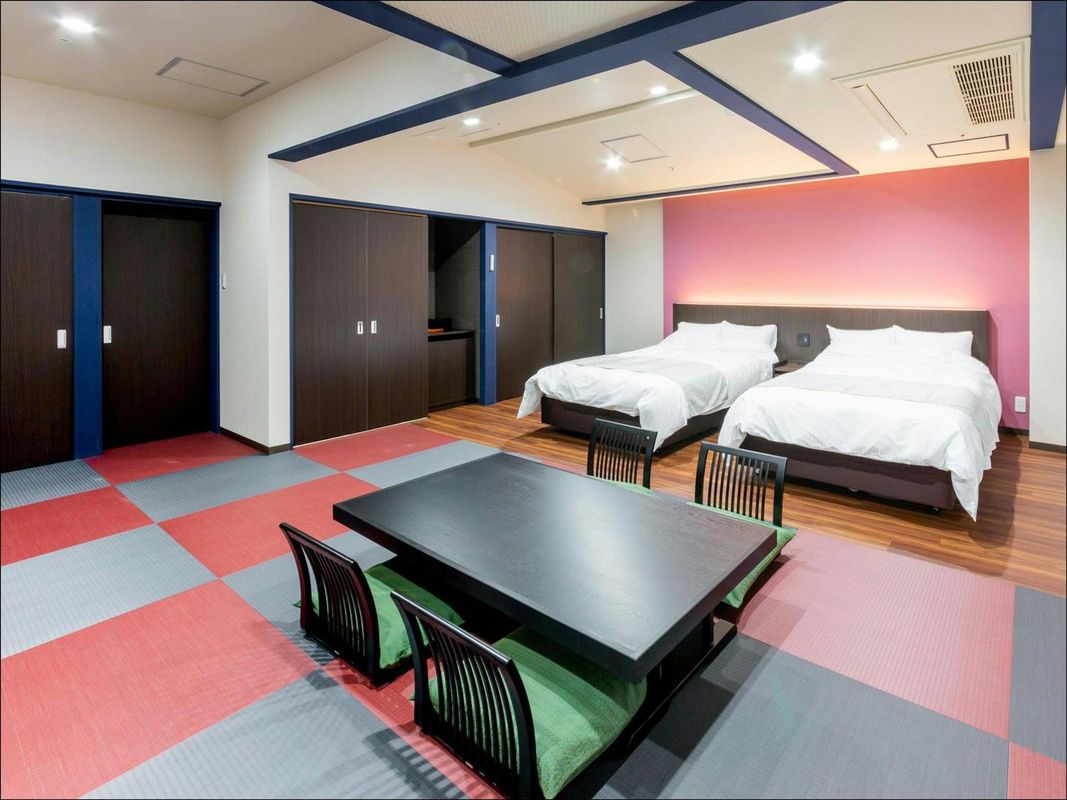
Hagi Kanko Hotel
Best Hotels in Hagi
Discover curated hotel collections in Hagi
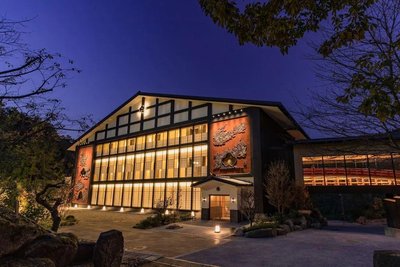
Okuhita Onsen Umehibiki
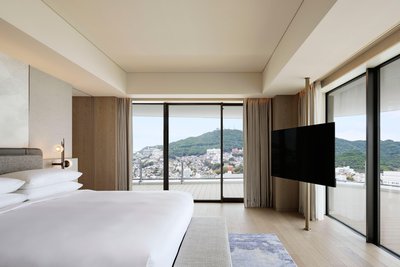
Nagasaki Marriott Hotel
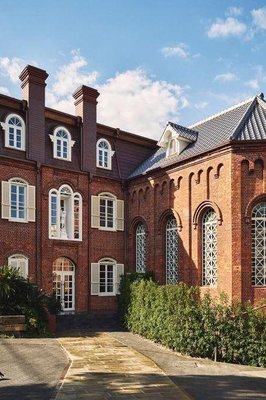
Hotel Indigo Nagasaki Glover Street by IHG
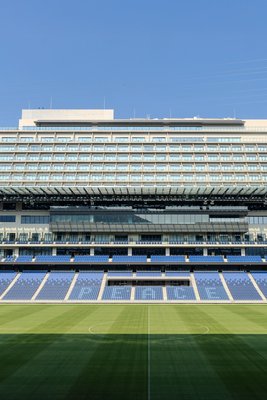
Stadium City Hotel Nagasaki
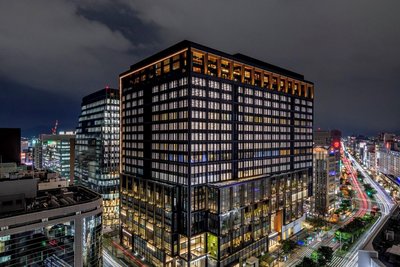
ONE FUKUOKA HOTEL
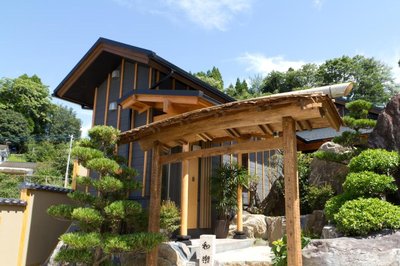
Ryokan Shinsen
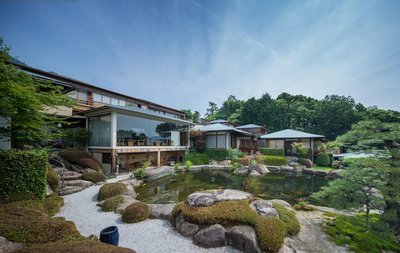
SEKITEI

Yamatoya Besso
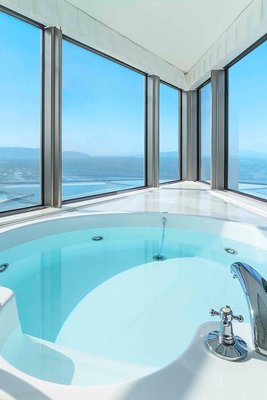
Hilton Fukuoka Sea Hawk

Olive Bay Hotel
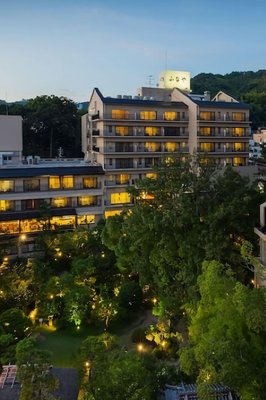
Funaya
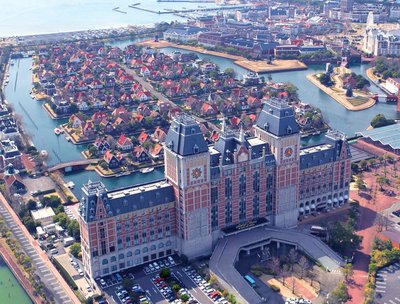
Hotel Okura Jr Huis Ten Bosch
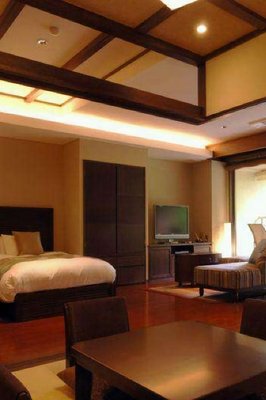
Bettei Oborozukiyo
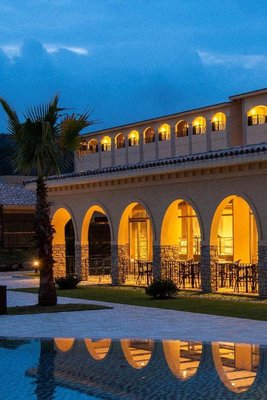
La Vista Kirishima Hills
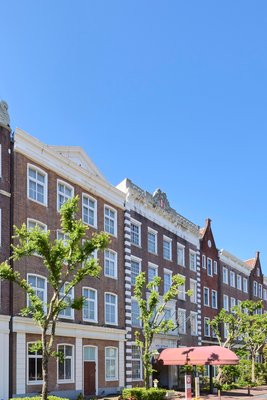
Hotel Amsterdam Huis Ten Bosch

Yumotoankiyohime
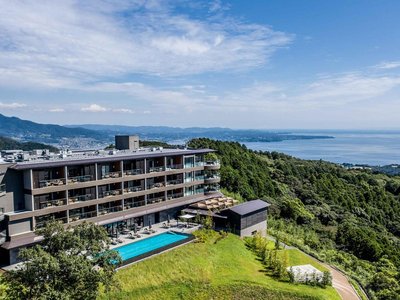
Ana InterContinental Beppu Resort & Spa
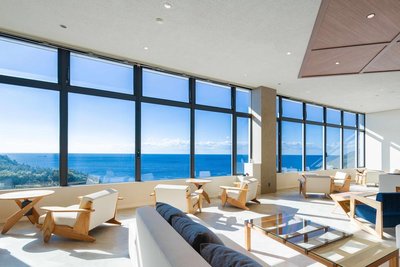
TheMana Village
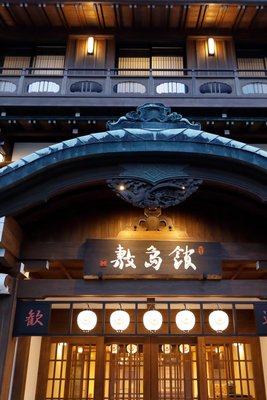
Onyado Shikishima-Kan
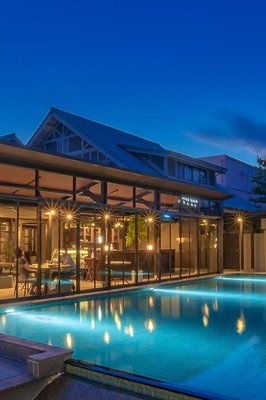
Amane Resort Gahama
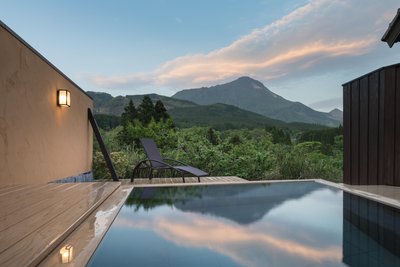
Ikkoten
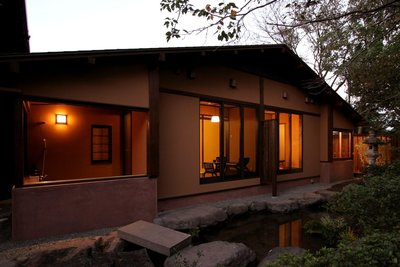
SEKIYA RESORT Bettei Haruki
Okuhita Onsen Umehibiki
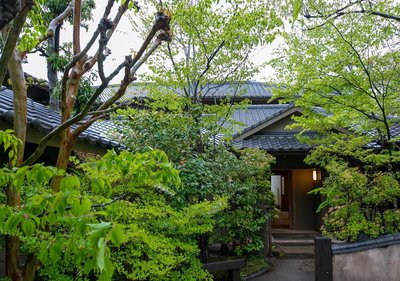
Yufuin Onsen Hinoharu Ryokan
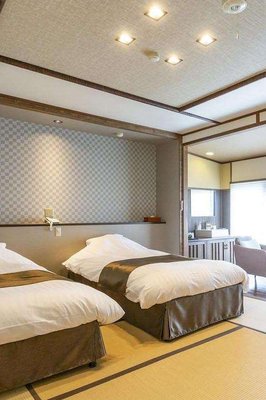
Sozankyo
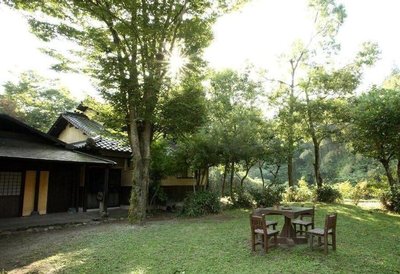
Yamashinobu
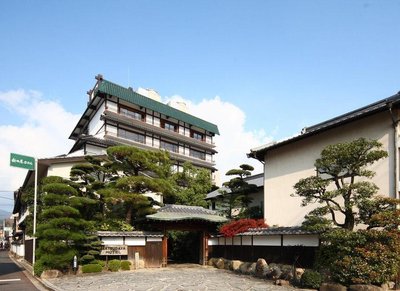
Matsudaya Hotel
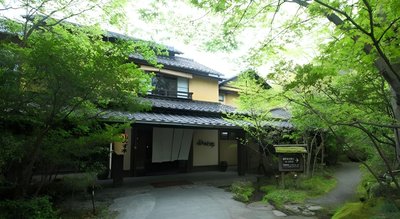
Kurokawaonsen Yamamizuki
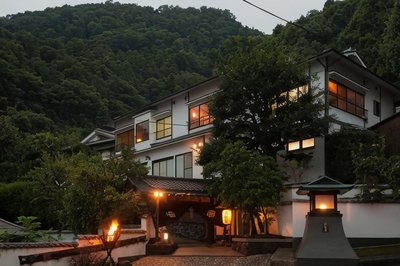
Beppu Showaen
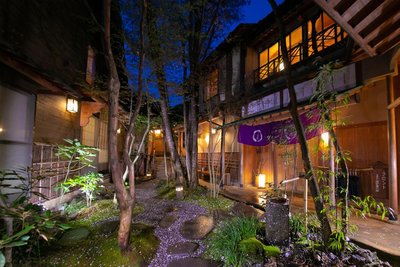
Oyado Ichizen
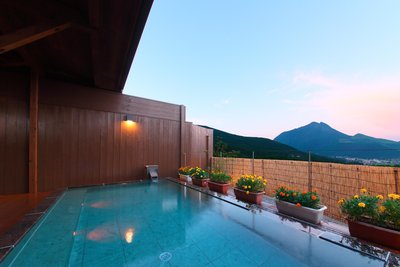
Asagirinomieru Yado Yufuin Hanayoshi
Yamatoya Besso
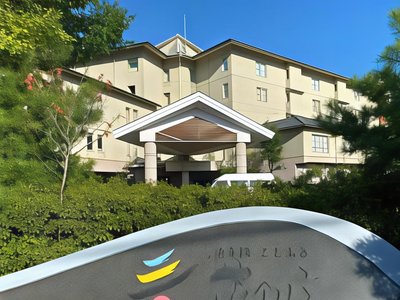
Yufuin Kotobuki Hananosho
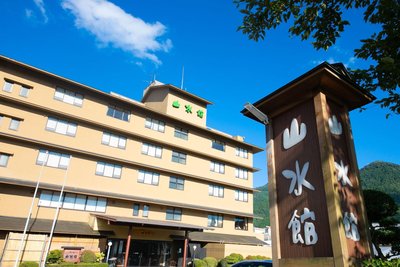
Yufuin Sansuikan
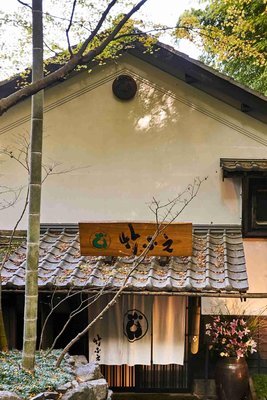
Hikyou Shirakawagensen Sansou Takefue
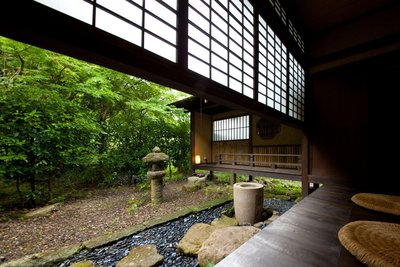
Yufuin Gettouan
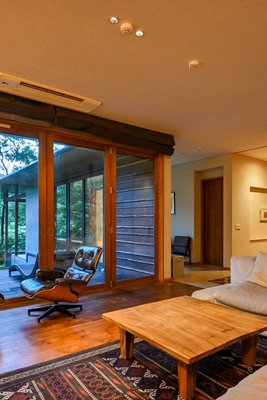
Oita kokonoe Kuoritei
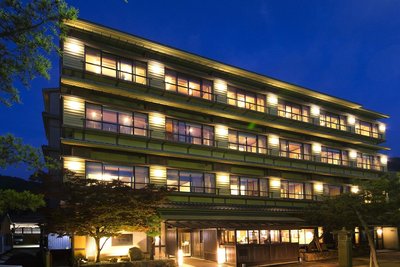
Kinsuikan
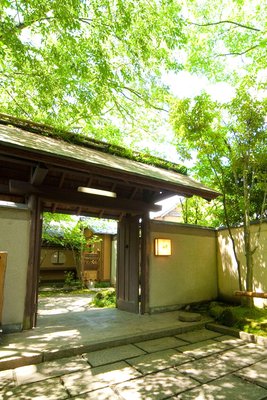
Kutsurogi-No-Yado Nanakawa
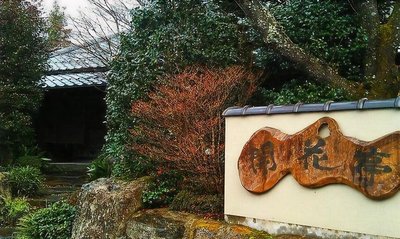
Oyado Kaikatei Ryokan
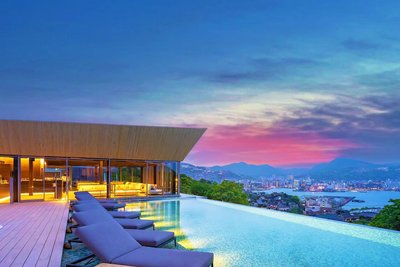
Garden Terrace Nagasaki Hotel & Resort

Holiday Inn Resort Miyazaki
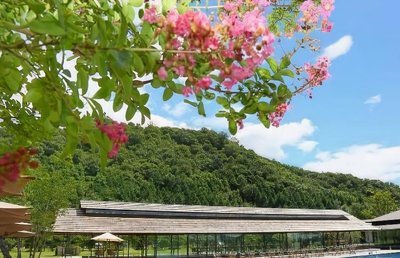
Bella Vista Spa and Marina Onomichi
Yufuin Kotobuki Hananosho
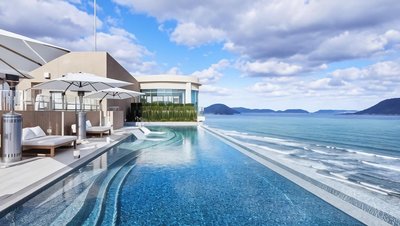
Karatsu Seaside Hotel
Yufuin Sansuikan
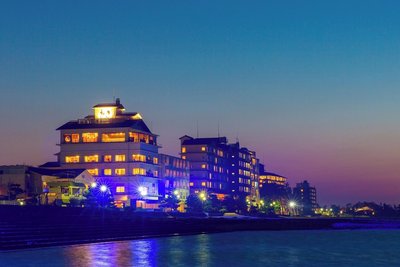
Kaike Shogetsu
Kinsuikan
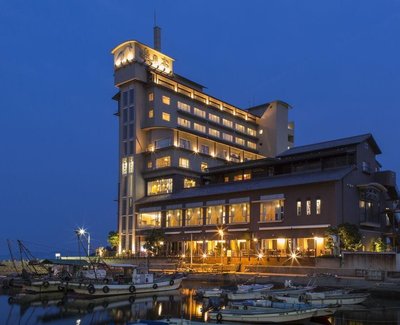
Hotel Ofutei
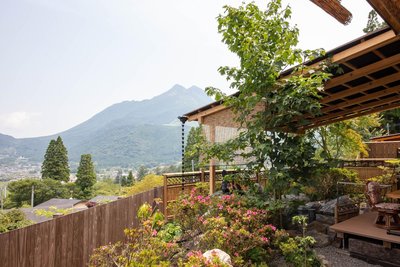
Yufuin-Sanso Waremokou
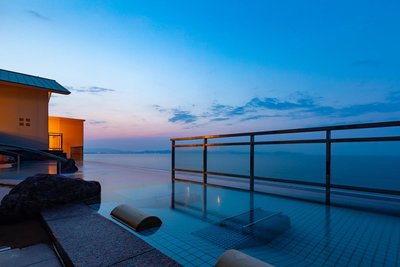
Kaike Yugetsu
Ana InterContinental Beppu Resort & Spa
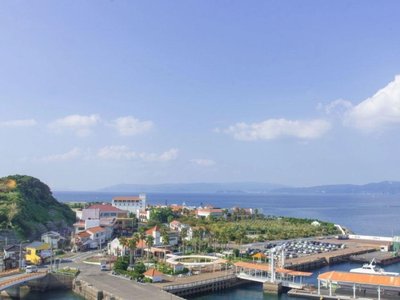
I+Land Nagasaki

The OneFive Villa Fukuoka
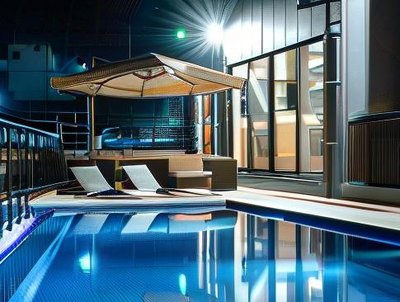
LiVEMAX RESORT MIYAHAMA ONSEN OCEAN
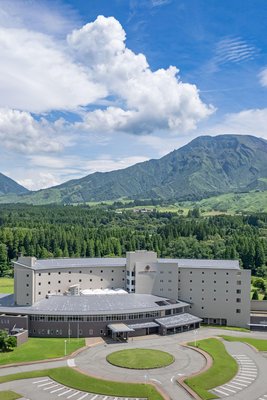
KAMENOI HOTEL ASO
Amane Resort Gahama
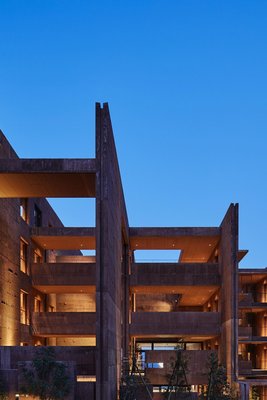
SEKIYA RESORT GALLERIA MIDOBARU
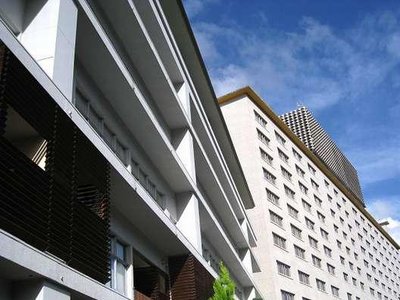
Beppu Suginoi Hotel

Phoenix Seagaia Ocean Tower
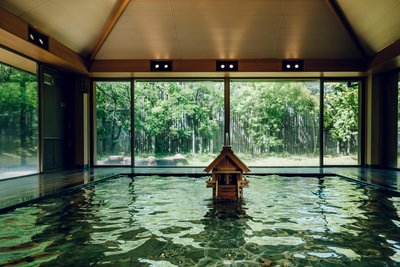
Hoshino Resorts KAI Tamatsukuri
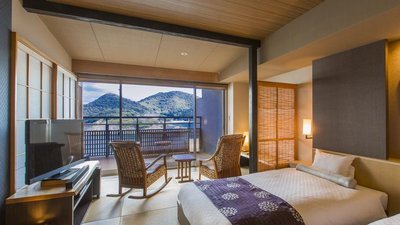
Migiwatei Ochi Kochi
Ryokan Shinsen
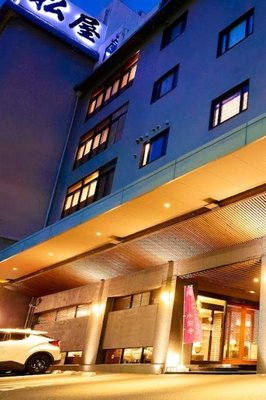
Ryotei Matsuya Honkan Suizenji
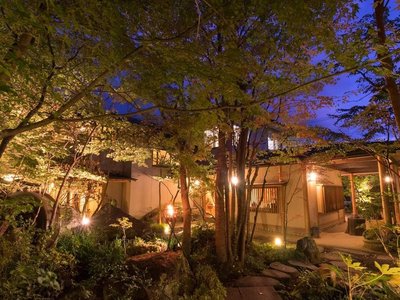
Ryoso Yufuin Yamadaya
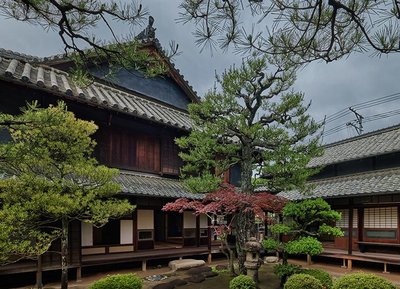
NIPPONIA HOTEL Takehara Saltworks Town
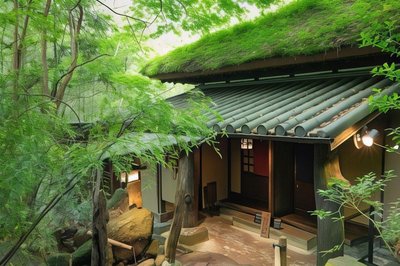
Sanso Tensui
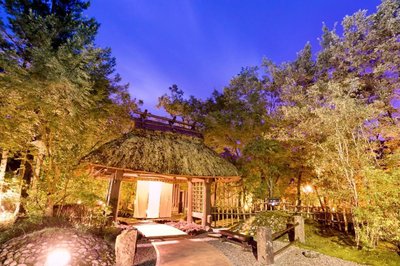
Satonoyu Waraku
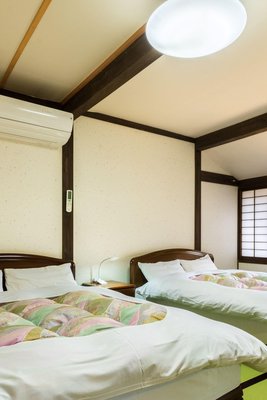
Tobise Onsen Tenga Sanso
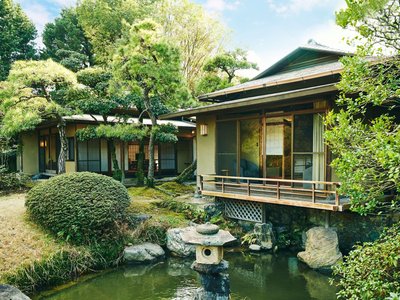
Suisui Garden Ryokan (in the Art Hotel Kokura New Tagawa)
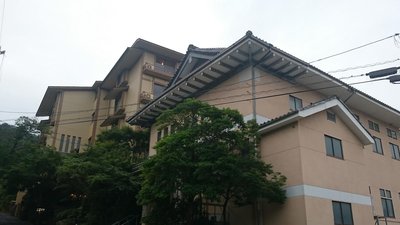
Miyajima Hotel Makoto
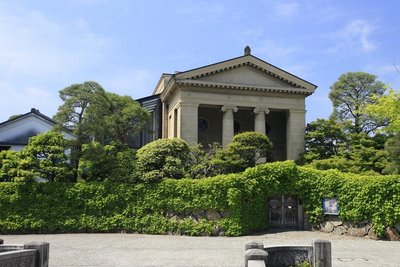
Ryori Ryokan Tsurugata
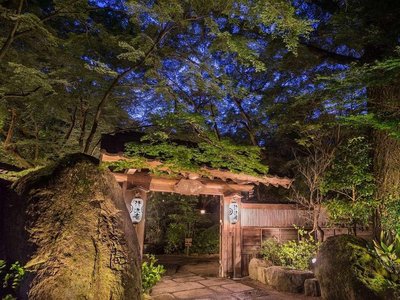
Akizuki Spa Ryokan Seiryuan
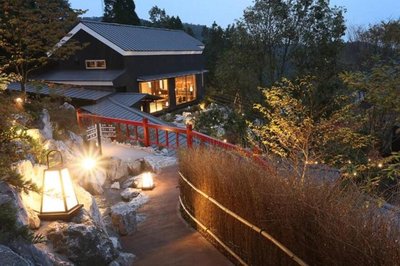
Gekkoju Kurokawa
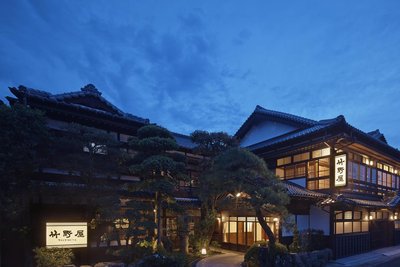
Takenoya
Frequently Asked Questions about Traveling to Hagi
Questions You Might Need to Know About Traveling to Hagi
In Shimonoseki, the standout choice is Shimonoseki Grand Hotel, located near Kanmon Bridge and offering panoramic views of the sea. It features modern Japanese-Western fusion rooms, an on-site hot spring bath, and excellent access to the Matsue Castle and Naka-no-Matsu Park. For a more traditional experience, Yamato Ryokan provides authentic tatami rooms and kaiseki meals made with local seafood. Both are ideal for travelers exploring the historic Chūgoku Region.
The Shimonoseki City Center (Kanmon Area) is the most convenient district for tourists. It’s home to Kanmon Bridge, Shimonoseki Station, and major attractions like Tsunomata Shrine and Naka-no-Matsu Park. The area is walkable, with restaurants, shops, and cultural exhibits nearby. Staying here ensures easy access to ferry services to Fukuoka, making it perfect for day trips or multi-city explorations across Kyushu and Honshu.
Visitors can participate in the Kanmon Ferry Boat Ceremony, a traditional ritual held monthly at Kanmon Bridge that honors maritime history. Another highlight is the Sake Brewing Workshop at Yamaguchi Brewery, where guests learn to craft premium sake using local rice and water. Additionally, Shimonoseki’s Night Lantern Festival features illuminated streets and performances by local taiko drummers, offering a vivid glimpse into regional heritage.
Yes, Shimonoseki Onsen Kanko Hotel is highly recommended for its natural hot spring baths sourced from deep underground aquifers. The hotel offers private outdoor onsen tubs overlooking the sea and serves seasonal kaiseki dinners featuring fresh catch from the Sea of Japan. Another option is Kanmon no Yado, a family-run ryokan with a serene garden and kimono rental service, ideal for couples seeking tranquility and authenticity.
Key landmarks include the Kanmon Bridge, a symbol of cross-strait connectivity between Honshu and Kyushu, and the Tsunomata Shrine, dedicated to protecting sailors. The Shimonoseki Historical Museum displays artifacts from the Meiji Restoration era and the city’s role as a gateway to Korea. Nearby, Naka-no-Matsu Park preserves remnants of the old Edo-era post station, offering insight into Japan’s past transportation network.
Tourists should sample Shimonoseki-style sashimi, particularly fresh mackerel and squid caught daily from the Sea of Japan. Another must-try is Hirayama Nabe, a hearty hot pot made with pork, vegetables, and local miso. Don’t miss Kanmon Mochi, sweet rice cakes filled with red bean paste, sold at street stalls near Shimonoseki Station. These dishes reflect the city’s coastal identity and culinary craftsmanship.
Absolutely. Shimonoseki offers family-friendly attractions like Naka-no-Matsu Park, where children can explore historical post stations and play in open fields. The Shimonoseki Aquarium features interactive exhibits and dolphin shows. Many hotels, such as Shimonoseki Grand Hotel, provide family rooms and kid-friendly activities. With good rail links and low tourist congestion, it’s an ideal destination for multigenerational trips.
Autumn transforms Shimonoseki into a scenic wonderland. The Kanmon Bridge area glows under golden foliage along the Kanmon Road, while Tsunomata Shrine’s maple trees turn vibrant red. The annual Kanmon Autumn Festival includes lantern parades, traditional music, and food stalls. Cooler temperatures and fewer crowds make this season ideal for hiking, photography, and enjoying seaside walks with panoramic views.
Start early at Kanmon Bridge Observation Deck for sunrise views over the strait. Visit Tsunomata Shrine and Shimonoseki Historical Museum by mid-morning. Enjoy lunch at Kanmon Market with local sashimi and mochi. Afternoon: explore Naka-no-Matsu Park and take a short ferry ride to Kokura (Fukuoka). End the day at Shimonoseki Onsen Kanko Hotel for a relaxing soak and kaiseki dinner. The route is well-connected via train and footpaths, ensuring smooth transitions.
The Kanmon Bridge Night Illumination is the main attraction—over 300 LED lights outline the bridge, reflecting in the water for a breathtaking display. The Shimonoseki Waterfront Promenade comes alive with cafes and street performers after dark. At Tsunomata Shrine, paper lanterns hang among ancient trees, creating a mystical atmosphere. Some ryokans even offer onsen dining under the stars, allowing guests to enjoy the city’s tranquil night glow from private baths.
Hagi Overview
City Summary
Hagi, located in the northern part of Yamaguchi Prefecture, Japan, is a historic city renowned for its Edo-era architecture and traditional culture. As the hometown of key figures in the Meiji Restoration like Yoshida Shoin, Hagi preserves numerous historical sites and samurai residences. Visitors can experience traditional crafts such as Hagi-yaki pottery and enjoy the scenic beauty of the Sea of Japan.
Must-See Attractions
Must-see attractions in Hagi include Hagi Castle Ruins, which showcase the layout of an Edo-era castle, and the well-preserved Samurai District with its traditional houses. Shoin Shrine and Shokasonjuku Academy are essential for understanding the Meiji Restoration. Additionally, Kikugahama Beach and Meirin Lake offer serene natural beauty, while Hagi-yaki kilns provide hands-on pottery experiences.
Food Guide
Hagi's cuisine features seafood and traditional Japanese dishes. Don't miss Hagi sushi, a box sushi made with local seafood. Grilled clams and fugu (pufferfish) dishes are also highly recommended. For desserts, Hagi pudding and Wasanbon sugar reflect the region's delicate sweet traditions.
Transportation Guide
Public transport in Hagi relies mainly on buses, with several routes connecting major attractions, but schedules are limited, so check timetables in advance. Renting a car is more flexible, especially for visiting suburban sites. Hagi is accessible via the JR Sanin Line from Yamaguchi or Shimonoseki, taking about 1.5 to 2 hours. Bicycle rentals are also a popular way to explore the city.
Best Time to Visit
The best times to visit are spring (March to May) and autumn (September to November), when the weather is mild and ideal for outdoor activities. Summers can be hot and humid, while winters may bring snow. Avoid Golden Week (late April to early May) to skip crowds.
Travel Tips
- Respect historical sites: Many attractions are cultural properties—avoid touching or damaging them.
- Cash payments: Some small shops may not accept cards, so carry sufficient cash.
- Quiet visits: The Samurai District is residential—keep noise levels low.
- Sun and skin care: Summers are sunny, winters dry—prepare accordingly.
- Book in advance: Reserve Hagi-yaki experiences and restaurants early.
- Plan transport: Buses are infrequent—allow extra time.
Useful Information
English proficiency is limited in Hagi, so learning basic Japanese or using a translation app is advised. Mobile networks are reliable; consider a local SIM or rented Wi-Fi. Cash is preferred, though some stores accept IC cards like Suica. For emergencies, dial 110 (police) or 119 (ambulance). Pharmacies and medical facilities are concentrated downtown; bring essential medications.