Hotels in Hagi
Discover your perfect stay in Hagi.
Hagi(Japan) Travel 2026: Cheap Flights, Hotels & Top Attractions
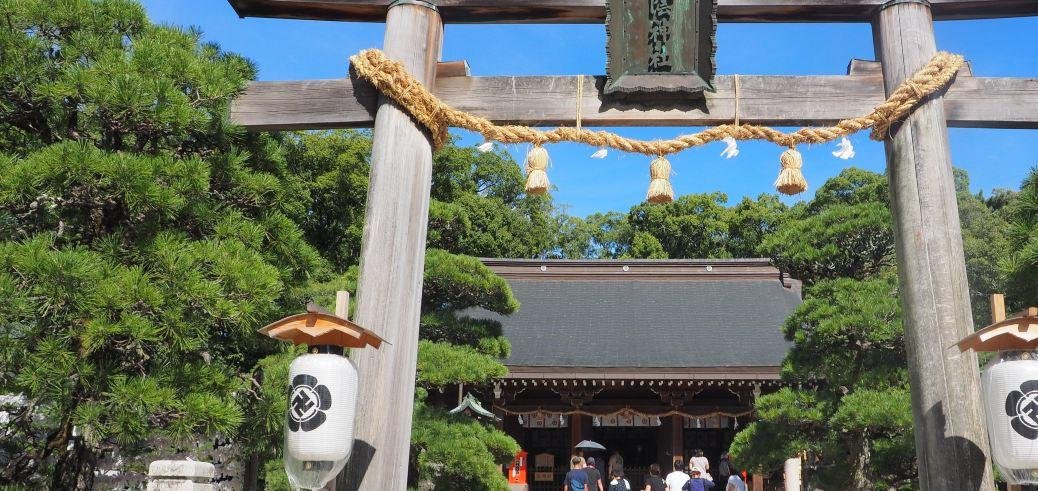
Popular Landmarks in Hagi
Discover the most iconic attractions in Hagi
Recommended Hotels in Hagi
Find the perfect place to stay in Hagi
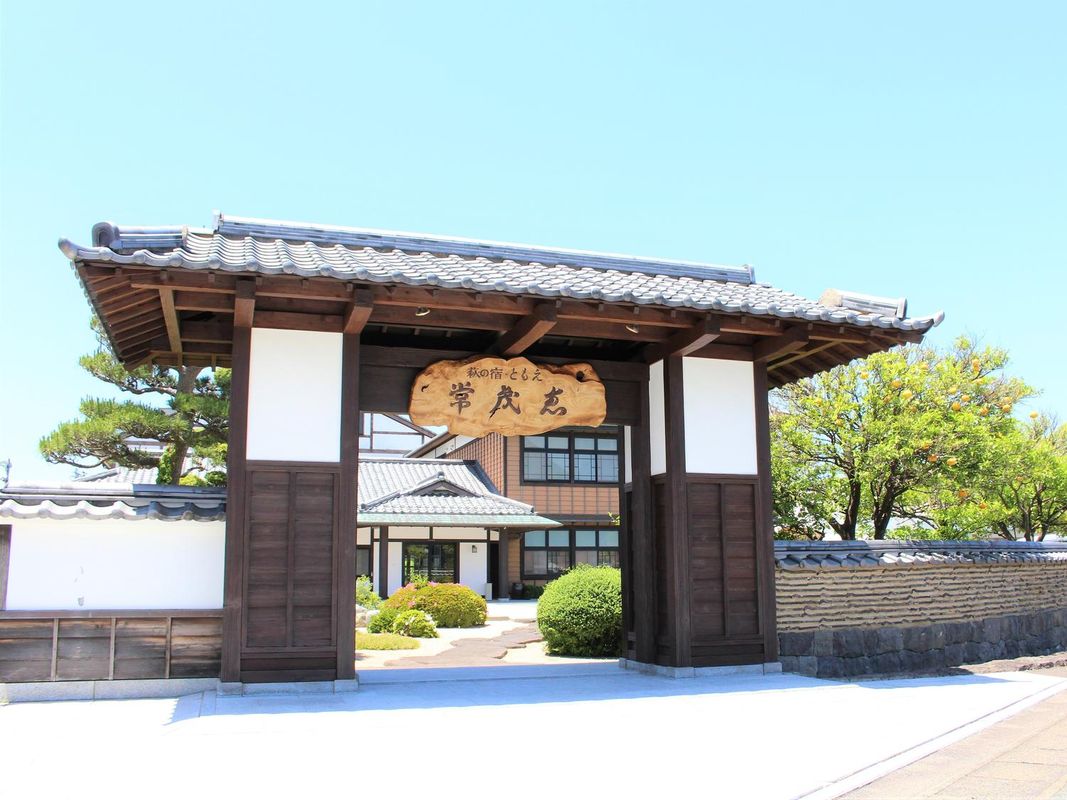
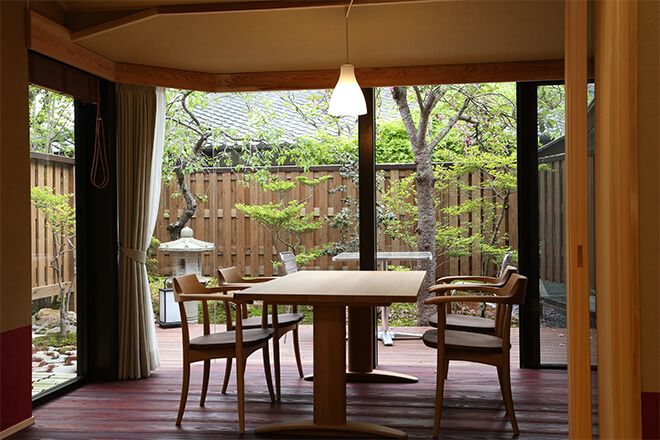
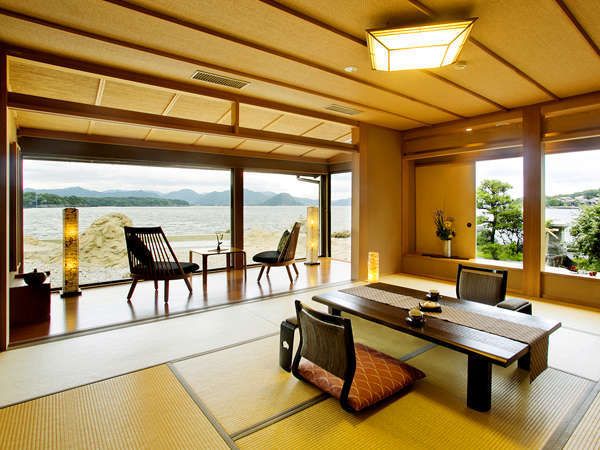

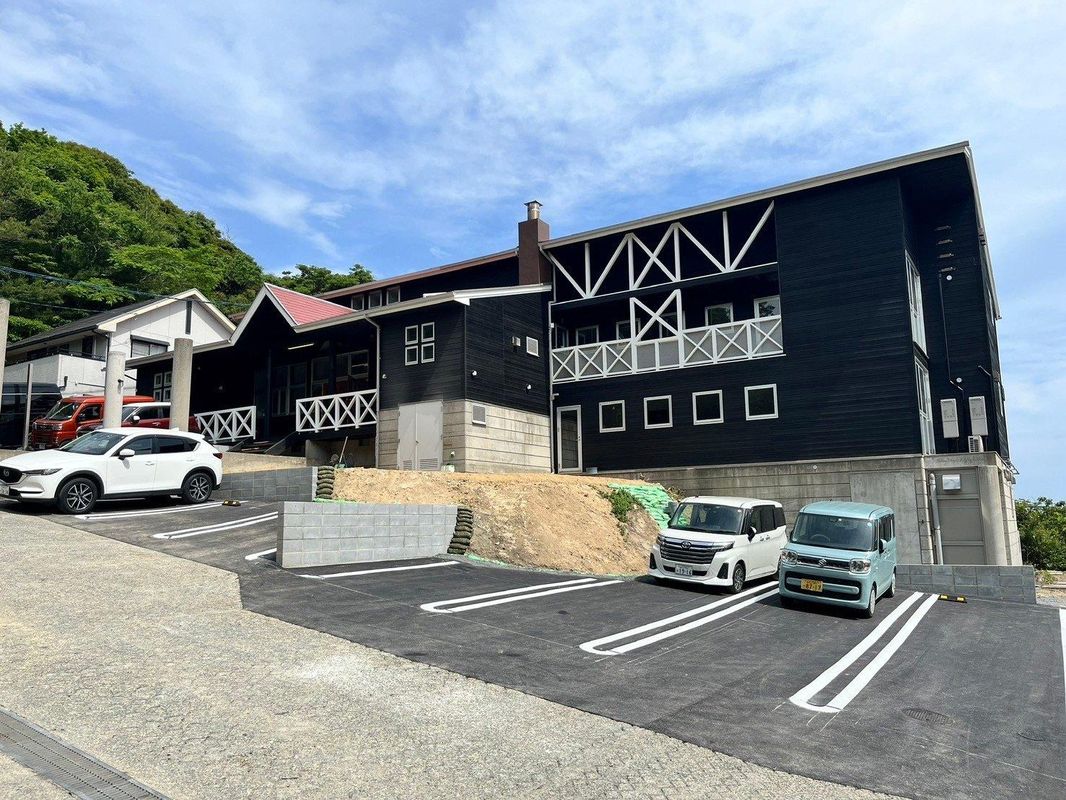



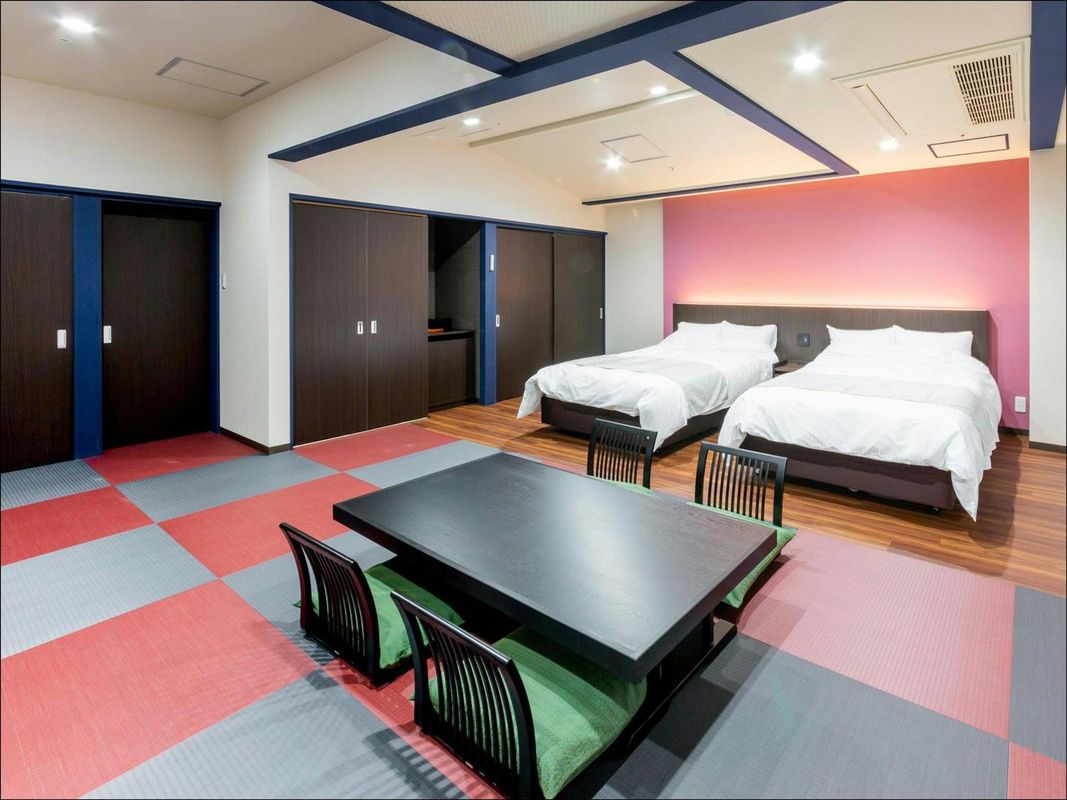
Best Hotels in Hagi
Discover curated hotel collections in Hagi


















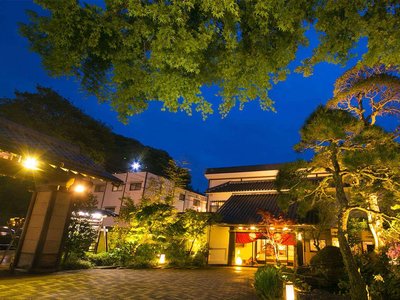
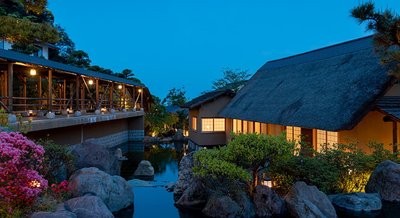
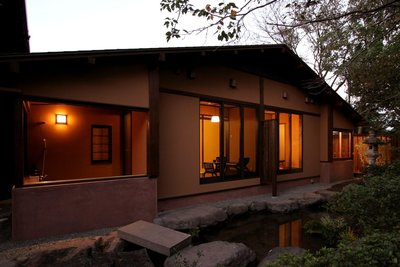

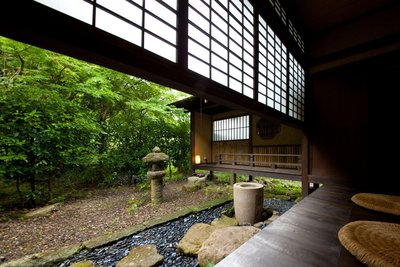
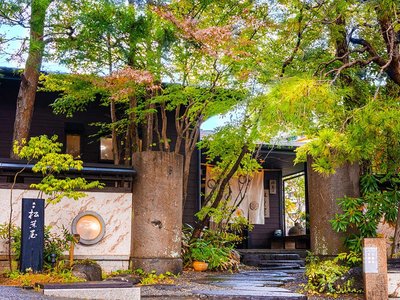


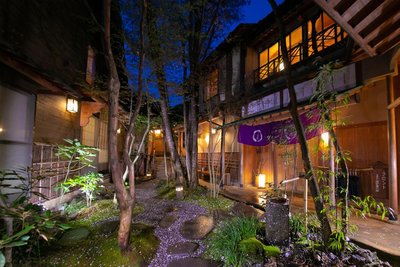
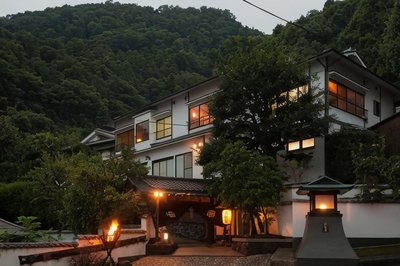
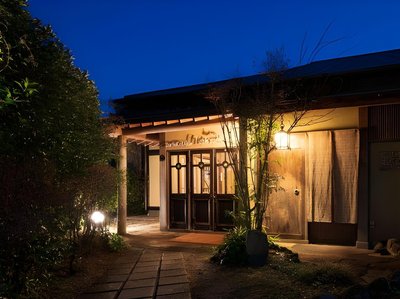














Frequently Asked Questions about Traveling to Hagi
Questions You Might Need to Know About Traveling to Hagi
Hagi Overview
City Summary
Hagi, located in the northern part of Yamaguchi Prefecture, Japan, is a historic city renowned for its Edo-era architecture and traditional culture. As the hometown of key figures in the Meiji Restoration like Yoshida Shoin, Hagi preserves numerous historical sites and samurai residences. Visitors can experience traditional crafts such as Hagi-yaki pottery and enjoy the scenic beauty of the Sea of Japan.
Must-See Attractions
Must-see attractions in Hagi include Hagi Castle Ruins, which showcase the layout of an Edo-era castle, and the well-preserved Samurai District with its traditional houses. Shoin Shrine and Shokasonjuku Academy are essential for understanding the Meiji Restoration. Additionally, Kikugahama Beach and Meirin Lake offer serene natural beauty, while Hagi-yaki kilns provide hands-on pottery experiences.
Food Guide
Hagi's cuisine features seafood and traditional Japanese dishes. Don't miss Hagi sushi, a box sushi made with local seafood. Grilled clams and fugu (pufferfish) dishes are also highly recommended. For desserts, Hagi pudding and Wasanbon sugar reflect the region's delicate sweet traditions.
Transportation Guide
Public transport in Hagi relies mainly on buses, with several routes connecting major attractions, but schedules are limited, so check timetables in advance. Renting a car is more flexible, especially for visiting suburban sites. Hagi is accessible via the JR Sanin Line from Yamaguchi or Shimonoseki, taking about 1.5 to 2 hours. Bicycle rentals are also a popular way to explore the city.
Best Time to Visit
The best times to visit are spring (March to May) and autumn (September to November), when the weather is mild and ideal for outdoor activities. Summers can be hot and humid, while winters may bring snow. Avoid Golden Week (late April to early May) to skip crowds.
Travel Tips
- Respect historical sites: Many attractions are cultural properties—avoid touching or damaging them.
- Cash payments: Some small shops may not accept cards, so carry sufficient cash.
- Quiet visits: The Samurai District is residential—keep noise levels low.
- Sun and skin care: Summers are sunny, winters dry—prepare accordingly.
- Book in advance: Reserve Hagi-yaki experiences and restaurants early.
- Plan transport: Buses are infrequent—allow extra time.
Useful Information
English proficiency is limited in Hagi, so learning basic Japanese or using a translation app is advised. Mobile networks are reliable; consider a local SIM or rented Wi-Fi. Cash is preferred, though some stores accept IC cards like Suica. For emergencies, dial 110 (police) or 119 (ambulance). Pharmacies and medical facilities are concentrated downtown; bring essential medications.