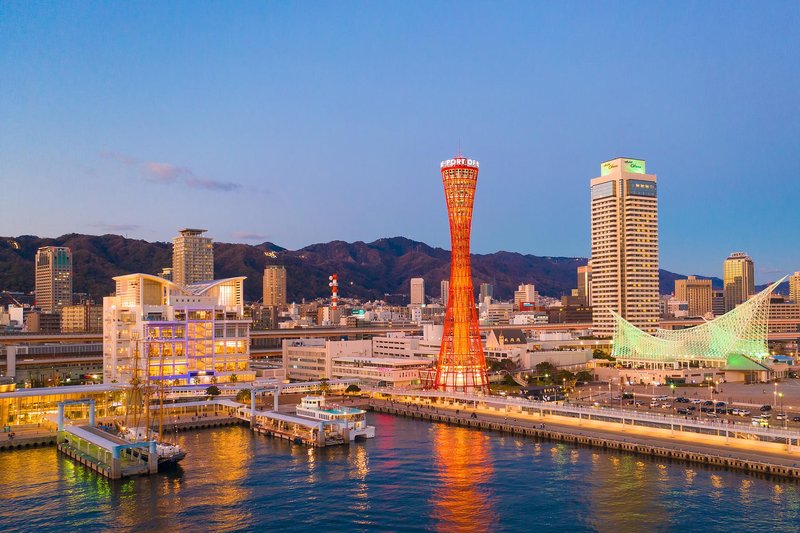
Hotels in Hakone
Discover your perfect stay in Hakone.
Hakone(Japan) Travel 2026: Cheap Flights, Hotels & Top Attractions
Popular Landmarks in Hakone
Discover the most iconic attractions in Hakone
Recommended Hotels in Hakone
Find the perfect place to stay in Hakone
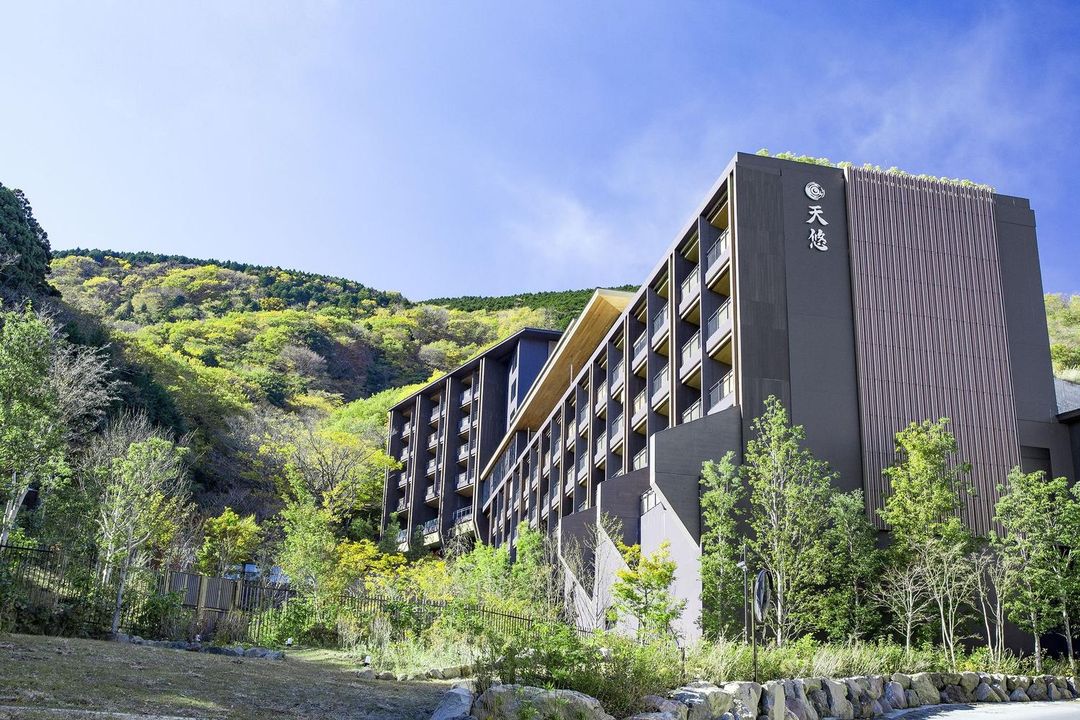
Hakone Kowakien Ten-yu
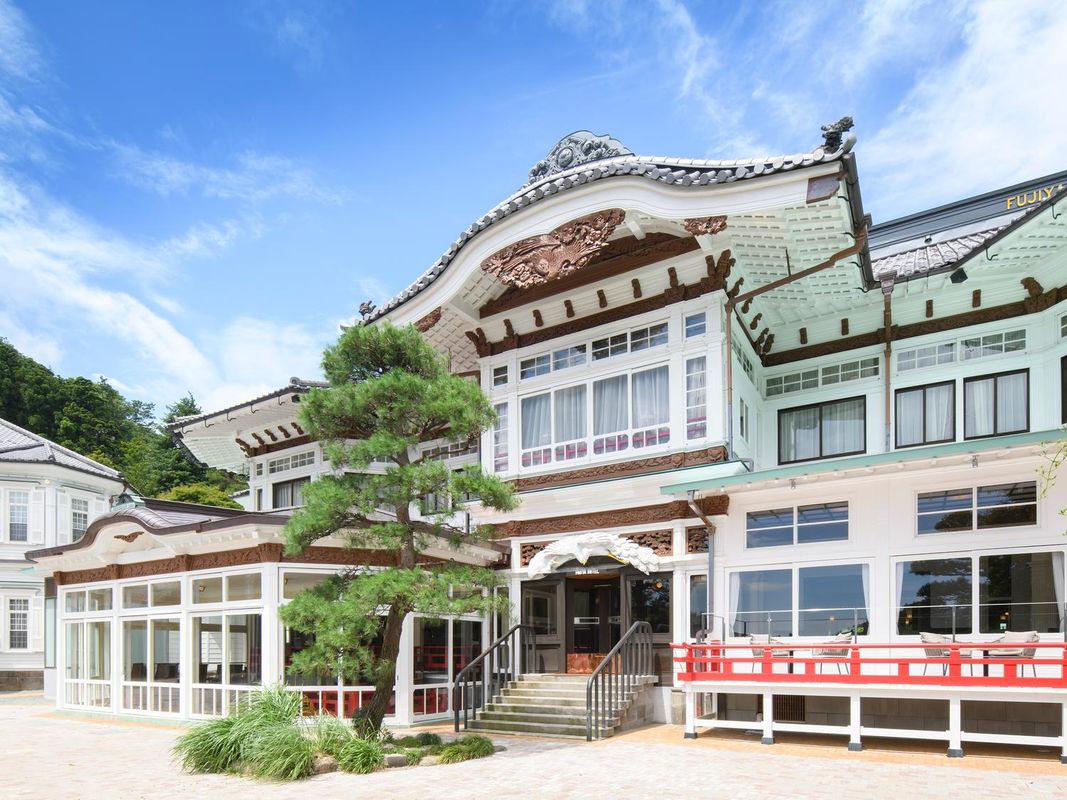
Fujiya Hotel
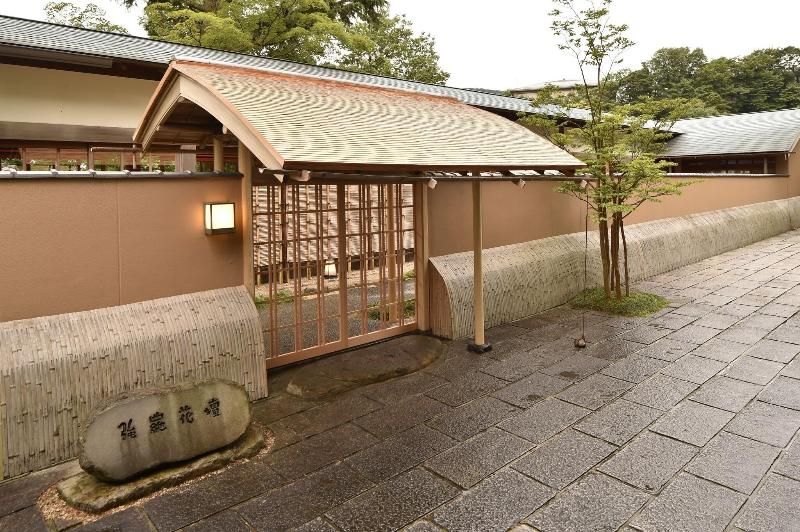
Gora Kadan
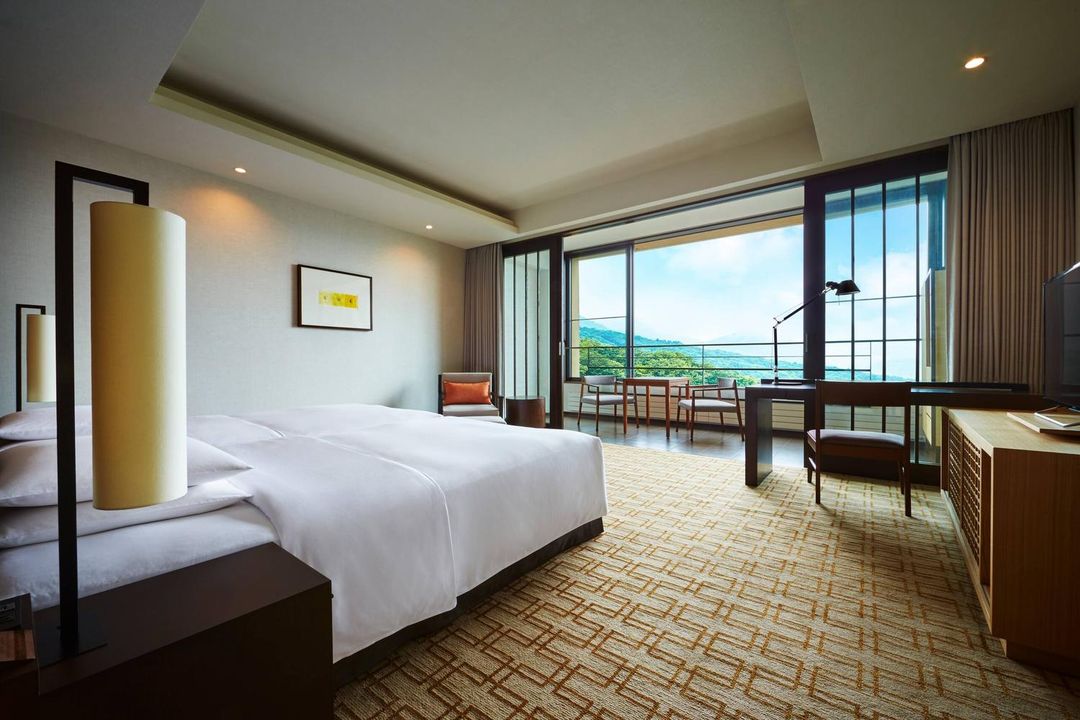
Hyatt Regency Hakone Resort and Spa
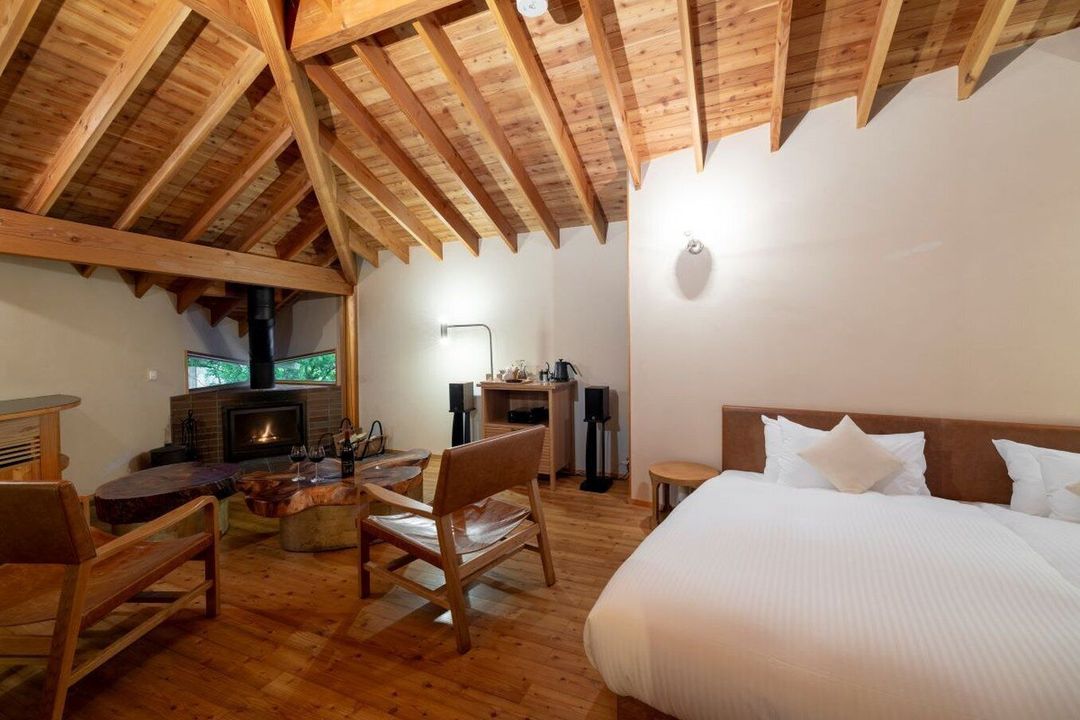
Hakone Retreat Villa 1f
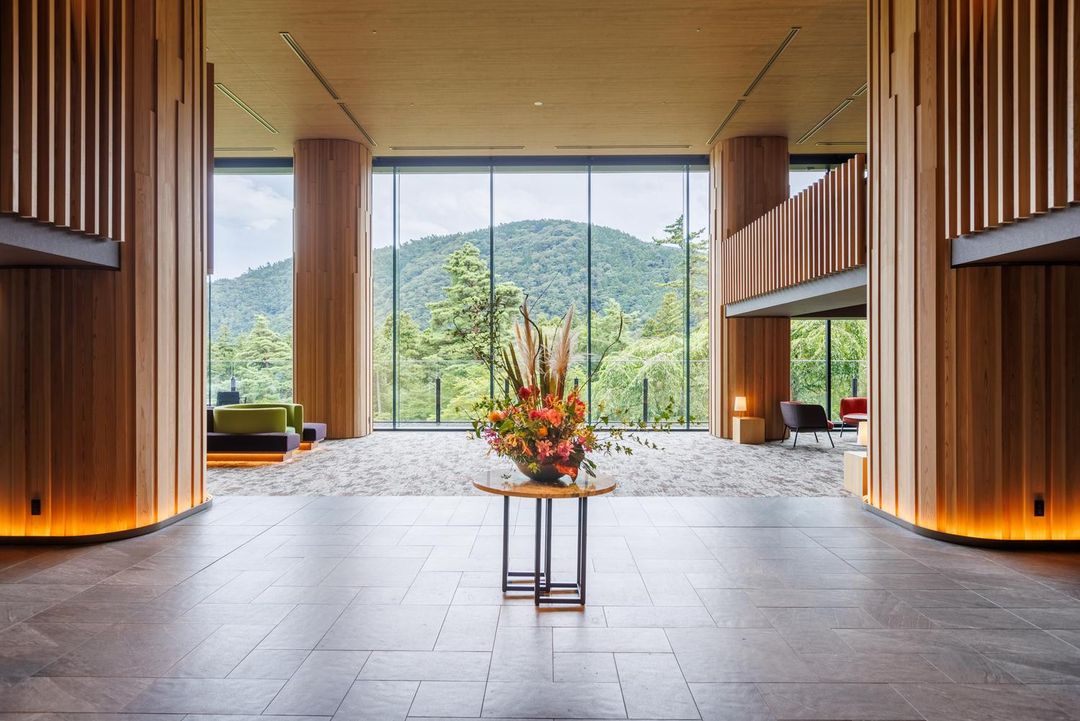
Hakone Kowakien Hotel
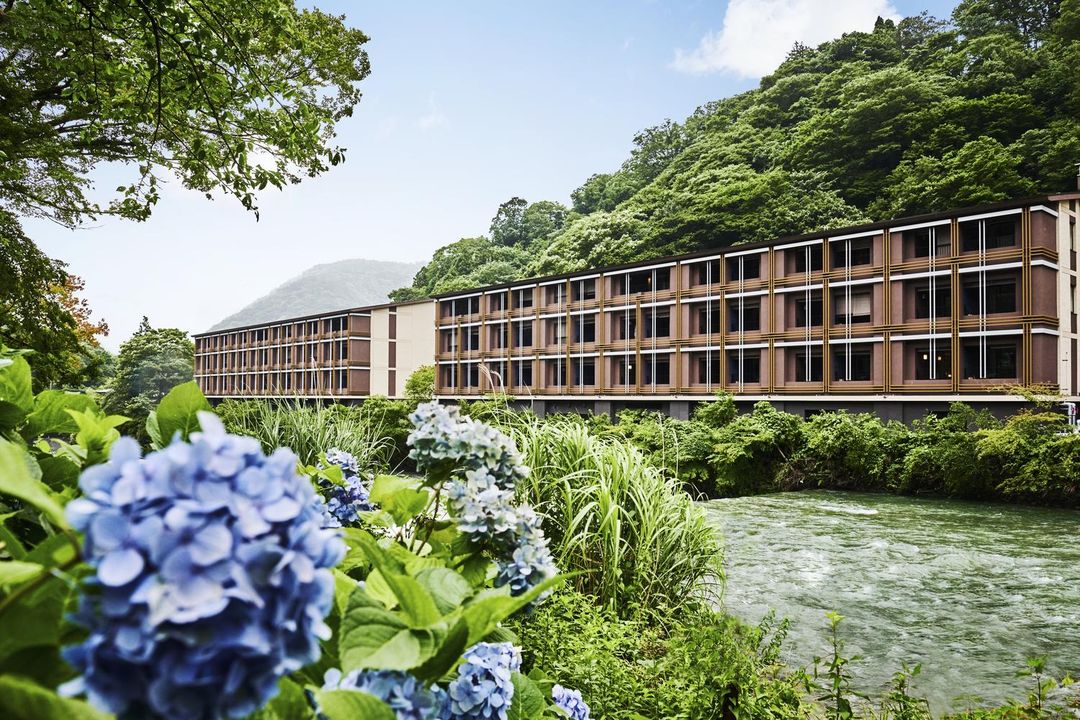
Hotel Indigo Hakone Gora
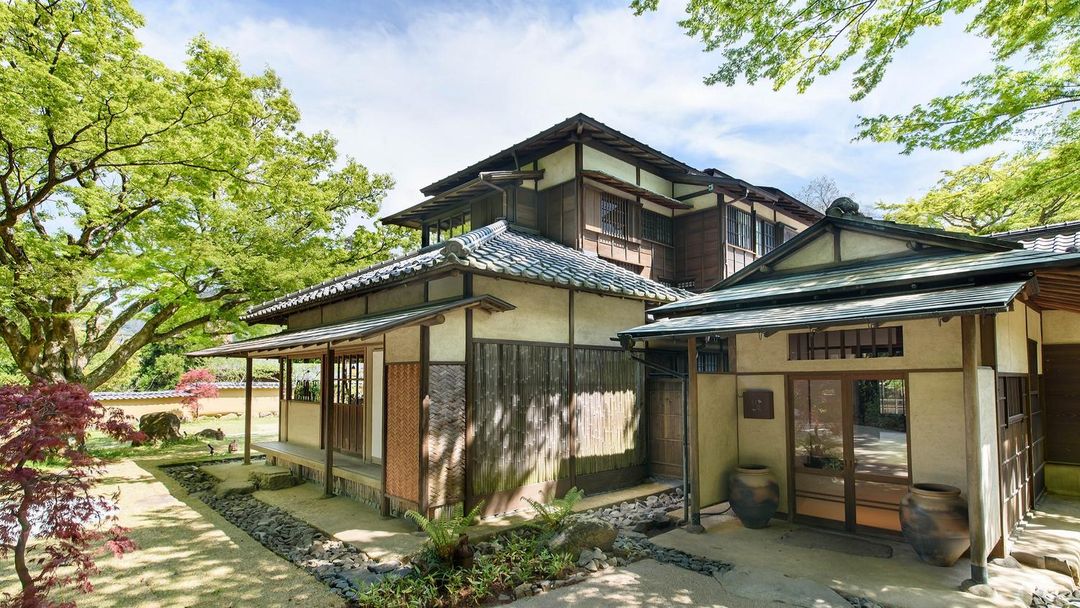
Hakone Suishoen
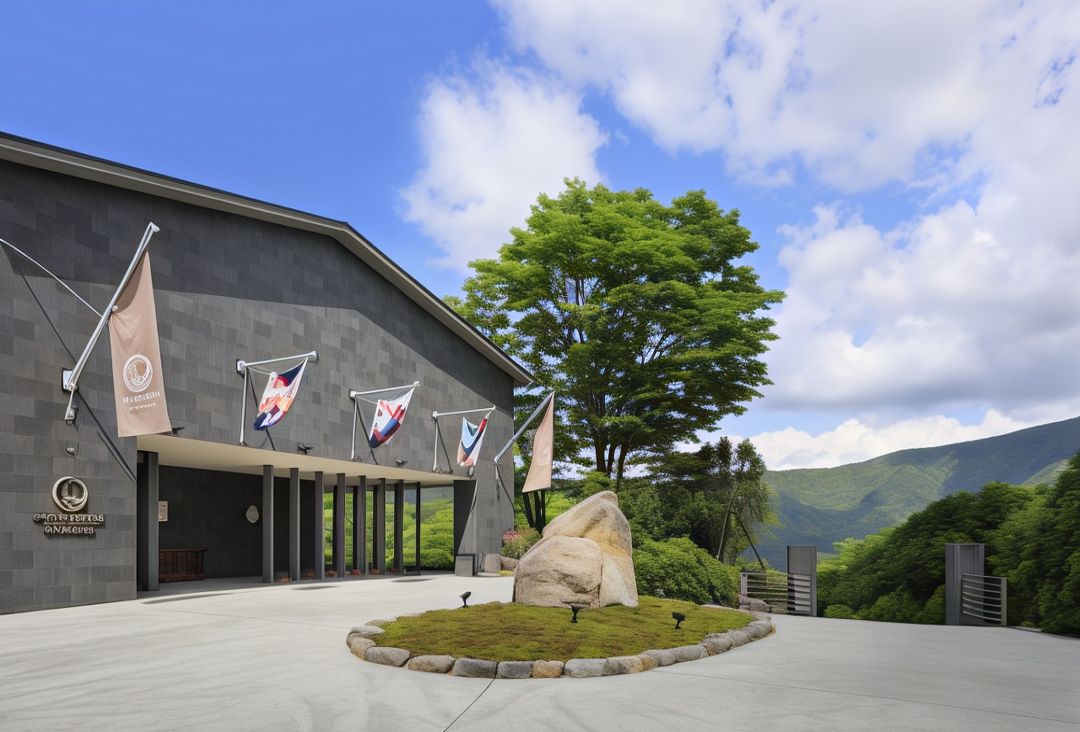
The Hiramatsu Hotels & Resorts Sengokuhara Hakone
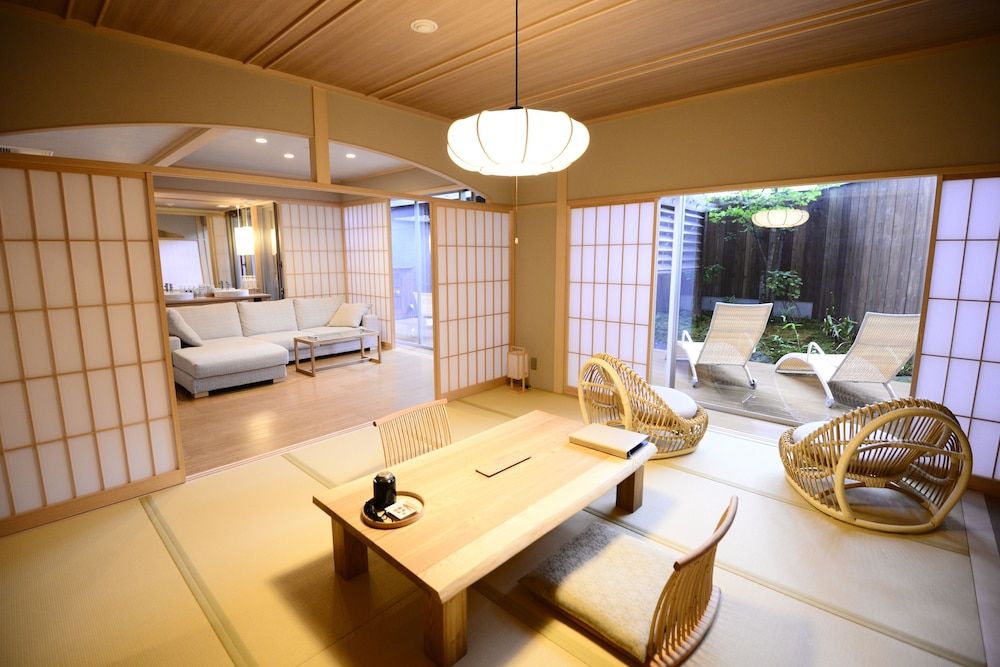
Hakone Gora Byakudan
Best Hotels in Hakone
Discover curated hotel collections in Hakone
Hakone Gora Byakudan
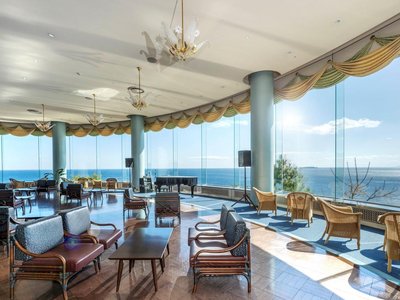
Hotel New Akao
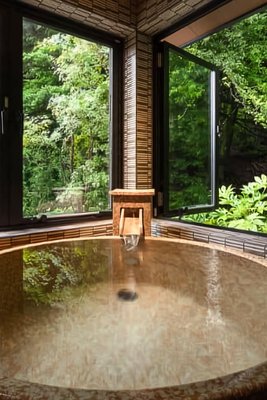
Hakkai Konohanakan
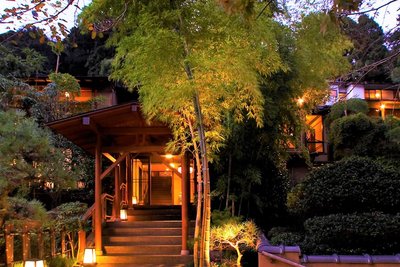
Shiki wo Ajiwau Yado Yamano Chaya
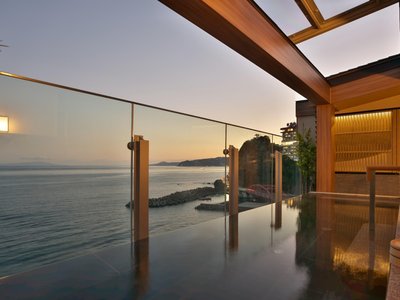
Hotel New Sagamiya
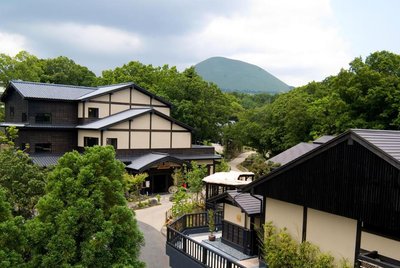
Mori no yu Kira No Sato 【Reopening on December 22, 2025】
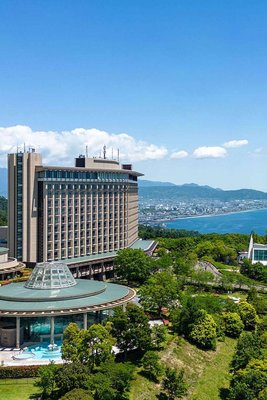
Hilton Odawara Resort & Spa
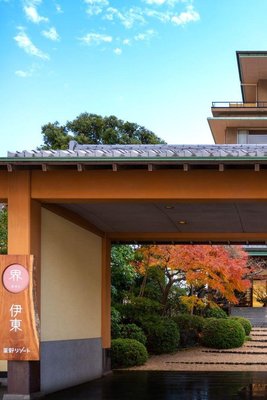
Hoshino Resorts Kai Ito
Setsugetsuka
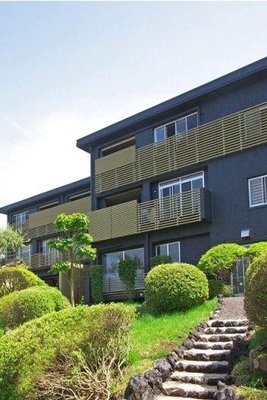
HAKONE YUYADO ZEN
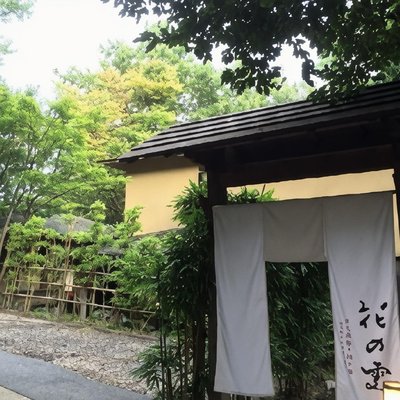
Hana No Kumo
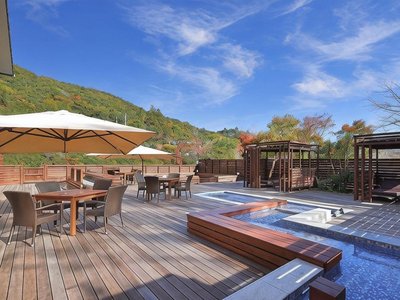
Marukyu Ryokan
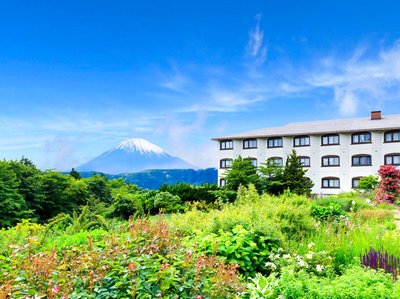
Hotel Green Plaza Hakone
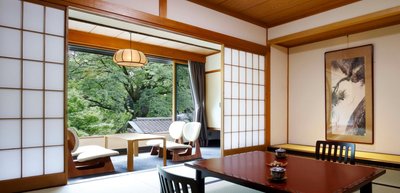
Yoshiike Ryokan
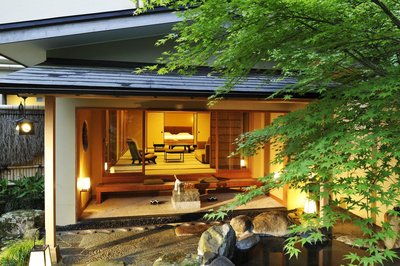
Gora Kadan
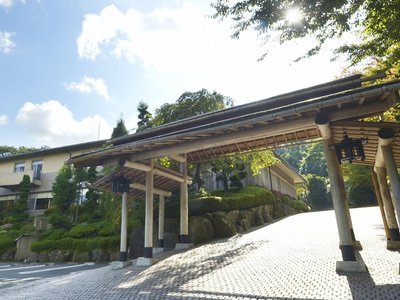
Gora Hanaougi
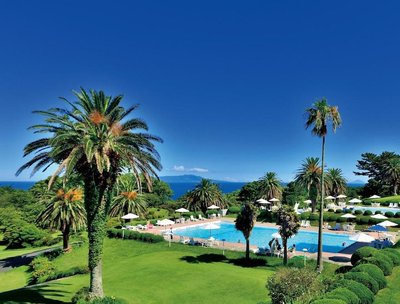
Kawana Hotel
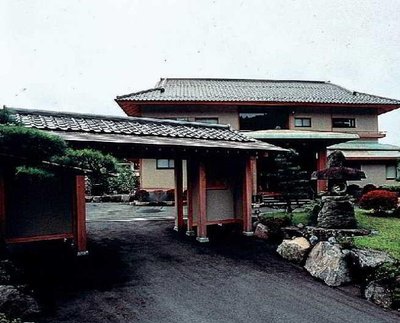
Yoshimatsu
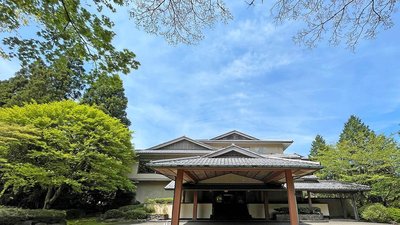
Ryuguden
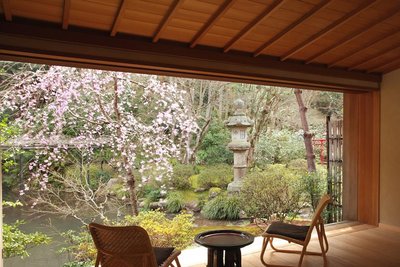
Asaba
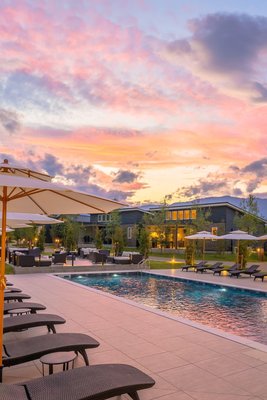
Awaumi Fujikawaguchiko Resort

Scapes the Suite
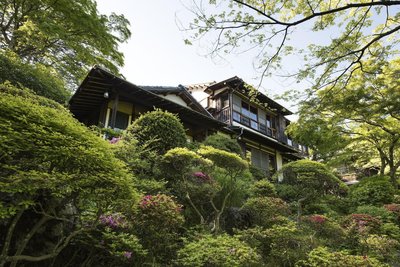
Gora Kansuiro
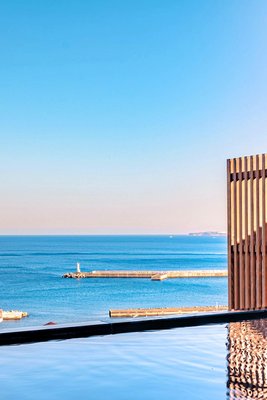
HOTEL KANICHI
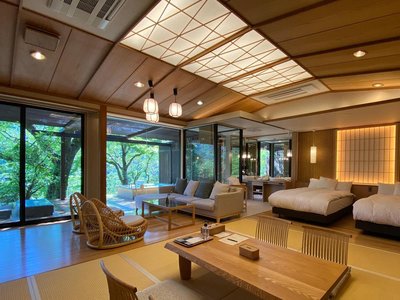
Kaiseki Ryokan Ashikari
Hotel New Sagamiya
Hoshino Resorts Kai Ito
Setsugetsuka
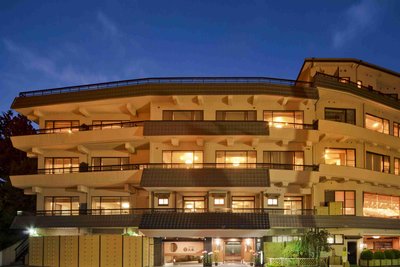
Maruei
Yoshiike Ryokan
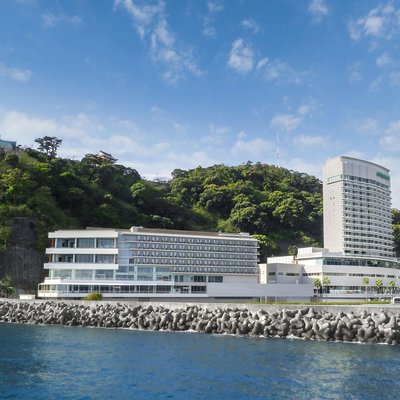
Atami Korakuen Hotel
Kawana Hotel
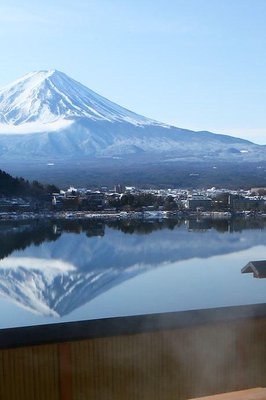
Fuji Ginkei
Ryuguden
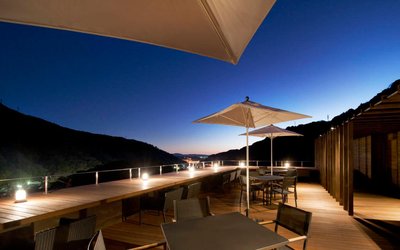
Hakone Yumoto Aura Tachibana
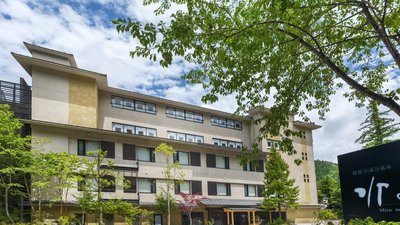
Mizunoto
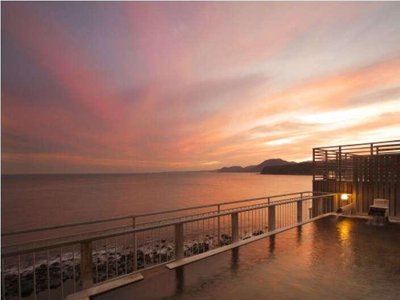
Senoumi
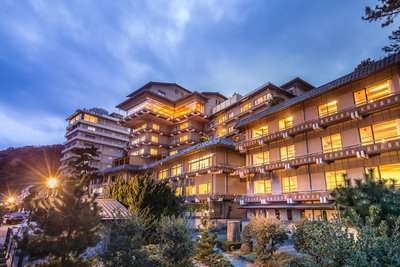
Bousui
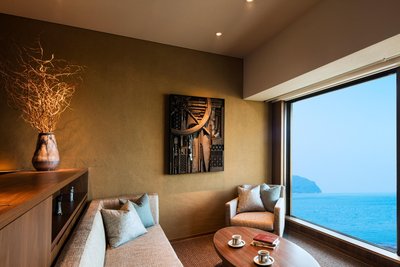
Hoshino Resorts Kai Anjin
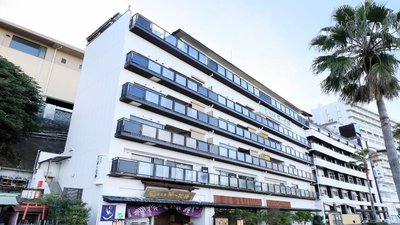
Syukaen Yunohanazen
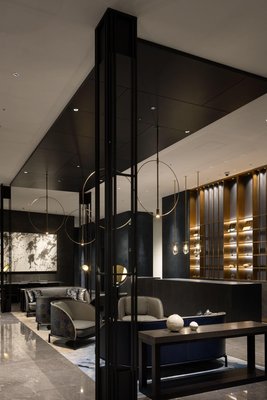
Bellustar Tokyo, A Pan Pacific Hotel
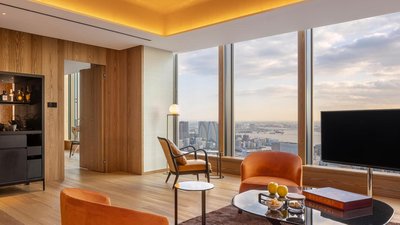
Bvlgari Hotel Tokyo
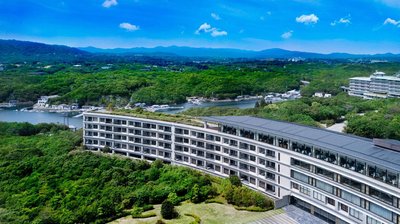
Shima Kanko Hotel the Bay Suites
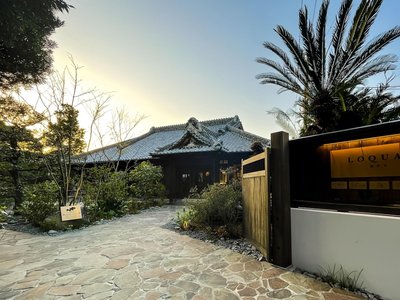
Loquat Nishiizu
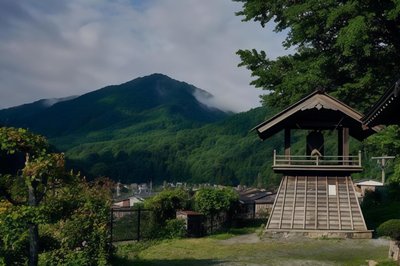
Byaku Narai
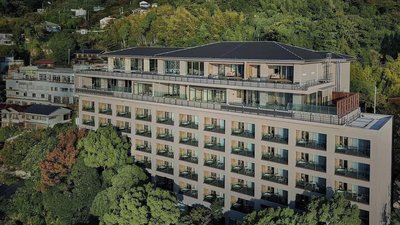
Atami Izusan Karaku
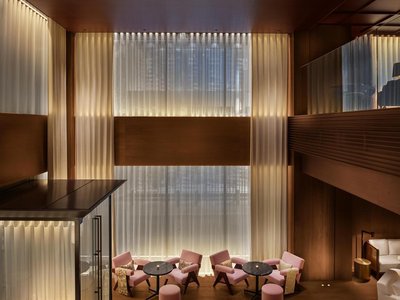
The Tokyo Edition, Ginza
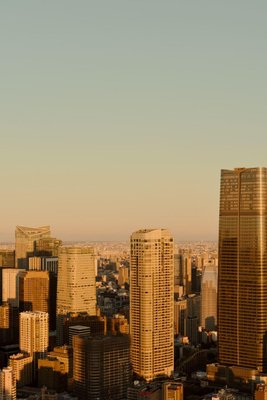
Janu Tokyo
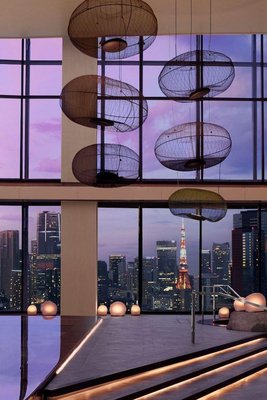
JW Marriott Hotel Tokyo
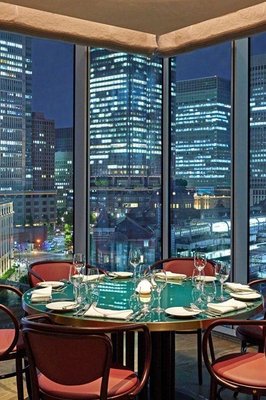
Four Seasons Hotel Tokyo at Marunouchi

Mandarin Oriental, Tokyo
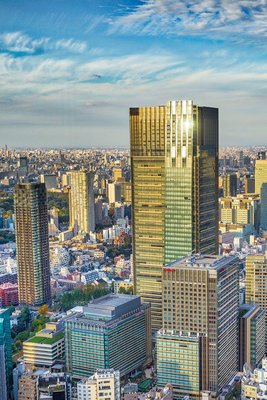
The Ritz-Carlton, Tokyo
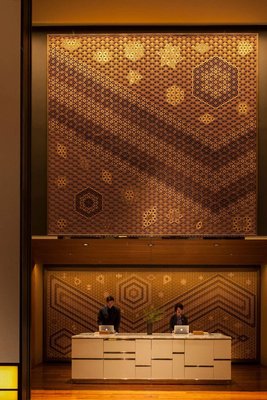
Andaz Tokyo Toranomon Hills- A Concept by Hyatt
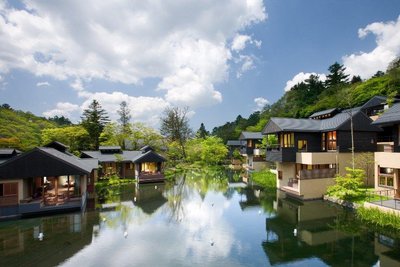
Hoshinoya Karuizawa
Gora Kadan
Gora Hanaougi
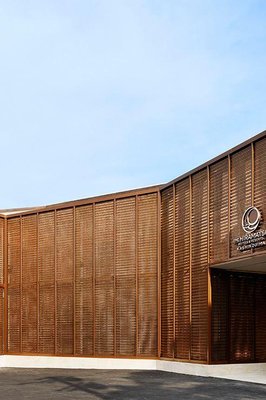
The Hiramatsu Hotels & Resorts Kashikojima
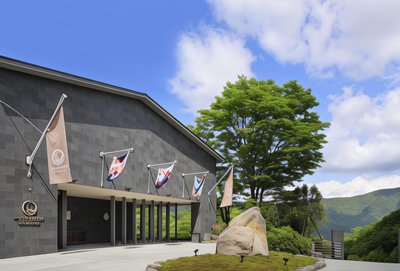
The Hiramatsu Hotels & Resorts Sengokuhara Hakone
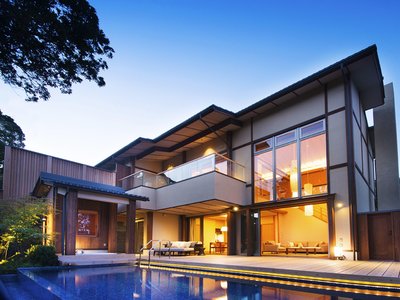
Abba Resorts Izu - Zagyosoh
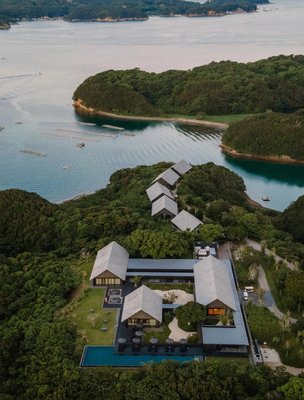
Amanemu
Hakone Gora Byakudan
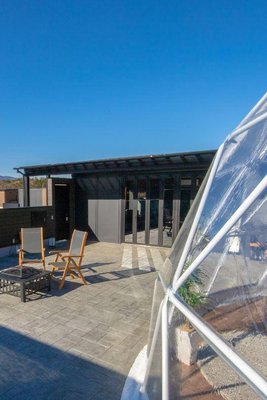
Panoramic Mt. Fuji Views from All Rooms – Vision Glamping Resort & Spa Yamanakako
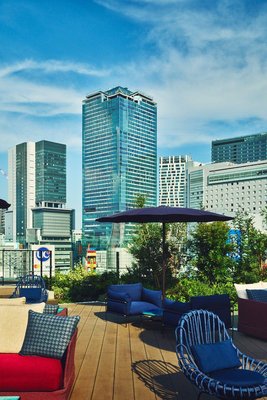
Hotel Indigo Tokyo Shibuya
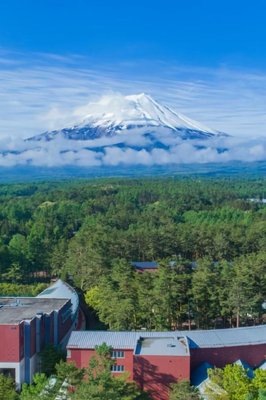
Forest Village (Fuji Premium Resort)
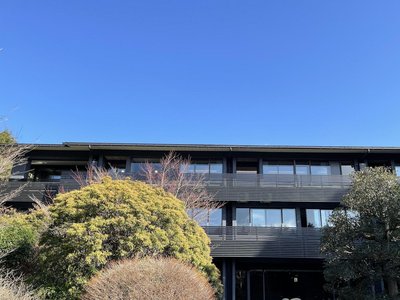
Sengokubara Cocon
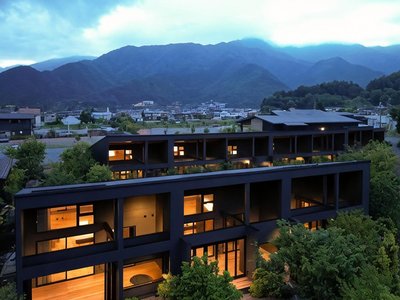
7C Villa and Winery
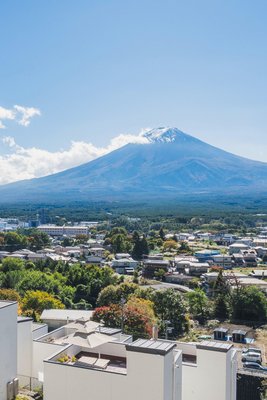
THE TOKI FujiKawaguchiko
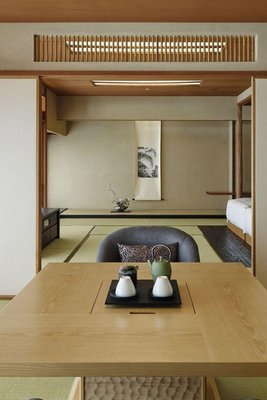
Takanawa Hanakohro (in Grand Prince Hotel Takanawa)
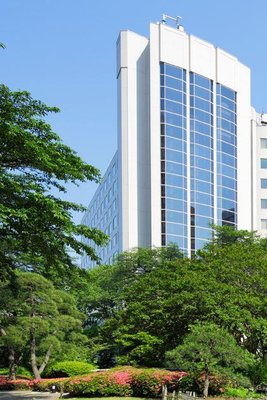
The Prince Sakura Tower Tokyo, Autograph Collection
Mori no yu Kira No Sato 【Reopening on December 22, 2025】
Hilton Odawara Resort & Spa
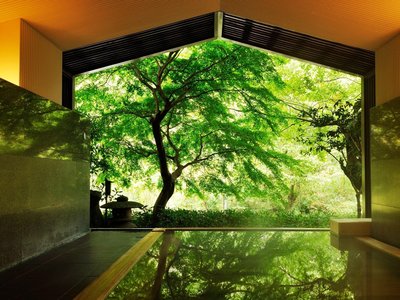
Hoshino Resorts KAI Hakone
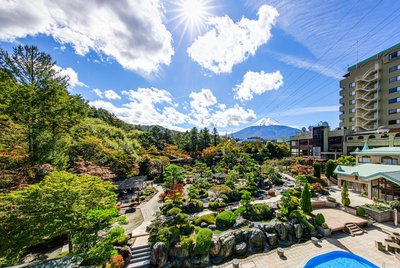
Kaneyamaen
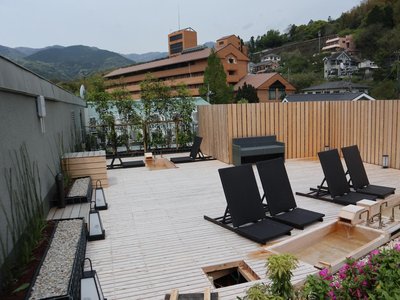
Fukiya Ryokan
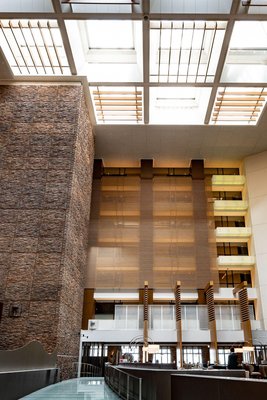
The Strings by InterContinental, Tokyo

Toushinan Komeya
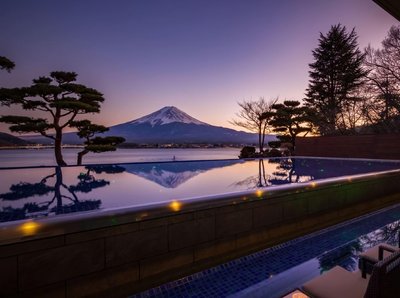
Shuhokaku Kogetsu

Gora-Onsen Setsugetsuka-Bettei Suiun

Ishinoya Izunagaoka (TKP Hotels & Resorts)

Laforet Shuzenji Sanshisuimei
Hakone Gora Byakudan
Hotel New Akao
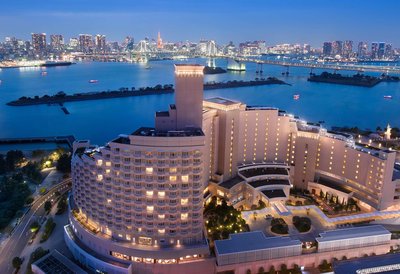
Hilton Tokyo Odaiba
JW Marriott Hotel Tokyo
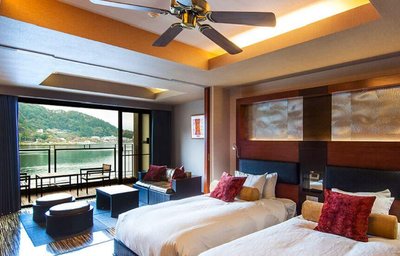
The Kukuna
Hotel New Sagamiya
Hilton Odawara Resort & Spa
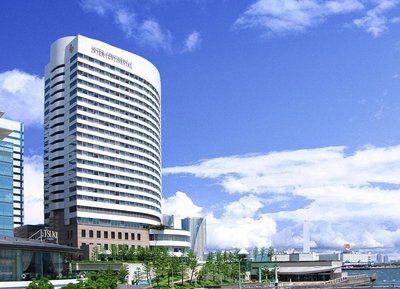
InterContinental Tokyo Bay
Hotel Green Plaza Hakone
Yoshiike Ryokan
Kawana Hotel
Ryuguden
Kaneyamaen
Bousui
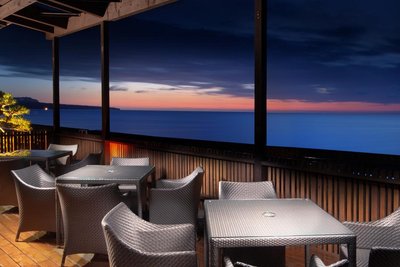
Tsuruya Kisshotei
Hoshino Resorts Kai Anjin
Syukaen Yunohanazen
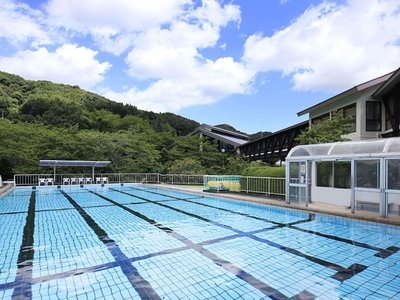
Shimoda Central Hotel
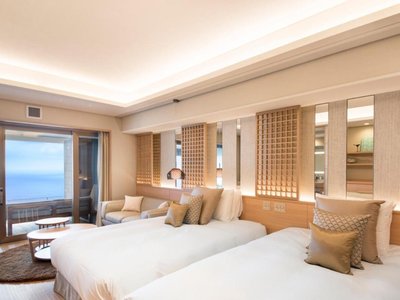
Atami Sekaie
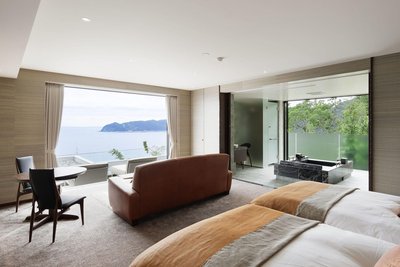
The Hiramatsu Hotels & Resorts Atami
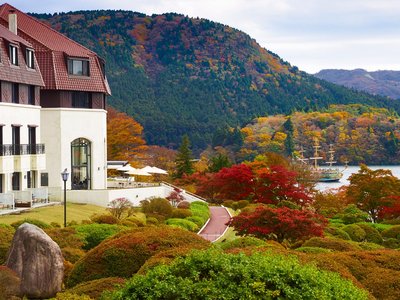
Hotakajyo

Onyado Nono Asakusa Bettei Hot Spring
Shiki wo Ajiwau Yado Yamano Chaya
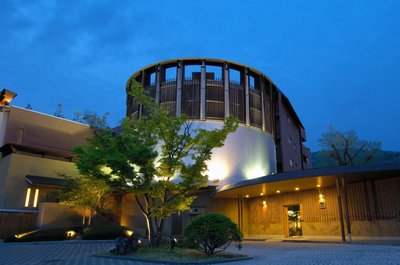
Hoshino Resorts Kai Matsumoto
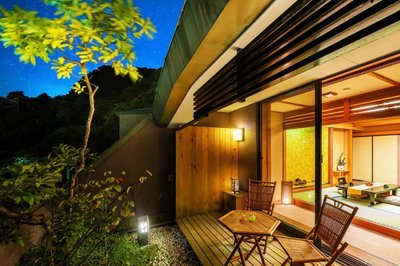
Konjakutei
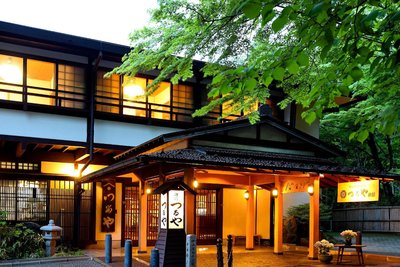
Tsuruya Ryokan
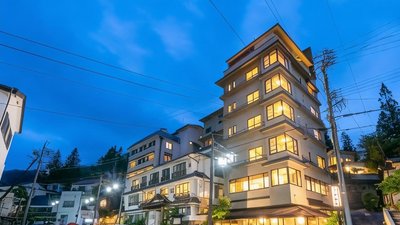
Nakamatsuya Ryokan
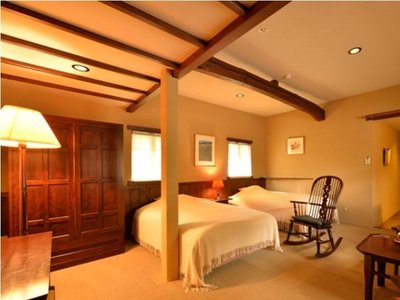
Ryokan Sugimoto
Hoshino Resorts Kai Ito
Hana No Kumo
Yoshiike Ryokan
Gora Hanaougi
Fukiya Ryokan
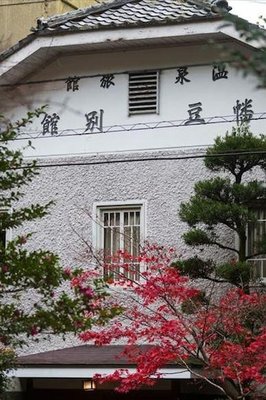
Oku-Mikawa・Yuya Onsen HAZU Bekkan
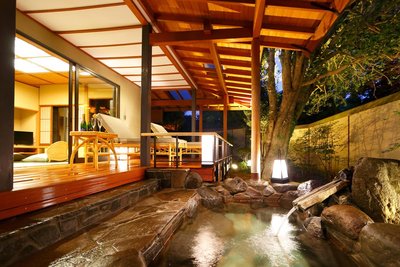
Yoshiharu Ryokan – Izu Nagaoka Onsen
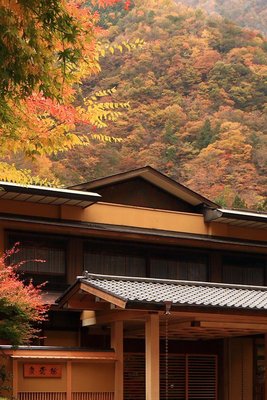
Nishiyama Onsen Keiunkan
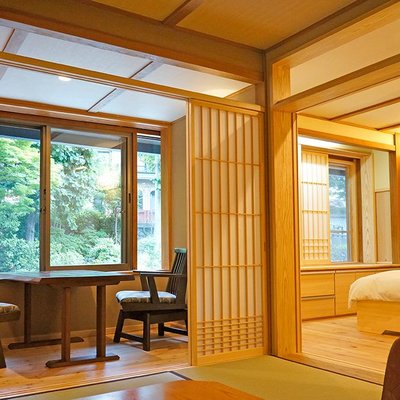
Sumiyosiya Ryokan
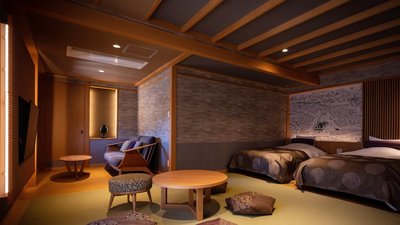
Naraya
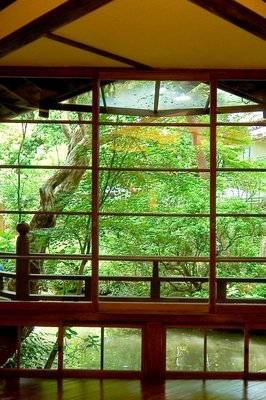
Yukairo Kikuya
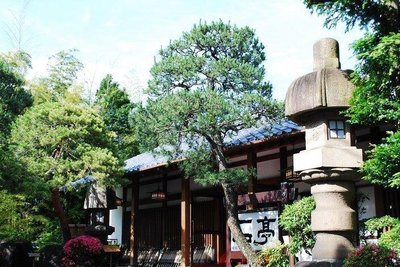
Atami Sekitei
Bvlgari Hotel Tokyo
Four Seasons Hotel Tokyo at Marunouchi
Mandarin Oriental, Tokyo
The Ritz-Carlton, Tokyo
Andaz Tokyo Toranomon Hills- A Concept by Hyatt
Gora Kadan
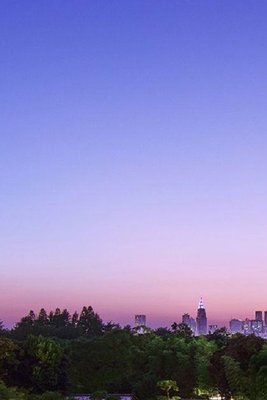
Hotel New Otani Tokyo the Main
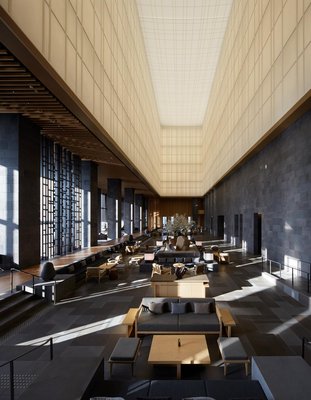
Aman Tokyo
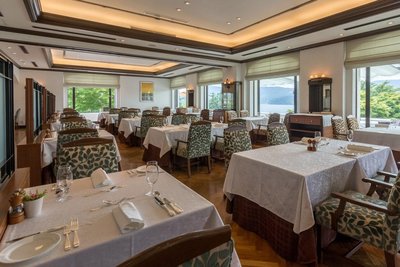
Odakyu Hotel de Yama
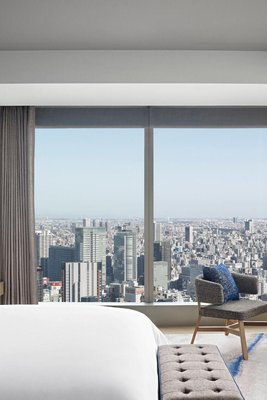
Four Seasons Hotel Tokyo at Otemachi
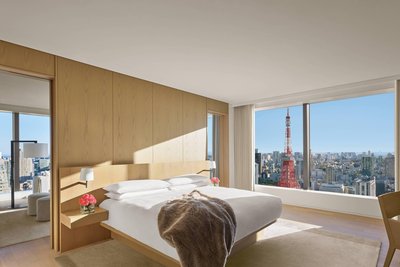
The Tokyo Edition, Toranomon
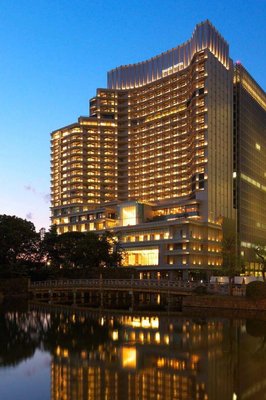
Palace Hotel Tokyo
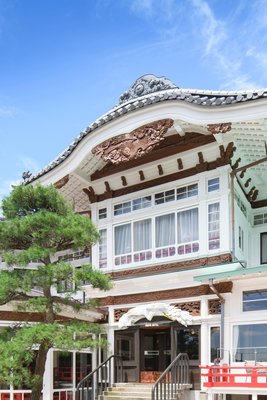
Fujiya Hotel
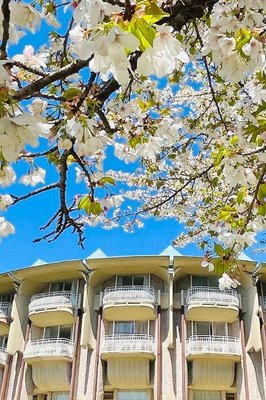
The Prince Hakone Lake Ashinoko
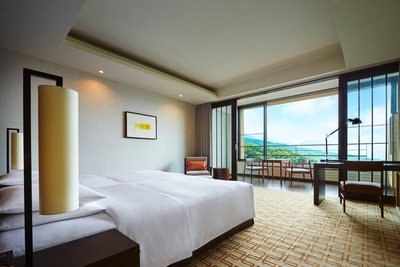
Hyatt Regency Hakone Resort and Spa
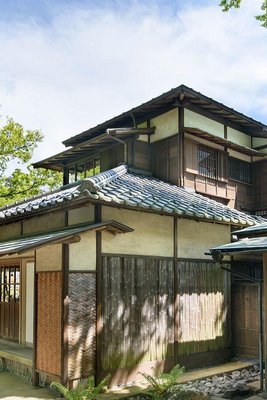
Hakone Suishoen
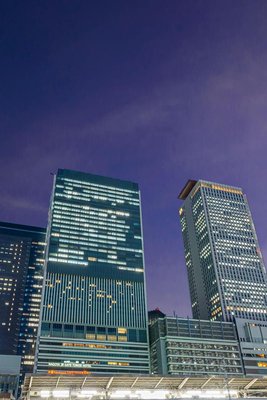
Nagoya JR Gate Tower Hotel (JR-Central Hotels)
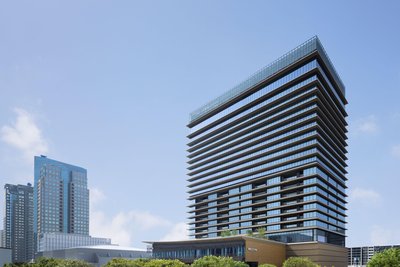
The Westin Yokohama
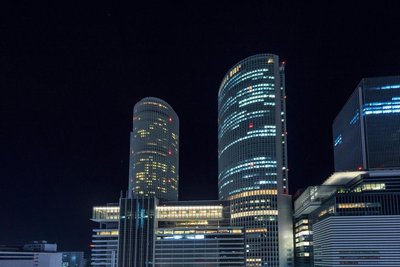
Nagoya Marriott Associa Hotel
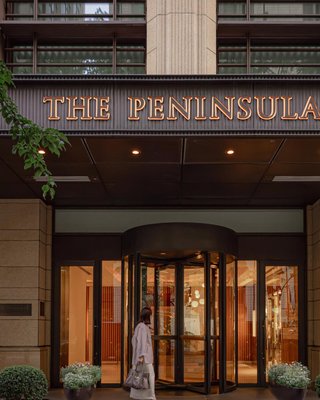
The Peninsula Tokyo
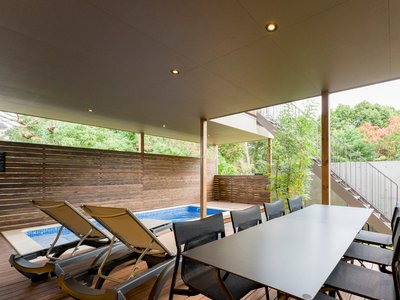
Rakuten STAY VILLA Kamogawa
Awaumi Fujikawaguchiko Resort
Amanemu
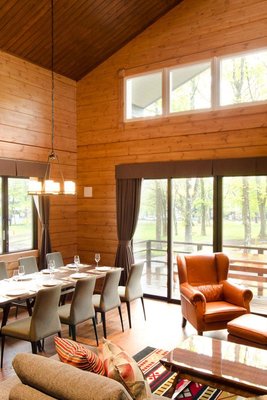
The Prince Villa Karuizawa
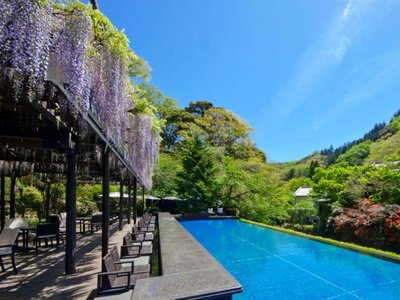
Tofuya Resort & Spa Izu
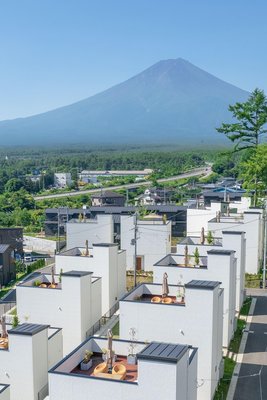
Fuji Granvilla -TOKI-

The Address Akakura
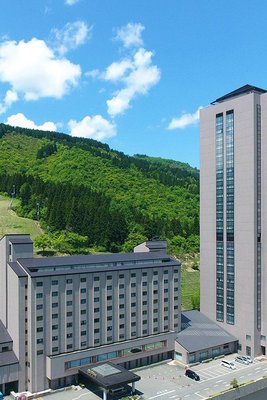
Naspa New Otani
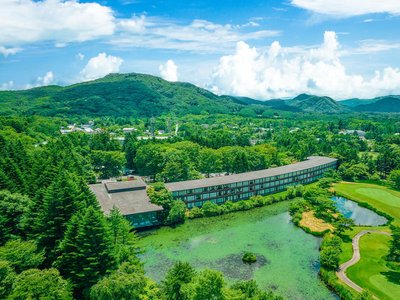
The Prince Karuizawa
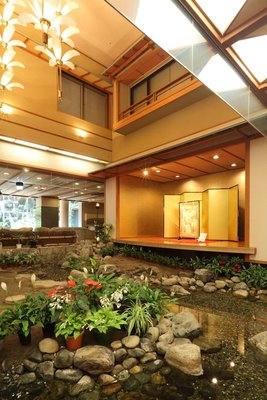
Hotel Futaba
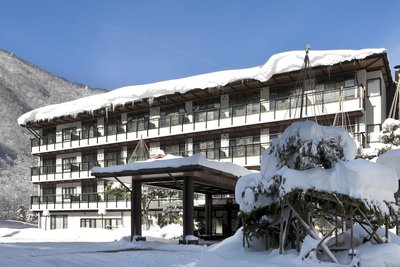
Okada Ryokan Warakutei
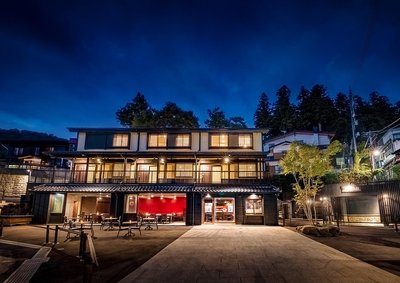
Ryokan Sakaya
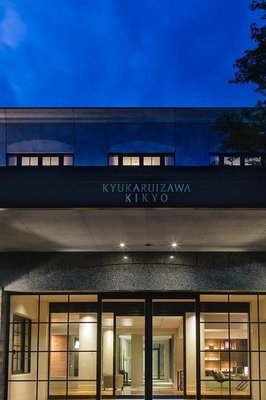
Kyukaruizawa Kikyo, Curio Collection by Hilton
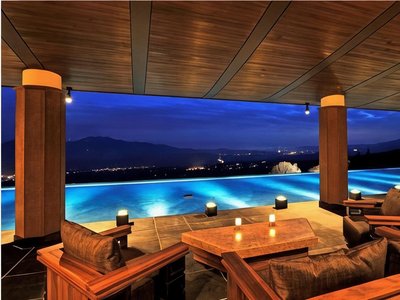
Akakura Kanko Hotel
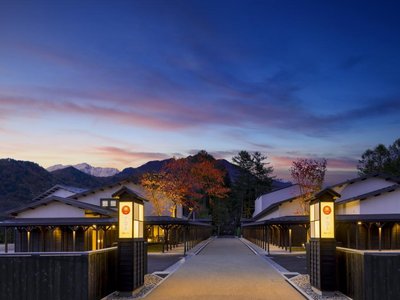
Hoshino Resorts KAI Alps
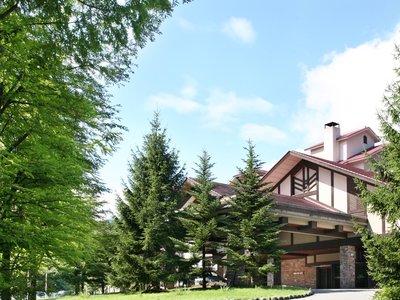
Hakuba Tokyu Hotel
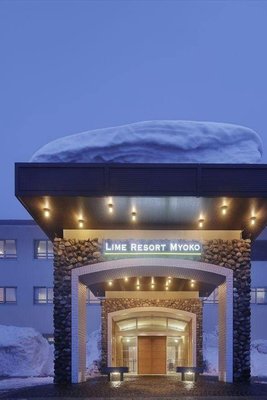
Lime Resort Myoko
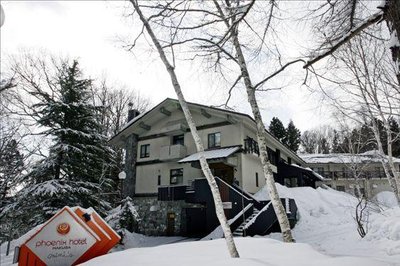
Phoenix Hotel by Hhg
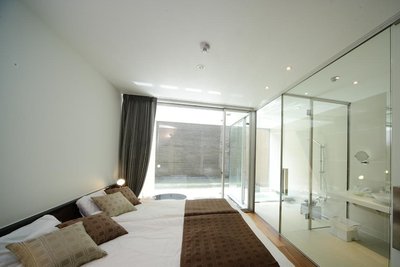
Four Seasons Yuzawa Quattro
Courtyard by Marriott Hakuba
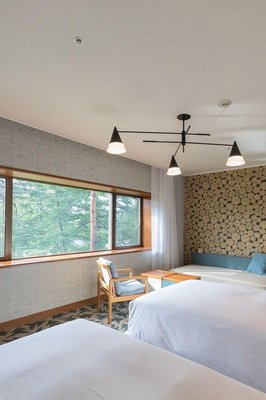
Karuizawa Prince Hotel East
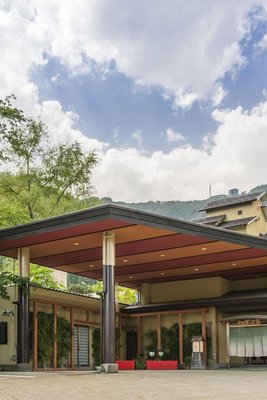
Shosenkaku Kagetsu
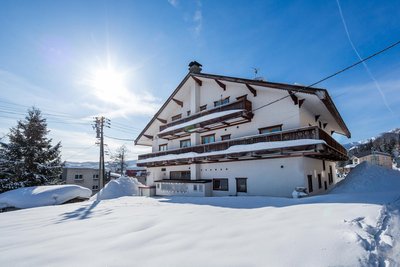
Marillen Hotel by Hhg
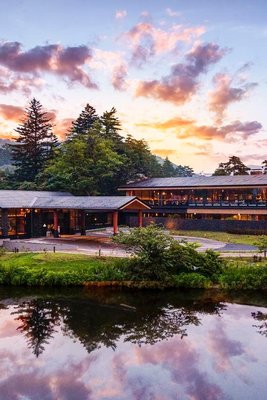
Karuizawa Prince Hotel West
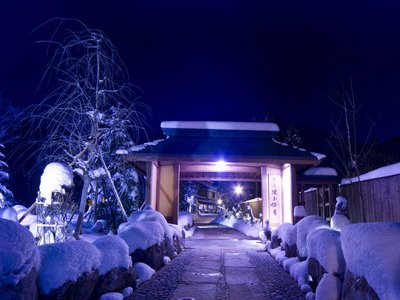
Miyama Ouan
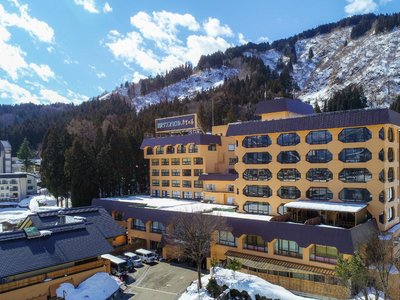
Yuzawa Grand Hotel
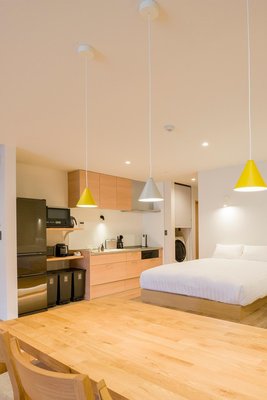
Rakuten STAY VILLA Nasu
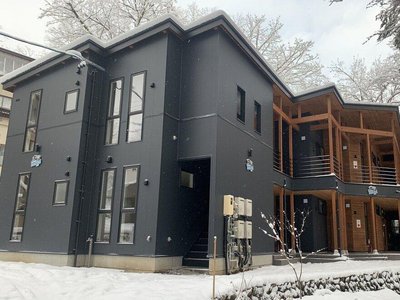
Hakuba Gondola Apartments
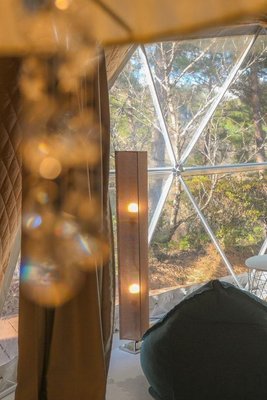
glampark Gekkabijin Nagano
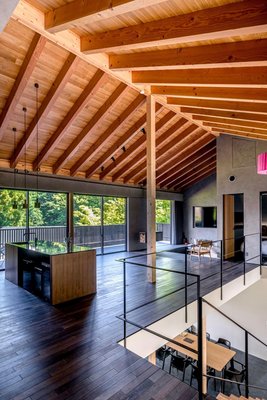
MONS GORA
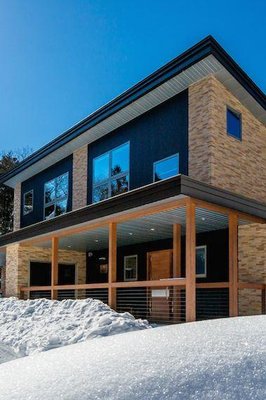
Phoenix Chalets by Hhg
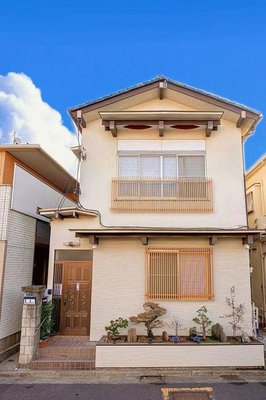
Tokyo Star House-Shinkoiwa
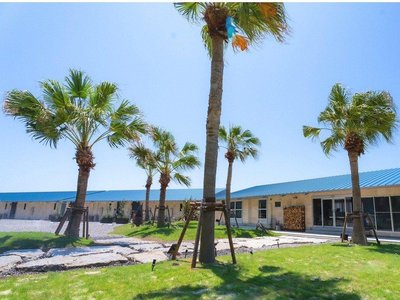
Glamping&Resort Wood Design Park Noma
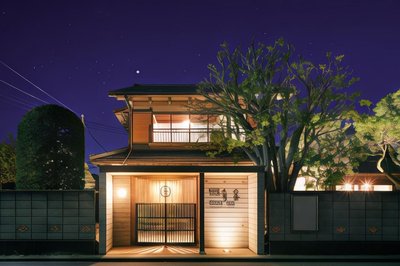
Machi-Jyu
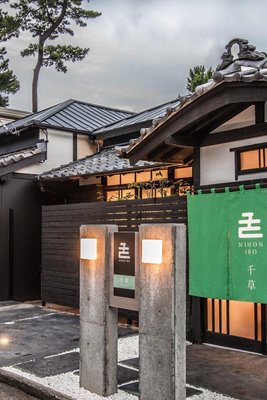
Nihon Iro
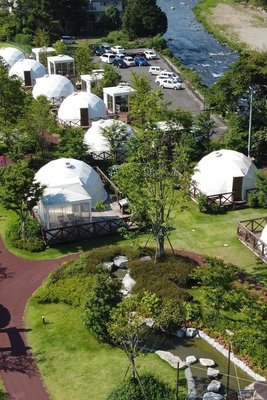
Ufufu Village
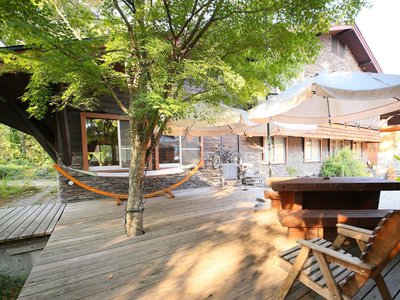
Kunugi Relaxation with 4 Modern Rooms
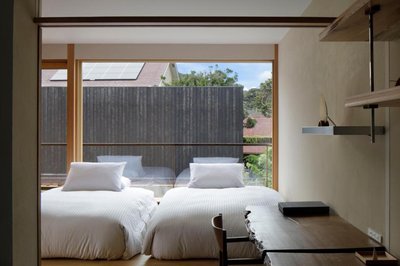
Modern Ryokan Kishi-ke
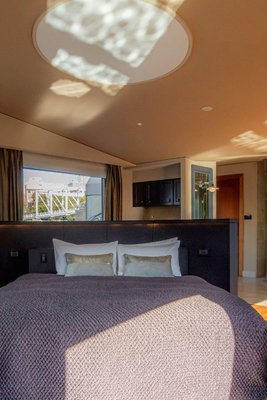
Petals Tokyo - Floating Hotel
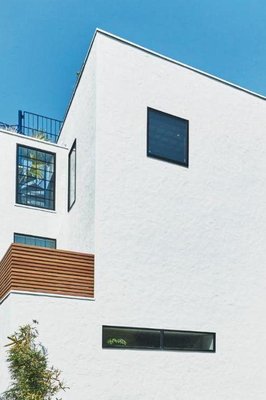
The Flow Kamakura
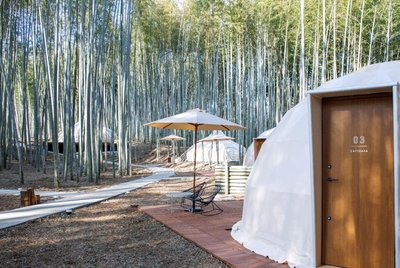
THE BAMBOO FOREST
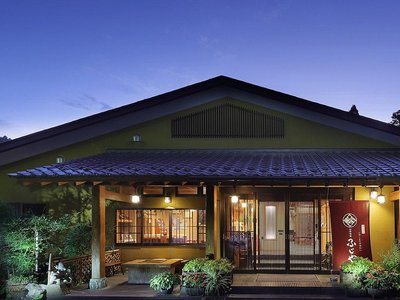
Shikimitei Fujiya
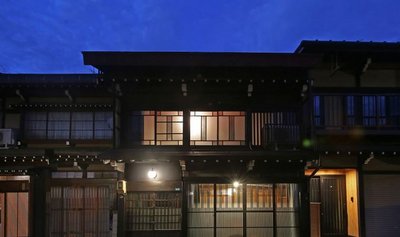
Iori Stay Hida
Frequently Asked Questions about Traveling to Hakone
Questions You Might Need to Know About Traveling to Hakone
For a tranquil onsen escape in Hakone, consider Kowakien Hanamaki Hotel in Shōro, renowned for its private open-air baths and serene garden views. Another top choice is Hakone Garden Hotel by Lake Ashinoko, offering panoramic views of Mount Fuji and traditional kaiseki dining. Both properties blend Japanese ryokan culture with natural beauty, making them ideal for rejuvenation amidst mountains and lakes.
The Lake Ashinoko area is the prime location for stays in Hakone, offering easy access to major attractions like Oyama Valley and the Hakone Museum of Art. Shōro is perfect for those seeking quiet, deep onsen experiences. Both districts are well-connected via the Hakone Tozan Railway and Odakyu Electric Railway, ensuring seamless exploration across the scenic Hakone region.
Must-try experiences in Hakone include visiting Hakone Shrine for a traditional purification ritual and walking through Shōro Flower Garden's seasonal landscapes. Participate in a local pottery workshop to craft your own Hakone-yaki ceramic piece, preserving centuries-old craftsmanship. At night, enjoy a moonlit stroll along Lake Ashinoko, where illuminated Mount Fuji reflects on the water—a true embodiment of Japanese wabi-sabi aesthetics.
Hakone’s hot springs are famed for their high content of sodium bicarbonate and sulfur compounds, known for skin rejuvenation and muscle relaxation. Shōro Onsen offers clear, mineral-rich waters ideal for long soaks, while Yumoto Onsen features natural fumaroles. Many inns provide private outdoor baths with views of Mount Fuji or the lake, blending nature immersion with therapeutic wellness.
Hakone Asahi Hotel is designed for families, featuring child-friendly facilities like game rooms, family baths, and interactive garden spaces. Another excellent option is Hakone Garden Hotel, which offers spacious family suites and kid-oriented meals. Both are located near Lake Ashinoko, with easy access to the Hakone Ropeway and Chokoku no Mori Art Museum, perfect for shared exploration of nature and culture.
From Tokyo, take the Odakyu Romancecar Limited Express to Hakone-Yumoto Station, a journey of about 2 hours with scenic views. Upon arrival, transfer to the Hakone Tozan Railway or Hakone Ropeway to reach key sites. For flexibility, consider a private car transfer. Book your express tickets in advance to secure a smooth arrival at the heart of Hakone’s onsen district.
Top natural highlights in Hakone include Lake Ashinoko, perfect for boat rides with stunning reflections of Mount Fuji; Oyama Valley, a volcanic vent site famous for its black eggs; and forest trails in Hakone Eight Ridges. The Taizan Observatory offers breathtaking vistas of the lake and mountain range—ideal for photography and experiencing Hakone’s status as a natural heritage site.
Must-try dishes in Hakone are Oyama Black Eggs (slow-cooked in volcanic steam), Hakone Tofu (made with pure mountain spring water), and grilled Lake Ashinoko fish. Many ryokans serve exquisite kaiseki cuisine, featuring seasonal ingredients arranged with artistic precision—showcasing the essence of Japanese culinary tradition.
Try a night cruise on Lake Ashinoko, where lights shimmer across the water and Mount Fuji glows under the stars. Visit Shōro Flower Garden at night, illuminated by lanterns among cherry and maple trees. Some inns also offer nighttime onsen and stargazing sessions, combining tranquility, natural beauty, and celestial wonder.
The best times to visit Hakone are during spring cherry blossom season (late March to early April) and autumn foliage season (mid-November to late December), when scenery is most vibrant. Summer (July–August) attracts visitors seeking cool mountain air, while winter offers peaceful retreats with snow-covered landscapes. Avoid peak holidays and book ryokans and transport in advance for a smooth trip.
Hakone Overview
City Summary
Hakone, located in Kanagawa Prefecture, Japan, is a renowned resort town famous for its hot springs and volcanic landscapes. Key attractions include Lake Ashi and Owakudani Valley, making it a perfect getaway near Tokyo. The area blends traditional ryokan culture with modern art installations like the Hakone Open-Air Museum.
Must-See Attractions
Must-see spots include Lake Ashi pirate ship cruises, sulfur vents at Owakudani (try the black eggs), and the torii gate of Hakone Shrine. Art lovers shouldn't miss the sculpture-filled Hakone Open-Air Museum and Pola Museum's Impressionist collection. The Hakone Tozan Railway and ropeways offer stunning seasonal views.
Food Guide
Hakone's culinary scene centers around kaiseki ryori at hot spring inns. Don't miss kuro-tamago (black eggs boiled in sulfur springs) and Hakone soba noodles. Street snacks like onsen manju (steamed buns) and tofu dishes showcase local flavors. Many restaurants emphasize locally sourced mountain vegetables.
Transportation Guide
The Hakone Free Pass provides unlimited rides on trains, cable cars, and buses. From Shinjuku, take the Odakyu Romancecar (85 minutes) to Hakone-Yumoto Station. Mountain roads are winding - drivers should beware winter ice. Lake Ashi area is best explored on foot or via sightseeing boats.
Best Time to Visit
Best seasons are spring (cherry blossoms) and autumn (fall foliage). Summer offers cooler temperatures but more crowds. Some facilities close in winter, but hot springs are especially cozy then.
Travel Tips
- Onsen etiquette: Wash thoroughly before entering, no swimsuits allowed.
- Pack layers - mountain weather changes rapidly.
- Sites like Owakudani may close due to volcanic activity; check updates.
- Free Pass must be used consecutively - plan itinerary first.
- High-end ryokans often require dinner reservations in advance.
- Maintain quiet in public spaces; set phones to silent mode.
Useful Information
English signage is available at major stations but limited in rural areas. Cash remains king, though IC cards/credit cards are accepted at some businesses. Free WiFi spots concentrate at stations and hotels; consider pocket WiFi rental. For emergencies, contact your ryokan or dial 119. Hakone Town Hospital provides basic care. Note that many hot spring areas have steep paths - travelers with mobility issues should book accessible accommodations.