Hotels in Hakuba
Discover your perfect stay in Hakuba.
Hakuba(Japan) Travel 2026: Cheap Flights, Hotels & Top Attractions
Popular Landmarks in Hakuba
Discover the most iconic attractions in Hakuba
Recommended Hotels in Hakuba
Find the perfect place to stay in Hakuba
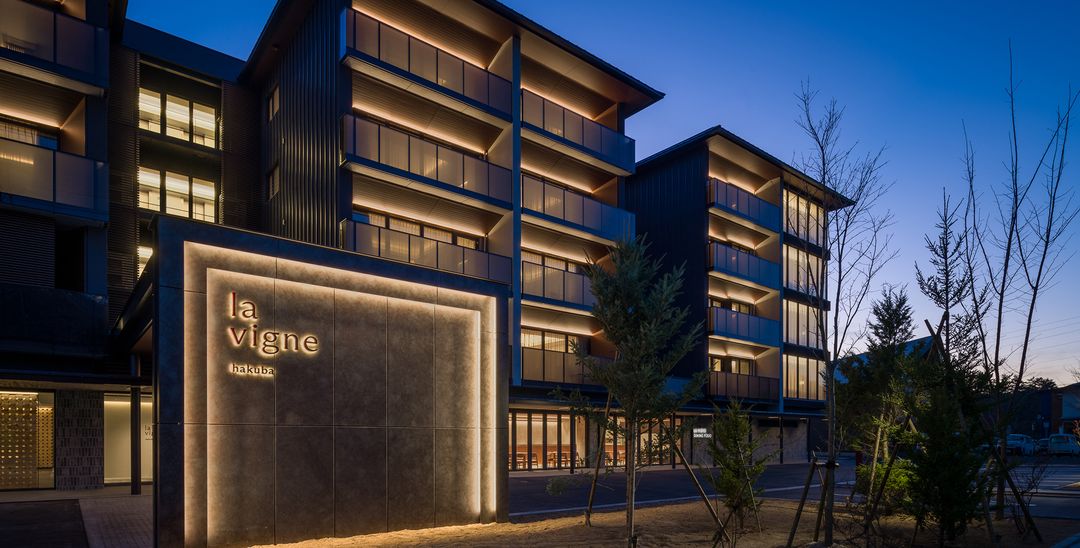
Hotel la Vigne Hakuba by Onko Chishin
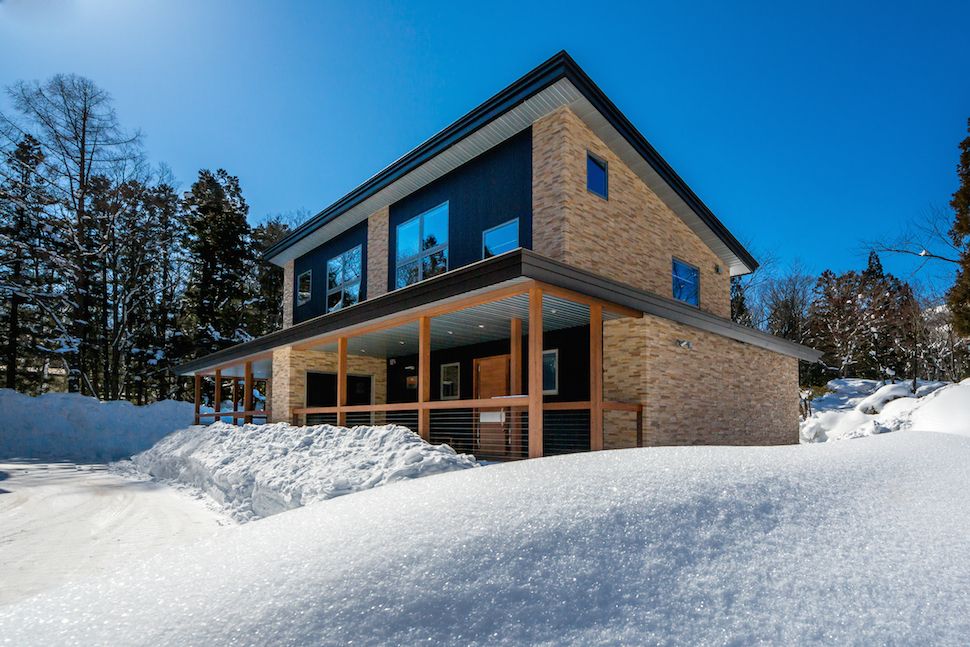
Phoenix Chalets by Hhg
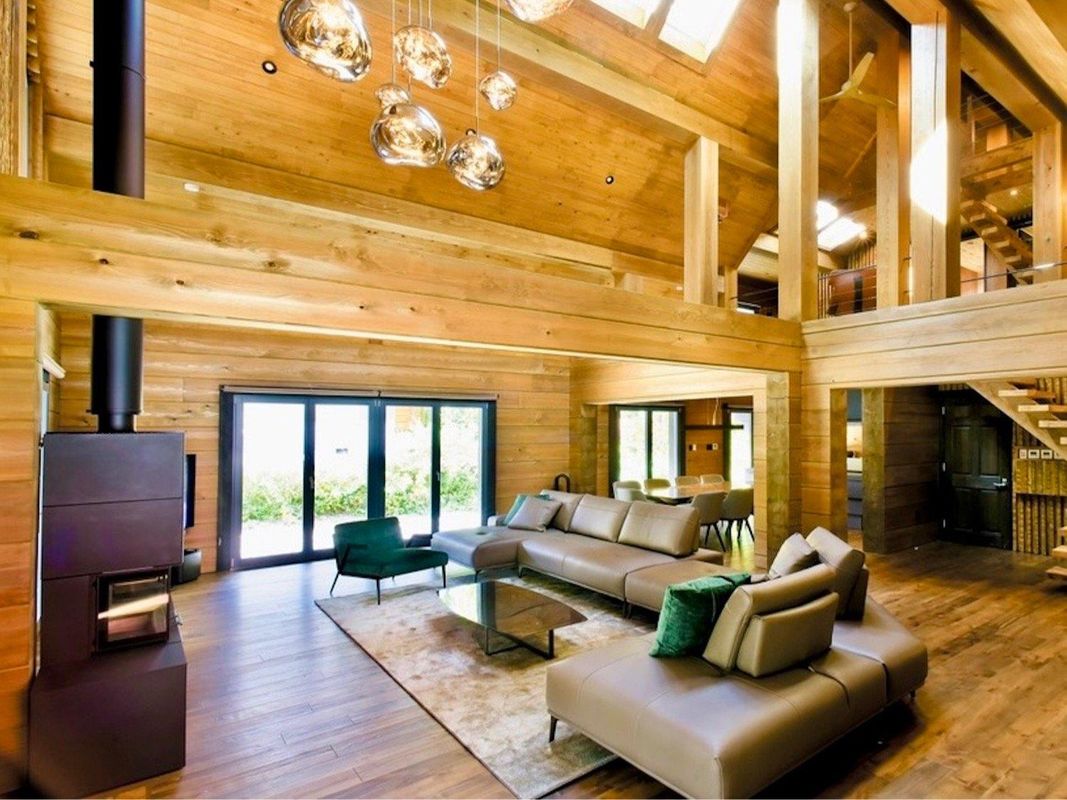
Fountainhead Hakuba
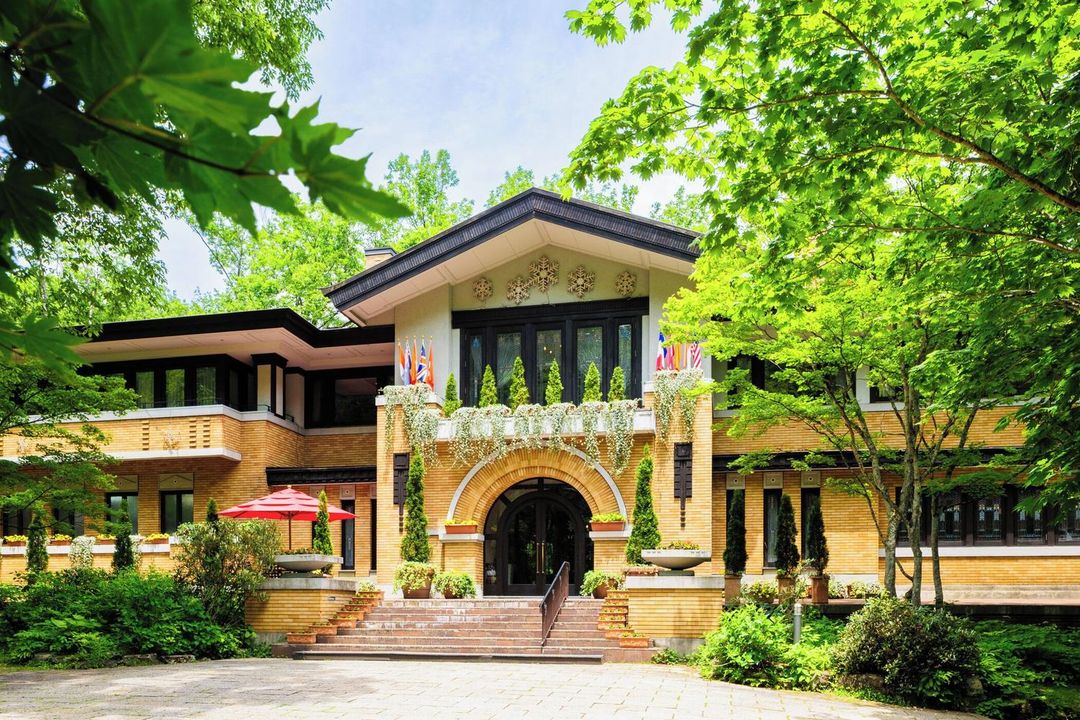
Hotel de La Neige
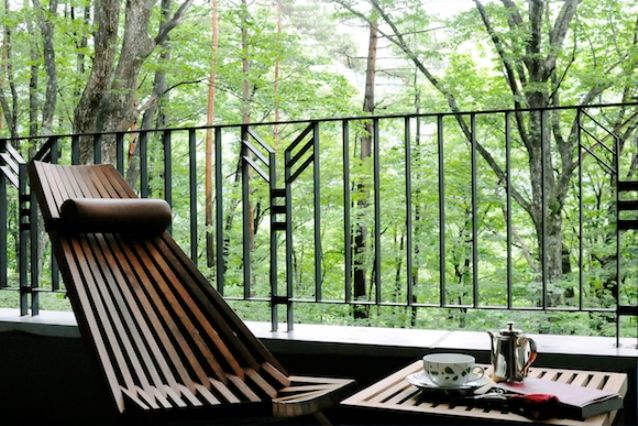
Hotel la Neige Higashikan
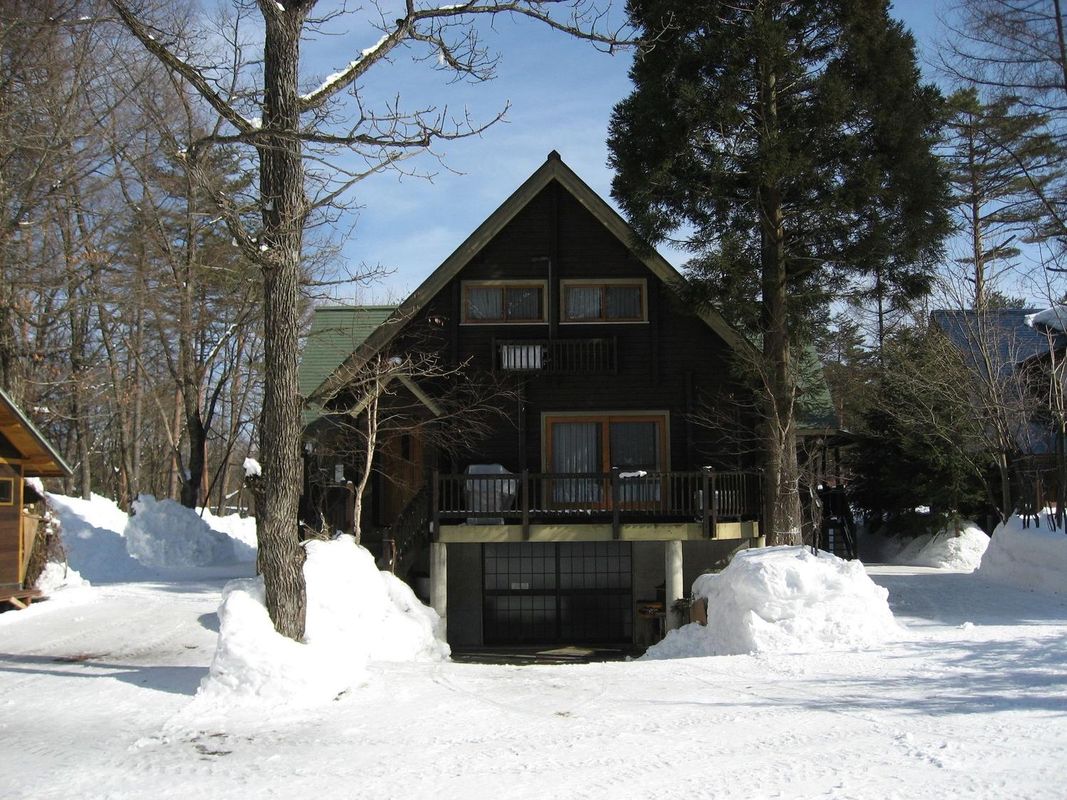
Hakuba Megeve
Best Hotels in Hakuba
Discover curated hotel collections in Hakuba
La Terra Resort
Fufu Karuizawa Wind of Sunshine
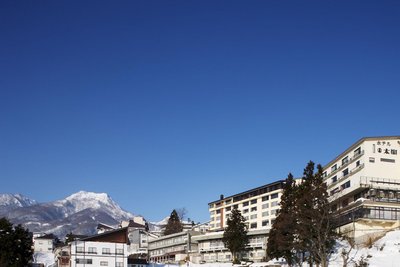
Hotel Taiko, Akakura Onsen

Tokinoniwa
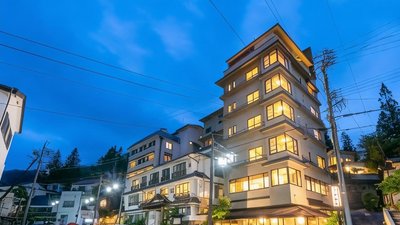
Nakamatsuya Ryokan
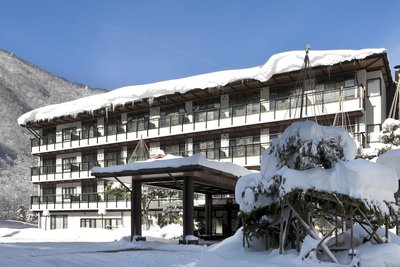
Okada Ryokan Warakutei
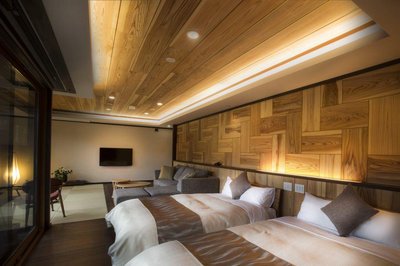
Hidatei Hanaougi
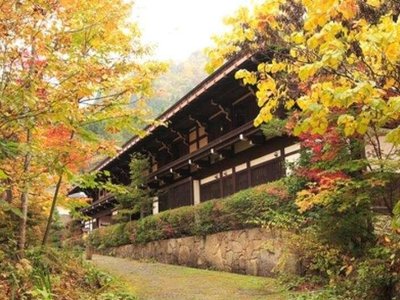
Yumoto Choza
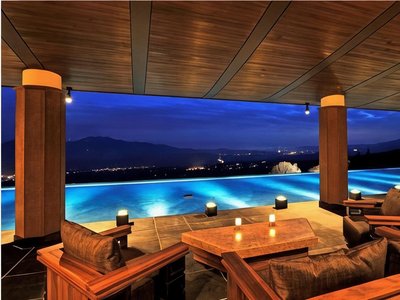
Akakura Kanko Hotel
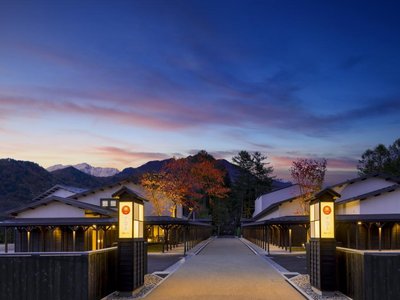
Hoshino Resorts KAI Alps
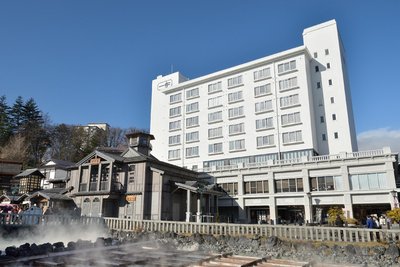
Kusatsu Onsen Hotel Ichii
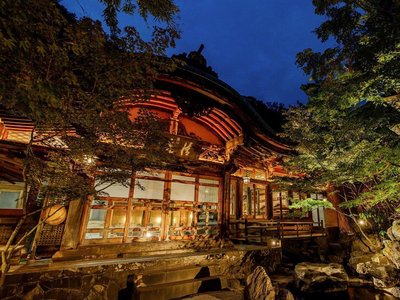
Yorozuya
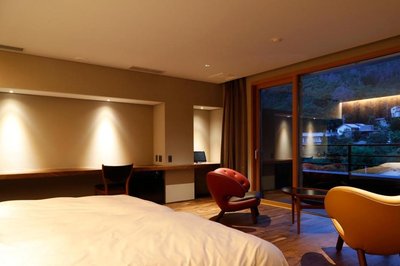
Matsumoto Jujo
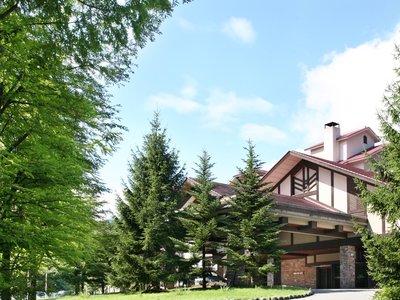
Hakuba Tokyu Hotel
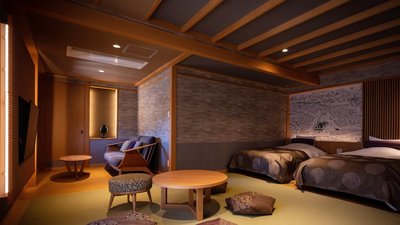
Naraya
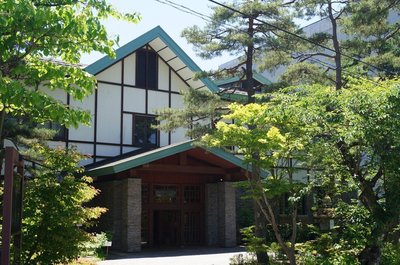
Senjukaku
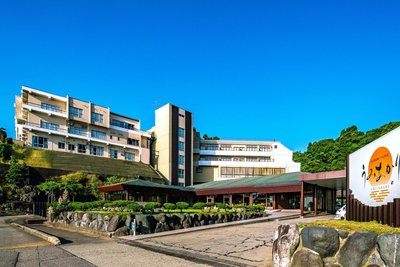
Umiakari
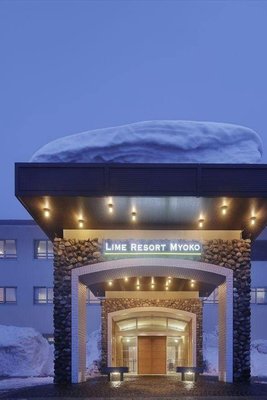
Lime Resort Myoko
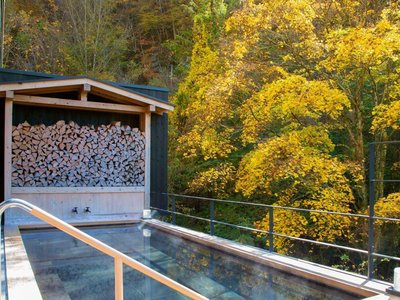
Tateshina Shinyu Onsen
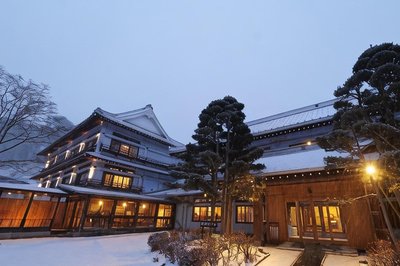
kusatsuhotel 1913
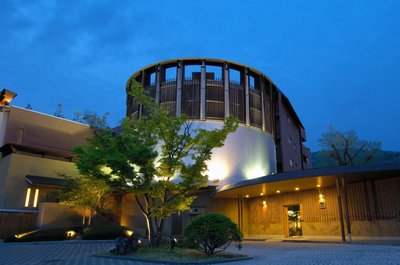
Hoshino Resorts Kai Matsumoto

The Address Akakura
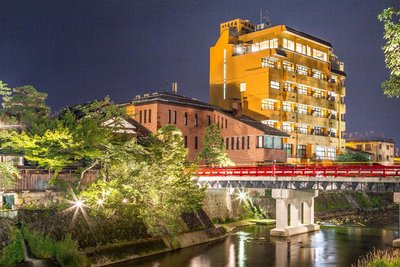
HONJIN HIRANOYA BEKKAN
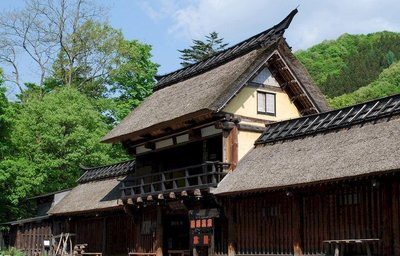
Kayabukinosato Yakushionsen Hatago
Tokinoniwa
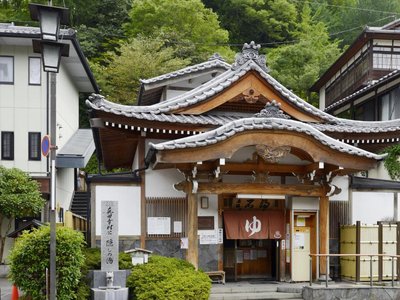
Nakamatsuya Ryokan
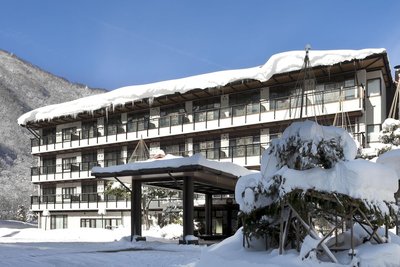
Okada Ryokan Warakutei
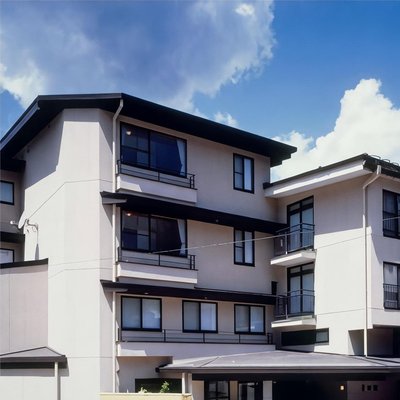
Hiratakan
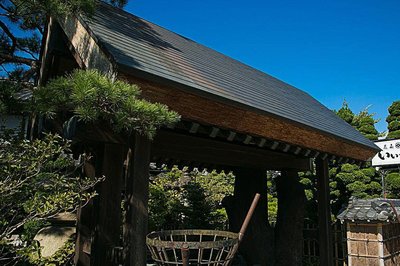
Hanaougi Bettei Iiyama
Hidatei Hanaougi
Yumoto Choza
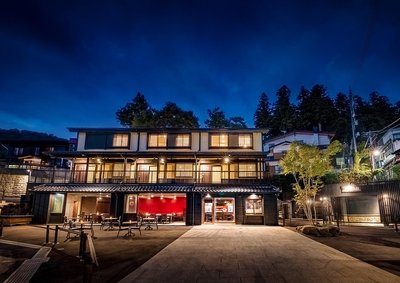
Ryokan Sakaya
Akakura Kanko Hotel
Hoshino Resorts KAI Alps
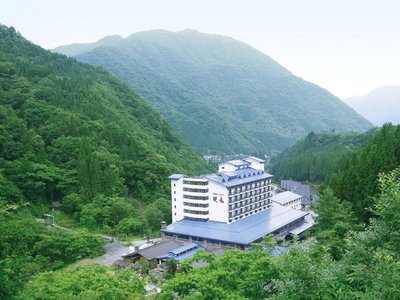
Okuhida Garden Hotel Yakedake
Kusatsu Onsen Hotel Ichii
Yorozuya
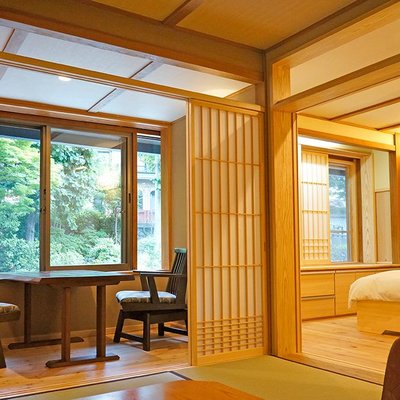
Sumiyosiya Ryokan
Naraya
Senjukaku
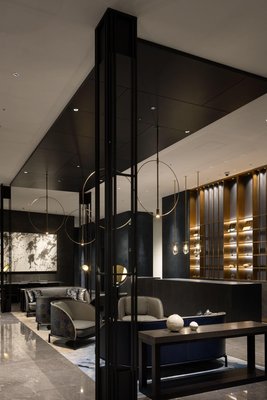
Bellustar Tokyo, A Pan Pacific Hotel
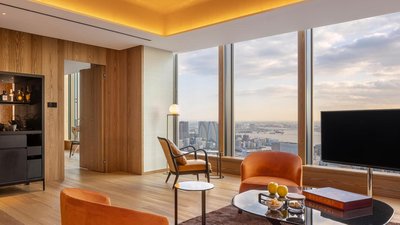
Bvlgari Hotel Tokyo
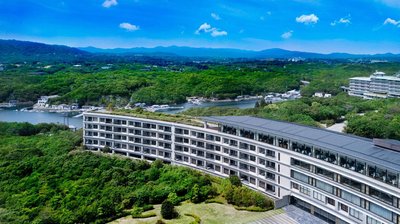
Shima Kanko Hotel the Bay Suites
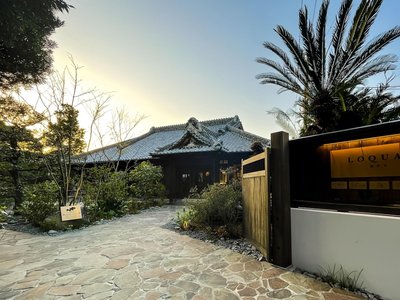
Loquat Nishiizu
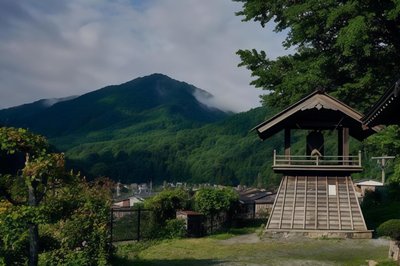
Byaku Narai
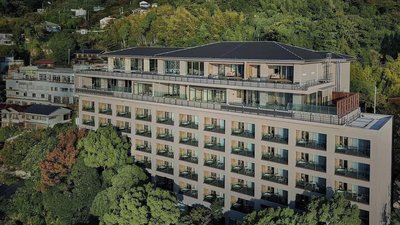
Atami Izusan Karaku
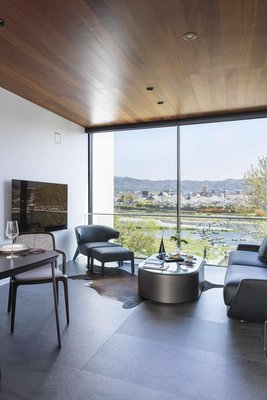
Kamo Residences by Reflections
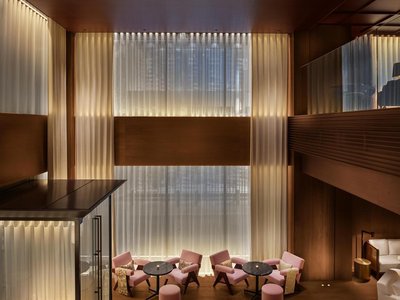
The Tokyo Edition, Ginza
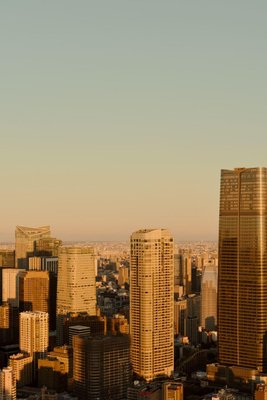
Janu Tokyo
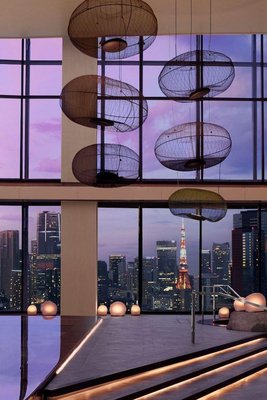
JW Marriott Hotel Tokyo
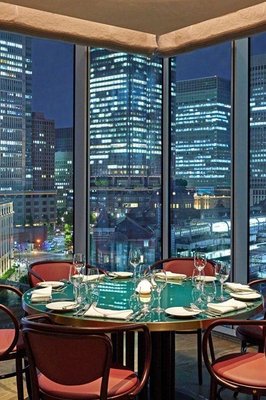
Four Seasons Hotel Tokyo at Marunouchi

Mandarin Oriental, Tokyo
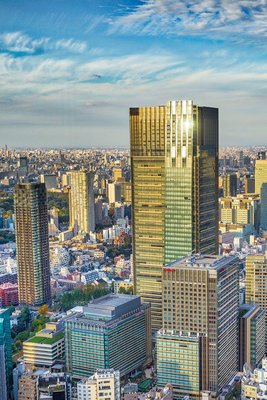
The Ritz-Carlton, Tokyo
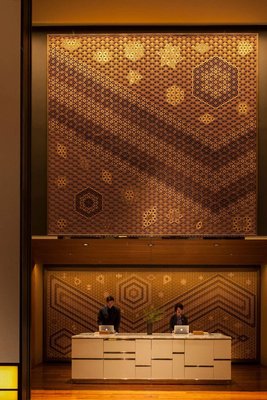
Andaz Tokyo Toranomon Hills- A Concept by Hyatt
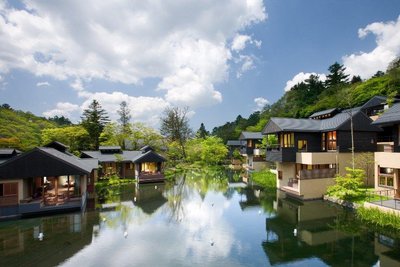
Hoshinoya Karuizawa
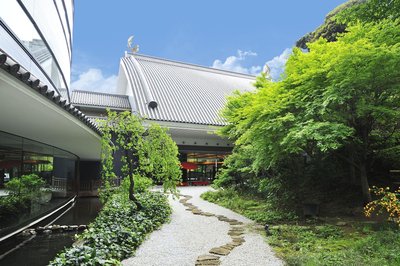
Hotel Gajoen Tokyo
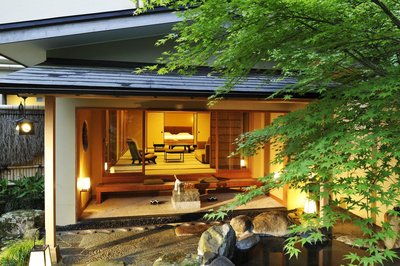
Gora Kadan
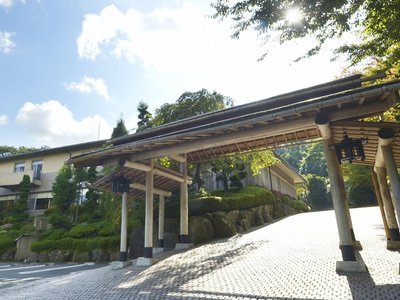
Gora Hanaougi
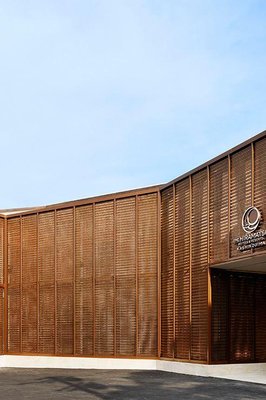
The Hiramatsu Hotels & Resorts Kashikojima
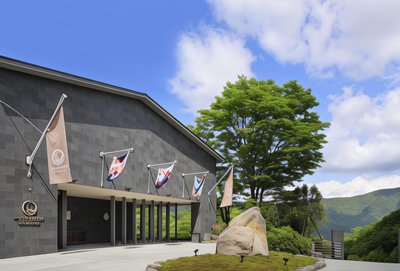
The Hiramatsu Hotels & Resorts Sengokuhara Hakone
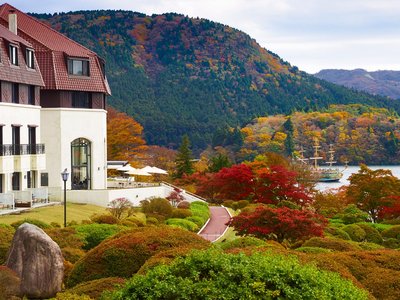
Hotakajyo
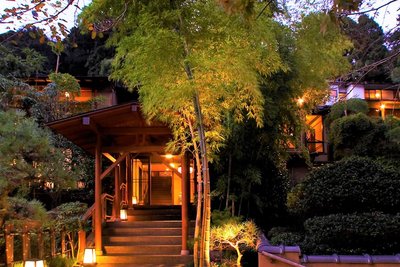
Shiki wo Ajiwau Yado Yamano Chaya
Hoshino Resorts Kai Matsumoto
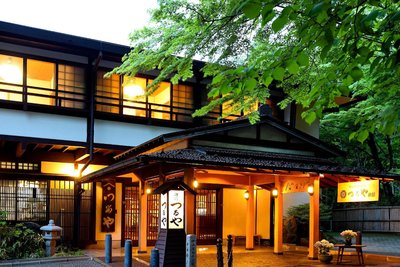
Tsuruya Ryokan
Nakamatsuya Ryokan
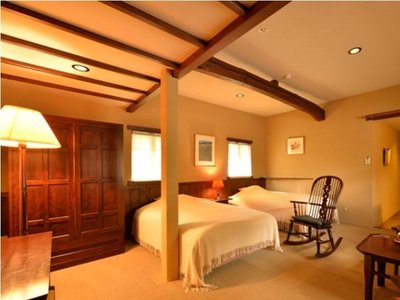
Ryokan Sugimoto
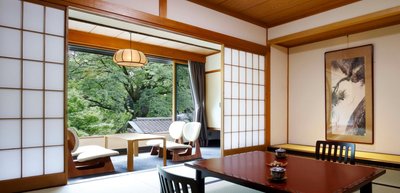
Yoshiike Ryokan
Gora Hanaougi
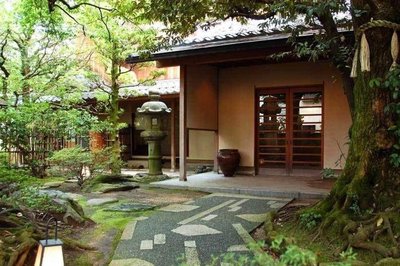
Kocho
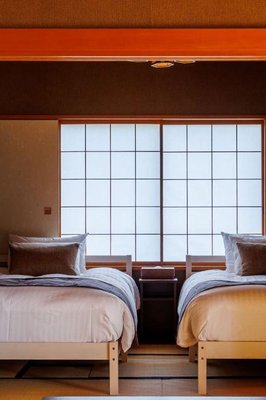
Sado Resort Hotel Azuma
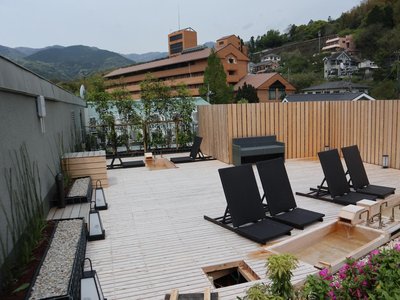
Fukiya Ryokan
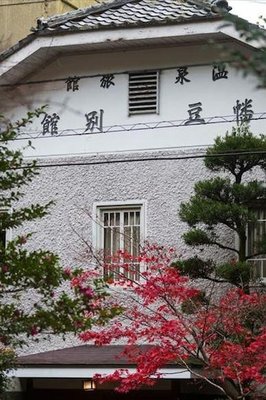
Oku-Mikawa・Yuya Onsen HAZU Bekkan
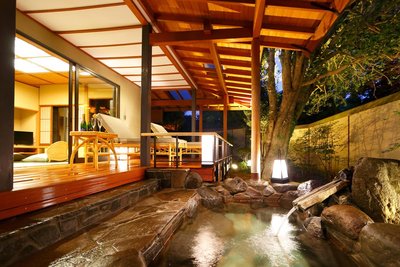
Yoshiharu Ryokan – Izu Nagaoka Onsen
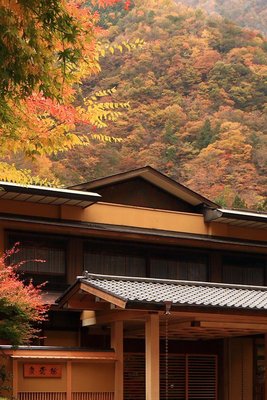
Nishiyama Onsen Keiunkan
Sumiyosiya Ryokan
Naraya
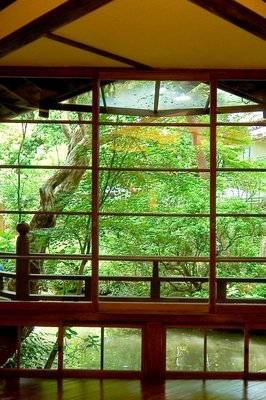
Yukairo Kikuya
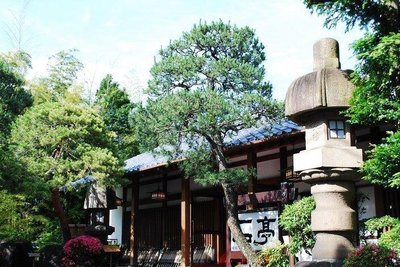
Atami Sekitei
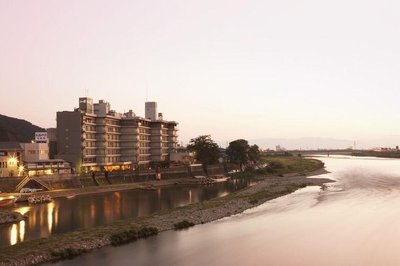
Juhachiro
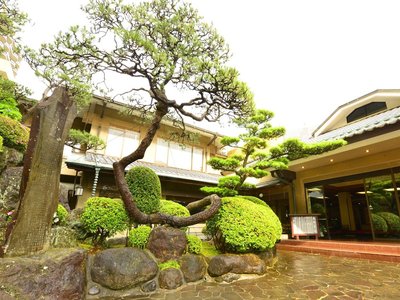
Furuya Ryokan
Bellustar Tokyo, A Pan Pacific Hotel
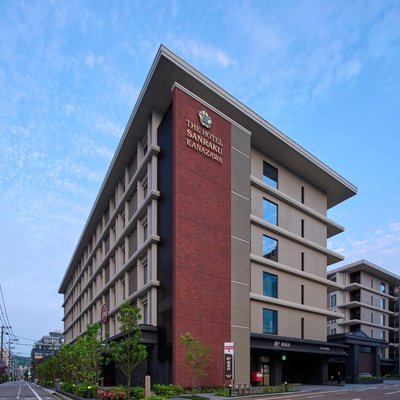
The Hotel Sanraku Kanazawa 21th December 2022 Open
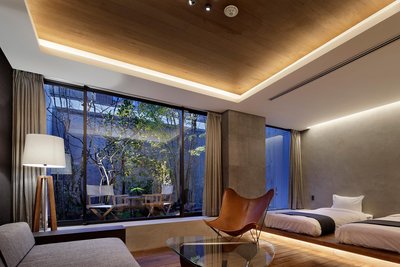
22 PIECES
JW Marriott Hotel Tokyo
Andaz Tokyo Toranomon Hills- A Concept by Hyatt
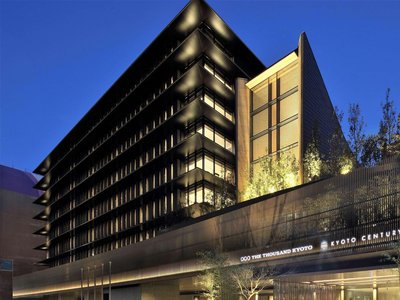
The Thousand Kyoto
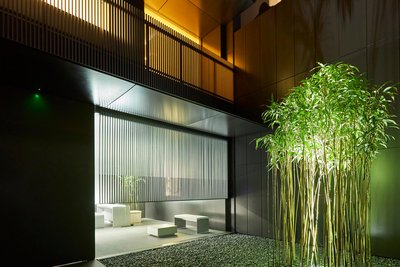
Mogana
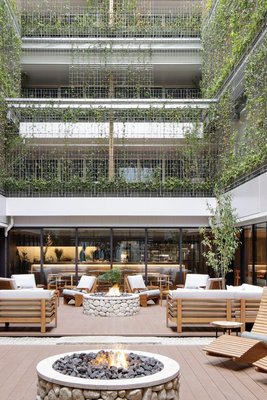
GOOD NATURE HOTEL KYOTO
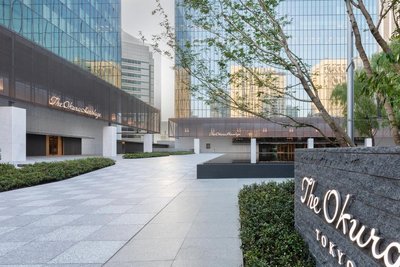
The Okura Tokyo
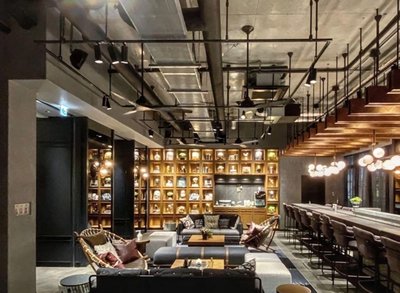
The Lively Azabujuban Tokyo
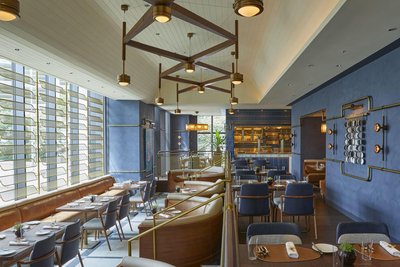
Kimpton Shinjuku Tokyo
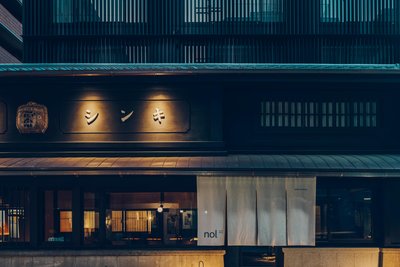
Nol Kyoto Sanjo

HOTEL K5
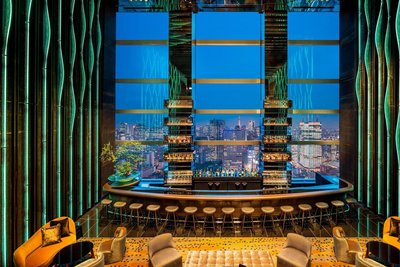
The Prince Gallery Tokyo Kioicho, a Luxury Collection Hotel
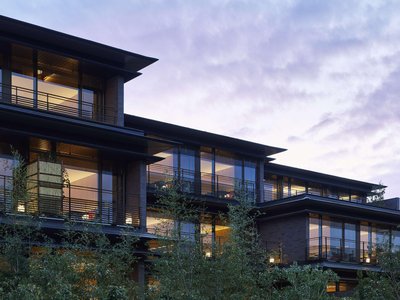
Garrya Nijo Castle Kyoto
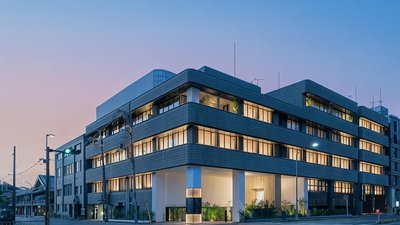
Hotel Kanra Kyoto
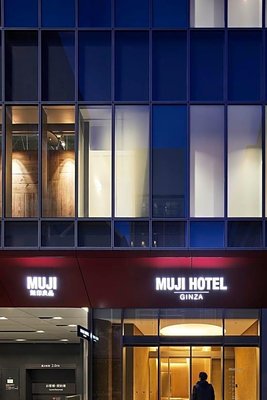
Muji Hotel Ginza
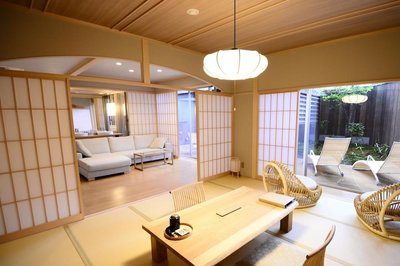
Hakone Gora Byakudan
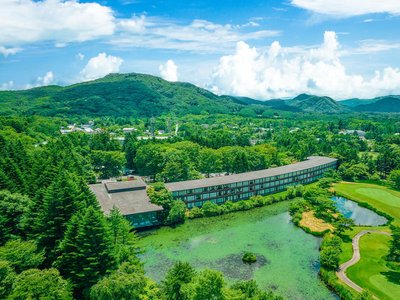
The Prince Karuizawa
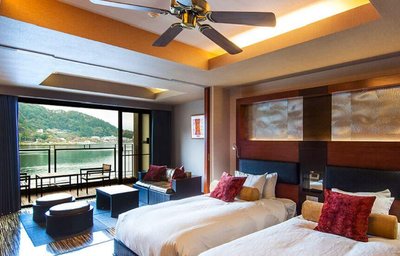
The Kukuna
Hoshinoya Karuizawa
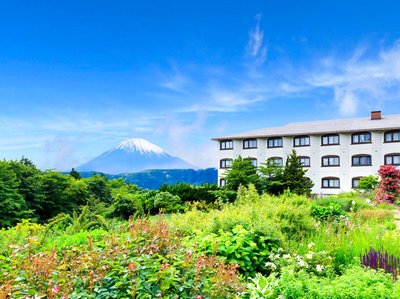
Hotel Green Plaza Hakone
Yoshiike Ryokan
Akakura Kanko Hotel
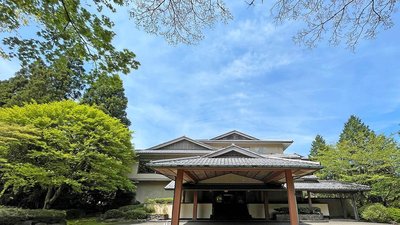
Ryuguden
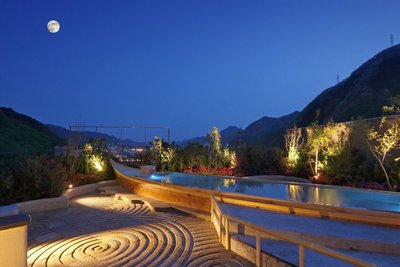
Asaya
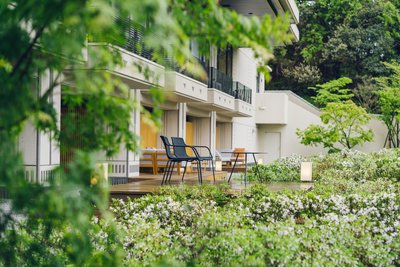
Hoshino Resorts Kai Enshu
Sado Resort Hotel Azuma
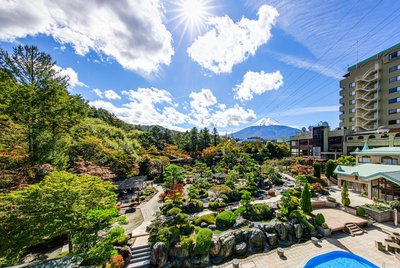
Kaneyamaen
Takimotokan Yuki No Sato
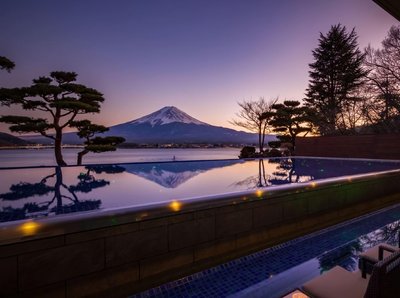
Shuhokaku Kogetsu
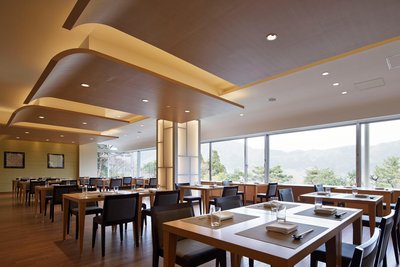
Laforet Hakone Gora Yunosumika
Juhachiro
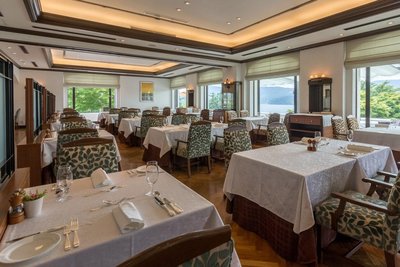
Odakyu Hotel de Yama
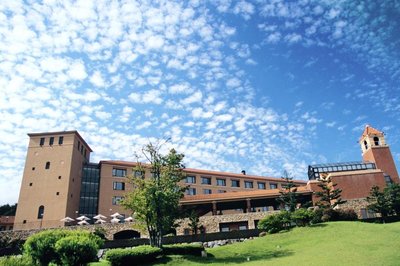
Fruit Park Fujiya Hotel

Hotel Indigo Hakone Gora
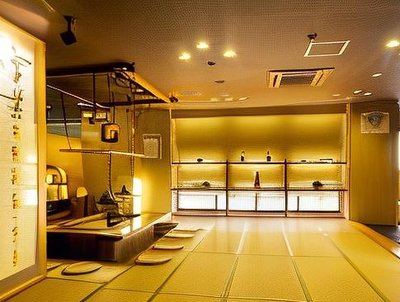
Yukimurasaki
The Address Akakura
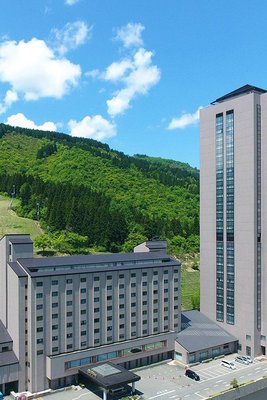
Naspa New Otani
The Prince Karuizawa
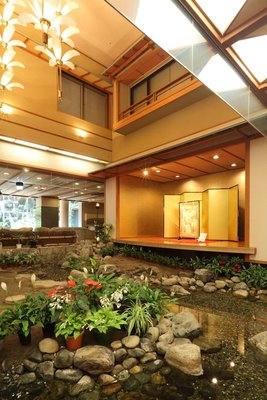
Hotel Futaba
Okada Ryokan Warakutei
Ryokan Sakaya
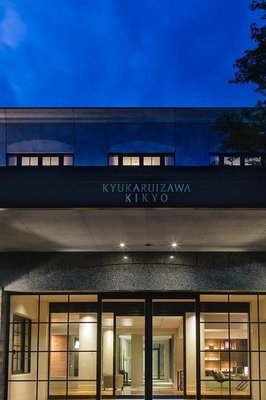
Kyukaruizawa Kikyo, Curio Collection by Hilton
Akakura Kanko Hotel
Hoshino Resorts KAI Alps
Hakuba Tokyu Hotel
Lime Resort Myoko
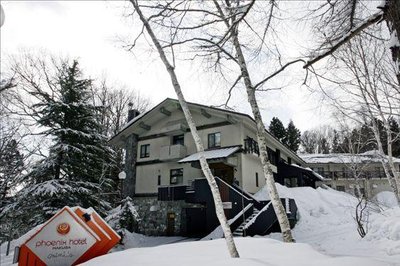
Phoenix Hotel by Hhg
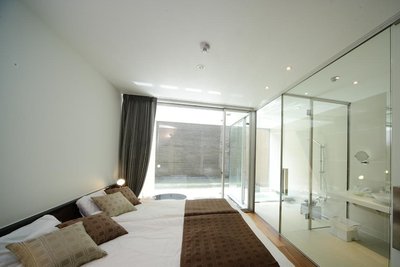
Four Seasons Yuzawa Quattro
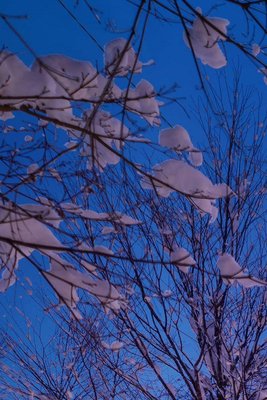
Courtyard by Marriott Hakuba
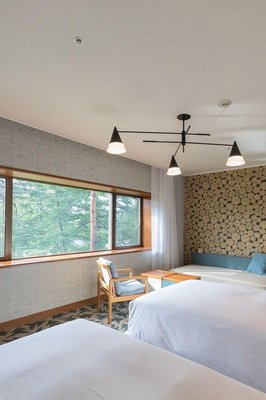
Karuizawa Prince Hotel East
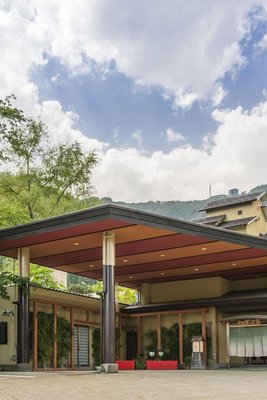
Shosenkaku Kagetsu
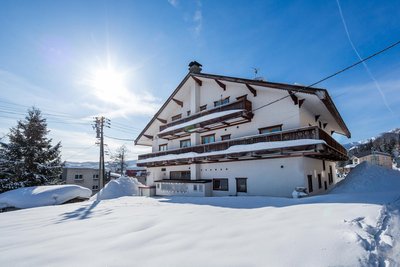
Marillen Hotel by Hhg
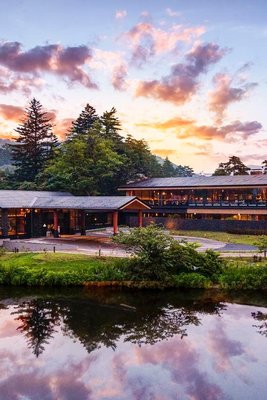
Karuizawa Prince Hotel West
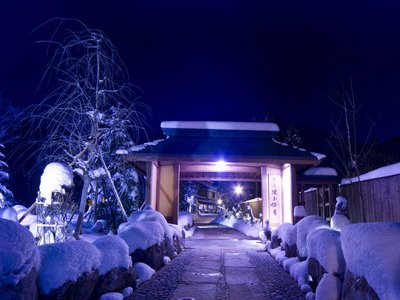
Miyama Ouan
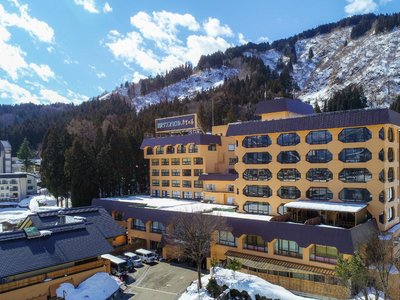
Yuzawa Grand Hotel
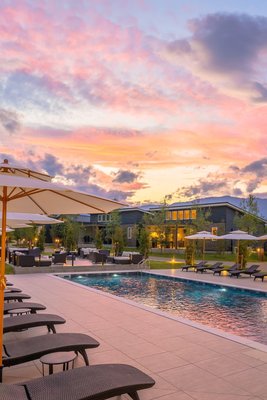
Awaumi Fujikawaguchiko Resort
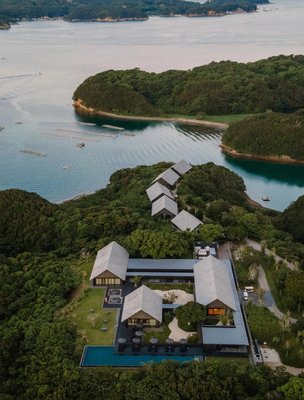
Amanemu
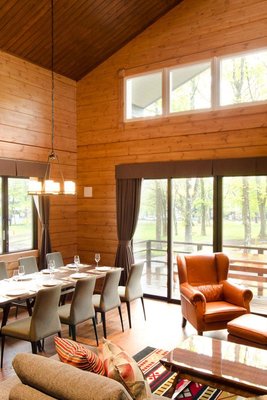
The Prince Villa Karuizawa
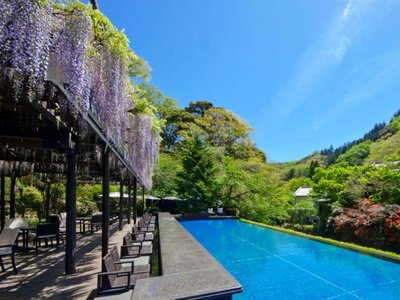
Tofuya Resort & Spa Izu
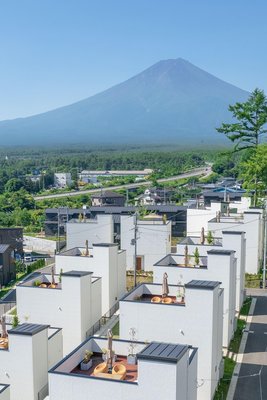
Fuji Granvilla -TOKI-
Bvlgari Hotel Tokyo
Four Seasons Hotel Tokyo at Marunouchi
Mandarin Oriental, Tokyo
The Ritz-Carlton, Tokyo
Andaz Tokyo Toranomon Hills- A Concept by Hyatt
Gora Kadan
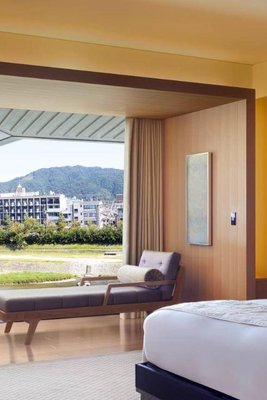
The Ritz-Carlton, Kyoto

Hotel New Otani Tokyo the Main
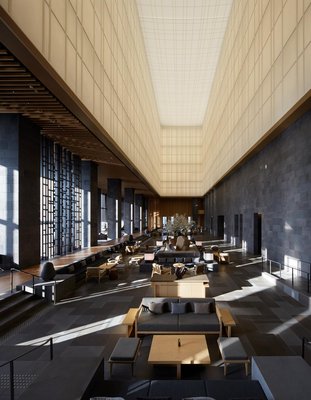
Aman Tokyo
Odakyu Hotel de Yama
GOOD NATURE HOTEL KYOTO
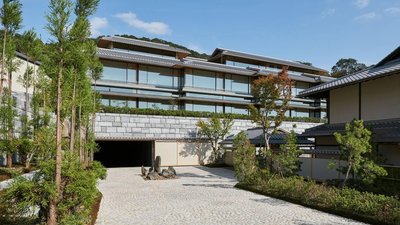
Park Hyatt Kyoto
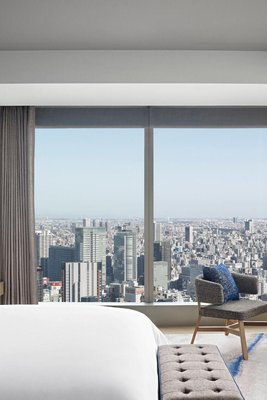
Four Seasons Hotel Tokyo at Otemachi
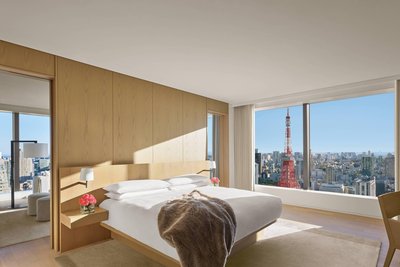
The Tokyo Edition, Toranomon
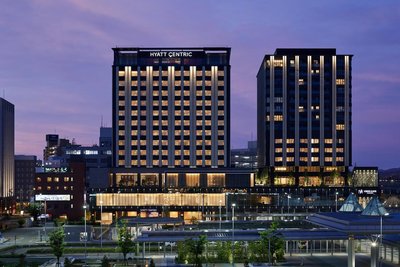
Hyatt Centric Kanazawa
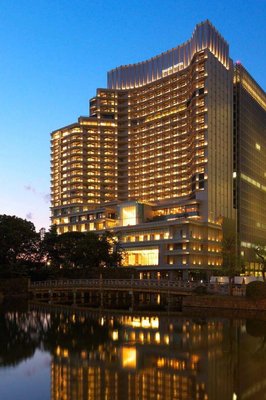
Palace Hotel Tokyo
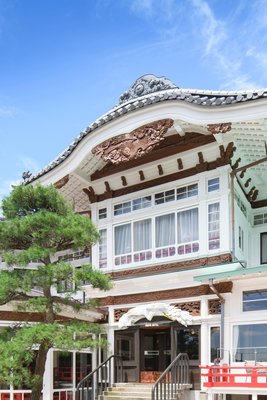
Fujiya Hotel
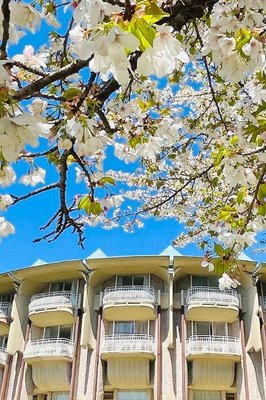
The Prince Hakone Lake Ashinoko
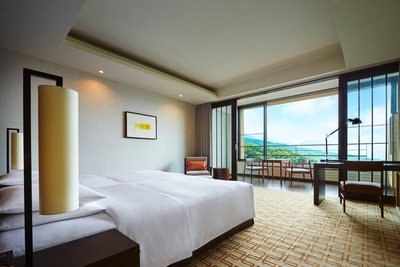
Hyatt Regency Hakone Resort and Spa
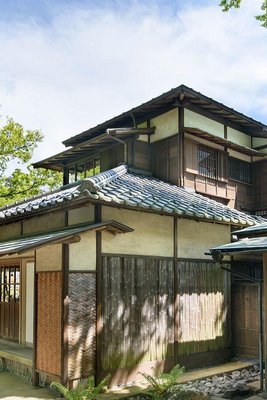
Hakone Suishoen
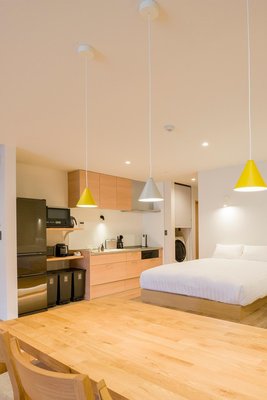
Rakuten STAY VILLA Nasu
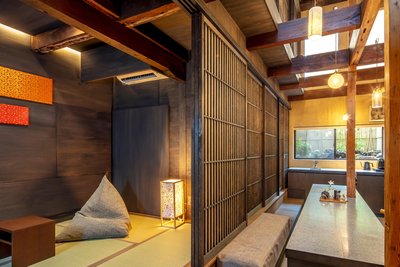
Kyo No Oozora Kihana
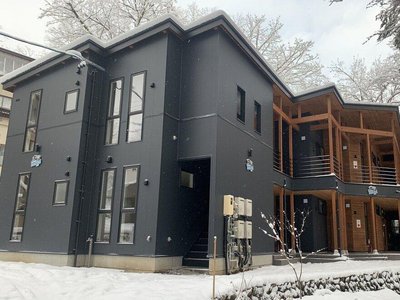
Hakuba Gondola Apartments
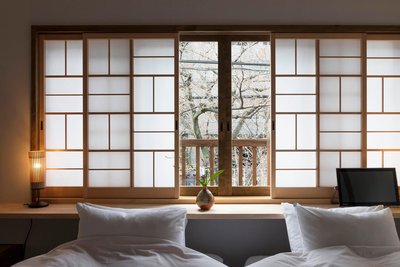
Hanagoromo Machiya House
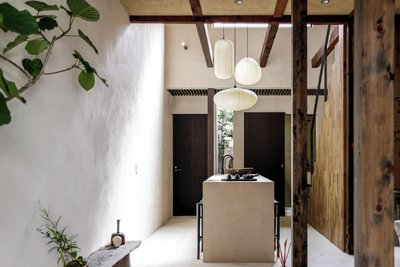
Maana Kiyomizu
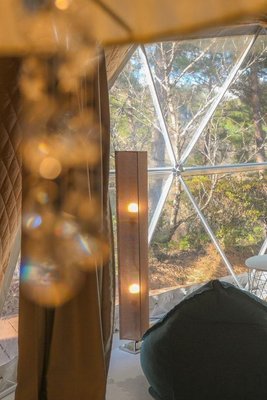
glampark Gekkabijin Nagano
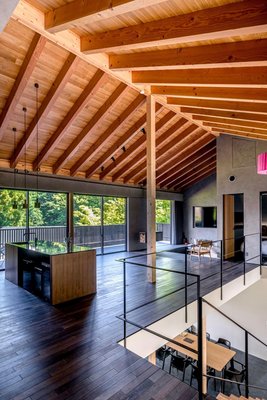
MONS GORA
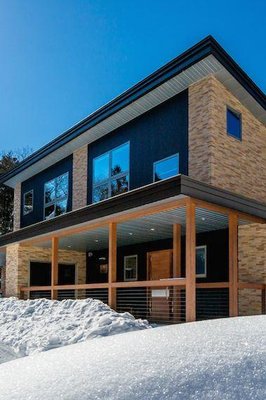
Phoenix Chalets by Hhg
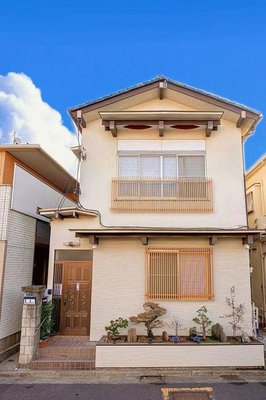
Tokyo Star House-Shinkoiwa
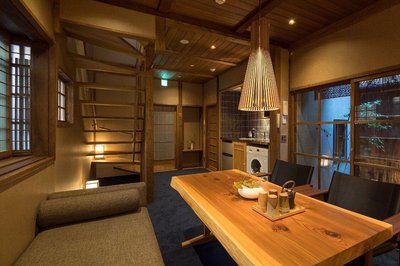
Bonbori an Machiya House
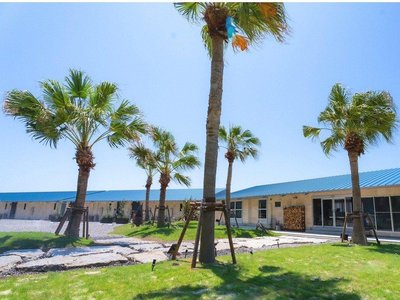
Glamping&Resort Wood Design Park Noma
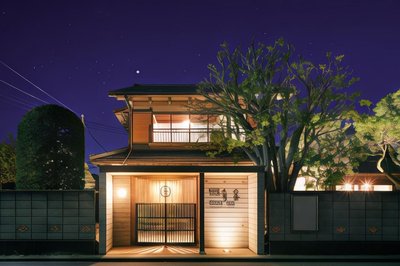
Machi-Jyu
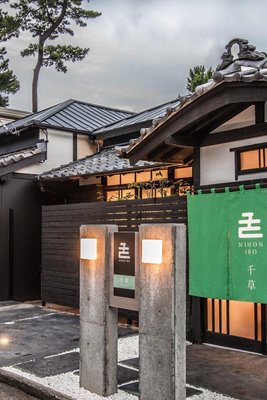
Nihon Iro
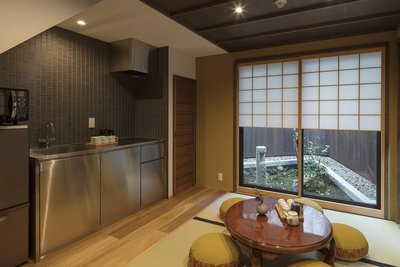
The Machiya Villa Sanjo Shirakawa Koji
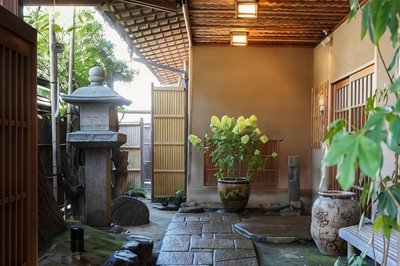
Ryokan Asadaya
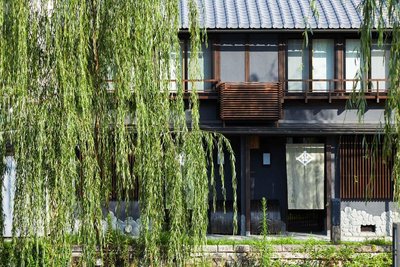
Gion Shirakawa No Yado

Kitashirakawa Natural Radium Onsen
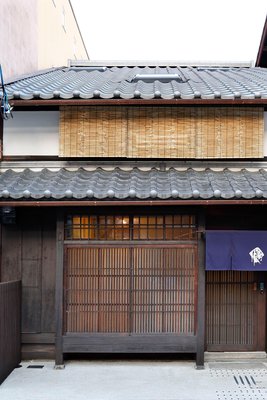
Kyo No Ondokoro Kamanza Nijo #2
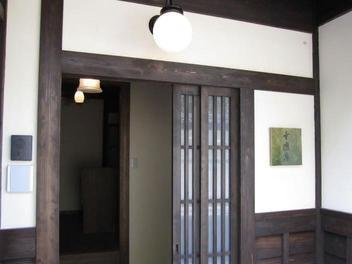
Gion Koyu an Machiya House
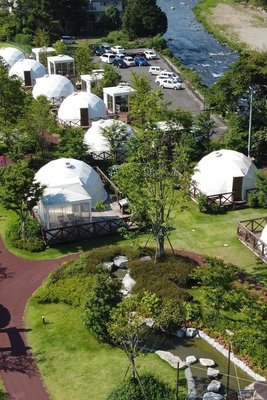
Ufufu Village
Frequently Asked Questions about Traveling to Hakuba
Questions You Might Need to Know About Traveling to Hakuba
In Hakuba Village, the best ski-friendly hotels include Hakuba Prince Hotel, located directly across from the Hakuba Grand Ski Area, offering private ski access, on-site snow storage, and hot spring baths. Another standout is Hakuba Sanro Resort, renowned for its direct shuttle to ski lifts and family-oriented accommodations with spacious suites. Both hotels provide 24-hour front desk service, complimentary breakfast, and winter safety kits. Guests enjoy panoramic mountain views and easy access to Japan’s longest ski season, making them ideal bases for avid skiers seeking comfort and convenience amid alpine beauty.
The Hakuba Grand Ski Area District is the prime location for lodging in Hakuba Village, offering walkable access to major ski lifts, shopping centers, and public transport hubs like Hakuba Station. This vibrant zone hosts a concentration of mid-to-high-end hotels such as Hakuba Four Seasons Hotel and Hakuba Resort Inn, all featuring modern amenities, cozy interiors, and proximity to restaurants and nightlife. With quiet surroundings and stunning winter vistas—especially at sunrise—this area balances convenience with tranquility, making it perfect for both solo travelers and families seeking an authentic mountain experience.
Visitors to Hakuba Village can participate in hands-on traditional woodworking workshops, crafting Japanese wooden carvings or bamboo baskets under local artisans’ guidance. The annual Hakuba Snow Festival is another highlight, featuring massive snow sculptures, illuminated light displays, and regional food stalls. For a serene cultural touch, explore the Hakuba Onsen Street, where natural sulfur springs offer therapeutic baths paired with traditional kaiseki dining. These immersive activities allow guests to connect deeply with long-standing mountain traditions and seasonal rhythms of rural Nagano.
Hakuba’s hot spring hotels stand out due to their natural sulfur-rich waters and secluded mountain settings. Hakuba Sanro Onsen Inn is celebrated as a "hidden mountain sanctuary," with open-air baths overlooking snow-covered peaks—especially magical during winter fog. The hotel features traditional Japanese architecture, tatami rooms, and floor-to-ceiling windows for scenic views. Hakuba Hanamaru Onsen Inn offers personalized guest service and seasonal menus, including matsutake mushroom hot pots and Hida beef sukiyaki. Many properties also provide free shuttle services to ski slopes, ensuring seamless travel between relaxation and adventure.
Yes, Hakuba Village is highly suitable for family visits. Hakuba Family Resort offers dedicated children’s playrooms, mini ski schools, and supervised childcare services. It provides interconnecting rooms and baby amenities, ideal for parents traveling with infants. Another excellent option is Hakuba Sanro Resort, which features family suites with kitchens and game areas. All hotels provide free shuttles to ski slopes and town centers, allowing parents to plan stress-free days. Kids can enjoy snow forts, ice slides, and themed events, while parents relax in nearby spas—perfect for a balanced, joyful holiday.
The most convenient route from Tokyo to Hakuba Village is taking the JR Limited Express (Saphir Rainbow) to Shinano-Ōmachi Station, then transferring to a high-speed bus that takes about 1 hour. The total journey lasts around 3.5 hours and offers scenic views of the Chūetsu region and the Northern Alps. For faster access, consider HopeGoo a private car transfer or a direct bus service from Tokyo’s airport terminals. During peak ski seasons, advance reservations are recommended to secure seats and ensure timely arrival at your destination.
The ski season in Hakuba Village typically begins in late November and runs through early May, making it one of Japan’s longest ski seasons. The prime months—December to March—feature deep powder snow, excellent grooming, and stable weather, with average snow depths exceeding 2 meters. The annual Hakuba International Ski Festival in January attracts elite skiers worldwide. Even in spring, snow quality remains high due to the village’s elevation and northern alpine climate, allowing visitors to enjoy skiing well into April and May.
Must-visit landmarks in Hakuba Village include the Hakuba Grand Ski Area, home to over 100 trails and Asia’s longest ski runs. Nearby, Lake Hakuba freezes in winter, enabling ice fishing and snowshoeing adventures. The Hakuba Shrine holds spiritual significance, while Hakuba Ginkgo Avenue turns golden in autumn, creating a breathtaking canopy. For panoramic views, take the cable car up to Mount Hakuba, offering sweeping vistas of snowfields and valleys below. These iconic spots blend natural beauty with cultural heritage, making them essential stops on any visit.
Tourists visiting Hakuba Village must try Hida Beef Hot Pot, known for its tender, marbled texture and rich umami flavor when simmered in clear broth. Nagano Soba, made from locally grown dark buckwheat, pairs perfectly with tempura or miso soup. Winter specialties include Snow-Covered Grilled Fish, where fish is slowly roasted under a layer of snow to lock in moisture. Don’t miss Yukata Mochi, a sweet rice ball filled with red bean paste and dusted with snow—ideal as a souvenir. Most eateries are located near the onsen district, making it easy to enjoy authentic mountain cuisine after a day on the slopes.
Nighttime highlights in Hakuba Village include gliding down the illuminated Snow Lights Slope, where glowing lights guide skiers through a magical snowy landscape. The Hakuba Onsen Street Night Market buzzes every evening with vendors selling grilled octopus skewers, ramen, and warm sake. For culture lovers, some ryokans host evening tea ceremonies or live performances of shakuhachi flute and shamisen music. Seasonal events like the Snow Lantern Festival feature hundreds of handcrafted paper lanterns lighting up pathways, creating a peaceful, dreamlike atmosphere—perfect for photography and quiet reflection under the stars.
Hakuba Overview
City Summary
Hakuba Village, located in Nagano Prefecture, Japan, is renowned for its world-class skiing and stunning alpine landscapes. Host of the 1998 Winter Olympics, it transforms into a hub for hiking and outdoor adventures in summer, attracting nature enthusiasts worldwide.
Must-See Attractions
Must-visit spots include Happo-One Ski Resort (winter sports/summer hiking), Iwatake Mountain (panoramic gondola rides) and traditional mochi-pounding experiences. Cultural gems include artisan workshops and onsens like "Shirakaba Onsen Mori no Uta" with open-air baths.
Food Guide
Local cuisine features mountain dishes: try Shinshu soba (buckwheat noodles), Nozawana pickles (fermented vegetables), and iwana salt-grilled river fish. Recommended spot: "Yamagoya Restaurant Happo" for regional set meals.
Transportation Guide
Transport: Take the Hokuriku Shinkansen from Tokyo to Nagano (80min), then a bus to Hakuba (60min). Village transport relies on shuttle buses or rental cars (winter tires mandatory). Note: Some mountain roads close in winter—book hotel transfers in advance.
Best Time to Visit
Best season: December-March for skiing (3-4m snowfall); May-October for hiking (avoid July-August typhoons). Springs offer lower accommodation rates.
Travel Tips
- Ski safety: Confirm rental equipment insurance coverage; beginners avoid ungroomed areas alone.
- Onsen etiquette: Wash thoroughly before bathing; tattoo covers required.
- Cash readiness: Remote eateries may not accept cards.
- Waste disposal: Strict recycling—carry trash from trails.
- Hiking registration: File climbing plans with local police for long treks.
- Eco-practices: Use refillable bottles—free water stations abound.
Useful Information
Language: Japanese predominates; basic English at major hotels. Download translation apps. Internet: Stable coverage; rent pocket Wi-Fi at airports. Mountain areas may lack signals. Payment: Visa/JCB cards accepted, but cash-only at small shops. Emergency: "Hakuba Clinic" available; contact ski patrol for injuries. Voltage: 100V, Type A plugs.









