Hotels in Hakui
Discover your perfect stay in Hakui.
Hakui(Japan) Travel 2026: Cheap Flights, Hotels & Top Attractions
Popular Landmarks in Hakui
Discover the most iconic attractions in Hakui
Recommended Hotels in Hakui
Find the perfect place to stay in Hakui
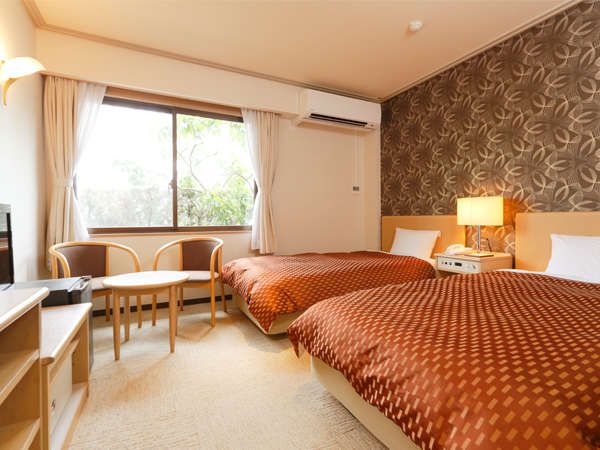
Kyukamura Noto-Chirihama
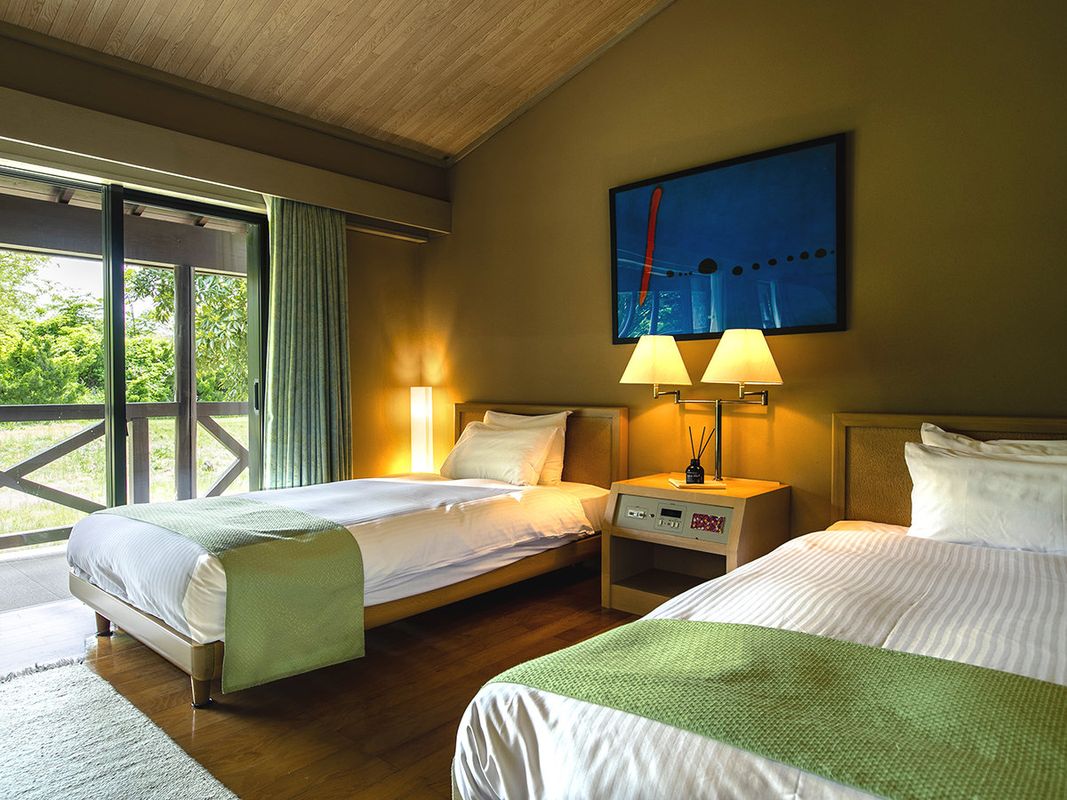
Hotel Yubana
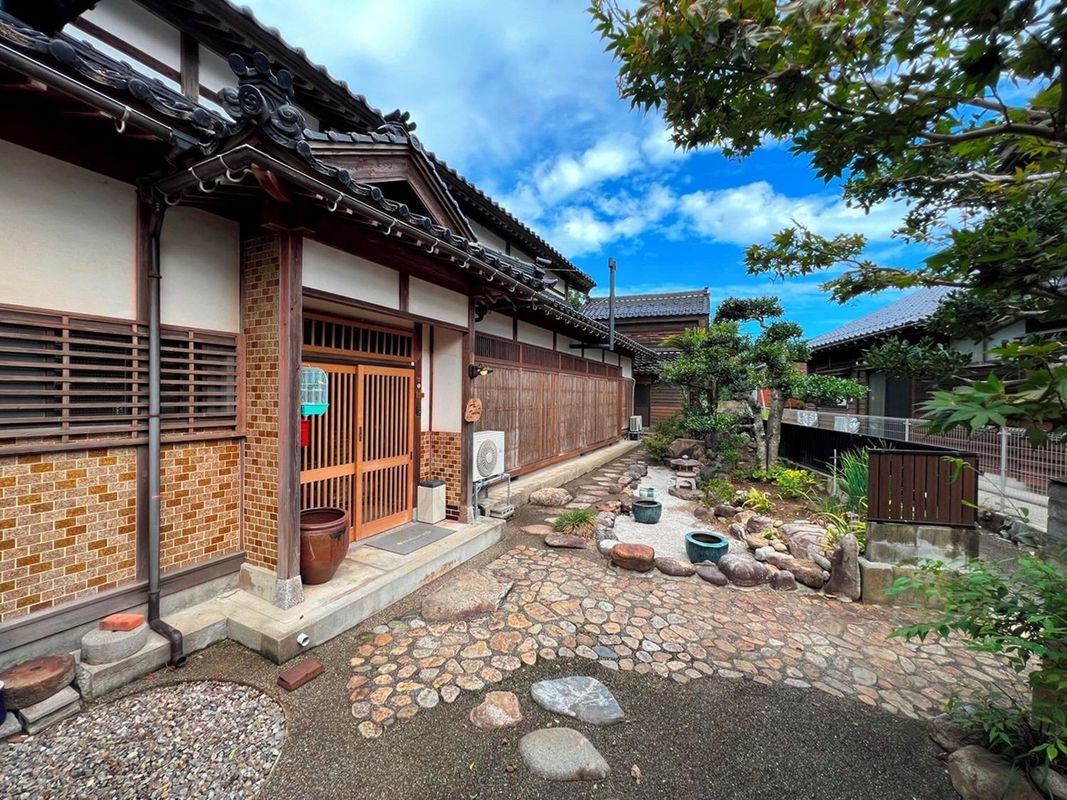
HatagoyaChuube
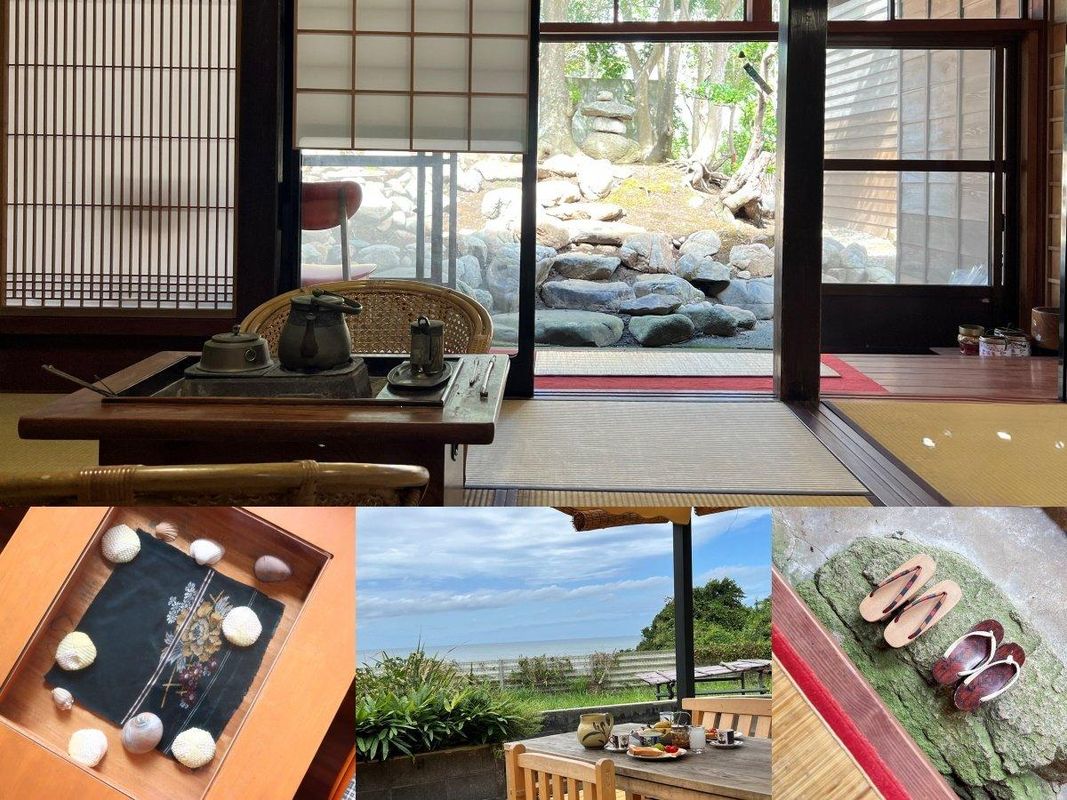
Hatagoya Chube
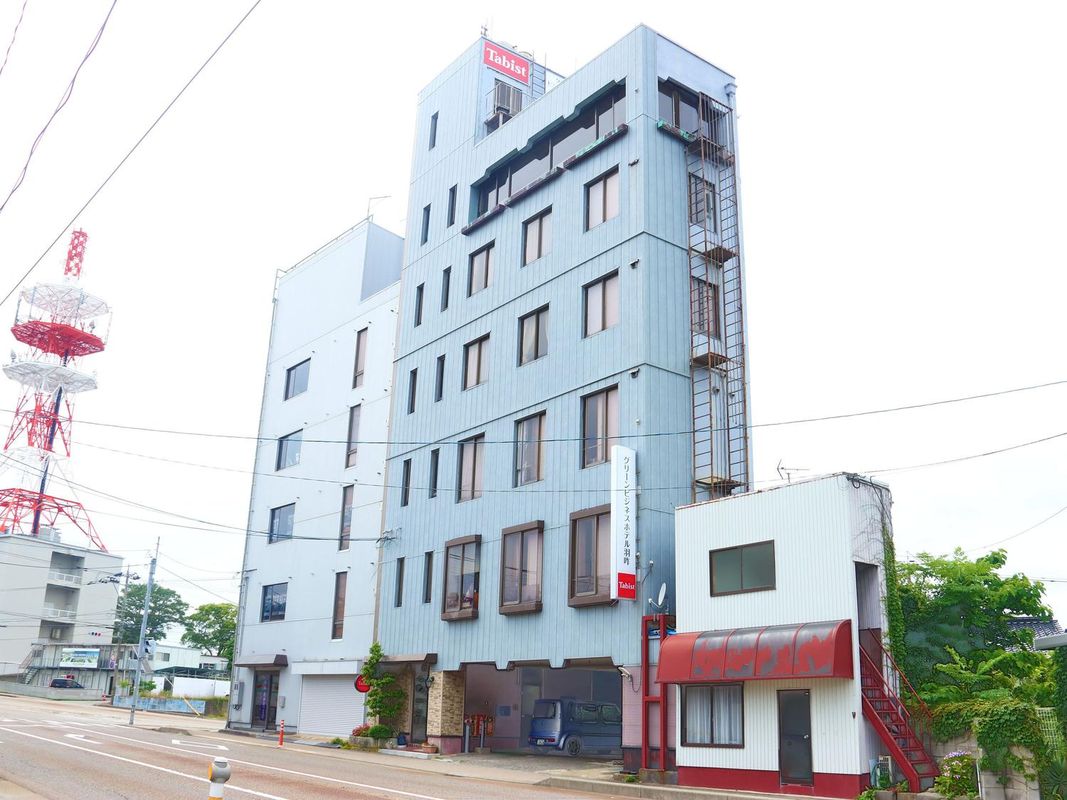
Green Business Hotel Hakui
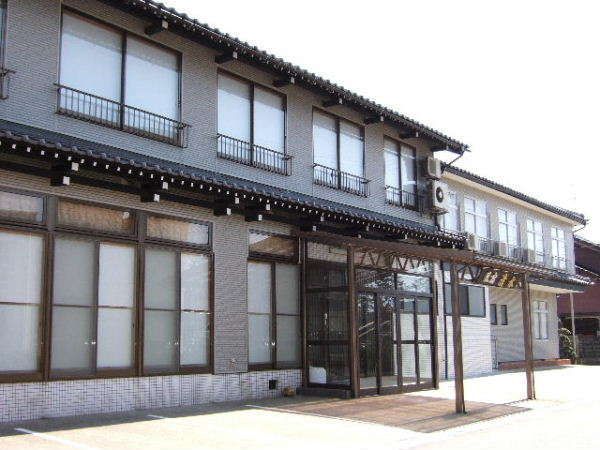
Minshuku Shimizu
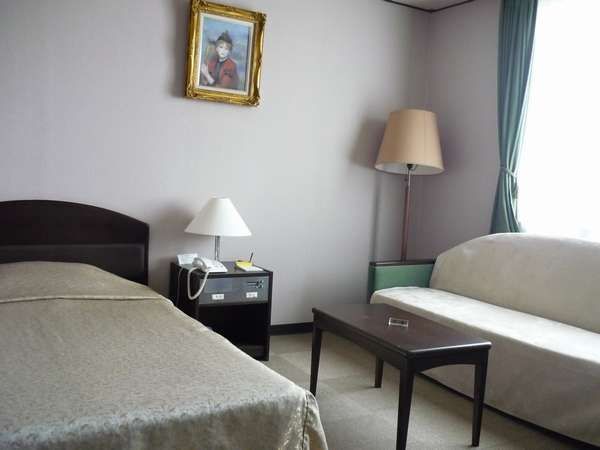
Nagisa Garden Hotel
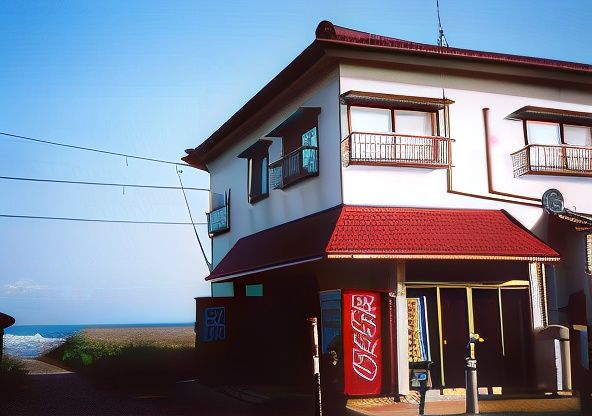
Kappo Minshuku Iwaki
Best Hotels in Hakui
Discover curated hotel collections in Hakui
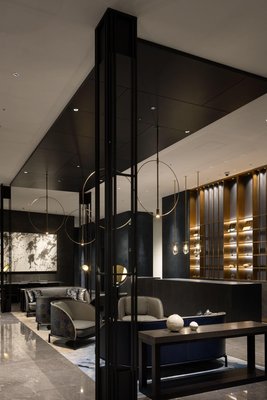
Bellustar Tokyo, A Pan Pacific Hotel
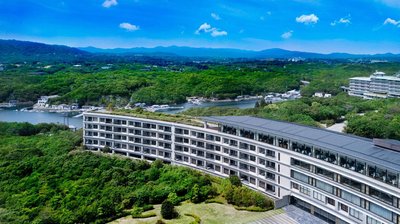
Shima Kanko Hotel the Bay Suites
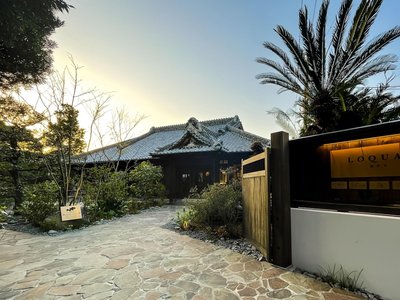
Loquat Nishiizu
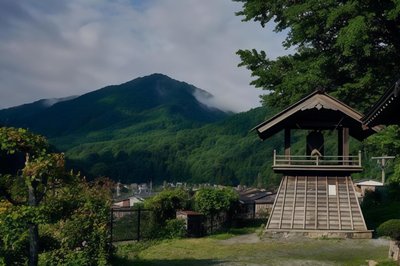
Byaku Narai
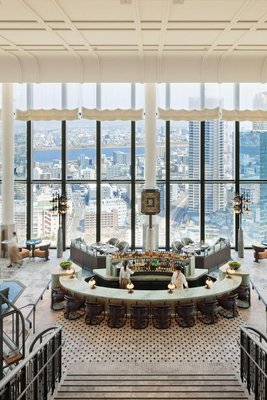
Waldorf Astoria Osaka
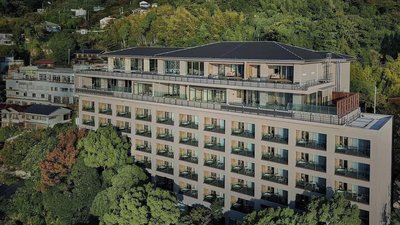
Atami Izusan Karaku
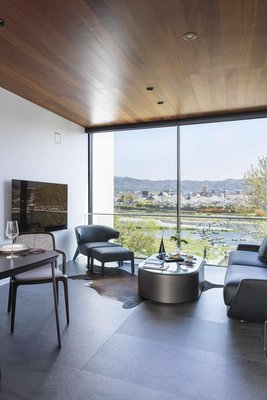
Kamo Residences by Reflections
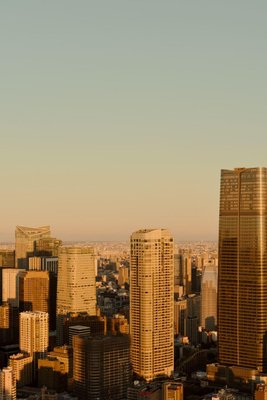
Janu Tokyo
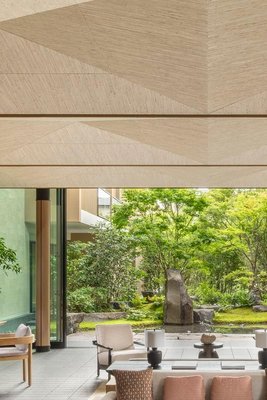
Six Senses Kyoto
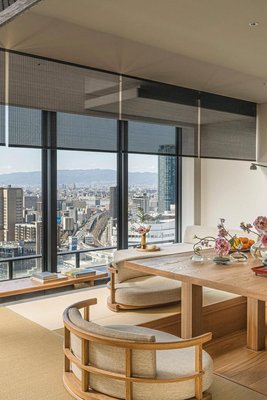
Four Seasons Hotel Osaka
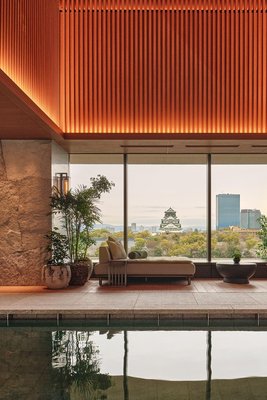
Patina Osaka

The Ritz-Carlton, Osaka
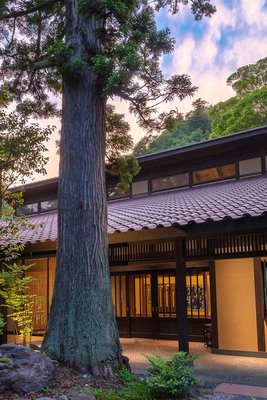
Arimasansoh Goshobessho
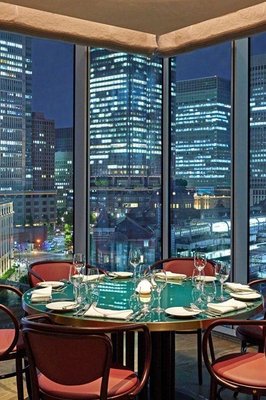
Four Seasons Hotel Tokyo at Marunouchi

Mandarin Oriental, Tokyo
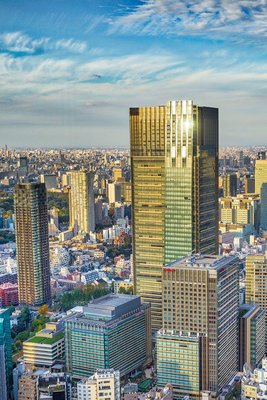
The Ritz-Carlton, Tokyo
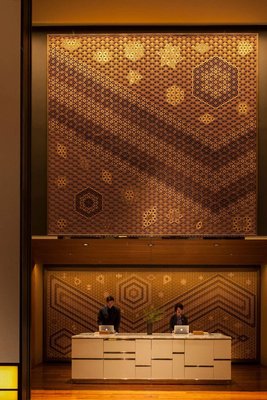
Andaz Tokyo Toranomon Hills- A Concept by Hyatt
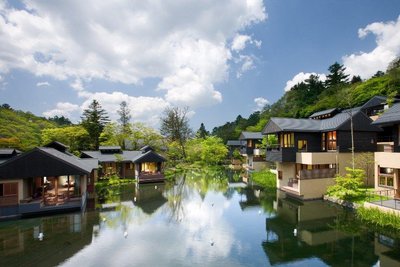
Hoshinoya Karuizawa
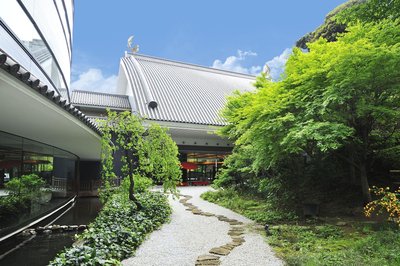
Hotel Gajoen Tokyo
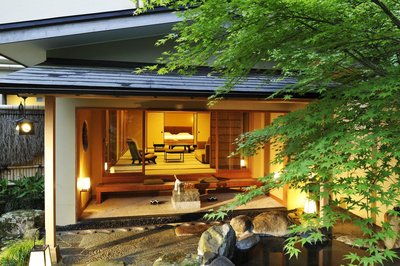
Gora Kadan
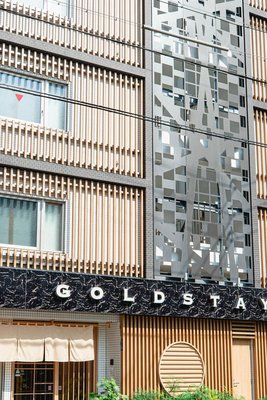
Gold Stay Nagoya OSU
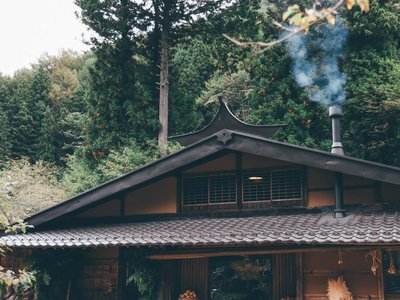
La Terra Resort
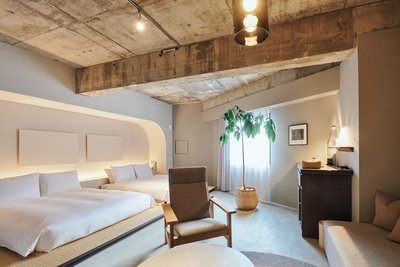
Korinkyo

GOLD STAY Nagoya Sakae
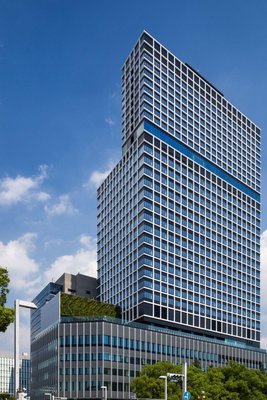
The Royal Park Hotel Iconic Nagoya
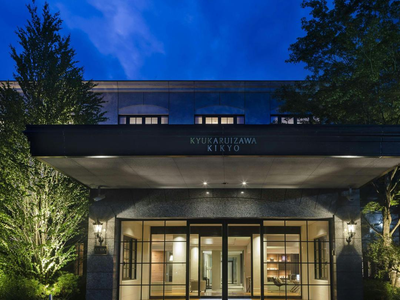
Fufu Karuizawa Wind of Sunshine
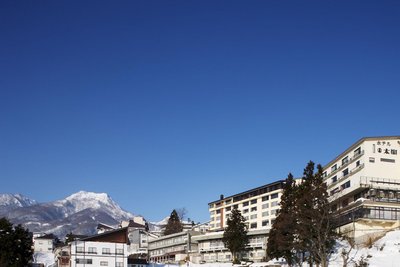
Hotel Taiko, Akakura Onsen
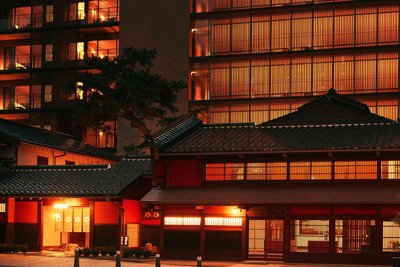
Hoshino Resorts Kai Kaga
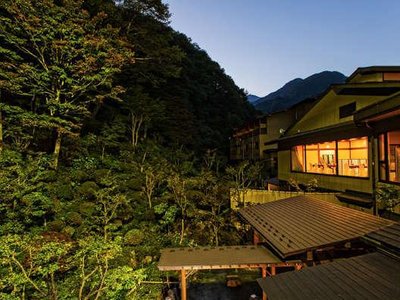
Futari Shizuka
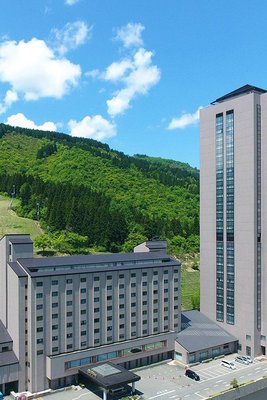
Naspa New Otani
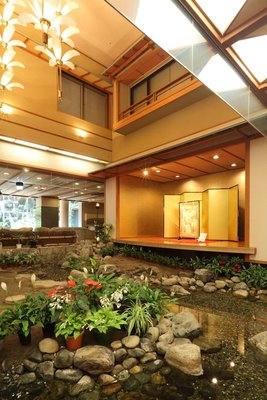
Hotel Futaba
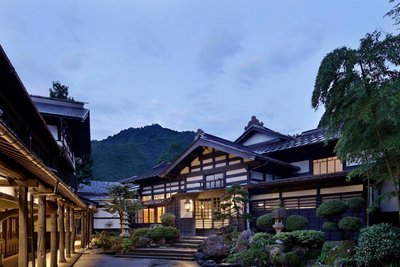
Ryugon

Tokinoniwa
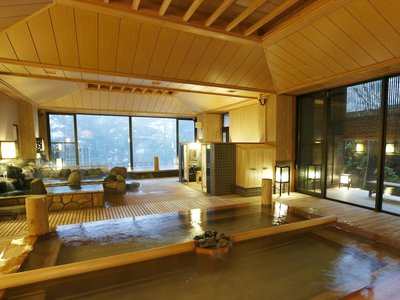
Konoha
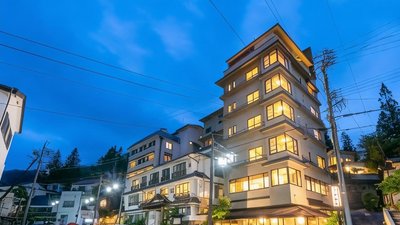
Nakamatsuya Ryokan
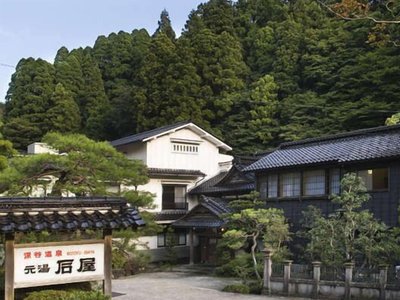
Motoyu Ishiya
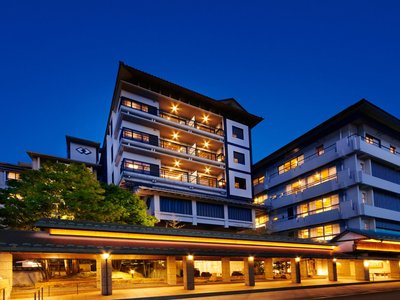
Yunokuni Tensyo
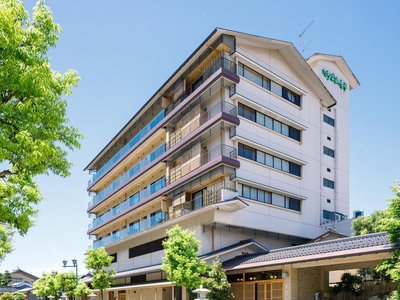
Tachibana Shikitei
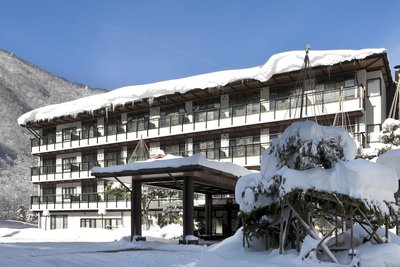
Okada Ryokan Warakutei
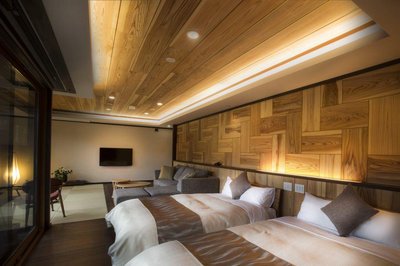
Hidatei Hanaougi
Frequently Asked Questions about Traveling to Hakui
Questions You Might Need to Know About Traveling to Hakui
In Wajima City, recommend staying at Wajima Tokyu REI Hotel, located in the city center with easy access to public transport and local attractions. The hotel features family rooms, a hot spring bath, and a garden courtyard. Guests can enjoy breakfast with local specialties like "Wajima Rice" and seafood congee. Nearby are Wajima Civic Center and Hokuriku Expressway, making it convenient to visit Shirayama Nature Park and Kanazawa City. The design blends traditional Japanese aesthetics with modern comfort, offering an ideal base for family trips.
Stay at "Den no Ie" (The Farmhouse), a restored 100-year-old farmhouse nestled in the foothills of Mount Hakusan. This unique guesthouse allows guests to participate in daily farm activities such as vegetable harvesting and feeding chickens. The hosts, local farmers, teach traditional dishes like "Kanazawa-style Sardine Dried Fish" and "Kaga Pottery Stew." Each room features natural wood interiors and a kotatsu heating table, creating an immersive experience of rural life. It’s perfect for travelers seeking genuine cultural connection and sustainable living.
The central district of Wajima City is the ideal place to stay for tourists. Located near Wajima Station and City Hall, it offers walkable access to key attractions. This area hosts mid-to-high-end hotels like Wajima Green Hotel, which provides free parking, Wi-Fi, and shuttle services. Nearby are the Wajima Art Museum and Kanazawa-bound bus terminal, making it easy to explore Kenroku-en Garden and 21st Century Museum of Contemporary Art. At night, the quiet thermal town alleyway offers local sake tastings and a peaceful urban atmosphere.
Yes, visit Yunori Onsen Village in the Hakusan foothills, home to Yunori Villa, a private onsen resort with secluded outdoor baths and Japanese gardens. Guests can join morning rituals at Hakusan Shrine and afternoon workshops on Kaga Washi paper-making. Some suites offer a "One-Acre Rice Field Subscription Service," allowing remote monitoring of your rice crop. Dinner features locally sourced ingredients, including fresh seafood from Noto Peninsula and house-made fermented sauces—perfect for experiencing authentic regional cuisine while relaxing in nature.
Stay at "Hikari no Ya" (House of Light), a boutique guesthouse adjacent to Wajima City Library. Designed around the theme of "light art," the rooms feature reflective surfaces and hidden lighting that transform throughout the day. A dedicated photography deck overlooks the Tone River and distant Hakusan Mountain Range, ideal for capturing misty mornings and star trails. Monthly "Wajima Night Photography Workshops" are hosted by local photographers, teaching techniques for shooting traditional streetscapes and lantern alleys. Free loan of tripods and wide-angle lenses is also available.
Consider Hakusan Yashiki, a century-old mansion built during the Meiji era and converted into a heritage inn. The original hinoki wood beams and shoji screens remain intact, while rooms display "Eight Scenes of Wajima" paintings by local artists. Daily experiences include tea ceremony sessions and Tone River fishing lectures. The inn opens its Edo-era garden for guest walks. Special packages include seasonal festivals such as cherry blossom viewing in spring, autumn foliage tours, and winter snow lantern events—offering a true immersion in traditional Japanese rhythms.
Visit Wajima Art Studio Guest House, a creative space housed in a repurposed warehouse with industrial-chic architecture. It features private studios, projection equipment, and large windows facing the surrounding fields. Guests can freely use pottery kilns, printing tools, and digital drawing tablets. Monthly "Wajima Co-Creation Exhibitions" invite residents and visitors to showcase their work. Collaborations with Kaga Craft School offer workshops in washi paper stamping and bamboo weaving. The nearby abandoned railway lines and wild meadows provide endless inspiration for visual artists, writers, and photographers.
Stay at "Sai no Ie" (The Kitchen House), a dining-focused guesthouse that offers a complete "from field to table" culinary journey. Guests harvest Wajima rice in morning fields, then cook it using traditional methods in the inn’s kitchen. Dinner is co-prepared by guests using freshly picked vegetables and homemade pickles, paired with locally brewed Hakusan Ginjo Sake. The inn runs a "Taste Memory Workshop," teaching how to document flavors and seasonal changes. A complimentary personalized "Taste Travel Journal" is provided, transforming your dining memories into a limited-edition book—ideal for food lovers seeking authenticity.
Choose "Mori no Izoko" (Forest Dwelling), a carbon-neutral eco-lodge built from recycled timber and powered by solar energy. The property includes birdwatching towers, firefly observation trails, and native flower restoration zones. Guests can join the "Forest Clean-Up Initiative" to remove invasive species. All rooms come with plastic-free kits, including bamboo utensils and reusable containers. With zero artificial lighting at night, only moonlight and candles illuminate the space—offering a true "sleep under nature" experience. It’s a sanctuary for slow travel and environmental awareness.
Base your trip at a hotel in the city center, starting with a visit to Wajima Shrine and a walk along the Tone River Trail. Enjoy lunch at Wajima Market, sampling fresh seafood bowls and fermented tofu. In the afternoon, head to Yunori Onsen Village for a relaxing soak, then return to the city center. Take a shuttle to Kanazawa for evening visits to Kenroku-en Garden. Stay overnight at Wajima Tokyu REI Hotel, which offers free shuttles and pre-bookable early-morning experiences like morning market tours and farm breakfast workshops—a seamless blend of convenience and cultural depth.
Hakui Overview
City Summary
Hakui City, located in Ishikawa Prefecture, Japan, is a city rich in history and natural beauty. It is renowned for its space science, home to Japan's only Space Museum, attracting astronomy enthusiasts. Hakui is also famous for its traditional crafts and onsen culture, offering visitors an authentic Japanese rural experience.
Must-See Attractions
Key attractions in Hakui include the Hakui Space Museum, which features extensive space exploration exhibits and interactive experiences. Myojoji Temple is a historic Buddhist temple with exquisite architecture and a serene atmosphere. Additionally, Hakui Onsen is a perfect spot for relaxation, offering traditional Japanese hot spring baths.
Food Guide
Hakui's cuisine is centered around seafood and local dishes. Don't miss the Kano Crab, a local delicacy known for its sweet and tender meat. Hakui Ramen is another must-try, with its rich broth and chewy noodles. Also, savor the Noto Beef, a high-quality Wagyu known for its exceptional flavor.
Transportation Guide
Public transportation in Hakui primarily relies on buses and trains. From Kanazawa, take the JR Nanao Line to Hakui Station, which takes about 1 hour. The city's bus network is well-developed, making it easy to reach major attractions. Consider purchasing a one-day bus pass for cost savings. Renting a car is also a good option, especially for exploring rural areas.
Best Time to Visit
The best times to visit are spring (March to May) and autumn (September to November), when the weather is pleasant for outdoor activities. Summers can be hot, and winters may bring snow, but the onsen experience is particularly enjoyable during colder months.
Travel Tips
- Etiquette: Always shower before entering an onsen, and never wear swimsuits in the bath.
- Safety: Be mindful of tidal changes when engaging in beach activities.
- Language: Learn basic Japanese phrases like "Konnichiwa" (Hello) and "Arigato" (Thank you).
- Cash: Some small shops may not accept credit cards, so carry sufficient cash.
- Internet: WiFi coverage is limited; consider getting a local SIM card.
- Eco-friendly: Strict garbage separation rules apply; follow local guidelines.
Useful Information
Language: Japanese is the main language; some attractions have English signage. Internet: Prepaid SIM cards or WiFi devices are recommended. Payment: Cash is still king, though credit cards are accepted at larger stores. Emergency: Hakui City Hospital offers 24/7 emergency services; dial 119 for emergencies. Voltage: 100V, with Type A plugs; bring an adapter if needed.









