Hotels in Halle Westfalen
Discover your perfect stay in Halle Westfalen.
Halle Westfalen(Germany) Travel 2026: Cheap Flights, Hotels & Top Attractions
Popular Landmarks in Halle Westfalen
Discover the most iconic attractions in Halle Westfalen
Recommended Hotels in Halle Westfalen
Find the perfect place to stay in Halle Westfalen
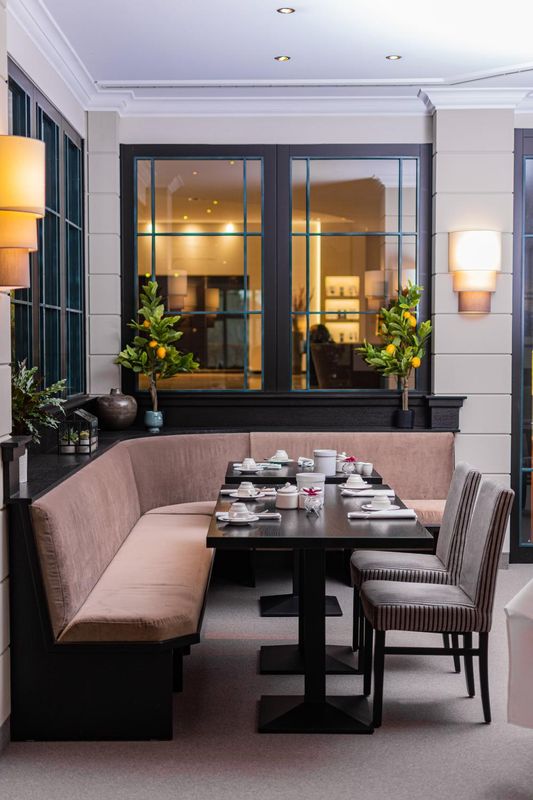
Court Hotel
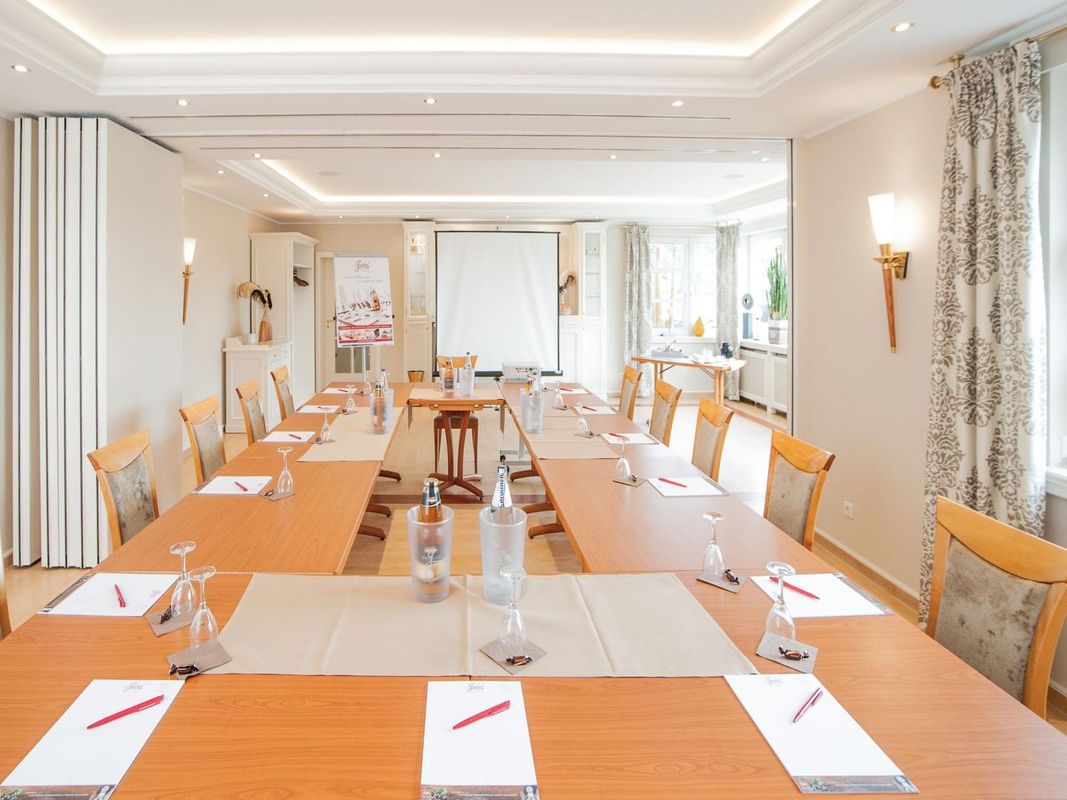
Landhotel Jäckel
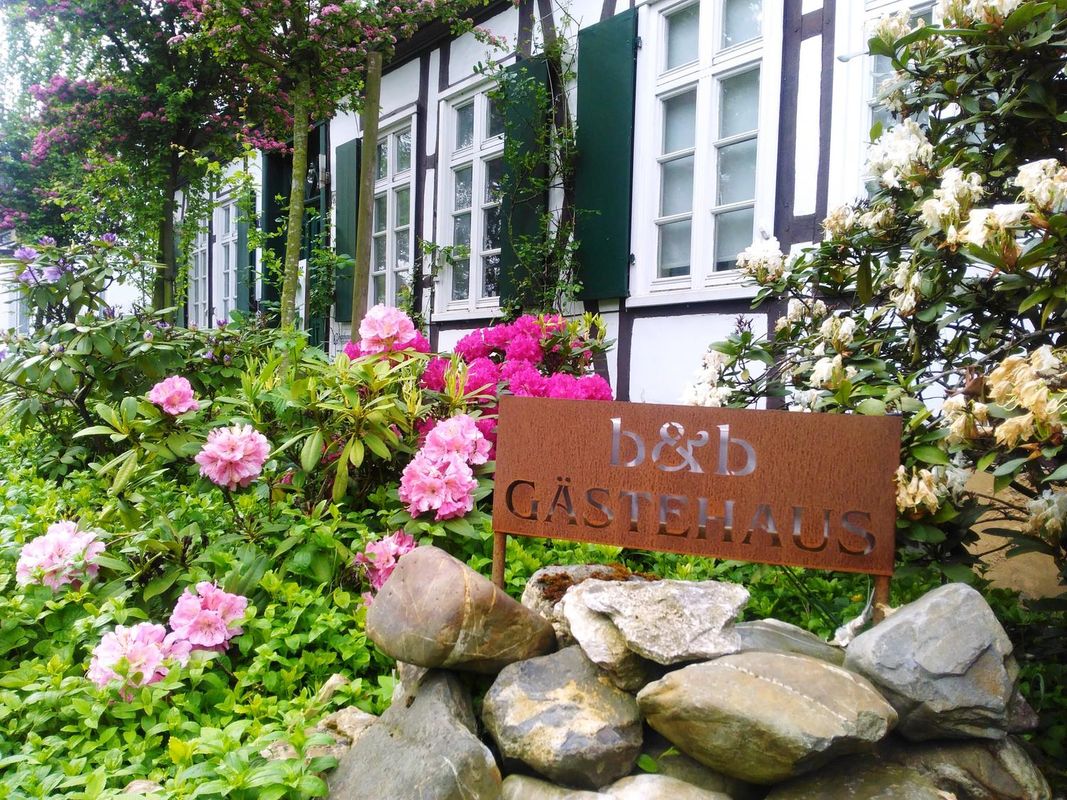
Rosindell Cottage
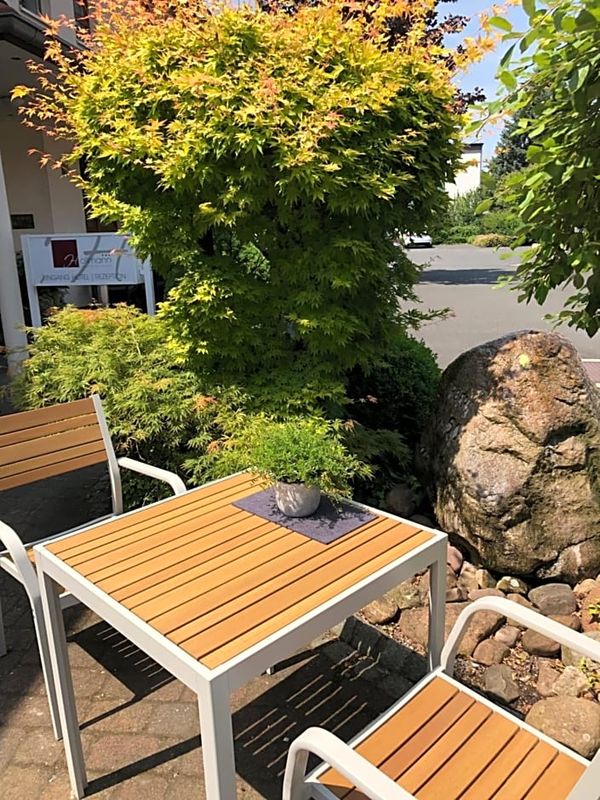
Hotel Hollmann
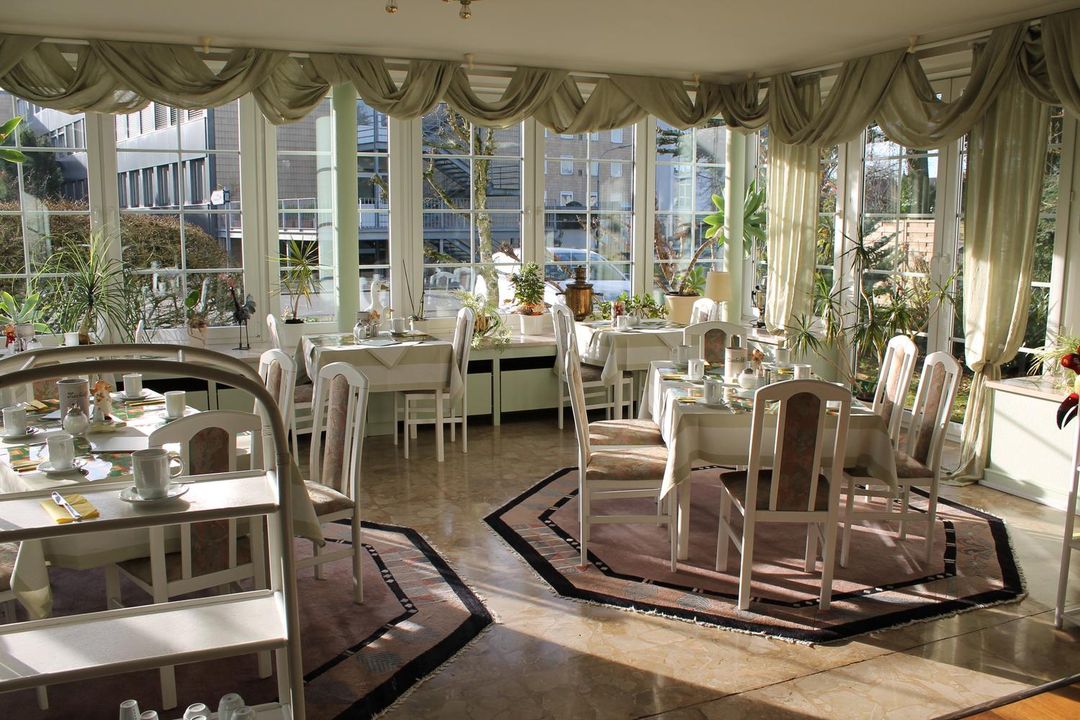
St Georg
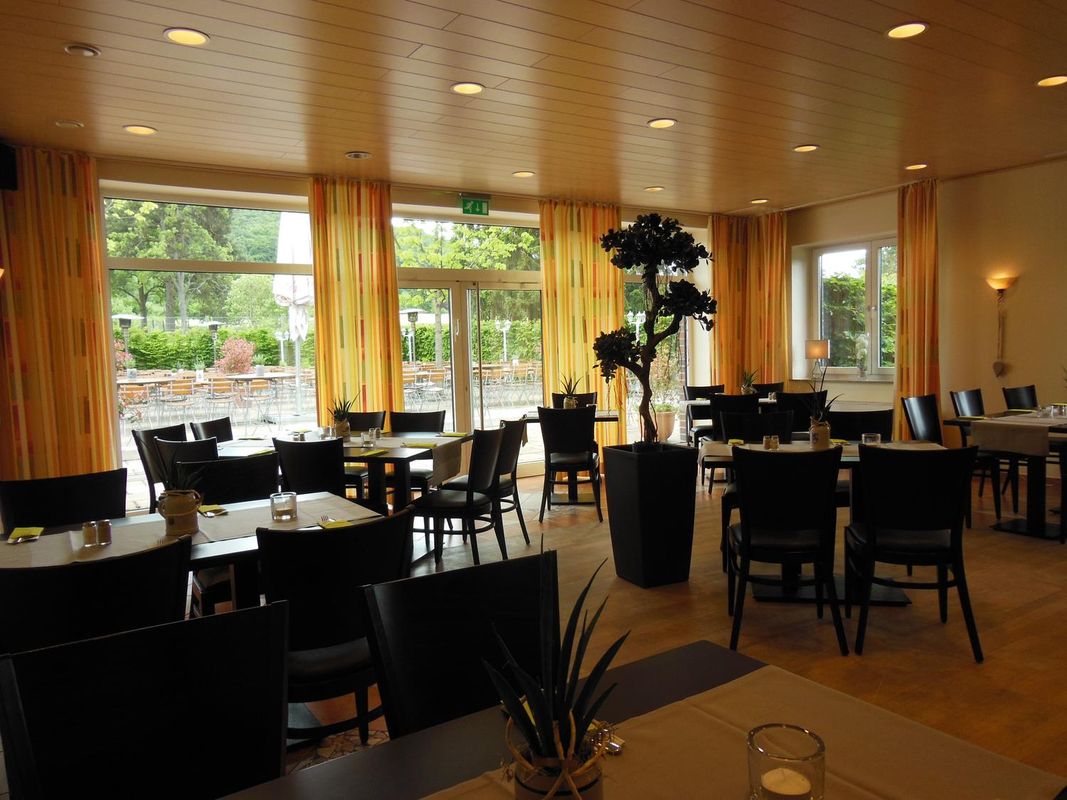
Landhotel Buchenkrug
Frequently Asked Questions about Traveling to Halle Westfalen
Questions You Might Need to Know About Traveling to Halle Westfalen
In Halle Westfalen, the most affordable yet high-quality options include Hotel am Stadtpark, located just steps from the city center and green spaces. It offers clean, modern rooms with free Wi-Fi and a hearty breakfast featuring local sausages and rye bread.
Another excellent choice is Gasthof zur Alten Mühle, a family-run inn near the Rhine River, known for its cozy atmosphere and daily specials at unbeatable prices. Both hotels are within walking distance of museums, markets, and public transport.
For travelers seeking value without compromise, these accommodations deliver comfort, location, and authentic German hospitality at low rates.
The city center (Innenstadt) is the best area for first-time visitors to Halle Westfalen. This vibrant district houses key landmarks such as the Town Hall Square, St. Mary’s Church, and the Historical Museum Halle, all within easy walking distance.
It’s also home to bustling markets, cafés, and shops, making it perfect for experiencing local life. Public transport hubs are nearby, and many hotels offer free bike rentals—ideal for exploring the surrounding nature trails.
With well-lit streets, tourist information desks, and multilingual staff, this area ensures safety and convenience for solo travelers, couples, or families alike.
Tourists visiting Halle Westfalen must experience:
-
The Halle Music Festival held annually in summer, featuring orchestras performing live at St. Mary’s Church under open skies—this event blends history and art in a breathtaking setting.
-
Guided Old Town Walking Tours led by local historians, who share stories about the city’s medieval guilds and textile industry boom.
-
Visiting the Historisches Museum Halle, which showcases rare artifacts from the 16th century through industrialization, including original looms and hand-preserved manuscripts.
These immersive experiences provide deep insight into the region’s heritage and are highly recommended for culture seekers.
Must-try dishes in Halle Westfalen reflect North Rhine-Westphalia’s rich culinary tradition:
-
Halle Rippchen: Slow-cooked pork ribs served with sauerkraut and mashed potatoes—rich, tender, and deeply flavorful.
-
Westerwälder Käsebrot: A crusty sourdough loaf filled with aged sheep cheese, often enjoyed with apple cider or beer.
-
Rheinische Sauerbraten: Beef marinated in red wine and spices, served with red onions and potato dumplings—tangy, sweet, and savory.
Visit Gasthaus Zum Ritter in the Altstadt Market for authentic preparation using locally sourced ingredients. Every dish tells a story of regional craftsmanship and tradition.
Halle Westfalen is ideal for:
-
History enthusiasts: Explore centuries-old city walls, Gothic churches, and industrial heritage sites like the old textile mills.
-
Families: With child-friendly attractions like Halle Zoo, science centers, and safe parks, it’s perfect for multi-generational travel.
-
Nature lovers: Adjacent to the Rhine River Nature Reserve and forest trails, offering opportunities for hiking, birdwatching, and cycling.
-
Art and architecture fans: Discover converted factory galleries such as Halle Kunstverein, hosting rotating exhibitions of contemporary works.
The town’s calm pace, low tourist density, and genuine charm make it a top choice for those seeking an authentic German small-town experience.
A suggested one-day itinerary:
-
Morning: Start at Rathausplatz with a guided walking tour of the old town, then visit St. Mary’s Church and its stunning stained glass.
-
Lunch: Head to Altstadt Markt for a traditional meal—try Halle Rippchen with local beer.
-
Afternoon: Take a short bus ride to Halle Zoo, where you can see rare animals like white rhinos and Siberian tigers, plus interactive zones for kids.
-
Evening: Return to the city center, stroll along the Rhine River Promenade, and enjoy coffee and cake at Café Lauterbach with views of the illuminated iron bridge.
Total time: ~7 hours. Easy pacing, no rush—perfect for soaking in local life and scenery.
Nightlife in Halle Westfalen is intimate and culturally rich, far from crowded clubs.
Key spots include:
-
Kulturbrauerei Halle, a former brewery turned arts hub hosting live jazz, indie concerts, and gallery nights every Friday and Saturday.
-
Café Lauterbach, famous for vintage décor and craft cocktails, often hosts poetry readings and literary salons.
-
Rooftop lounges at Hotel am Stadtpark offer quiet evenings with hot mulled wine and panoramic views of the city lights.
The atmosphere is relaxed, social, and creative—ideal for travelers who prefer meaningful conversations over loud parties.
Top photo locations in Halle Westfalen:
-
St. Mary’s Church: Its Gothic spire and rose window create dramatic silhouettes, especially during golden hour.
-
Iron Bridge (Eisenbahnbrücke): Overlooking the Rhine, its steel structure reflects beautifully in the water at sunset.
-
Rathausplatz: Symmetrical fountain and bronze statues form striking compositions—perfect for wide-angle shots.
-
Zoo Entrance Sculptures: Bronze figures depicting workers and animals symbolizing industrial transition—great for storytelling photography.
Bring a wide-angle lens and tripod. Early morning or late afternoon light enhances textures and colors. All spots are centrally located and easily accessible on foot.
Yes, public transportation in Halle Westfalen is efficient and user-friendly.
-
The free city bus loop (Line 1–4) connects major attractions, shopping areas, and residential districts with frequent service.
-
Halle (Westfalen) Train Station links directly to Düsseldorf, Cologne, and Münster via regional and high-speed trains—just 30 minutes from Düsseldorf Airport (DUS).
-
Bike-sharing stations are available throughout the city, especially along the Rhine Greenway, ideal for eco-friendly exploration.
Mobile ticket apps like Deutsche Bahn DB Navigator allow instant HopeGoo and QR code scanning. Overall, transit is reliable, affordable, and traveler-focused.
The temperate oceanic climate of Halle Westfalen influences travel planning:
-
Spring (March–May): Mild temperatures (10–18°C), but frequent rain—bring waterproof gear and layers.
-
Summer (June–August): Warmest months (20–25°C), ideal for outdoor events like the Halle Music Festival; book accommodation early.
-
Autumn (September–November): Crisp air and vibrant foliage—perfect for photography and walks along the Rhine.
-
Winter (December–February): Cold (0–5°C), occasional snowfall. Christmas markets glow warmly, but roads may be icy—use caution when driving or walking.
Pack adaptable clothing. Layering is key. Summer is peak season; autumn offers fewer crowds and stunning natural beauty.
Halle Westfalen Overview
City Summary
Halle (Westfalen) is a charming town in North Rhine-Westphalia, Germany, known for its medieval architecture, tranquil rural scenery, and rich cultural heritage. With a history dating back to the 9th century, it was once an important trading center. Today, Halle (Westfalen) attracts visitors with its well-preserved old town, picturesque squares, and friendly local atmosphere.
Must-See Attractions
Must-see attractions in Halle (Westfalen) include the St. Johannis-Kirche, a Gothic church with stunning interior decor. The Altstadt (Old Town) is perfect for strolling, featuring colorful half-timbered houses and quaint streets. The Museum Halle (Westfalen) showcases the region's history and culture. For nature lovers, the Teutoburger Wald offers opportunities for hiking and cycling.
Food Guide
The culinary culture of Halle (Westfalen) is deeply influenced by Westphalian traditions. Local specialties include Westfälischer Schinken (Westphalian ham), a smoked ham, and Pumpernickel, a type of rye bread. In local restaurants and beer gardens, you can enjoy German sausages and beer. Don't miss the Westfälische Torte, a delicious local dessert.
Transportation Guide
Public transportation in Halle (Westfalen) includes buses and trains, providing easy access to nearby cities. Walking or cycling is the best way to explore the old town. If you plan to travel further, renting a car is a good option. The train station is located in the city center, with direct trains to cities like Bielefeld and Hannover.
Best Time to Visit
The best time to visit Halle (Westfalen) is during spring (April to June) and autumn (September to October), when the weather is mild and there are fewer tourists. Summer (July to August) is warm but may be busier. Winter (December to February) is colder, but the Christmas markets add a festive atmosphere to the town.
Travel Tips
- Respect local customs: Germans value punctuality, so be on time for appointments.
- Cash payments: While credit cards are becoming more common, many small shops and restaurants still prefer cash.
- Recycling: Germany has strict recycling rules, so follow local guidelines.
- Quiet hours: Keep noise levels down after 10 PM to avoid disturbing neighbors.
- Bike lanes: Use designated bike lanes when cycling and avoid riding on sidewalks.
- Tipping: It's customary to leave a 10% tip in restaurants.
Useful Information
Language: German is the official language, but many locals also speak English. Internet: Free Wi-Fi hotspots are available in the city, but consider buying a local SIM card for better coverage. Payment: Credit cards are accepted in larger stores and hotels, but cash is preferred in small shops and markets. Emergency: Dial 112 for emergencies. Pharmacies (Apotheke) are marked with a red "A" and offer over-the-counter medications and advice. Voltage: Germany uses 230V voltage with Type C and F plugs.