Hotels in Hamura
Discover your perfect stay in Hamura.
Hamura(Japan) Travel 2026: Cheap Flights, Hotels & Top Attractions
Popular Landmarks in Hamura
Discover the most iconic attractions in Hamura
Recommended Hotels in Hamura
Find the perfect place to stay in Hamura
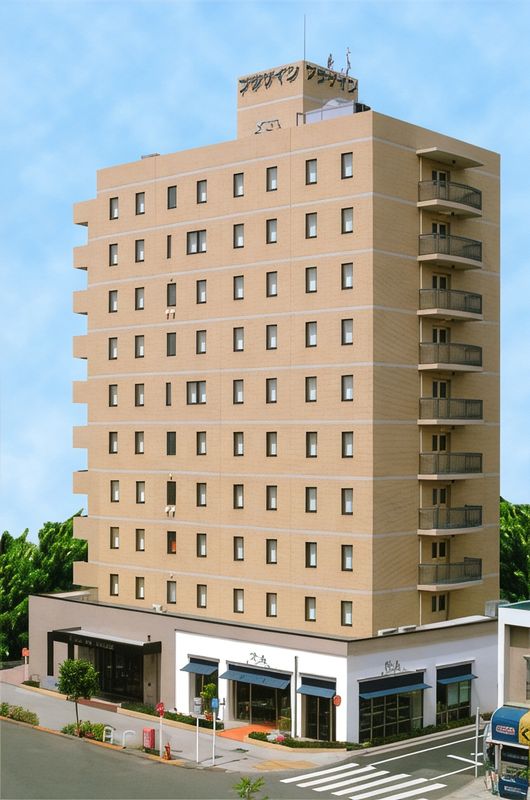
Plaza Inn Hamura

HOTEL LiVEMAX BUDGET Tokyo Hamura Ekimae

Hotel Thirty Miles

Tamagawa-en
Frequently Asked Questions about Traveling to Hamura
Questions You Might Need to Know About Traveling to Hamura
In Hachimori City, the top choice for families is Hachimori Onsen Ryokan, a traditional Japanese inn nestled near the Hachimori River and the Musashino Plateau. This eco-conscious ryokan offers spacious rooms with tatami mats, private onsen baths, and garden courtyards perfect for children. Families can enjoy local organic meals featuring Hachimori soba noodles and mountain vegetables. The property also hosts seasonal events like spring cherry blossom walks and child-friendly farm visits to nearby organic farms. Located just minutes from Hachimori Central Shopping Street and Hachimori Citizens' Forest Park, it blends comfort, culture, and nature—ideal for a peaceful, immersive stay away from Tokyo’s bustle.
Key highlights: Family suites, private hot spring, kid-friendly activities, local cuisine
For first-time visitors seeking peace and quiet, the central Hachimori District and Nan-hachimori area are ideal. These neighborhoods are close to Hachimori Station on the Seibu Shinjuku Line, offering easy access to Tokyo while remaining serene. The streets are lined with greenery, and residents enjoy low population density and minimal noise. Key attractions include Hachimori River Greenway, perfect for morning walks, and Kogawa-ura Green Space, a hidden oasis with ponds and native plants. The area also hosts cultural events like the Hachimori Cherry Blossom Festival and local craft markets. Stay at a traditional guesthouse or homestay to experience authentic rural life in western Tokyo’s overlooked gem.
Key highlights: Quiet neighborhoods, easy transit, green spaces, local festivals
Travelers in Hachimori City can immerse themselves in rich local traditions. Don’t miss the annual Hachimori Cherry Blossom Festival along the Hachimori River, featuring folk dances, traditional crafts, and regional dishes like mountain vegetable tempura. For a deeper connection, join a farm-to-table workshop at Hachimori Organic Farm, where you’ll plant Hachimori white radishes or harvest highland tea leaves. Visit Hachimori Shrine during its spring festival to witness ancient rituals and ceremonial dances. At night, try a kimono rental service and stroll through illuminated paths in Kogawa-ura Green Space, creating a dreamlike atmosphere. These experiences reflect Hachimori’s philosophy of living in harmony with nature.
Key highlights: Seasonal festivals, farm workshops, shrine rituals, night walks
Yes, Hachimori City is a photographer’s paradise. Head to the Northern Musashino Ridge Overlook, offering panoramic views of the Musashino Plateau and the winding Hachimori River—especially stunning during autumn foliage. Another must-photograph site is Hachimori Shrine’s vermilion torii gate surrounded by century-old cedar trees, ideal for misty morning shots. The Kogawa-ura Green Space features reed beds and mirror-like lake reflections, perfect for minimalist compositions. For urban-nature contrast, photograph the Seibu Shinjuku Line trains passing through rice fields at golden hour. All locations remain untouched by commercialization, preserving their raw beauty and authenticity.
Key highlights: Panoramic views, shrine lighting, water reflections, train landscapes
Tourists in Hachimori City must sample Hachimori soba noodles, made from locally grown buckwheat flour—known for their nutty flavor and firm texture. They’re served in a delicate kelp broth, making them refreshingly light. Another highlight is Hachimori white radish stew, a seasonal dish where the crisp, sweet radishes are simmered with tofu and miso, reflecting the region’s fertile soil. Don’t miss mountain vegetable tempura, featuring wild greens like ferns and fuki-no-tobo. For a full immersion, book a homestay dinner where chefs prepare multi-course meals using ingredients from nearby farms, including grilled fish, pickled vegetables, and seasonal wagashi sweets. Every bite tells a story of land and labor.
Key highlights: Local soba, white radish stew, mountain veggies, farm-to-table dining
Absolutely, Hachimori City is ideal for a relaxed road trip. Drive along the Hachimori River Road, a scenic route flanked by rice paddies, bamboo groves, and old wooden houses. Stop at Hachimori Citizens’ Forest Park for a short hike or picnic under the trees. Further north, visit the Northern Musashino Ridge Overlook for breathtaking sunset views across the plateau. If time allows, explore the historic townhouses along the Seibu Highway, showcasing Meiji-era architecture. Most sites offer free parking and are well-maintained. Best visited early morning or late afternoon to avoid traffic and capture soft natural light. A true escape into Tokyo’s quieter, greener side.
Key highlights: Scenic drives, forest parks, ridge views, historic lanes
Couples in Hachimori City can enjoy intimate, nature-infused moments. Book a private onsen suite at Hachimori Onsen Ryokan, where you can soak under open skies while listening to the gentle flow of the Hachimori River. In the morning, walk hand-in-hand through the Kogawa-ura Green Space as mist rises from the pond. For a magical evening, reserve a starlight dinner at a hillside farmhouse, complete with candlelit tables and local wine. Or ride the Seibu Shinjuku Line at dusk, watching the sun set behind rice fields as the train glides past. These quiet, meaningful experiences emphasize connection over extravagance—perfect for couples seeking soulful memories.
Key highlights: Private onsen, starlit dinners, river walks, twilight train rides
Hachimori City has a humid temperate climate with distinct seasons. Spring (March–May) brings mild temperatures and cherry blossoms—ideal for sightseeing, though occasional rain requires a compact umbrella. Summer (June–August) is warm and humid, with average highs of 28°C; visit early morning or head to riverside areas for relief. Autumn (September–November) is the best season—clear skies, cool breezes, and vibrant fall colors, perfect for hiking and photography. Winter (December–February) is cold but dry, with rare snowfall, making it ideal for cozy onsen stays. Overall, spring and autumn are optimal travel windows, offering stable weather and rich natural beauty with fewer crowds.
Key highlights: Four seasons, spring blooms, autumn foliage, winter warmth
Hachimori City excels in family-friendly outdoor learning. Visit Hachimori Citizens’ Forest Park, where kids can join guided nature trails, collect leaf specimens, and learn about local wildlife. The Hachimori Organic Farm Experience Camp lets children plant, water, and harvest white radishes or highland tea, gaining hands-on farming skills. The Hachimori River shallow zones are safe for supervised wading and sand play. Weekends feature kids’ craft markets, where children make handmade fans or clay pottery. All activities emphasize environmental awareness and creativity, turning exploration into joyful education. Perfect for parents wanting enriching, non-screen-based fun.
Key highlights: Nature trails, farm visits, safe water play, creative workshops
The most efficient way to reach Hachimori City from central Tokyo is via the Seibu Shinjuku Line, which runs directly from Shinjuku Station to Hachimori Station in under 50 minutes—no transfers needed. The train is punctual, comfortable, and luggage-friendly. For drivers, take the Central Circular Expressway to the Seibu National Route, then follow signs to Hachimori. Buses also connect Hachimori Station to major attractions like Hachimori Forest Park and Hachimori Shrine, costing less than ¥500. Avoid rush hours (7:30–9:00 AM, 6:00–8:00 PM) for a smoother journey. Whether by rail or car, arriving in Hachimori feels like stepping into a tranquil countryside retreat.
Key highlights: Direct train, fast commute, car access, affordable buses