Hotels in Hanamaki
Discover your perfect stay in Hanamaki.
Hanamaki(Japan) Travel 2026: Cheap Flights, Hotels & Top Attractions
Popular Landmarks in Hanamaki
Discover the most iconic attractions in Hanamaki
Recommended Hotels in Hanamaki
Find the perfect place to stay in Hanamaki
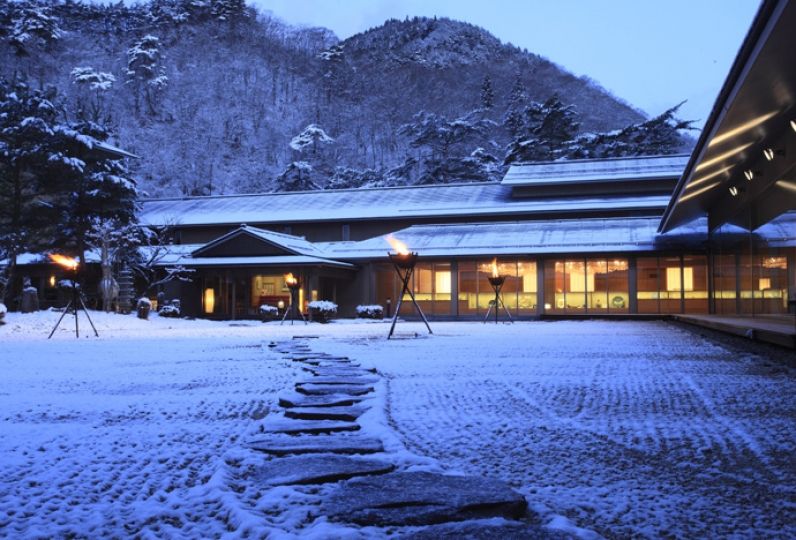
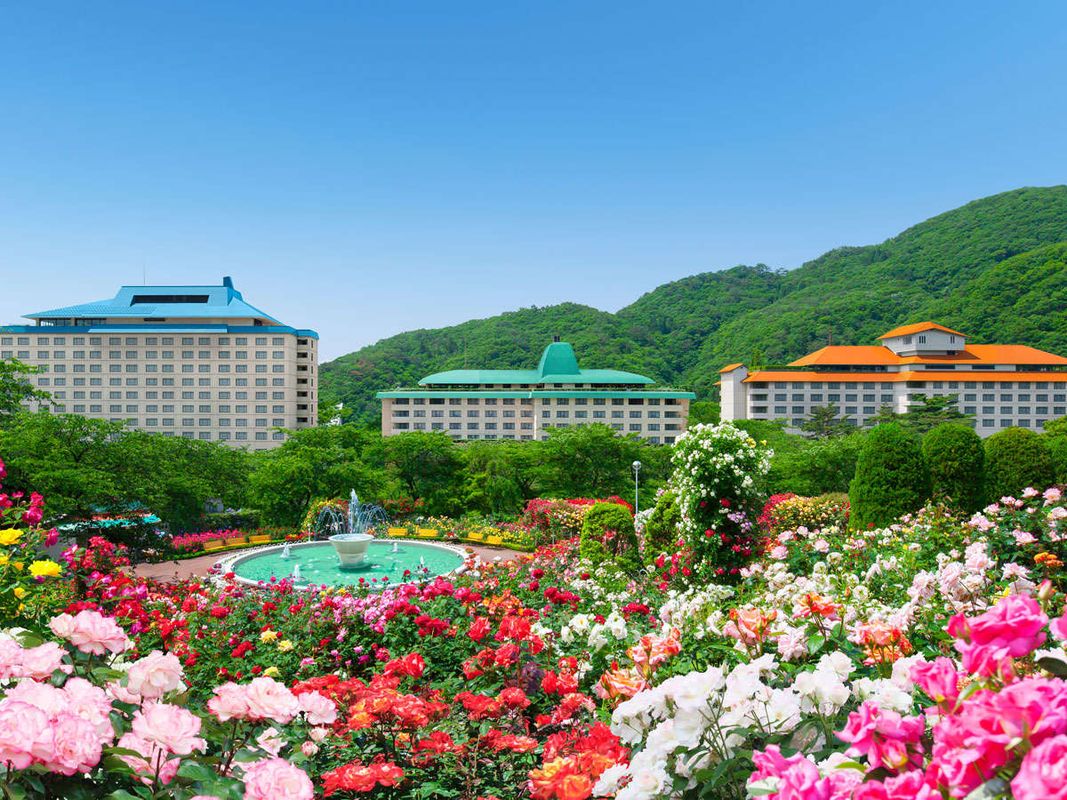
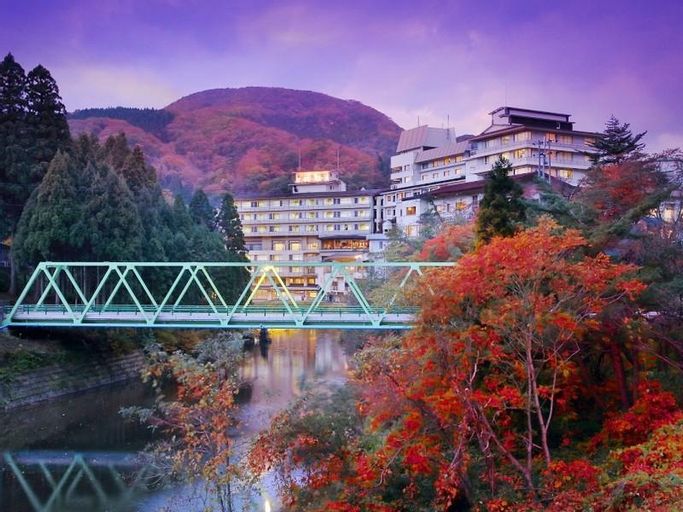
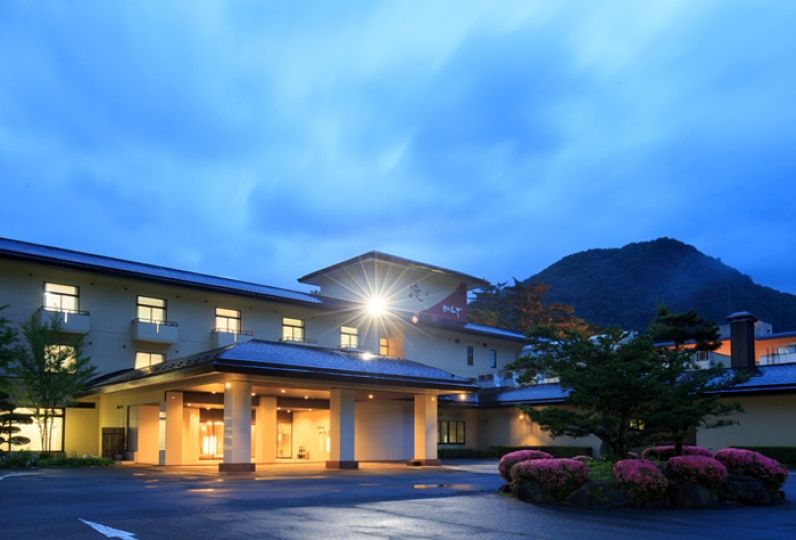
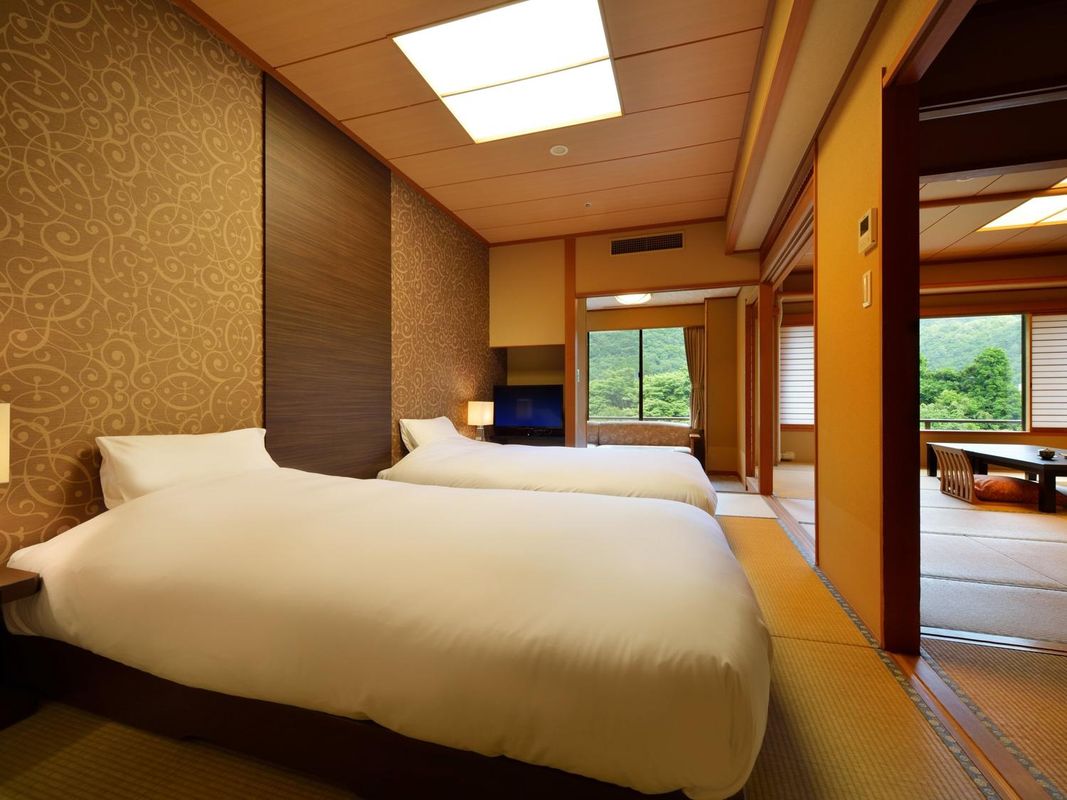
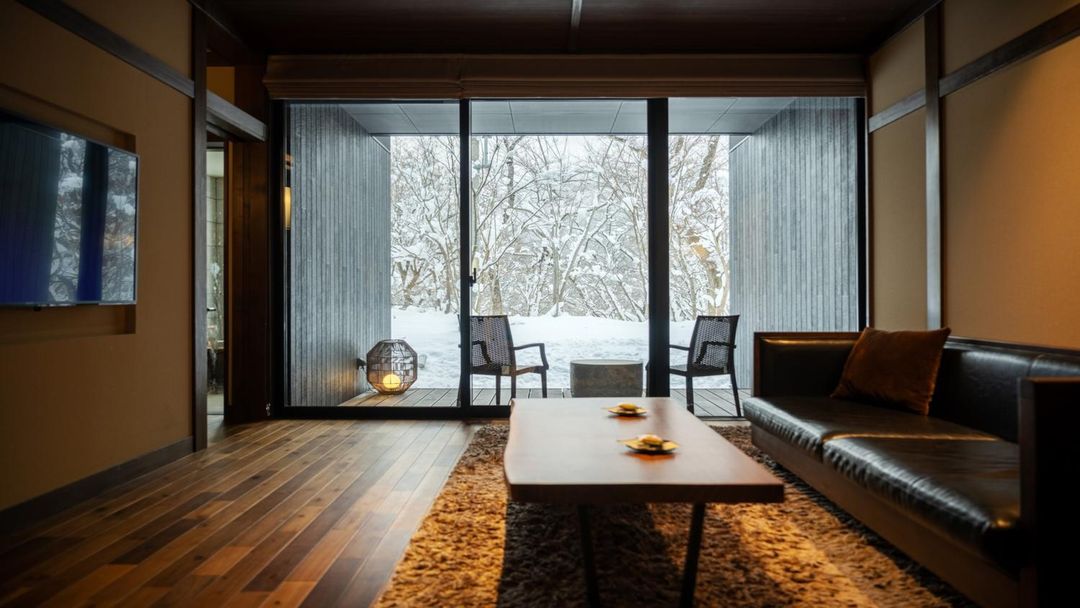
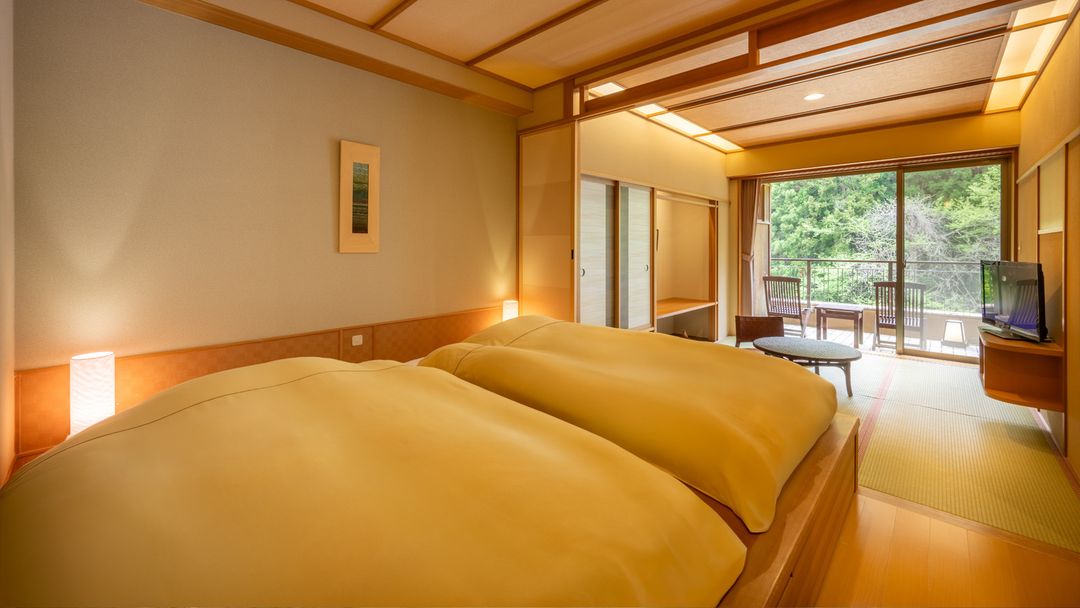

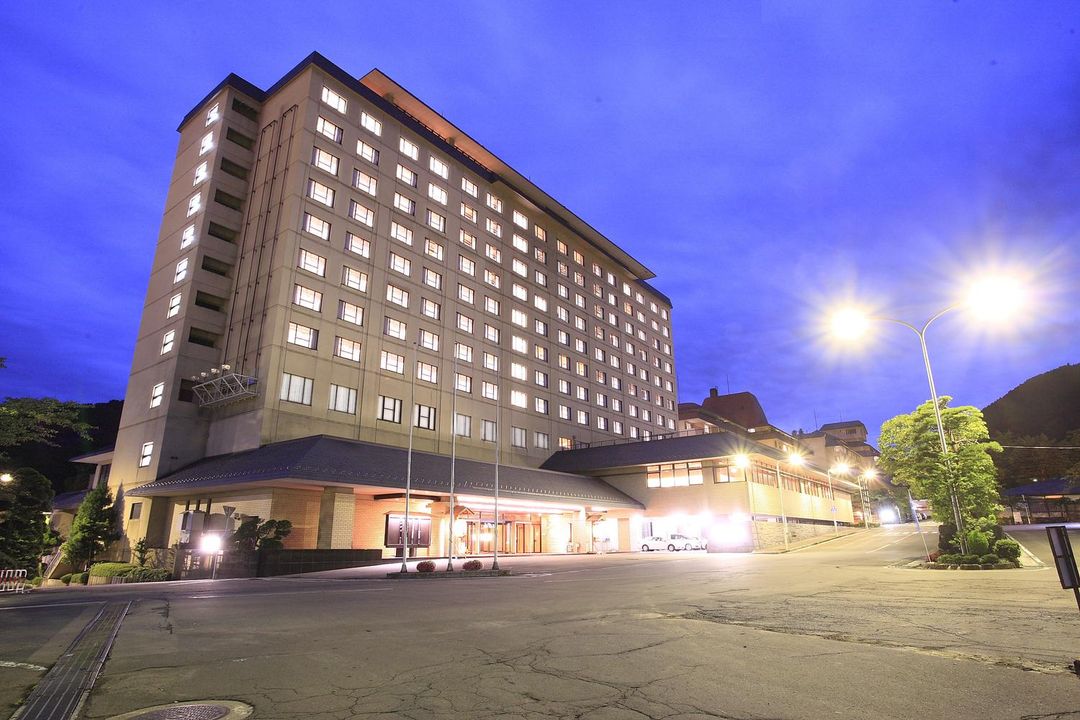
Best Hotels in Hanamaki
Discover curated hotel collections in Hanamaki
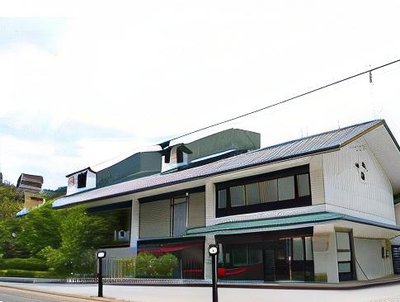
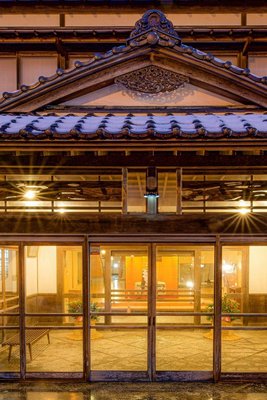



Frequently Asked Questions about Traveling to Hanamaki
Questions You Might Need to Know About Traveling to Hanamaki
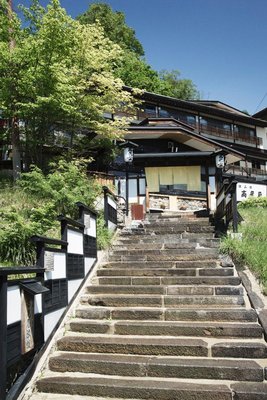
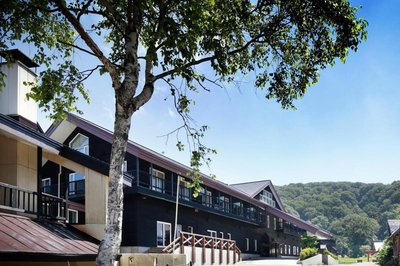
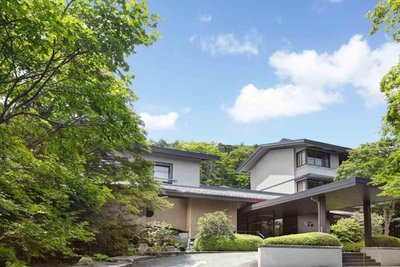
In Hanamaki City, the standout choice is Hanamaki Onsen Ryokan, a traditional Japanese inn offering private open-air baths with views of the Hanamaki River and surrounding mountains. Its natural hot spring water, rich in minerals, is renowned for soothing skin and relieving fatigue. Guests enjoy authentic kaiseki dinner and complimentary futon bedding. The inn also provides access to the nearby Hanamaki Onsen Street, where multiple bathhouses offer diverse bathing experiences. A true immersion in local wellness culture.
The city center around Hanamaki Station is ideal for lodging, offering excellent connectivity and proximity to key attractions. It’s just a 10-minute walk from Hanamaki River Park and near cultural spots like the Iwate Prefectural Museum and Hanamaki Civic Hall. The area boasts a wide range of dining options, including local specialties such as Hanamaki beef tongue and miso ramen, making it perfect for travelers seeking convenience, charm, and authentic regional flavor.
Visitors should not miss the Hanamaki Traditional Performing Arts Festival, held annually in autumn at the Hanamaki Civic Hall, showcasing local taiko drumming and dance performances. Another highlight is the Washi Paper Workshop, where guests craft handmade paper souvenirs using traditional Japanese washi techniques. During spring, the Hanamaki Cherry Blossom Festival transforms the riverbanks into a pink paradise under illuminated trees—perfect for photography and evening strolls.
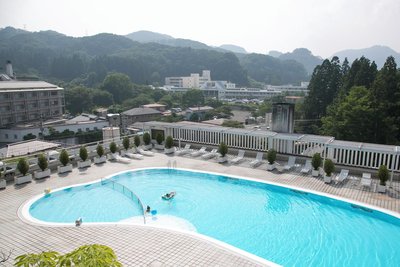
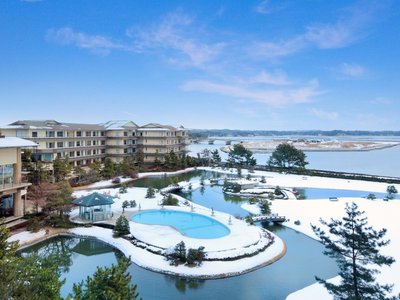
Yes, Hanamaki Shiki Hotel is a top-rated family-friendly option featuring a children’s playroom, family-sized pools, and themed guest rooms. Located just 15 minutes from Hanamaki Zoo, home to snow monkeys and red pandas, it offers guided tours and kid-friendly activities like mochi-making workshops. Daily programs include visits to Hanamaki Castle Ruins, blending fun and education. Ideal for creating lasting memories with children.
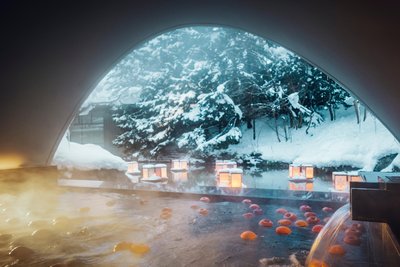
Hanamaki City’s hot springs are known for their high-sulfur content, with clear, slightly yellowish water that promotes skin health and relieves muscle soreness. The Hanamaki Onsen Area hosts over 30 bathhouses, many drawing water from deep underground wells to preserve purity. Some facilities feature cave baths (dōtaku furo), where guests soak surrounded by rock formations and ambient nature sounds. Locals often practice the tradition of "three baths a day," reflecting a deep-rooted wellness lifestyle.
Must-try dishes include Hanamaki beef tongue, grilled slowly over charcoal until tender and glazed with a savory sauce. Another highlight is Iwate miso ramen, featuring a rich broth made with locally fermented miso, topped with chashu and a soft-boiled egg. In winter, sample Hanamaki Onsen Hot Pot, combining fresh local ingredients like tofu and root vegetables cooked in mineral-rich spring water. Don’t miss Hanamaki Machiya Dining, which serves complete kaiseki-style meals with pickled vegetables, dried fish, and rice.
Capture stunning shots at Hanamaki River Sunset, where golden light reflects off the water and the Hanamaki Bridge silhouettes against the sky. The Hanamaki Castle Ruins Park blends ancient stone walls with cherry blossoms or autumn foliage—ideal for historical and seasonal photography. For street scenes, visit Hanamaki Morning Market, bustling with vendors selling fresh seafood and handmade snacks. At night, the Onsen Street Lantern Alley glows warmly, offering dreamy compositions with wooden lattice windows and cobblestone paths.
Hanamaki City is highly accessible via JR Tōhoku Main Line, with Hanamaki Station connecting directly to Morioka, Sendai, and Tokyo. Local Hanamaki Tourist Buses cover major sights like Hanamaki Onsen, Hanamaki Castle, and the Iwate Prefectural Museum. For those driving, the Tōhoku Expressway is nearby, linking to Kitakami and Ōminato. The city has well-maintained roads, ample parking, and reliable taxi services, making travel convenient for independent explorers.
The Hanamaki Spring Festival in April features vibrant mikoshi parades, taiko drumming, and colorful float processions. In autumn, the Hanamaki Onsen Festival celebrates thermal culture with free bath experiences and onsen blessing ceremonies. During summer, the Hanamaki Fireworks Festival lights up the Hanamaki River, synchronized with music and lights—perfect for couples and families. These events reflect community spirit and regional pride.
Hanamaki City boasts scenic beauty along the Hanamaki River, ideal for kayaking and birdwatching—home to white egrets and seasonal migratory birds. The Hanamaki Mountain Trail System offers hiking routes with panoramic views of the city and the Ou Mountains. In winter, Hanamaki Ski Resort provides intermediate to advanced slopes with modern lifts and rental equipment. The Hanamaki Wetland Park is a vital stopover for migratory birds, equipped with observation decks and educational signage—perfect for nature lovers and quiet reflection.
Hanamaki Overview
City Summary
Located in central Iwate Prefecture, Hanamaki City is renowned for its abundant hot springs and natural beauty. As the hometown of famous writer Kenji Miyazawa, the city brims with literary and artistic ambiance. Hot spring retreats, literary pilgrimages, and four-season landscapes form its core appeal, ideal for travelers seeking cultural depth and relaxation.
Must-See Attractions
Must-visit sites include the Kenji Miyazawa Memorial Museum delving into this literary giant's life. The Hanamaki Hot Spring District features historic ryokans like Fujisan Ryokan. Visit Hanamaki Apple Orchards for fruit-picking in autumn, or hike Mt. Hayachine for breathtaking alpine views.
Food Guide
The region's apple production inspires creative dishes like apple curry. Don't miss Wanko Soba, where servers continually refill small noodle bowls - a unique Iwate tradition. Nanbu Senbei crackers and reimen cold noodles pair perfectly with local sake.
Transportation Guide
Take the Shinkansen from Tokyo to Shin-Hanamaki Station (2.5 hours). Local transport relies on buses and taxis. Hanamaki Airport connects to Osaka domestically. The "Hanamaki Onsen Pass" offers unlimited tourist bus rides. Winter drivers should monitor mountain road conditions.
Best Time to Visit
Prime visiting months are September-November for mild weather and fall foliage. December-February offers snowy hot spring escapes with fewer crowds. Book early for cherry blossom season (April) and Golden Week (May).
Travel Tips
- Thoroughly wash before entering onsens - check tattoo policies\n2. Stack empty bowls to decline more Wanko Soba\n3. Pack layers for unpredictable mountain weather\n4. Carry cash as many eateries don't accept cards\n5. Remove shoes in traditional inn entrances\n6. Maintain quiet voices in public spaces\n7. Follow strict garbage sorting schedules
Useful Information
English signage is limited - use translation apps. Free WiFi covers major stations/hot spring areas but weakens in mountains. Credit cards work at large businesses but cash prevails elsewhere. Dial 110 for police or 119 for emergencies. Hanamaki City Hospital provides 24/7 ER services. Electrical outlets use 100V with two flat pins.









