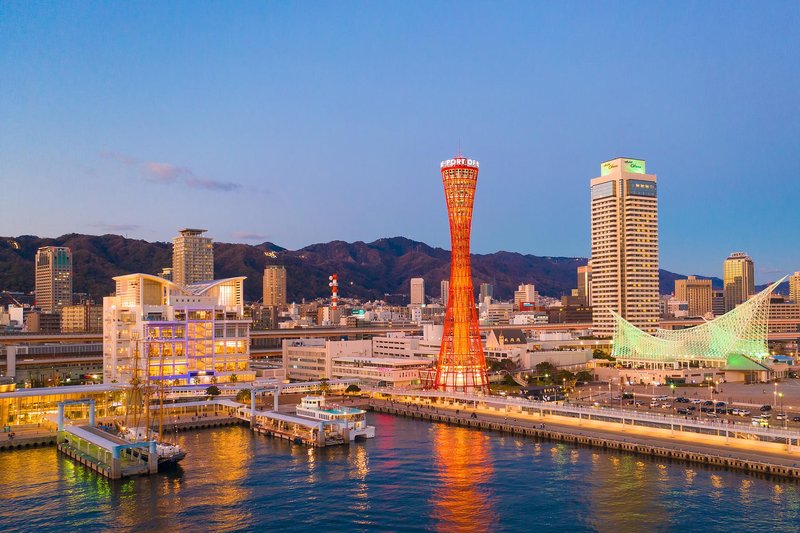
Hotels in Hanawa
Discover your perfect stay in Hanawa.
Hanawa(Japan) Travel 2026: Cheap Flights, Hotels & Top Attractions
Popular Landmarks in Hanawa
Discover the most iconic attractions in Hanawa
Recommended Hotels in Hanawa
Find the perfect place to stay in Hanawa
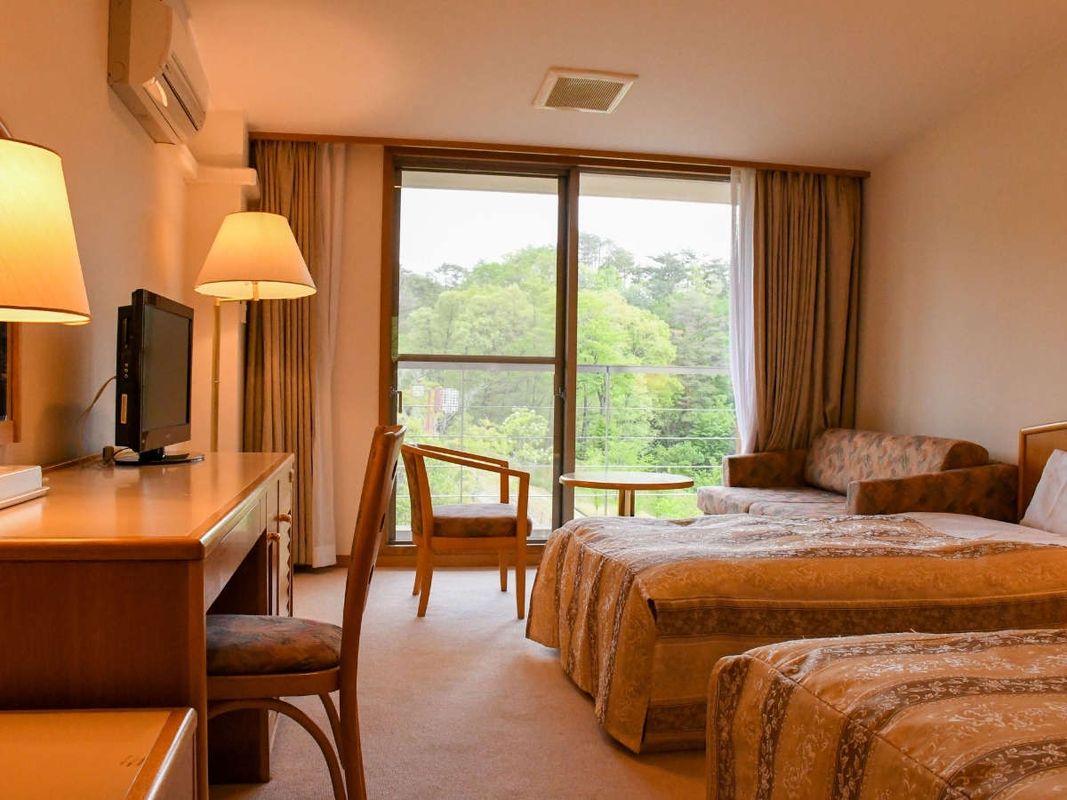
Kenkairo, at Yuyu Land Hanawa
Best Hotels in Hanawa
Discover curated hotel collections in Hanawa
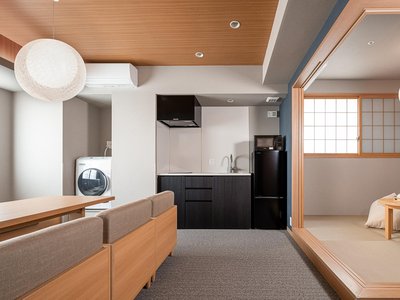
MIMARU SUITES Tokyo Asakusa
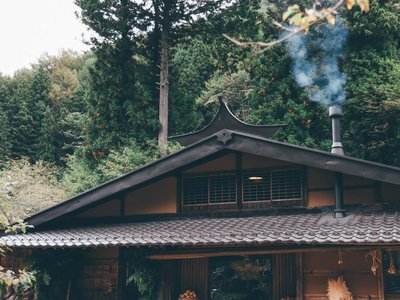
La Terra Resort

karaksa hotel colors Tokyo Yaesu
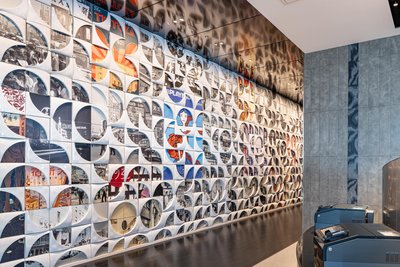
HOTEL GROOVE SHINJUKU, A PARKROYAL Hotel

EN Resort Grandeco Hotel
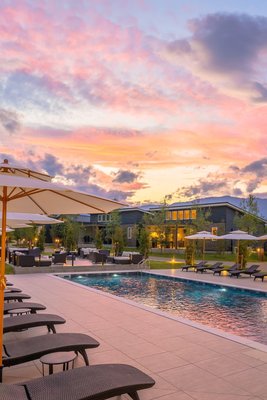
Awaumi Fujikawaguchiko Resort
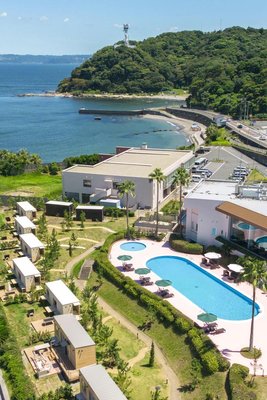
La vista Yokosuka Kannonzaki Terrace
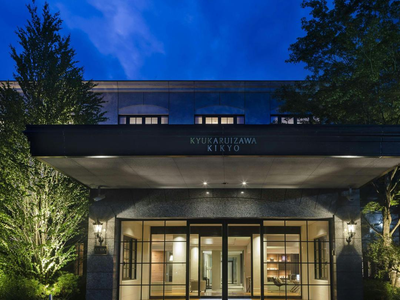
Fufu Karuizawa Wind of Sunshine
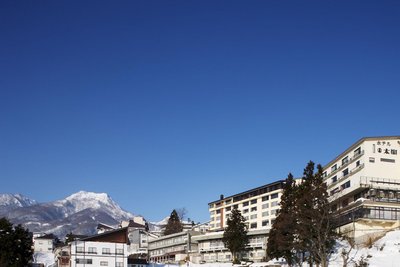
Hotel Taiko, Akakura Onsen
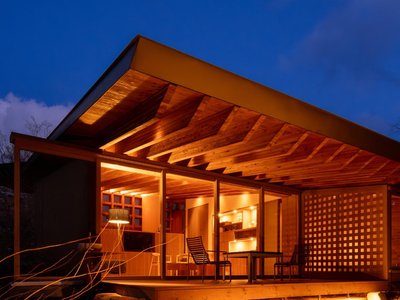
Nasu Mukunone
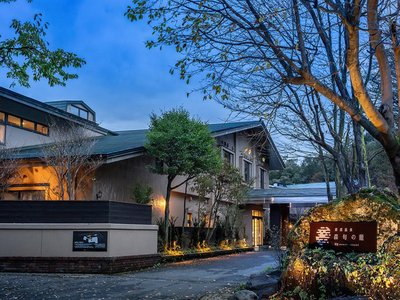
Nasu Onsen Shinshun no Kago Hewitt Resort

Scapes the Suite
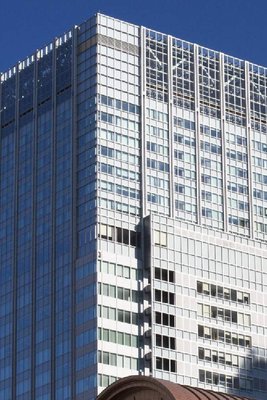
Hotel Metropolitan Tokyo Marunouchi
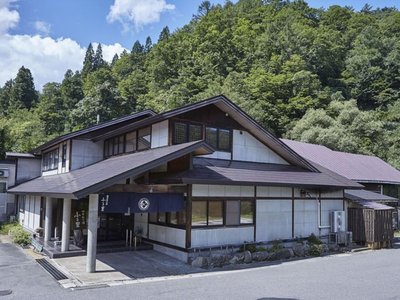
Fulsato
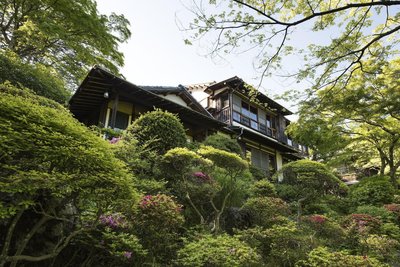
Gora Kansuiro
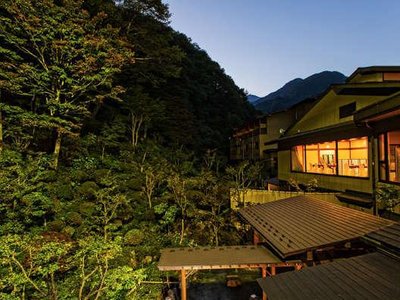
Futari Shizuka
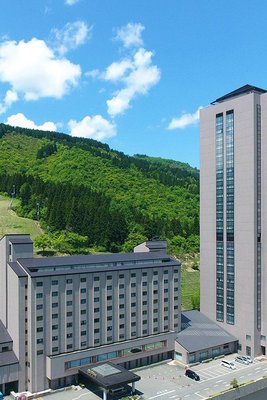
Naspa New Otani
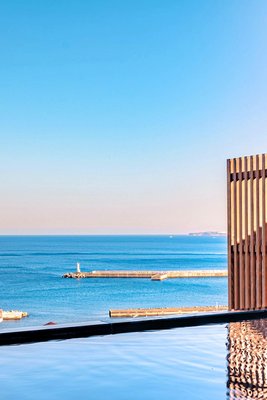
HOTEL KANICHI
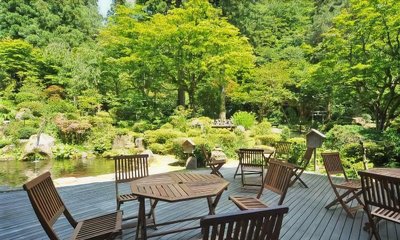
Choseikan
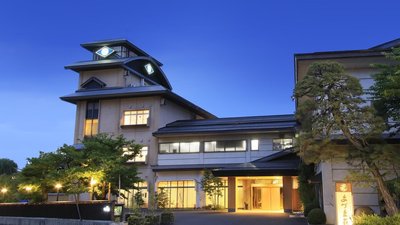
Shouhakutei Azumaso
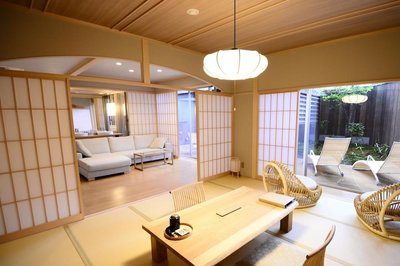
Hakone Gora Byakudan
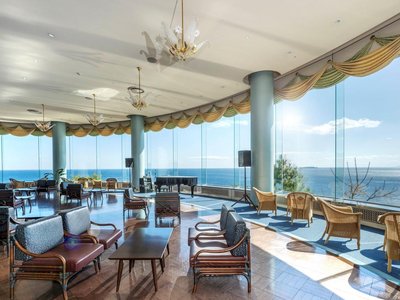
Hotel New Akao
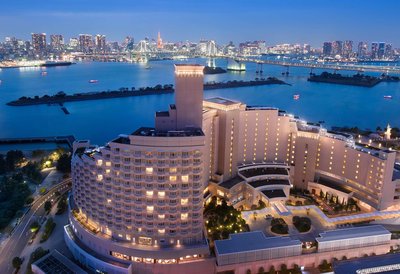
Hilton Tokyo Odaiba
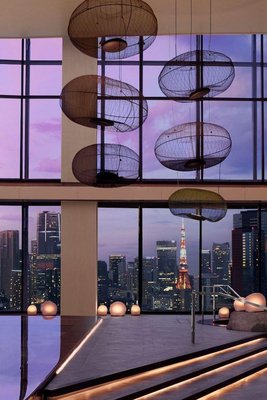
JW Marriott Hotel Tokyo
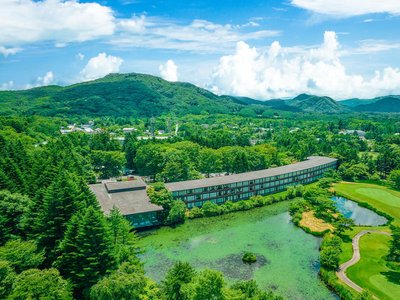
The Prince Karuizawa
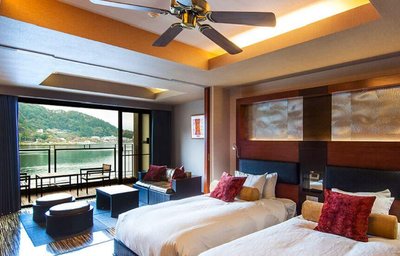
The Kukuna
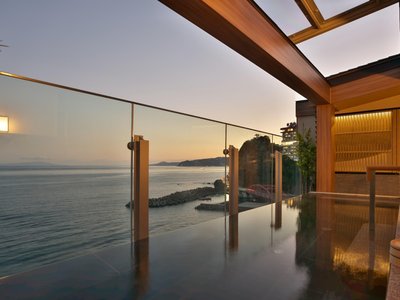
Hotel New Sagamiya
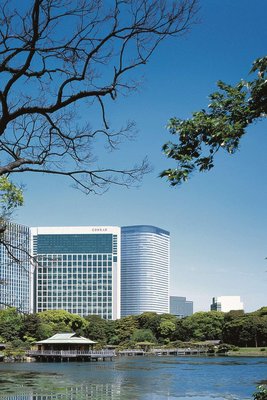
Conrad Tokyo
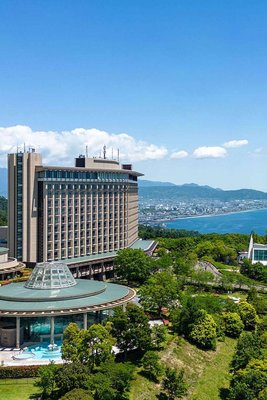
Hilton Odawara Resort & Spa
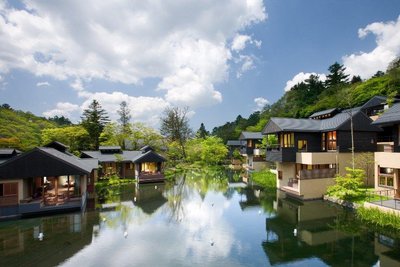
Hoshinoya Karuizawa
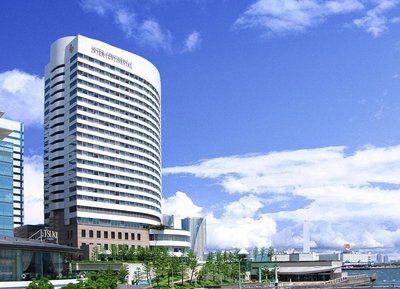
InterContinental Tokyo Bay
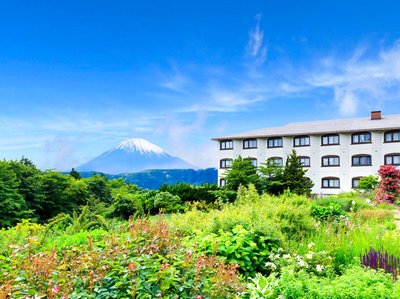
Hotel Green Plaza Hakone
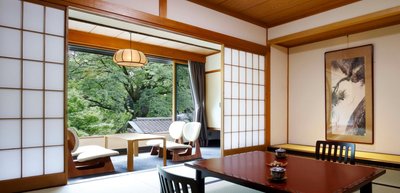
Yoshiike Ryokan
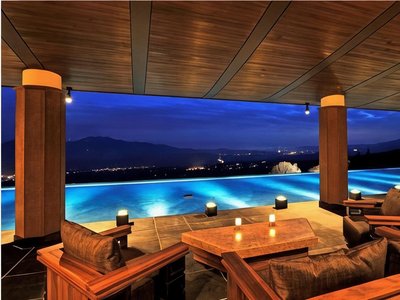
Akakura Kanko Hotel
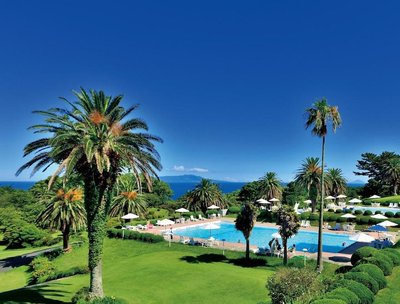
Kawana Hotel
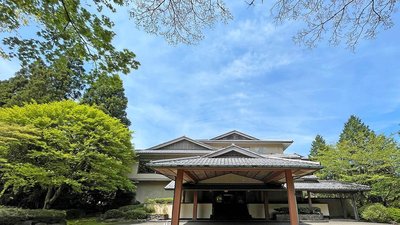
Ryuguden
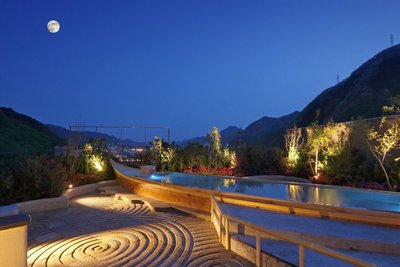
Asaya
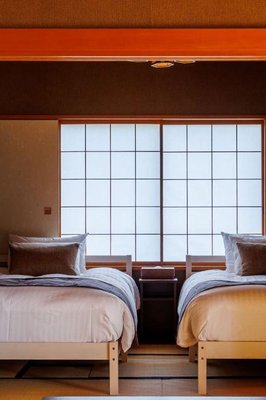
Sado Resort Hotel Azuma
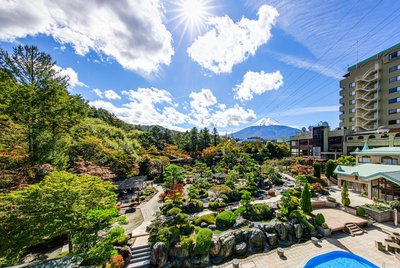
Kaneyamaen
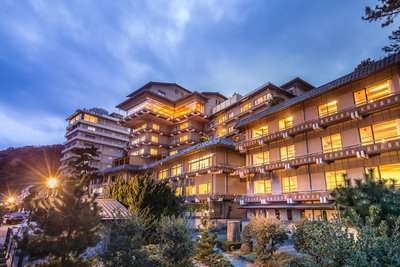
Bousui
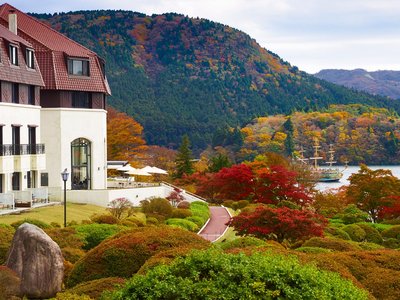
Hotakajyo
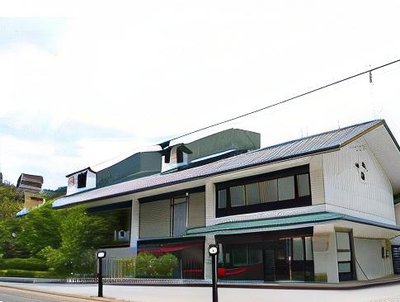
Auberge Suzukane

Onyado Nono Asakusa Bettei Hot Spring
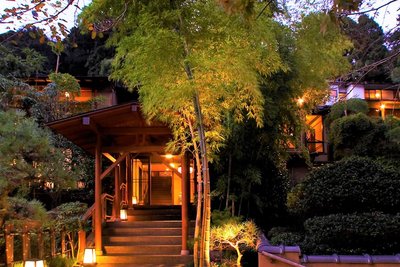
Shiki wo Ajiwau Yado Yamano Chaya
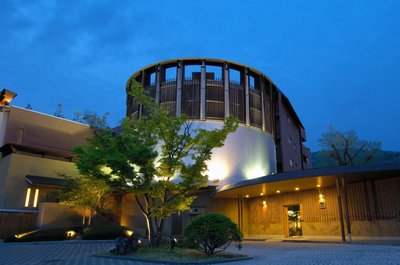
Hoshino Resorts Kai Matsumoto
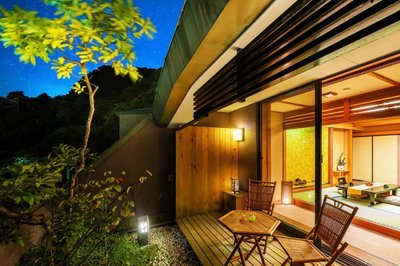
Konjakutei
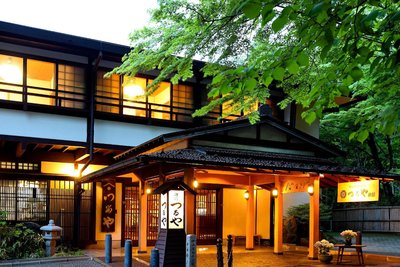
Tsuruya Ryokan
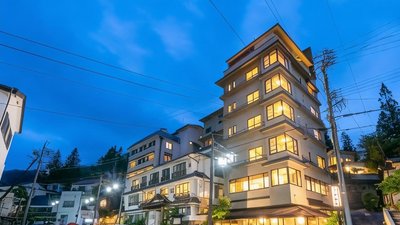
Nakamatsuya Ryokan
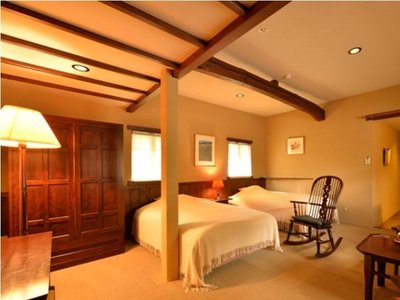
Ryokan Sugimoto
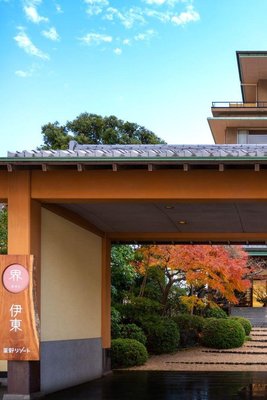
Hoshino Resorts Kai Ito
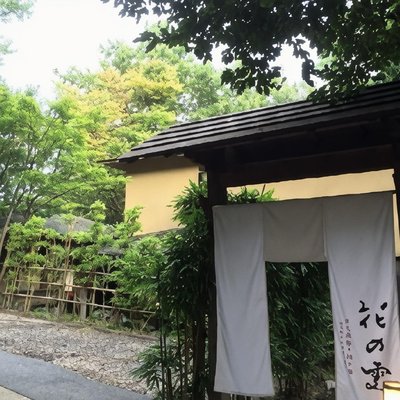
Hana No Kumo
Yoshiike Ryokan
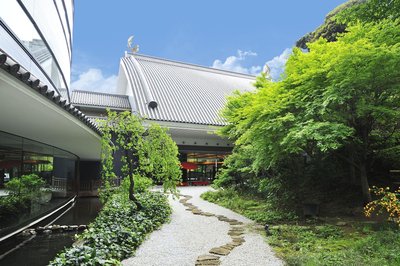
Hotel Gajoen Tokyo
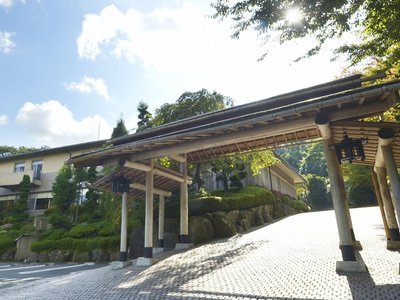
Gora Hanaougi
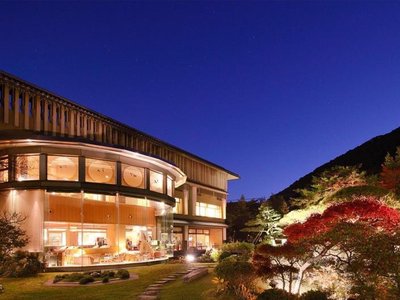
Shikisai Ichiriki
Sado Resort Hotel Azuma
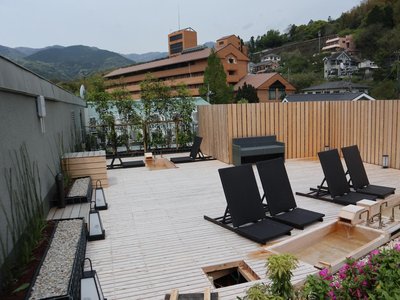
Fukiya Ryokan
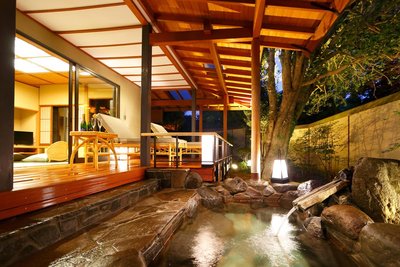
Yoshiharu Ryokan – Izu Nagaoka Onsen
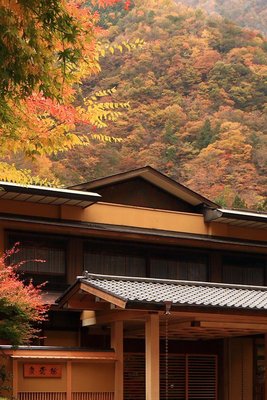
Nishiyama Onsen Keiunkan
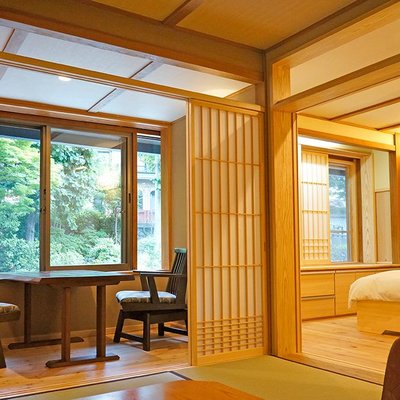
Sumiyosiya Ryokan
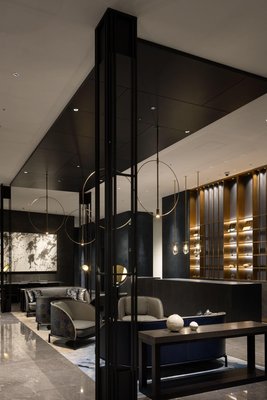
Bellustar Tokyo, A Pan Pacific Hotel
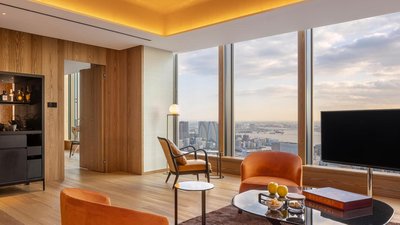
Bvlgari Hotel Tokyo
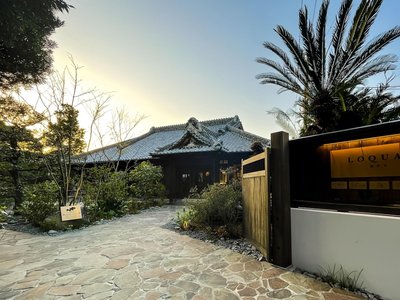
Loquat Nishiizu
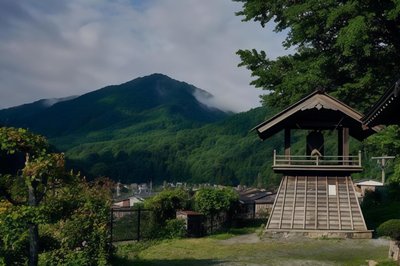
Byaku Narai
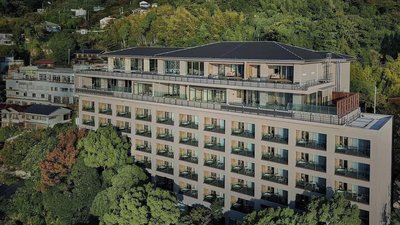
Atami Izusan Karaku
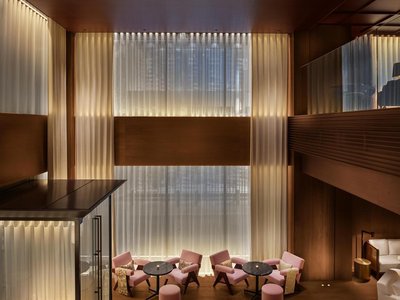
The Tokyo Edition, Ginza
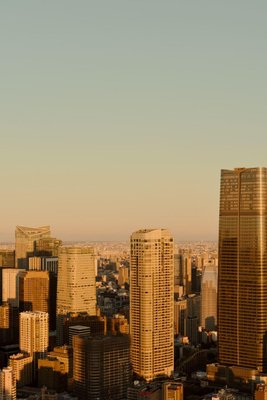
Janu Tokyo
JW Marriott Hotel Tokyo
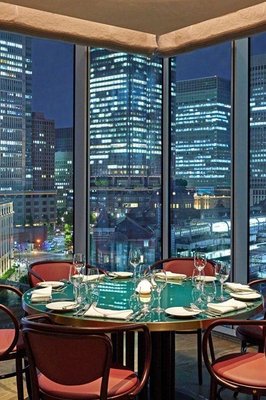
Four Seasons Hotel Tokyo at Marunouchi

Mandarin Oriental, Tokyo
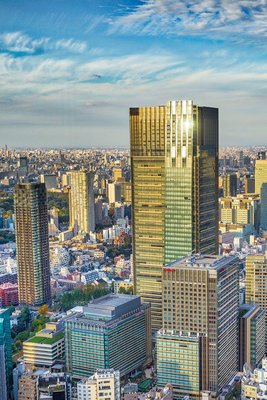
The Ritz-Carlton, Tokyo
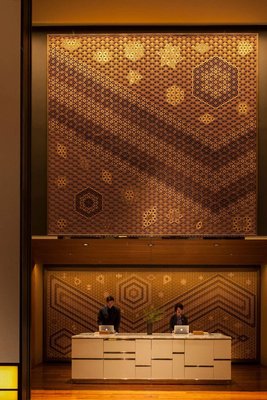
Andaz Tokyo Toranomon Hills- A Concept by Hyatt
Hoshinoya Karuizawa
Hotel Gajoen Tokyo
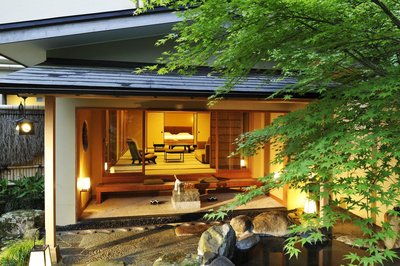
Gora Kadan
Gora Hanaougi
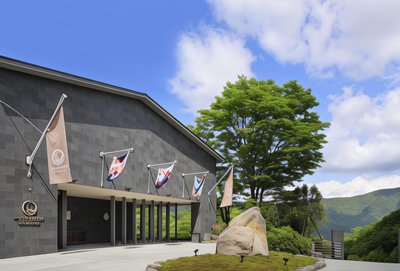
The Hiramatsu Hotels & Resorts Sengokuhara Hakone
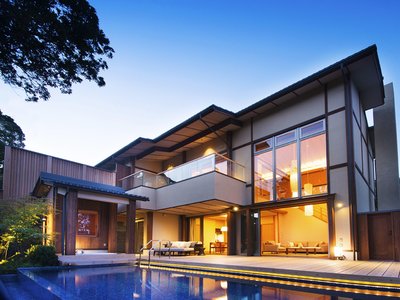
Abba Resorts Izu - Zagyosoh
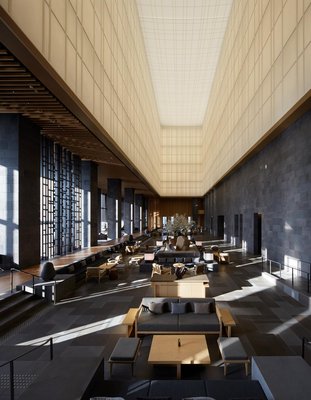
Aman Tokyo
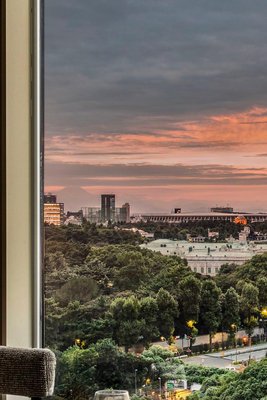
Hotel New Otani Tokyo, Executive House Zen
Hakone Gora Byakudan
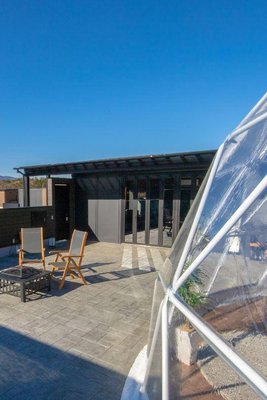
Panoramic Mt. Fuji Views from All Rooms – Vision Glamping Resort & Spa Yamanakako
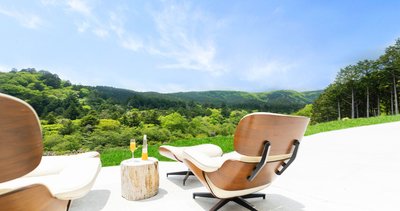
Shelter Garden Nikko
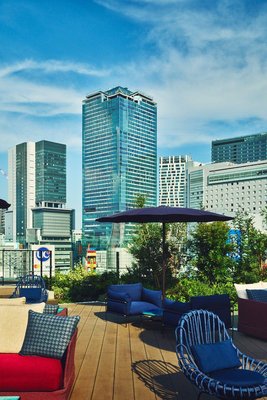
Hotel Indigo Tokyo Shibuya
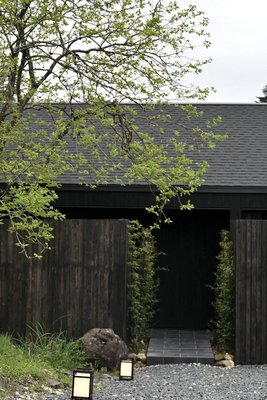
THE LAKOTAN
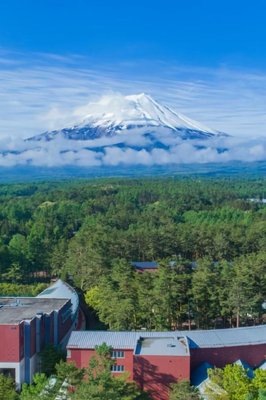
Forest Village (Fuji Premium Resort)
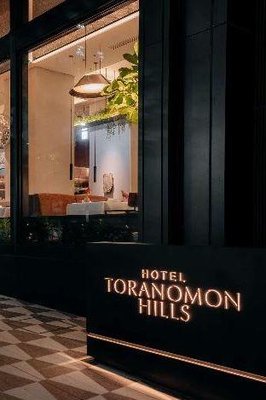
Hotel Toranomon Hills
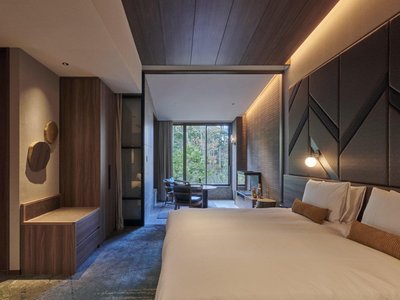
Fufu Kyu-Karuizawa Restful Forest
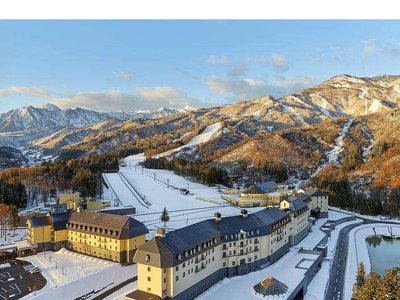
Lotte Arai Resort
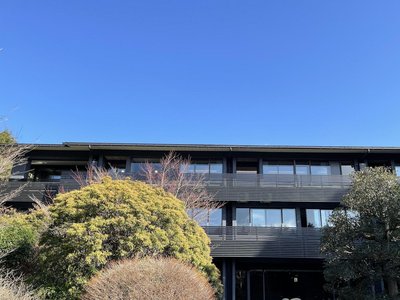
Sengokubara Cocon
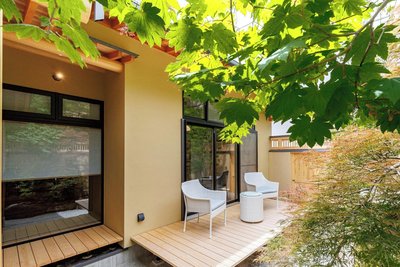
Shoraiso
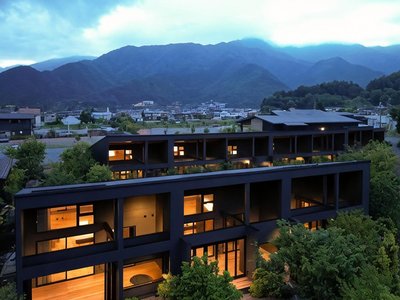
7C Villa and Winery
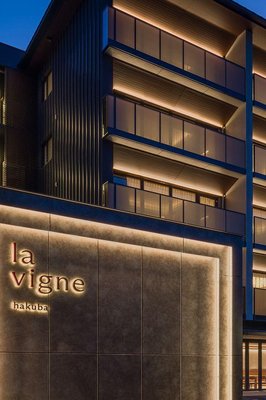
Hotel la Vigne Hakuba by Onko Chishin
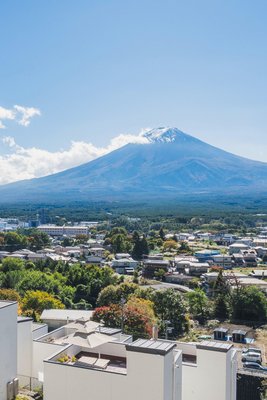
THE TOKI FujiKawaguchiko
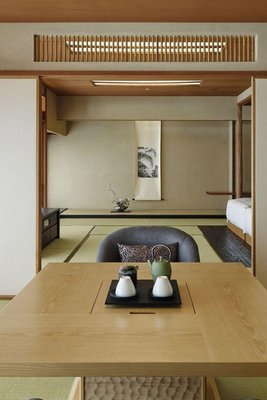
Takanawa Hanakohro (in Grand Prince Hotel Takanawa)
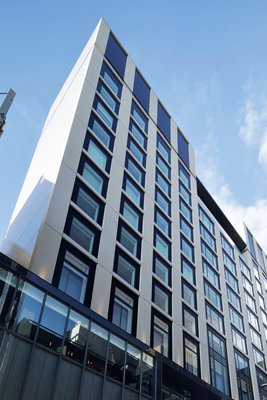
Hyatt Centric Ginza Tokyo
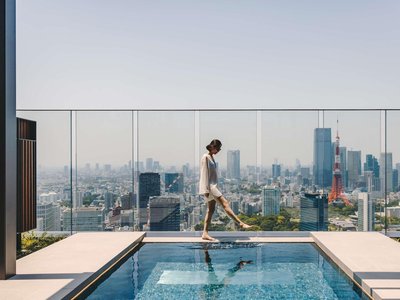
Fairmont Tokyo
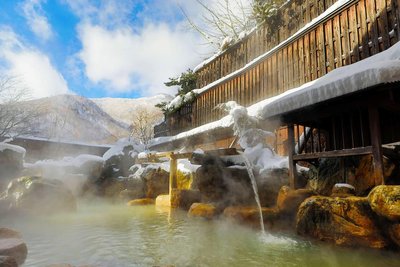
Miyamaouanbekkan yumegurinoyado hirayukan
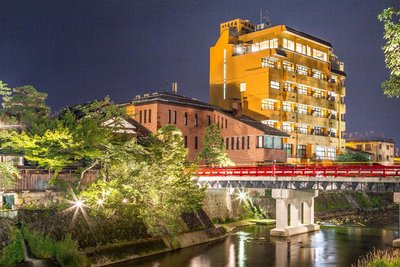
HONJIN HIRANOYA BEKKAN
The Prince Karuizawa
Bvlgari Hotel Tokyo
Four Seasons Hotel Tokyo at Marunouchi
Mandarin Oriental, Tokyo
The Ritz-Carlton, Tokyo
Andaz Tokyo Toranomon Hills- A Concept by Hyatt
Gora Kadan

Hotel New Otani Tokyo the Main
Aman Tokyo
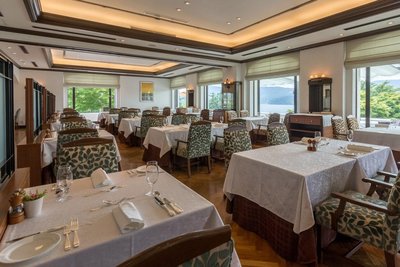
Odakyu Hotel de Yama
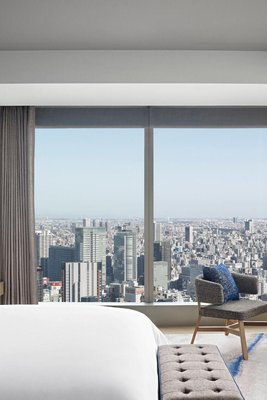
Four Seasons Hotel Tokyo at Otemachi
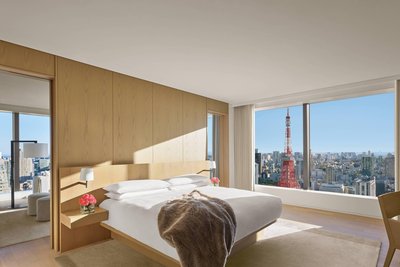
The Tokyo Edition, Toranomon
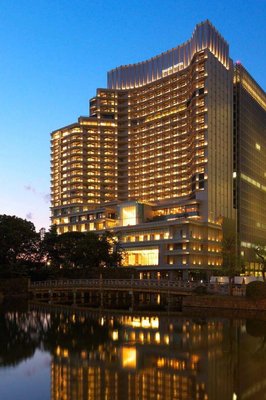
Palace Hotel Tokyo
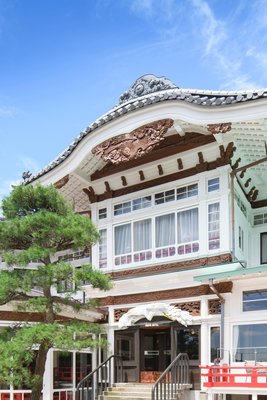
Fujiya Hotel
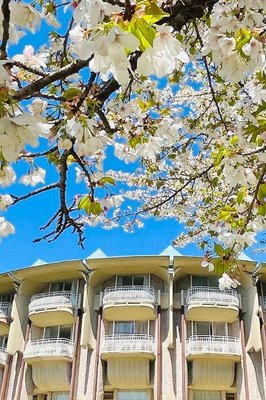
The Prince Hakone Lake Ashinoko
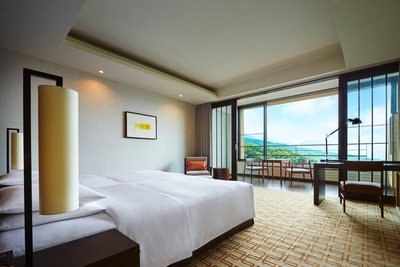
Hyatt Regency Hakone Resort and Spa
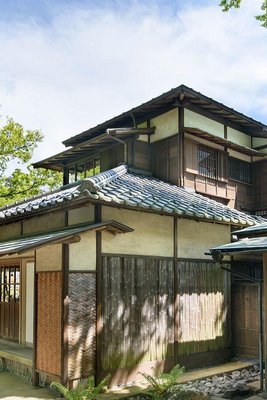
Hakone Suishoen
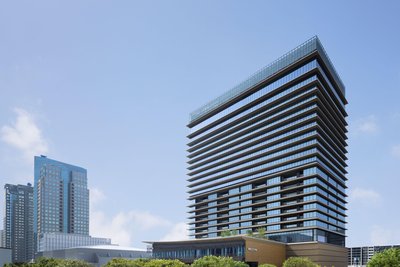
The Westin Yokohama
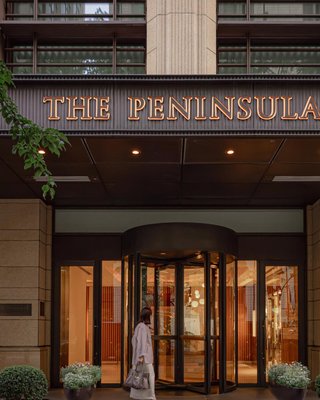
The Peninsula Tokyo

Imperial Hotel, Tokyo
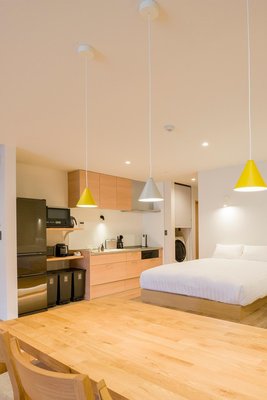
Rakuten STAY VILLA Nasu
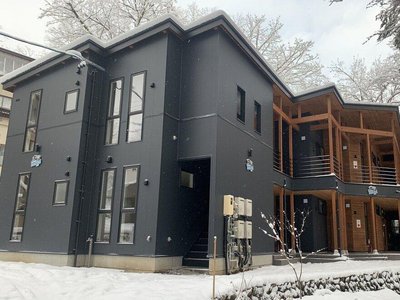
Hakuba Gondola Apartments
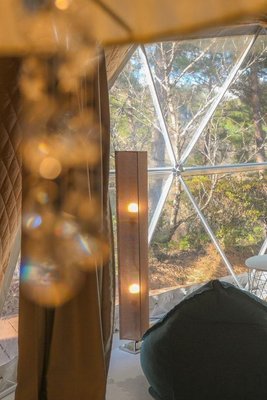
glampark Gekkabijin Nagano
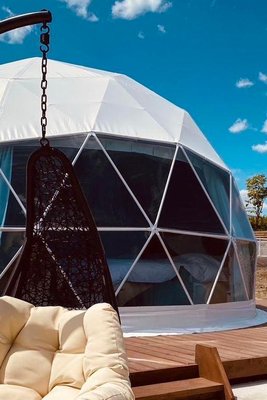
chillout glamping zao
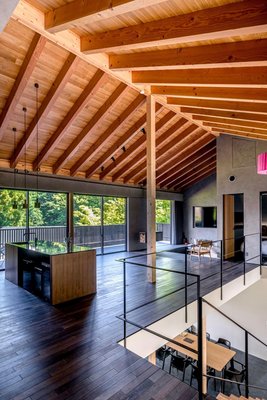
MONS GORA
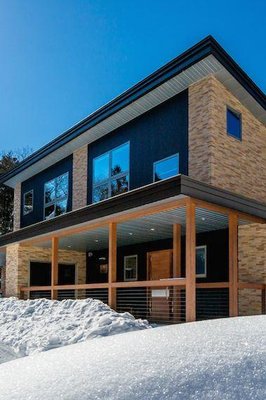
Phoenix Chalets by Hhg
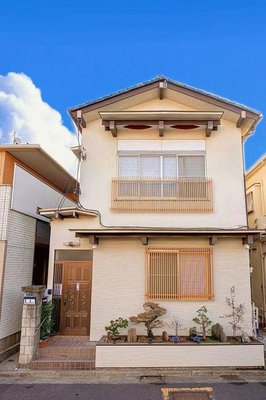
Tokyo Star House-Shinkoiwa
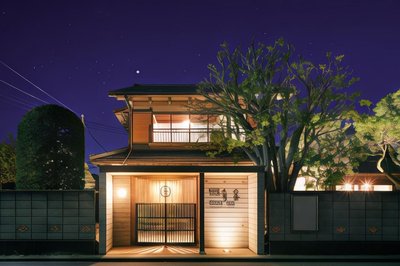
Machi-Jyu
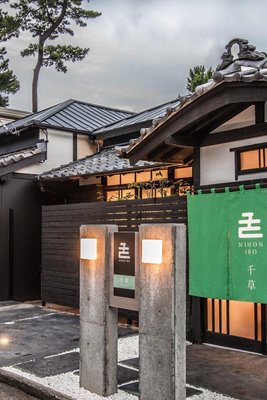
Nihon Iro
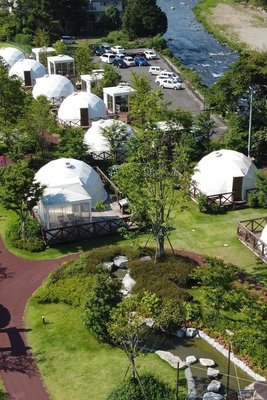
Ufufu Village
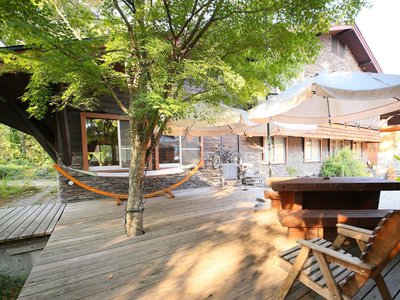
Kunugi Relaxation with 4 Modern Rooms
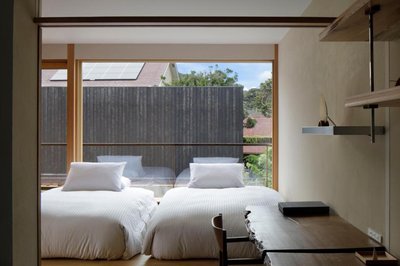
Modern Ryokan Kishi-ke

The Flow Kamakura
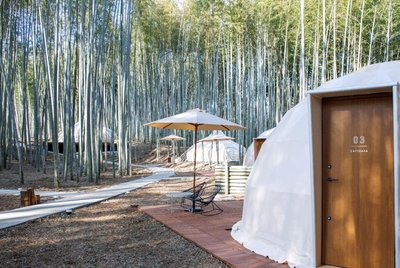
THE BAMBOO FOREST
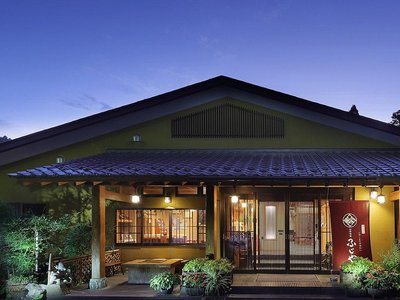
Shikimitei Fujiya
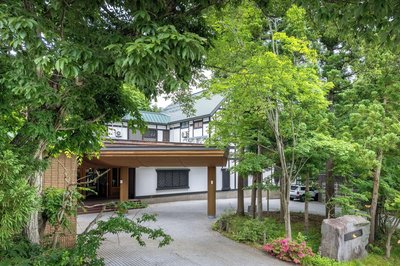
Forest Resort Yamanote Hotel
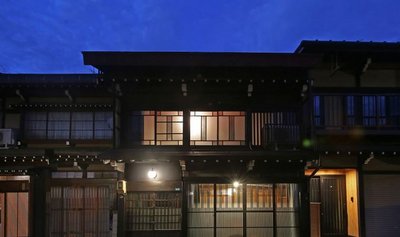
Iori Stay Hida

Hotel Barrière Fouquet's New York
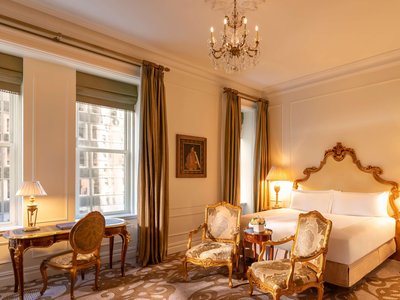
The Plaza - A Fairmont Managed Hotel
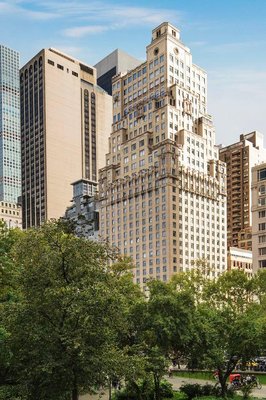
The Ritz-Carlton New York, Central Park
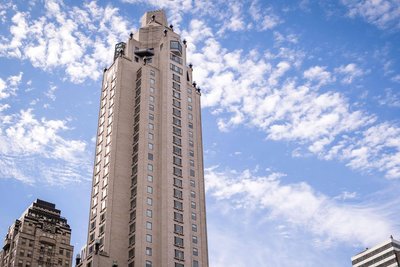
Four Seasons Hotel New York
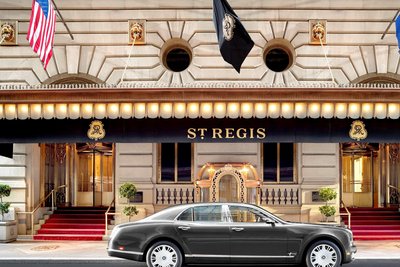
The St. Regis New York
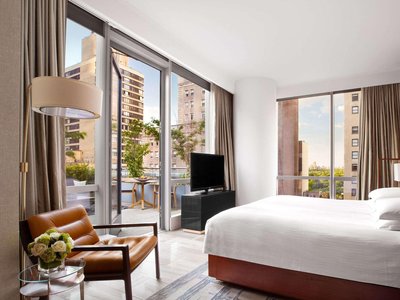
Park Hyatt New York
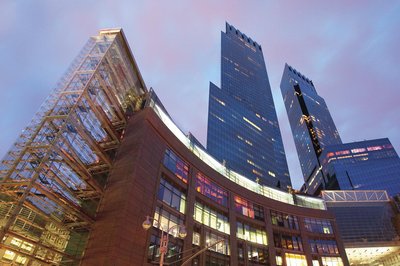
Mandarin Oriental New York

Times Square Edition New York

Loews Regency New York Hotel
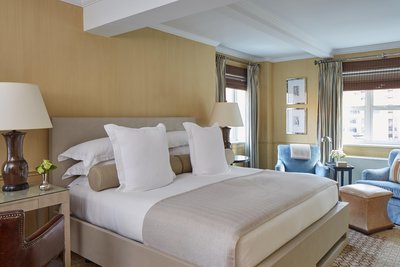
Lowell Hotel
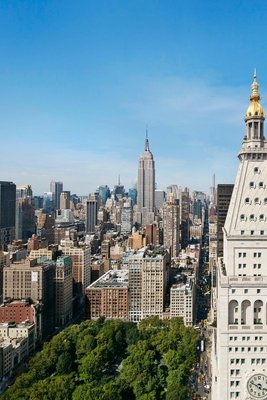
New York Edition
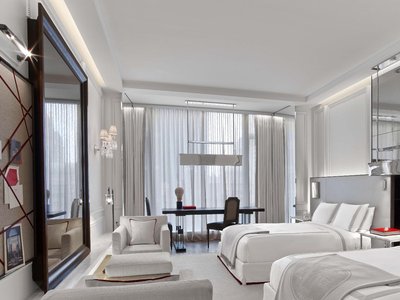
Baccarat Hotel New York

Equinox Hotel New York

Four Seasons Hotel New York Downtown
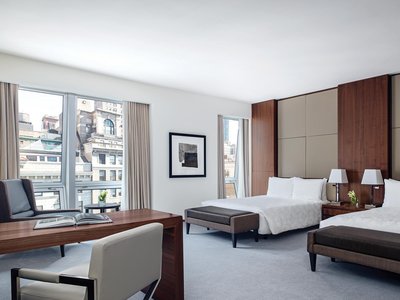
The Langham, New York, Fifth Avenue

The Carlyle, A Rosewood Hotel

The Chatwal, in the Unbound Collection by Hyatt
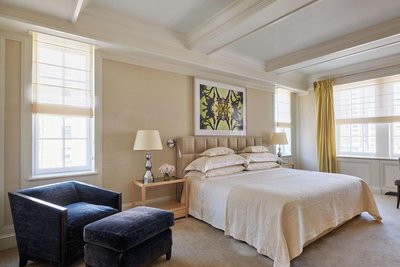
The Mark New York
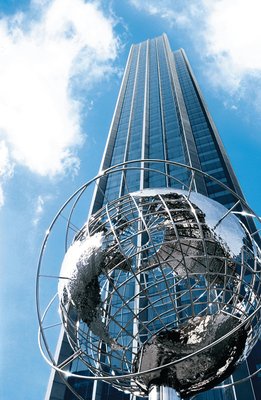
Trump International Hotel & Tower® New York
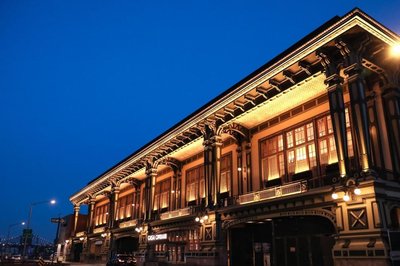
Casa Cipriani New York
Frequently Asked Questions about Traveling to Hanawa
Questions You Might Need to Know About Traveling to Hanawa
In Kōma Town, the top choice for traditional ambiance is Kōma Onsen Ryokan, a centuries-old inn featuring authentic tatami mats, sliding shoji screens, and private outdoor onsen baths overlooking Mount Ouchi. Guests enjoy kaiseki dinner crafted with seasonal local ingredients, including wild mountain vegetables and fresh fish from the Akagawa River. The serene setting blends Japanese hospitality (omotenashi) with natural beauty, offering a true immersion in rural Fukushima culture.
The most scenic accommodation area in Kōma Town is the Ouchi Mountain foothills, where properties like Yamakaze Villa offer panoramic views of Fujimi Plateau and the Hinata Valley. These lodges are nestled among cedar forests and provide easy access to hiking trails, sunrise viewing spots, and the Kōma Shrine. Staying here allows guests to experience the quiet majesty of nature, with morning mist rising from the valley—perfect for photographers and those seeking tranquility.
Visitors to Kōma Town must attend the Spring Wild Herb Gathering Festival, held annually in April. Locals guide guests through the Ouchi Forest to harvest edible plants like fuki-no-tobo, yamabushitake, and tōgi. Afterward, participants join a hands-on cooking session at the Kōma Cultural Hall, learning traditional preparation methods. This event celebrates local ecological knowledge and the deep connection between community and seasonality in Fukushima’s mountain villages.
Kōma Town’s hot springs are renowned for their weakly alkaline carbonated mineral water, rich in silica and calcium. The Kōma Onsen source flows directly from deep underground, known for soothing skin and easing muscle tension. Many ryokan feature open-air baths surrounded by forest, allowing guests to soak under the stars or amid falling snow. The combination of natural geothermal energy and untouched surroundings creates a deeply restorative, nature-immersive experience.
Yes, Green Hill Family Cottage in Kōma Town is ideal for families. It features spacious rooms with kids’ play zones, a fenced garden, and a kitchenette for meal prep. Daily activities include forest scavenger hunts, traditional craft workshops, and guided walks to the Hinata Waterfall. With child-safe facilities and locally-sourced breakfasts, it fosters a warm, inclusive environment perfect for intergenerational travel and bonding in nature.
The best spot for autumn foliage in Kōma Town is the Hinata Valley Trail, where maple and oak trees blaze crimson and gold from late October to early November. Start your visit at Fujimi Lookout, then follow the winding path along the Akagawa River. Along the way, stop at rustic tea huts serving local chestnut tea and dried persimmon snacks. The golden light filtering through the canopy creates a magical atmosphere—ideal for photography and mindful wandering.
For couples seeking intimacy, Starlight Forest Hideaway offers six secluded cabins with private onsen baths facing the night sky. Each room includes a custom candlelit dinner, a handwritten love letter, and access to a shared forest terrace. Located far from urban noise, this retreat emphasizes quiet connection, stargazing, and sensory experiences—making it perfect for anniversaries or honeymooners wanting a peaceful escape into nature.
Must-try dishes in Kōma Town include Kōma Burdock Roll (deep-fried burdock root wrapped in egg), wild mushroom miso soup, and Fukushima black bean rice. These flavors come from farms and kitchens using locally grown produce and traditional recipes. Visit the Kōma Market to buy fresh mountain herbs, dried persimmons, and handmade tofu. Dining here supports small-scale farmers and offers a genuine taste of mountain life in Fukushima.
During winter, Kōma Town hosts the Snow Forest Light Festival, running from December to February. Thousands of lanterns illuminate the Ouchi Trail, casting warm glows on snow-covered pines. Activities include snowshoe hikes, ice sculpture workshops, and cozy stays at Snow Hut Inns serving hot sake. Some ryokan even offer snow-drenched onsen experiences, where you soak beneath falling snow—creating a dreamlike, meditative moment in the heart of winter.
From Fukushima Station, take a direct bus to Kōma Town Center Bus Stop (approx. 45 minutes). Many high-end inns, such as Kōma Onsen Ryokan, provide complimentary shuttle service. For eco-conscious travelers, bike rentals are available at town hubs, allowing exploration of the Hinata Loop Trail. With well-marked paths and multilingual signage, navigating Kōma Town’s scenic areas is seamless—supporting sustainable, low-impact tourism.
Hanawa Overview
City Summary
Hanawa Town is located in the southern part of Fukushima Prefecture, Japan, known for its rural charm and traditional crafts. The area features serene countryside landscapes and a strong community culture. Visitors can experience lumber culture and pottery making, enjoying a slow-paced life away from urban hustle.
Must-See Attractions
Key attractions include the Hanawa Town History and Folklore Museum, showcasing local history and crafts, and Oashi Onsen, offering natural hot spring relaxation. Seasonal agricultural activities like fruit picking and rice farming provide deep insights into rural life.
Food Guide
Hanawa's cuisine focuses on farmhouse dishes, with recommended tries like soba noodles and local chicken dishes. Seasonal fresh produce and handmade miso are also highlights, available at markets and small restaurants.
Transportation Guide
Transportation relies on buses and self-driving. Buses from Fukushima City take about 1.5 hours, while driving via Route 118 is also feasible. Attractions are spread out, so renting a car or using local taxis is advised. Public transport has limited schedules.
Best Time to Visit
The best times to visit are spring (April-May) and autumn (September-November), with pleasant weather for outdoor activities. Summers are humid, and winters may bring snow, requiring warm clothing.
Travel Tips
- Respect local farming culture during participatory activities.
- Rural shops have shorter hours; carry essentials.
- Follow onsen etiquette and check operating hours.
- Drive carefully on mountain roads, especially in winter.
- Strict waste separation rules apply; comply with local recycling.
Useful Information
Japanese is the primary language; basic phrases are helpful. Internet coverage is decent but may weaken in rural areas. Cash is preferred; credit cards may not work in small shops. Emergency numbers: 110 (police) or 119 (ambulance). Limited medical facilities; carry personal medication.