Hotels in Hannō
Discover your perfect stay in Hannō.
Hannō(Japan) Travel 2026: Cheap Flights, Hotels & Top Attractions
Popular Landmarks in Hannō
Discover the most iconic attractions in Hannō
Recommended Hotels in Hannō
Find the perfect place to stay in Hannō
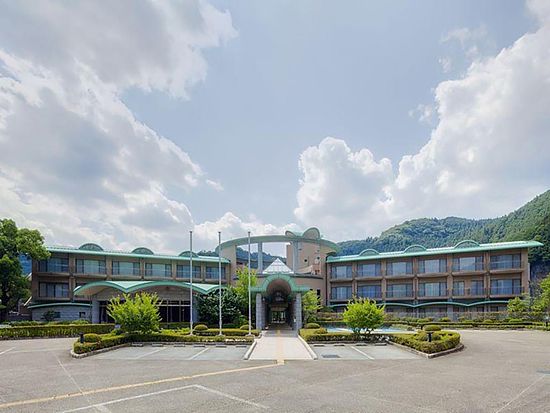
Kyukamura Oku-Musashi
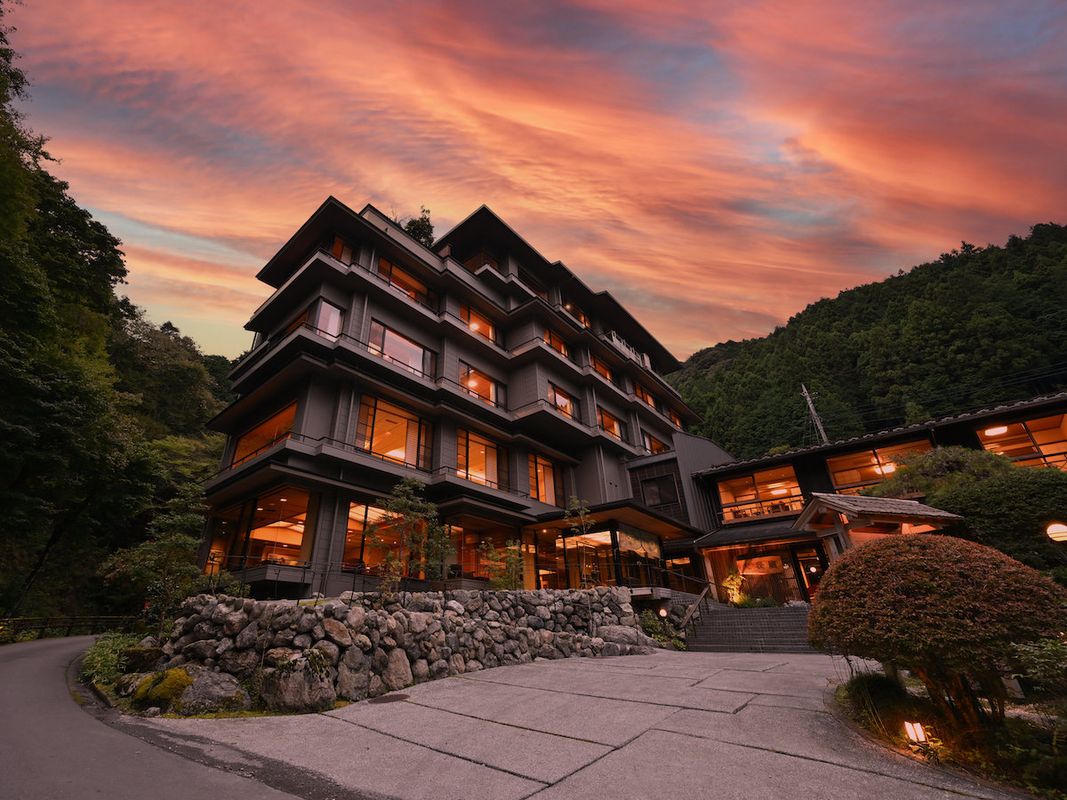
Naguri Onsen Taishoukaku
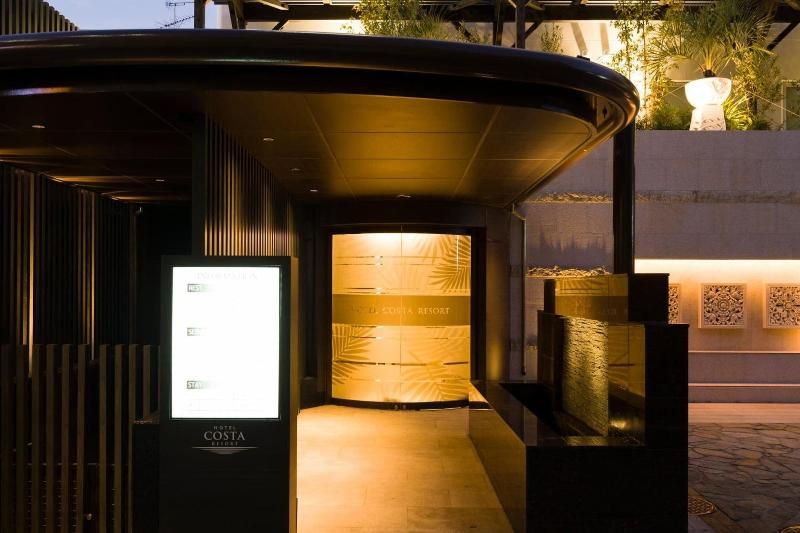
Hotel Costa Resort Hanno - Adult Only
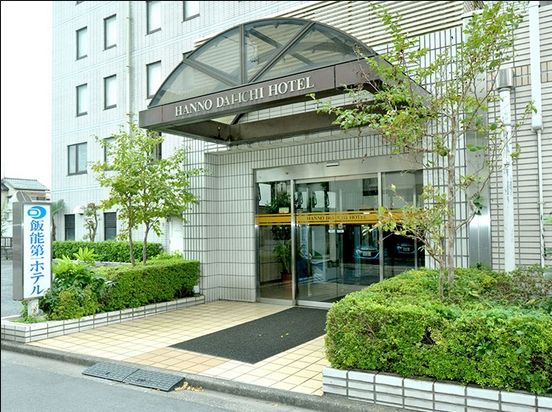
Hanno Dai-Ichi Hotel
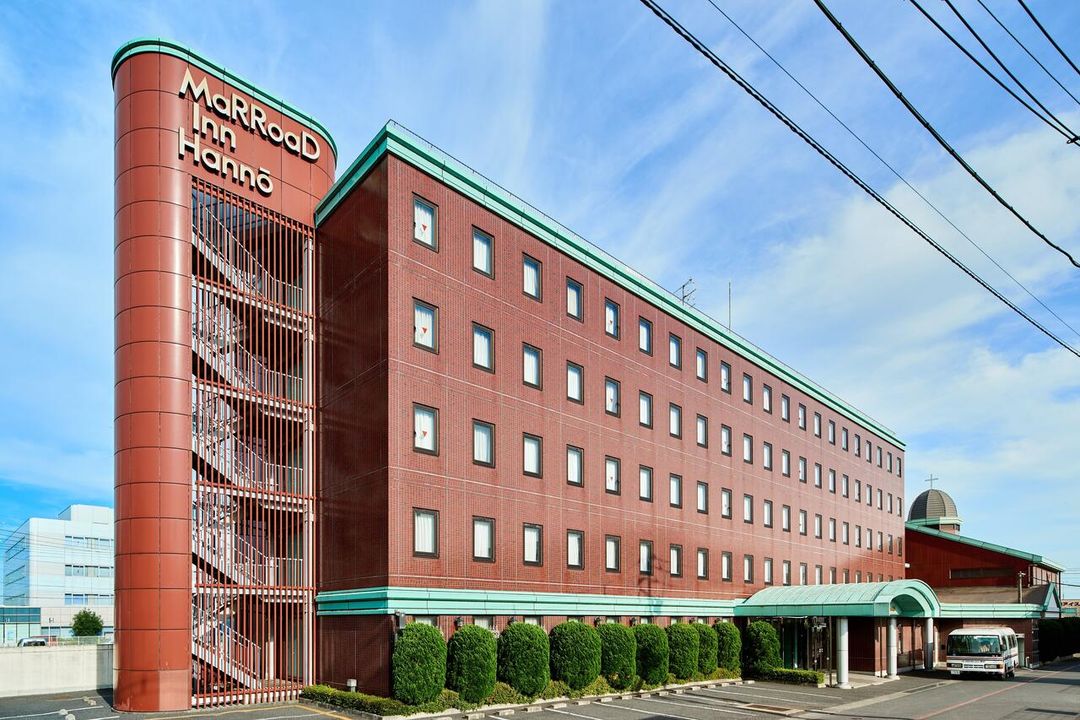
Marroad Inn Hanno

Hotel Heritage Hanno Sta.
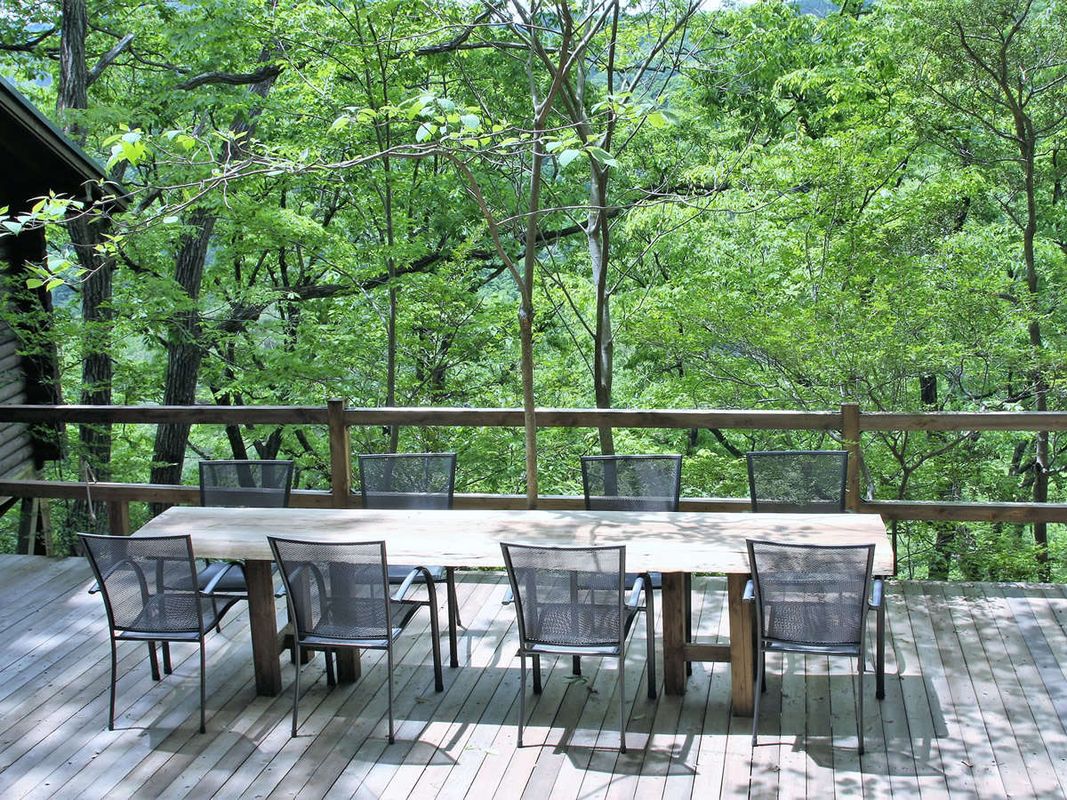
Shomarutoge Garden House
Best Hotels in Hannō
Discover curated hotel collections in Hannō
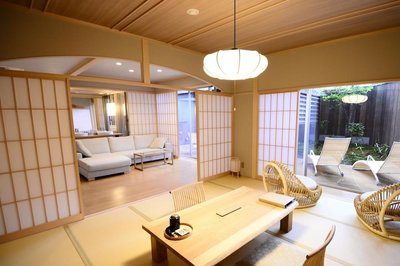
Hakone Gora Byakudan
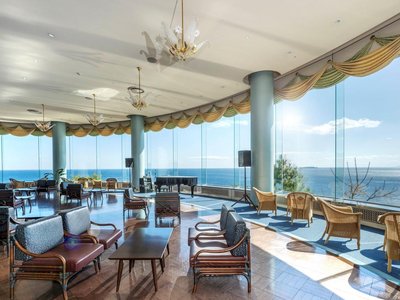
Hotel New Akao
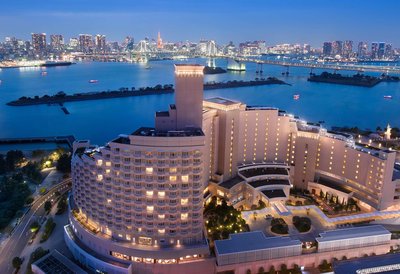
Hilton Tokyo Odaiba
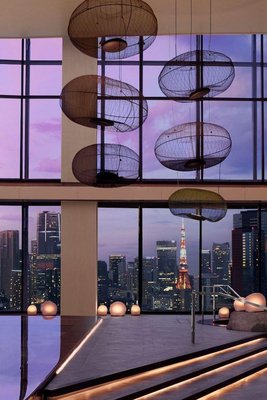
JW Marriott Hotel Tokyo
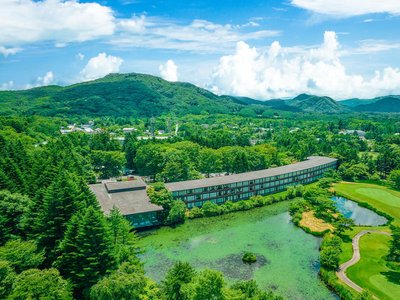
The Prince Karuizawa
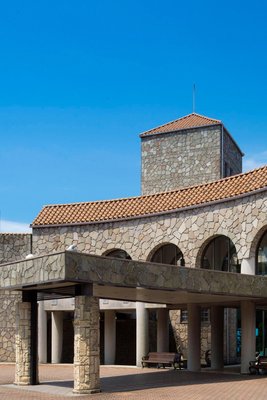
Izumigo Hotel Altia Toba

The Kukuna
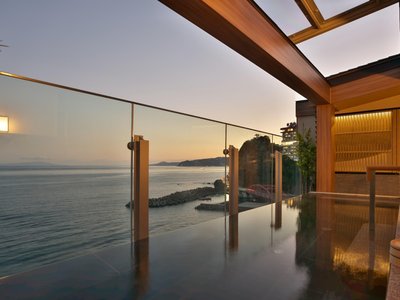
Hotel New Sagamiya
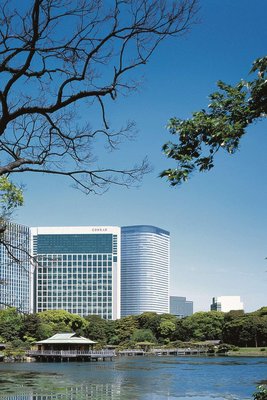
Conrad Tokyo
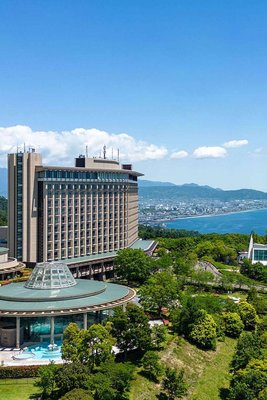
Hilton Odawara Resort & Spa
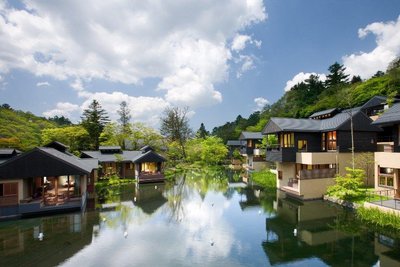
Hoshinoya Karuizawa
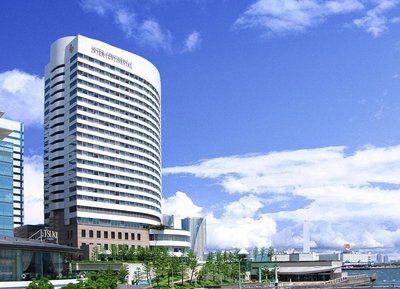
InterContinental Tokyo Bay
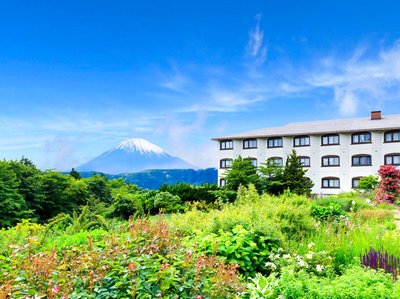
Hotel Green Plaza Hakone
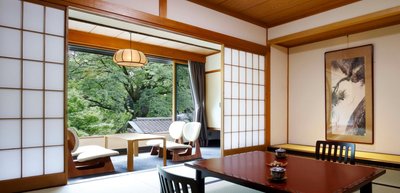
Yoshiike Ryokan
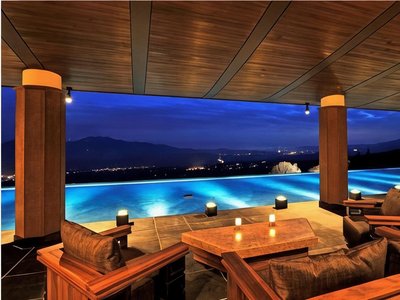
Akakura Kanko Hotel
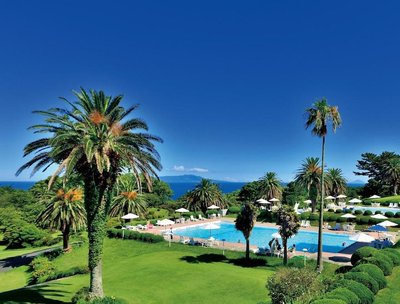
Kawana Hotel
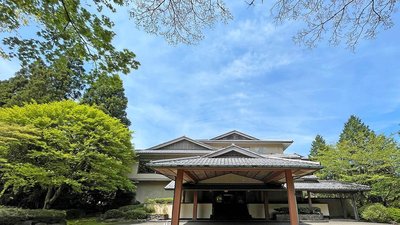
Ryuguden
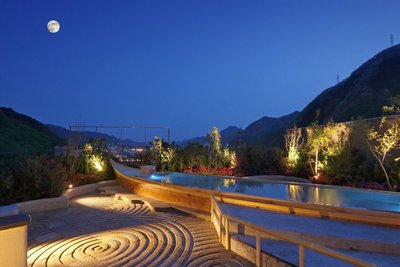
Asaya
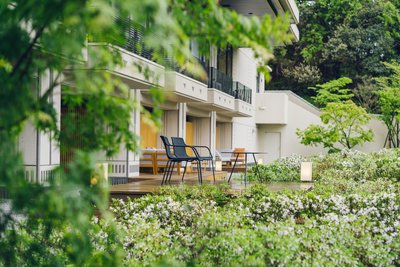
Hoshino Resorts Kai Enshu
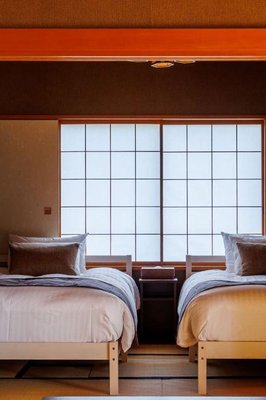
Sado Resort Hotel Azuma

Rakuten STAY VILLA Nasu
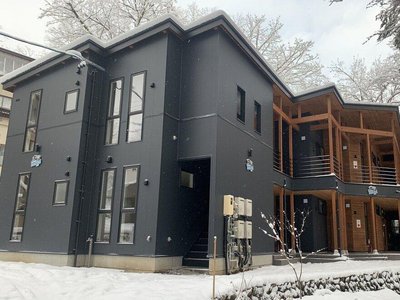
Hakuba Gondola Apartments
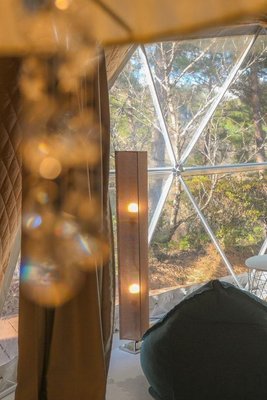
glampark Gekkabijin Nagano
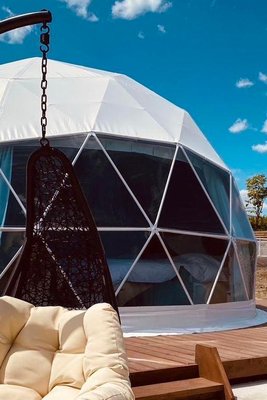
chillout glamping zao
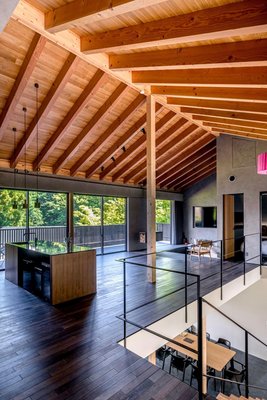
MONS GORA

Phoenix Chalets by Hhg
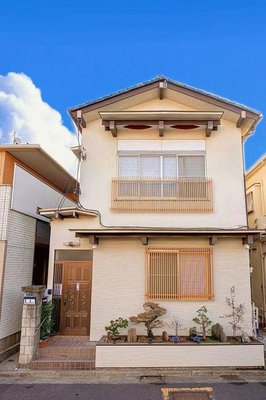
Tokyo Star House-Shinkoiwa
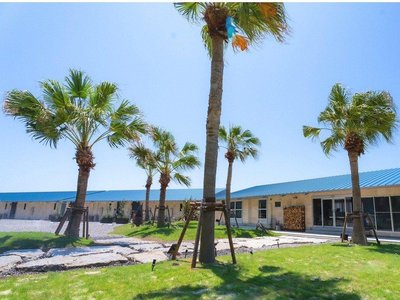
Glamping&Resort Wood Design Park Noma
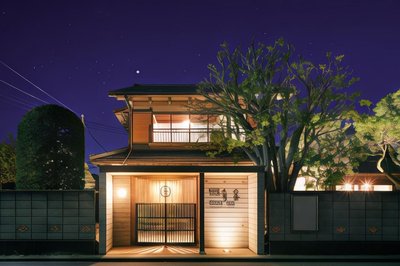
Machi-Jyu
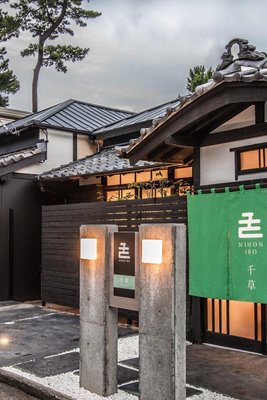
Nihon Iro
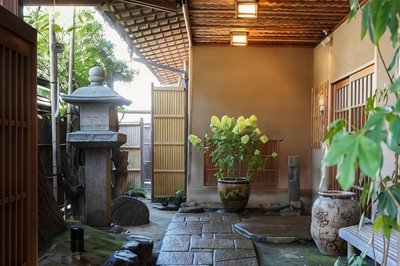
Ryokan Asadaya
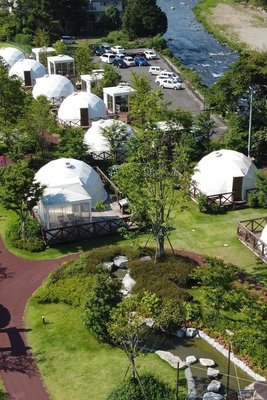
Ufufu Village
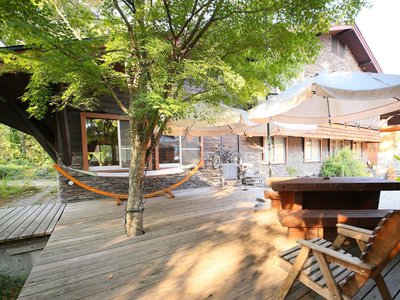
Kunugi Relaxation with 4 Modern Rooms

Modern Ryokan Kishi-ke
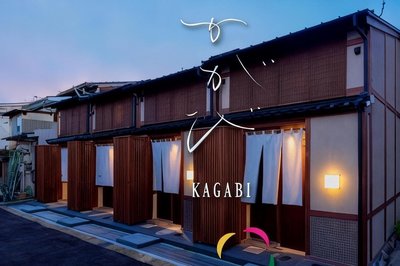
Kagabi Machiya House

The Flow Kamakura
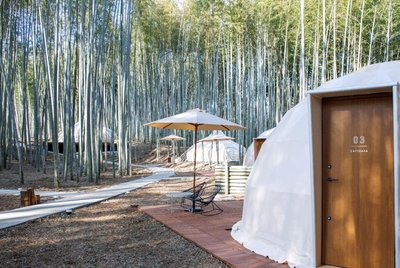
THE BAMBOO FOREST
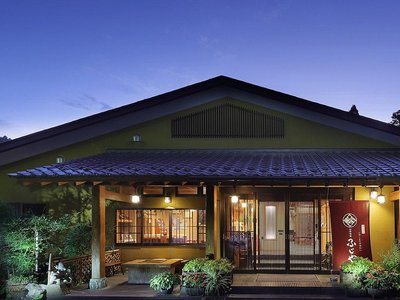
Shikimitei Fujiya
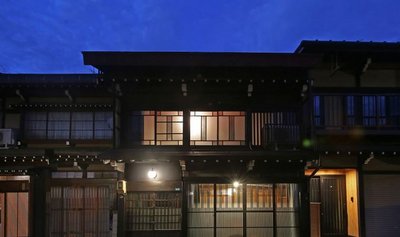
Iori Stay Hida
Frequently Asked Questions about Traveling to Hannō
Questions You Might Need to Know About Traveling to Hannō
In Hanyu City, Hanyu Shiki Hotel is a top choice for nature lovers, located near Hanyu Park and offering serene views of greenery and seasonal flowers. The hotel features traditional Japanese design, an on-site hot spring bath, and a restaurant using local ingredients. For a more immersive experience, consider staying at a family-run guesthouse along the Koma River Trail, where you can enjoy fresh air, birdwatching, and peaceful evenings. Its proximity to Hanyu Art Museum and Koma River walking paths makes it ideal for travelers seeking tranquility and outdoor connection.
The best area for first-time visitors is around Hanyu Station, where most hotels, restaurants, and convenience stores are concentrated. This district offers easy access to public transportation, including the Seibu Railway Line from Tokyo (just 40 minutes). Nearby attractions like Hanyu Market, Old Town Street, and Hanyu Art Museum are within walking distance. It’s also close to bus routes leading to nearby destinations such as Kawagoe and Koma River Park. Staying here ensures convenience, safety, and a smooth introduction to the city’s charm.
Tourists can explore Hanyu Art Museum, which showcases modern Japanese art and rotating exhibitions. The annual Hanyu Flower Festival in spring features thousands of cherry blossoms and azaleas, complemented by tea ceremonies, craft markets, and live performances. Visitors can also participate in farm experiences, such as strawberry picking or making tofu at local farms, gaining insight into Saitama’s agricultural heritage. These activities reflect Hanyu’s deep connection to nature, tradition, and community life.
Yes, Hanyu City is highly suitable for families. Hanyu Natural Park has open lawns, playgrounds, and child-friendly walking trails, perfect for outdoor fun. The Hanyu Station Front Plaza often hosts family events and seasonal festivals with interactive booths. Additionally, Hanyu Aquarium, though small, features native freshwater fish and educational programs ideal for kids. With direct train access from Tokyo (40 minutes), it’s a convenient destination for a relaxed day trip or weekend getaway.
Visitors should try Hanyu Steak, made from locally raised black Wagyu beef, best enjoyed at Gyū no Sato Restaurant. Another must-try is Koma-style soba noodles, served in rich broth at several historic eateries along Old Town Street. Don’t miss Hanyu Red Bean Mochi, a sweet treat sold at Hanyu Market. For a unique experience, join a local dining workshop where you cook meals using seasonal farm produce, creating a memorable taste of authentic Saitama cuisine.
Top photo spots include the modern glass façade of Hanyu Art Museum, especially during sunrise or golden hour. The Hanyu Flower Festival Garden in spring bursts with cherry blossoms and azaleas, offering stunning backdrops. Koma River Walking Path provides scenic shots of flowing water, stone bridges, and tree-lined trails. The Hanyu Station Clock Tower and bronze statues add vintage charm for urban photography. Visit early morning or late afternoon for soft lighting and fewer crowds.
The easiest way from Tokyo is via the Seibu Railway Line, taking a direct train from Ikebukuro Station to Hanyu Station, which takes about 40 minutes. Trains run frequently, with no need for transfers. From Shinjuku, transfer to Ikebukuro first. Return trips are equally convenient. Some tour groups also offer private shuttle services. This reliable rail link makes Hanyu an accessible destination for day trips or short stays.
Hanyu City has a quiet nightlife centered around local residents. Hanyu Station Front Shopping Street features cozy izakayas and ramen shops open until around 10 PM. Old Town Street occasionally hosts late-night markets or live music events. For a livelier evening, consider visiting neighboring Kawagoe or Koma City, which offer more bars and entertainment venues. Overall, Hanyu is ideal for travelers who prefer calm evenings and a peaceful atmosphere.
Recommended hiking trails include the Koma River Path, a 5-kilometer scenic route along the clear river with benches and viewpoints—perfect for families and beginners. The Hanyu Natural Park Trail leads to a hilltop offering panoramic views of the city and surrounding mountains. Shorter loop paths around Hanyu Art Museum combine art and nature, ideal for leisurely walks. Wear comfortable shoes, carry water, and bring insect repellent for a safe and enjoyable hike.
Hanyu City hosts several seasonal events: the Hanyu Flower Festival in March–April, featuring cherry blossoms and azaleas with markets and light displays. The Hanyu Autumn Color Festival celebrates harvest season with crafts and local food stalls. Summer brings the Riverside Cool Festival, with outdoor food stands and live music. Winter features the Hanyu Light Festival, illuminating streets and parks. These events highlight Hanyu’s strong ties to nature, culture, and community spirit.
Hannō Overview
City Summary
Hanno City, located in southwestern Saitama Prefecture, is renowned as "Saitama's Oku-Tama" for its pristine natural landscapes and traditional crafts. Surrounded by Chichibu-Tama-Kai National Park, the city boasts crystal-clear streams and dense forests, offering a rare natural retreat near Tokyo. Its core appeal lies in handmade washi paper and Nishikawa lumber woodworking traditions, blending nature with cultural experiences.
Must-See Attractions
Top attractions include Tenranzan Mountain for panoramic city views (especially stunning during autumn foliage), Hanno Riverbed as a summer water playground, and Miyazawa Lake with seasonal scenery. Immerse in culture at Ogawa Washi Workshop learning ancient papermaking, or visit Nishikawa Lumber Museum for woodcraft displays. Don't miss the lively Hanno Station Shopping District at night.
Food Guide
Local cuisine reflects mountainous terrain - try tororo soba (yam-grated buckwheat noodles) with wild vegetables or salt-grilled ayu (sweetfish) from Nishikawa River. Handmade soba noodles use local buckwheat for exceptional texture. For desserts, washi-patterned wagashi creatively merges craft with confectionery. Morning markets offer fresh wild vegetable tempura and miso pickles.
Transportation Guide
From Tokyo's Ikebukuro Station, take the Seibu Ikebukuro Line (70min direct to Hanno Station). The Seibu Bus network covers major sights within 30min walking distance from the station. The "SEIBU 1Day Pass" provides unlimited rides. Taxis (flag drop ¥730) are ideal for distant spots like Miyazawa Lake. Note mountain roads may ice over in winter.
Best Time to Visit
Prime visiting periods are October-November for autumn colors and May-June for fresh greenery (15-25°C). Summer (July-August) offers river activities but high humidity. Winter (December-February) has few tourists but some mountain facilities close. Avoid Golden Week and Obon holidays for smaller crowds.
Travel Tips
- Pack non-slip shoes and layers for mountain activities; monitor water levels at streams
- Book washi workshops in advance; some offer Japanese-only instruction
- Nishikawa woodcrafts are handmade - use original packaging for checked luggage
- Buses run infrequently (30-60min intervals); always check schedules
- Many onsens prohibit tattoos; inquire about cover-up services
- Strict garbage separation required; convenience stores have recycling bins
- Spotty mountain reception - download offline maps
- Cash remains dominant; credit cards accepted only at major stores
Useful Information
Language: English assistance at stations/tourist centers, but most shops are Japanese-only (translation apps recommended). Internet: Free WiFi hotspots cluster around stations; pocket WiFi/SIM cards are advisable. Currency: International cards work at 7-11/LAWSON ATMs; Japan Post ATMs have lower fees. Emergency: Hanno Municipal Hospital offers 24/7 care (+81-72-981-1231); JNTO Medical Helpline provides translation (+81-3-3202-4430). Emergency numbers: Police 110, Fire/Ambulance 119. Voltage: 100V, Type A plugs (two flat pins). Water: Mountain springs require boiling; bottled water widely available.