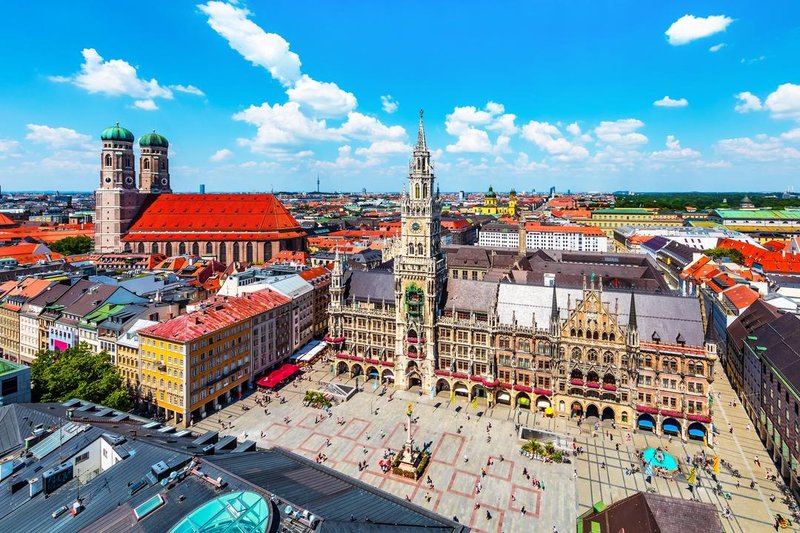
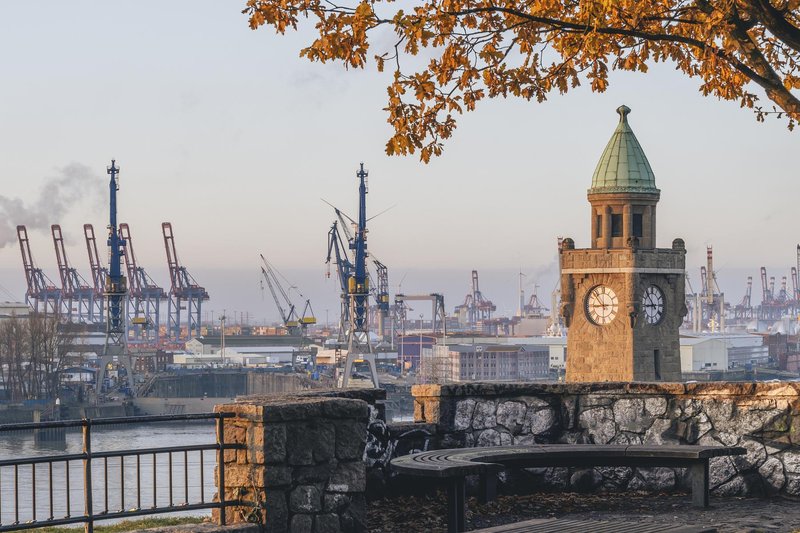
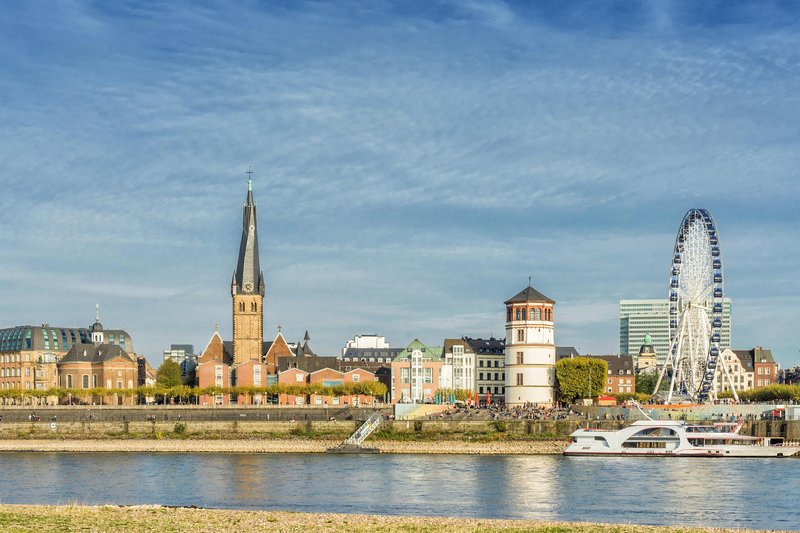
Hotels in Harsewinkel
Discover your perfect stay in Harsewinkel.
Harsewinkel(Germany) Travel 2026: Cheap Flights, Hotels & Top Attractions
Popular Landmarks in Harsewinkel
Discover the most iconic attractions in Harsewinkel
Recommended Hotels in Harsewinkel
Find the perfect place to stay in Harsewinkel
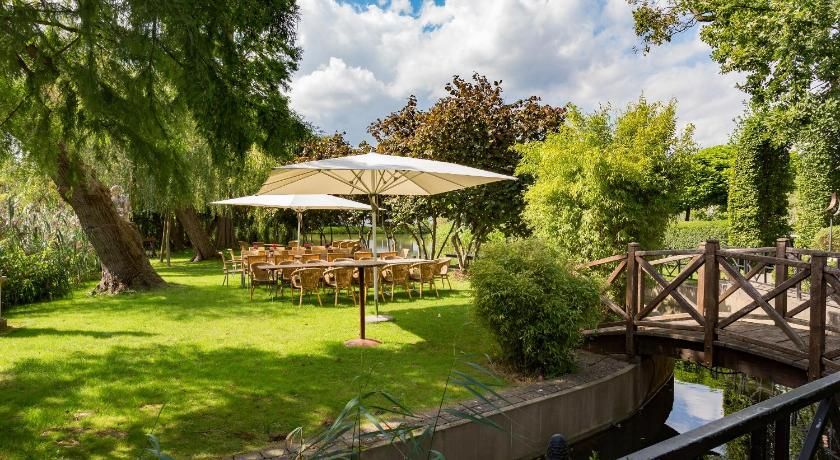
Hotel-Residence Klosterpforte
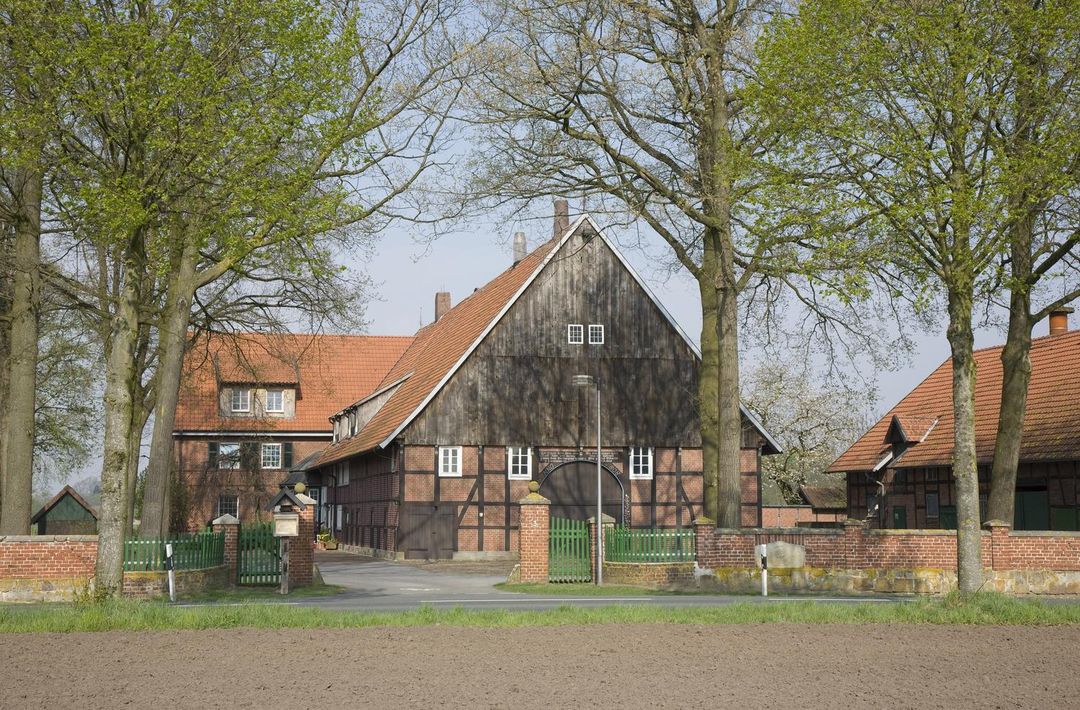
Meier-Westmeyer
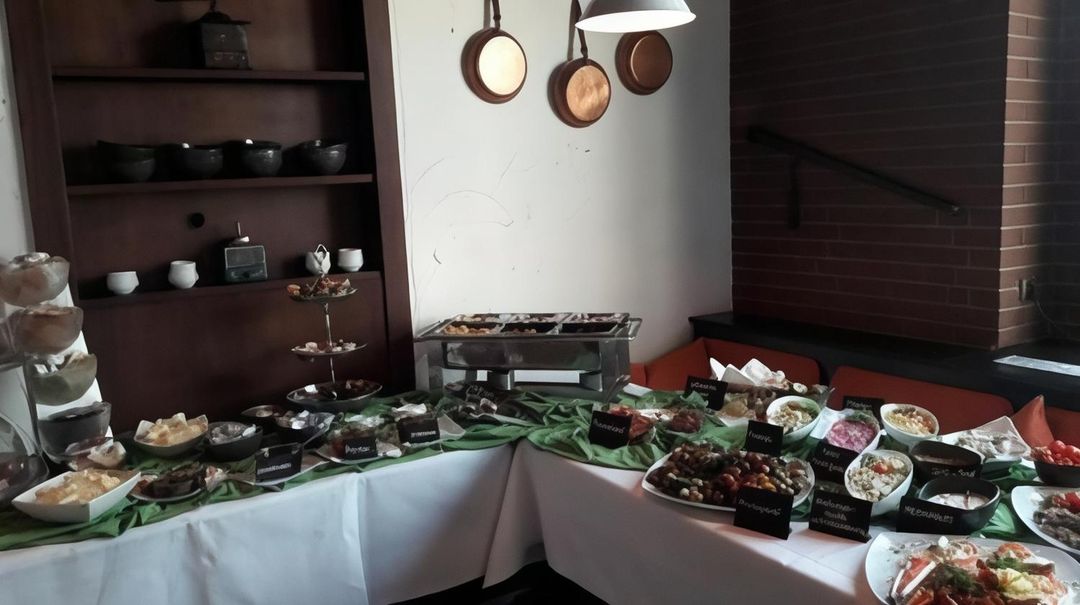
Haus Bergmann
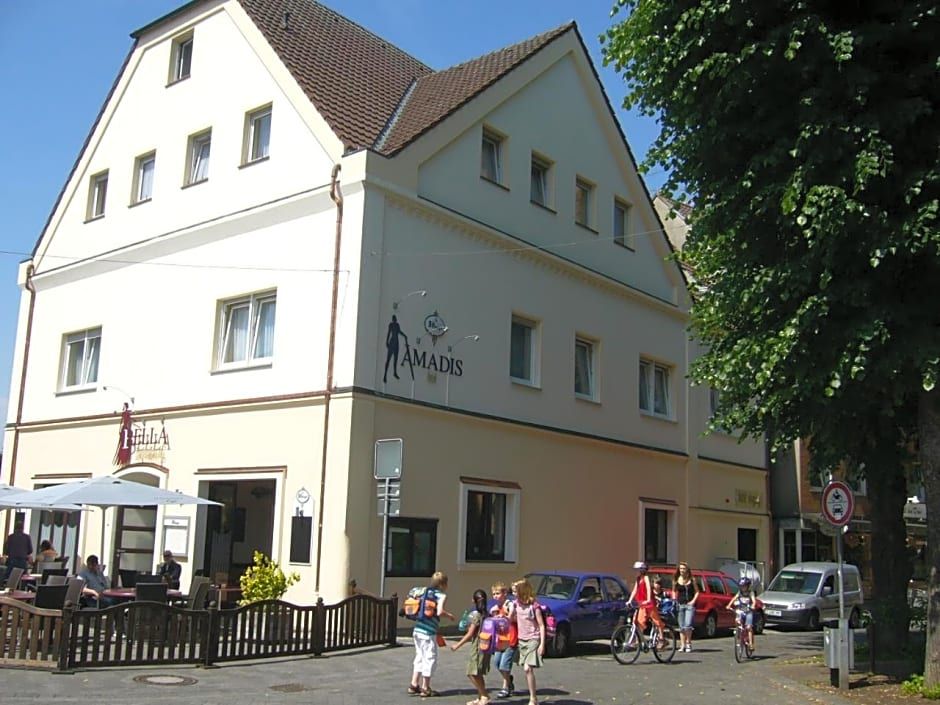
Hotel Amadis
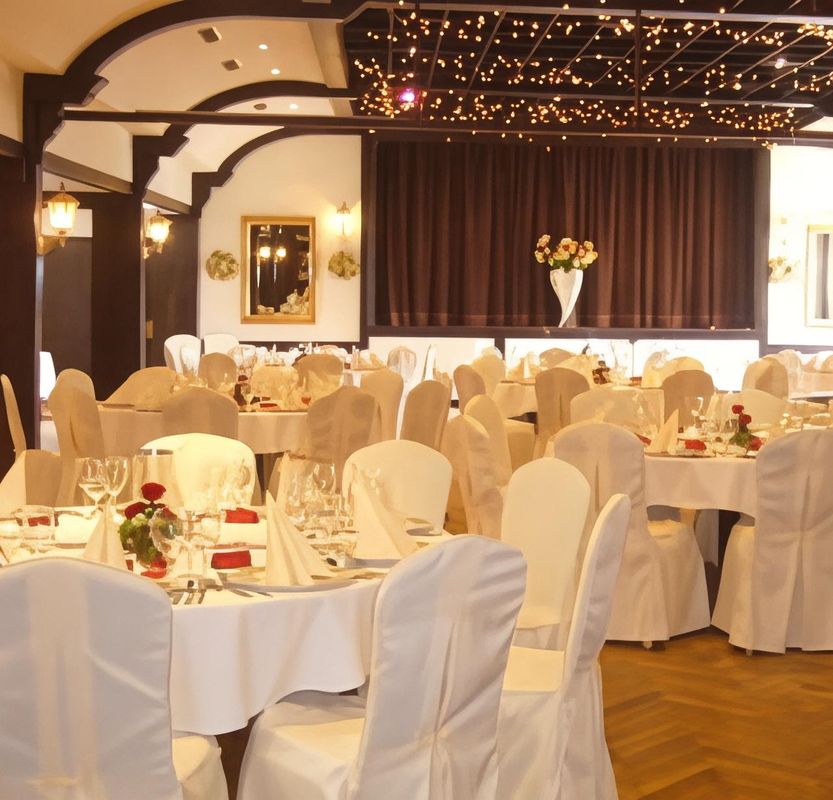
Poppenborg
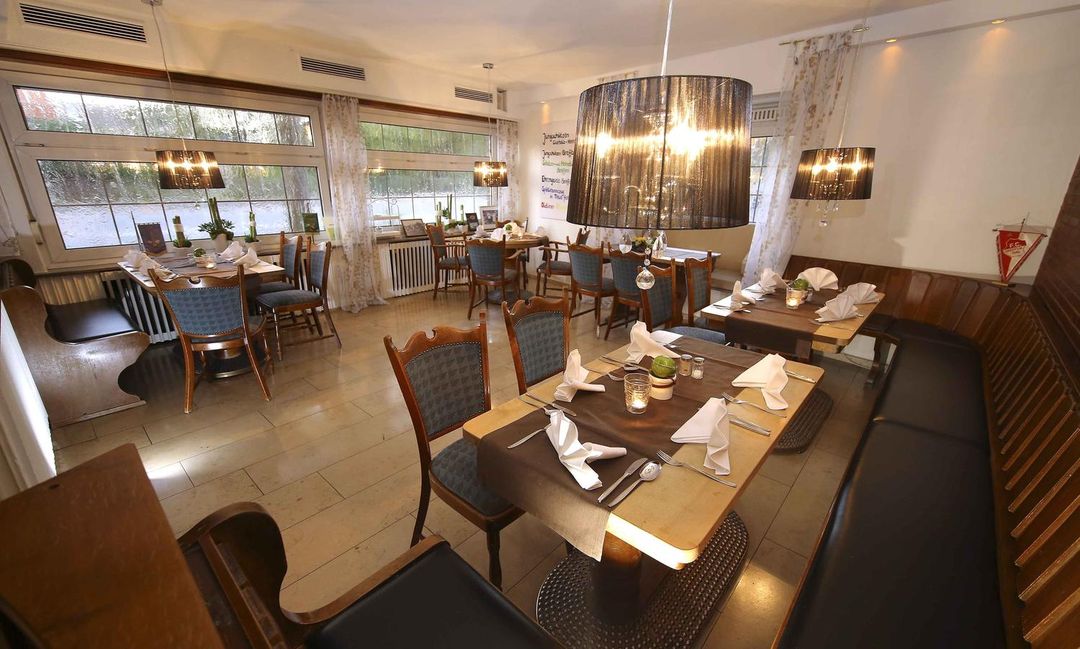
Hotel Zur Brücke
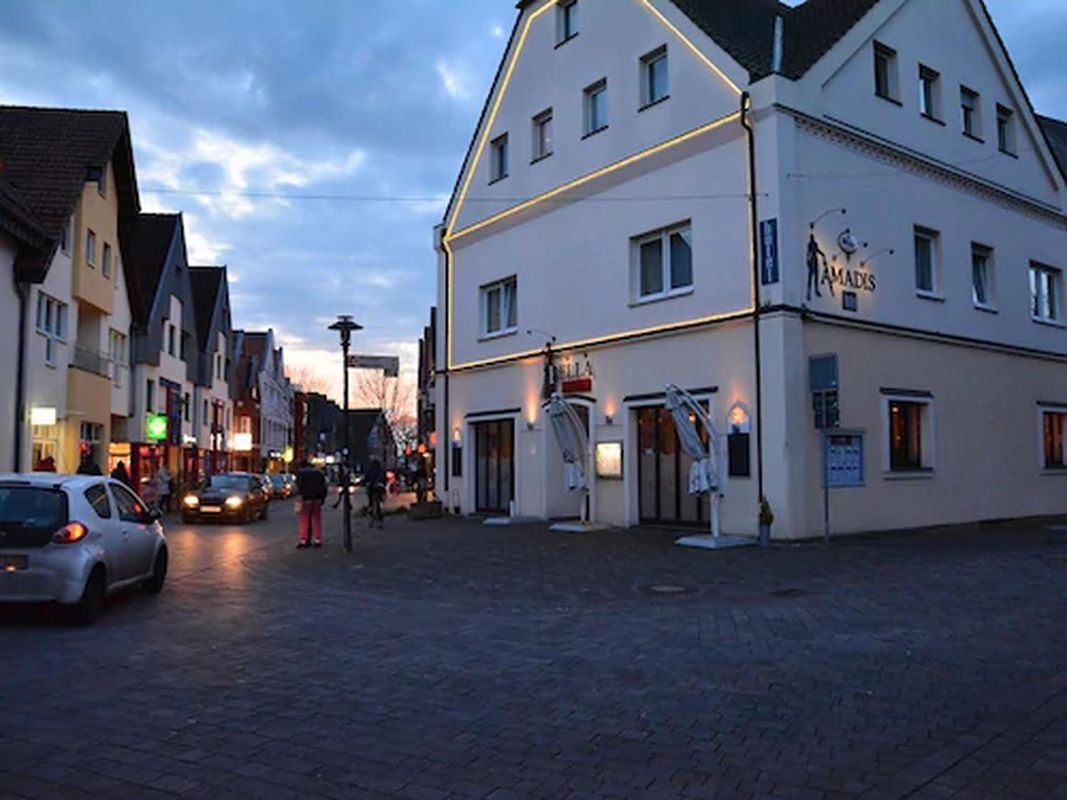
Amadis Hotel
Frequently Asked Questions about Traveling to Harsewinkel
Questions You Might Need to Know About Traveling to Harsewinkel
In Halserwinkel, the top choice for families is Hotel Alpenhof, a family-run boutique hotel blending traditional Alpine architecture with modern comforts. It offers spacious family suites with play areas, and is located within walking distance of Halserwinkel Church and the Town Hall Square. The surrounding area features scenic hiking trails and kid-friendly farms, making it ideal for immersive rural German experiences.
The city center of Halserwinkel is the prime area for lodging, offering proximity to key attractions like the Town Hall, Old Market Square, and local cafés. With quiet, tree-lined streets and high safety standards, it’s perfect for travelers seeking tranquility and cultural immersion. From here, visitors can easily reach nearby destinations such as the Black Forest Trails or Trier Thermal Spa within 20 minutes by car.
Stay at Gasthaus Zur Alten Mühle, a century-old German inn and guesthouse in the historic district. This venue preserves original timber framing and hand-painted murals. Enjoy daily breakfast featuring fresh rye bread and sauerkraut sausages, and participate in local beer tasting nights hosted by residents—offering genuine insight into North Rhine-Westphalia traditions.
Hotel Waldheim, nestled on the forest edge, is Halserwinkel’s most romantic retreat. Each room features vintage German design, a private terrace, and a starlit hot tub. The hotel offers candlelit dinners and guided forest hikes, creating intimate moments amid serene natural surroundings—perfect for a secluded getaway.
Yes, many hotels host seasonal events. For example, Hotel Römerhof organizes the annual Halserwinkel Christmas Light Festival, where guests can craft gingerbread, enjoy folk music performances, and receive free mulled wine. These immersive activities highlight regional customs and are highly popular among cultural travelers.
Nearby landmarks include St. Johannis Church, a 15th-century Gothic structure with stunning stained glass, and the Town Hall Square, which hosts weekend artisan markets. The Halserwinkel Historical Museum, housed in a restored granary, showcases 19th-century farming tools and textiles—essential stops for understanding the region’s heritage.
Try Das Grüne Haus, a former barn transformed into a sustainable design hotel using reclaimed wood and solar energy. Each room has a unique theme—like "Forest Sound" or "Spring Water"—and the property hosts workshops in pottery and ecology. Its rooftop garden and meditation space attract creative travelers seeking authenticity.
Absolutely. Halserwinkel lies at the heart of the Ardennes Road Network, and most hotels provide free parking and rental car assistance. Hotel Bergblick even offers EV charging stations and bike rentals. Guests can easily explore nearby Black Forest National Park or Bielefeld Old Town, enjoying scenic routes and well-maintained roads.
Yes, Gasthof Goldener Hahn runs a hands-on North Rhine-Westphalia Home Cooking Class, teaching guests how to prepare dishes like potato stew, sauerkraut pork knuckle, and apple cake. Led by a local chef using farm-fresh ingredients, the class ends with a meal made from your own creations—ideal for culinary enthusiasts.
Many do. Hotel Naturblick provides shared electric scooters and uses plastic-free amenities. The hotel maintains an organic garden supplying breakfast ingredients and invites guests to join monthly forest clean-up days. All rooms feature energy-efficient lighting and rainwater recycling systems—making it a model of sustainable tourism in Germany.
Harsewinkel Overview
City Summary
Harsewinkel is a tranquil town in North Rhine-Westphalia, Germany, renowned for its pastoral landscapes and medieval architecture. It offers abundant natural scenery, including forests, lakes, and hills, making it an ideal escape from urban bustle. Culturally, the town preserves strong traditional German charm, hosting annual festivals that showcase local history and folklore.
Must-See Attractions
Must-see attractions include Hornburg Castle, a medieval fortress now serving as a museum of regional history. St. Peter's Church exemplifies Gothic architecture with intricate interiors. The Ems River banks are perfect for walks or cycling amid nature. Culture enthusiasts can visit the Local Farm Museum to explore traditional agricultural life.
Food Guide
Culinary highlights feature German classics like sausage platters and sauerkraut stews. Local bakeries serve freshly baked rye bread and apple strudel. In winter, try mulled wine, while summer calls for refreshing wheat beer.
Transportation Guide
Transport is most convenient by car, with well-developed road networks. Public options include regional trains and buses, but schedules are limited—check timetables in advance. Rent bicycles for short-distance exploration.
Best Time to Visit
Best visiting period is May to September for mild weather and outdoor activities. Winter offers festive Christmas markets despite the cold.
Travel Tips
- Respect local customs; dress modestly in churches.
- Cash payments remain common in small shops and rural areas.
- Strict recycling rules—follow waste separation guidelines.
- Shops close on Sundays; plan purchases ahead.
- Bike lanes have priority; watch for cyclists when walking.
- Observe quiet hours (noon breaks and nights).
Useful Information
Practical info:
- Language: German is primary; English works in tourist areas.
- Internet: Limited public WiFi; consider a local SIM card.
- Payment: Cards accepted in hotels/restaurants, but cash is safer.
- Emergency: Dial 112; hospitals are in nearby larger towns.
- Voltage: 230V, using Europlug adapters.