Hotels in Hashima
Discover your perfect stay in Hashima.
Hashima(Japan) Travel 2026: Cheap Flights, Hotels & Top Attractions
Popular Landmarks in Hashima
Discover the most iconic attractions in Hashima
Recommended Hotels in Hashima
Find the perfect place to stay in Hashima
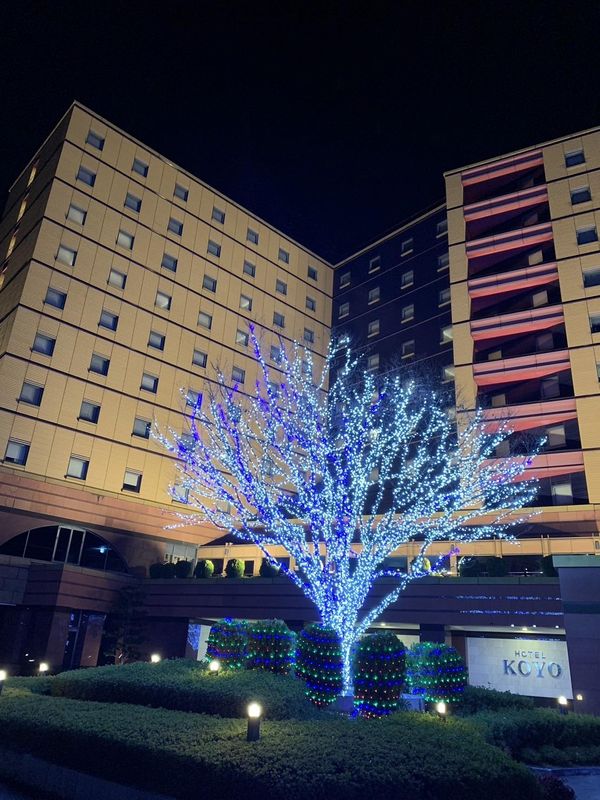
Hotel Koyo
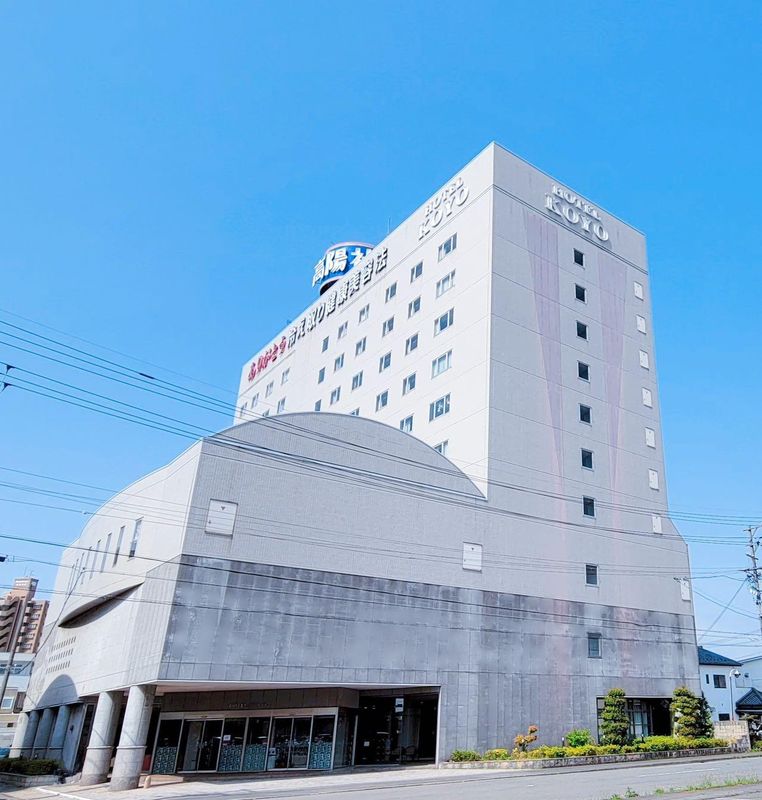
Hotel Koyo Annex
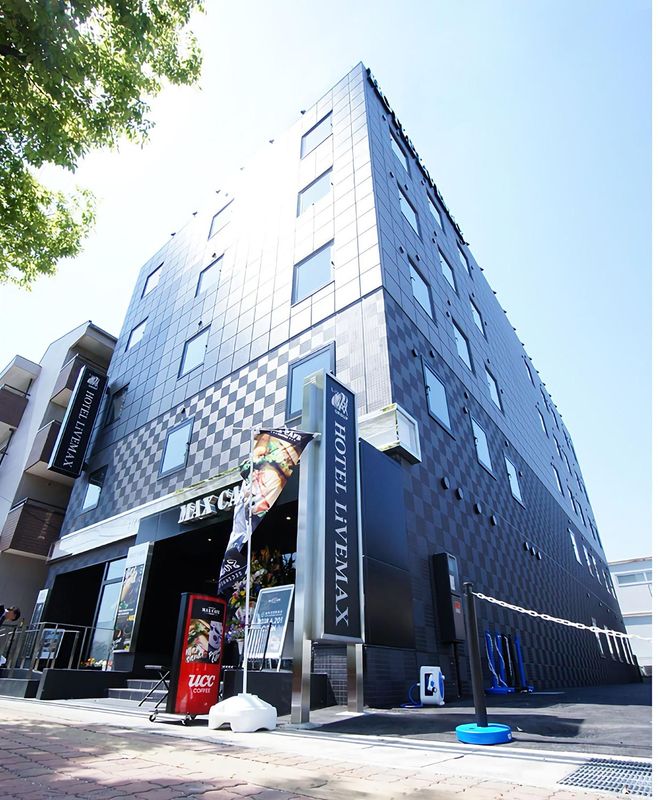
HOTEL LiVEMAX Gifu Hashima Ekimae
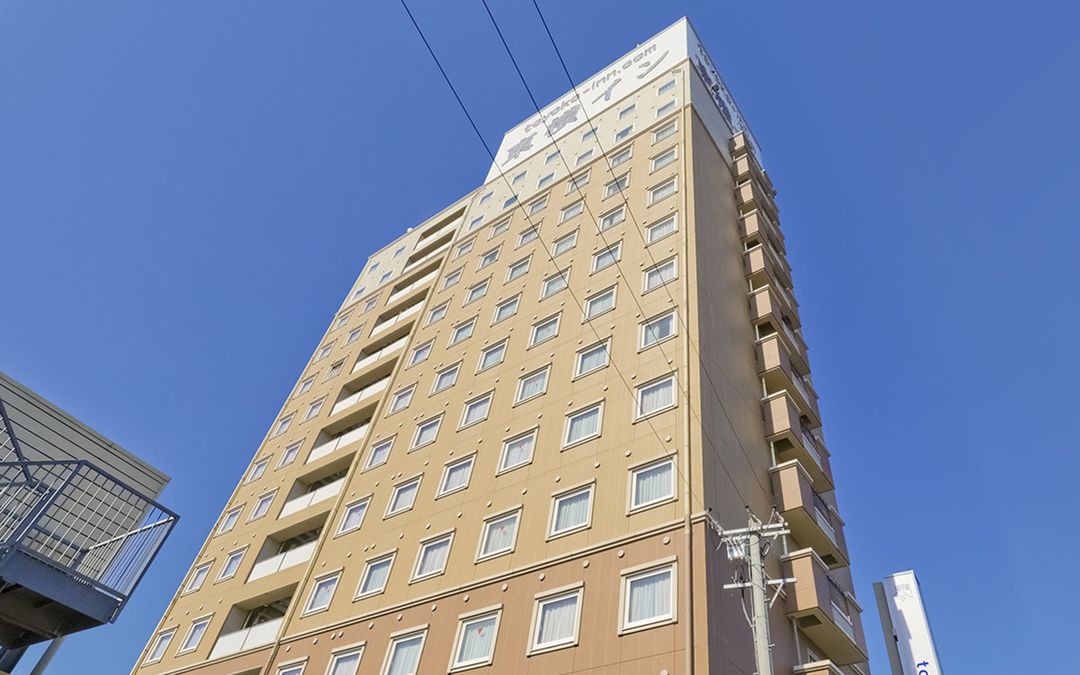
Toyoko Inn Gifu-hashima-eki Shinkansen Minami-guchi
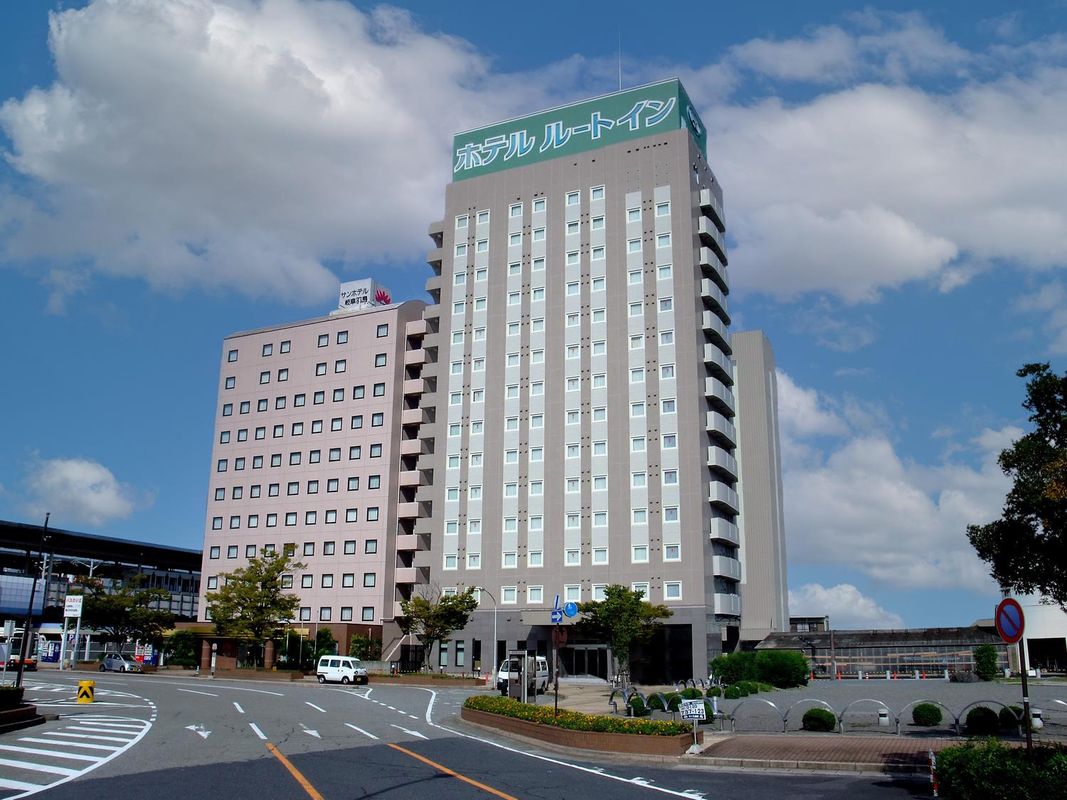
Hotel Route-Inn Gifuhashima Ekimae
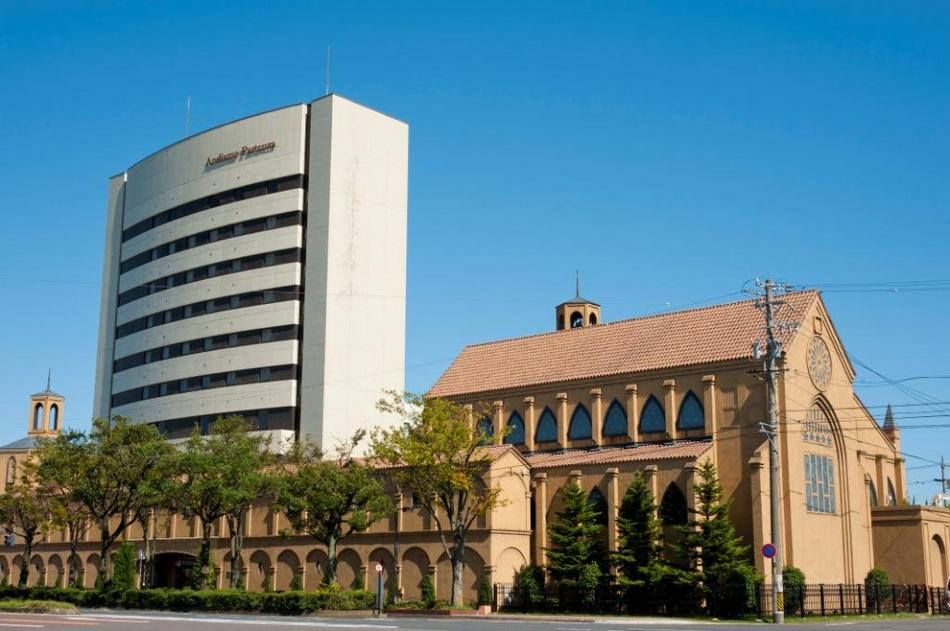
Andiamo Partenza Hotel Hashima
Sun Hotel Gifu Hashima
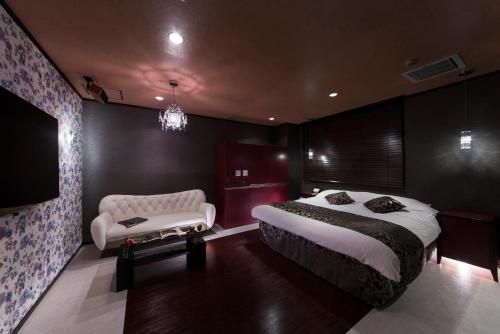
Hotel Sweet Season
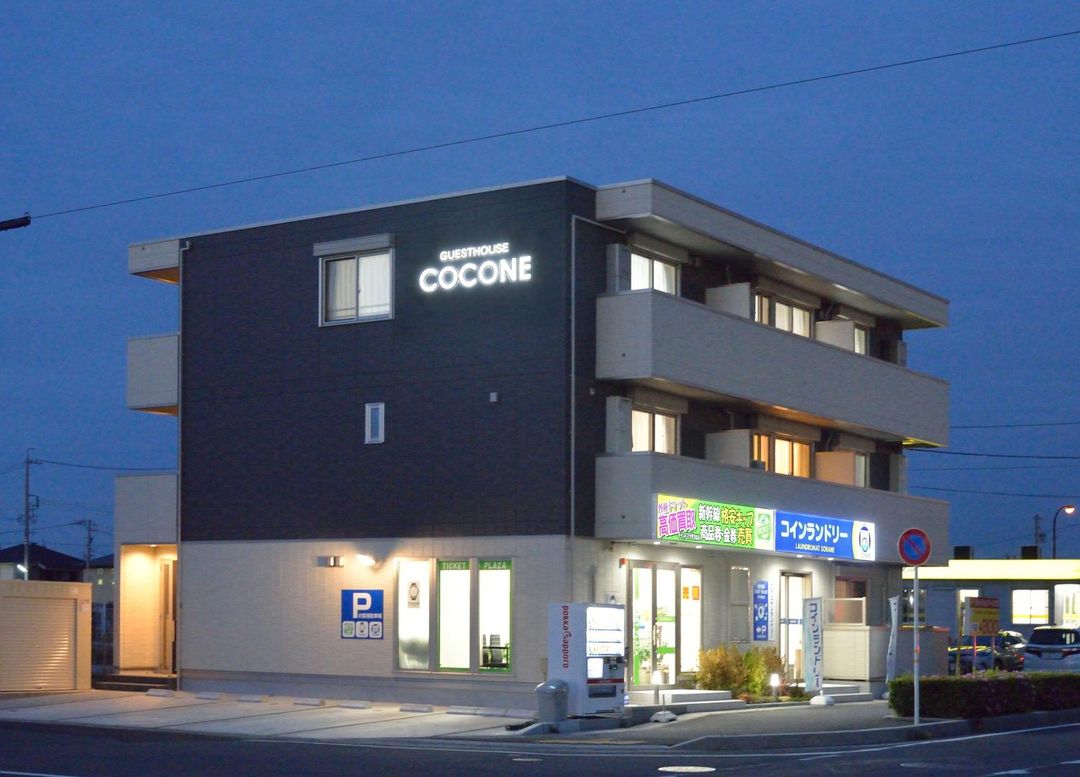
Guest House Gifuhashima Cocone - Hostel
Best Hotels in Hashima
Discover curated hotel collections in Hashima
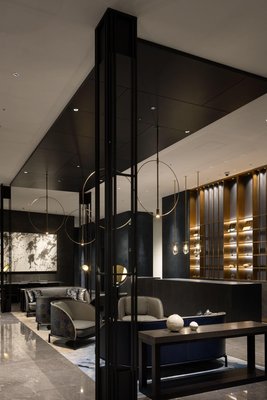
Bellustar Tokyo, A Pan Pacific Hotel
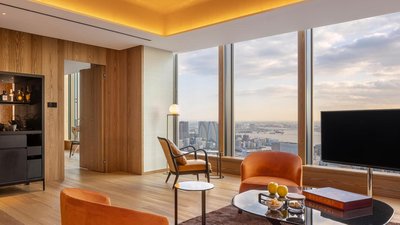
Bvlgari Hotel Tokyo
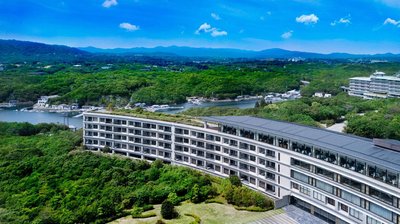
Shima Kanko Hotel the Bay Suites
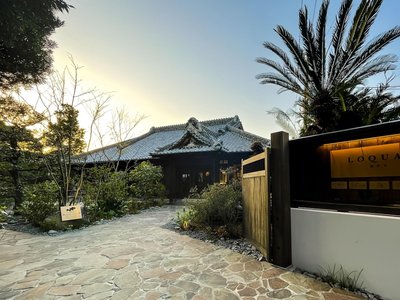
Loquat Nishiizu
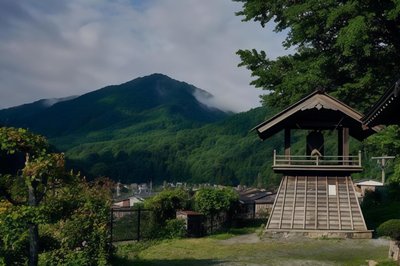
Byaku Narai
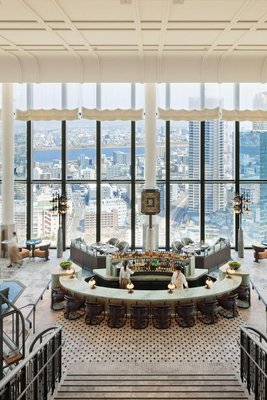
Waldorf Astoria Osaka
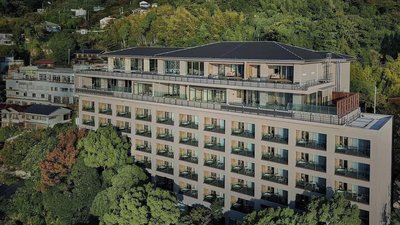
Atami Izusan Karaku
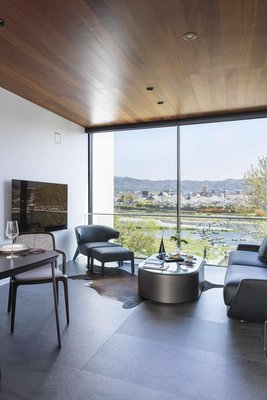
Kamo Residences by Reflections
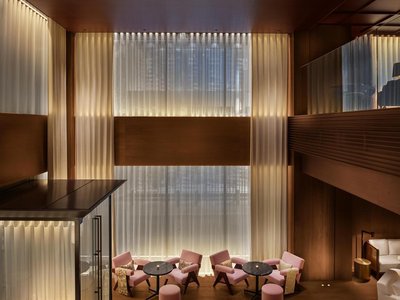
The Tokyo Edition, Ginza
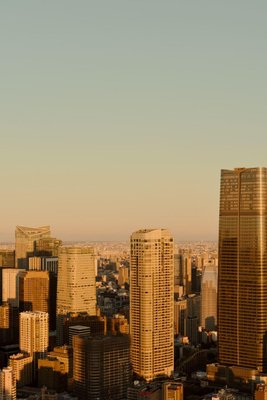
Janu Tokyo
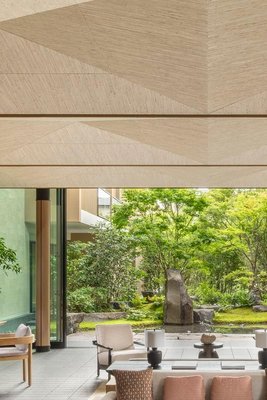
Six Senses Kyoto
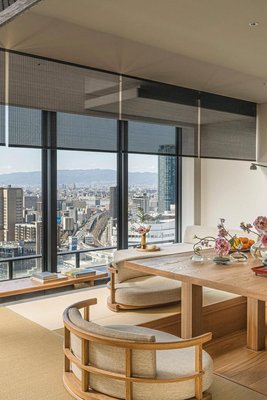
Four Seasons Hotel Osaka
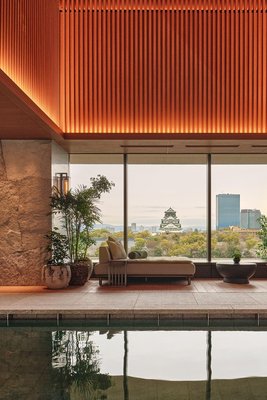
Patina Osaka

The Ritz-Carlton, Osaka
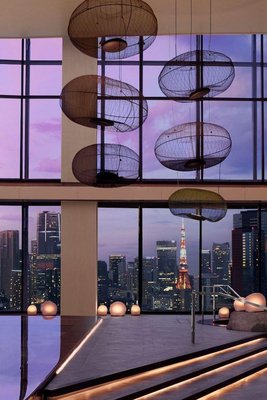
JW Marriott Hotel Tokyo
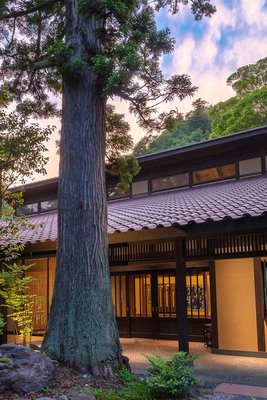
Arimasansoh Goshobessho
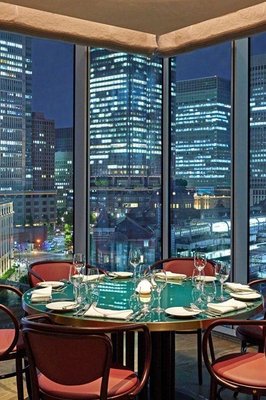
Four Seasons Hotel Tokyo at Marunouchi

Mandarin Oriental, Tokyo
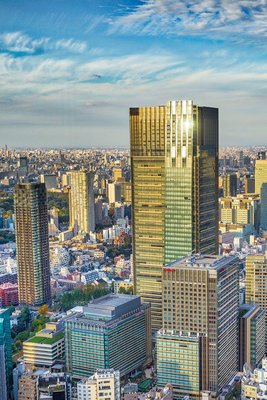
The Ritz-Carlton, Tokyo
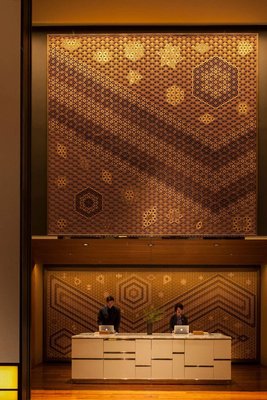
Andaz Tokyo Toranomon Hills- A Concept by Hyatt
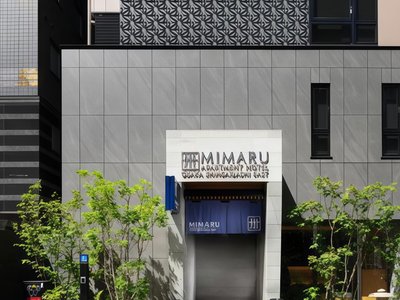
MIMARU Osaka Shinsaibashi East

Toba International Hotel Shiojitei
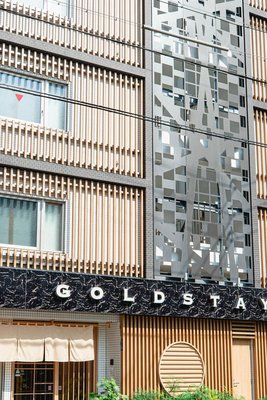
Gold Stay Nagoya OSU
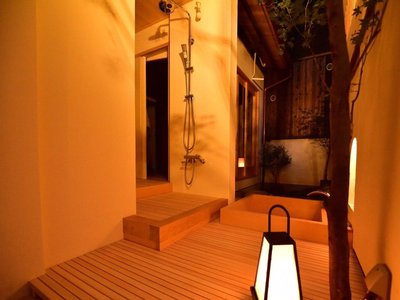
Yado Kiramachi
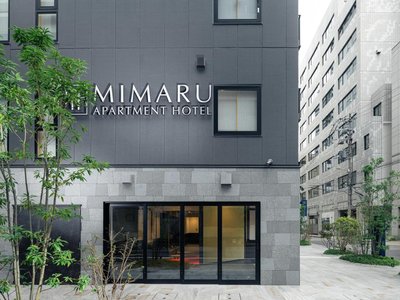
MIMARU Osaka Shinsaibashi North
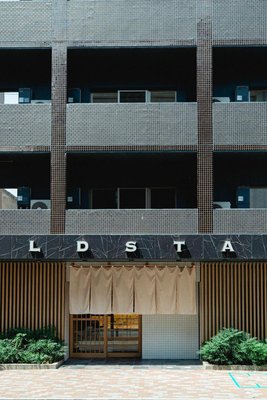
GOLD STAY Nagoya Sakae
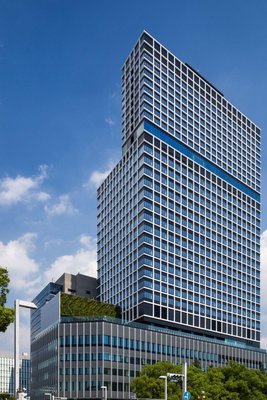
The Royal Park Hotel Iconic Nagoya
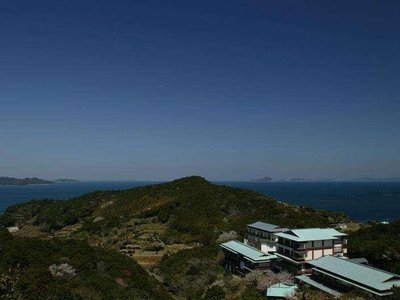
Hanashinsui
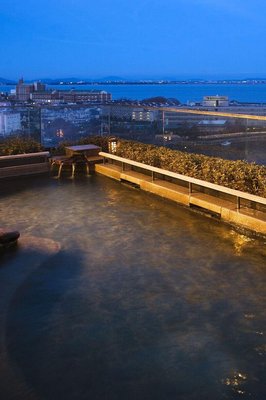
Yumotokan
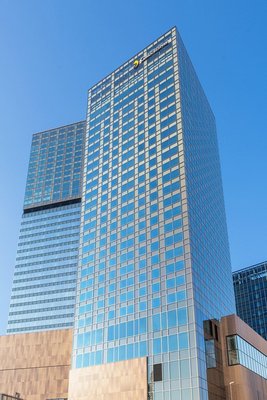
Hotel Hankyu GRAN RESPIRE OSAKA
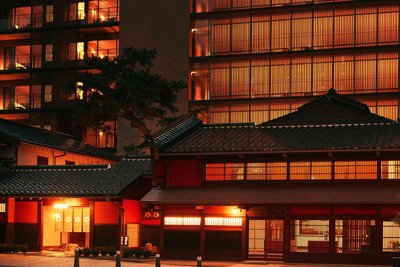
Hoshino Resorts Kai Kaga
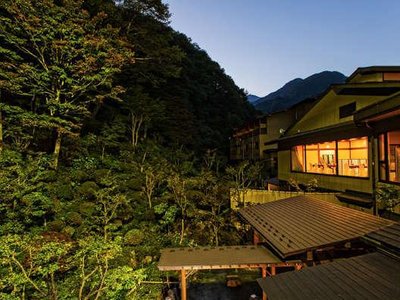
Futari Shizuka
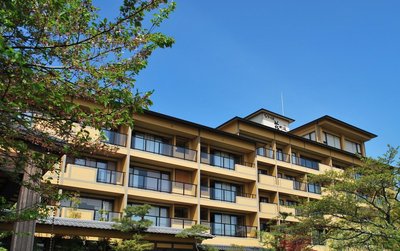
BIWAKO HANAKAIDO
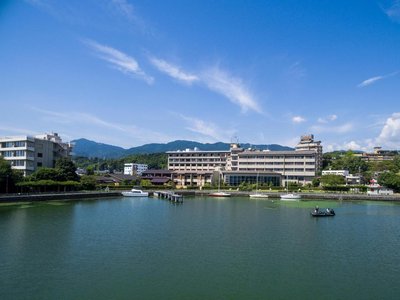
Biwako Ryokusuitei
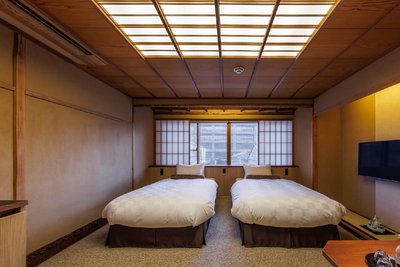
Kyoto Ryokan Sakanoue
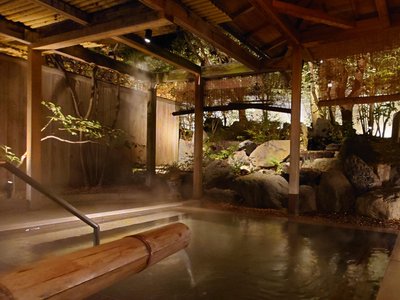
Kasuga Hotel
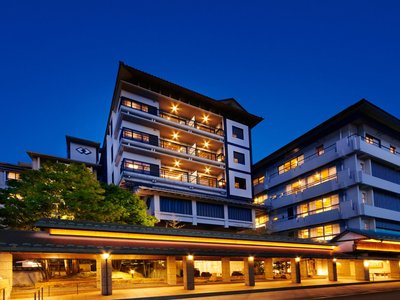
Yunokuni Tensyo
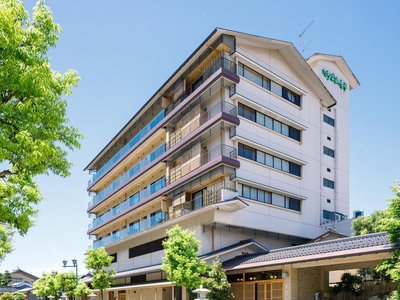
Tachibana Shikitei
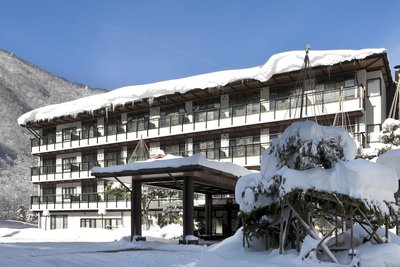
Okada Ryokan Warakutei
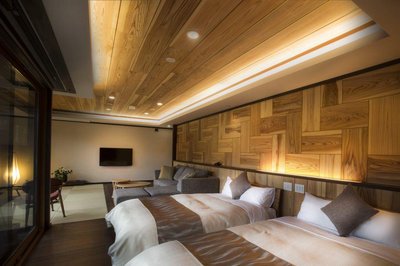
Hidatei Hanaougi
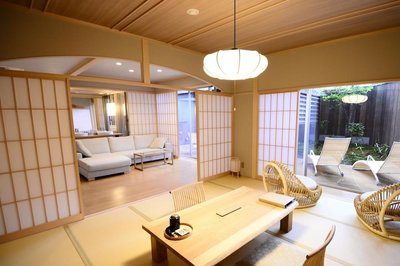
Hakone Gora Byakudan
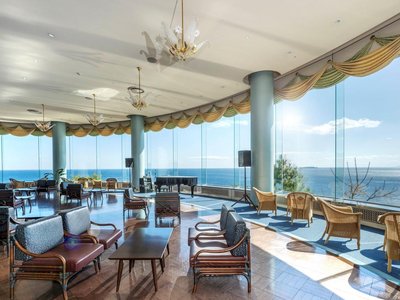
Hotel New Akao

XYZ Private Spa and Seaside Resort
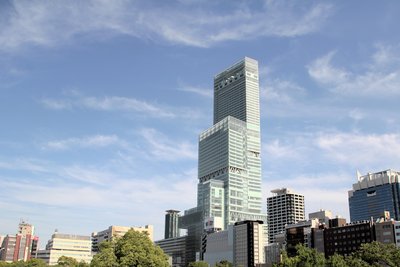
Osaka Marriott Miyako Hotel
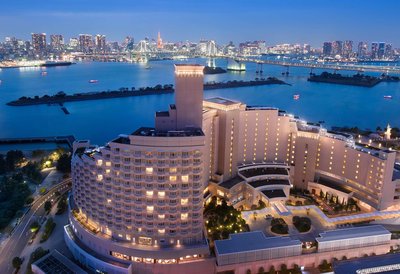
Hilton Tokyo Odaiba
JW Marriott Hotel Tokyo
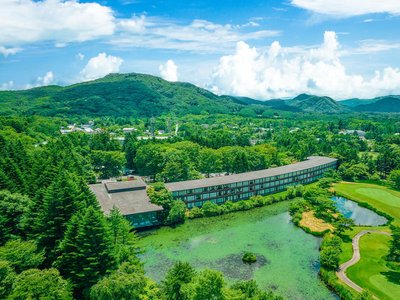
The Prince Karuizawa
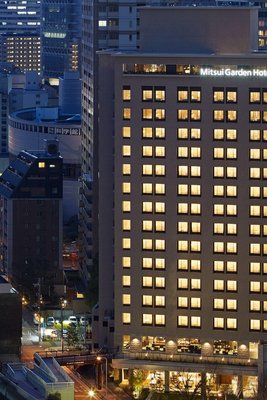
Mitsui Garden Hotel Osaka Premier
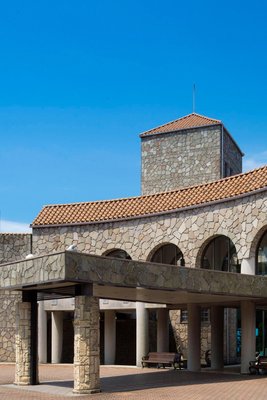
Izumigo Hotel Altia Toba
BIWAKO HANAKAIDO
Biwako Ryokusuitei
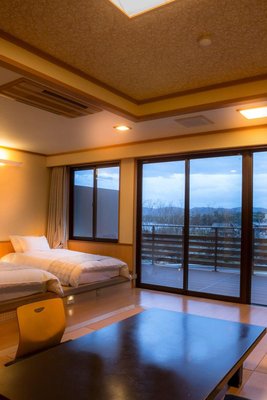
Hotel Kitanoya
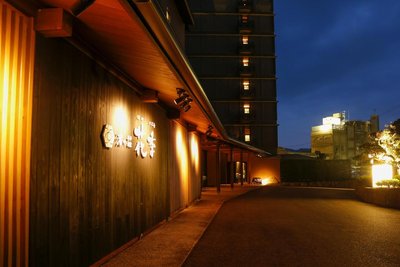
Hanagoyomi
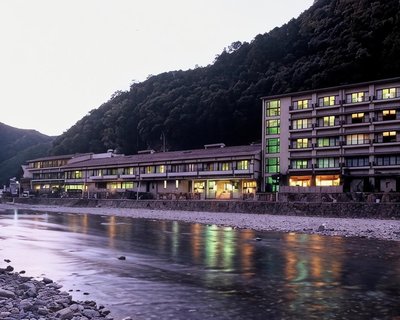
Kawayu Onsen Fujiya
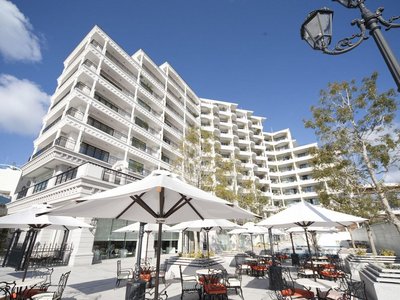
Hotel La Suite Kobe Harborland

The Kukuna
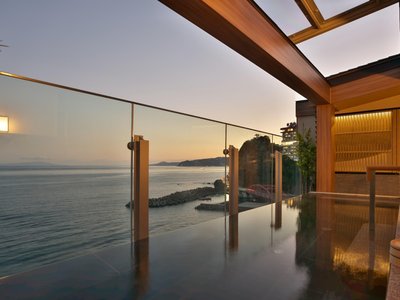
Hotel New Sagamiya
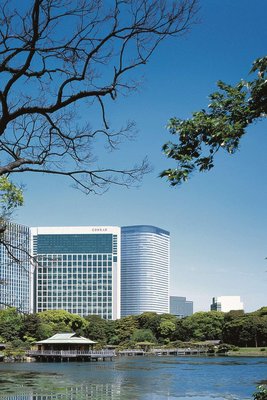
Conrad Tokyo
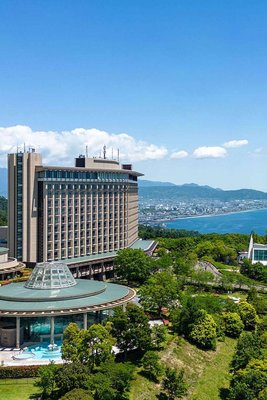
Hilton Odawara Resort & Spa
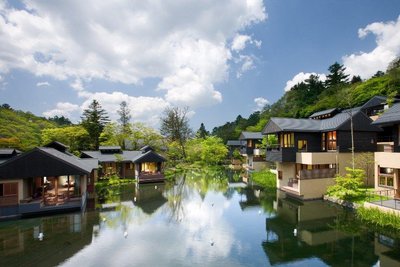
Hoshinoya Karuizawa
Yado Kiramachi
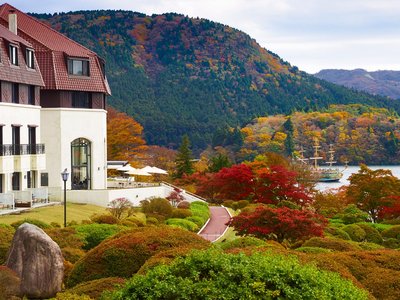
Hotakajyo

Onyado Nono Asakusa Bettei Hot Spring
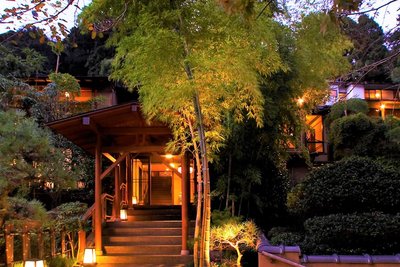
Shiki wo Ajiwau Yado Yamano Chaya
Arimasansoh Goshobessho
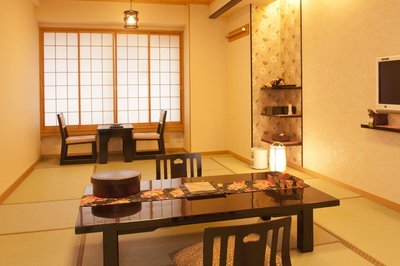
Matsui-Bekkan Hanakanzashi
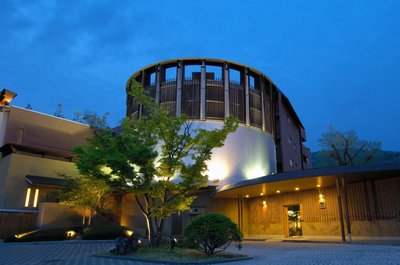
Hoshino Resorts Kai Matsumoto

Taikyourou
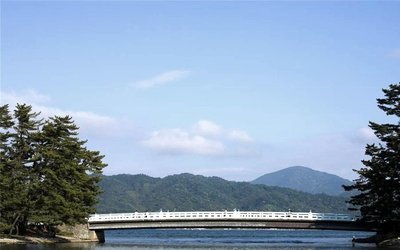
Monjusou Shourotei
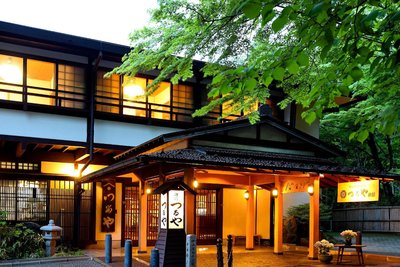
Tsuruya Ryokan
Kasuga Hotel
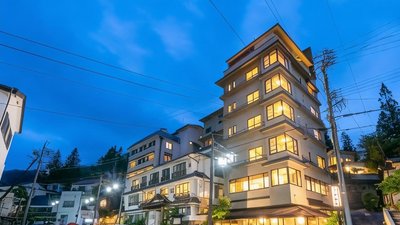
Nakamatsuya Ryokan
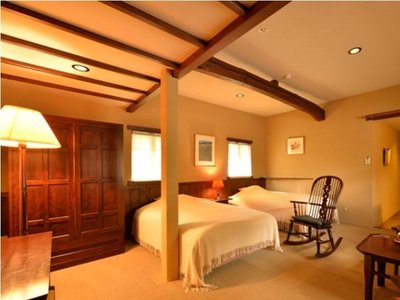
Ryokan Sugimoto
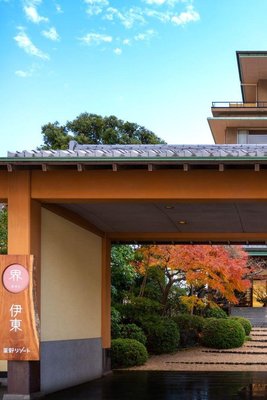
Hoshino Resorts Kai Ito
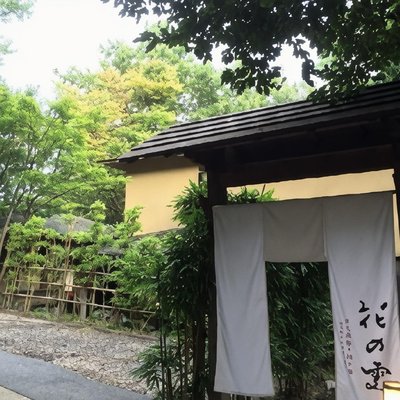
Hana No Kumo
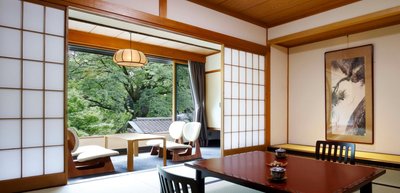
Yoshiike Ryokan
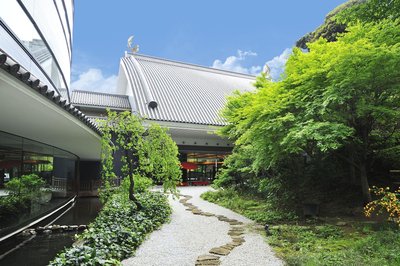
Hotel Gajoen Tokyo
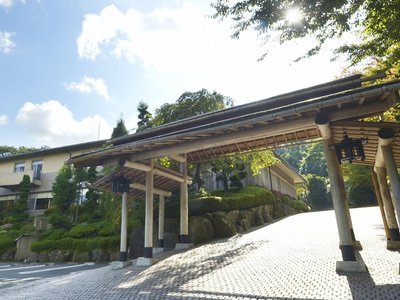
Gora Hanaougi
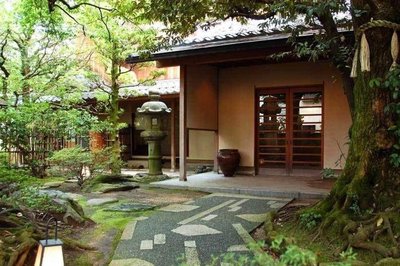
Kocho
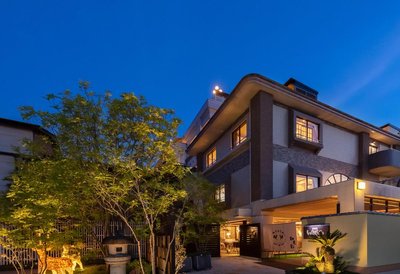
Hotel New Wakasa
Bellustar Tokyo, A Pan Pacific Hotel
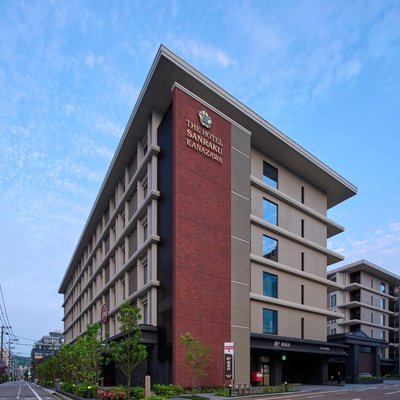
The Hotel Sanraku Kanazawa 21th December 2022 Open
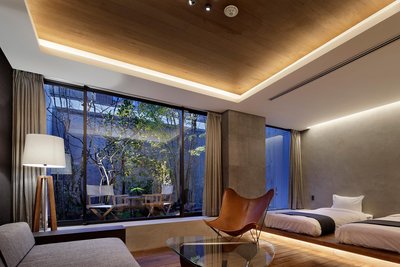
22 PIECES
The Ritz-Carlton, Osaka
JW Marriott Hotel Tokyo
Andaz Tokyo Toranomon Hills- A Concept by Hyatt

The Thousand Kyoto
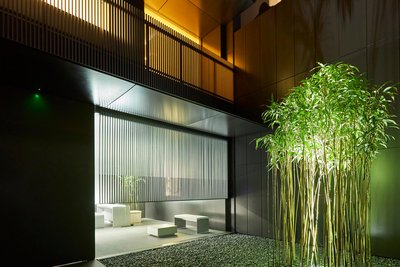
Mogana
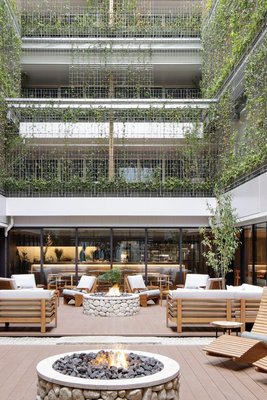
GOOD NATURE HOTEL KYOTO
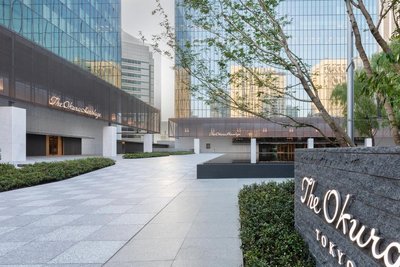
The Okura Tokyo
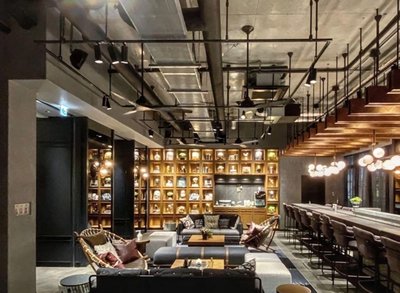
The Lively Azabujuban Tokyo
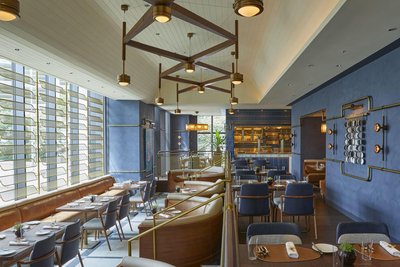
Kimpton Shinjuku Tokyo
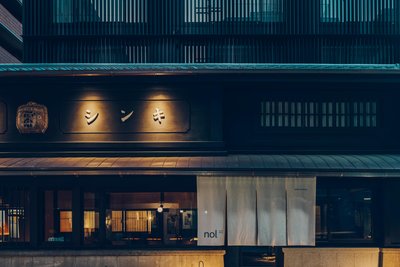
Nol Kyoto Sanjo

HOTEL K5
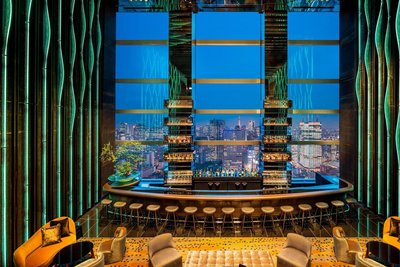
The Prince Gallery Tokyo Kioicho, a Luxury Collection Hotel
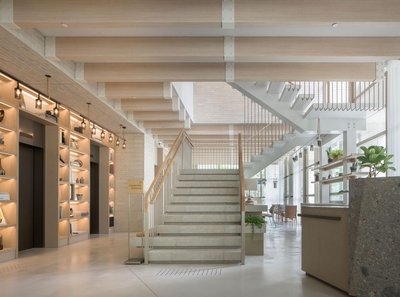
Zentis Osaka
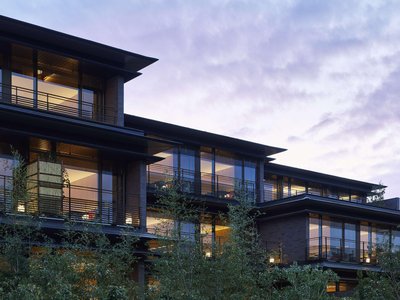
Garrya Nijo Castle Kyoto
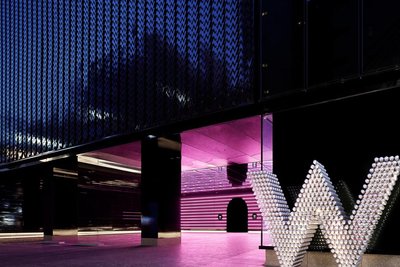
W Osaka
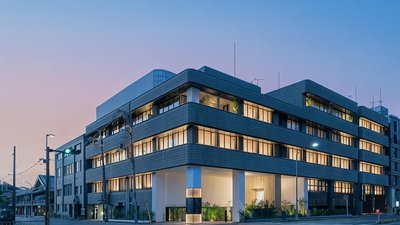
Hotel Kanra Kyoto
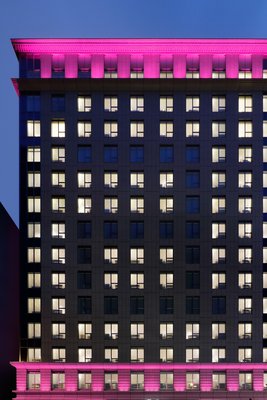
Aloft Osaka Dojima
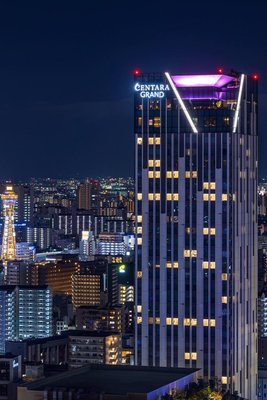
Centara Grand Hotel Osaka
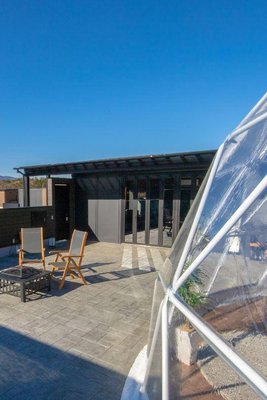
Panoramic Mt. Fuji Views from All Rooms – Vision Glamping Resort & Spa Yamanakako
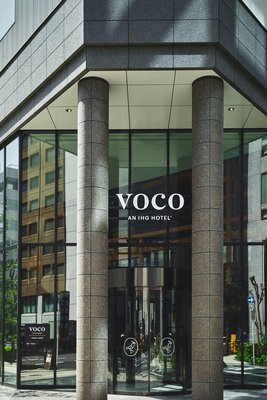
voco Osaka Central
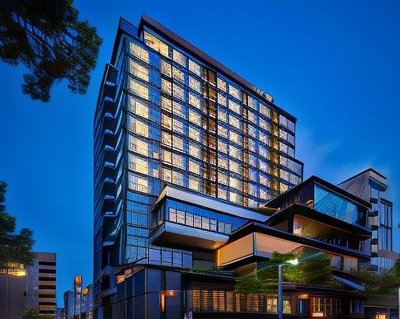
TIAD, AUTOGRAPH COLLECTION
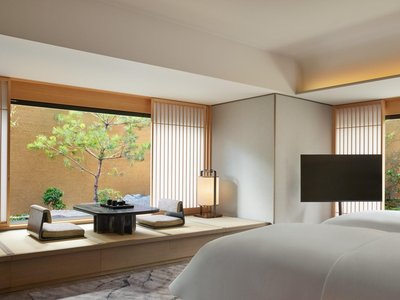
Dusit Thani Kyoto
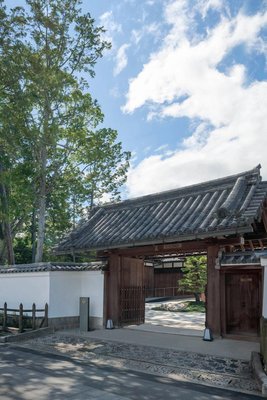
Shisui, a Luxury Collection Hotel, Nara

Hilton Kyoto
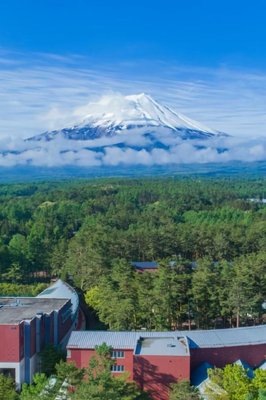
Forest Village (Fuji Premium Resort)
Osaka Marriott Miyako Hotel
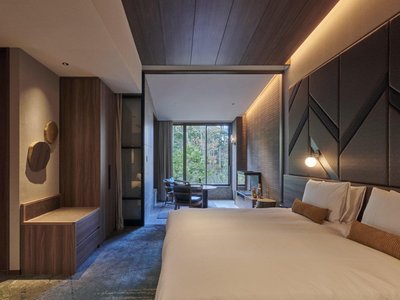
Fufu Kyu-Karuizawa Restful Forest
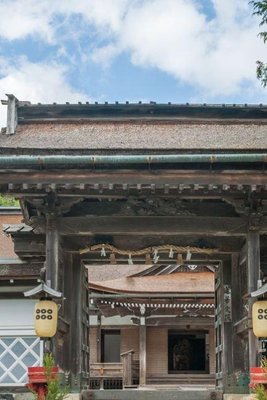
Koyasan Rengejoin
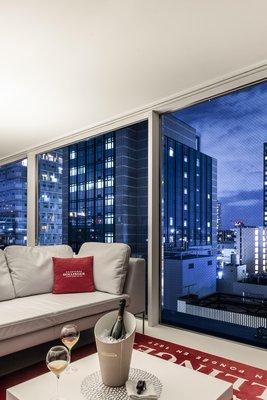
CUVÉE J2 HOTEL OSAKA by Onko Chishin
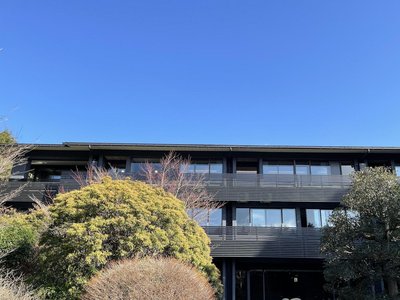
Sengokubara Cocon
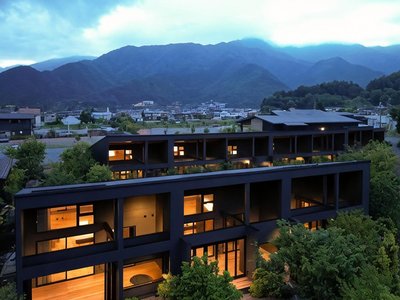
7C Villa and Winery
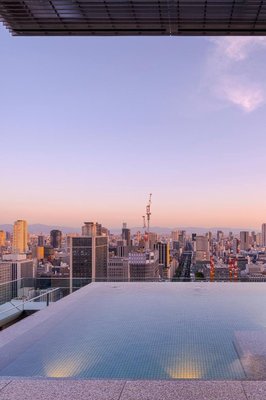
Candeo Hotels Osaka The Tower
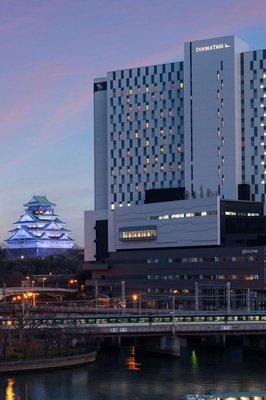
DoubleTree by Hilton Osaka Castle
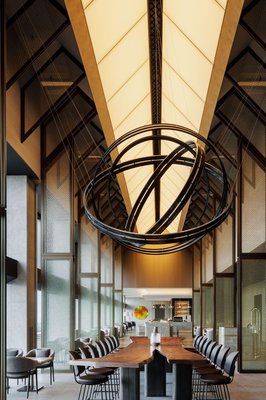
The Osaka Station Hotel, Autograph Collection
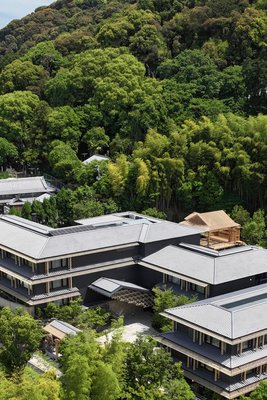
Banyan Tree Higashiyama Kyoto
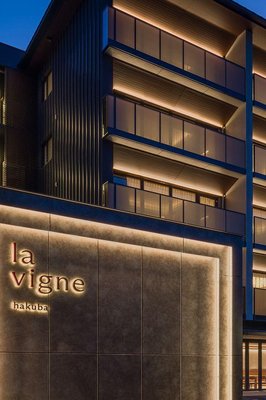
Hotel la Vigne Hakuba by Onko Chishin
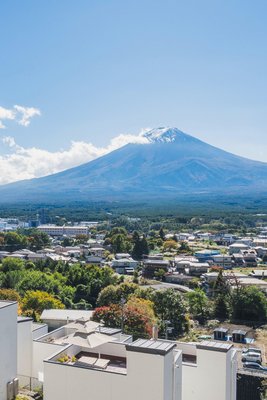
THE TOKI FujiKawaguchiko
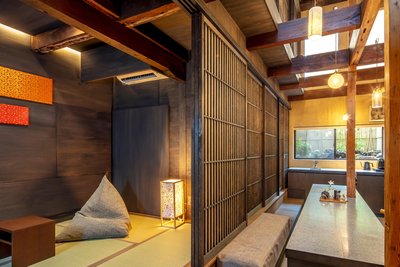
Kyo No Oozora Kihana
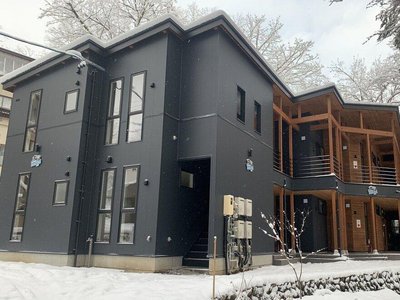
Hakuba Gondola Apartments
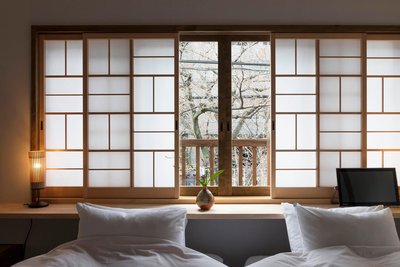
Hanagoromo Machiya House
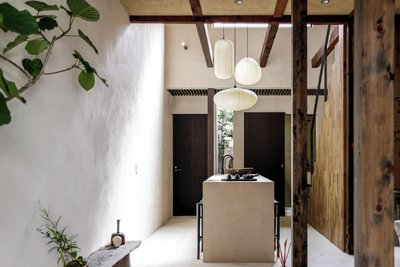
Maana Kiyomizu
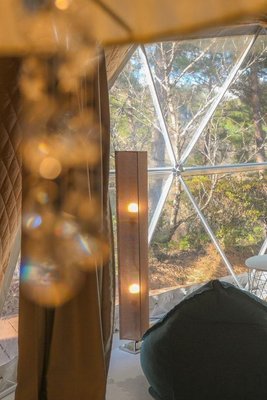
glampark Gekkabijin Nagano
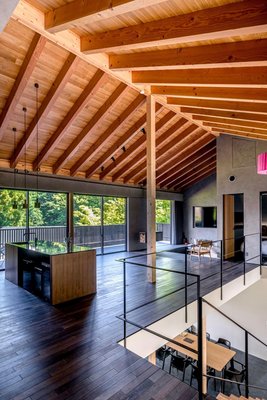
MONS GORA

Phoenix Chalets by Hhg
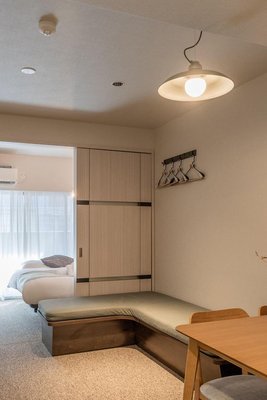
Apartment Hotel 11 Shinsaibashi
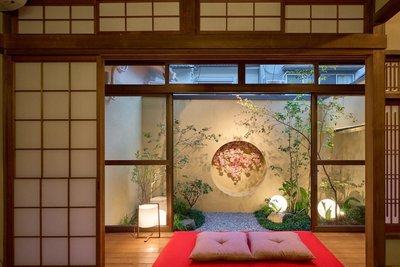
KONJAKUSO Osaka Tengachaya "NIHONCHA" Tea & Relax
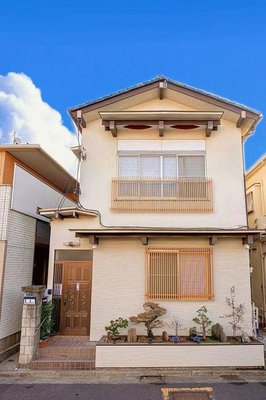
Tokyo Star House-Shinkoiwa
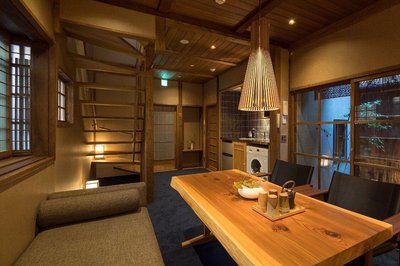
Bonbori an Machiya House
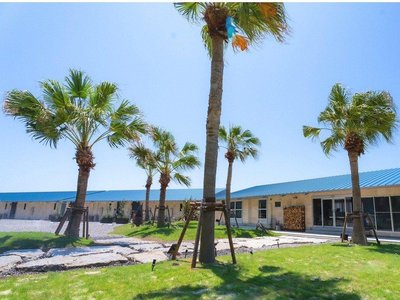
Glamping&Resort Wood Design Park Noma
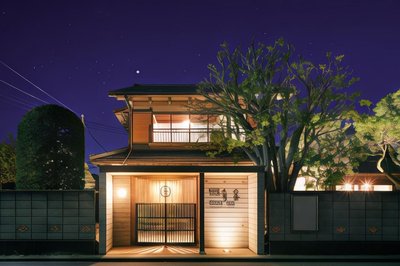
Machi-Jyu
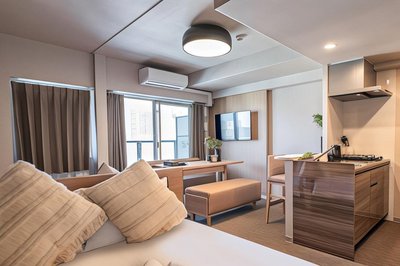
Apartment Hotel 11 Shinsaibashi III
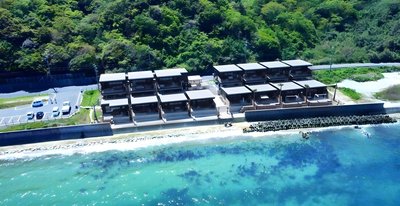
Solavilla Umi Terrace Minamiawaji
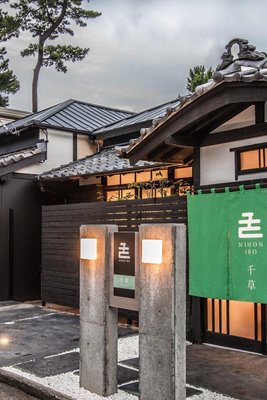
Nihon Iro
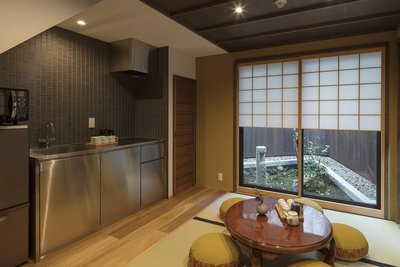
The Machiya Villa Sanjo Shirakawa Koji
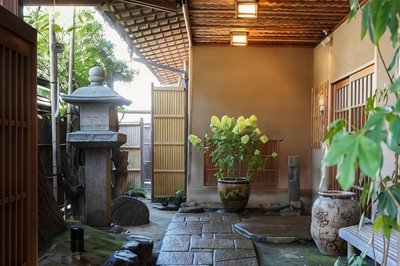
Ryokan Asadaya
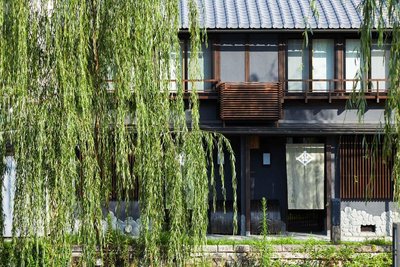
Gion Shirakawa No Yado

Kitashirakawa Natural Radium Onsen

Hotel Barrière Fouquet's New York
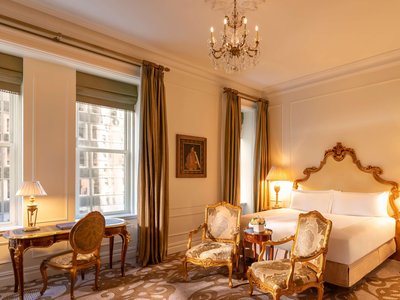
The Plaza - A Fairmont Managed Hotel
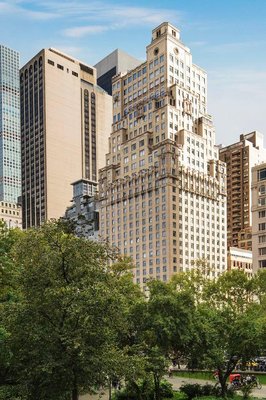
The Ritz-Carlton New York, Central Park
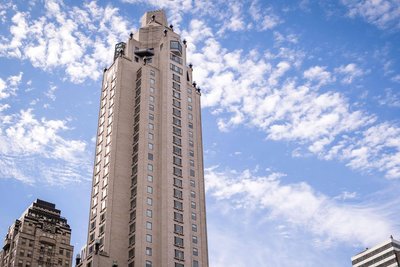
Four Seasons Hotel New York
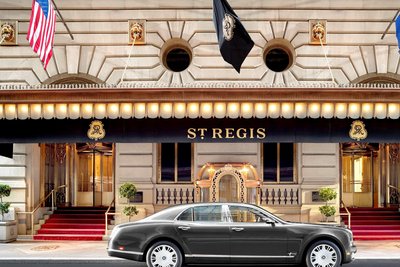
The St. Regis New York
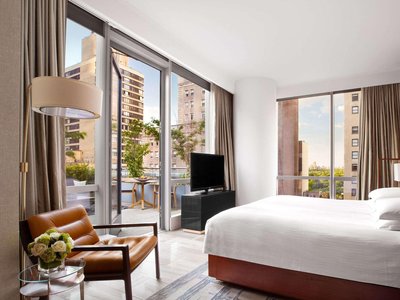
Park Hyatt New York
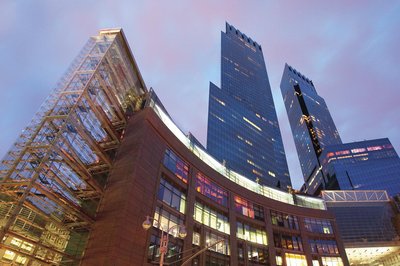
Mandarin Oriental New York
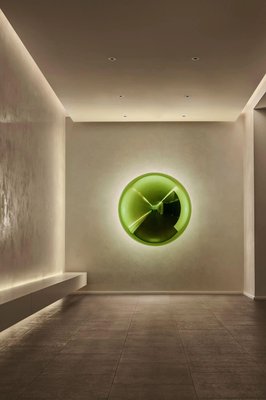
Times Square Edition New York

Loews Regency New York Hotel
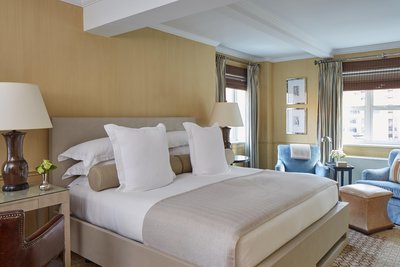
Lowell Hotel
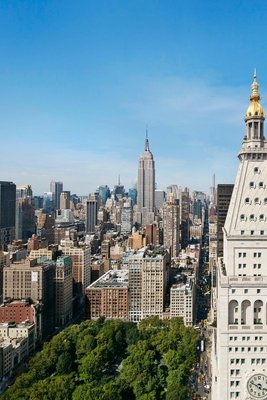
New York Edition
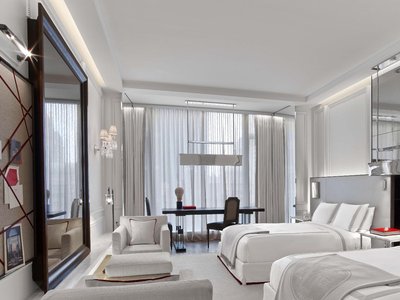
Baccarat Hotel New York

Equinox Hotel New York

Four Seasons Hotel New York Downtown
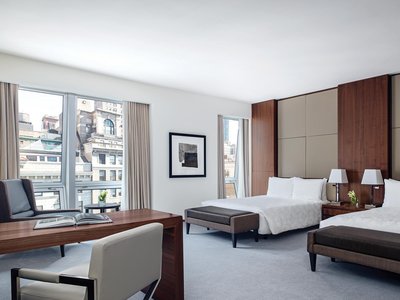
The Langham, New York, Fifth Avenue

The Carlyle, A Rosewood Hotel

The Chatwal, in the Unbound Collection by Hyatt
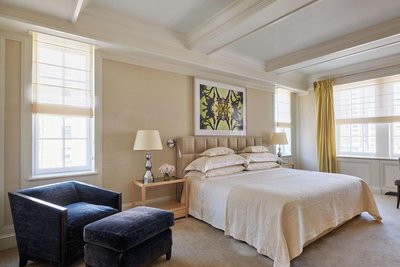
The Mark New York
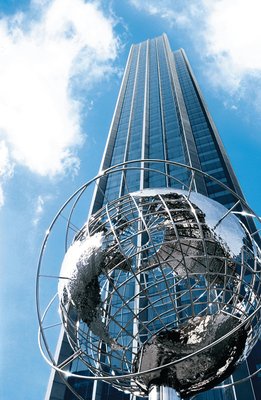
Trump International Hotel & Tower® New York
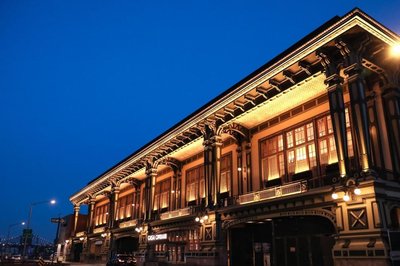
Casa Cipriani New York
Frequently Asked Questions about Traveling to Hashima
Questions You Might Need to Know About Traveling to Hashima
In Gujo City, top recommendations include Gujo Green Hotel, located near Oyama Park and the Oyama River, offering modern Japanese-style rooms with free Wi-Fi and cozy bedding. The hotel provides bicycle rentals for exploring nearby rice fields and traditional villages. Nearby attractions like the Gujo City Museum showcase local history from the Edo period to today. With excellent access to public transport and a quiet, welcoming atmosphere, it’s ideal for travelers seeking authentic rural experiences in Gifu Prefecture.
The city center district, especially around Gujo Station and the Oyama River, is the best area for accommodation. This region offers convenient access to Gujo City Hall, Community Center, and numerous local restaurants and shops. Quiet streets, warm lighting at night, and proximity to green spaces make it perfect for visitors who value tranquility and practicality. It also serves as an excellent base for day trips to Hida-Kokura or Mount Hakusan, combining comfort with easy exploration of surrounding natural and cultural sites.
Visitors to Gujo City should explore the Gujo City Museum, which displays artifacts on local agriculture and craftsmanship from the Edo era to the present. Don’t miss the annual Oyama Flower Festival in spring, featuring cherry blossoms, traditional dance performances, and community events. You can also participate in rice planting workshops, where you’ll experience hands-on farming. For tea lovers, book a private tea ceremony at a local tea house using locally grown matcha, enjoying delicate wagashi while learning about Japanese aesthetics and hospitality.
Yes, Gujo City is highly family-friendly. The expansive Oyama Park features children’s playgrounds, picnic areas, and safe walking paths along the river—perfect for family strolls. The Oyama River has gentle waterside trails ideal for kids to spot ducks and fish. The Gujo City Museum includes interactive exhibits designed for young visitors, making history engaging and fun. With low crime rates, clean public facilities, and frequent bus services connecting key attractions, families can enjoy relaxed, stress-free adventures throughout the city.
Must-try dishes in Gujo City include Gujo Beef, known for its tender texture and rich flavor—best enjoyed grilled at local eateries like Mikawa House. Another highlight is Kanagawa Soba, handcrafted buckwheat noodles served with clear broth or soy sauce, offering a chewy, satisfying bite. Don’t miss Fujimoto Shop, a historic local store selling homemade plum wine and rice wine. Pair your meal with breakfast options such as fresh-baked wagashi and miso soup at your hotel, tasting the true essence of Gifu Prefecture’s culinary heritage.
Travel from Nagoya Station to Gujo Station via the Meitetsu Railway (Mei-Tetsu), taking a rapid train that takes about 35 minutes with over 20 daily departures. Alternatively, take a direct bus from Meitetsu Nagoya Station through the Tokai Road to Gujo City Hall Front, a journey lasting around 50 minutes. Upon arrival, rent bicycles or walk to nearby attractions. Consider purchasing a Meitetsu One-Day Pass to save money and enhance travel flexibility across the region.
Gujo City is renowned for its scenic Oyama River corridor, with lush green banks and seasonal beauty: cherry blossoms in spring, fireflies in summer, vibrant autumn foliage, and serene snow-covered landscapes in winter. The riverfront features well-maintained waterfront walking paths ideal for jogging, cycling, or photography. The city preserves many original rice paddies and bamboo groves, home to native birds and frogs. Join a guided eco-tour led by local residents to learn about native flora and conservation efforts—experience the deep harmony between people and nature in this peaceful countryside setting.
Nighttime in Gujo City is calm and charming. Stroll along the Oyama River where soft lights reflect on the water, creating a dreamlike atmosphere. Some restaurants, like Kawano-ya, host evening tea ceremonies on weekends, serving handmade ceramics and seasonal sweets. The Gujo City Hall Plaza occasionally hosts small outdoor concerts or craft markets showcasing local art and handmade goods. For a quiet retreat, enjoy stargazing from your hotel’s terrace at Gujo Green Hotel, far from urban light pollution, under a clear, star-filled sky.
Absolutely. Gujo City offers stunning photo opportunities. Capture long-exposure shots of misty mornings or golden sunsets along the Oyama River. The Oyama Park maple trees and stone bridge provide perfect compositions. Spring’s cherry blossom tunnel and fall’s autumn foliage create breathtaking backdrops, especially from Gujo Bridge. Historic old town houses with weathered walls and wooden doors offer rich textures for documentary-style photography. Bring a tripod and polarizing filter to enhance your shots during golden hour, capturing the blend of nature and tradition.
Definitely. Though not a major industrial hub, Gujo City preserves unique crafts. The most notable is Gujo Textiles, handwoven from natural cotton used in futons and kimonos—visit the Gujo Craft Center to watch artisans at work and join a basic weaving workshop. Another local tradition is earthenware pottery, made using local clay for cooking vessels that retain heat and enhance flavor. These crafts reflect centuries-old wisdom and sustainable living, offering visitors a meaningful connection to Japan’s rural heritage and craftsmanship.
Hashima Overview
City Summary
Hashima City, located in the southern part of Gifu Prefecture, Japan, is a small town that blends tradition and modernity. Known for its Hashima textile industry, the city has a long history of textile production and is an important part of the Nagoya metropolitan area. Despite its small size, the city is vibrant, with facilities like the Hashima City Cultural Hall and Hashima City Sports Center showcasing its modern side.
Must-See Attractions
Must-visit attractions include the Hashima Textile Museum, which displays the history of the local textile industry, and the Hashima City Library, a modern building perfect for Instagram shots. Additionally, Hashima Citizens' Park is a great place to relax, with seasonal scenery.
Food Guide
Hashima's cuisine features local specialties, such as Hashima ramen, known for its rich broth and chewy noodles. Street food like fried chicken skewers is also popular, especially when paired with local beer.
Transportation Guide
Hashima is well-connected by the Meitetsu Nagoya Main Line, with a 30-minute ride to Nagoya. Within the city, buses and taxis are the main options, though bus schedules are limited, so check timetables in advance. Renting a car is also a good choice, as roads are well-maintained.
Best Time to Visit
The best times to visit are spring (March-May) and autumn (September-November), when the weather is pleasant for outdoor activities. Summers can be hot, and winters are cold with fewer tourists.
Travel Tips
- Hashima is safe, but it's best to travel in groups at night.
- Locals are reserved, so ask for permission before taking photos.
- Keep noise levels down in public spaces.
- Follow local recycling rules for trash disposal.
- Some restaurants don't accept credit cards, so carry cash.
- Respect local customs by avoiding overly revealing clothing.
Useful Information
Japanese is the main language, though some attractions and restaurants may have English signs. Internet coverage is good; consider buying a local SIM card or using roaming. Cash is preferred, though some shops accept credit cards. The emergency number is 119, and travel insurance is recommended.









