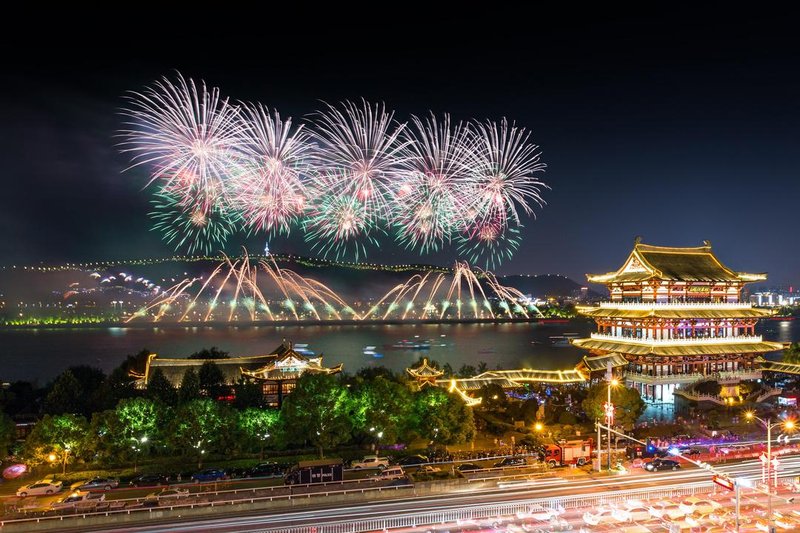
Hotels in Havelange
Discover your perfect stay in Havelange.
Havelange(Belgium) Travel 2026: Cheap Flights, Hotels & Top Attractions
Popular Landmarks in Havelange
Discover the most iconic attractions in Havelange
Recommended Hotels in Havelange
Find the perfect place to stay in Havelange
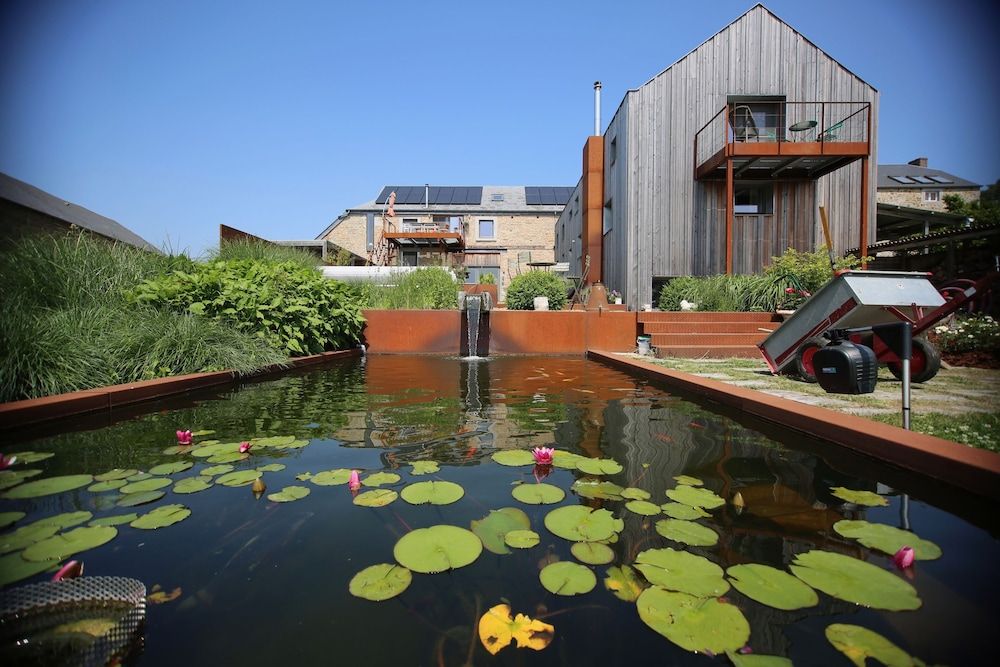
Barsy 34
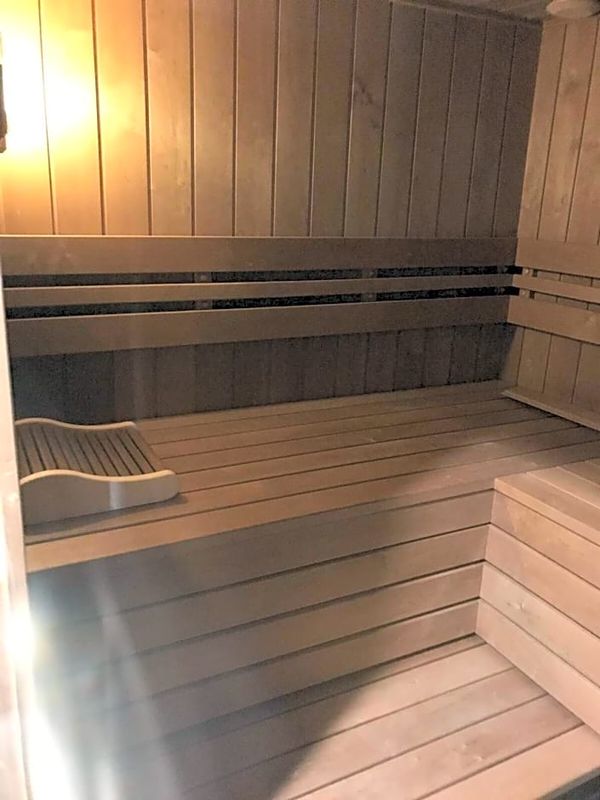
Au Manoir des Vallees
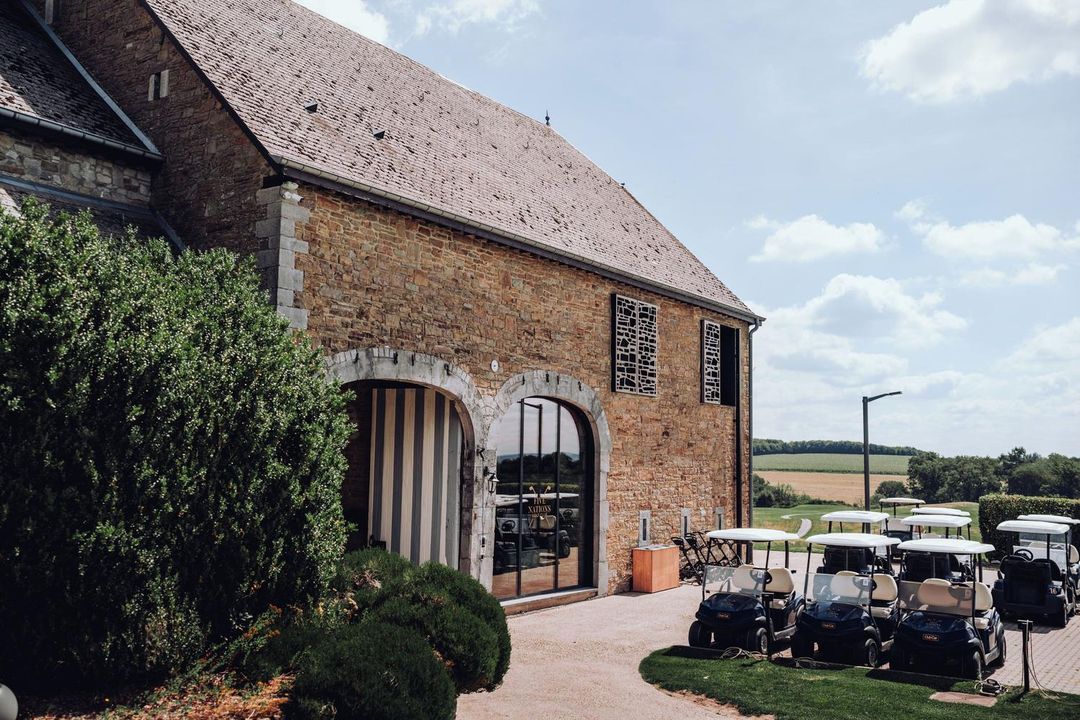
Hôtel & Restaurant Five Nations
Best Hotels in Havelange
Discover curated hotel collections in Havelange
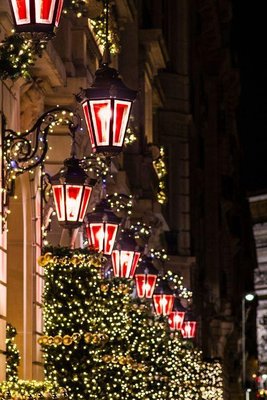
Le Royal Monceau - Raffles Paris
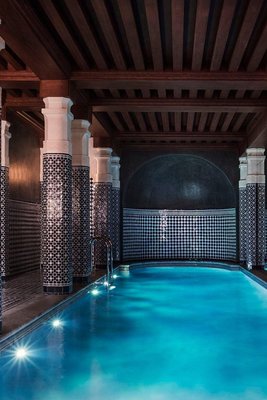
Maison Proust, Hotel & Spa la Mer
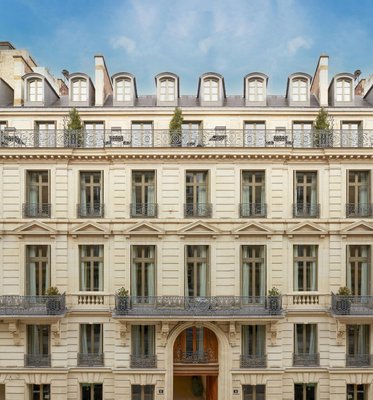
Maison Delano Paris
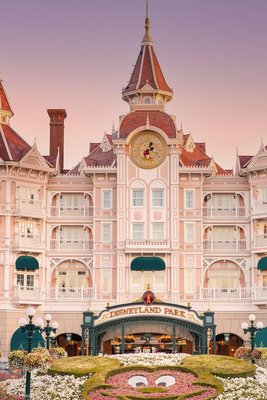
Disneyland Hotel
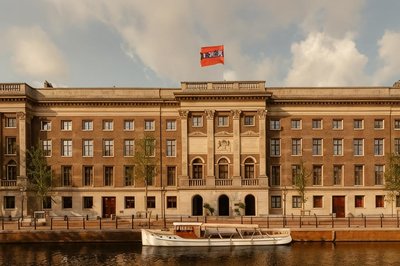
Rosewood Amsterdam
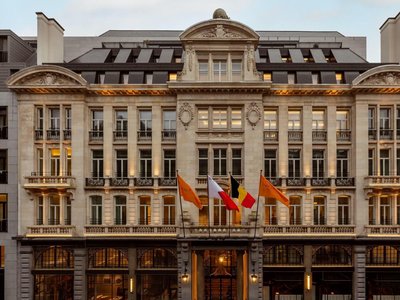
Corinthia Grand Hotel Astoria Brussels
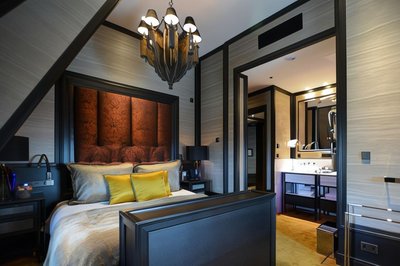
Hotel TwentySeven - Small Luxury Hotels of the World
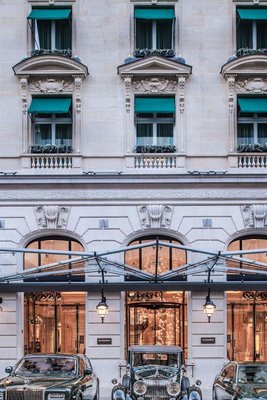
The Peninsula Paris
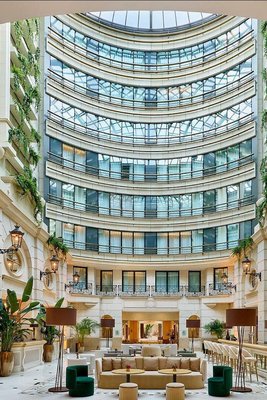
Paris Marriott Champs Elysees Hotel
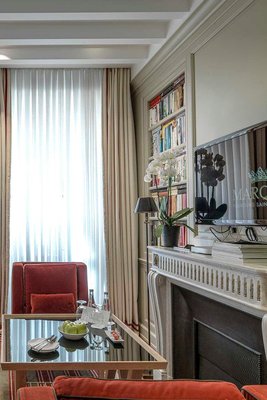
Hôtel Marquis Faubourg Saint-Honoré
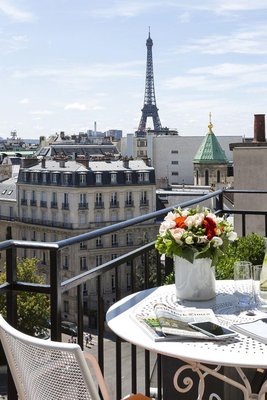
Hôtel San Régis
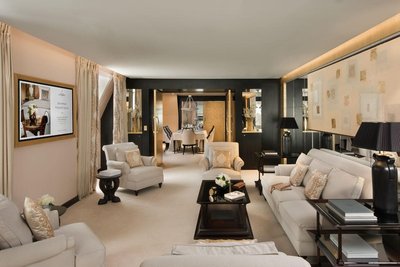
Hotel Barrière Fouquet's Paris
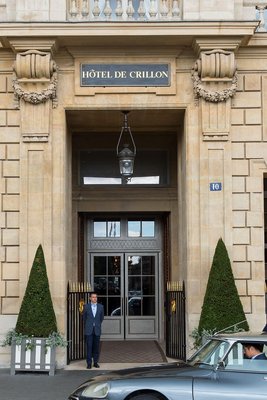
Hotel de Crillon A Rosewood Hotel
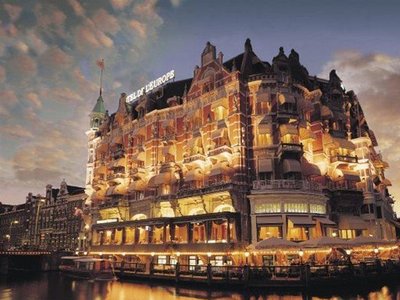
De L’Europe Amsterdam – the Leading Hotels of the World
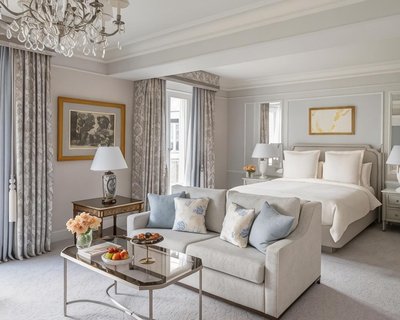
Four Seasons Hotel George V Paris
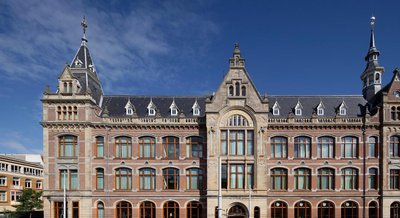
Conservatorium Hotel (Operated by Mandarin Oriental)
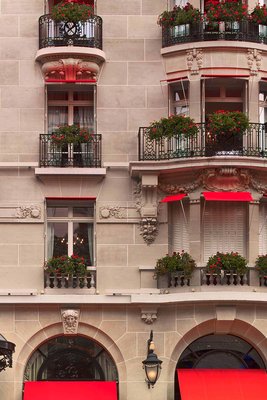
Plaza Athénée Paris & Dior Spa
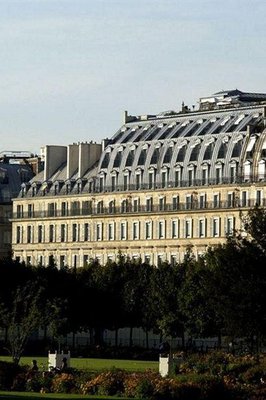
Le Meurice
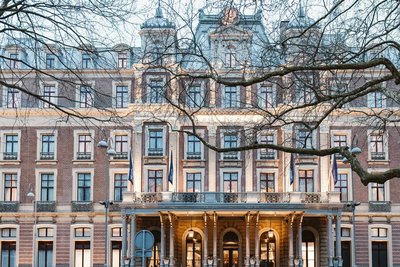
InterContinental Amstel Amsterdam
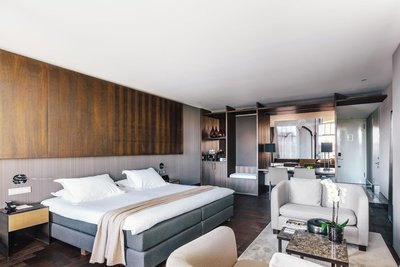
The Dylan Amsterdam
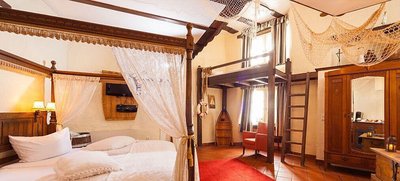
Märchenhotel
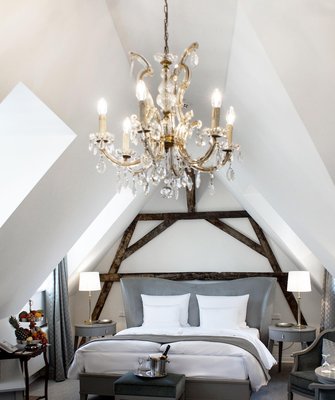
Romantik Hotel Zur Glocke
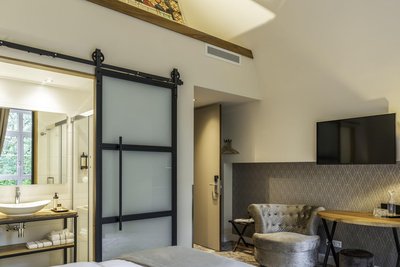
KerkHotel Biervliet
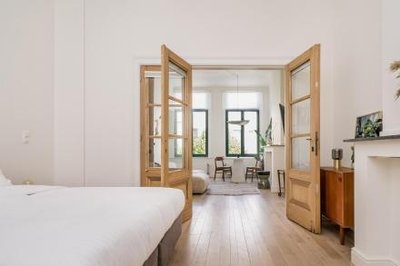
Quartier le Sud
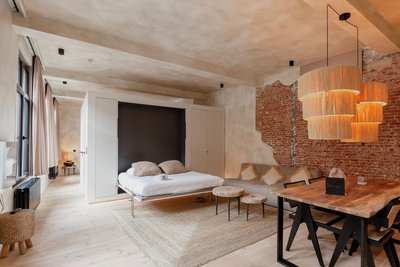
Btfl Living Antwerp

Les Jardins du Mess
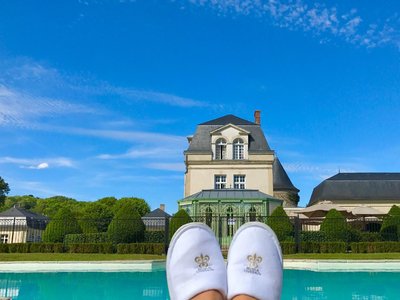
Château de Courcelles - Relais & Châteaux
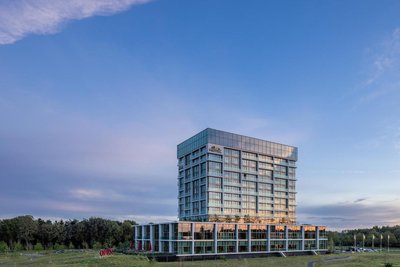
Van der Valk Hotel Eindhoven-Best
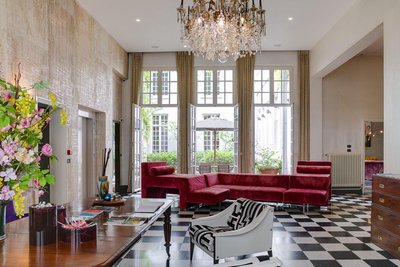
De Witte Lelie
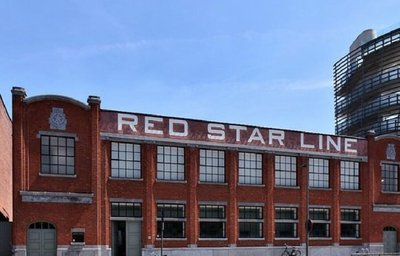
U Eat & Sleep Antwerp
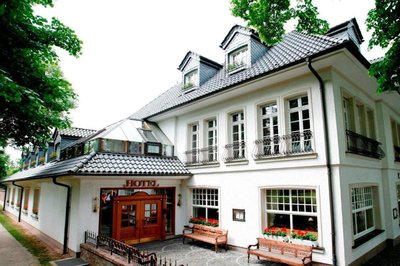
Hotel "Schloss Friedestrom"
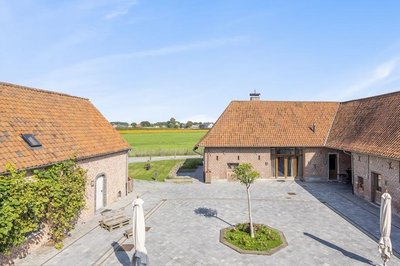
Burgemeestershof
1898 the Post

La Jonquette
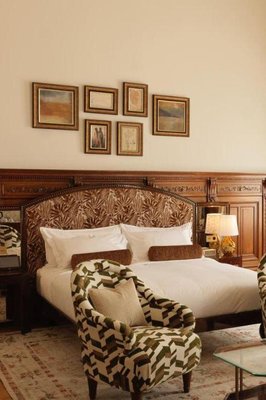
Hotel Fleur de Ville
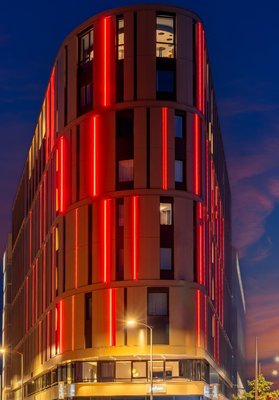
Radisson Hotel Reims
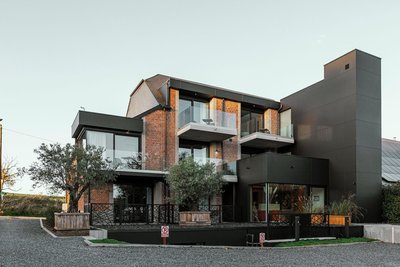
CC Nomie Hôtel Restaurant
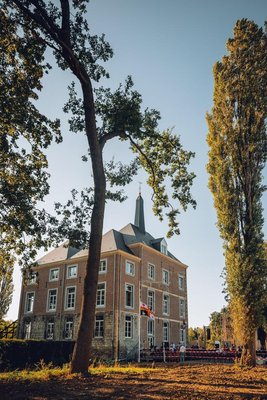
Van Oys Maastricht Retreat
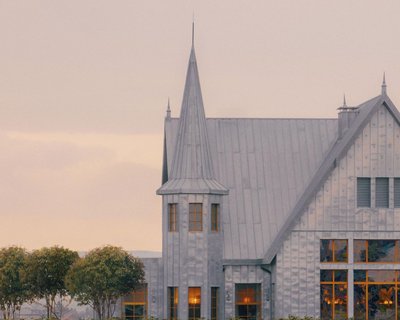
Maison Heler Metz, Curio Collection by Hilton
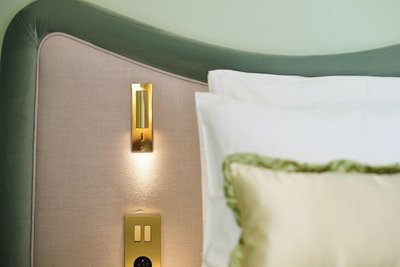
Les Bains De Spa
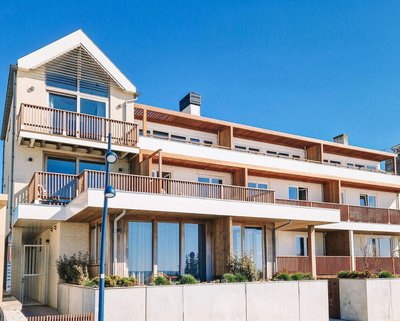
Boulevard 5
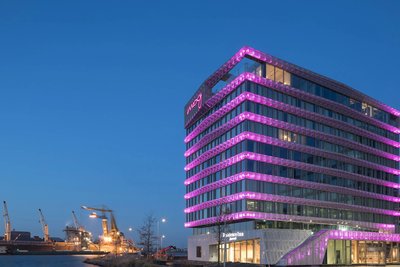
Residence Inn by Marriott Amsterdam Houthavens
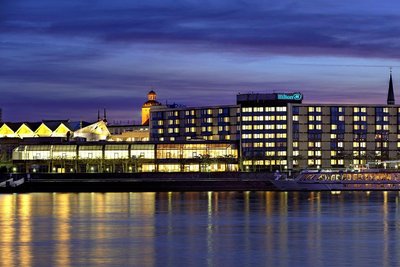
Hilton Mainz
De L’Europe Amsterdam – the Leading Hotels of the World
Four Seasons Hotel George V Paris
InterContinental Amstel Amsterdam
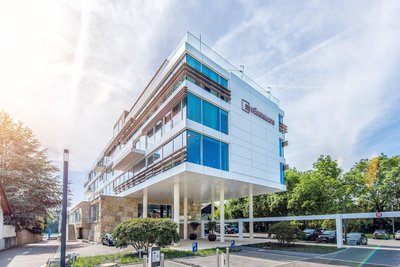
Fährhaus
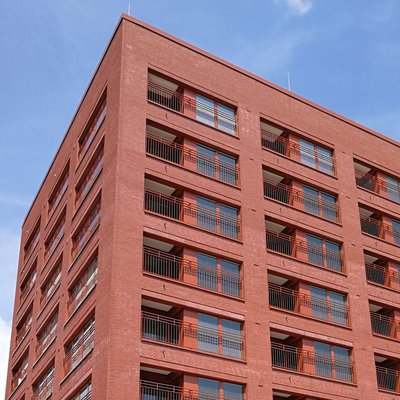
The Flag Oskar M.
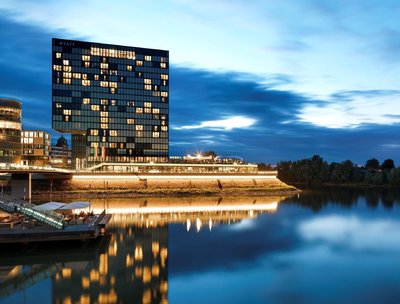
Hyatt Regency Dusseldorf
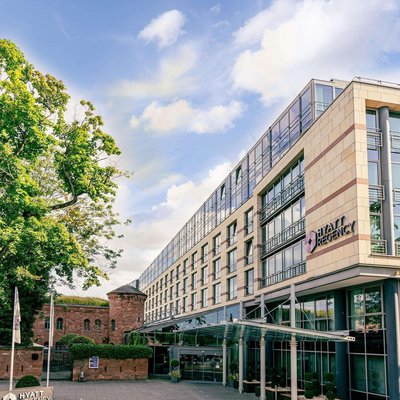
Hyatt Regency Mainz
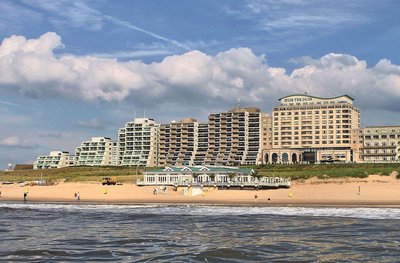
The Historic Huis Ter Duin
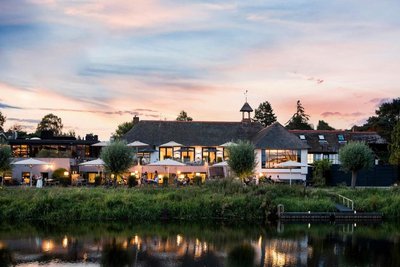
Mooirivier
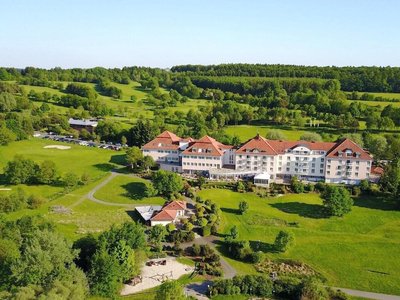
Golf- Und Sporthotel Wiesensee
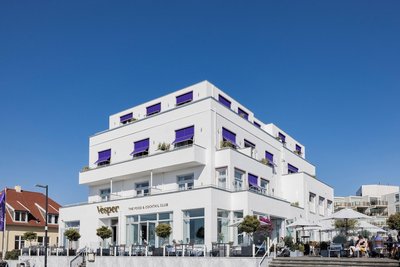
Vesper Hotel
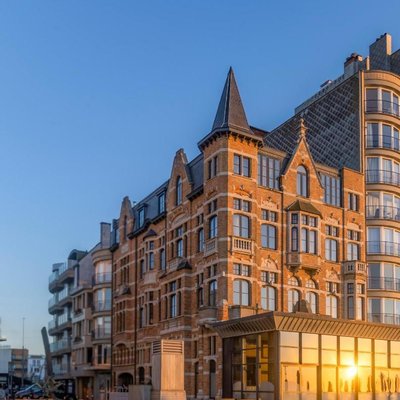
Hotel Villa Select
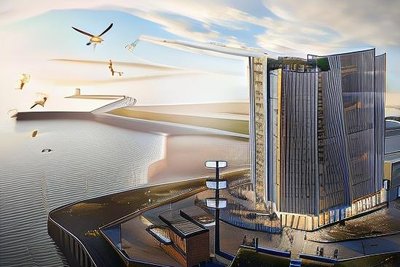
Inntel Hotels Den Haag Marina Beach
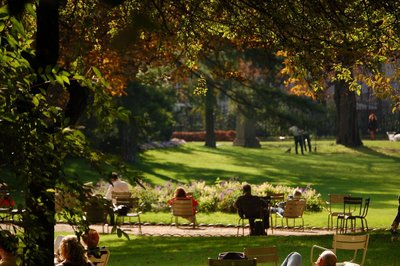
Hotel Les Rives de Notre-Dame
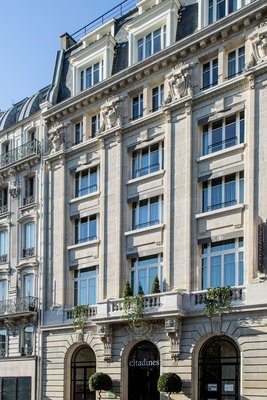
Citadines Saint-Germain-Des-Prés Paris
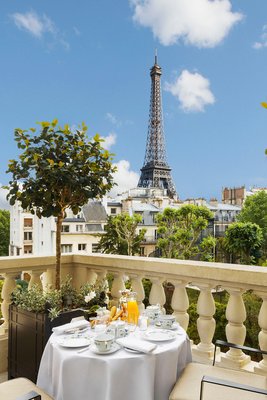
Shangri-La Paris

Cheval Blanc Paris & Dior Spa Cheval Blanc Paris
Maison Proust, Hotel & Spa la Mer
Maison Delano Paris
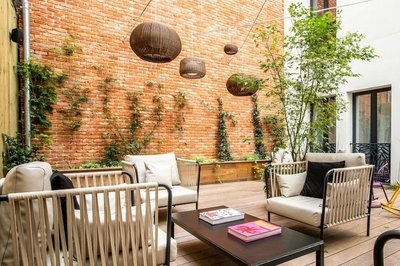
Laz' Hotel Spa Urbain Paris
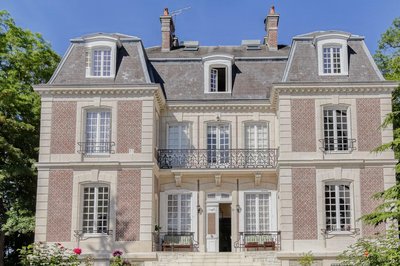
Château d'Avesnes - le Castelet
The Peninsula Paris
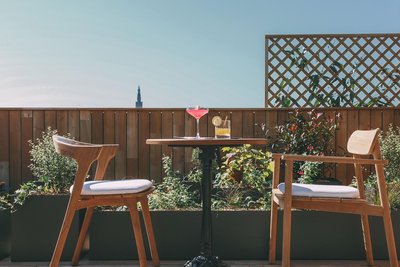
Grand Hotel Bellevue - Grand Place
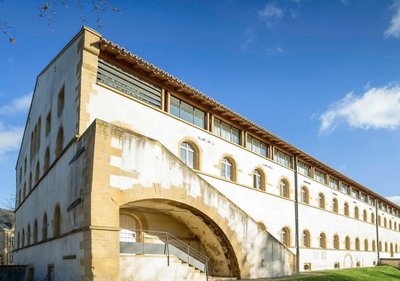
Hôtel la Citadelle Metz - MGallery Collection
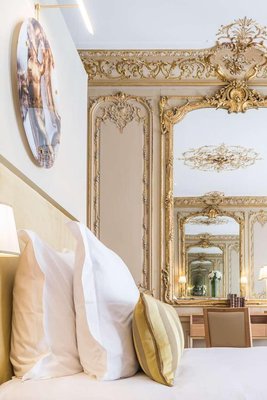
Hôtel Alfred Sommier
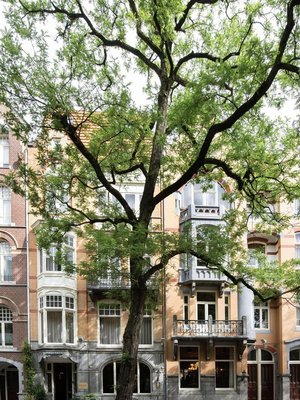
Jan Luyken Amsterdam
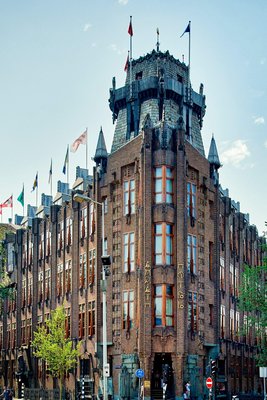
Grand Hotel Amrâth Amsterdam
Hotel de Crillon A Rosewood Hotel
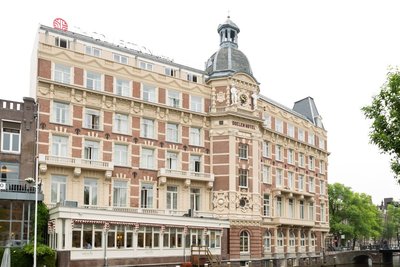
Tivoli Doelen Amsterdam Hotel
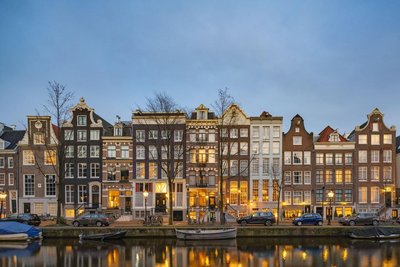
Ambassade Hotel
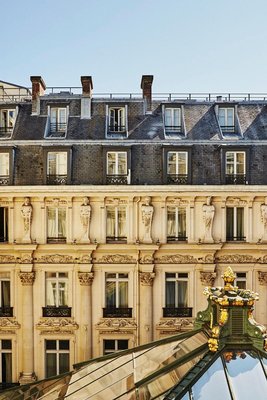
InterContinental Paris le Grand
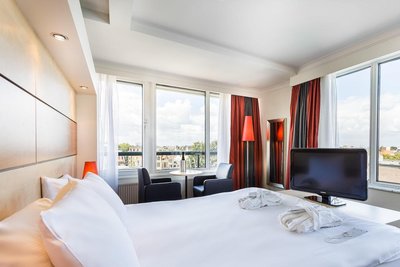
Hotel Die Port Van Cleve
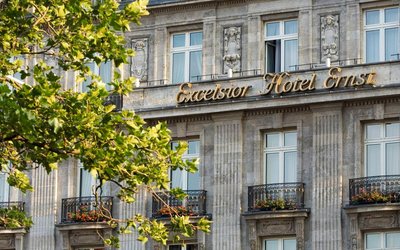
Excelsior Hotel Ernst am Dom
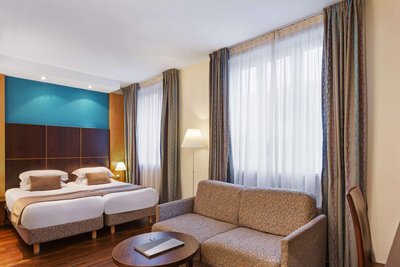
Best Western Plus Monopole Metropole
Four Seasons Hotel George V Paris
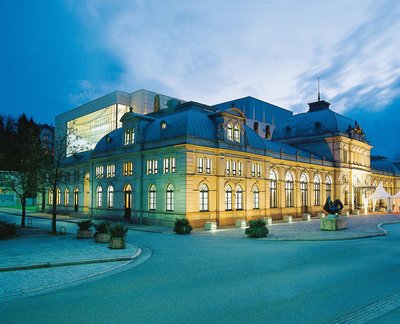
Hotel der Kleine Prinz
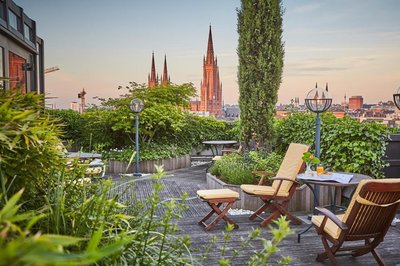
Hotel Nassauer Hof
1898 the Post
The Peninsula Paris
Paris Marriott Champs Elysees Hotel
Hôtel San Régis
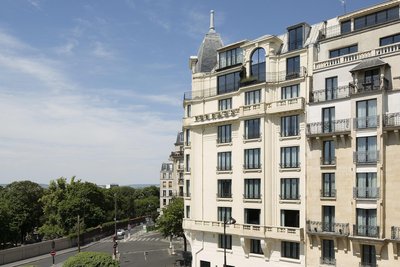
Terrass Hotel Paris
Plaza Athénée Paris & Dior Spa

Andaz Amsterdam Prinsengracht, by Hyatt
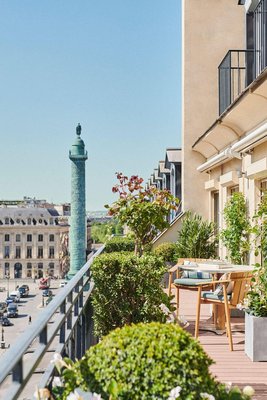
Park Hyatt Paris Vendome
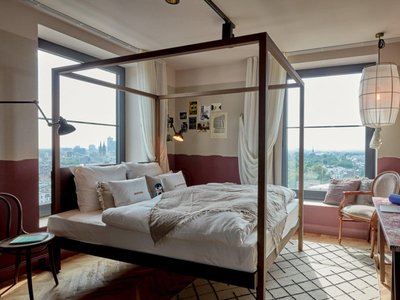
25Hours Hotel Duesseldorf Das Tour
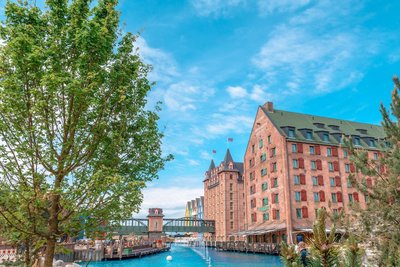
Europa-Park Freizeitpark & Erlebnis-Resort, Hotel Krønasår
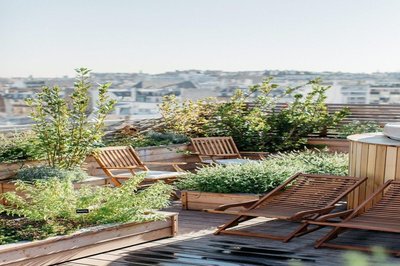
Brach Paris - Evok Collection
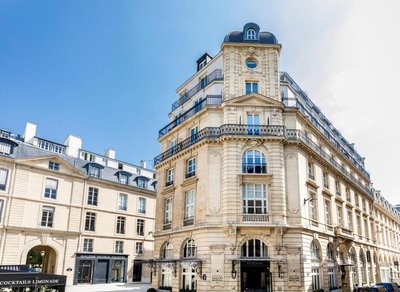
Grand Hôtel du Palais Royal
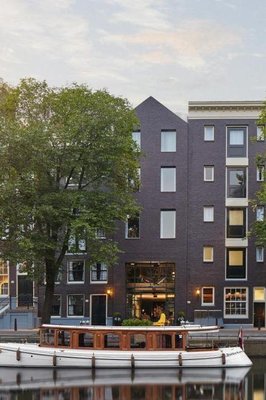
Pulitzer Amsterdam
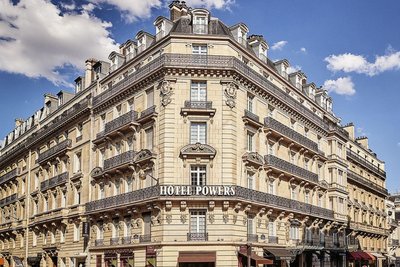
Grand Powers Hotel
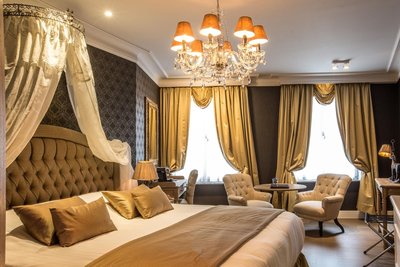
Luxury Boutique Hotel de Castillion
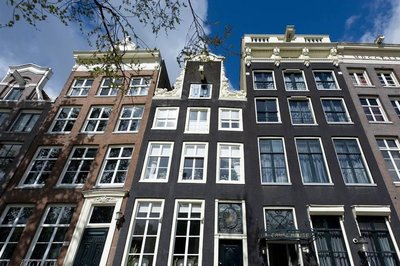
Small Luxury Hotels of the World - Canal House
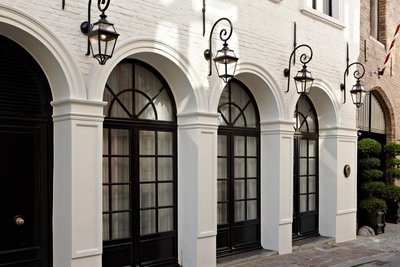
Hotel de Orangerie by CW Hotel Collection

Hotel Eiffel Blomet
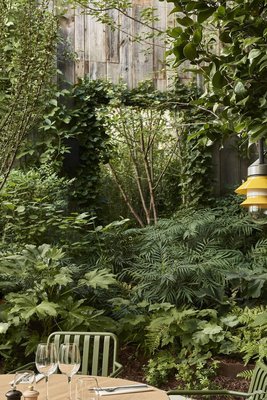
Hôtel le Ballu
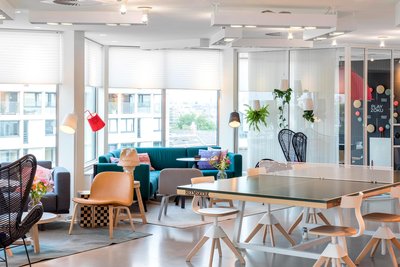
Zoku Amsterdam
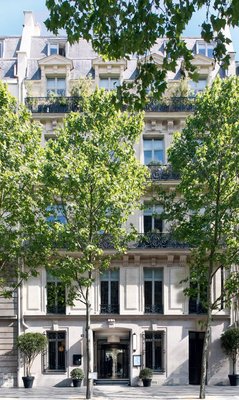
Le Narcisse Blanc Hôtel & Spa
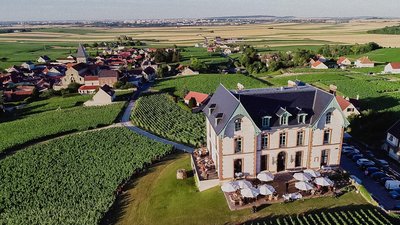
Chateau de Sacy
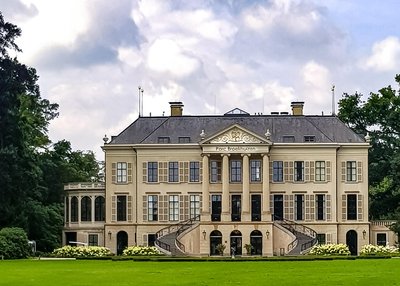
Parc Broekhuizen l Culinair Landgoed
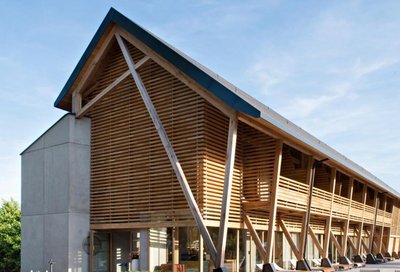
Hotel des Berges, Restaurant Gastronomique & Spa
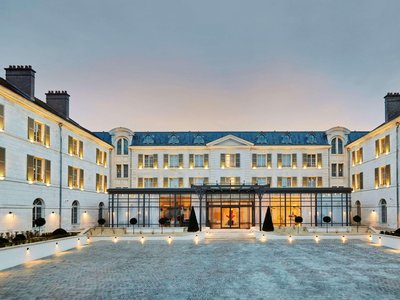
Licorne Hotel & Spa Troyes MGallery
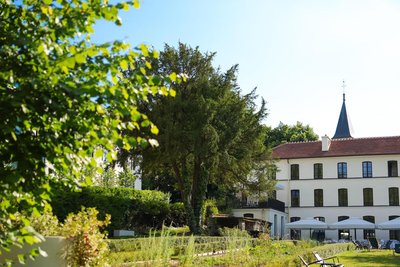
Domaine Reine Margot Paris Issy MGallery Collection
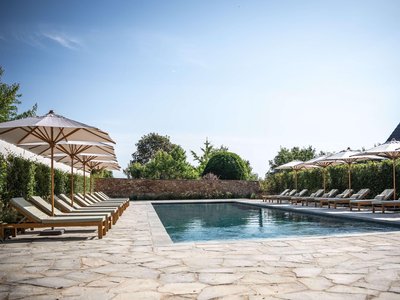
5 Terres Hôtel & Spa - MGallery
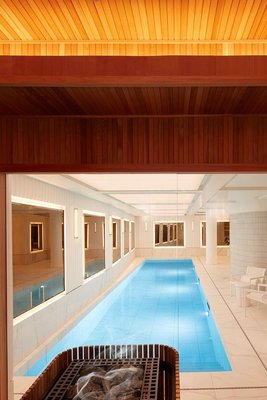
Villa-des-Prés
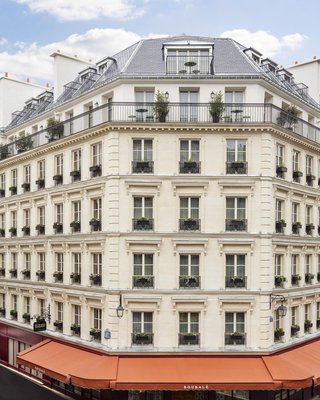
Le Grand Mazarin
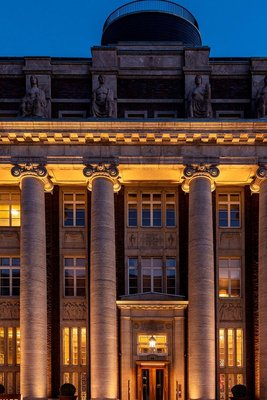
The Wellem Dusseldorf, Part of Hyatt
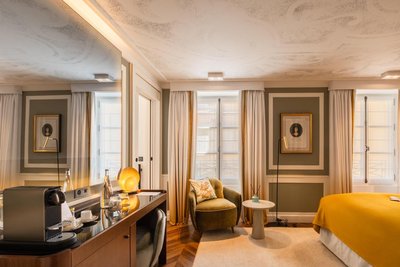
Hôtel les Lumières - Relais & Châteaux
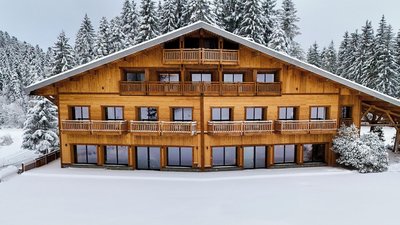
Domaine de Montagne - Hôtel Chalet Frère Joseph
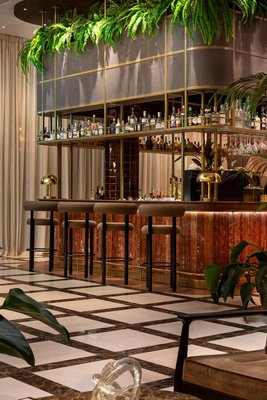
Brunfels Hotel, in the Unbound Collection by Hyatt
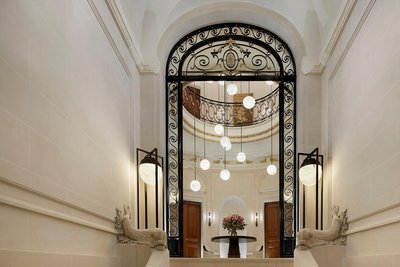
Maison Villeroy
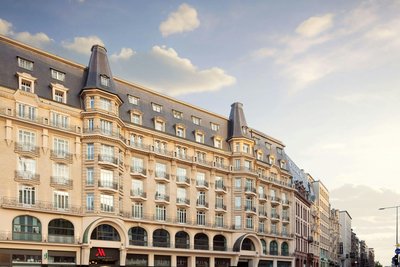
Luxembourg Marriott Hotel Alfa
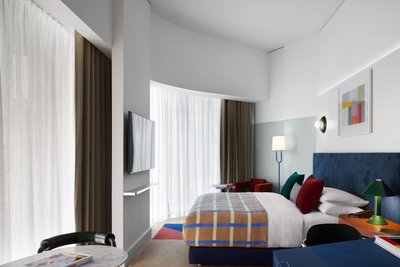
Kimpton Main Frankfurt
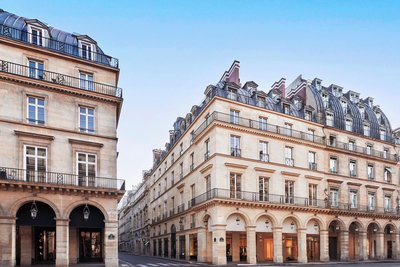
Maison Barrière Vendôme
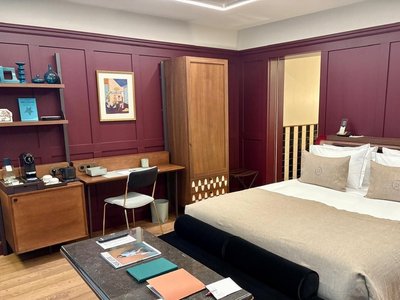
Faubourg 21
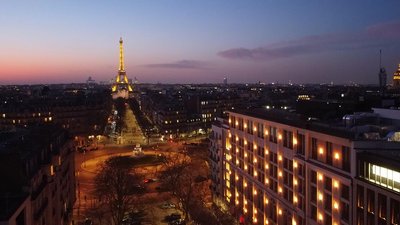
SAX Paris, LXR Hotels & Resorts
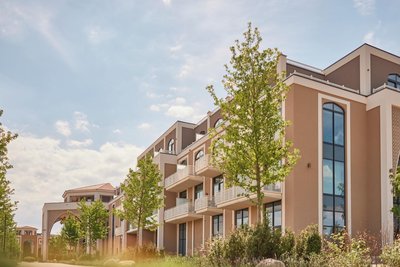
Hotel Thermen Berendonck
Hotel TwentySeven - Small Luxury Hotels of the World
The Peninsula Paris
Hotel de Crillon A Rosewood Hotel
De L’Europe Amsterdam – the Leading Hotels of the World
Four Seasons Hotel George V Paris
Le Meurice
The Dylan Amsterdam
Park Hyatt Paris Vendome
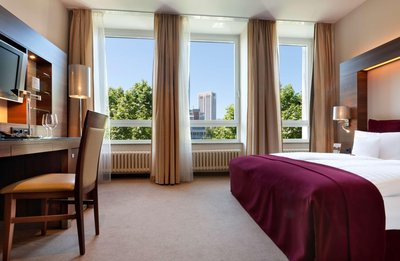
Flemings Selection Hotel Frankfurt-City
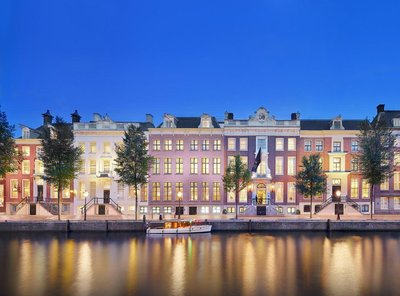
Waldorf Astoria Amsterdam
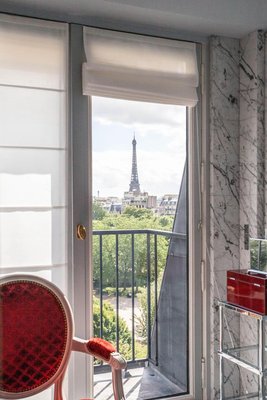
La Reserve Paris Hotel and Spa
Hyatt Regency Dusseldorf
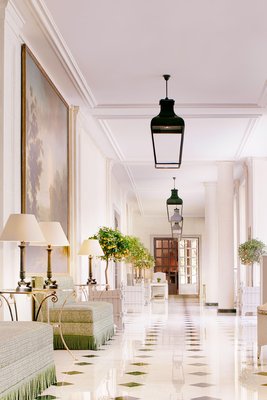
Le Bristol Paris - an Oetker Collection Hotel
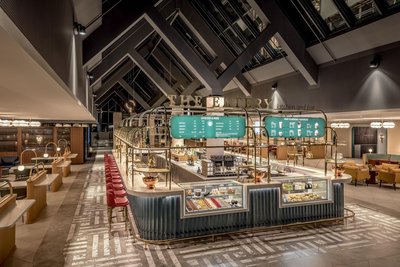
Frankfurt Airport Marriott Hotel
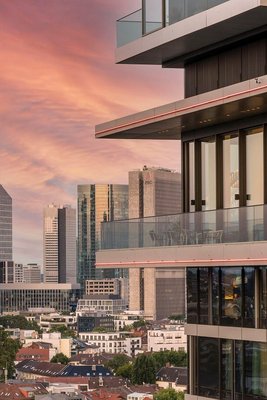
Melia Frankfurt City
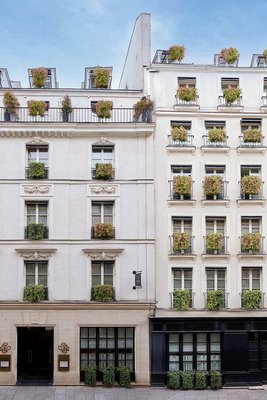
Le Burgundy Paris
Shangri-La Paris
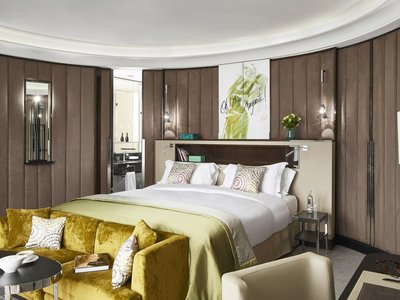
Sofitel Frankfurt Opera
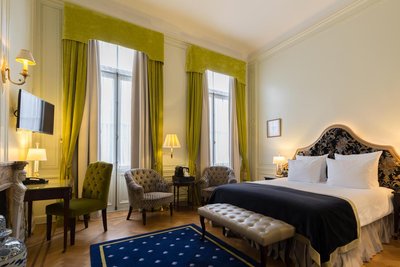
Stanhope Hotel Brussels by Thon Hotels
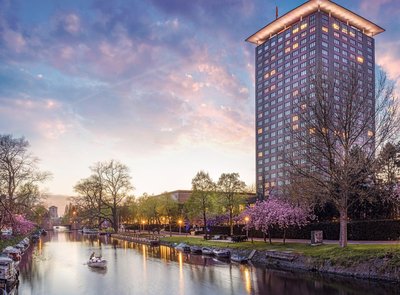
Hotel Okura Amsterdam – the Leading Hotels of the World
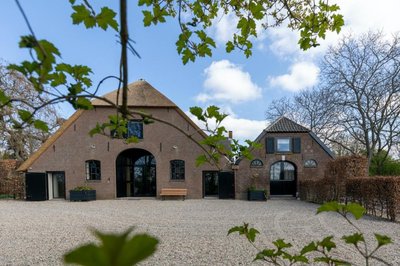
Het Rentmeestershuis
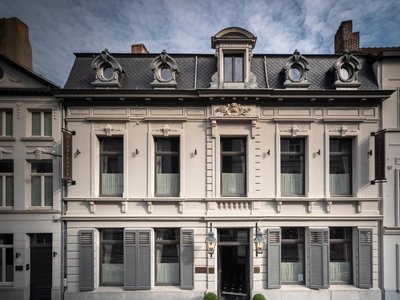
CH Longstay 2
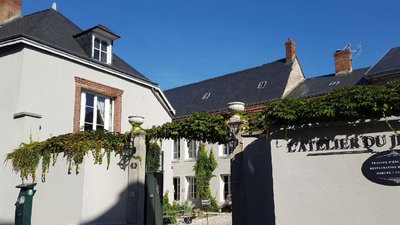
Au Jeu de Paume
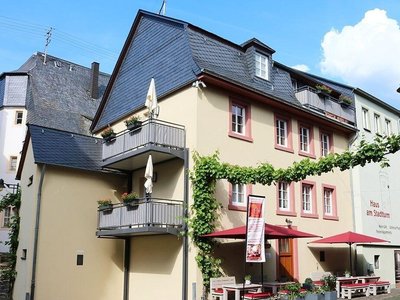
Haus am Stadtturm
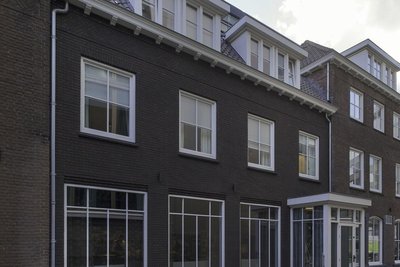
Little Grand
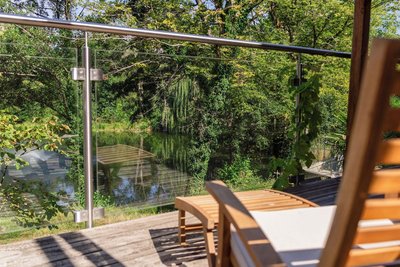
Domaine de la Résidence Hotel Spa & Restaurant
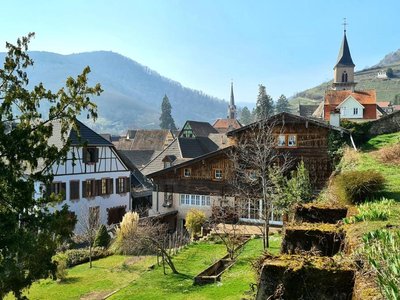
La Grange du Couvent B&B
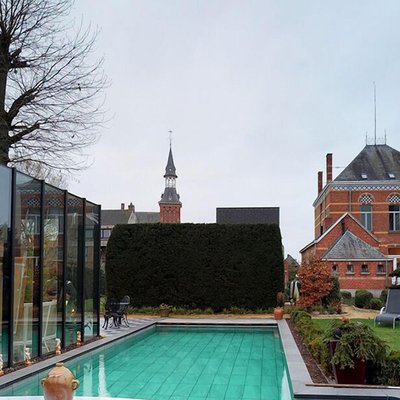
Art of Dreams Deluxe 4 Stars
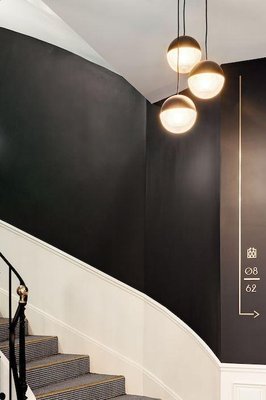
My Maison in Paris Invalides
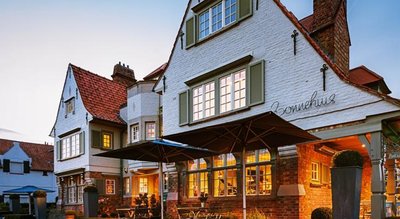
Romantik B&B Zonnehuis
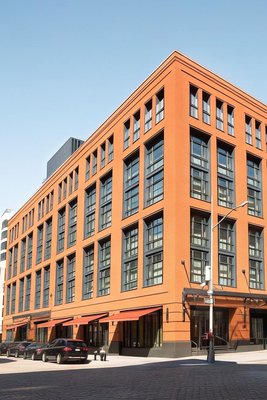
Hotel Barrière Fouquet's New York
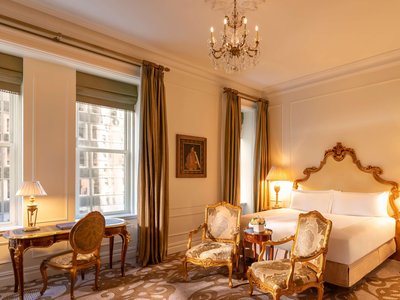
The Plaza - A Fairmont Managed Hotel
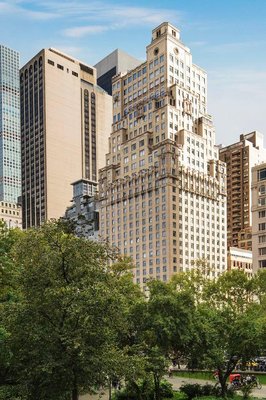
The Ritz-Carlton New York, Central Park
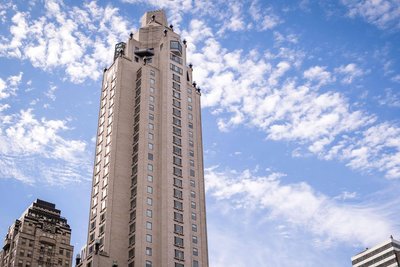
Four Seasons Hotel New York
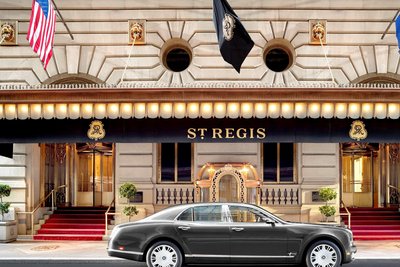
The St. Regis New York
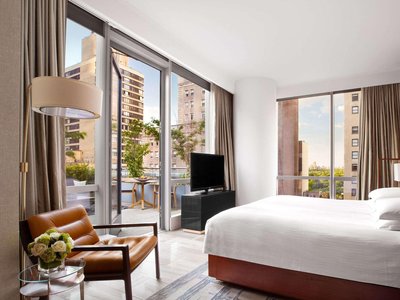
Park Hyatt New York
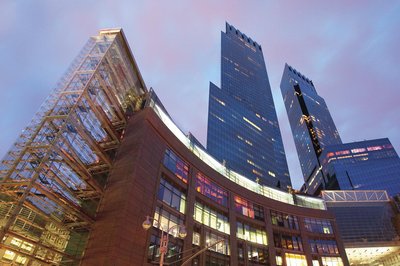
Mandarin Oriental New York
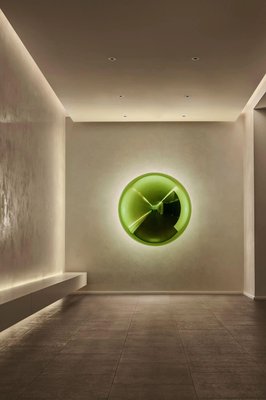
Times Square Edition New York
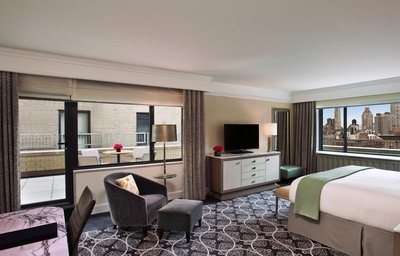
Loews Regency New York Hotel
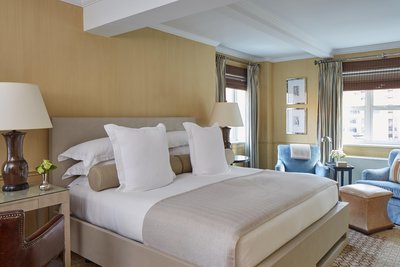
Lowell Hotel
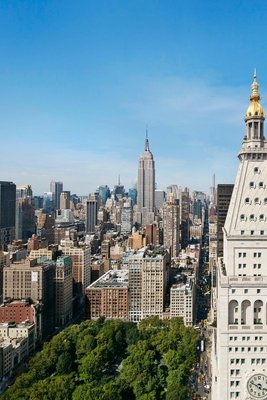
New York Edition
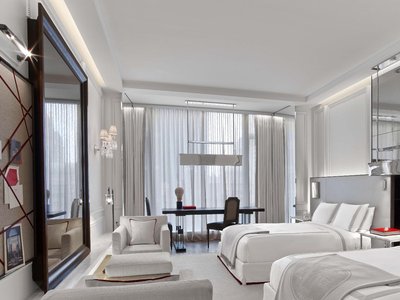
Baccarat Hotel New York
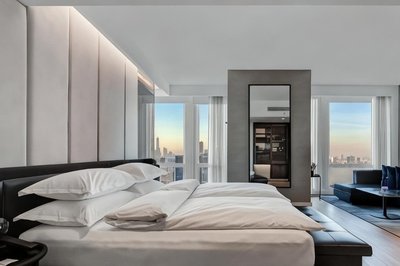
Equinox Hotel New York
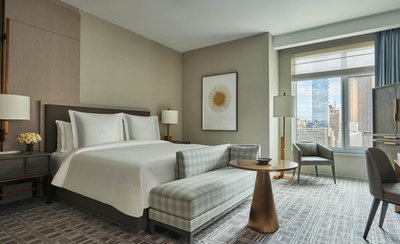
Four Seasons Hotel New York Downtown
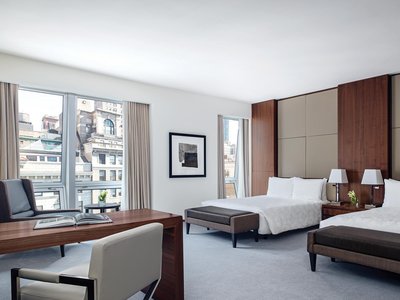
The Langham, New York, Fifth Avenue
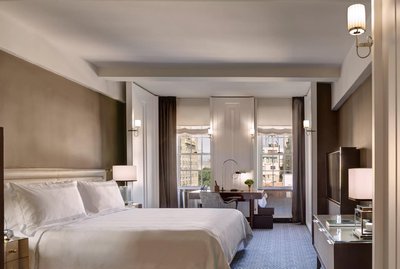
The Carlyle, A Rosewood Hotel

The Chatwal, in the Unbound Collection by Hyatt
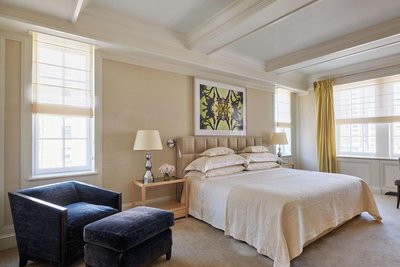
The Mark New York
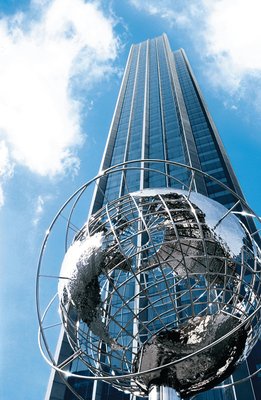
Trump International Hotel & Tower® New York
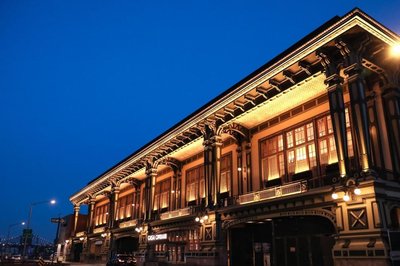
Casa Cipriani New York
Frequently Asked Questions about Traveling to Havelange
Questions You Might Need to Know About Traveling to Havelange
For an authentic cultural stay in Haverlegh, choose accommodations near the Meuse River and the historic Villers-Cotterêts Castle ruins. Stay at Le Relais de la Poste, a charming boutique hotel housed in a restored 19th-century post house, offering local wine tastings and farm-to-table breakfasts.
Alternatively, Chambres d'Hôtes Les Cèdres provides a warm, family-run experience in a converted farmhouse, with guided walks through nearby vineyards and medieval pathways. These locations offer deep immersion into the region’s Belgian rural heritage, including traditional architecture, artisanal cheese-making, and seasonal festivals celebrating the harvest.
Yes, Chambres d'Hôtes Les Cèdres offers family-friendly accommodations with spacious rooms, a fenced garden for kids, and weekly nature scavenger hunts. Families can explore nearby trails leading to the Meuse River banks and ancient forest clearings.
At Le Relais de la Poste, children enjoy hands-on workshops such as chocolate crafting and historical map drawing, while parents relax with regional wine tastings. The hotel also organizes weekend bike tours along the Meuse Valley Cycle Path, perfect for multi-generational adventures through scenic countryside and hidden villages.
Near Haverlegh, the Villers-Cotterêts Castle Ruins stand as a key historical landmark—dating back to the 12th century, this former administrative fortress once governed the Meuse Valley region. Its surviving stone walls and watchtower offer insight into medieval feudal life.
Also worth visiting is the Abbey of Saint-Michel, an abandoned 13th-century Benedictine abbey with well-preserved Gothic arches and faded frescoes. Guided tours reveal stories of monastic traditions, crusader connections, and the region’s role in the Holy Roman Empire’s expansion across Western Europe.
In Haverlegh, don’t miss the Fête du Terroir—a traditional village feast hosted at Le Relais de la Poste, featuring slow-cooked beef in red wine sauce, handmade potato cakes, and locally produced apple cider.
Join a vineyard harvest and winemaking workshop, where you’ll press grapes and learn to craft classic Belgian white wines. Many guesthouses also offer "farm-to-table" experiences, from planting herbs and harvesting buckwheat to baking authentic Belgian waffles using century-old recipes—perfect for food lovers seeking authenticity and hands-on tradition.
The best times to visit Haverlegh are spring (April–June) and autumn (September–October), when the weather is mild and the landscape is vibrant.
In spring, wildflowers bloom along the Meuse Valley, including tulips and daffodils; autumn brings stunning foliage with fiery red and golden maple and oak trees—ideal for photography. These seasons also coincide with local festivals like the Easter Market and Harvest Festival, featuring craft fairs, folk dances, traditional music, and artisanal food stalls, offering rich cultural immersion in rural Belgium.
Yes, Haverlegh is ideal for self-drive travel. Located in the heart of Namur Province, it’s well-connected via major roads linking Liège, Brussels, and Luxembourg, with scenic routes through the Meuse Valley.
Renting a compact car or small RV allows easy access to rural churches, hidden mills, and panoramic viewpoints along winding country lanes. Many guesthouses offer free parking and detailed route maps, while marked trails for cycling and hiking integrate seamlessly with driving itineraries—perfect for a flexible, immersive journey through Belgium’s lesser-known countryside.