Hotels in Hayakawa
Discover your perfect stay in Hayakawa.
Hayakawa(Japan) Travel 2026: Cheap Flights, Hotels & Top Attractions
Popular Landmarks in Hayakawa
Discover the most iconic attractions in Hayakawa
Recommended Hotels in Hayakawa
Find the perfect place to stay in Hayakawa
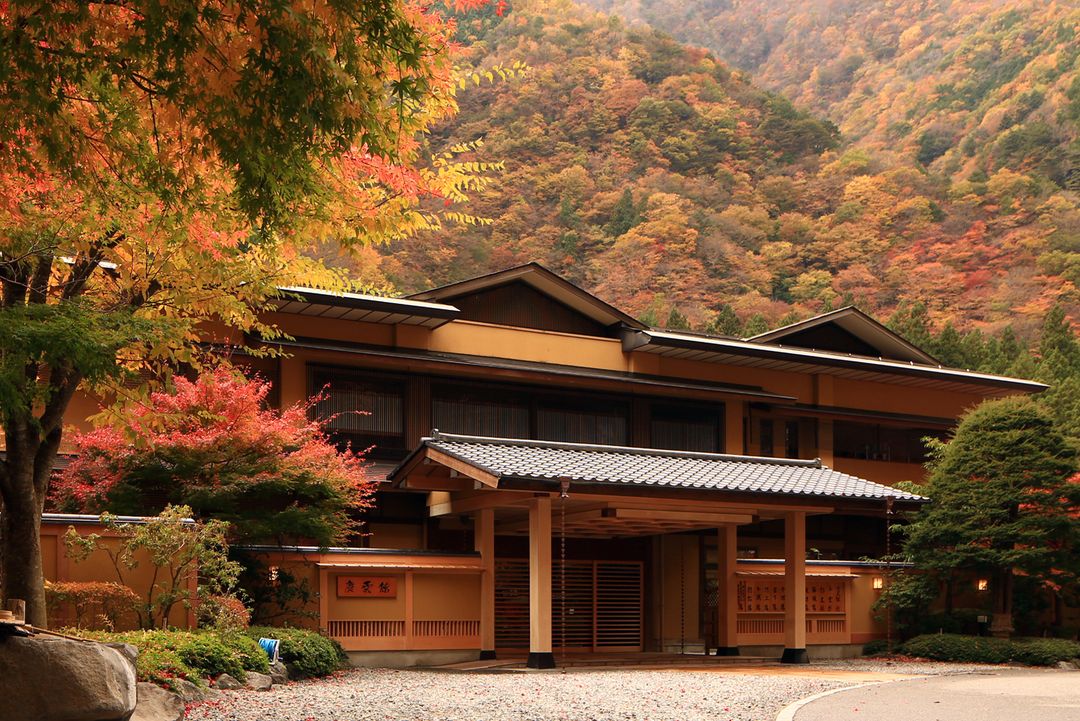
Nishiyama Onsen Keiunkan
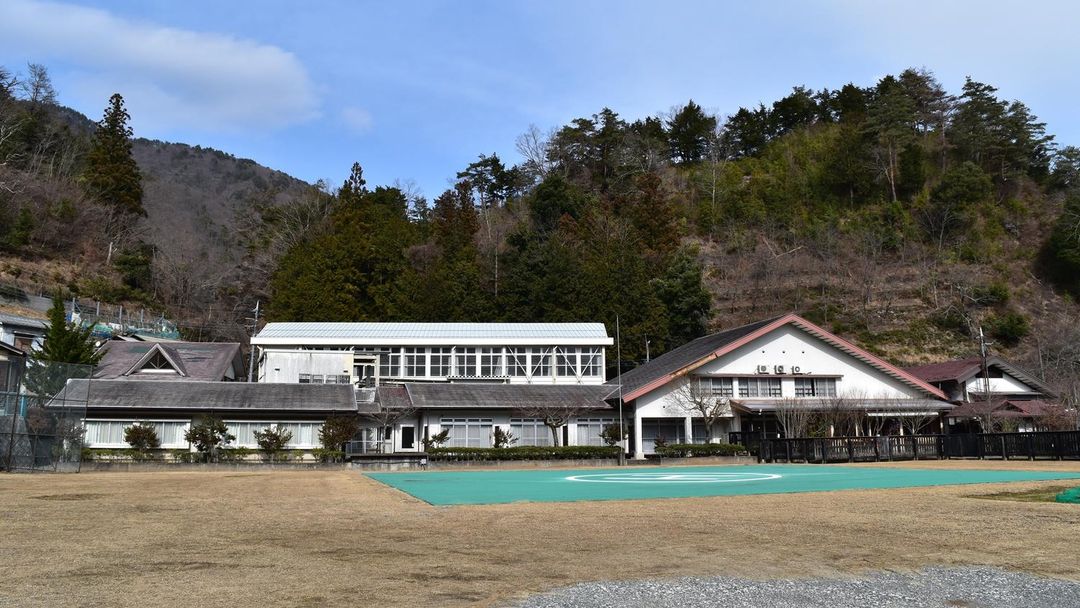
Villa Amehata
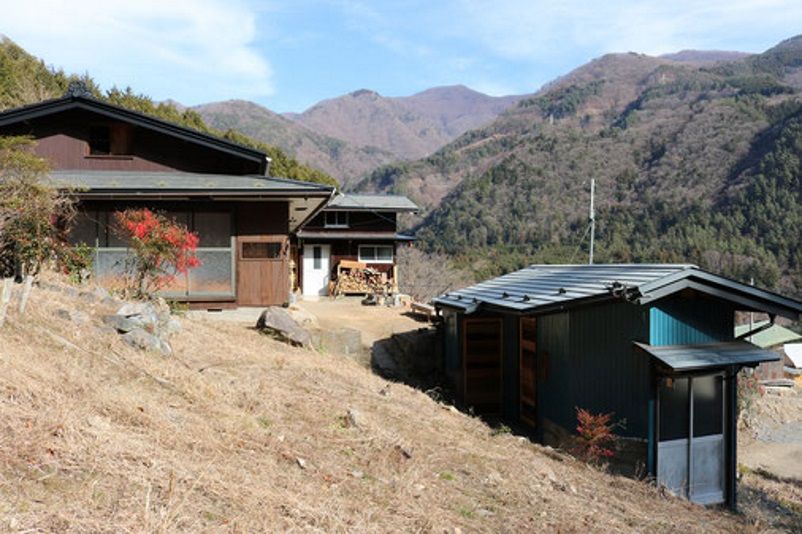
Tsukuyomi Sansou
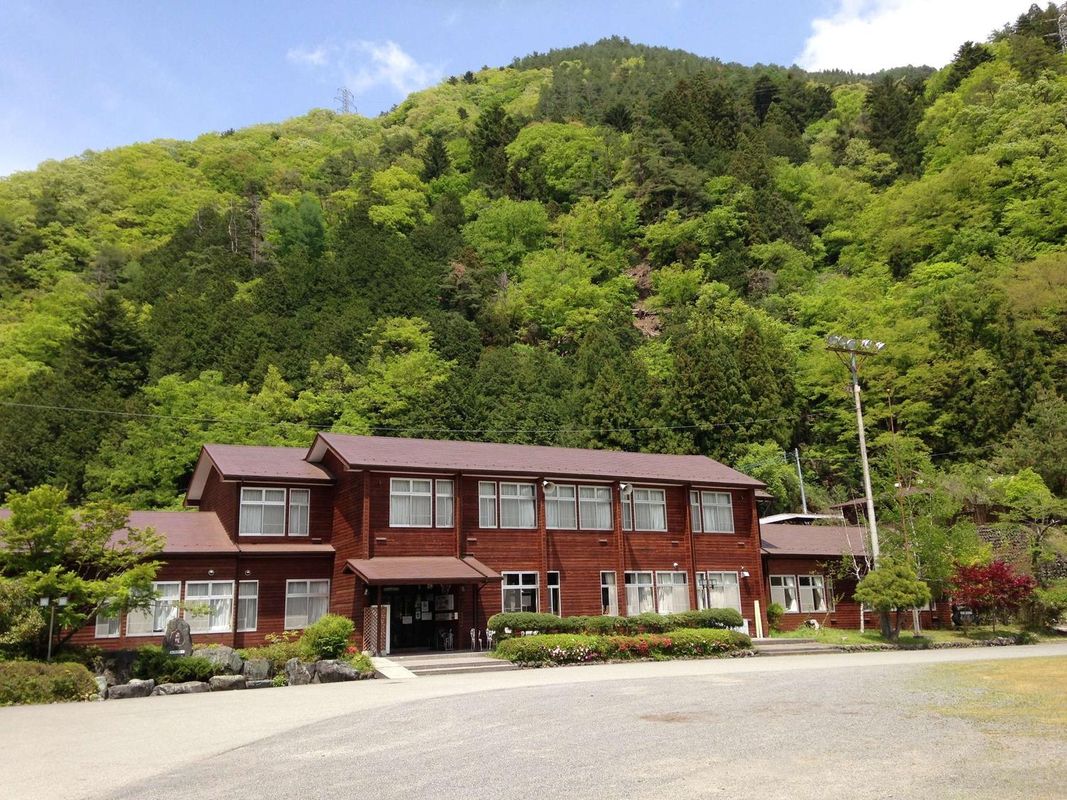
Healthy Misato
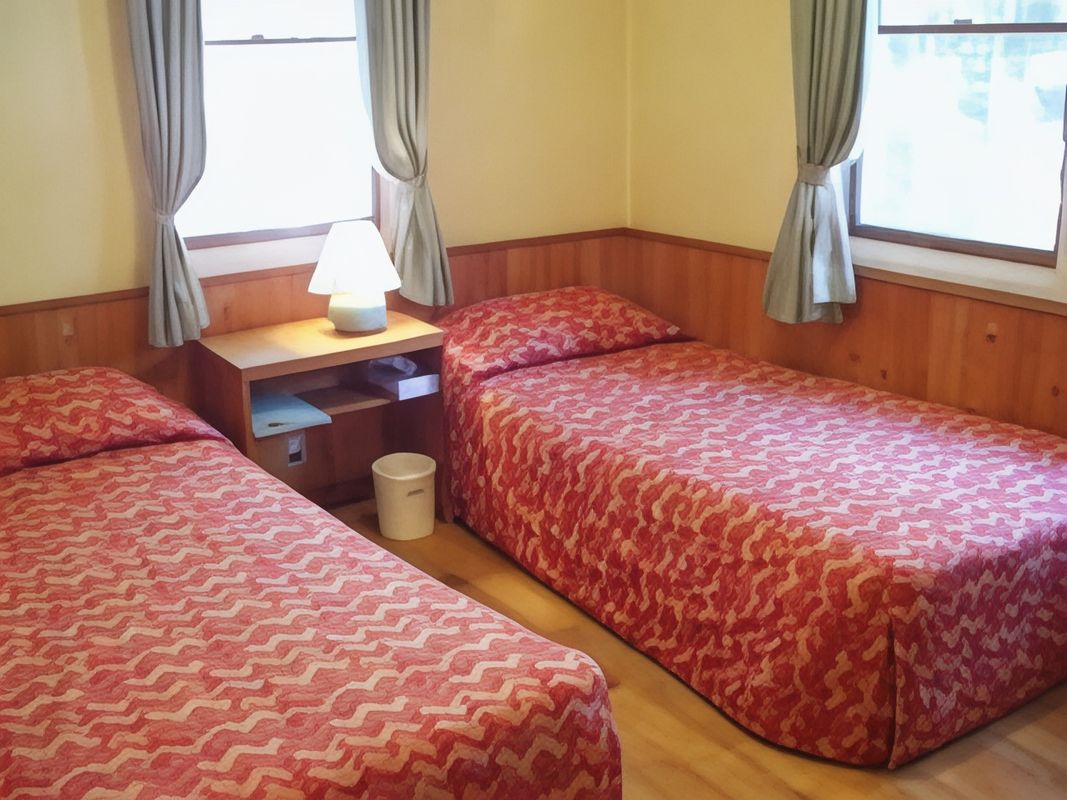
Country Inn Bonne Femme
Best Hotels in Hayakawa
Discover curated hotel collections in Hayakawa
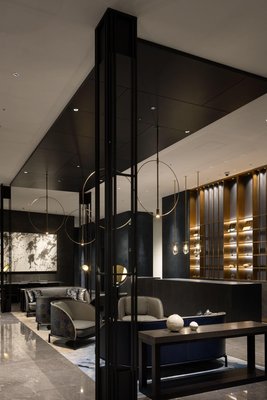
Bellustar Tokyo, A Pan Pacific Hotel
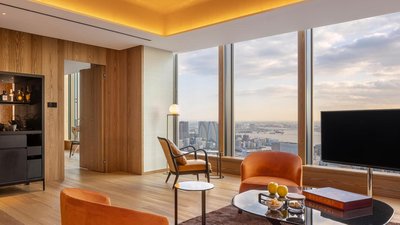
Bvlgari Hotel Tokyo
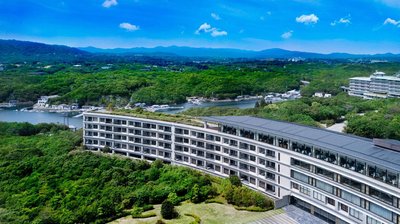
Shima Kanko Hotel the Bay Suites
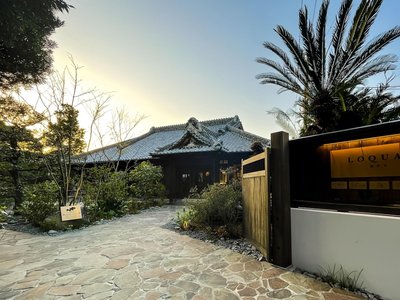
Loquat Nishiizu
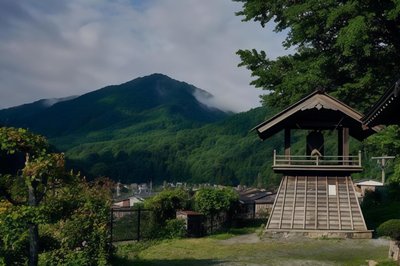
Byaku Narai
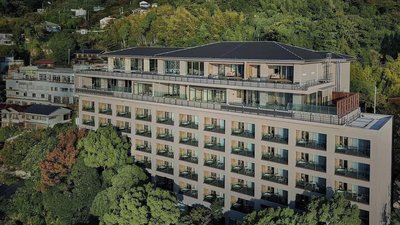
Atami Izusan Karaku
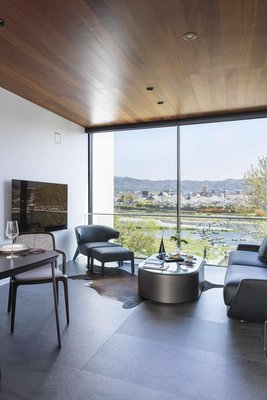
Kamo Residences by Reflections
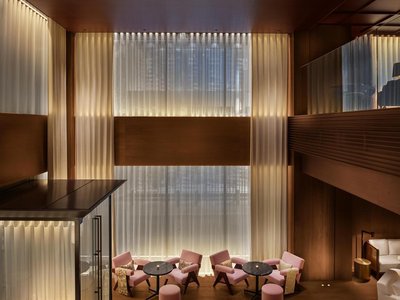
The Tokyo Edition, Ginza
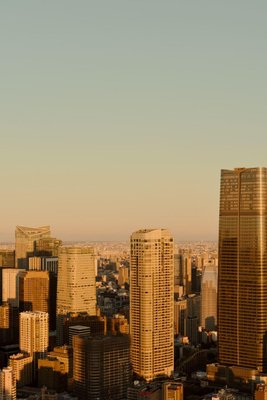
Janu Tokyo
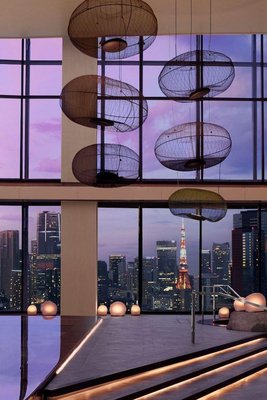
JW Marriott Hotel Tokyo
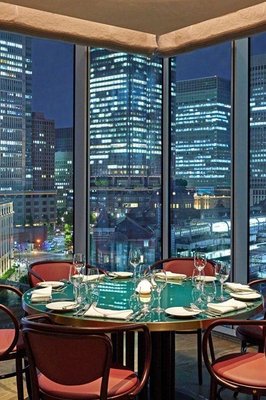
Four Seasons Hotel Tokyo at Marunouchi

Mandarin Oriental, Tokyo
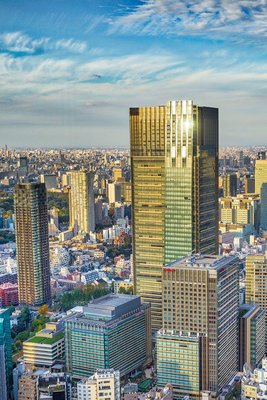
The Ritz-Carlton, Tokyo
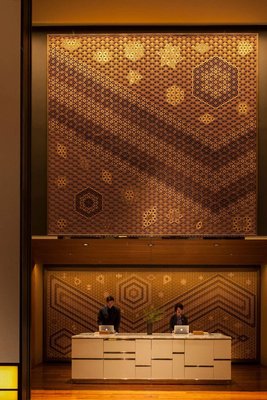
Andaz Tokyo Toranomon Hills- A Concept by Hyatt
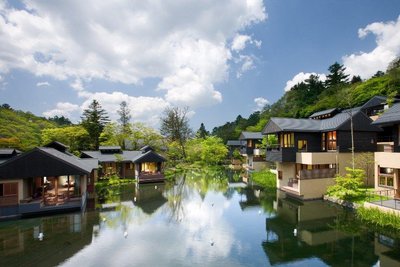
Hoshinoya Karuizawa
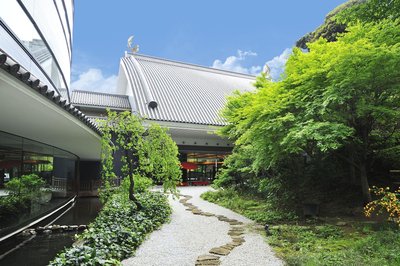
Hotel Gajoen Tokyo
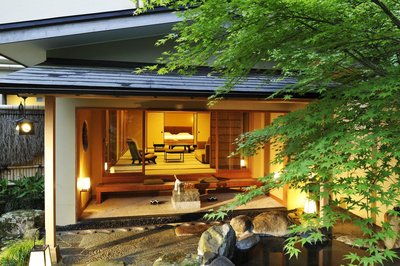
Gora Kadan
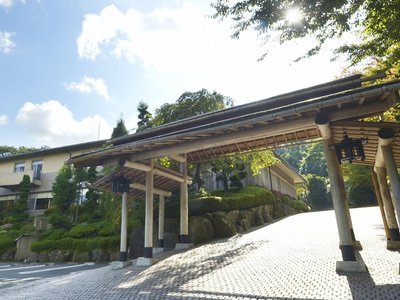
Gora Hanaougi
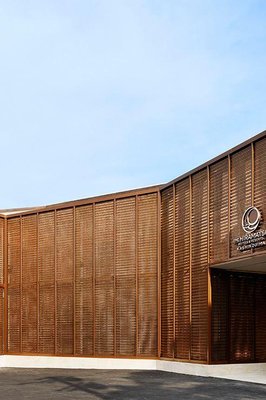
The Hiramatsu Hotels & Resorts Kashikojima
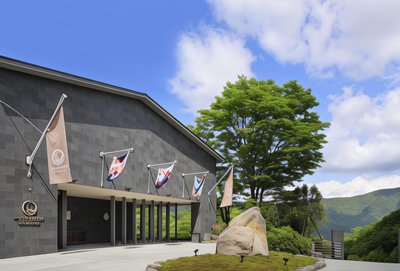
The Hiramatsu Hotels & Resorts Sengokuhara Hakone
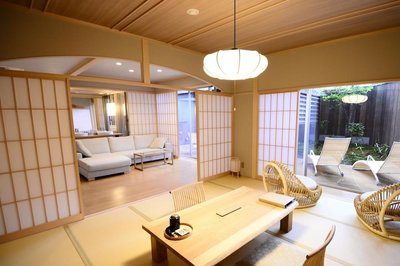
Hakone Gora Byakudan
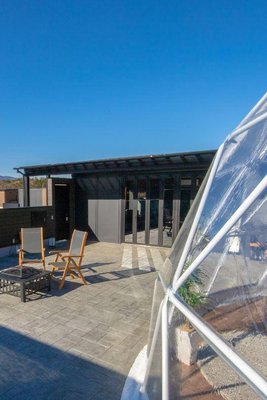
Panoramic Mt. Fuji Views from All Rooms – Vision Glamping Resort & Spa Yamanakako
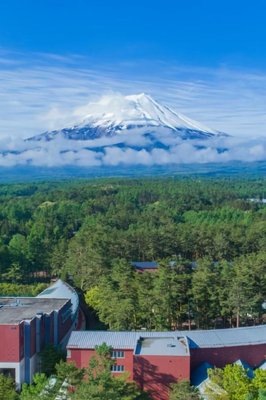
Forest Village (Fuji Premium Resort)
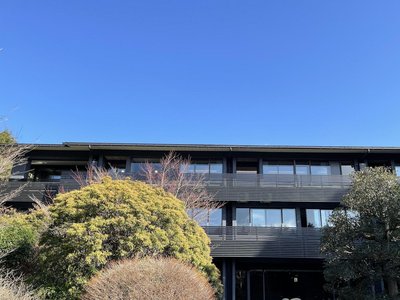
Sengokubara Cocon
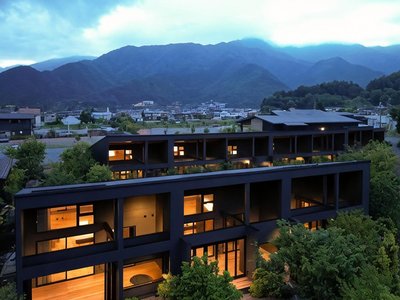
7C Villa and Winery
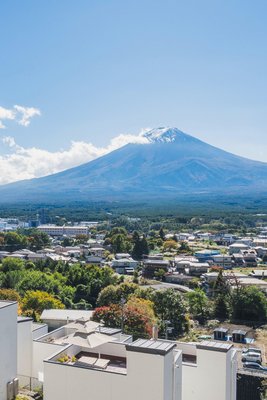
THE TOKI FujiKawaguchiko
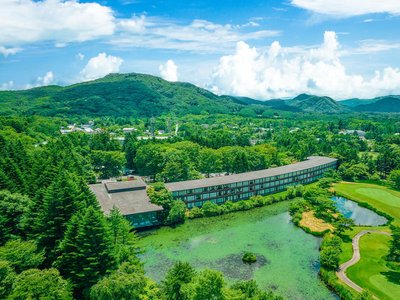
The Prince Karuizawa
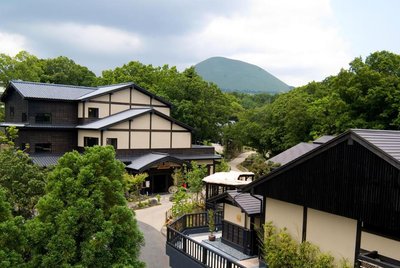
Mori no yu Kira No Sato 【Reopening on December 22, 2025】
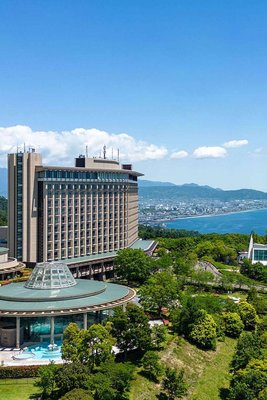
Hilton Odawara Resort & Spa
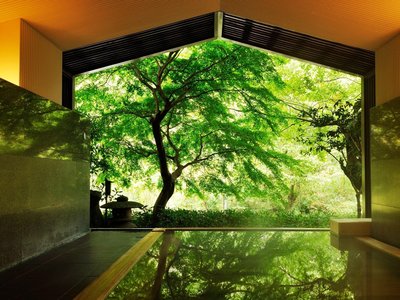
Hoshino Resorts KAI Hakone
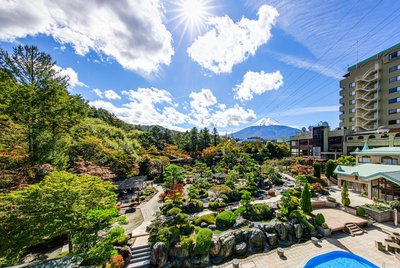
Kaneyamaen
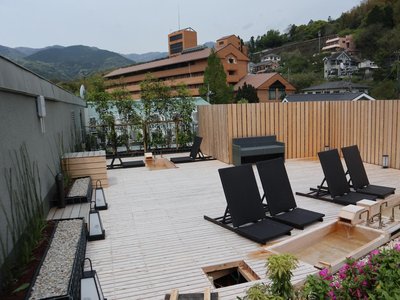
Fukiya Ryokan

Toushinan Komeya
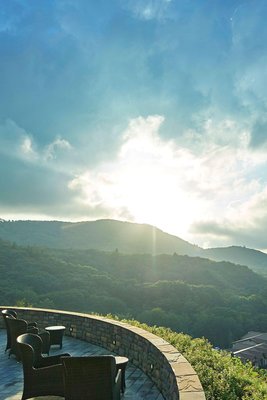
Le Grand Karuizawa Hotel & Resort
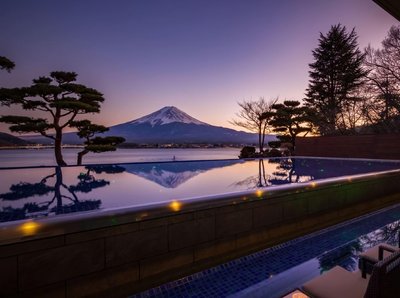
Shuhokaku Kogetsu

Gora-Onsen Setsugetsuka-Bettei Suiun

Ishinoya Izunagaoka (TKP Hotels & Resorts)

Laforet Shuzenji Sanshisuimei
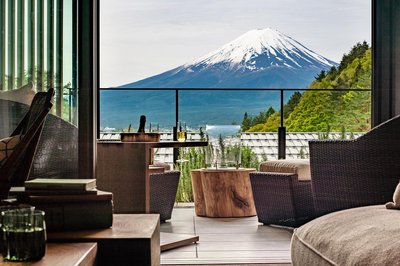
FUFU Kawaguchiko

Omuro No Mori Gyokusui -Adult Only-
Bellustar Tokyo, A Pan Pacific Hotel
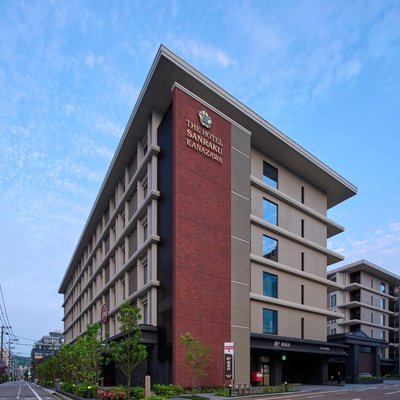
The Hotel Sanraku Kanazawa 21th December 2022 Open

22 PIECES
JW Marriott Hotel Tokyo
Andaz Tokyo Toranomon Hills- A Concept by Hyatt

The Thousand Kyoto
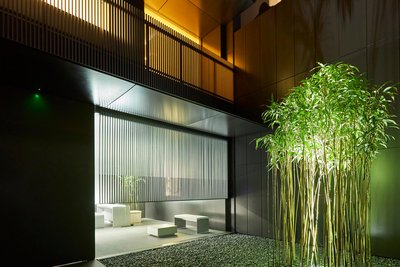
Mogana
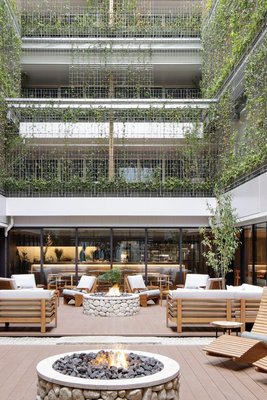
GOOD NATURE HOTEL KYOTO
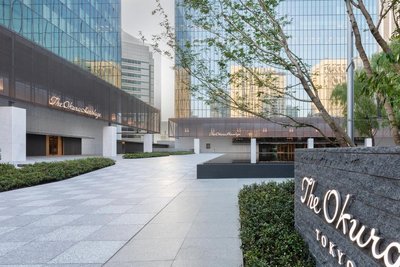
The Okura Tokyo

The Lively Azabujuban Tokyo
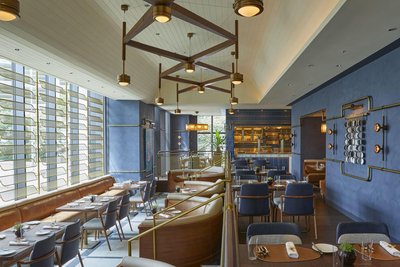
Kimpton Shinjuku Tokyo
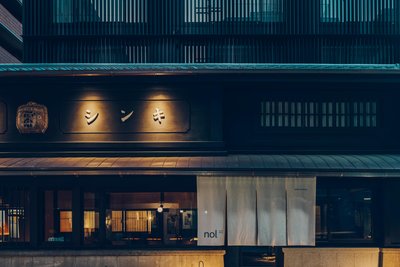
Nol Kyoto Sanjo

HOTEL K5
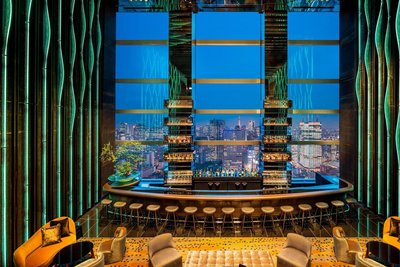
The Prince Gallery Tokyo Kioicho, a Luxury Collection Hotel

Garrya Nijo Castle Kyoto

Hotel Kanra Kyoto
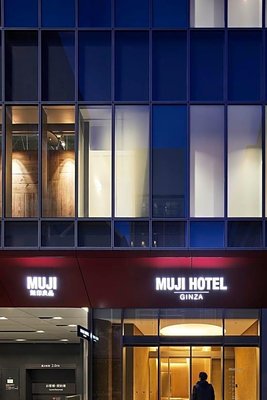
Muji Hotel Ginza
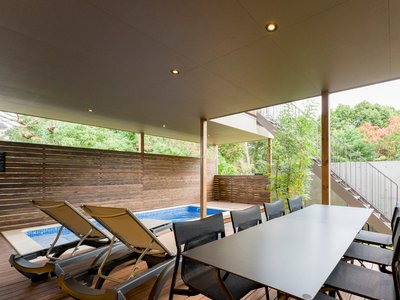
Rakuten STAY VILLA Kamogawa

Awaumi Fujikawaguchiko Resort
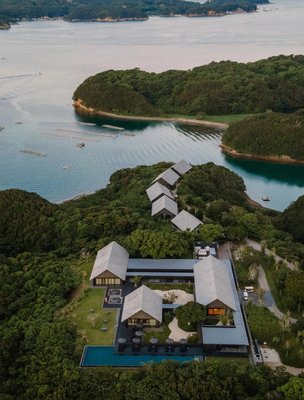
Amanemu
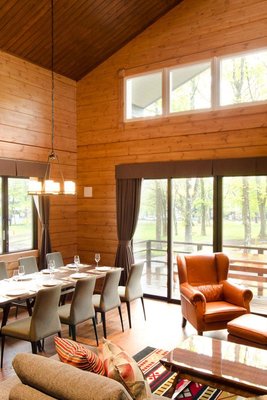
The Prince Villa Karuizawa
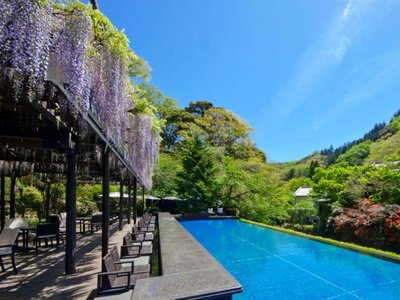
Tofuya Resort & Spa Izu
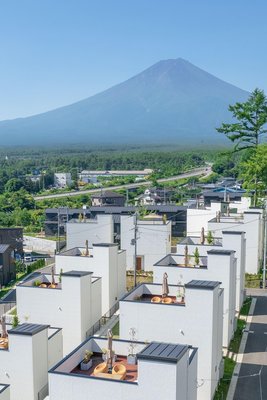
Fuji Granvilla -TOKI-
Hakone Gora Byakudan
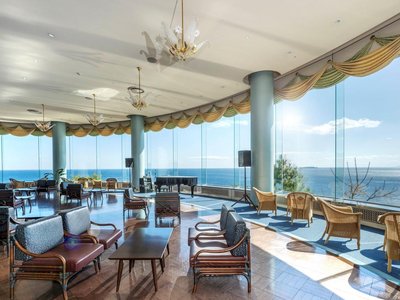
Hotel New Akao

The Kukuna
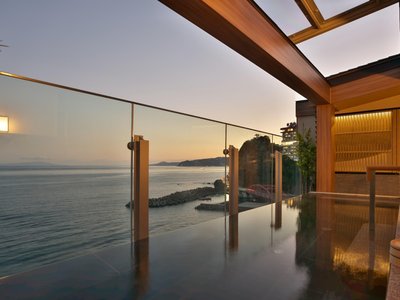
Hotel New Sagamiya
Hilton Odawara Resort & Spa
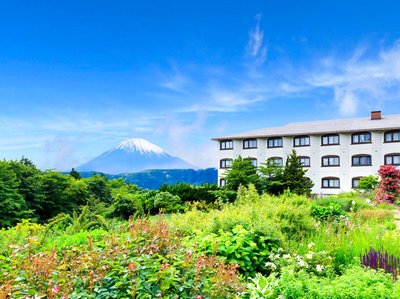
Hotel Green Plaza Hakone
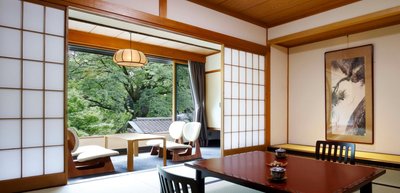
Yoshiike Ryokan
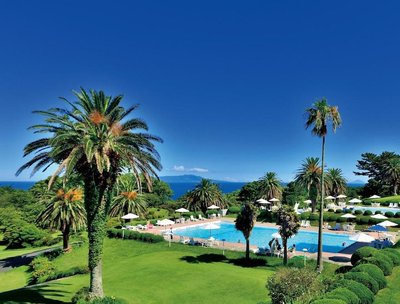
Kawana Hotel
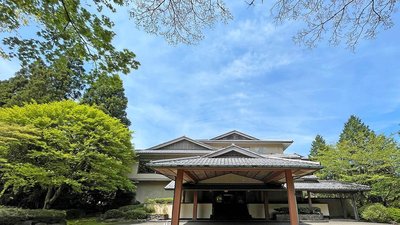
Ryuguden
Kaneyamaen
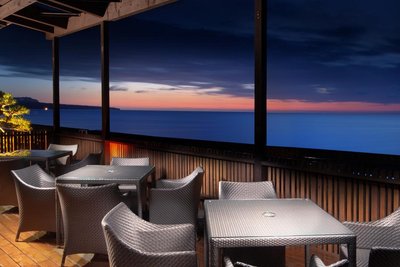
Tsuruya Kisshotei
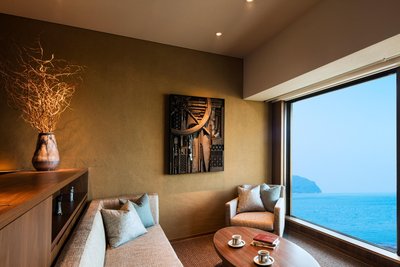
Hoshino Resorts Kai Anjin
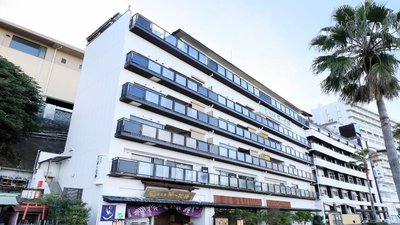
Syukaen Yunohanazen
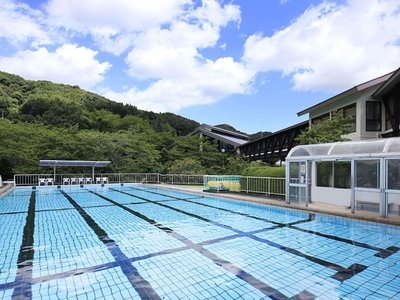
Shimoda Central Hotel
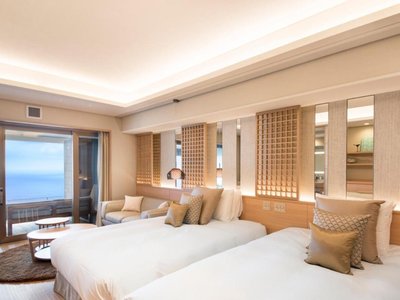
Atami Sekaie
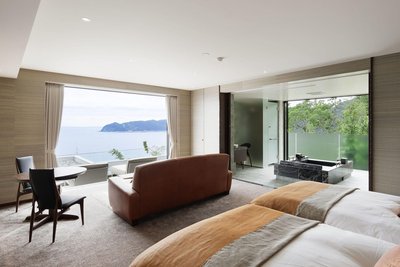
The Hiramatsu Hotels & Resorts Atami
Shuhokaku Kogetsu
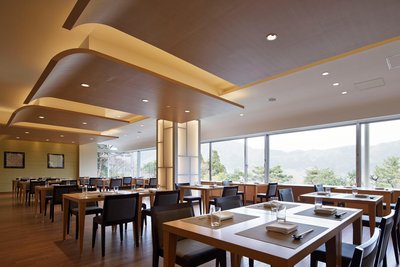
Laforet Hakone Gora Yunosumika
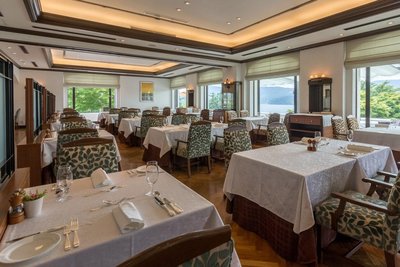
Odakyu Hotel de Yama
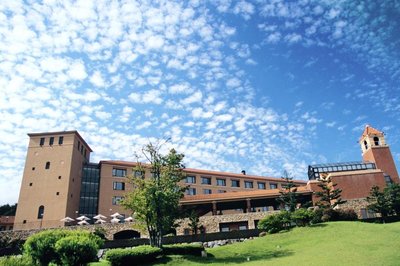
Fruit Park Fujiya Hotel

The Address Akakura
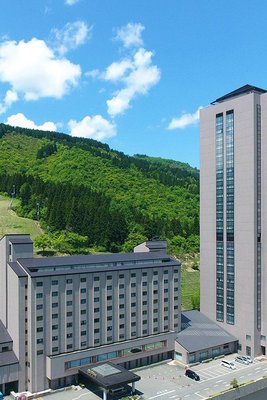
Naspa New Otani
The Prince Karuizawa
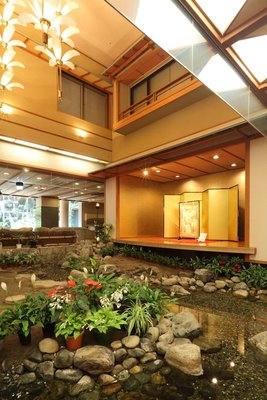
Hotel Futaba
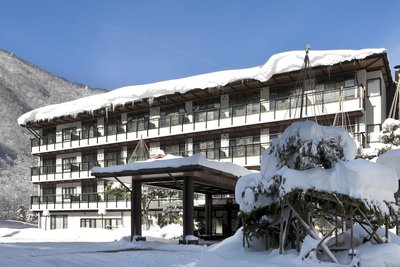
Okada Ryokan Warakutei
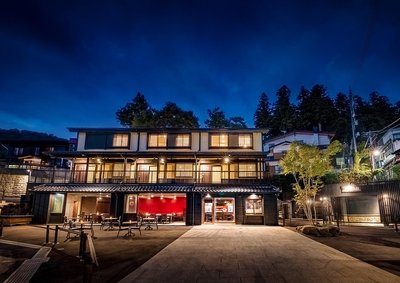
Ryokan Sakaya
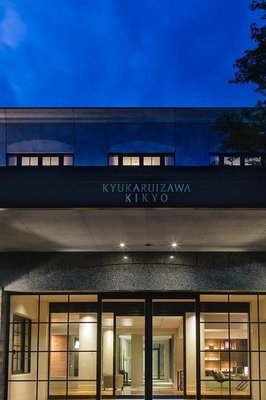
Kyukaruizawa Kikyo, Curio Collection by Hilton
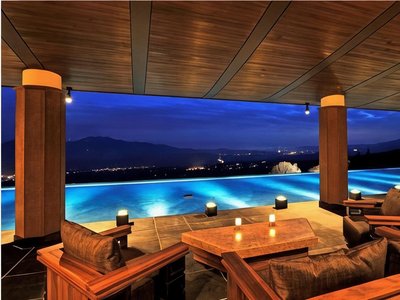
Akakura Kanko Hotel
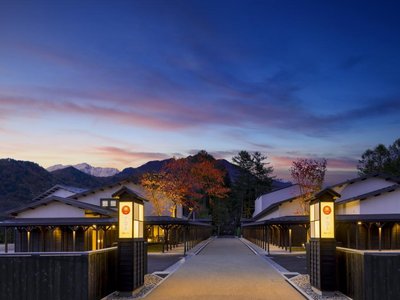
Hoshino Resorts KAI Alps
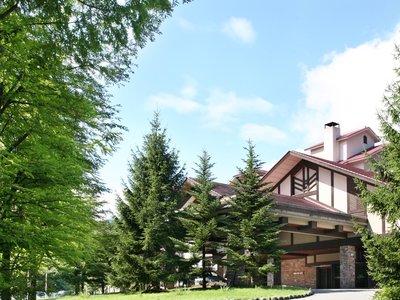
Hakuba Tokyu Hotel
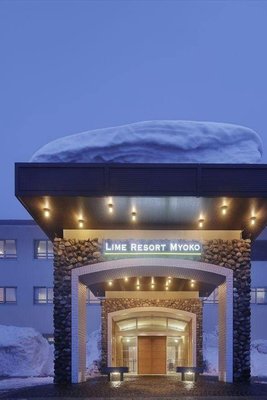
Lime Resort Myoko
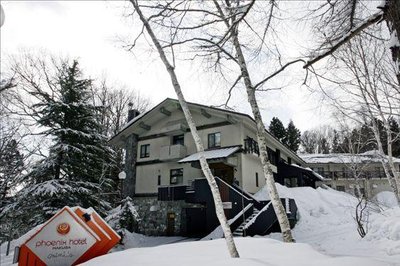
Phoenix Hotel by Hhg

Four Seasons Yuzawa Quattro

Courtyard by Marriott Hakuba
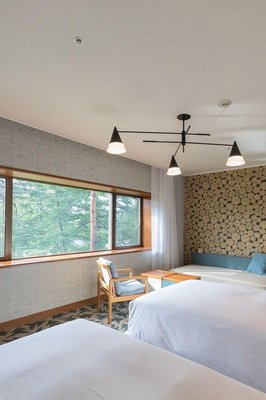
Karuizawa Prince Hotel East
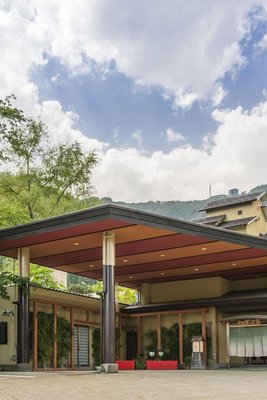
Shosenkaku Kagetsu
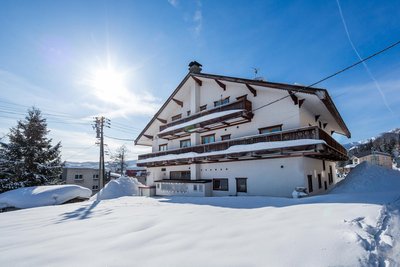
Marillen Hotel by Hhg
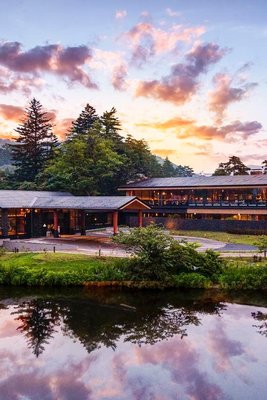
Karuizawa Prince Hotel West
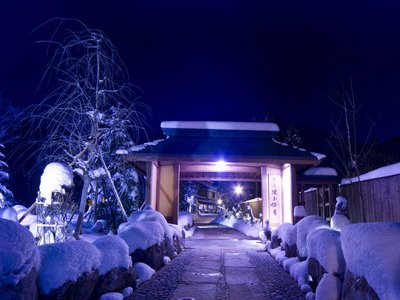
Miyama Ouan
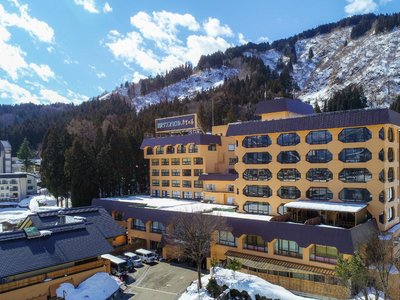
Yuzawa Grand Hotel
Bvlgari Hotel Tokyo
Four Seasons Hotel Tokyo at Marunouchi
Mandarin Oriental, Tokyo
The Ritz-Carlton, Tokyo
Andaz Tokyo Toranomon Hills- A Concept by Hyatt
Gora Kadan
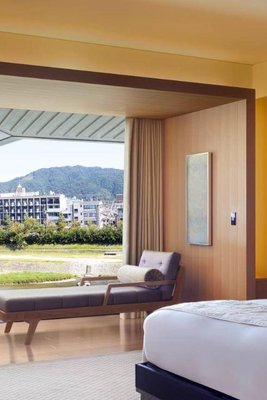
The Ritz-Carlton, Kyoto

Hotel New Otani Tokyo the Main
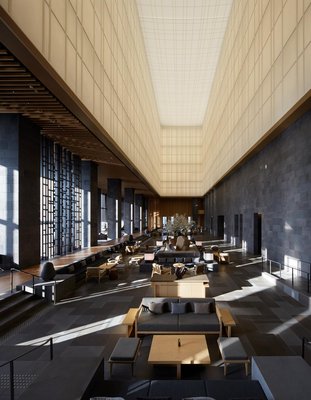
Aman Tokyo
Odakyu Hotel de Yama
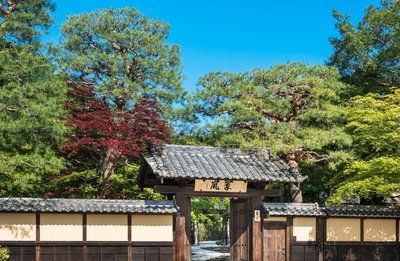
Suiran, a Luxury Collection Hotel, Kyoto
GOOD NATURE HOTEL KYOTO
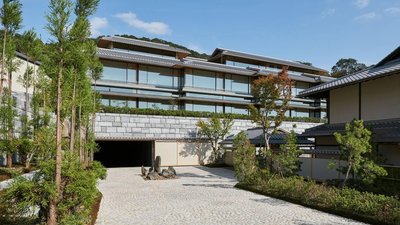
Park Hyatt Kyoto
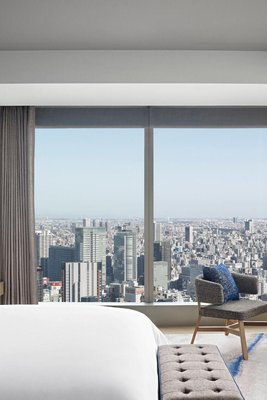
Four Seasons Hotel Tokyo at Otemachi

The Tokyo Edition, Toranomon

Hyatt Centric Kanazawa
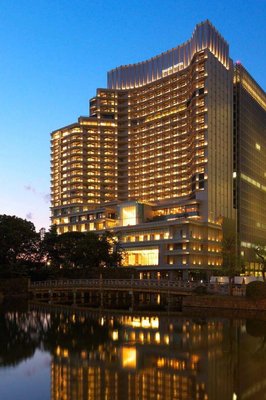
Palace Hotel Tokyo
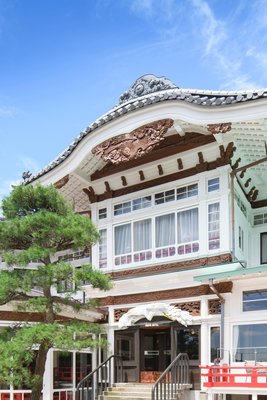
Fujiya Hotel
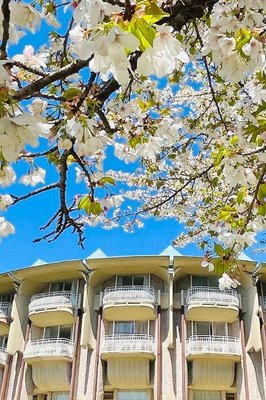
The Prince Hakone Lake Ashinoko
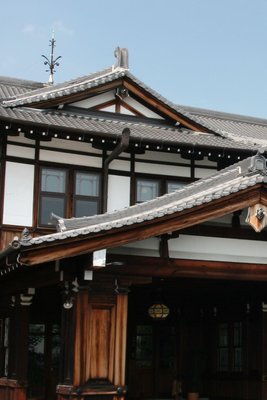
Nara Hotel

Rakuten STAY VILLA Nasu
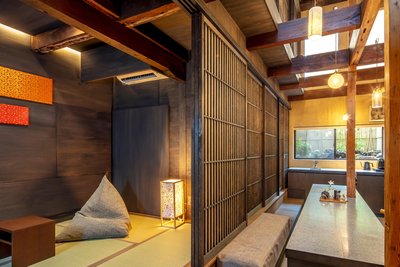
Kyo No Oozora Kihana
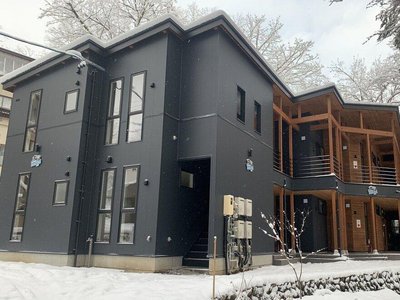
Hakuba Gondola Apartments
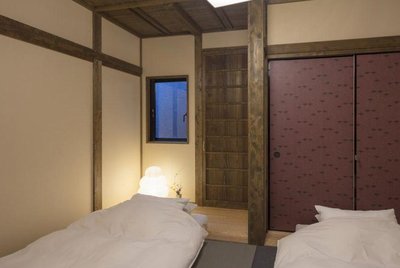
Hanagoromo Machiya House
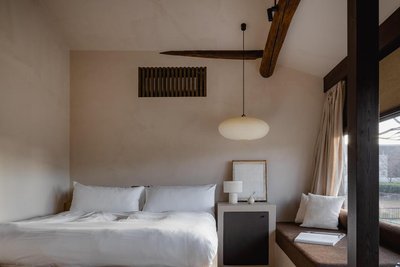
Maana Kiyomizu
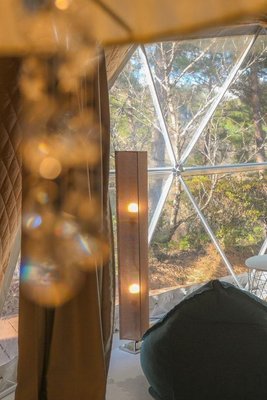
glampark Gekkabijin Nagano
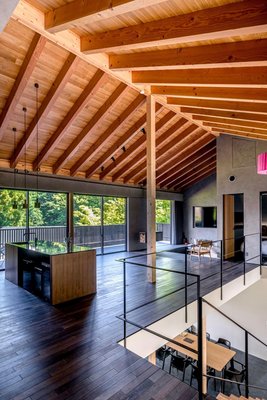
MONS GORA

Phoenix Chalets by Hhg
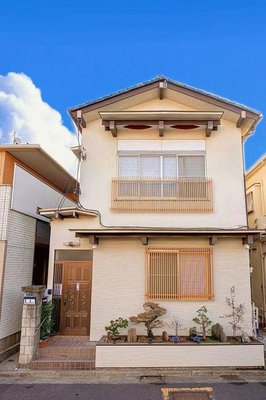
Tokyo Star House-Shinkoiwa
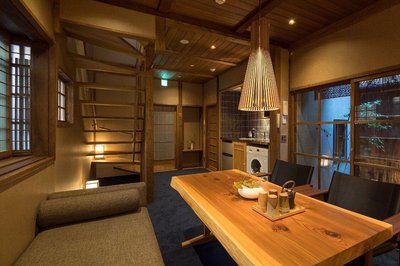
Bonbori an Machiya House
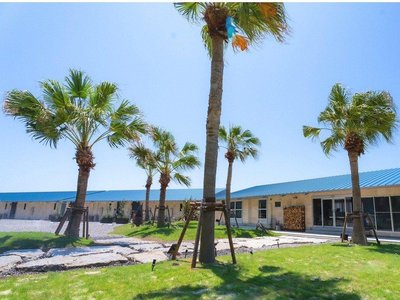
Glamping&Resort Wood Design Park Noma
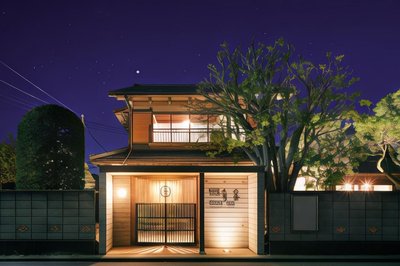
Machi-Jyu
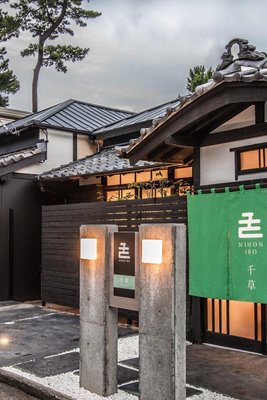
Nihon Iro
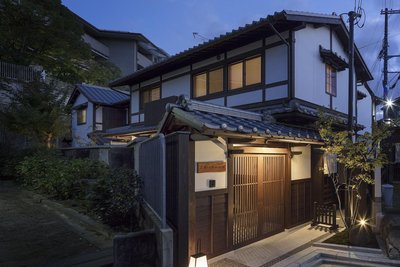
The Machiya Villa Sanjo Shirakawa Koji
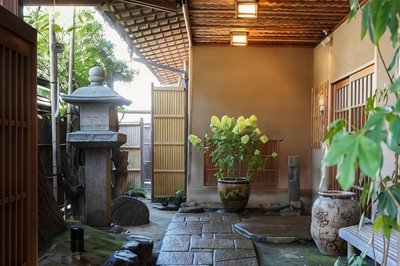
Ryokan Asadaya
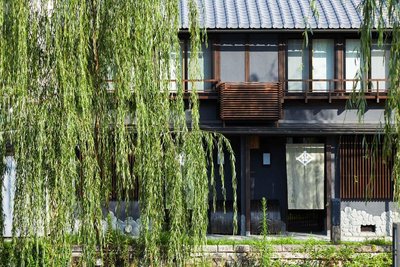
Gion Shirakawa No Yado

Kitashirakawa Natural Radium Onsen
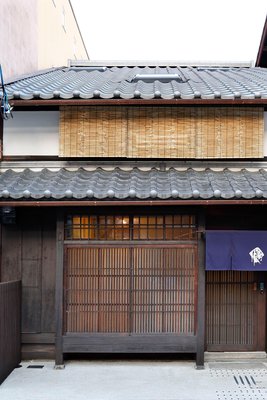
Kyo No Ondokoro Kamanza Nijo #2
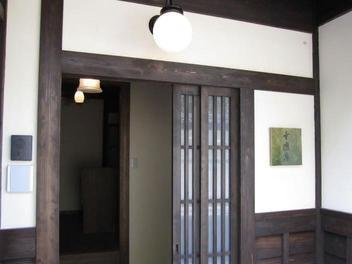
Gion Koyu an Machiya House
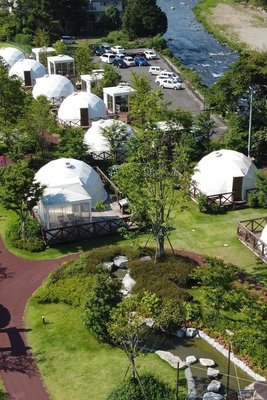
Ufufu Village
Frequently Asked Questions about Traveling to Hayakawa
Questions You Might Need to Know About Traveling to Hayakawa
In Sawagawa Town, the top family-friendly accommodation is Sawagawa Mura Lodge, a charming Japanese-style wooden lodge nestled near Lake Kawaguchi. Each room features traditional tatami mats and private garden views, perfect for children to explore nature. The lodge offers free bicycles, access to the Sawagawa River Trail, and nearby Sawagawa Onsen with private hot springs. Families can also enjoy seasonal activities like tea harvesting tours and forest storytelling sessions. Located just steps from Sawagawa Shrine and hiking trails, it’s ideal for those seeking a peaceful, immersive rural experience with modern comforts.
The best times to visit Sawagawa Town are spring (March–May) and autumn (September–November). Spring brings blooming cherry blossoms and rhododendrons along the Sawagawa River Trail, while autumn paints the hills in vibrant reds and golds, especially around Mount Fuji Viewpoint. During these seasons, Mount Fuji reflects beautifully on the surface of Lake Kawaguchi, creating stunning photo opportunities. Don’t miss the annual Sawagawa Tea Festival in October, where you can witness traditional tea ceremonies and taste fresh local green tea. The crisp air and gentle light make these periods ideal for hiking, photography, and cultural immersion.
For an authentic tea experience in Sawagawa Town, visit Sawagawa Tea Workshop, a centuries-old tea farm located at the foot of Mount Fuji. Guests can participate in hands-on tea-making, from plucking fresh leaves to pan-frying and rolling them into finished green tea. The tasting lounge opens onto a shaded courtyard, where you can sip freshly brewed Yamanashi Green Tea while overlooking terraced fields. The workshop also offers custom tea gift sets and monthly "Tea & Zen Meditation" events, blending mindfulness with tradition. This is one of the few places where you can truly understand the philosophy behind Japan’s tea ceremony—"Ichigo Ichie" (one moment, one chance).
Top hiking trails in Sawagawa Town include the Sawagawa River Trail (3 km), a gentle path through lush forest and clear streams, perfect for families; the Fuji Loop Trail (8 km), which winds through ancient cedar groves and ends at the Mount Fuji Vista Point, offering panoramic views of Five Lakes of Fuji; and the Ancient Village Path, a 5 km route connecting Sawagawa Shrine, stone monuments, and historic tea terraces. All trails are well-marked with rest stops and signage. Electric shuttle services are available during peak season, ensuring safe and convenient access. These routes provide a deep connection to nature and history, ideal for photographers and outdoor enthusiasts.
Photography lovers should head to Mount Fuji Vista Point at sunrise, where the first light casts golden hues across Lake Kawaguchi, perfectly reflecting the snow-capped peak. The Sawagawa River Trail offers dramatic compositions of flowing water, moss-covered rocks, and dappled sunlight filtering through trees. For wide-angle shots, visit the Terraced Tea Fields during spring or autumn, when the gradients of green and gold create a breathtaking visual tapestry. The Sawagawa Shrine’s vermilion torii gate, framed by century-old cedars, is another iconic subject. Bring a tripod—early morning light and low crowds make this a photographer’s paradise. Don’t forget to capture the starry skies above the mountains at night.
Sawagawa Onsen Betsuin is a standout choice among hot spring lodges in Sawagawa Town. This secluded ryokan features natural sulfur-rich baths known for their skin-softening properties. Each room includes a private outdoor onsen with views of Mount Fuji and the surrounding pine forest. Guests enjoy kaiseki-style breakfasts featuring local ingredients like Yamanashi apples, wild vegetables, and handmade tofu. The hotel also hosts evening events such as tea ceremony workshops and bonfire gatherings under the stars. With its emphasis on tranquility and authenticity, it’s perfect for travelers seeking a serene escape rooted in tradition.
Must-try dishes in Sawagawa Town include Fuji Trout Nabe, a richly flavored hot pot made with fresh trout from Lake Kawaguchi; Yamanashi Green Tea Rice, a fragrant dish combining steamed rice with finely ground local tea leaves; and Wild Vegetable Tempura, featuring seasonal greens like dandelion and mountain celery. Don’t miss the Sawagawa Apple Pie, crafted with locally grown Yamanashi apples, served warm with whipped cream. These delicacies are available at Sawagawa Market and family-run Tea House Dining Rooms, many of which offer ingredient origin stories, allowing visitors to appreciate the region’s agricultural heritage.
For first-time visitors, the Sawagawa River Mouth Area is the ideal base. It’s centrally located near Sawagawa Shrine, the River Trail, and Mount Fuji Vista Point, all within a 10-minute walk. Accommodations here blend traditional Japanese design with modern amenities—like Sawagawa River Cottage and Fuji Garden Inn—and often offer free shuttle service to major attractions. The area is quiet yet well-connected, with a visitor center providing maps, guided tour bookings, and local event updates. Enjoy morning bird songs and evening views of Mount Fuji silhouetted against the sky, making it an ideal spot for a peaceful, culturally enriching stay.
Sawagawa Town hosts several distinctive festivals. The Sawagawa Tea Festival (October) features tea ceremonies, harvest contests, and tastings of fresh green tea, drawing visitors from across Japan. The Mount Fuji Prayer Festival (July) at Sawagawa Shrine includes ritual fire dances and the hanging of wish scrolls on sacred trees. In December, the Winter Lantern Festival transforms the town into a glowing wonderland, with hundreds of paper lanterns lining the riverbank. These events celebrate local traditions, community spirit, and harmony with nature—offering visitors more than just entertainment, but a meaningful cultural journey.
Plan your day as follows: Start at Mount Fuji Vista Point for sunrise views over Lake Kawaguchi. Head to the Sawagawa River Trail for a peaceful morning hike, stopping at historical markers and tea ruins. Have lunch at Sawagawa Tea House Restaurant, enjoying Yamanashi Green Tea Rice and wild vegetable tempura. In the afternoon, visit Sawagawa Tea Workshop for a hands-on tea-making session. End the day at Sawagawa Onsen Betsuin, soaking in a private onsen while watching the sunset over Mount Fuji. Return to your lodging for a kaiseki dinner. This balanced itinerary blends nature, culture, cuisine, and relaxation—perfect for a memorable, immersive experience.
Hayakawa Overview
City Summary
Hayakawa Town is located in the southwestern part of Yamanashi Prefecture, Japan, surrounded by the Southern Alps mountain range. Known for its stunning natural scenery and hot springs, it is one of Japan's most remote villages, retaining a simple rural atmosphere and traditional way of life. The town's main attraction lies in its unspoiled natural environment, including clear streams, dense forests, and abundant wildlife, making it an ideal escape from urban noise.
Must-See Attractions
Major attractions in Hayakawa Town include Narada Onsen, a hidden hot spring nestled in the mountains, famous for its therapeutic properties and serenity. The hiking trails in the Southern Alps offer breathtaking mountain views for outdoor enthusiasts. Small shrines and temples within the village showcase local religious beliefs and cultural traditions. Staying at a traditional ryokan to enjoy hot springs and authentic rural cuisine is highly recommended.
Food Guide
Local cuisine in Hayakawa Town focuses on mountain delicacies. Try game dishes like wild boar and mountain vegetables. Traditional rural fare includes miso soup and soba noodles made with local ingredients. Freshwater fish raised in clear streams are also a highlight. Due to the remote location, dining options are limited; meals are often included in accommodations.
Transportation Guide
Public transport in Hayakawa Town is minimal; driving is advised. From Tokyo, take the Chuo Expressway to Kofu, then local roads to the town (3-4 hours). There are no subways or buses within the village; walking or car rentals are primary options. Taxis are scarce and should be booked in advance. Mountain roads can be treacherous, especially in winter when snow may block routes—check conditions before travel.
Best Time to Visit
The best times to visit are spring (April-May) and autumn (September-November) for mild weather and outdoor activities. Summers are hot but good for escaping city heat, while winters are cold with possible snow—ideal for hot springs. Tourist crowds are thin year-round.
Travel Tips
- Due to remoteness, plan transport and lodging in advance.
- Mountain weather changes rapidly; pack appropriate clothing and gear.
- Respect local customs, especially at shrines and temples.
- Limited ATMs and credit card acceptance—carry sufficient cash.
- Spotty mobile coverage; download offline maps.
- Preserve nature—no littering or disturbing wildlife.
Useful Information
Japanese is the main language; English is rarely spoken—learn basic phrases or use translation apps. Internet access is limited, though some lodgings offer Wi-Fi. Cash is preferred; some ryokan accept cards. Medical facilities are sparse; the nearest hospital is in Kofu—bring essential medications. Dial 110 (police) or 119 (ambulance) for emergencies. Voltage is 100V with Type A outlets (same as Taiwan).









