Hotels in Hayakawa
Discover your perfect stay in Hayakawa.
Hayakawa(Japan) Travel 2026: Cheap Flights, Hotels & Top Attractions
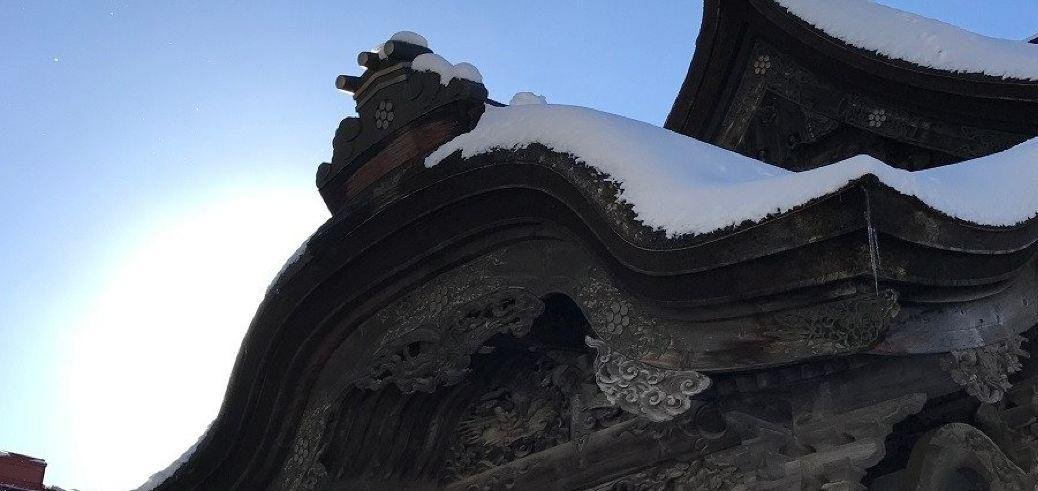
Popular Landmarks in Hayakawa
Discover the most iconic attractions in Hayakawa
Recommended Hotels in Hayakawa
Find the perfect place to stay in Hayakawa
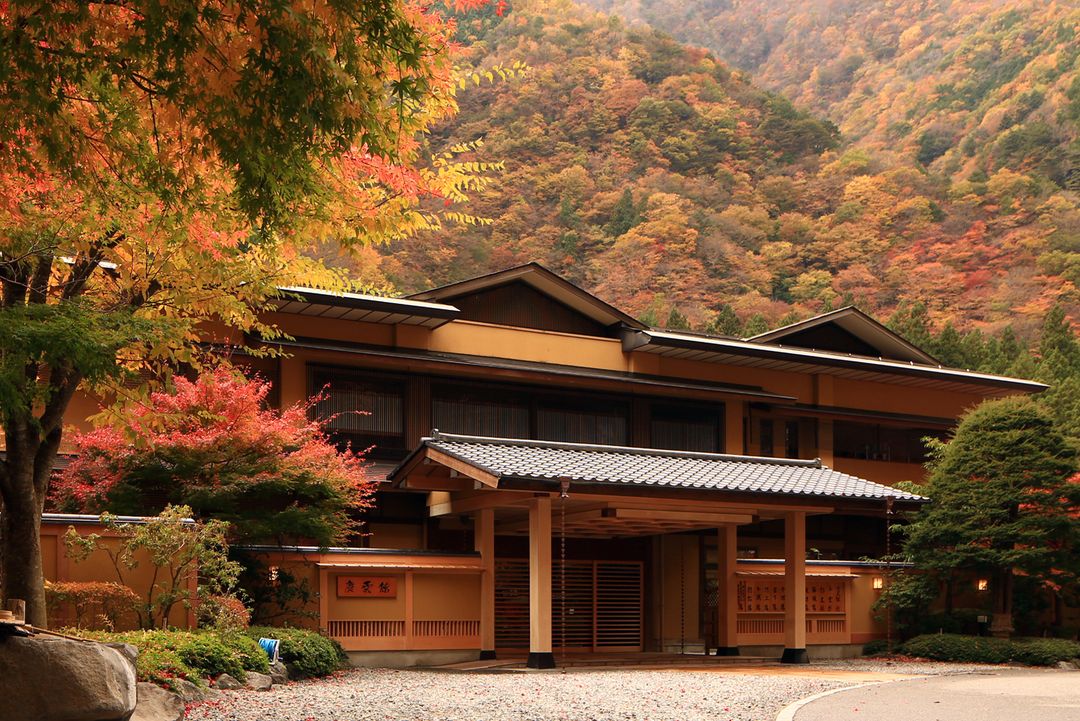
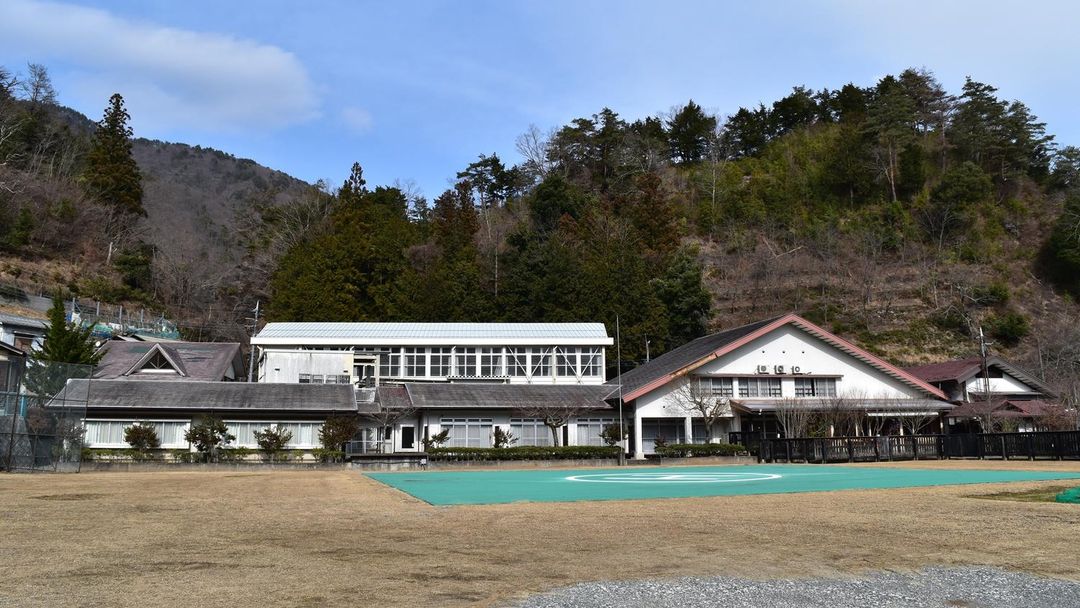
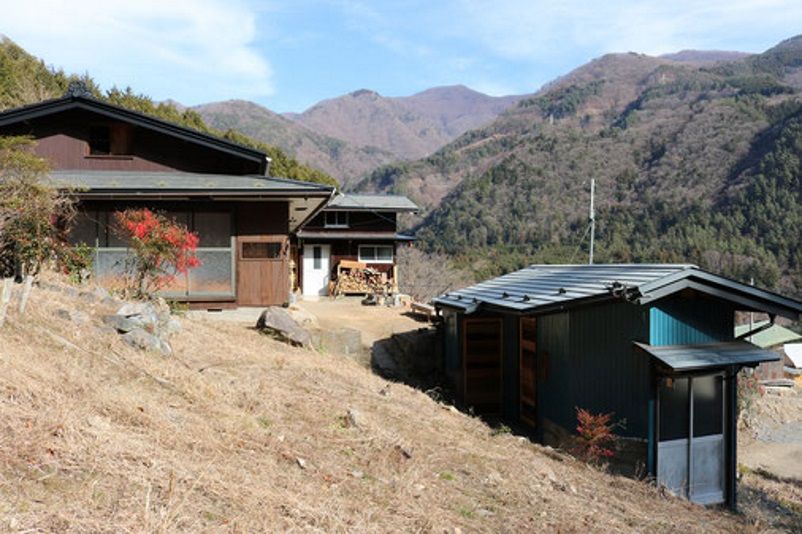
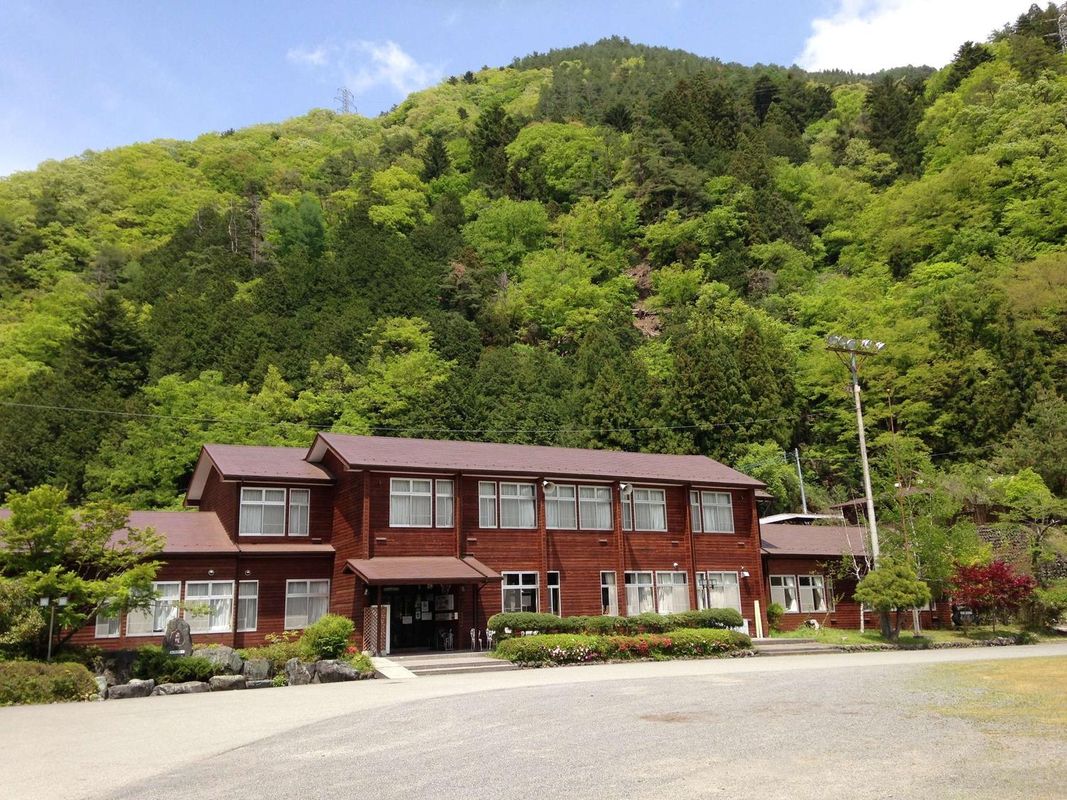
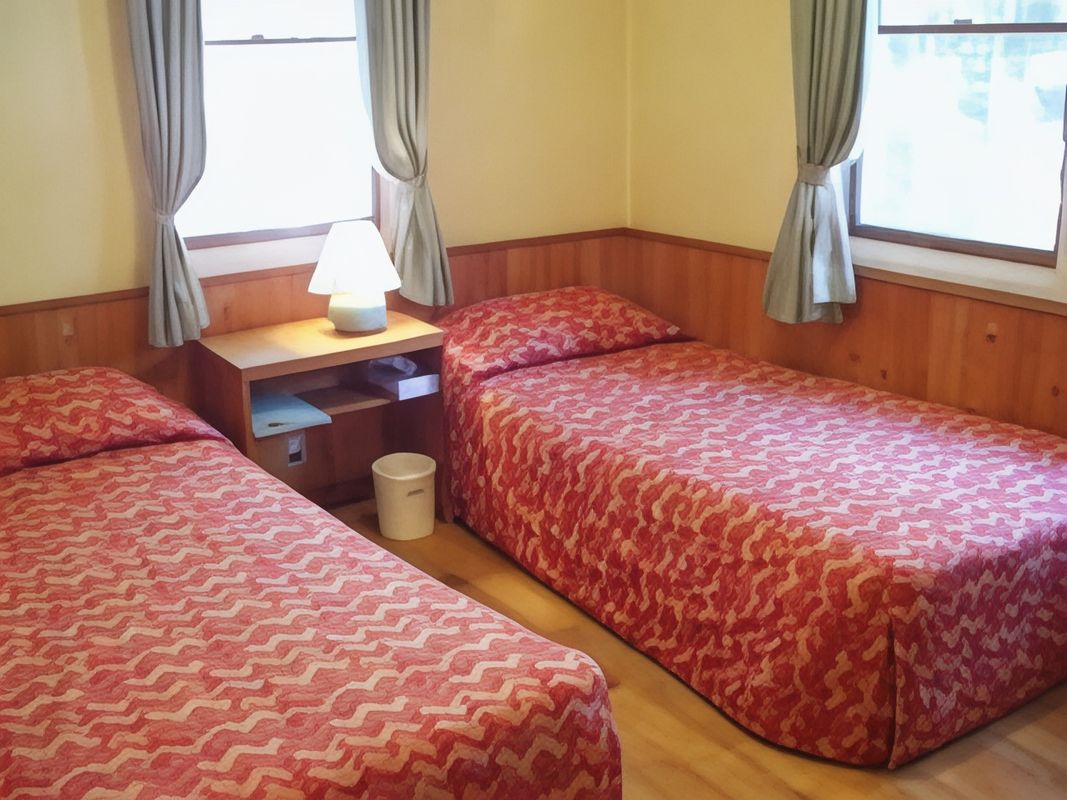
Best Hotels in Hayakawa
Discover curated hotel collections in Hayakawa


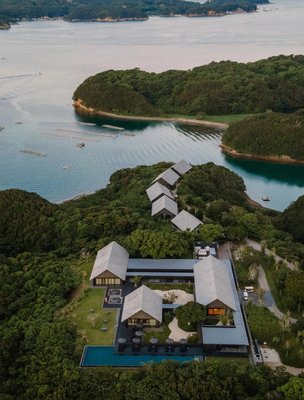
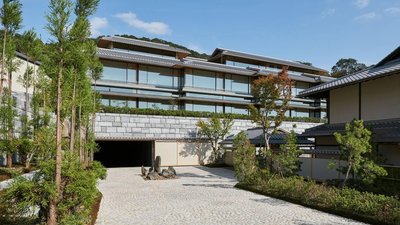


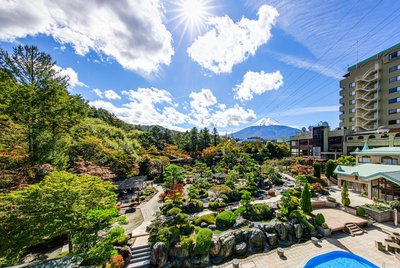
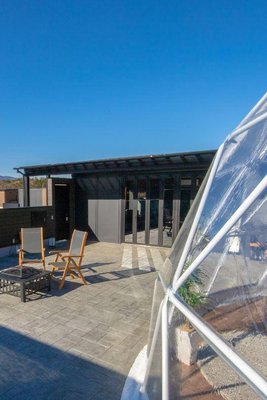

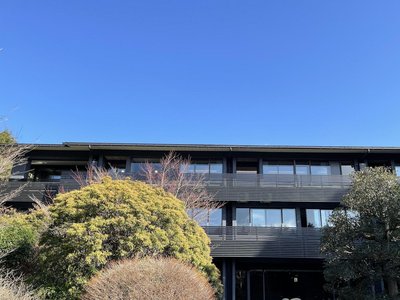
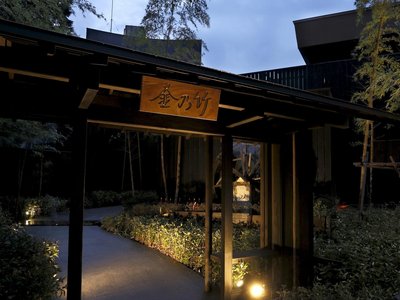











































Frequently Asked Questions about Traveling to Hayakawa
Questions You Might Need to Know About Traveling to Hayakawa
Hayakawa Overview
City Summary
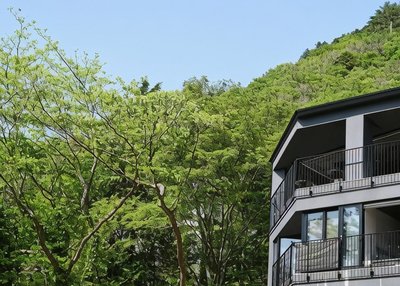
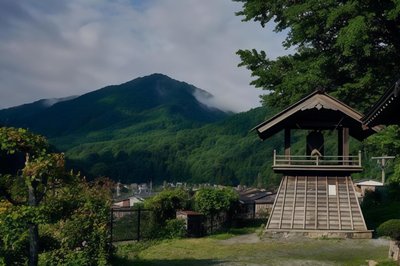
Hayakawa Town is located in the southwestern part of Yamanashi Prefecture, Japan, surrounded by the Southern Alps mountain range. Known for its stunning natural scenery and hot springs, it is one of Japan's most remote villages, retaining a simple rural atmosphere and traditional way of life. The town's main attraction lies in its unspoiled natural environment, including clear streams, dense forests, and abundant wildlife, making it an ideal escape from urban noise.
Must-See Attractions
Major attractions in Hayakawa Town include Narada Onsen, a hidden hot spring nestled in the mountains, famous for its therapeutic properties and serenity. The hiking trails in the Southern Alps offer breathtaking mountain views for outdoor enthusiasts. Small shrines and temples within the village showcase local religious beliefs and cultural traditions. Staying at a traditional ryokan to enjoy hot springs and authentic rural cuisine is highly recommended.
Food Guide
Local cuisine in Hayakawa Town focuses on mountain delicacies. Try game dishes like wild boar and mountain vegetables. Traditional rural fare includes miso soup and soba noodles made with local ingredients. Freshwater fish raised in clear streams are also a highlight. Due to the remote location, dining options are limited; meals are often included in accommodations.
Transportation Guide
Public transport in Hayakawa Town is minimal; driving is advised. From Tokyo, take the Chuo Expressway to Kofu, then local roads to the town (3-4 hours). There are no subways or buses within the village; walking or car rentals are primary options. Taxis are scarce and should be booked in advance. Mountain roads can be treacherous, especially in winter when snow may block routes—check conditions before travel.
Best Time to Visit
The best times to visit are spring (April-May) and autumn (September-November) for mild weather and outdoor activities. Summers are hot but good for escaping city heat, while winters are cold with possible snow—ideal for hot springs. Tourist crowds are thin year-round.
Travel Tips
- Due to remoteness, plan transport and lodging in advance.
- Mountain weather changes rapidly; pack appropriate clothing and gear.
- Respect local customs, especially at shrines and temples.
- Limited ATMs and credit card acceptance—carry sufficient cash.
- Spotty mobile coverage; download offline maps.
- Preserve nature—no littering or disturbing wildlife.
Useful Information
Japanese is the main language; English is rarely spoken—learn basic phrases or use translation apps. Internet access is limited, though some lodgings offer Wi-Fi. Cash is preferred; some ryokan accept cards. Medical facilities are sparse; the nearest hospital is in Kofu—bring essential medications. Dial 110 (police) or 119 (ambulance) for emergencies. Voltage is 100V with Type A outlets (same as Taiwan).









