Hotels in Hayama
Discover your perfect stay in Hayama.
Hayama(Japan) Travel 2026: Cheap Flights, Hotels & Top Attractions
Popular Landmarks in Hayama
Discover the most iconic attractions in Hayama
Recommended Hotels in Hayama
Find the perfect place to stay in Hayama

Best Hotels in Hayama
Discover curated hotel collections in Hayama





























Frequently Asked Questions about Traveling to Hayama
Questions You Might Need to Know About Traveling to Hayama
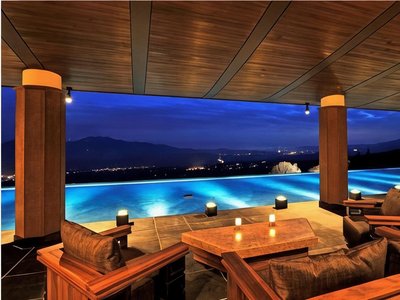
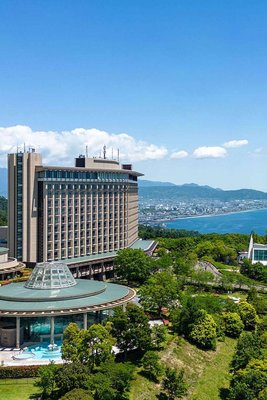
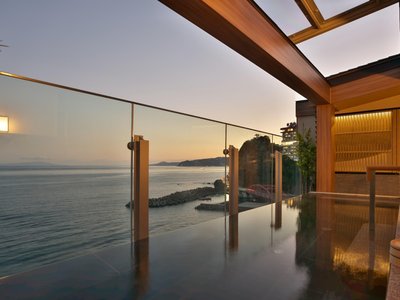
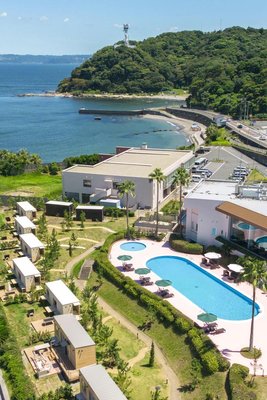
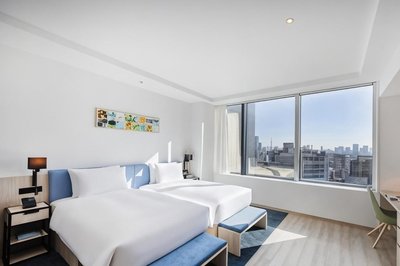
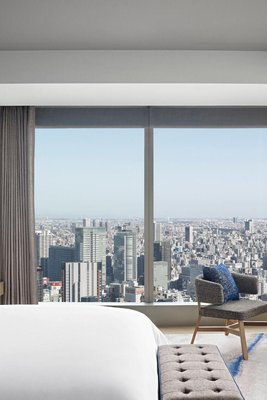
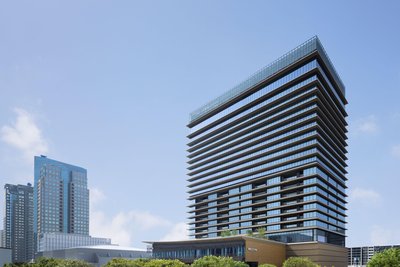
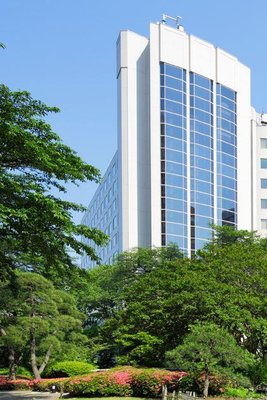
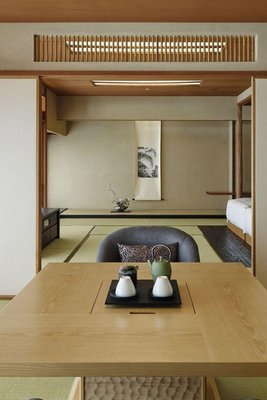
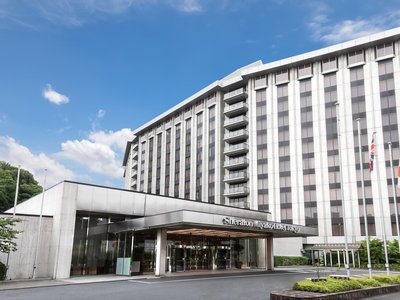
In Hayama Town, the premier sea-view hotel is Hayama Marina Hotel, located directly on Hayama Bay with panoramic Pacific Ocean views. Its infinity pool and ocean-facing rooms offer stunning sunrises over the Sagami Bay and dramatic sunsets blending into the horizon. The hotel blends Japanese Zen aesthetics with modern minimalist design, featuring tatami lounges and private balconies.
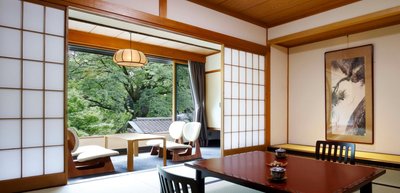
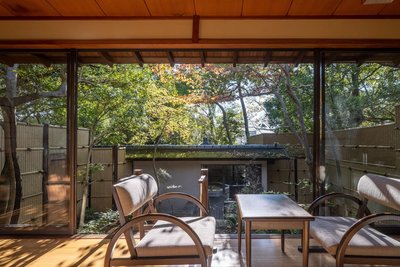
Another standout is Hayama Biyō Ranshō, a boutique ryokan nestled near Umi no Park, offering traditional Japanese-style rooms with private gardens and sea-view verandas. Guests can enjoy complimentary sailboat rentals for a serene cruise across the bay. Nearby, Oyama Dining House serves fresh seafood bowls, perfect for experiencing local flavors after a day by the water. Both properties provide seamless access to Miura Peninsula’s hidden coves and are ideal for travelers seeking tranquility and natural beauty.
The best area for accommodations in Hayama Town is Hayama I-chōme and Ōdachi Hayama, along the coastal zone. These neighborhoods host high-end seaside hotels, traditional ryokan, and quiet residential streets with a strong Edo-period heritage. Located just a 5-minute walk from Hayama Station on the Tokyu Toyoko Line, this area offers excellent connectivity to Yokohama City Center and Tokyo Metropolis.
The area also features charming local cafés like Mori no Chaya and artisan shops such as Hayama Te Shigotoya, making it perfect for cultural exploration and photography. For guests prioritizing privacy and scenic views, opt for rooms facing Umi no Park—ideal for morning beach walks and evening listening to the waves. With its mix of nature, history, and accessibility, this district delivers a true "Tokyo's Back Garden" experience.
Hayama Town offers several unique cultural experiences: visit Hayama Shrine during its spring festival to witness traditional kagura dances and lantern processions; participate in a hands-on workshop at Miyako No Sushi to learn how to craft authentic Miura nori rolls using locally harvested seaweed.
Don’t miss the annual Hayama Fireworks Festival held over summer nights, where pyrotechnics illuminate the Sagami Bay skyline, often reflected against distant Mount Fuji. For deeper immersion, book a stay at a restored old house inn through the "One Day Resident Program," where you help maintain the garden, prepare kaiseki meals, and share dinner with locals.
These experiences highlight Hayama’s commitment to preserving craftsmanship and ecological harmony, allowing visitors to engage with the town’s soul in a meaningful, intimate way.
For families, Hayama Marina Hotel stands out with its dedicated children’s play zone, family-friendly swimming pool, and spacious family suites equipped with baby cots and separate living areas. The hotel also offers free rental of child-sized floats and sunshades.
Another great choice is Hayama Biyō Ranshō’s two-story family room, featuring a kids’ reading corner, puzzle stations, and guided tours to the Hayama Nature Education Center, where children can explore tidal pools and native birdlife. The hotel provides nutritious breakfast options including miso soup with fish, steamed egg, and fruit platters.
Both hotels are within a 10-minute walk of Hayama Station, making it easy to travel to attractions like Yokohama Minato Mirai 21 or Tokyo Disneyland. Their blend of comfort, safety, and convenience makes them perfect for multi-generational trips.
Must-try dishes in Hayama Town include Miura Nori Maki—fresh seaweed rolls filled with mackerel, tofu, and kelp—available at Oyama Dining House and Umi no Yado. Another highlight is Hayama-style Kama-gohan, a slow-cooked rice dish with sea urchin, flounder, and mushrooms, served at renowned restaurants like Sushi Sakura and Hata no Megumi.
Visit Hayama Market every Saturday to buy freshly caught bonito and flatfish, then have vendors grill them on-site with a side of sake. For a relaxed meal, try the Nori Chawanmushi at Mori no Chaya, a delicate tea bowl steamed with seaweed broth—perfect for afternoon breaks.
These dishes reflect Hayama’s coastal abundance and deep respect for seasonal ingredients, offering an authentic taste of local life and culinary tradition.
Photography enthusiasts should visit Umi no Park’s white lighthouse and cliffside walking trail, especially during golden hour when sunlight bathes the Sagami Bay in warm hues—ideal for long-exposure shots. The tidal pools along the Miura Peninsula coast create intricate patterns at low tide, perfect for macro and landscape photography.
Hayama Shrine’s vermilion torii gate and ancient cedar grove offer a striking contrast between vibrant red and deep green, particularly in spring when cherry blossoms bloom. Capture candid moments at Hayama Market—vendors preparing seafood, or diners enjoying a meal outdoors.
These locations combine natural beauty, cultural depth, and visual drama, making them ideal for storytelling through images. Bring a polarizing filter and tripod for enhanced results.
Yes, Hayama Town is highly accessible from Tokyo. From Hayama Station on the Tokyu Toyoko Line, it takes only about 35 minutes to reach Shibuya Station, with direct express trains available. Transfer to the Yamanote Line or subway lines to quickly access Ginza, Shinjuku, or Tokyo Station.
Additional options include the Harbor Bus connecting to Yokohama Port and other scenic spots around the Miura Peninsula, ideal for day trips. For independent travelers, rent a bicycle and ride along the coastal greenway, a 15-kilometer route passing Umi no Park and the Hayama Nature Education Center.
Despite being in Kanagawa’s countryside, Hayama’s excellent rail network ensures seamless travel for business, leisure, or family visits—offering the perfect balance between urban convenience and coastal serenity.
The best time to visit Hayama Town is during spring (March to May) and autumn (September to November). Spring brings blooming cherry blossoms around Hayama Shrine, creating a dreamy backdrop of pink petals reflecting on calm waters. Temperatures range from 15–20°C, ideal for outdoor activities with minimal rainfall.
Autumn offers dry, clear skies perfect for viewing fall foliage along the Miura Peninsula, where crimson maple trees contrast beautifully with the blue expanse of the Sagami Bay. Peak colors appear mid-to-late October.
Summer (June–August) can be humid with occasional typhoons, while winter is cold and windy. However, those seeking solitude may enjoy snow-dusted coastal scenes and quiet village life. Overall, spring and autumn deliver optimal weather, fewer crowds, and breathtaking natural scenery.
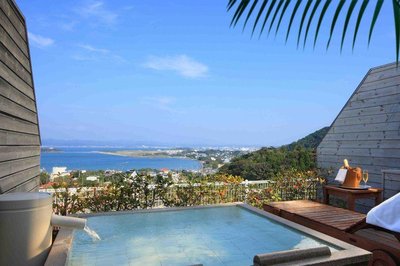
Relaxation seekers will love soaking in the outdoor hot spring baths at Hayama Marina Hotel, where ocean breezes mingle with soothing thermal waters. Lounge on the grassy meadows of Umi no Park, reading under the shade of eucalyptus trees while listening to gentle waves.
Join a guided tidal pool tour at the Hayama Nature Education Center, wading through shallow rock pools to discover crabs, starfish, and sea anemones—perfect for mindful connection with nature. For inner peace, book a tea ceremony experience at Mori no Chaya, where you’ll learn the art of matcha preparation and savor sweet wagashi in silence.
Some ryokan, like Hayama Biyō Ranshō, even offer seaside meditation sessions led by certified instructors, combining breathwork with rhythmic ocean sounds. These low-key yet enriching activities allow travelers to truly unwind and reconnect with themselves.
Hayama Town holds a rich historical legacy dating back to the Heian period, when it served as a retreat for nobles and samurai, notably Minamoto no Yoritomo, who once used it as a temporary residence. Remnants of this era remain visible at Hayama Shrine, where ancient wooden beams and stone inscriptions mark its significance.
During the Edo period, Hayama became a key shogunate port for transporting rice and military supplies to Edo. Today, parts of the original dock structures and stone quays at Hayama Port are preserved as National Registered Tangible Cultural Properties.
In the Meiji and Taishō eras, Hayama evolved into a summer retreat for imperial family members and high-ranking officials. The Imperial Villa Memorial Hall and historic Western-style buildings scattered across the town reflect this era’s architectural fusion.
This layered past—spanning sacred, strategic, and elite use—makes Hayama not just a scenic destination, but a living museum where every street corner tells a story of Japan’s evolving identity.
Hayama Overview
City Summary
Hayama, located in Kanagawa Prefecture, Japan, is a charming coastal town known for its natural beauty and oceanic allure. With its clear waters, serene beaches, and abundant outdoor activities, it is a popular weekend getaway for residents of the Tokyo metropolitan area. Hayama boasts not only stunning coastlines but also a rich historical and cultural heritage, blending traditional Japanese charm with modern leisure life.
Must-See Attractions
Must-see attractions in Hayama include Hayama Pier, Morito Shrine, and Hayama Imperial Villa Memorial Park. Hayama Pier offers breathtaking views of Sagami Bay, while Morito Shrine is a historic shrine dedicated to the sea god. The Hayama Imperial Villa Memorial Park, once a vacation home for the Japanese imperial family, is now open to the public, featuring lush greenery and a tranquil environment. Additionally, Hayama's beaches are ideal for swimming and sunbathing in the summer.
Food Guide
Hayama is famous for its fresh seafood, particularly locally caught fish and shellfish. Be sure to try Hayama Don, a local specialty featuring a bowl of rice topped with fresh seafood. The town also offers many restaurants serving traditional Japanese dishes such as sushi, tempura, and soba noodles. Street food like grilled squid and takoyaki is also worth sampling.
Transportation Guide
Transportation in Hayama primarily relies on buses and taxis. From Tokyo, you can take the JR Yokosuka Line to Zushi Station and then transfer to a bus to Hayama. The local bus network is well-developed, making it easy to reach major attractions. Taxis are a convenient but more expensive option. Consider purchasing a one-day bus pass to save on transportation costs.
Best Time to Visit
The best time to visit Hayama is during spring and summer when the weather is mild, perfect for beach activities and outdoor exploration. The autumn foliage season is also charming, but winters can be chilly with fewer tourists.
Travel Tips
- Summer beaches can get crowded, so arrive early to avoid the rush.
- Respect local customs and maintain quiet when visiting shrines.
- Seafood markets may be pricey, but the quality is guaranteed.
- Public transportation in Hayama has limited frequency, so plan your itinerary in advance.
- Always follow lifeguard instructions for safe beach activities.
- Some restaurants may require reservations, especially on weekends and holidays.
Useful Information
The primary language in Hayama is Japanese, but some tourist spots and restaurants may have English signage. The town has good network coverage, with free Wi-Fi available in most areas. Cash is the preferred payment method, though some businesses accept credit cards. Medical facilities include Hayama Municipal Hospital and nearby clinics. Travel insurance is recommended to cover any emergencies.