Hotels in Heguri
Discover your perfect stay in Heguri.
Heguri(Japan) Travel 2026: Cheap Flights, Hotels & Top Attractions
Popular Landmarks in Heguri
Discover the most iconic attractions in Heguri
Recommended Hotels in Heguri
Find the perfect place to stay in Heguri

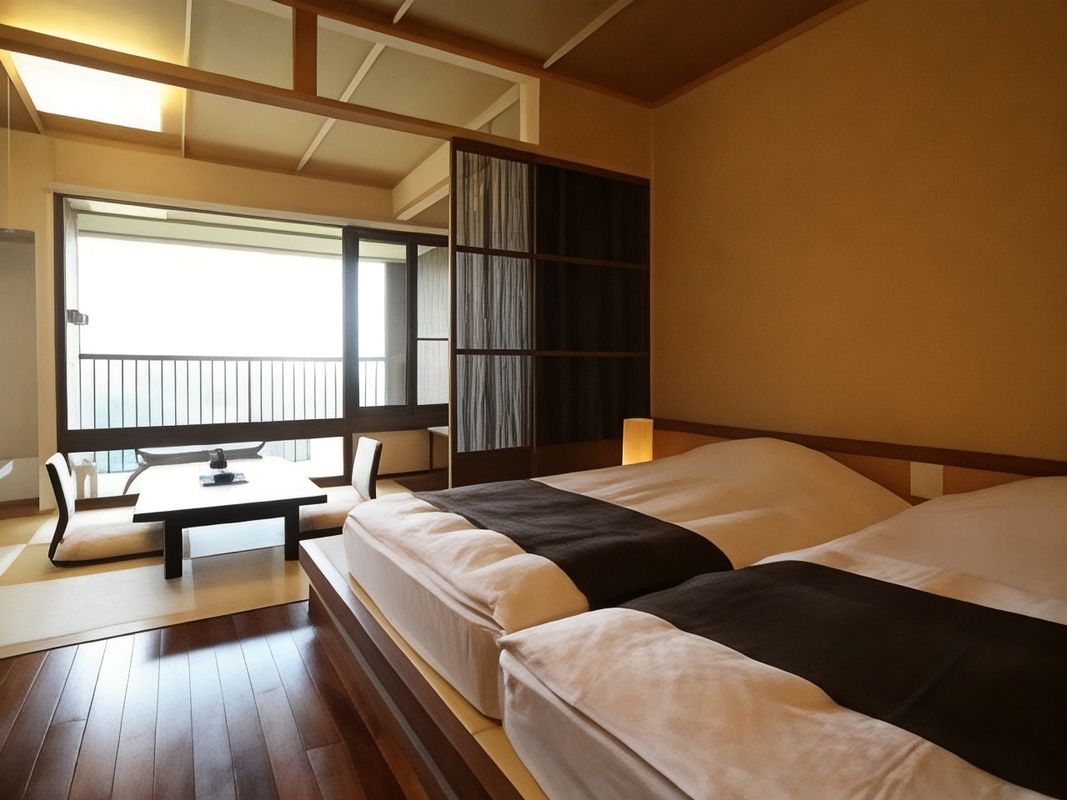
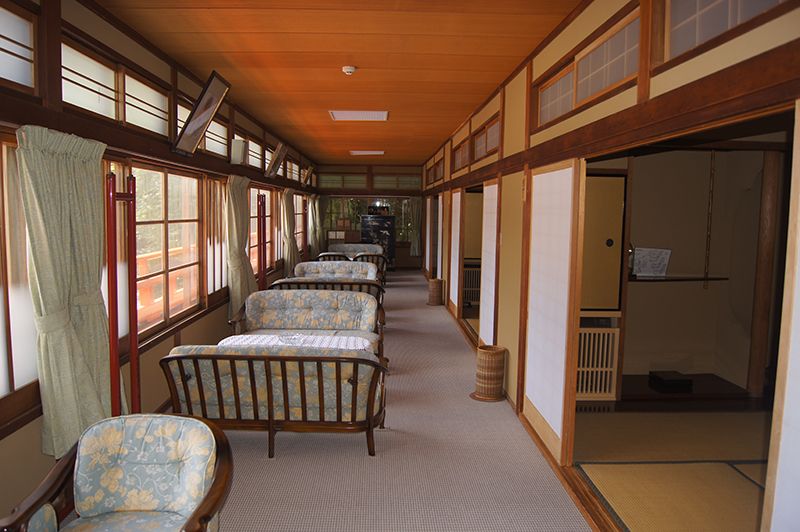
Best Hotels in Heguri
Discover curated hotel collections in Heguri

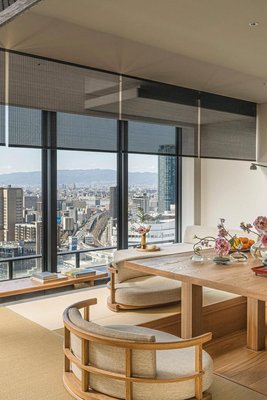
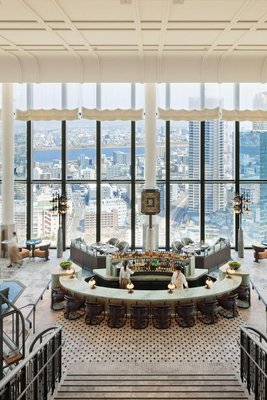




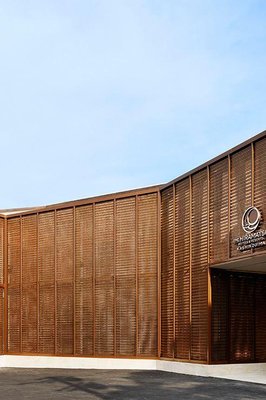

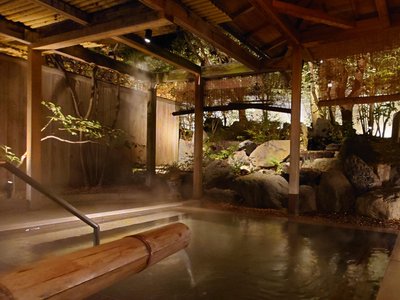
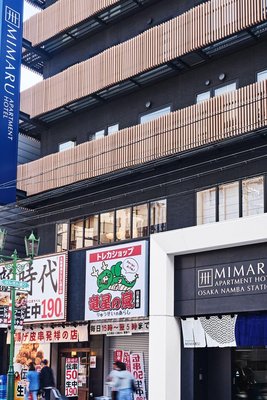
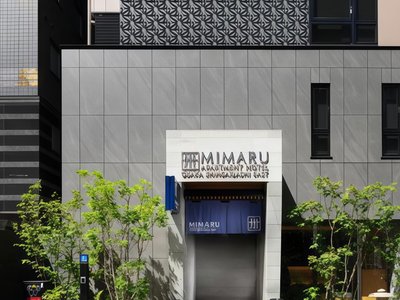

































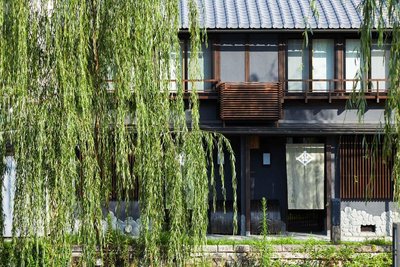
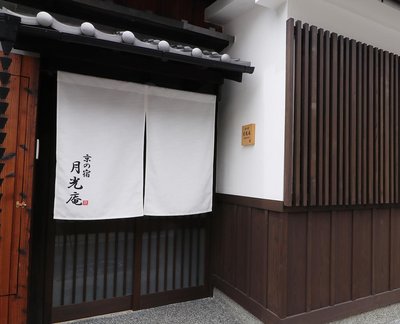
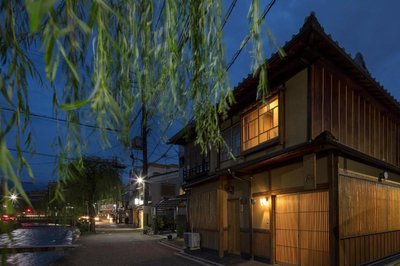














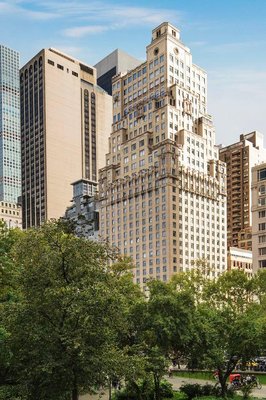





Frequently Asked Questions about Traveling to Heguri
Questions You Might Need to Know About Traveling to Heguri
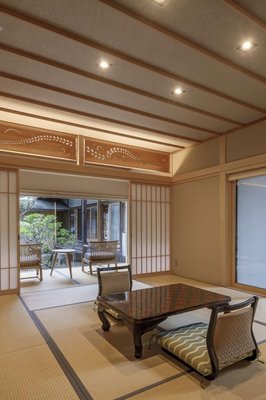
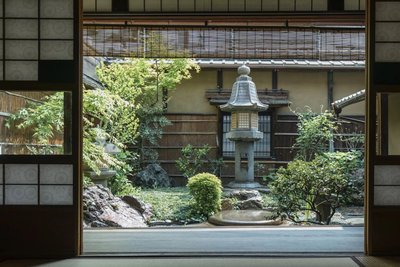
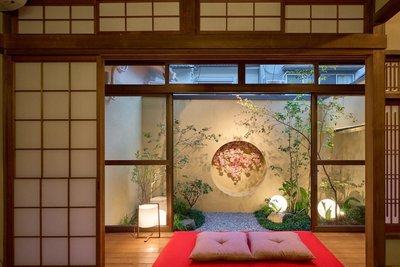
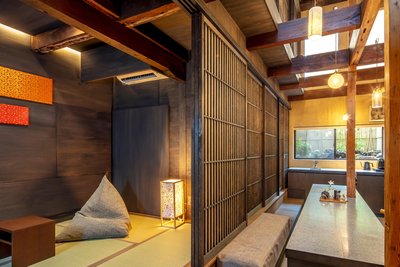
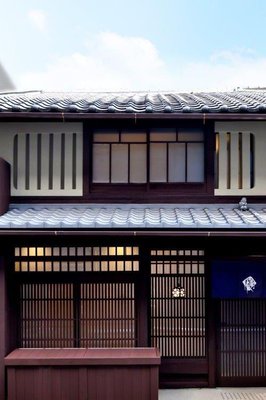
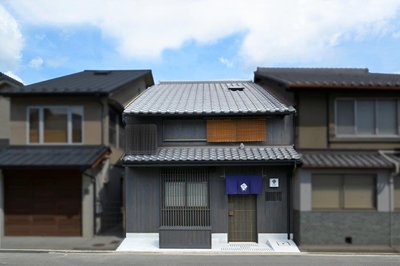
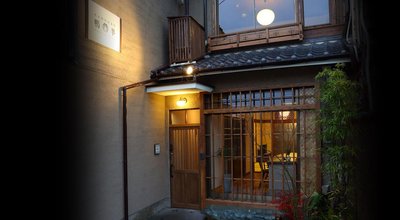
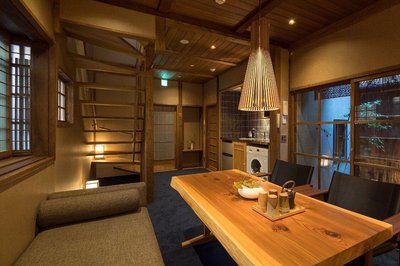
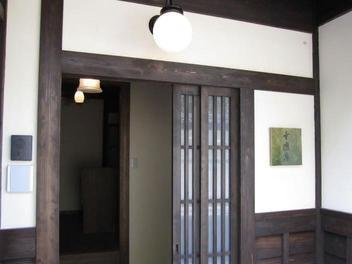
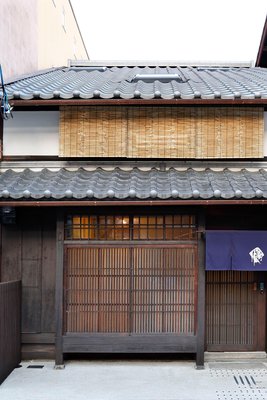
In Hiragata Town, recommend staying at Hiragata Town Folk Museum Inn, a heritage-style guesthouse housed in a 100-year-old wooden farmhouse. The property blends Nara Prefecture’s traditional timber architecture with modern comfort, featuring tatami rooms, private gardens, and hands-on workshops like washi paper-making and pottery classes. Located just a 5-minute walk from Hiragata Shrine, guests can participate in morning rituals and experience authentic ancient Kii rural traditions. The hosts provide breakfast using locally sourced ingredients, offering a true taste of daily life in rural Nara. Ideal for families seeking immersive, low-key travel.
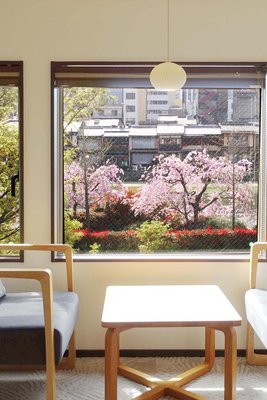
The ideal time to visit Hiragata Town is during spring (March to May) when cherry blossoms bloom along the Hiragata River, creating a stunning pink tunnel perfect for photography. This period also features the Hiragata Spring Festival, showcasing traditional dance performances, craft markets, and local delicacies such as "Nara matcha mochi" and "persimmon leaf sushi." Nearby Yoshino Mountain offers extended cherry blossom viewing routes, making it easy to plan a full-day excursion. Arrive early in the morning to avoid crowds and enjoy the peaceful beauty of the countryside at dawn.
Must-try cultural experiences in Hiragata Town include guided walks along the Ancient Kinki Trade Route, led by local historians who share insights into Heian-era transportation networks. Visit the Hiragata Town Folk Archives to explore regional agricultural heritage and ancestral records. Don’t miss the washi paper workshop, where you’ll craft traditional paper from kōzo bark—each piece made by hand is a lasting memory. These activities are offered on a reservation basis outside peak season, ensuring an intimate, authentic connection with central Japan’s rural cultural legacy.
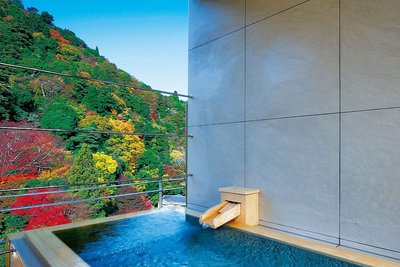
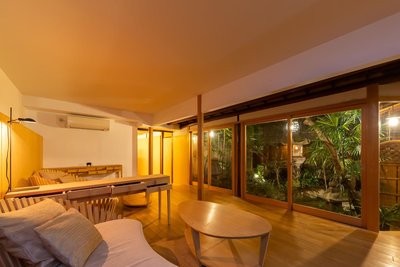
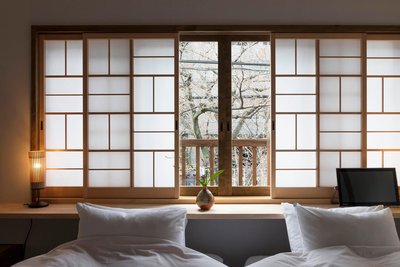
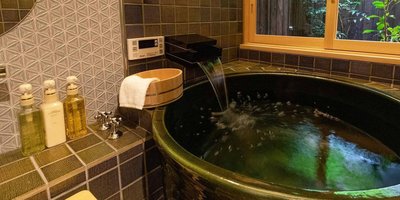
For ultimate tranquility, choose Green Hill Area (West District), home to Ryokuchi Estate, a low-density cluster of standalone Japanese-style lodges surrounded by bamboo groves and rice paddies. The area has minimal traffic and near-zero light pollution, perfect for stargazing. Each room includes a private courtyard and an onsen bath, with some offering panoramic views of the Nara Basin. Nearby Seishin Zen Temple offers morning meditation sessions, while local tea houses serve Nara matcha. The serene environment makes it ideal for recharging amid nature.
Top photo locations in Hiragata Town include Hiragata Shrine Main Hall, a striking Heian-period wooden structure with vermilion torii gates that stand out beautifully under golden hour light, especially in autumn. Another favorite is the stone bridge along Hiragata River, shrouded in morning mist, evoking a classic ink-wash painting. The terraced rice fields at White River Plain offer dramatic seasonal contrasts—lush green in spring and golden harvest hues in October—ideal for long-exposure shots. Bring a tripod and arrive before sunrise for the most captivating images.
Must-try dishes in Hiragata Town include Nara-zuke—a tangy pickle made from local vegetables; Kaki-no-ha sushi, fresh fish wrapped in persimmon leaves with a subtle herbal aroma; and Hiragata specialty soba noodles, served in a rich broth made with locally brewed soy sauce and wood-fired stock. Restaurants like Tanaka-ya Dining House use century-old recipes and farm-to-table ingredients. Weekends feature kamado rice stalls, where rice is slowly cooked in clay pots over fire—perfect for experiencing authentic Nara culinary tradition.
Recommended routes start at Hiragata Town Office, following the Hiragata River Cycling Path to Yoshino River Confluence, a 12-km flat trail flanked by cherry trees, bamboo forests, and historic stone bridges. Stop at Ono-no-hara Rest Stop for roasted sweet potatoes and local tea. For a more challenging ride, try the Hiragata-Yoshino Mountain Loop (~25 km), featuring steep climbs and shaded tunnels—ideal for experienced cyclists. All routes have clear signage and emergency stations. Rent bikes at the Hiragata Tourism Center, including electric-assist models, for a relaxed exploration of rural Nara’s scenic landscapes.
While Hiragata Town isn’t a hot spring hub, nearby Yoshino Onsen offers several high-quality ryokans. Recommended: Yoshino River Onsen Resort, whose mineral-rich waters originate 700 meters underground, packed with sulfur and bicarbonate—excellent for skin health. The resort features open-air baths overlooking the river valley, with night lighting enhancing the romantic atmosphere. Some rooms include private onsen tubs, and guests enjoy herbal foot baths and traditional Japanese massage. Accessible by bus from Hiragata Station in about 40 minutes—perfect for a rejuvenating getaway.
Yes, Hiragata Town is highly suitable for elderly travelers. Many inns like Ryokuchi Estate feature wheelchair-accessible entrances, non-slip flooring, and emergency call systems in rooms. The town provides free wheelchair rentals and guided tour assistance at the Tourism Center, helping seniors visit temples like Hiragata Shrine comfortably. Local medical support is available at Hiragata Town Clinic, ensuring quick response. Recommended activities include riverside walks, tea house visits, and washi paper crafting, all designed for gentle, low-mobility engagement—ideal for a peaceful, stress-free senior trip.
The most convenient way to reach Hiragata Town from Osaka is by taking the Kintetsu Limited Express to Hiragata Station, a journey of about 70 minutes with frequent departures. Upon arrival, rent an electric bicycle or take the free shuttle bus to major attractions. For drivers, take the Nara Expressway to Hiragata Interchange, about 50 minutes, with clear signage throughout. The town’s roads are wide and well-maintained, ideal for slow-paced exploration. Book train tickets in advance via the Kintetsu website to avoid peak congestion. Multiple accessible parking lots are available for visitors with mobility needs.
Heguri Overview
City Summary
Heguri Town is located in the northwest of Nara Prefecture, Japan, a small town rich in history and natural beauty. It was once an important base for the ancient Yamato court, with cultural heritage such as ancient tombs and temples. Surrounded by mountains, Heguri offers stunning natural landscapes, ideal for travelers who love history and nature.
Must-See Attractions
Major attractions in Heguri include Heguri Shrine and nearby ancient tomb clusters, which reflect the town's long history. Additionally, the town's natural parks and trails provide excellent hiking opportunities, allowing visitors to enjoy the seasonal scenery.
Food Guide
Heguri's culinary culture is influenced by traditional Nara cuisine. Recommended dishes include persimmon leaf sushi (kakinoha-zushi) and Nara pickles, which are not only unique in flavor but also carry deep historical significance.
Transportation Guide
Public transportation in Heguri mainly relies on buses, with several routes connecting major attractions. A one-day bus pass is recommended for cost savings. It takes about 30 minutes by bus from central Nara to reach Heguri.
Best Time to Visit
The best seasons to visit are spring and autumn, when the weather is pleasant for outdoor activities. Spring offers cherry blossoms, while autumn features stunning fall foliage.
Travel Tips
- Respect local customs, especially when visiting shrines.
- Some attractions require walking, so wear comfortable shoes.
- Dining options are limited; consider bringing snacks.
- Dispose of trash properly or take it with you.
- Photography may be prohibited at certain historical sites; check signs.
Useful Information
The primary language in Heguri is Japanese, with limited English proficiency. A translation app is recommended. Mobile networks (4G) are widely available. Cash is the main payment method, though some shops accept credit cards. Medical facilities are concentrated in the town center; clinics are available for emergencies.









