Hotels in Hidaka
Discover your perfect stay in Hidaka.
Hidaka(Japan) Travel 2026: Cheap Flights, Hotels & Top Attractions
Popular Landmarks in Hidaka
Discover the most iconic attractions in Hidaka
Recommended Hotels in Hidaka
Find the perfect place to stay in Hidaka
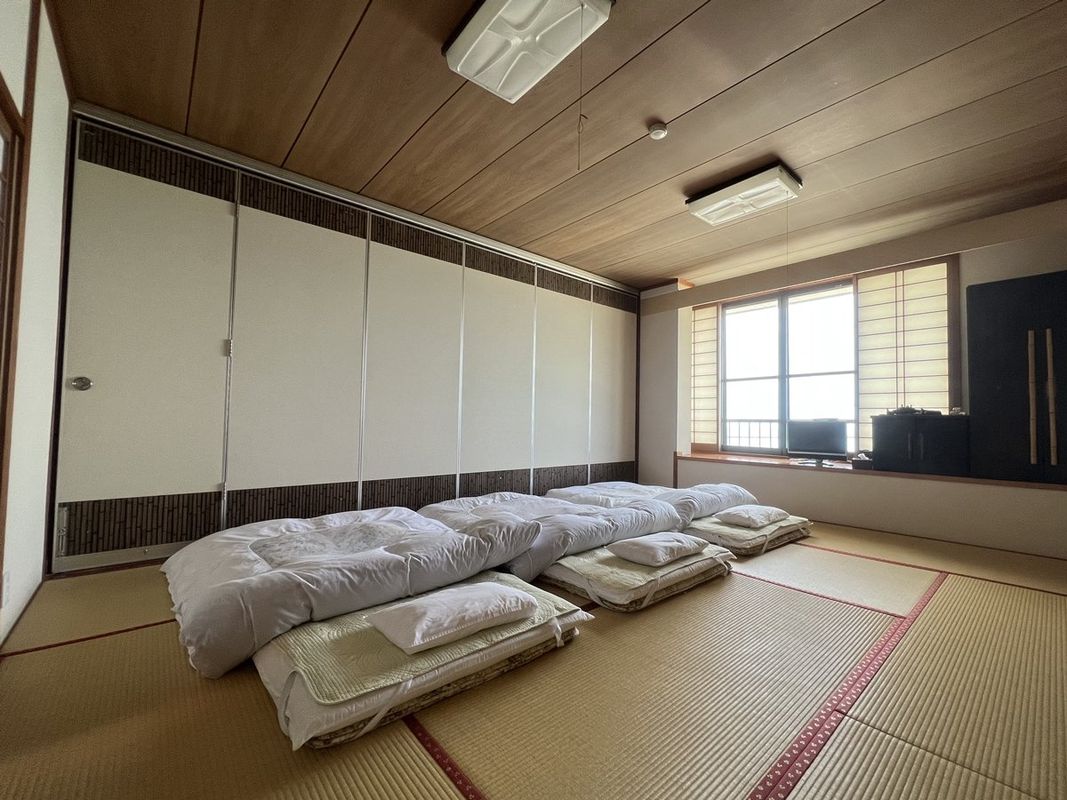
Hashimotoso
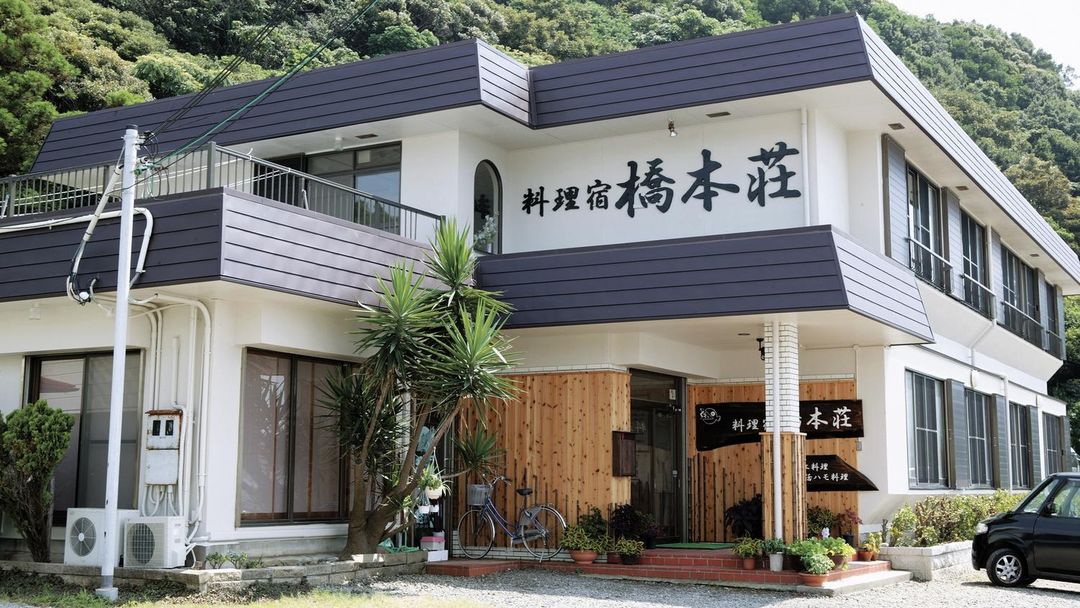
Ryoriyado Hashimotoso
Best Hotels in Hidaka
Discover curated hotel collections in Hidaka
Shima Kanko Hotel the Bay Suites
Waldorf Astoria Osaka
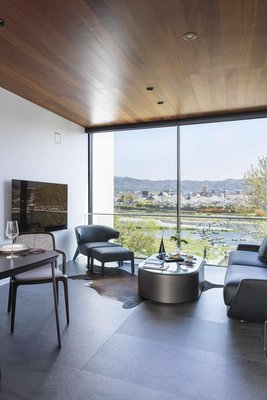
Kamo Residences by Reflections
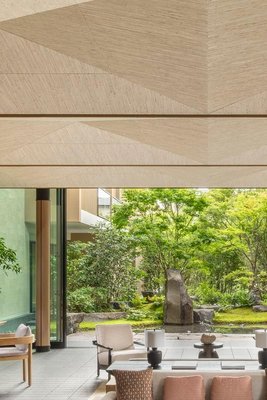
Six Senses Kyoto
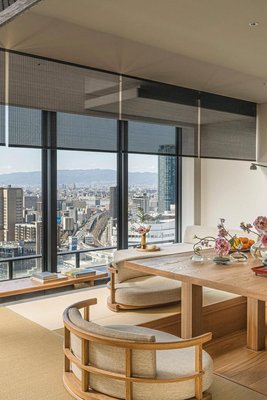
Four Seasons Hotel Osaka
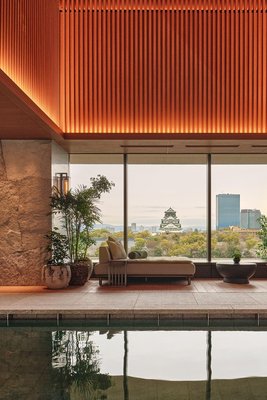
Patina Osaka
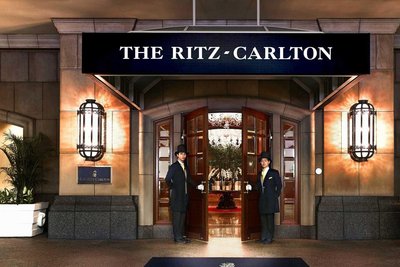
The Ritz-Carlton, Osaka
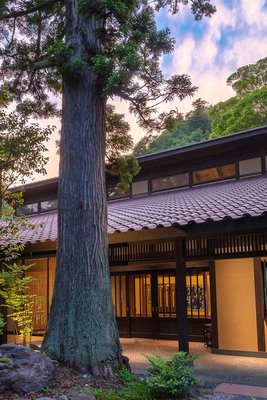
Arimasansoh Goshobessho
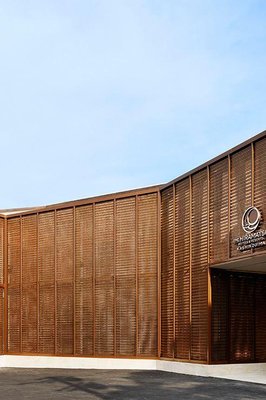
The Hiramatsu Hotels & Resorts Kashikojima
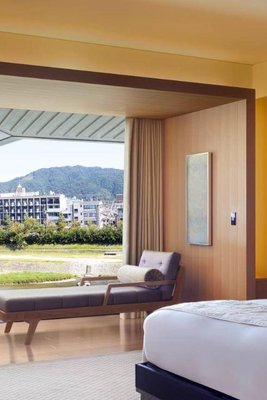
The Ritz-Carlton, Kyoto
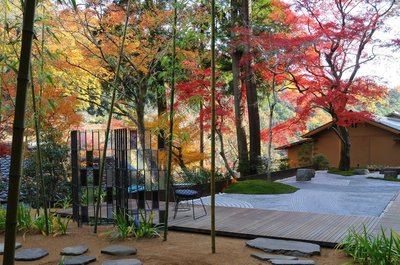
HOSHINOYA Kyoto
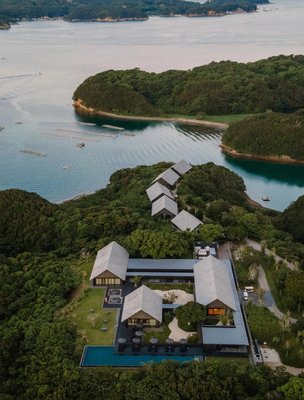
Amanemu
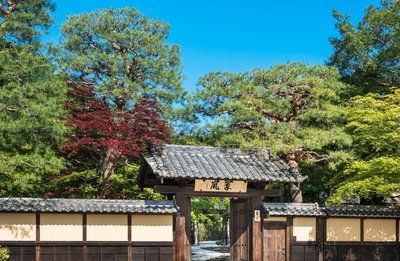
Suiran, a Luxury Collection Hotel, Kyoto
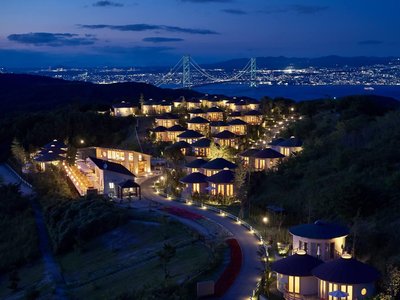
Grand Chariot Hokutoshichisei 135°
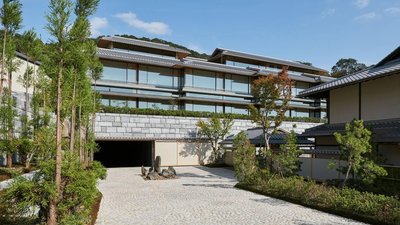
Park Hyatt Kyoto
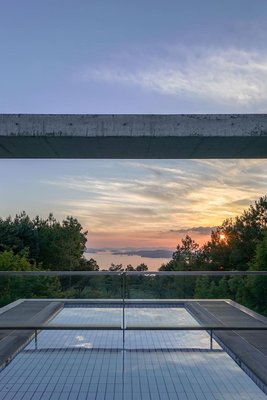
SETOUCHI RETREAT by Onko Chishin
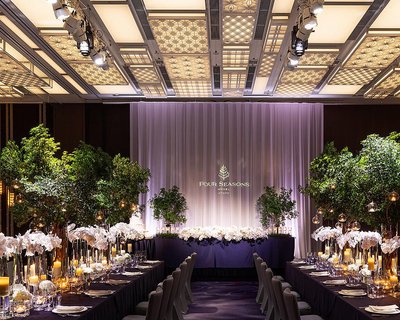
Four Seasons Hotel Kyoto
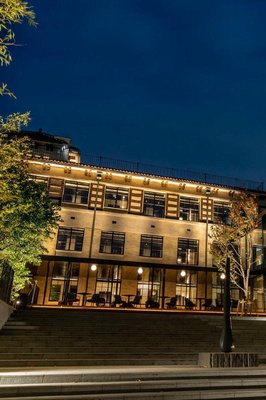
The Hotel Seiryu Kyoto Kiyomizu - a Member of the Leading Hotels of the World-
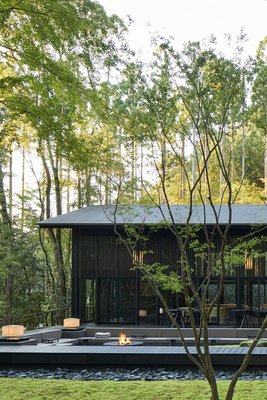
Aman Kyoto
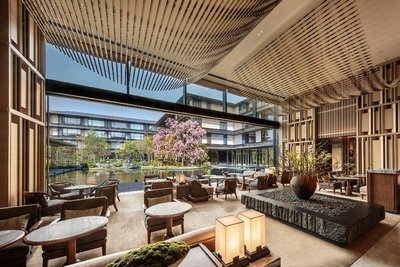
Hotel the Mitsui Kyoto, a Luxury Collection Hotel & Spa
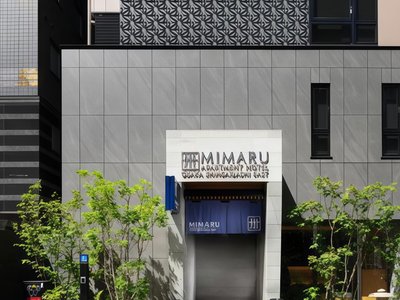
MIMARU Osaka Shinsaibashi East

Toba International Hotel Shiojitei
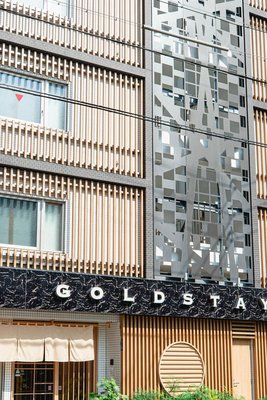
Gold Stay Nagoya OSU
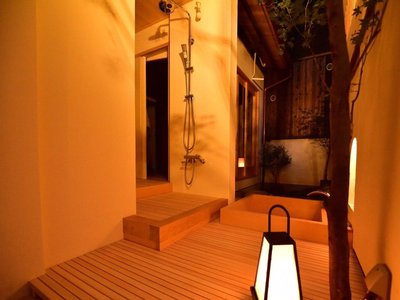
Yado Kiramachi
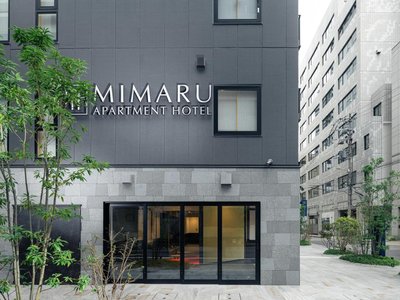
MIMARU Osaka Shinsaibashi North
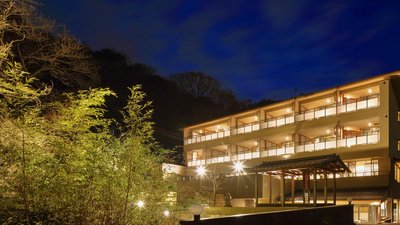
Okuno Hosomichi
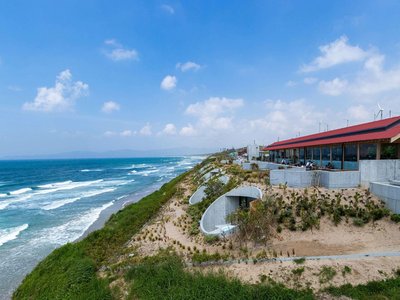
Izumo Hotel the Cliff
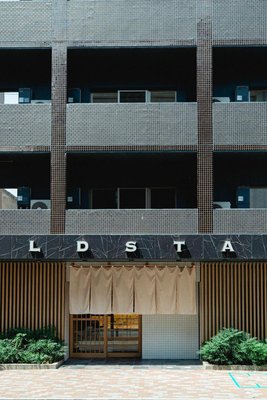
GOLD STAY Nagoya Sakae
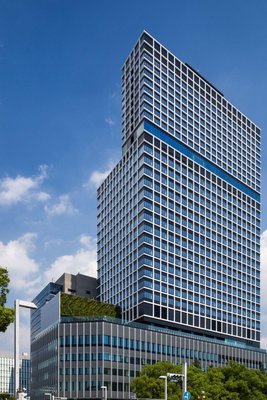
The Royal Park Hotel Iconic Nagoya
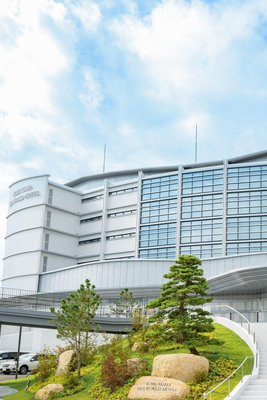
Kobe Suma Sea World Hotel
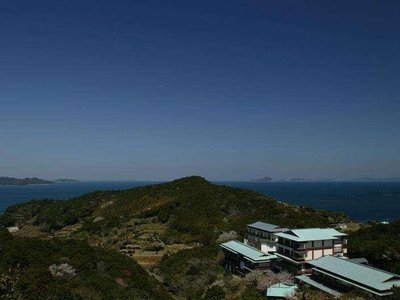
Hanashinsui
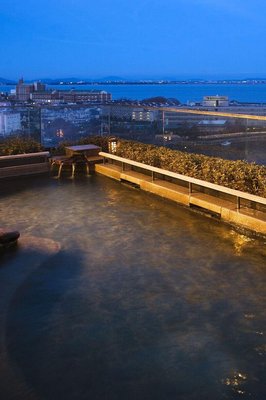
Yumotokan
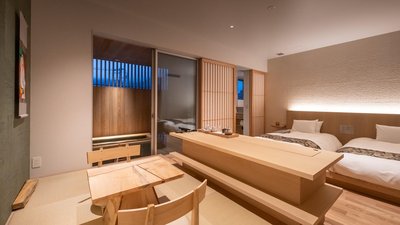
Japanese Auberge Kararako
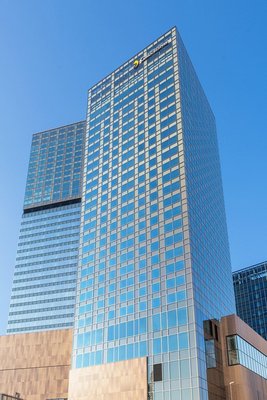
Hotel Hankyu GRAN RESPIRE OSAKA
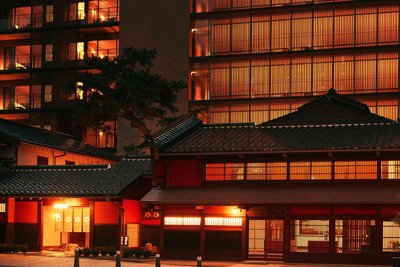
Hoshino Resorts Kai Kaga
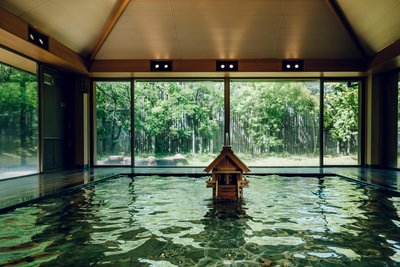
Hoshino Resorts KAI Tamatsukuri

Taikyourou
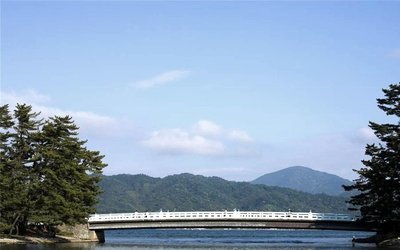
Monjusou Shourotei
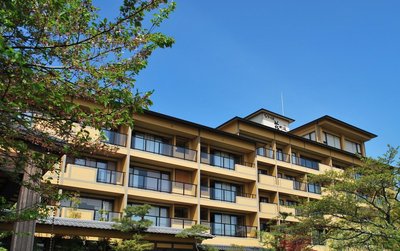
BIWAKO HANAKAIDO
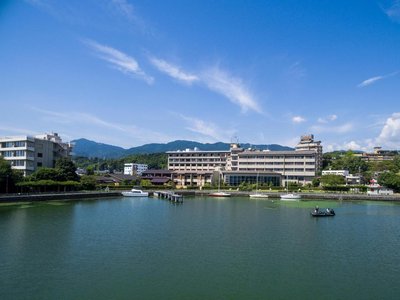
Biwako Ryokusuitei
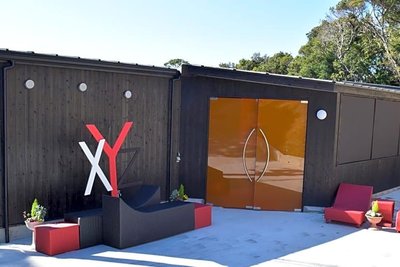
XYZ Private Spa and Seaside Resort
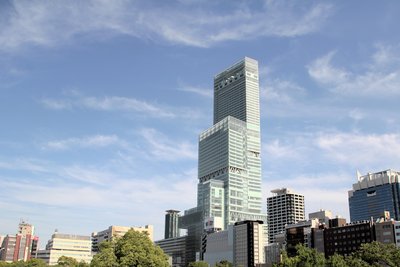
Osaka Marriott Miyako Hotel
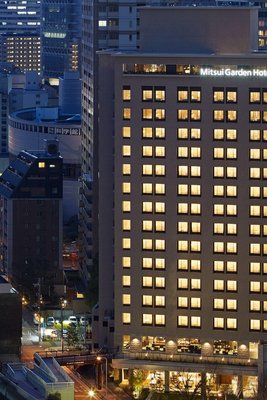
Mitsui Garden Hotel Osaka Premier
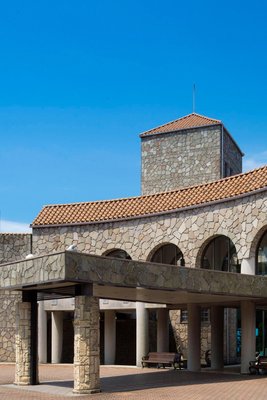
Izumigo Hotel Altia Toba
BIWAKO HANAKAIDO
Biwako Ryokusuitei
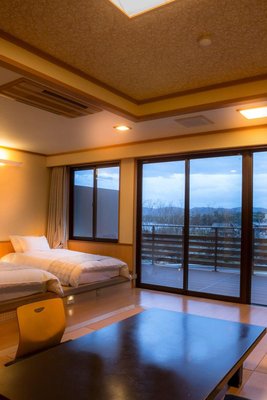
Hotel Kitanoya
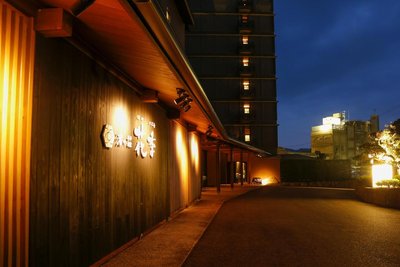
Hanagoyomi
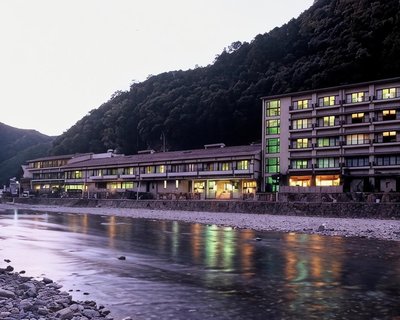
Kawayu Onsen Fujiya
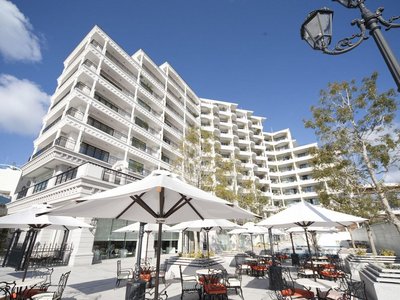
Hotel La Suite Kobe Harborland

AoAwo Naruto Resort
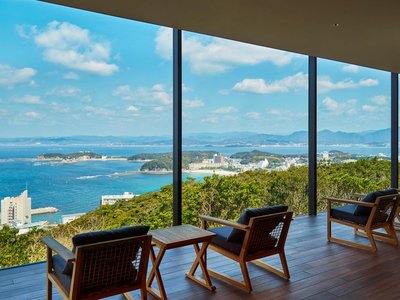
Infinito Hotel and Spa
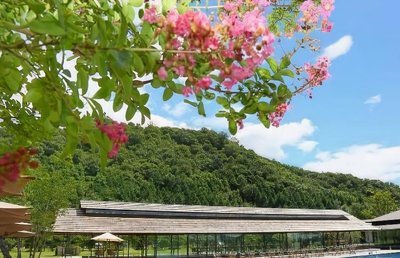
Bella Vista Spa and Marina Onomichi
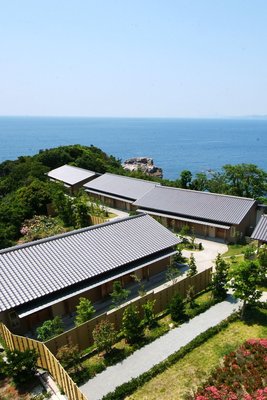
Hamachidorinoyu Kaisyu
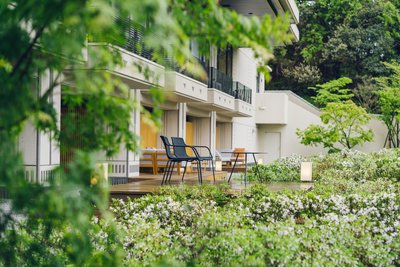
Hoshino Resorts Kai Enshu
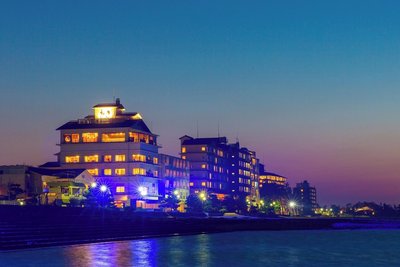
Kaike Shogetsu
The Ritz-Carlton, Kyoto
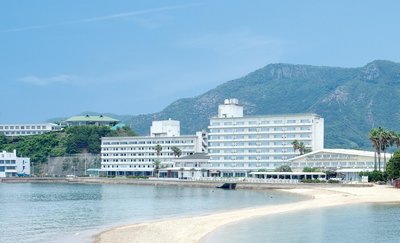
Shodoshima International Hotel
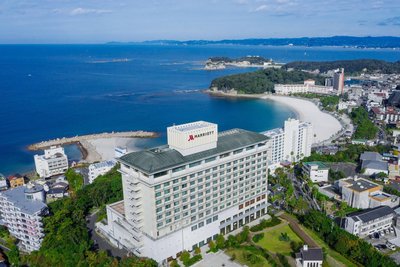
Nanki-Shirahama Marriott Hotel
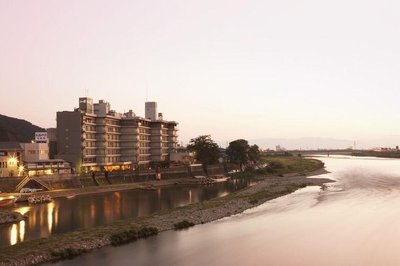
Juhachiro
Yado Kiramachi
Arimasansoh Goshobessho
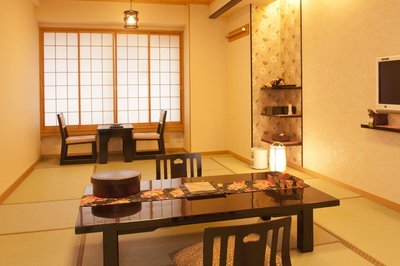
Matsui-Bekkan Hanakanzashi
Hoshino Resorts KAI Tamatsukuri
Taikyourou
Monjusou Shourotei
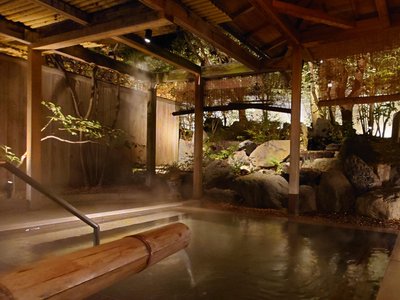
Kasuga Hotel
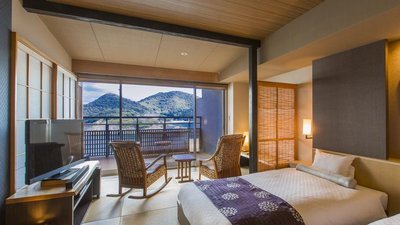
Migiwatei Ochi Kochi
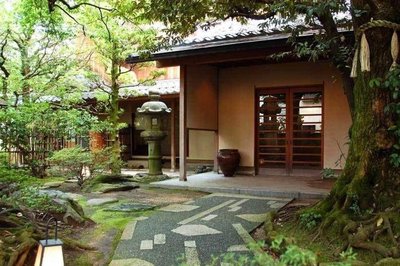
Kocho
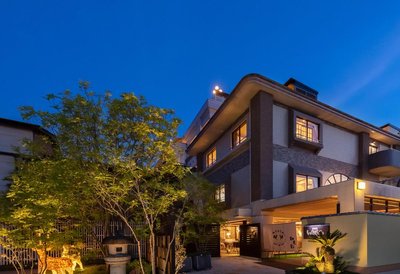
Hotel New Wakasa
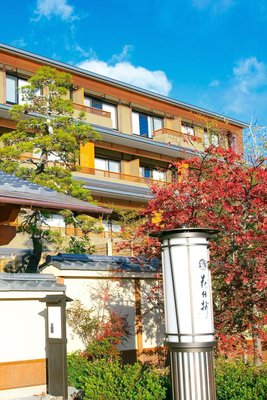
Kyoto Arashiyama Onsen Kadensho (Kyoritsu Resort)
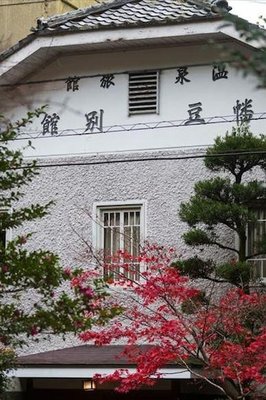
Oku-Mikawa・Yuya Onsen HAZU Bekkan
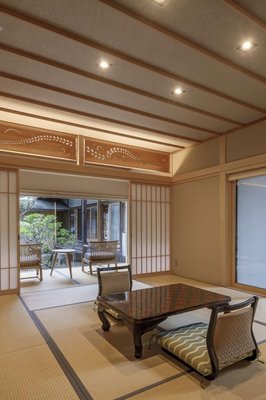
Ichijoin
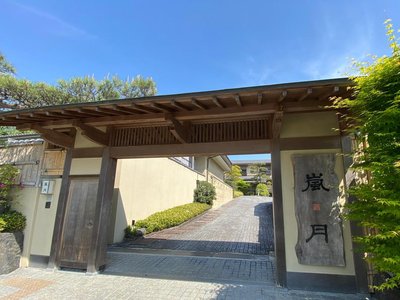
Rangetsu
The Ritz-Carlton, Kyoto
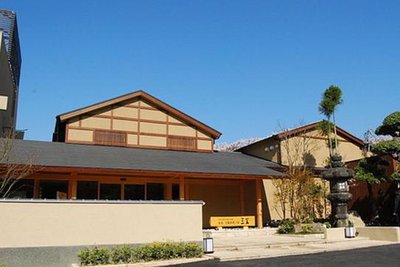
Mikasa
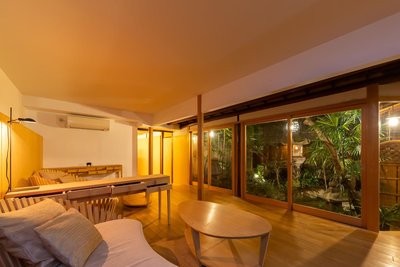
Izuyasu Traditional Kyoto Inn Serving Kyoto Cuisine
HOSHINOYA Kyoto
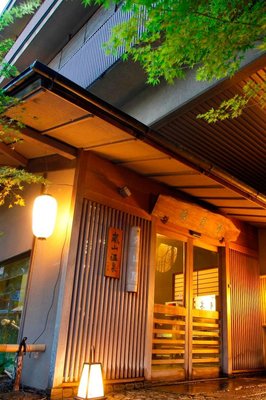
Togetsutei
Juhachiro
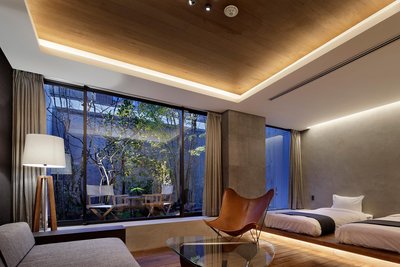
22 PIECES
The Ritz-Carlton, Osaka
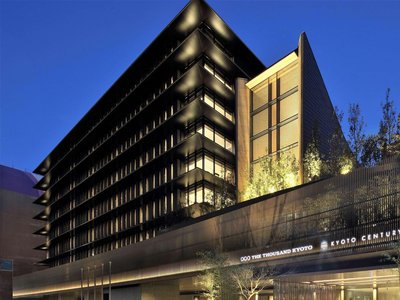
The Thousand Kyoto
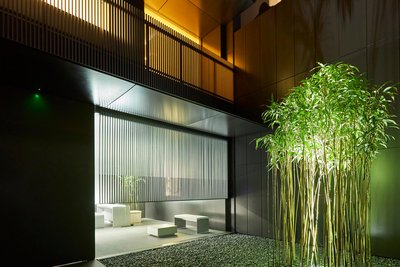
Mogana
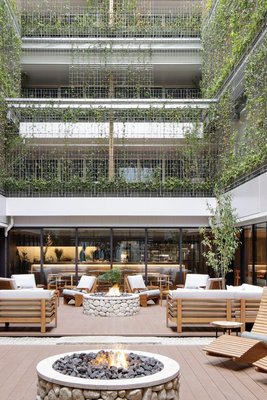
GOOD NATURE HOTEL KYOTO
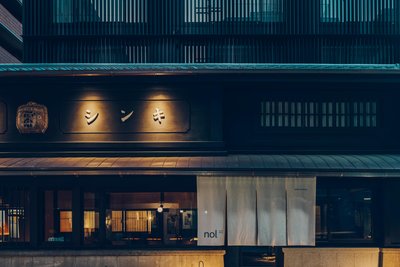
Nol Kyoto Sanjo
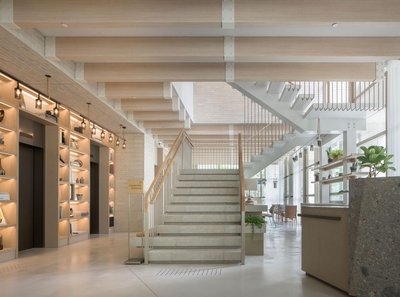
Zentis Osaka
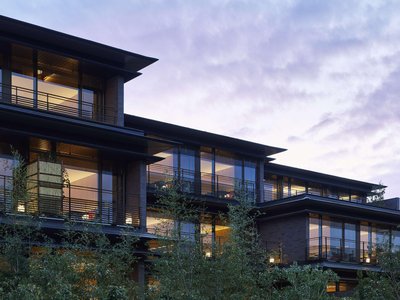
Garrya Nijo Castle Kyoto
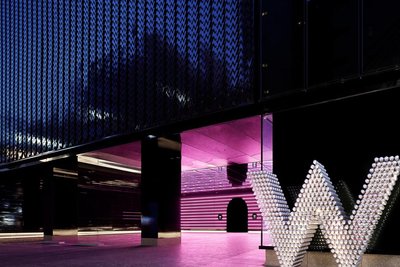
W Osaka
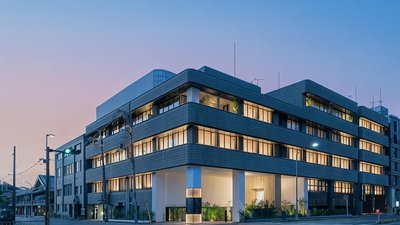
Hotel Kanra Kyoto
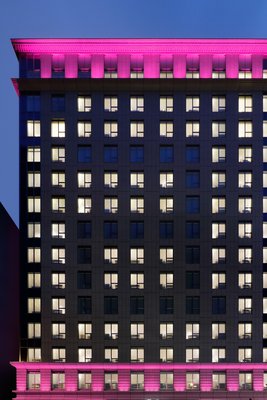
Aloft Osaka Dojima
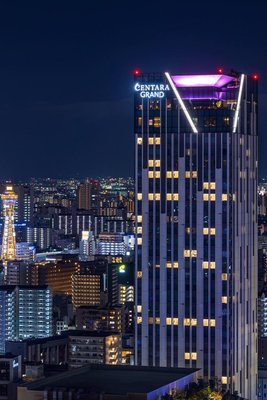
Centara Grand Hotel Osaka
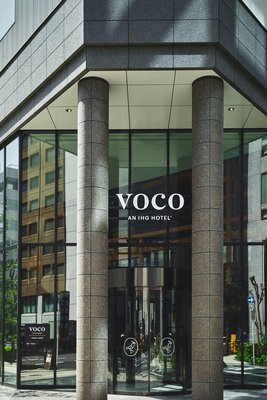
voco Osaka Central
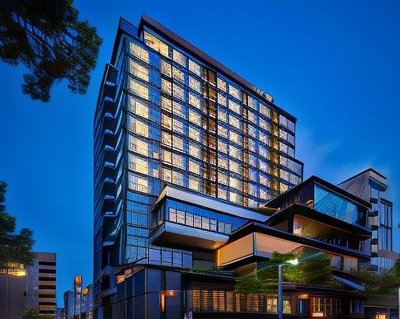
TIAD, AUTOGRAPH COLLECTION
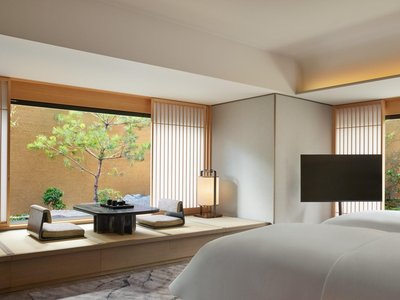
Dusit Thani Kyoto
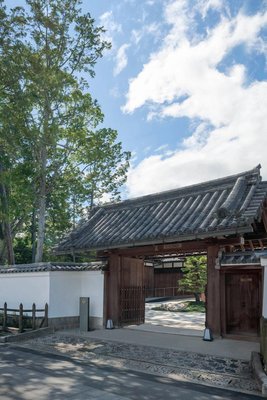
Shisui, a Luxury Collection Hotel, Nara
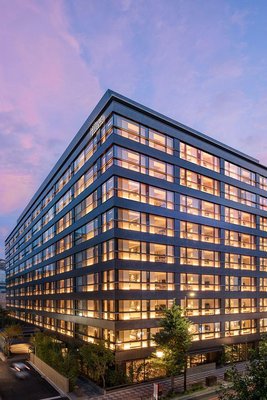
Hilton Kyoto
Osaka Marriott Miyako Hotel
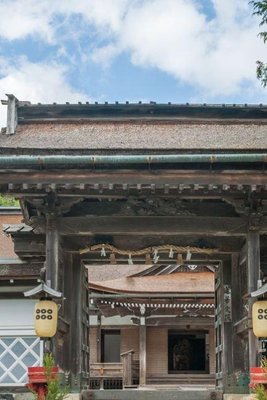
Koyasan Rengejoin
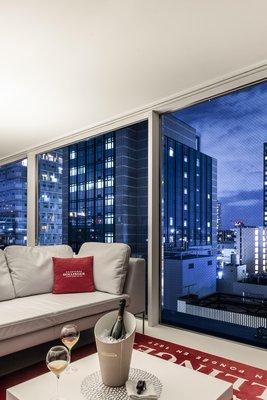
CUVÉE J2 HOTEL OSAKA by Onko Chishin
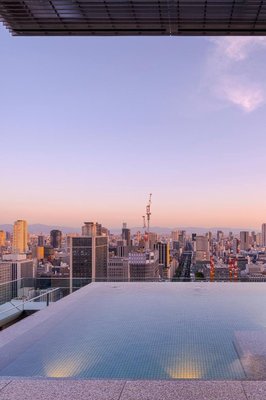
Candeo Hotels Osaka The Tower
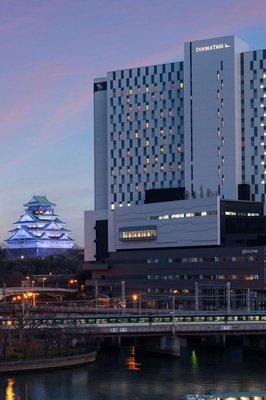
DoubleTree by Hilton Osaka Castle
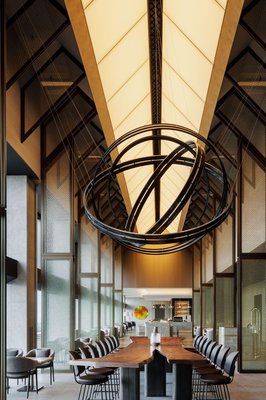
The Osaka Station Hotel, Autograph Collection
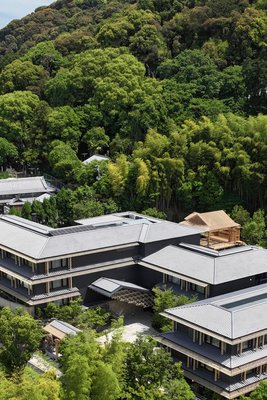
Banyan Tree Higashiyama Kyoto
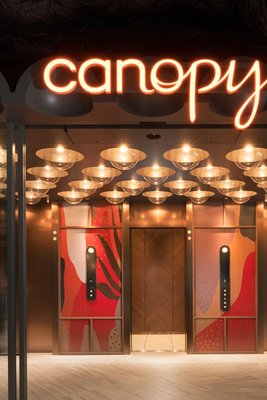
Canopy by Hilton Osaka Umeda
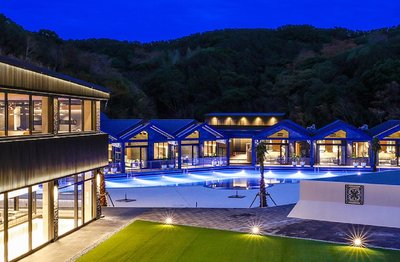
FIVE SPRING RESORT THE SHIRAHAMA
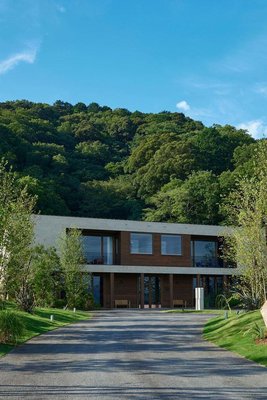
HACIENDA VISON
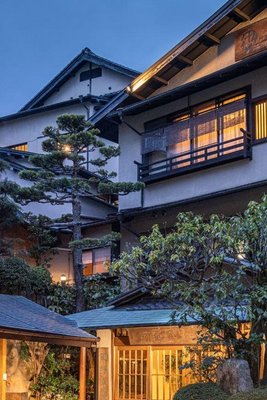
Arima Onsen Tocen Goshobo
Hotel La Suite Kobe Harborland
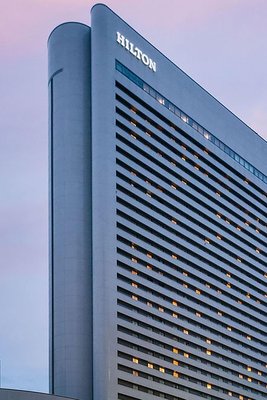
Hilton Osaka Hotel
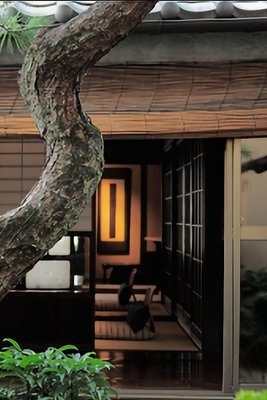
Shimayado Mari
Osaka Marriott Miyako Hotel
The Ritz-Carlton, Osaka
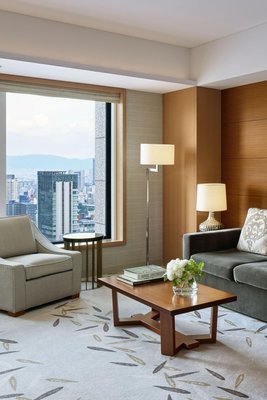
InterContinental Hotel Osaka
The Ritz-Carlton, Kyoto
Suiran, a Luxury Collection Hotel, Kyoto
GOOD NATURE HOTEL KYOTO
Park Hyatt Kyoto
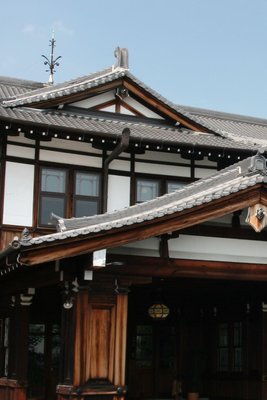
Nara Hotel
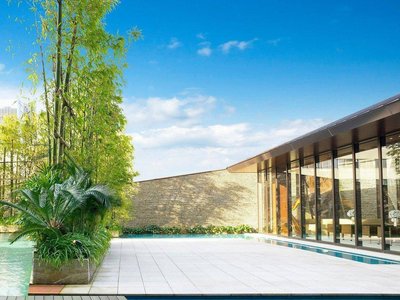
ORIENTAL HOTEL
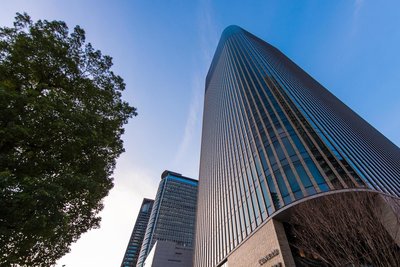
Conrad Osaka
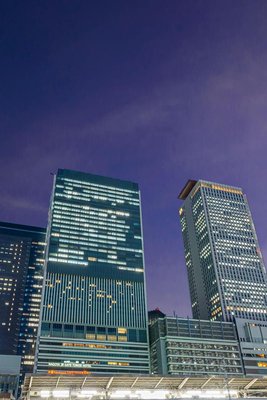
Nagoya JR Gate Tower Hotel (JR-Central Hotels)
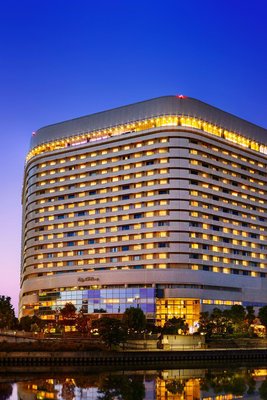
Hotel New Otani Osaka
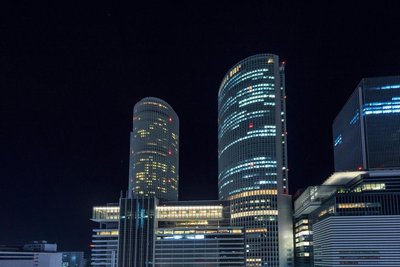
Nagoya Marriott Associa Hotel
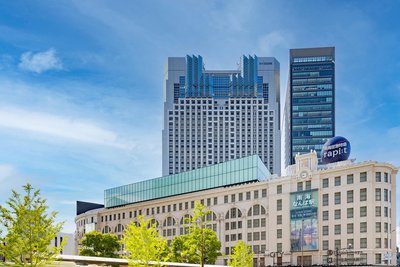
Swissotel Nankai Osaka
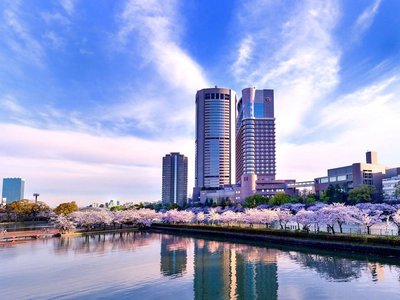
Imperial Hotel Osaka
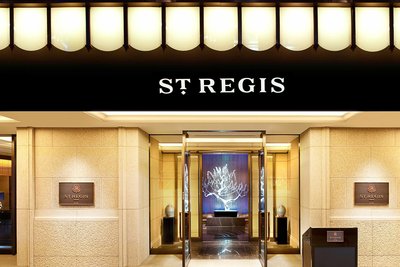
The St. Regis Osaka
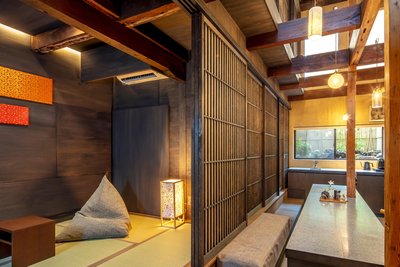
Kyo No Oozora Kihana
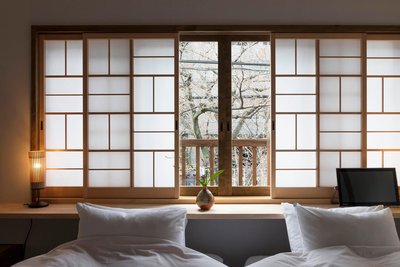
Hanagoromo Machiya House
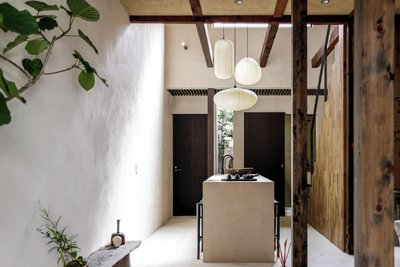
Maana Kiyomizu
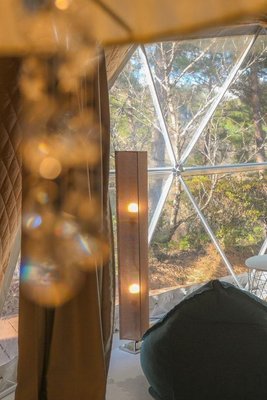
glampark Gekkabijin Nagano
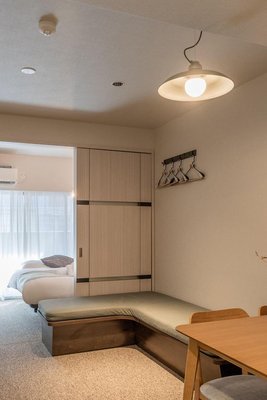
Apartment Hotel 11 Shinsaibashi
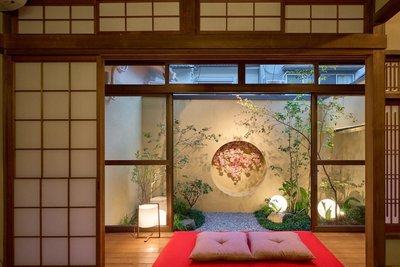
KONJAKUSO Osaka Tengachaya "NIHONCHA" Tea & Relax
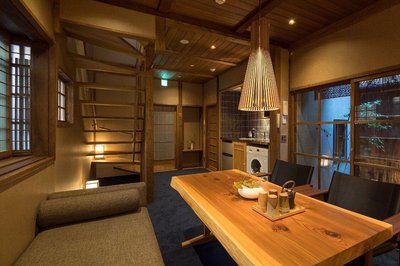
Bonbori an Machiya House
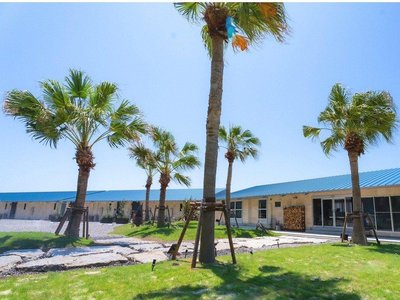
Glamping&Resort Wood Design Park Noma
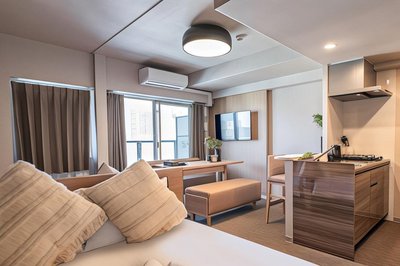
Apartment Hotel 11 Shinsaibashi III
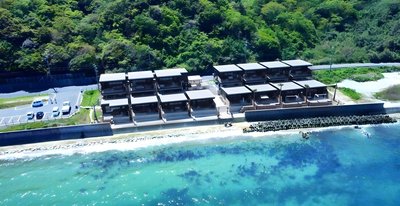
Solavilla Umi Terrace Minamiawaji
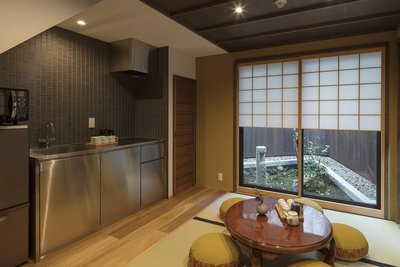
The Machiya Villa Sanjo Shirakawa Koji
Konjaku-So Dotonbori
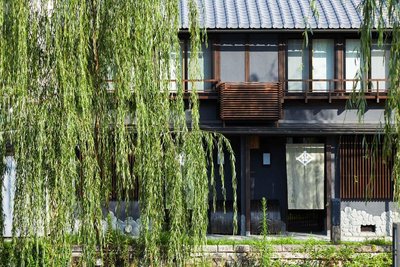
Gion Shirakawa No Yado

Kitashirakawa Natural Radium Onsen
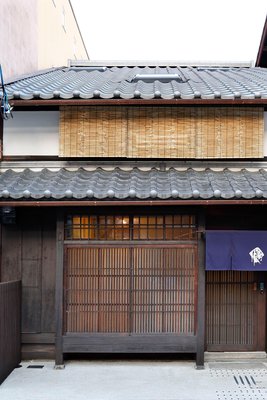
Kyo No Ondokoro Kamanza Nijo #2
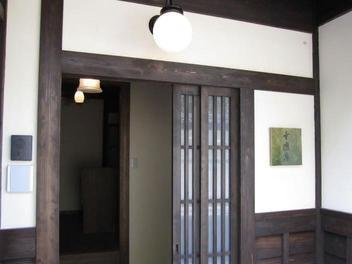
Gion Koyu an Machiya House
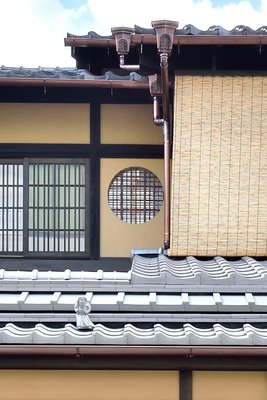
Kyo No Ondokoro Gokomachi Ebisugawa #3
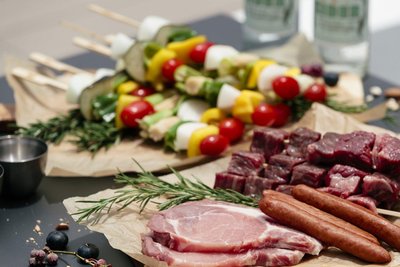
Sana Mane - Glamp Domes
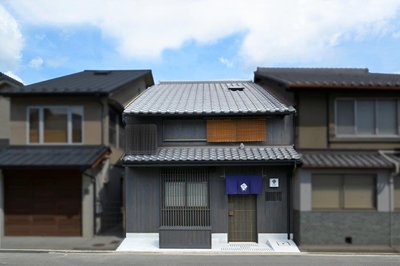
Kyo No Ondokoro Goshonishi #6
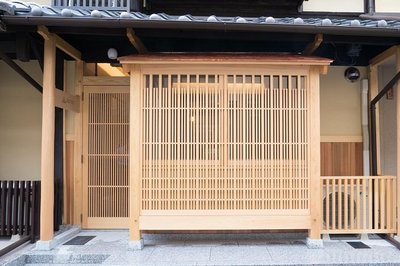
Kyomachiya Suite Rikyu
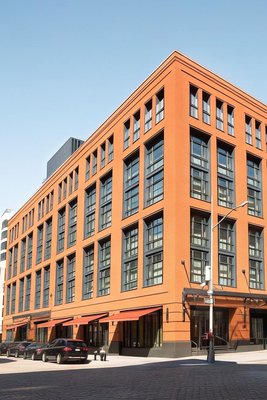
Hotel Barrière Fouquet's New York
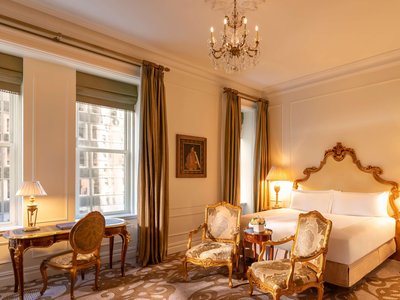
The Plaza - A Fairmont Managed Hotel
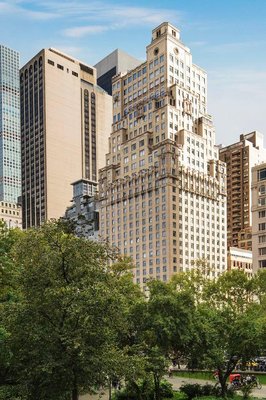
The Ritz-Carlton New York, Central Park
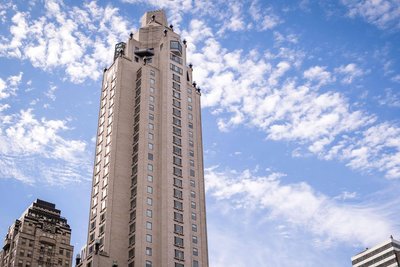
Four Seasons Hotel New York
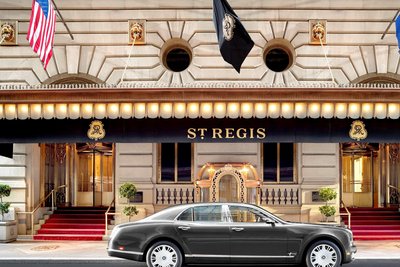
The St. Regis New York
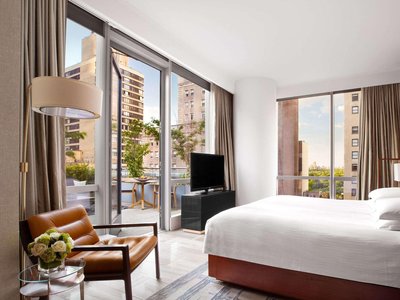
Park Hyatt New York
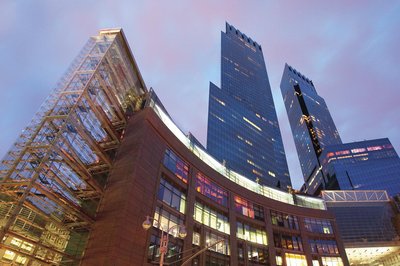
Mandarin Oriental New York
Times Square Edition New York
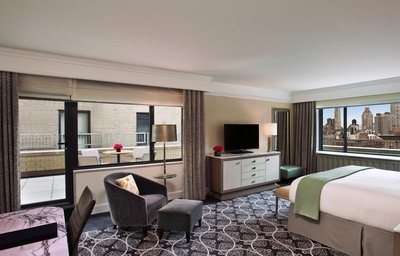
Loews Regency New York Hotel
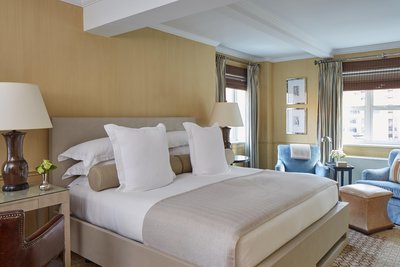
Lowell Hotel
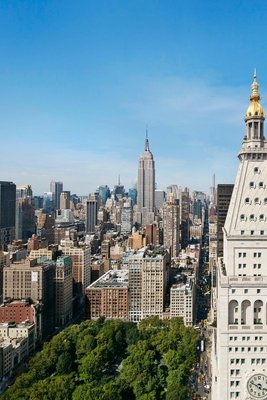
New York Edition
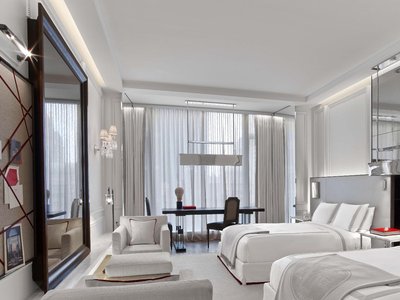
Baccarat Hotel New York
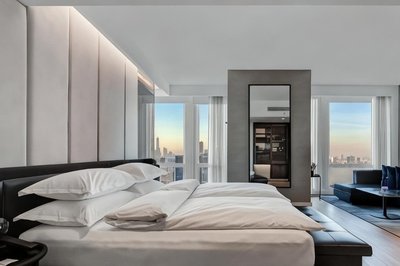
Equinox Hotel New York
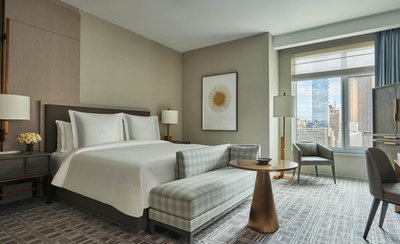
Four Seasons Hotel New York Downtown
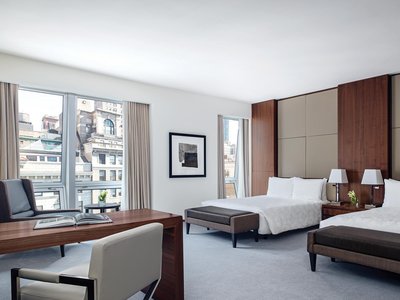
The Langham, New York, Fifth Avenue
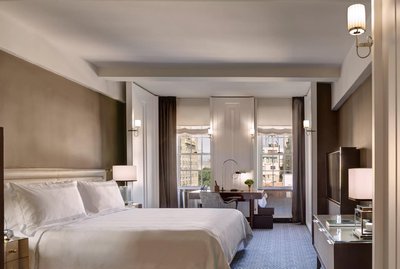
The Carlyle, A Rosewood Hotel

The Chatwal, in the Unbound Collection by Hyatt
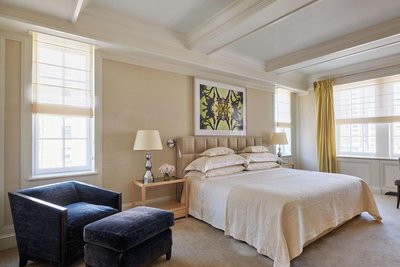
The Mark New York
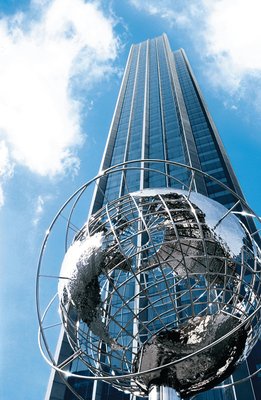
Trump International Hotel & Tower® New York
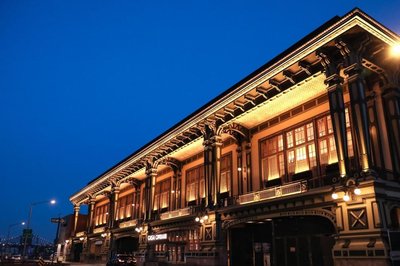
Casa Cipriani New York
Frequently Asked Questions about Traveling to Hidaka
Questions You Might Need to Know About Traveling to Hidaka
In Higashihiyoshi Town, the top boutique stay is Rise & Shine Seaside House, a minimalist retreat nestled along the Seto Inland Sea coastline. Its floor-to-ceiling glass walls offer panoramic ocean views, and each room features handcrafted wooden furnishings inspired by local fishing traditions.
Another standout is Shimokawa Ryokan, a centuries-old family-run inn with private onsen baths and an open-air bath overlooking the sea. The property hosts seasonal cooking classes using fresh seafood from nearby Oma Fishing Port.
Both properties emphasize sustainability—solar-powered systems, rainwater harvesting, and zero-waste practices—making them ideal for eco-conscious travelers seeking authentic cultural immersion.
The most tranquil and scenic area for lodging in Higashihiyoshi Town is the White Beach Coastline, particularly around Oma District and Shimokawa Village. This region offers secluded accommodations with direct access to private coves and walking trails leading to tidal pools.
Stays here are typically small-scale inns or family-owned cottages, many featuring private gardens, free parking, and bicycle rentals—perfect for slow-paced exploration.
The area’s proximity to Higashihiyoshi Town Center Plaza and Local Market Stalls makes it convenient for daily essentials, while its distance from major roads ensures peace and quiet.
Guests often enjoy stargazing at night, with unobstructed views of the Milky Way and distant fishing lanterns—a truly serene experience.
Visitors to Higashihiyoshi Town can engage in several authentic cultural experiences:
-
Traditional Net Weaving Workshop: Learn from local fishermen how to craft handmade fishing nets using bamboo and hemp at Oma Fishing Port, preserving a vital part of Seto Inland Sea heritage.
-
Seaweed Farming Experience: Visit Shirahama Seaweed Gardens to help attach nori sheets to ropes and harvest them—then enjoy freshly made nori rolls as part of your lunch.
-
Rice Cultivation & Sake Brewing Tour: Participate in rice planting and harvesting at local farms, then visit Higashihiyoshi Sake Brewery to learn traditional brewing techniques and taste limited-edition regional sake.
All activities are certified by the Higashihiyoshi Tourism Association, emphasizing authenticity, sustainability, and community involvement—ideal for immersive travel.
For the most breathtaking sea views, Rise & Shine Seaside House stands out as the premier choice. Perched directly above the Seto Inland Sea, this architectural gem features 270-degree floor-to-ceiling windows in every room, offering uninterrupted vistas of sunrise over the water and moonlit waves at night.
The building itself is eco-designed—powered by solar energy and equipped with a rainwater recycling system—and showcases art installations inspired by marine life.
Alternatively, Shirahama Beach Villa Hotel offers just 12 luxury suites, each with private beach access and outdoor hot tubs facing the sea. Some rooms even include indoor-outdoor showers with ocean views.
Both hotels serve breakfast featuring freshly caught fish like bonito sashimi and local seaweed miso soup—perfect for starting the day with coastal flavors.
Ideal for families, Higashihiyoshi Family Farm Stay offers spacious cabins that sleep up to six guests. Formerly a rice barn, it now includes a dedicated kids’ playroom, a vegetable garden for hands-on farming, and animal interaction zones with rabbits and chickens.
Daily programs like "Little Farmer Workshops" teach children how to plant vegetables, make tofu, and wrap zongzi (sticky rice dumplings).
Another excellent option is Kubo-ya Inn, a family-run guesthouse near Oma District, with a large courtyard perfect for picnics and games. Parents can relax while kids explore tide pools along the nearby shore.
Both properties provide complimentary shuttle services to Higashihiyoshi Children’s Museum and Coastal Park, ensuring safe, stress-free family outings.
To experience the most authentic cuisine in Higashihiyoshi Town, visit Shirahama Market and Oma Morning Fish Market.
At Shirahama Market, vendors sell freshly caught bonito sashimi, red snapper dried fish, and sea urchin rice balls—many prepared on-site for immediate consumption.
Oma Morning Fish Market is where locals gather daily; try the signature local seaweed miso soup with freshly baked black rye bread.
For deeper culinary immersion, join a home-hosted seafood cooking class at a local inn, where you’ll learn to prepare dishes like Seto Inland Sea sandwich—a grilled nori-wrapped salmon and asparagus roll with yuzu vinaigrette.
These experiences are deeply rooted in daily life, offering genuine taste of the region’s coastal culture.
Top photogenic locations in Higashihiyoshi Town include:
-
White Beach Lighthouse: A century-old red-and-white lighthouse set against lush hills and turquoise waters—ideal for dramatic seascapes and golden-hour silhouettes.
-
Seto Inland Sea Skywalk: A 300-meter suspended bridge spanning the bay with transparent viewing platforms, perfect for floating-in-the-air shots.
-
Higashihiyoshi Agricultural Park Mural Wall: A vibrant, large-scale mural depicting rice fields, seaweed, and fishing nets—backdrop for creative social media content.
-
Oma Sunset Pier: At dusk, wooden houses and fishing boats glow under golden light, creating dreamy compositions with reflections on calm waters.
Use a wide-angle lens and tripod for optimal results, especially during sunrise and sunset when natural lighting enhances the scenes.
While not a traditional hot spring town, Higashihiyoshi Town offers unique coastal onsen experiences.
Shimokawa Ryokan features mineral-rich thermal springs sourced from deep underground, rich in sulfur and silicate—excellent for muscle relaxation and skin health. The outdoor baths overlook the sea, allowing guests to soak while watching waves roll in.
Another highlight is Shirahama Seaside Steam Bath, powered by solar-heated seawater, combining warm vapor with ocean breeze and salt mist—creating a natural, therapeutic atmosphere.
Some inns also offer a "Onsen + Nori Face Mask" package: applying fresh seaweed to the face before soaking, promoting detoxification and hydration.
All facilities follow eco-practices, using renewable energy and avoiding chemical additives.
Transportation in Higashihiyoshi Town is well-managed despite its rural setting. Accessible via Osaka Expressway and Wakayama Prefectural Route 5, it’s about 90 minutes from Osaka City.
The Higashihiyoshi Tourist Shuttle Bus runs daily between Shirahama Station and key areas like Oma District and agricultural parks, with free pick-up services to major lodgings.
Bicycle rental is widely available at the Higashihiyoshi Tourism Information Center, ideal for exploring coastal paths and small villages.
We recommend using Google Maps with destination set to "Higashihiyoshi Town Central Plaza" for precise navigation.
Due to narrow roads, larger vehicles are discouraged—small cars and electric bikes are highly recommended.
Key seasonal events in Higashihiyoshi Town include:
-
Spring: White Beach Cherry Blossom Festival (late March), featuring thousands of Prunus serrulata trees along the seaside promenade, illuminated at night for a magical effect.
-
Summer: Oma Fishing Lantern Festival (early August), where local fishermen row out with paper lanterns to honor the sea gods, accompanied by live music and seafood stalls.
-
Autumn: Higashihiyoshi Harvest Festival (mid-October), held at the Agricultural Park with rice threshing demos, new rice tasting, and traditional farming rituals.
-
Winter: Seto Inland Sea Light Art Exhibition (December), showcasing large-scale floating light installations combined with sound and wave projections—offering an immersive sensory journey.
Many hotels offer festival packages including tickets and special dinners—recommended to book in advance due to high demand.
Hidaka Overview
City Summary
Hidaka Town is located in the southern part of Wakayama Prefecture, Japan, known for its natural beauty, hot springs, and traditional culture. This charming town offers a peaceful retreat from urban life, with stunning coastlines and historical sites. Hidaka is also famous for its local crafts and festive events, making it a unique destination for travelers.
Must-See Attractions
Key attractions in Hidaka Town include Shirahama Onsen, one of Japan's oldest hot springs with a long history and therapeutic benefits. Nikko Beach attracts visitors with its clear waters and sandy shores, perfect for swimming and sunbathing. The Hidaka Shrine is a significant cultural heritage site, hosting traditional festivals throughout the year. Nature lovers can explore the town's forest trails, ideal for hiking.
Food Guide
Hidaka is renowned for its fresh seafood, especially tuna and lobster, served in various styles at local restaurants. Don't miss Hidaka-yaki, a crispy local pancake, as a street food favorite. Another must-try is onsen tamago (hot spring eggs), boiled in natural spring water for a unique flavor. The town's sake is also worth sampling, with local breweries offering tours and tastings.
Transportation Guide
Public transport in Hidaka mainly relies on buses and taxis, with limited networks. Buses from Wakayama City take about 1.5 hours to reach Hidaka. Renting a car is a convenient option for exploring nearby attractions. Most sights within the town are accessible on foot or by bicycle. Note that some rural roads are narrow, so drive carefully.
Best Time to Visit
The best times to visit are spring (March-May) and autumn (September-November), when the weather is mild. Summer (June-August) is hot but ideal for beach activities. Winter (December-February) is cooler, but perfect for enjoying hot springs. Book accommodations early during festivals.
Travel Tips
- Respect local customs: Follow shrine etiquette, such as rinsing hands and mouth before entering.
- Onsen rules: Wash your body before entering the bath, and no swimwear is allowed.
- Eco-friendly travel: Dispose of trash properly, as Hidaka values environmental conservation.
- Language barrier: English is rarely spoken; learn basic Japanese or use a translation app.
- Cash payments: Some small shops don't accept cards, so carry sufficient cash.
- Sun protection: Apply sunscreen in summer due to strong sunlight.
Useful Information
Language: Japanese is primary; English is limited—download a translation app. Internet: Free Wi-Fi spots are available but limited; consider a local SIM card. Payments: Credit cards work in larger establishments, but cash is king in rural areas. Emergencies: Small clinics are available; major hospitals are in Wakayama City. Voltage: 100V, with two-pin outlets (same as Taiwan). Drinking water: Tap water is safe, but bottled water is recommended in some rural areas.