Hotels in Hidaka
Discover your perfect stay in Hidaka.
Hidaka(Japan) Travel 2026: Cheap Flights, Hotels & Top Attractions
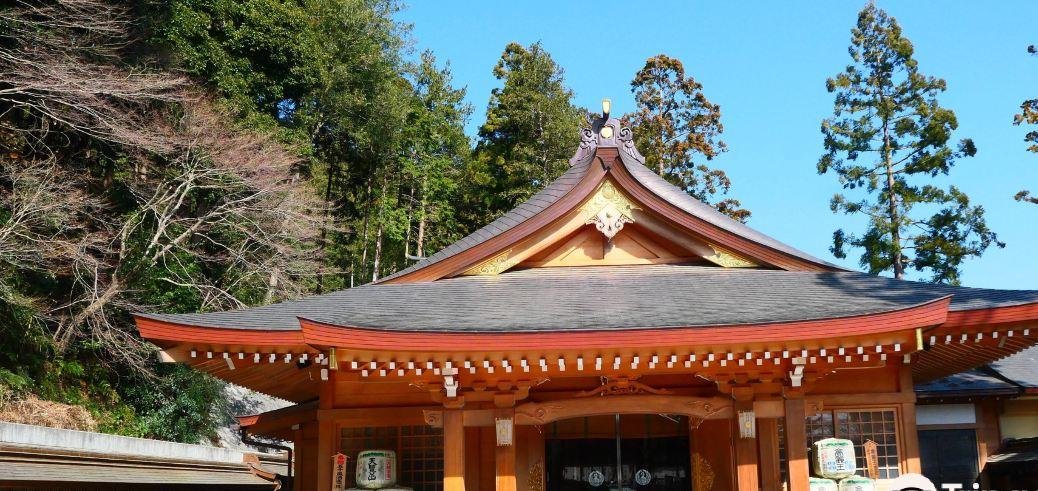
Popular Landmarks in Hidaka
Discover the most iconic attractions in Hidaka
Recommended Hotels in Hidaka
Find the perfect place to stay in Hidaka

Best Hotels in Hidaka
Discover curated hotel collections in Hidaka
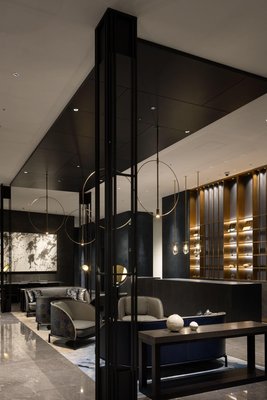
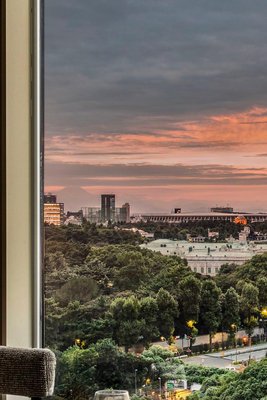
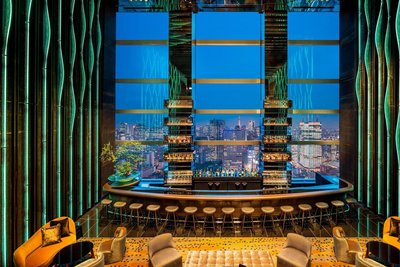







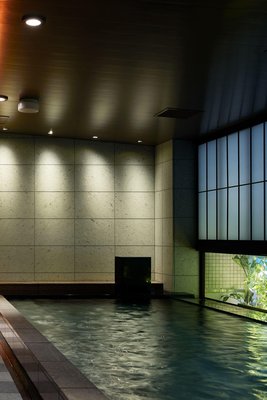

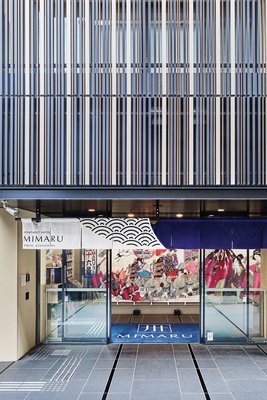
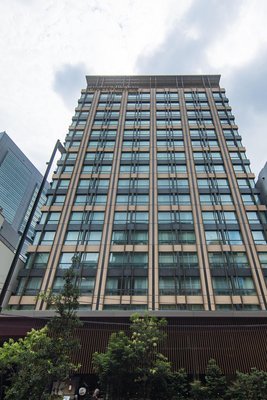
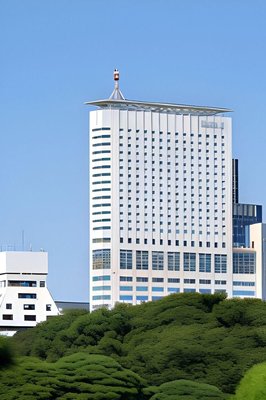







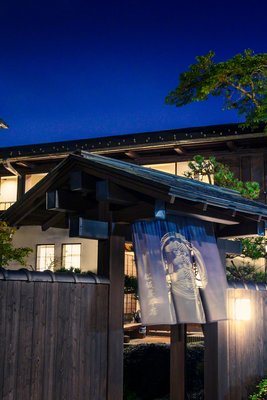
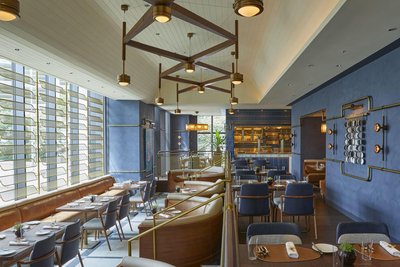

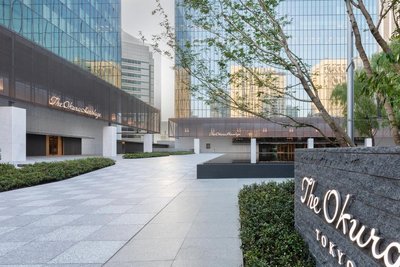

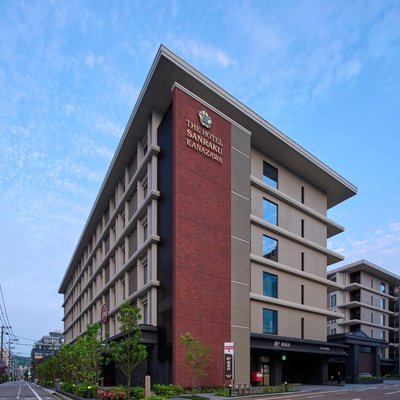







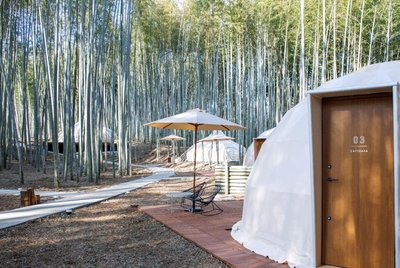
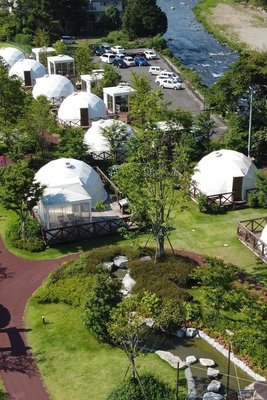
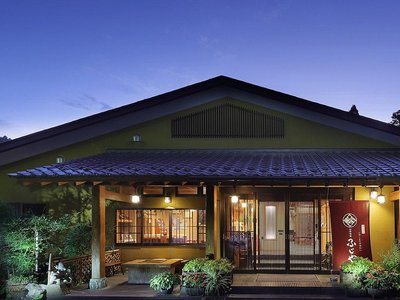
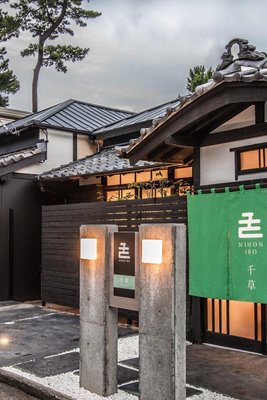













Frequently Asked Questions about Traveling to Hidaka
Questions You Might Need to Know About Traveling to Hidaka
Hidaka Overview
City Summary
Hidaka City, located in the southwestern part of Saitama Prefecture, Japan, is a small town that blends nature and culture. Known for its rich historical sites and beautiful natural landscapes, especially the red spider lily fields at Kinchakuda, which attract many tourists every autumn. Hidaka retains the traditional Japanese countryside scenery, making it an ideal place to experience serene Japanese life.
Must-See Attractions
Kinchakuda is the most famous attraction in Hidaka City, where millions of red spider lilies bloom in autumn, creating a spectacular red flower sea. Hidaka Shrine has a long history and is the local religious center. Additionally, there are several traditional craft workshops where visitors can experience handmade paper and pottery making.
Food Guide
Hidaka's culinary culture is deeply influenced by rural traditions. Recommended dishes include fresh vegetable tempura and handmade soba noodles. The local "Sato-ryouri" (countryside cuisine) uses locally sourced ingredients, offering unique flavors filled with natural essence.
Transportation Guide
Public transportation in Hidaka mainly consists of the Seibu Railway and bus networks. From Ikebukuro Station in Tokyo, take the Seibu Ikebukuro Line for about 50 minutes to reach Hidaka. Buses or bicycle rentals are recommended for traveling between attractions within the city; checking bus schedules in advance is advised.
Best Time to Visit
The best time to visit is autumn (September to November) when the red spider lilies bloom at Kinchakuda, and the weather is cool and pleasant. Spring (March to May) is also a good option, but avoid Golden Week to reduce crowds.
Travel Tips
- Respect local culture, especially by maintaining silence at shrines.
- During the autumn flower season, arrive early to avoid crowds.
- Shops in rural areas may have limited hours; consider bringing essentials.
- Japanese public transport is highly punctual; plan your schedule accordingly.
Useful Information
The official language in Hidaka is Japanese, but some tourist spots provide English signage. WiFi coverage is limited; consider purchasing a local SIM card or renting a WiFi device. Cash is the primary payment method, especially in rural areas. The emergency number is 119. It's advisable to carry basic medicines as pharmacies may be scarce with limited hours.









