Hotels in Higashiagatsuma
Discover your perfect stay in Higashiagatsuma.
Higashiagatsuma(Japan) Travel 2026: Cheap Flights, Hotels & Top Attractions
Popular Landmarks in Higashiagatsuma
Discover the most iconic attractions in Higashiagatsuma
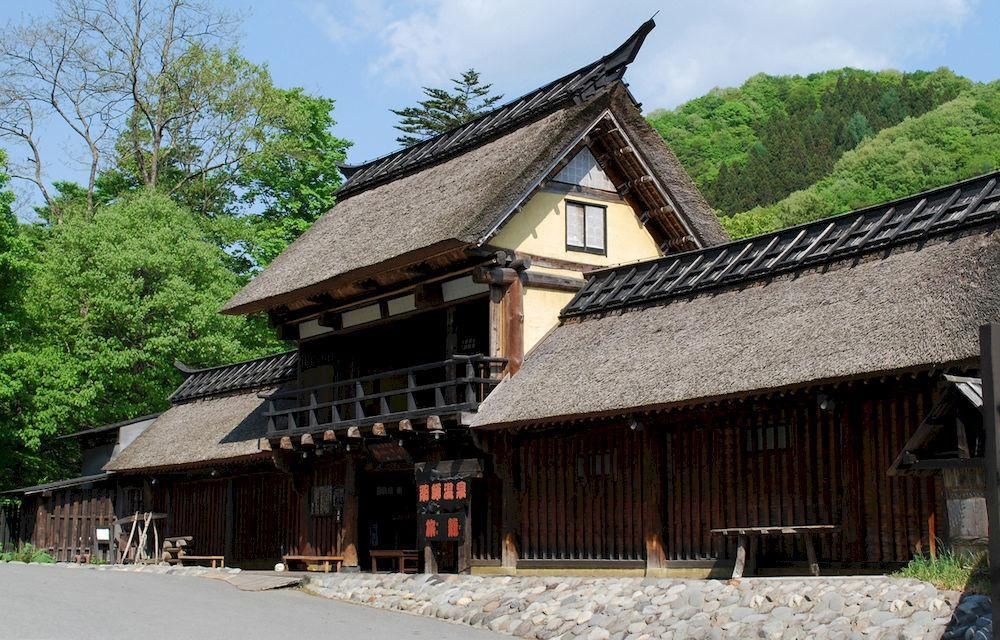
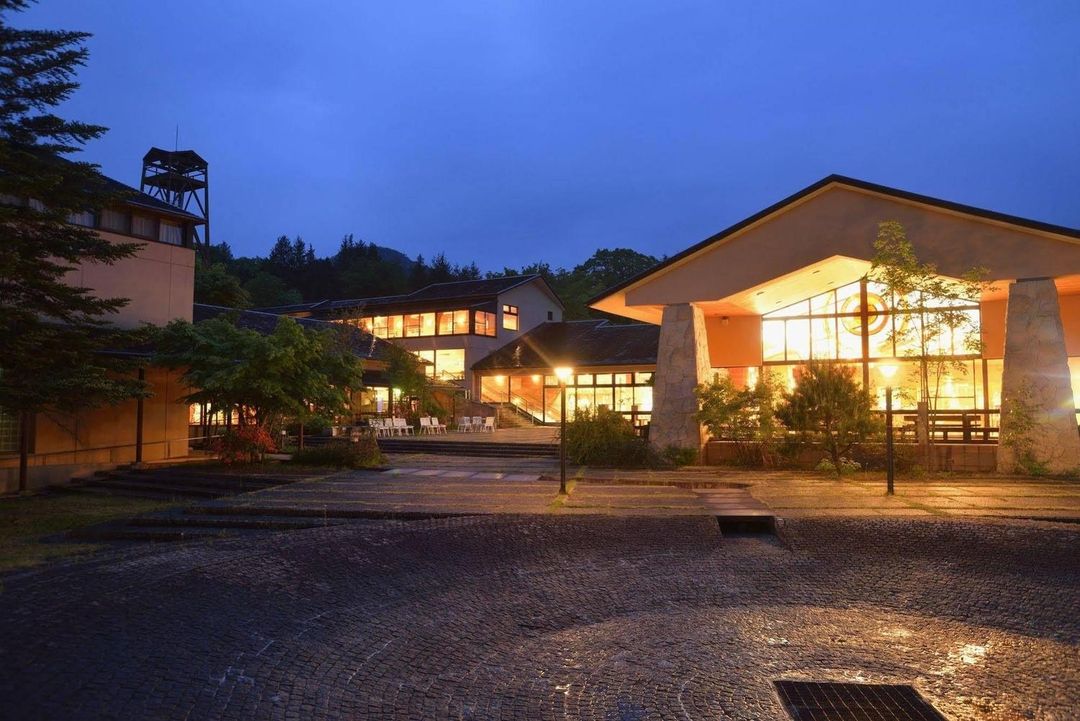
Recommended Hotels in Higashiagatsuma
Find the perfect place to stay in Higashiagatsuma
Frequently Asked Questions about Traveling to Higashiagatsuma
Questions You Might Need to Know About Traveling to Higashiagatsuma
Higashiagatsuma Overview
City Summary
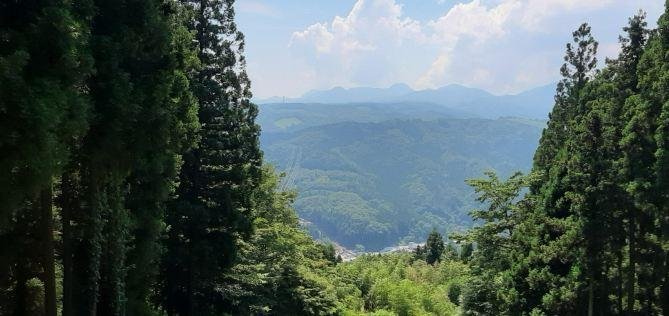
Higashiagatsuma Town is located in the western part of Gunma Prefecture, Japan, a tranquil town surrounded by mountains, known for its hot springs, natural scenery, and traditional culture. The town boasts abundant hot spring resources, particularly the famous "Sarugakyo Onsen," which attracts many visitors seeking relaxation. Higashiagatsuma also preserves the old-fashioned Japanese rural landscape, offering tourists the chance to experience traditional farming life and handicrafts.
Must-See Attractions
Must-visit attractions include Sarugakyo Onsen, famous for its high-quality hot spring water and serene environment, ideal for relaxation. Additionally, the natural landscapes such as Kusatsu Shirane Mountain and Shima Onsen are perfect for hiking and outdoor activities. The town also features ancient temples and shrines like Zendoji Temple, showcasing deep Buddhist cultural roots.
Food Guide
The local cuisine in Higashiagatsuma focuses on regional ingredients, with "Gunma Soba" being a must-try for its delicate texture and unique flavor. Fresh vegetables and mountain herbs from local farms are also highly recommended. Kaiseki meals and traditional dishes like grilled fish and tempura served in hot spring ryokans provide an unforgettable culinary experience.
Transportation Guide
Transportation in Higashiagatsuma primarily relies on buses and private cars. From Tokyo, take the JR Shinkansen to Takasaki Station, then transfer to a bus heading to Higashiagatsuma. Bus schedules are limited, so checking timetables in advance is advisable. Self-driving is more convenient, with ample parking facilities available. Taxis are common in the town center but can be expensive.
Best Time to Visit
The best times to visit are spring (March to May) and autumn (September to November), when the weather is pleasant for outdoor activities. Winter (December to February) is cold but ideal for hot springs, while summer (June to August) can be humid but is good for escaping the heat.
Travel Tips
- Shower before entering hot springs to maintain hygiene.
- Respect local culture by keeping quiet when visiting temples.
- Mountain weather can change quickly, so check forecasts before heading out.
- Public transport is limited; plan your itinerary in advance.
- Some restaurants, especially high-end ryokans, may require reservations.
- Carry cash as some small shops may not accept credit cards.
Useful Information
Japanese is the main language spoken locally, with limited English proficiency. Learning basic Japanese or using a translation app is recommended. The town has good network coverage, with free Wi-Fi available at most hotels and public places. Cash is the primary payment method, though credit cards are accepted at larger stores and ryokans. Medical services are reliable, with local hospitals and clinics available. Travel insurance is advisable for emergencies.