Hotels in Higashikagawa
Discover your perfect stay in Higashikagawa.
Higashikagawa(Japan) Travel 2026: Cheap Flights, Hotels & Top Attractions
Popular Landmarks in Higashikagawa
Discover the most iconic attractions in Higashikagawa
Recommended Hotels in Higashikagawa
Find the perfect place to stay in Higashikagawa
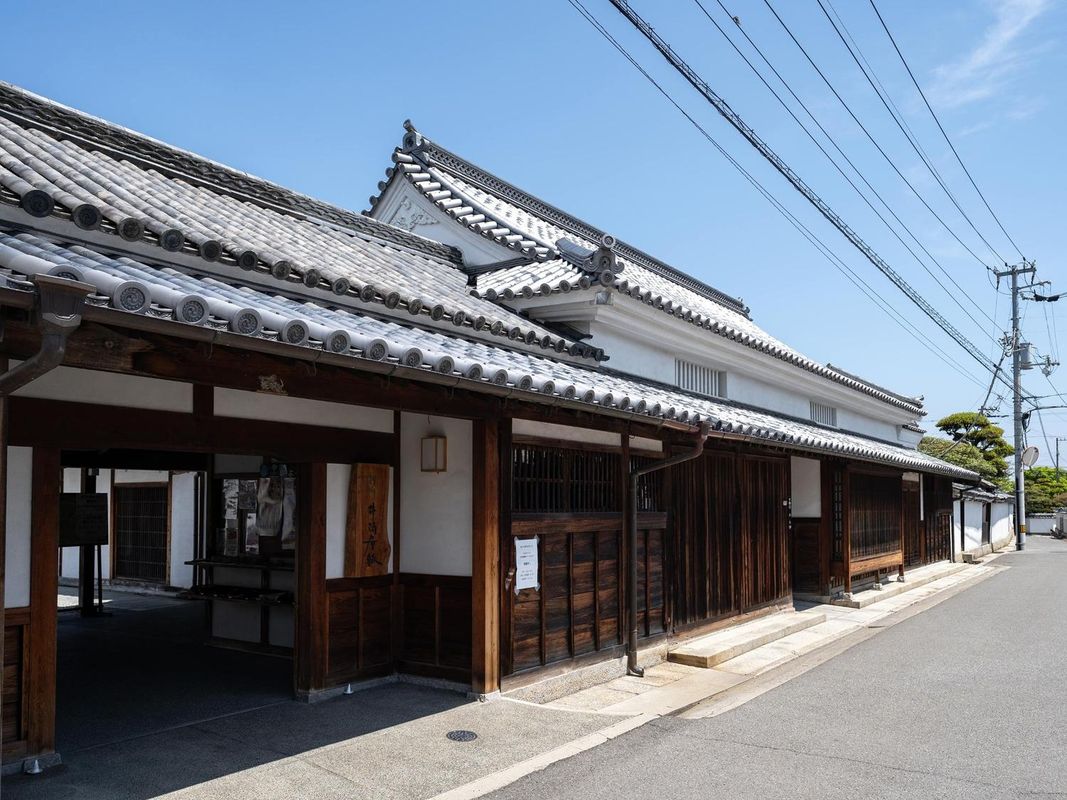
Guest House Marin
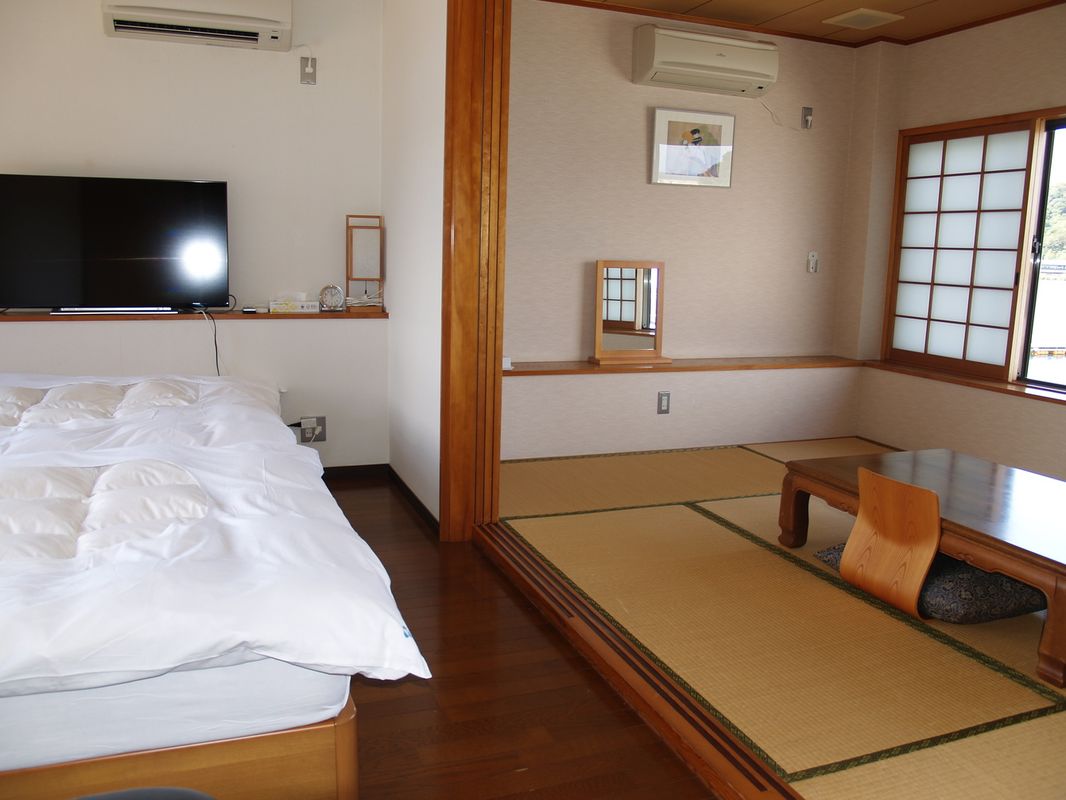
Guest House Amy Manbos
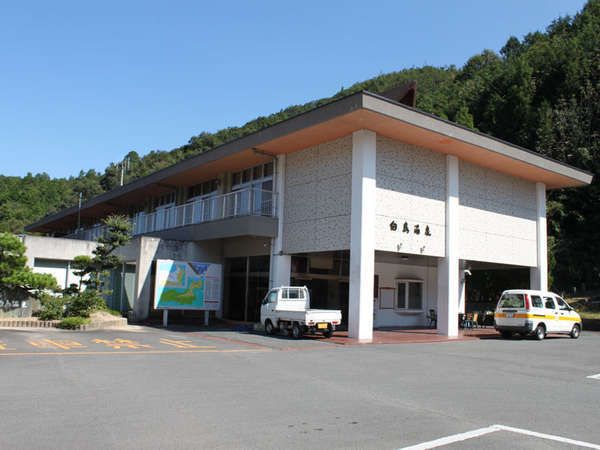
Shirotori Onsen
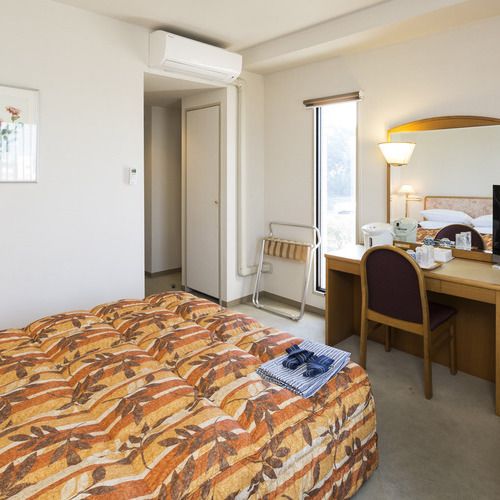
Sanbonmatsu Royal Hotel
Frequently Asked Questions about Traveling to Higashikagawa
Questions You Might Need to Know About Traveling to Higashikagawa
In Tōkawa City, the best area to stay is Ōkawa District, near Matsuyama Castle and Kagawa Prefectural Museum. Stay at Tsutaya House Stay, a renovated traditional wooden house offering authentic local crafts and Sanchō Udon cooking classes. For history lovers, Marugame Guesthouse near Marugame Castle provides morning tea ceremonies and guided walks through the historic castle town. These accommodations emphasize Kagawa’s heritage, blending old-world charm with modern comfort.
For families visiting Tōkawa City, Kagawa Family Resort near Kotohira Electric Railway offers indoor playrooms, parent-child onsen, and daily workshops like Sancho Udon making and paper art. Another great option is Oyama Farm Stay, nestled in Oyama Village, which features farm activities, stargazing campsites, and animal feeding for children. All properties include barrier-free access and are within 15 minutes by car from Kotoden Kotohira Station, making it easy to visit Kotoku Shrine and other family-friendly attractions. Ideal for interactive, educational travel.
In Tōkawa City, Oyama Forest House is a standout eco-cultural stay built from a repurposed schoolhouse in the foothills of Shikoku’s central mountains. Constructed with reclaimed timber and featuring bamboo lighting and locally crafted ceramics, it hosts weekly "Forest Talks" on native flora and traditional sake brewing. Guests can join early-morning forest walks and Japanese tea ceremonies. The hosts—retired teachers and farmers—share deep community insights, offering an authentic immersion into Kagawa’s harmonious relationship with nature. Sustainable practices are embedded in every aspect of the experience.
For a serene escape, stay at Yamato Zen Lodge in Oyama Village, nestled beside the Yoshino River tributary amid bamboo groves and moss gardens. Rooms feature tatami tea rooms and outdoor stone baths, perfect for stargazing at night. The lodge intentionally omits electronic devices, encouraging meditation, reading, or handwriting Buddhist sutras. Nearby, the Sanbonmatsu Ancient Trail offers panoramic views of the Sanuki Plain. Though slightly off the main tourist route, its quiet isolation makes it ideal for urban travelers seeking mental renewal and tranquility.
Tōkawa City offers rich local experiences: participate in Sancho Udon-making workshops at a century-old shop in Marugame Castle Town, learn kneading and slicing techniques. Experience the Kotohira Shrine pilgrimage ritual, including wearing traditional priest robes and receiving amulets. The highlight is the Inari Shrine Lantern Night Walk, held annually in spring, where handmade paper lanterns illuminate shrine paths as a symbol of gratitude for harvest. Monthly Oyama Farmers’ Markets sell fresh produce and handcrafted sauces, allowing direct interaction with farmers and insight into Shikoku’s seasonal food culture and agricultural traditions.
Yes, many hotels in Tōkawa City provide immersive culinary experiences. At Marugame Sōbō, guests can join the "Sanuki Taste Workshop," learning to make Sancho Udon and dango while sipping homemade black bean sake. Yamato Zen Lodge offers a "Seasonal Table Dinner" featuring dishes like Yoshino River fish and wild mountain vegetable tempura, crafted from local ingredients. Some hotels even arrange chef-led tours to local markets and fishing ports, revealing the origins of regional cuisine. These hands-on experiences deepen understanding of Shikoku’s food culture, creating unforgettable gastronomic memories.
Higashikagawa Overview
City Summary
Higashikagawa City is located in the eastern part of Kagawa Prefecture, Japan, known for its rich history and culture and natural landscapes. As the gateway to the Seto Inland Sea, it boasts beautiful coastlines and traditional fishing villages. The city attracts visitors with its traditional crafts and culinary culture, especially its udon noodles and seafood dishes.
Must-See Attractions
The main attractions in Higashikagawa City include Shido-ji Temple, a Buddhist temple with a thousand-year history, renowned for its exquisite gardens and architecture. Additionally, Yashima is another must-visit spot, offering spectacular views of the Seto Inland Sea. For culture enthusiasts, the Higashikagawa City Museum showcases local history and art.
Food Guide
Higashikagawa City is famous for its udon noodles, particularly the handmade udon, which has a chewy texture and unique flavor. The local seafood cuisine is also highly recommended, especially fresh sea bream and mackerel. Street food like takoyaki and red bean pancakes are also worth trying.
Transportation Guide
In Higashikagawa City, visitors can choose public buses or taxis as the main modes of transportation. The bus network covers major attractions, but schedules are limited, so it's advisable to check timetables in advance. The city is also easily accessible via the JR Sanuki Line from Takamatsu City, with a travel time of about 30 minutes.
Best Time to Visit
The best time to visit is during spring (March to May) and autumn (September to November), when the weather is pleasant for outdoor activities. Summers can be hot, and winters are colder, but with fewer tourists.
Travel Tips
- Respect local culture: Maintain silence when visiting temples.
- Cash payments: Many small shops only accept cash.
- Waste sorting: Strictly follow local waste sorting rules.
- Transport cards: Consider purchasing an IC card for public transport.
- Language: Learning basic Japanese greetings can be helpful.
- Sun protection: Bring sunscreen during summer due to strong sunlight.
Useful Information
Language: Japanese is the primary language; English is not widely spoken. Internet: Free Wi-Fi hotspots are available, but a local SIM card is recommended. Payment: Credit cards are accepted in larger stores, but cash is more common. Emergency: Hospitals and pharmacies are available; bring necessary medications.









