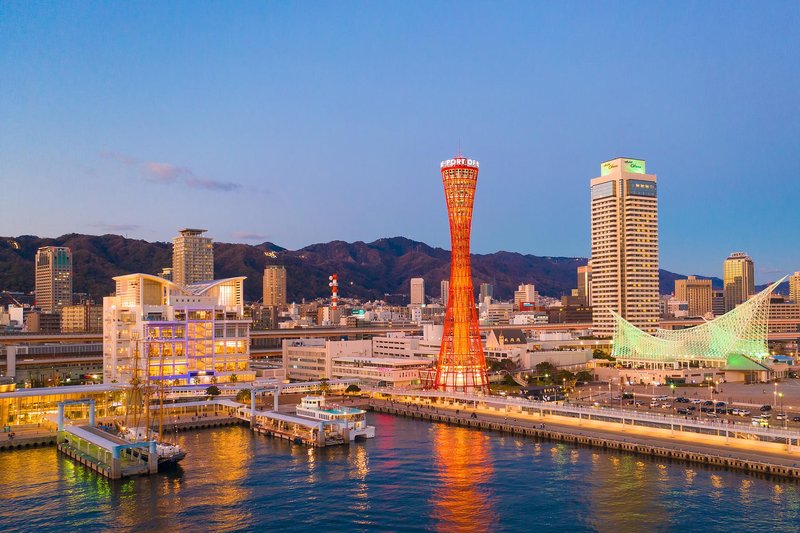
Hotels in Higashimatsuyama
Discover your perfect stay in Higashimatsuyama.
Higashimatsuyama(Japan) Travel 2026: Cheap Flights, Hotels & Top Attractions
Popular Landmarks in Higashimatsuyama
Discover the most iconic attractions in Higashimatsuyama
Recommended Hotels in Higashimatsuyama
Find the perfect place to stay in Higashimatsuyama
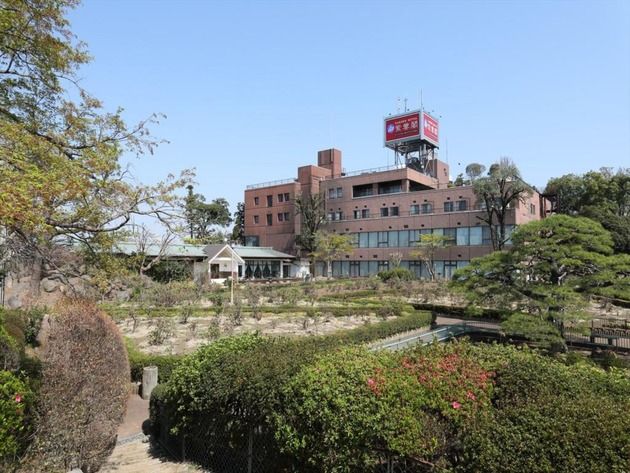
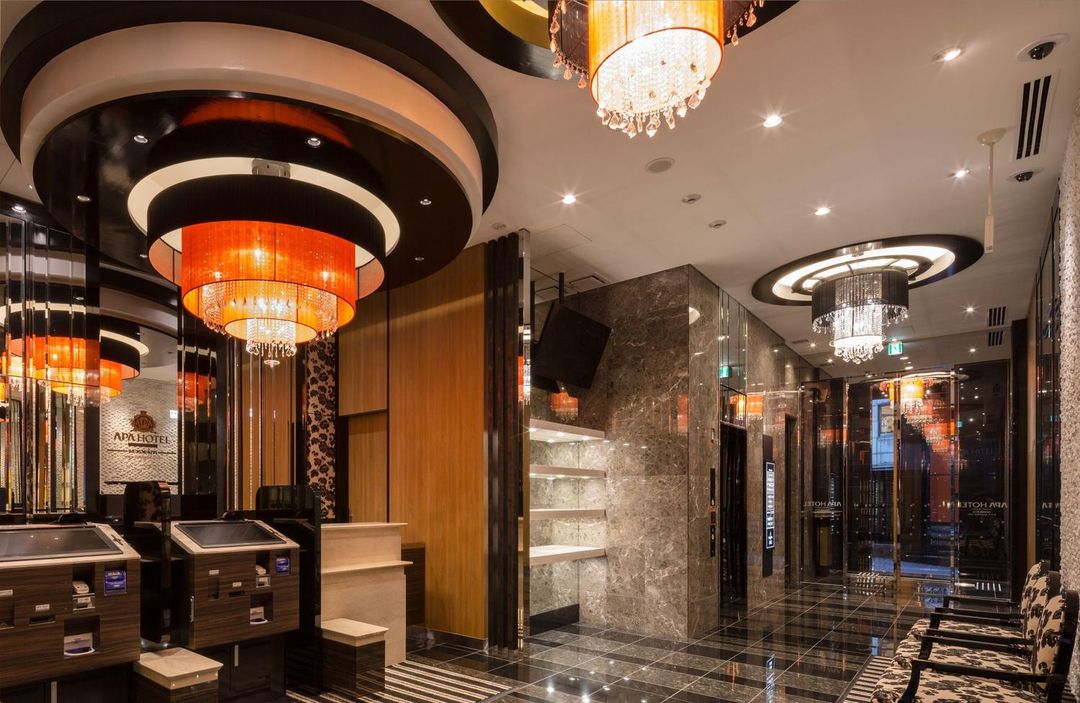
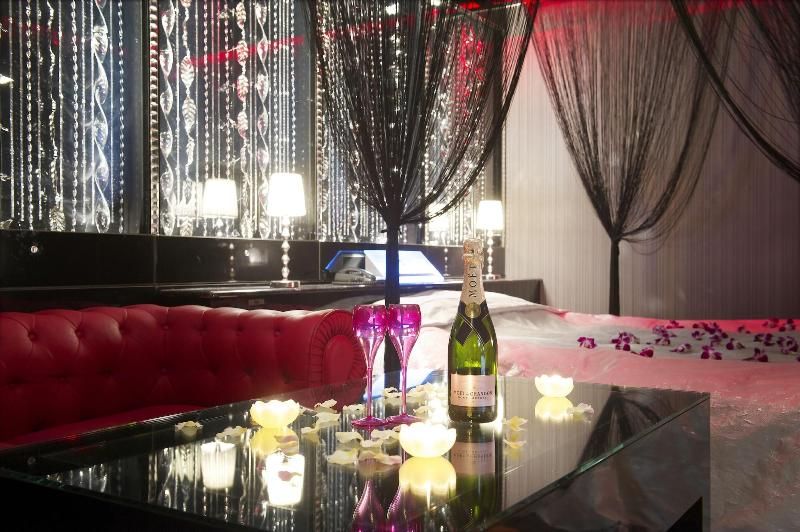
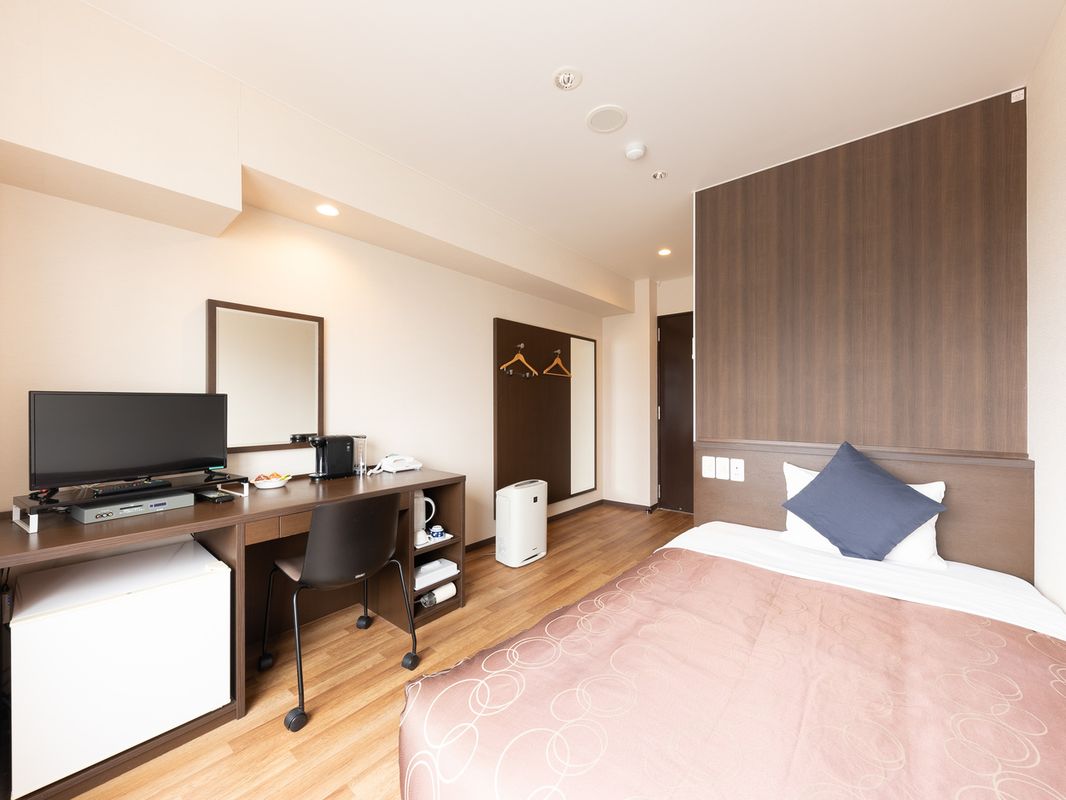
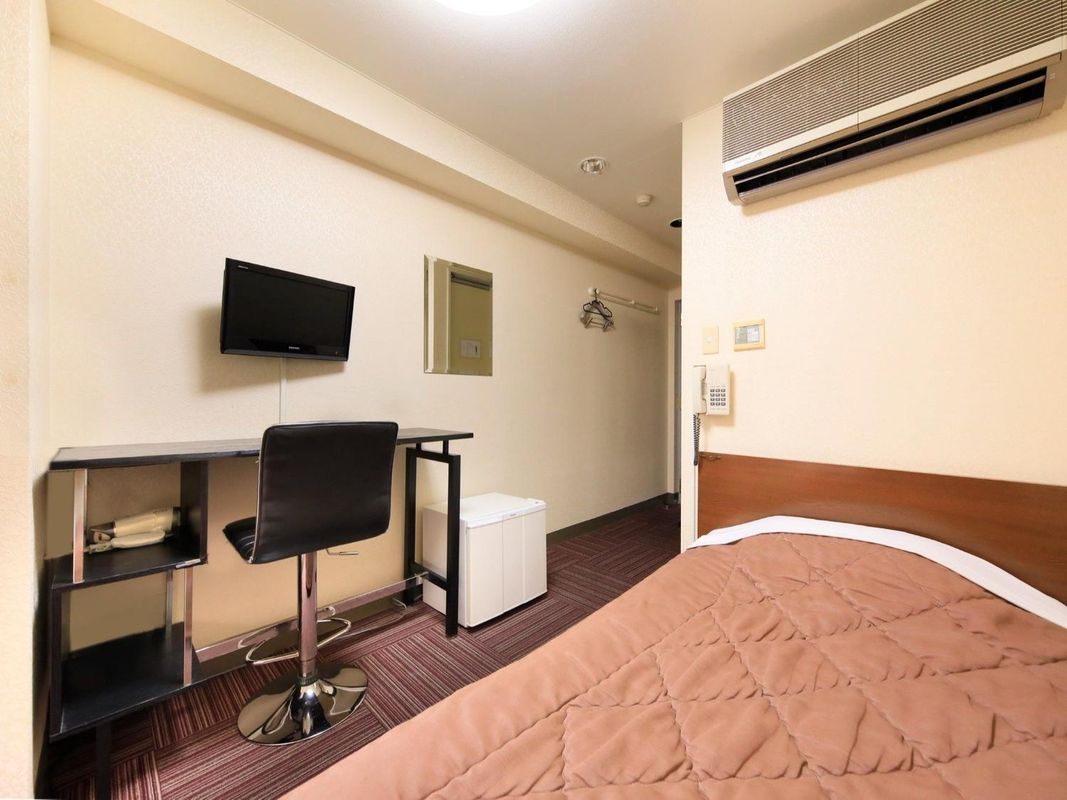
Best Hotels in Higashimatsuyama
Discover curated hotel collections in Higashimatsuyama
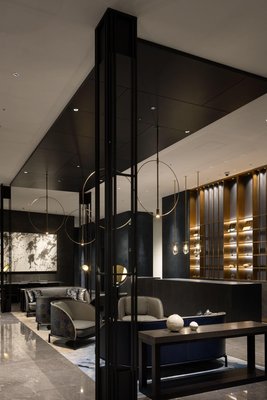





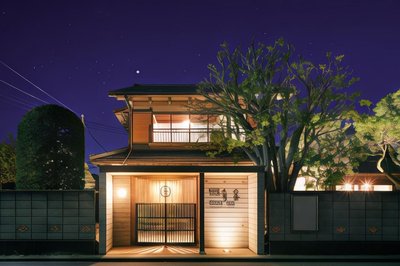
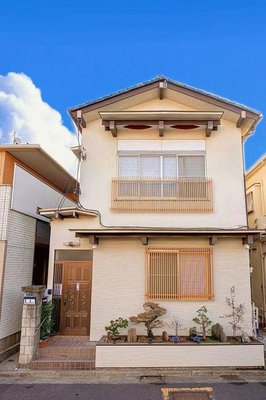
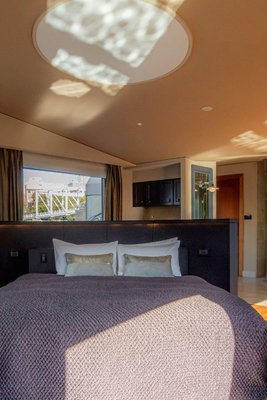
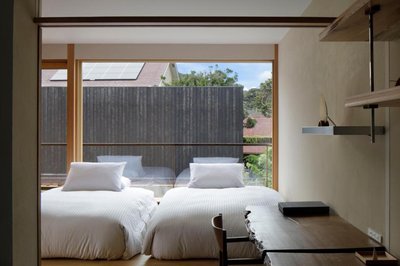





Frequently Asked Questions about Traveling to Higashimatsuyama
Questions You Might Need to Know About Traveling to Higashimatsuyama
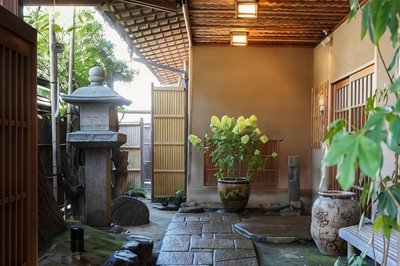
In Higashi Matsuyama City, the top recommended hotel is Higashi Matsuyama City Hotel, located near Higashi Matsuyama Station for excellent transit access. The hotel features comfortable rooms, a traditional Japanese garden, and an on-site hot spring bath, offering guests a serene retreat. It also provides free parking and a complimentary breakfast buffet, ideal for business travelers and families. For cultural experiences, guests can easily walk to nearby landmarks like Omiya Shrine and Higashi Matsuyama Park.
The area around Higashi Matsuyama Station is the most convenient and popular choice for accommodations. This district offers easy access to the Shin-Edogawa Line and Tobu Tojo Line, connecting directly to Tokyo and Kawaguchi. The station vicinity has plenty of convenience stores, restaurants, and pharmacies, making daily life hassle-free. Additionally, nearby attractions include the Higashi Matsuyama Civic Center and City Library, perfect for quiet relaxation or family outings.
Higashi Matsuyama City hosts the annual Higashi Matsuyama Flower Festival in spring, featuring traditional parade floats and local performances that showcase regional heritage. Visitors can also participate in workshops at the Higashi Matsuyama Cultural Center, learning tea ceremony and washi paper-making. For history enthusiasts, the Higashi Matsuyama Castle Ruins offer informative signage detailing its Edo-period military significance. The site remains a peaceful spot for reflection and photography.
Yes, Higashi Matsuyama City is highly suitable for families. The city boasts Higashi Matsuyama Park, which includes playgrounds, sports fields, and walking trails—perfect for children and parents alike. The Higashi Matsuyama Municipal Library hosts regular storytime sessions and craft workshops for kids. Families can also visit nearby small farms in the Koma Hills area to pick strawberries or interact with farm animals, offering authentic rural experiences for young travelers.
Must-try dishes in Higashi Matsuyama City include Kita-Kōriyama beef burgers and sea bream sushi. The former uses high-quality locally raised beef, served fresh at stalls in the Higashi Matsuyama Station Market. The latter is expertly prepared by long-standing local eateries like Sushi Sakura, using fresh sea bream and seasoned rice. Don’t miss the Higashi Matsuyama matcha mochi, a popular sweet made with local green tea and glutinous rice—ideal as a souvenir or gift.
From Tokyo Station, take the Ueno-Tokyo Line or Tobu Tojo Line, reaching Higashi Matsuyama Station in about 30 minutes. Consider purchasing the Tokyo Metropolitan Area Pass for discounted fares and unlimited transfers. Alternatively, transfer at Ikebukuro Station for a slightly longer journey (~45 minutes). Once in the city, taxis and local buses are readily available for trips to major sights.
Key historical sites in Higashi Matsuyama City include the Higashi Matsuyama Castle Ruins, once a strategic fortress during the Edo period, now preserved with informative signage detailing its military layout. Another highlight is Omiya Shrine, established in the 18th century and renowned for prayers related to academic success and health. The Old Higashi Matsuyama Post Office, a well-preserved Meiji-era building, now serves as a cultural exhibition hall showcasing early postal history.
Higashi Matsuyama City’s natural highlights include Koma Hills and Higashi Matsuyama Park. The park features cherry blossom groves that bloom spectacularly in spring, making it a prime spot for hanami (cherry blossom viewing). Koma Hills offer scenic hiking trails with views of wild azaleas and autumn foliage. Nighttime light displays enhance the park’s beauty during fall festivals. Numerous walking paths connect residential areas to forests, ideal for cycling or jogging amid fresh air and seasonal changes.
The Higashi Matsuyama Station Front Shopping Street is the city’s main retail hub, housing department stores, clothing boutiques, drugstores, and street food stalls—all at affordable prices. For local specialties, visit the Higashi Matsuyama Local Produce Market, where you’ll find seasonal fruits, handmade sauces, and traditional sweets like Higashi Matsuyama yuzu salt and vegetable tempura. The West Exit Commercial District features independent designers and cozy cafés, perfect for finding unique souvenirs and relaxed dining.
Popular night-time activities include the Higashi Matsuyama Lantern Festival, held annually in autumn at Higashi Matsuyama Park, where hundreds of paper lanterns illuminate the grounds alongside live music and food stalls. Many walking paths are lit at night, allowing visitors to enjoy scenic riverside strolls under starlight. Some local restaurants, such as Izakaya Kane Yamaya, offer special evening menus, creating a warm and inviting atmosphere for dinner and drinks.
Higashimatsuyama Overview
City Summary
Higashimatsuyama City, located in eastern Saitama Prefecture, Japan, is a tranquil blend of nature and culture. Known for the Koma River National Park and historic sites like Yagyu Inari Shrine, it offers a slow-paced retreat ideal for cultural immersion and nature therapy.
Must-See Attractions
Must-see spots include the thousand torii gates of Yagyu Inari Shrine (spectacular in autumn foliage) and seasonal flower fields at Musashi Kyuryo National Government Park. The Higashimatsuyama City Museum showcases local history and traditional crafts.
Food Guide
Don't miss yakiton (charcoal-grilled pork skewers) at iconic shops like "Ponta Honke". Regional specialties include chilled udon noodles and farm-to-table restaurants featuring local produce.
Transportation Guide
The city is served by the Tobu Tojo Line and buses, with key attractions near Higashimatsuyama Station. Consider the "Tobu Railway Pass" for savings. Bicycle rentals are ideal for exploring rural areas.
Best Time to Visit
Peak seasons are October-November for autumn colors and March-April for cherry blossoms. Mild crowds and pleasant temperatures make these periods ideal.
Travel Tips
- Follow shrine etiquette: purify hands/mouth before entering main halls.
- Bring insect repellent for nature parks.
- Carry cash as many eateries don't accept cards.
- Last trains depart around 23:00; book taxis for late outings.
- Practice strict waste sorting - convenience stores have recycling bins.
- Tattoos may prohibit entry to some hot springs.
Useful Information
Japanese is primary language, but basic English assistance is available at stations. Free Wi-Fi (registration required) covers the city. Convenience stores offer currency exchange. Dial 110 (police) or 119 (ambulance) in emergencies. Cash dominates payments, though major hotels accept international cards.