Hotels in Higashimiyoshi
Discover your perfect stay in Higashimiyoshi.
Higashimiyoshi(Japan) Travel 2026: Cheap Flights, Hotels & Top Attractions
Popular Landmarks in Higashimiyoshi
Discover the most iconic attractions in Higashimiyoshi
Recommended Hotels in Higashimiyoshi
Find the perfect place to stay in Higashimiyoshi
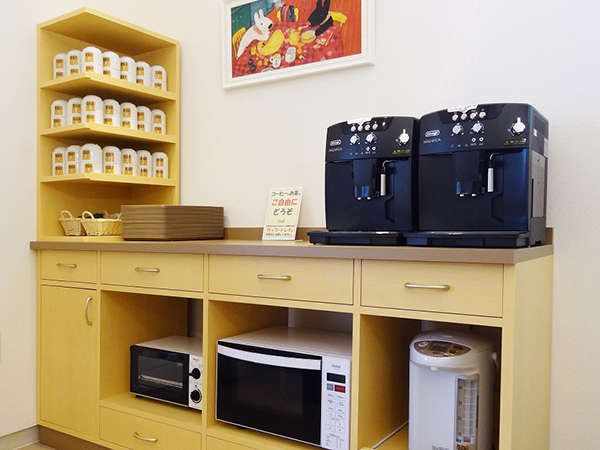
Family Lodge Hatagoya Yoshinogawa SA
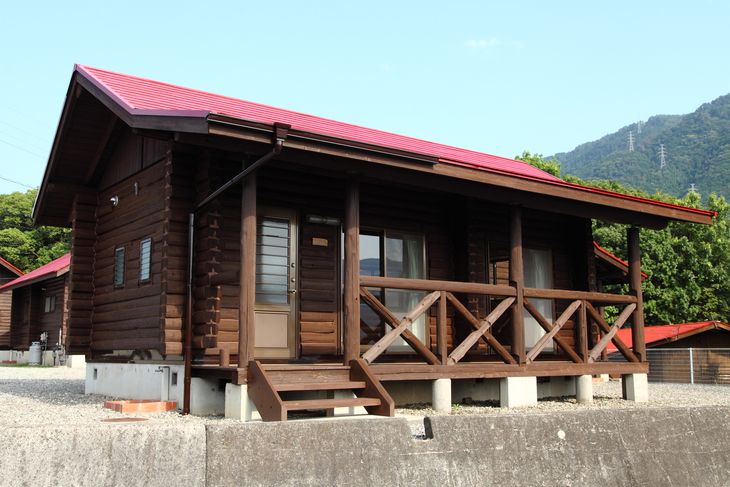
Minoda's Fuchi Camp Village
Best Hotels in Higashimiyoshi
Discover curated hotel collections in Higashimiyoshi

XYZ Private Spa and Seaside Resort
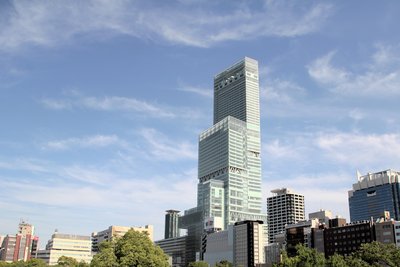
Osaka Marriott Miyako Hotel
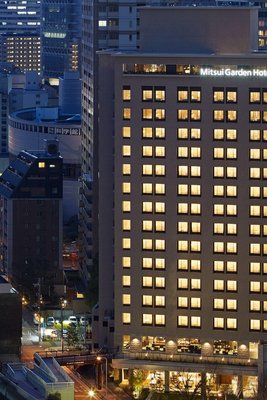
Mitsui Garden Hotel Osaka Premier
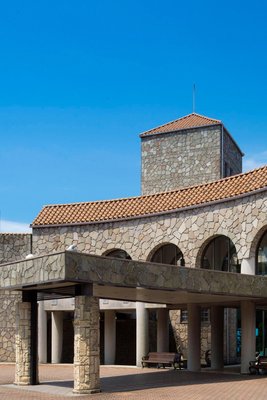
Izumigo Hotel Altia Toba
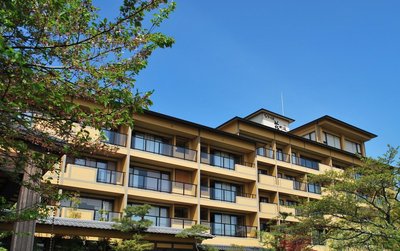
BIWAKO HANAKAIDO
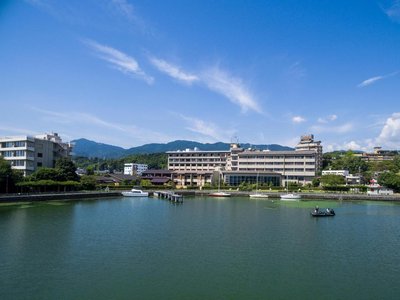
Biwako Ryokusuitei
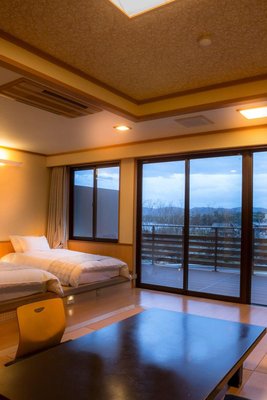
Hotel Kitanoya
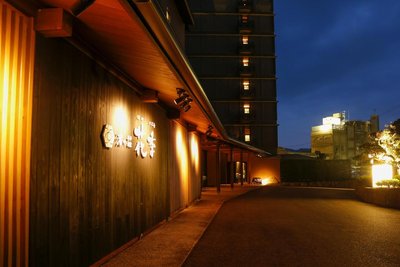
Hanagoyomi
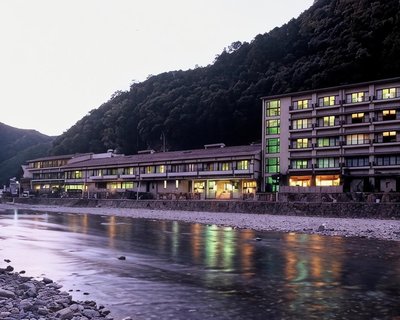
Kawayu Onsen Fujiya

Hotel La Suite Kobe Harborland

AoAwo Naruto Resort
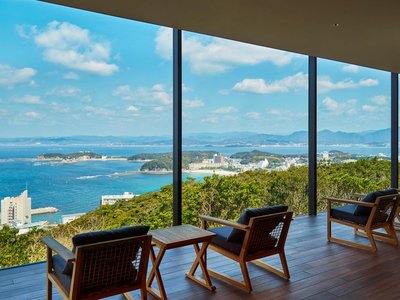
Infinito Hotel and Spa
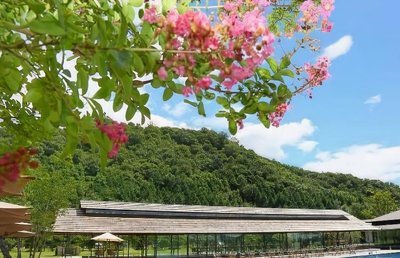
Bella Vista Spa and Marina Onomichi
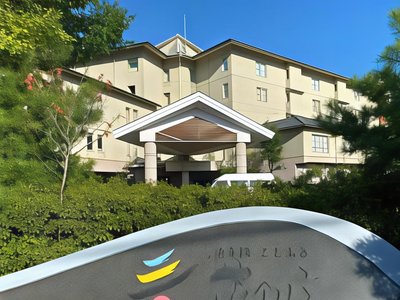
Yufuin Kotobuki Hananosho
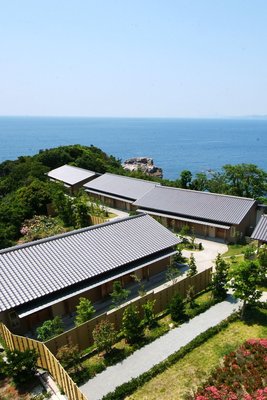
Hamachidorinoyu Kaisyu
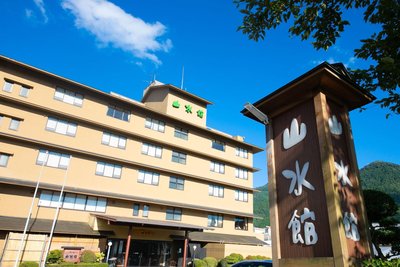
Yufuin Sansuikan
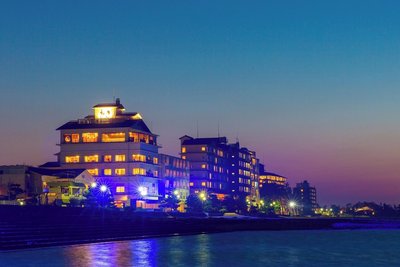
Kaike Shogetsu
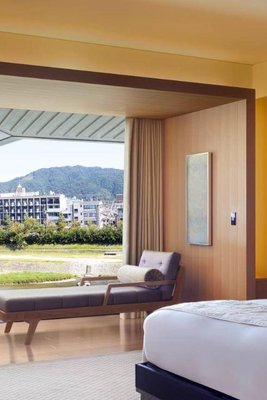
The Ritz-Carlton, Kyoto
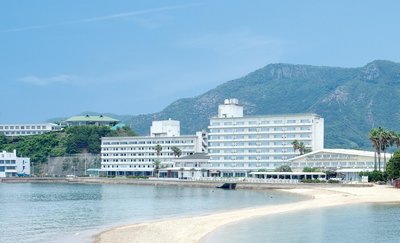
Shodoshima International Hotel
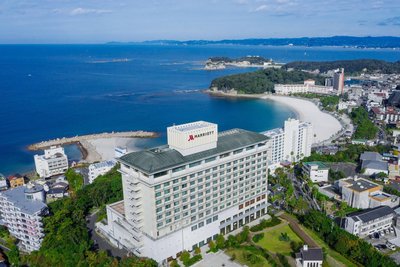
Nanki-Shirahama Marriott Hotel
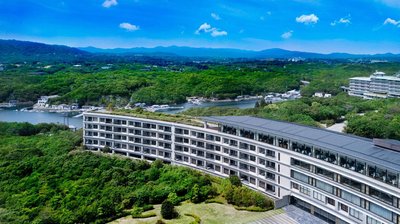
Shima Kanko Hotel the Bay Suites
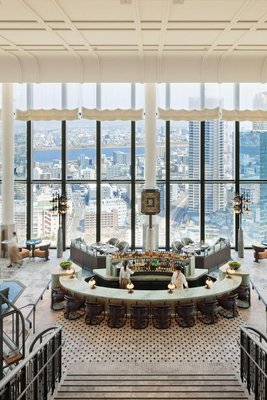
Waldorf Astoria Osaka
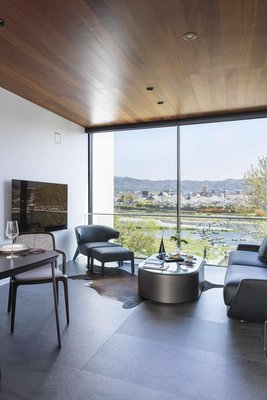
Kamo Residences by Reflections
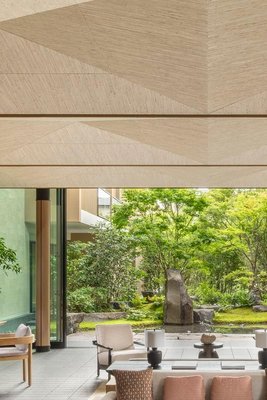
Six Senses Kyoto
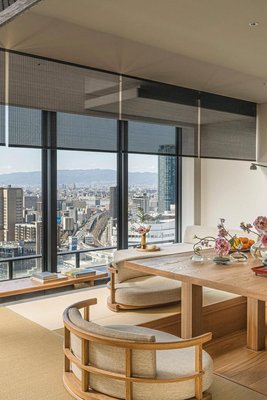
Four Seasons Hotel Osaka

Patina Osaka

The Ritz-Carlton, Osaka
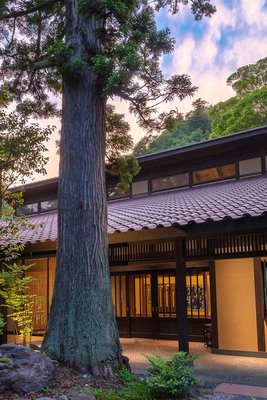
Arimasansoh Goshobessho

The Hiramatsu Hotels & Resorts Kashikojima
The Ritz-Carlton, Kyoto
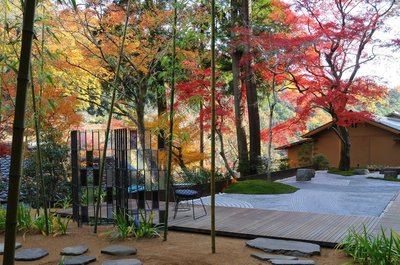
HOSHINOYA Kyoto
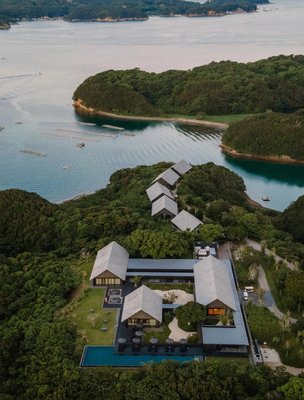
Amanemu
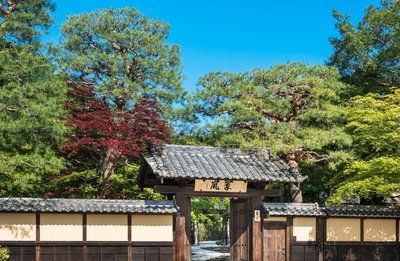
Suiran, a Luxury Collection Hotel, Kyoto
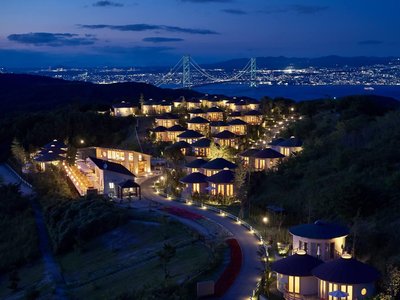
Grand Chariot Hokutoshichisei 135°
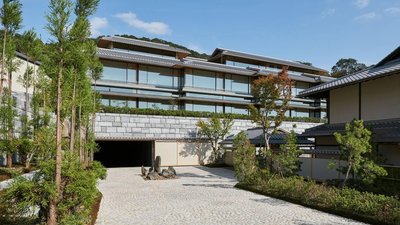
Park Hyatt Kyoto

SETOUCHI RETREAT by Onko Chishin
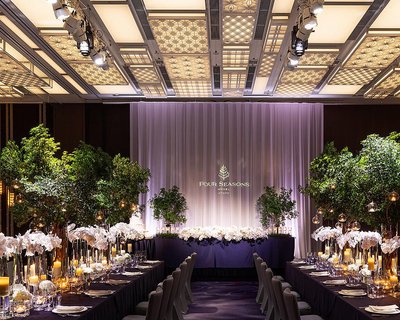
Four Seasons Hotel Kyoto
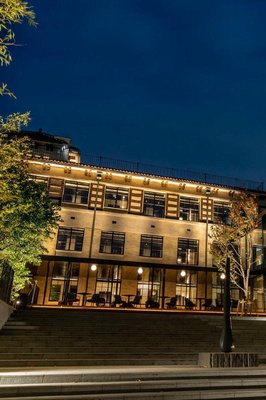
The Hotel Seiryu Kyoto Kiyomizu - a Member of the Leading Hotels of the World-
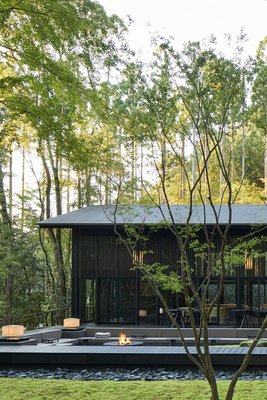
Aman Kyoto
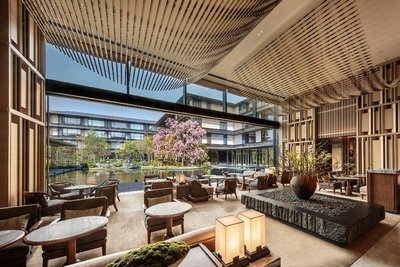
Hotel the Mitsui Kyoto, a Luxury Collection Hotel & Spa

Hotel Barrière Fouquet's New York
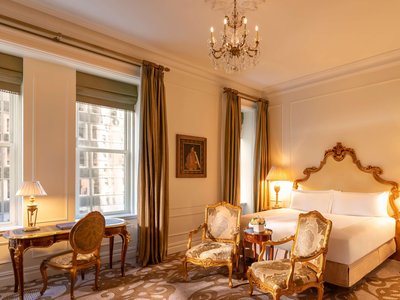
The Plaza - A Fairmont Managed Hotel
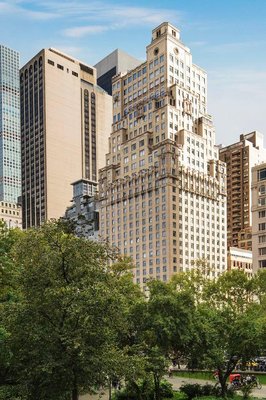
The Ritz-Carlton New York, Central Park

Four Seasons Hotel New York

The St. Regis New York

Park Hyatt New York

Mandarin Oriental New York

Times Square Edition New York

Loews Regency New York Hotel

Lowell Hotel
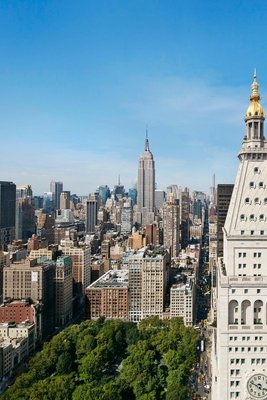
New York Edition

Baccarat Hotel New York

Equinox Hotel New York

Four Seasons Hotel New York Downtown

The Langham, New York, Fifth Avenue

The Carlyle, A Rosewood Hotel

The Chatwal, in the Unbound Collection by Hyatt
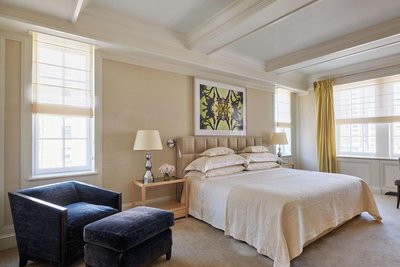
The Mark New York

Trump International Hotel & Tower® New York
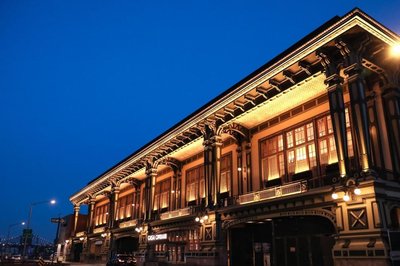
Casa Cipriani New York
Frequently Asked Questions about Traveling to Higashimiyoshi
Questions You Might Need to Know About Traveling to Higashimiyoshi
In Tōsaihō, the top boutique stay is Miyoshi Mountain Lodge, a secluded ryokan nestled in the forest with traditional Japanese architecture and private onsen baths. Each room features tatami flooring, shoji screens, and views of the Shikoku Central Mountains. The lodge offers personalized experiences like local pottery workshops and guided hikes to ancient burial mounds. Nearby, Koyama Inn blends modern minimalism with wood-panel design, featuring rooftop terraces perfect for stargazing. Both properties emphasize sustainability, using organic ingredients from local farms in their kaiseki meals. Their intimate size ensures attentive service, making them ideal for travelers seeking authentic cultural immersion away from crowds.
The best area for nature-focused stays in Tōsaihō is along the Miyoshi Riverbanks and the Ogawa Waterfall Trailhead. This region hosts several eco-friendly guesthouses like Sakura Forest Cabin and Yamabiko Ryokan, both offering direct access to hiking paths through pristine forests and river valleys. Many accommodations provide free shuttle services to nearby attractions such as the Ancient Burial Mound Complex and Shikoku’s High-Altitude Birdwatching Platforms. These lodges often feature open-air onsen baths overlooking streams and offer guided nature walks led by local conservationists. With low light pollution and abundant wildlife, this zone is perfect for those seeking quiet, immersive experiences in Shikoku’s untouched wilderness.
Visitors to Tōsaihō can participate in rare cultural activities like ancient burial mound exploration tours, where guides explain the historical significance of the site's keyhole-shaped tombs. Another highlight is the handmade pottery workshop at Miyoshi Pottery Village, where guests craft traditional Shikoku earthenware using local clay and wood-fired kilns. During autumn, locals host mini Awa Dance Festivals, showcasing the energetic spirit of Tokushima Prefecture. Additionally, the Asakura Market’s seasonal food lab lets travelers learn how to prepare soy-marinated vegetables and fresh sardine sushi using time-honored techniques. These hands-on experiences provide deep insight into rural Shikoku life and sustainable traditions.
While Tōsaihō isn’t a major hot spring destination, nearby Miyoshi River Onsen Retreat offers a serene experience with natural alkaline thermal springs sourced from 300 meters underground. The resort features indoor and outdoor onsen pools surrounded by cedar trees, with night-time bathing under starlit skies. Shinnoya Ryokan, another option, uses sulfur-rich waters known for improving circulation and skin health. Both hotels serve farm-to-table kaiseki dinners made with ingredients from their own gardens and local fishers. They also offer forest bathing sessions and on-site tea ceremonies, blending wellness with tradition. Due to limited capacity, advance HopeGoo is strongly recommended.
Yes, Tōsaihō is highly suitable for families seeking a peaceful, nature-centered getaway. The town offers safe, car-free zones ideal for children to explore riverside trails like Ogawa Waterfall Pathway and Forest Adventure Park. Many guesthouses, including Miyoshi Mountain Lodge, provide kid-friendly amenities such as toy kits, storytime sessions, and child-sized yukata. Interactive programs include bamboo basket weaving classes and nature scavenger hunts. Families can also visit Miyoshi City Museum, which features interactive exhibits on local history and ecology. With low population density and strong community values, it’s an excellent destination for creating lasting memories in a calm, scenic environment.
Tourists must try Miyoshi Beef, a premium wagyu raised on mountain grasses, best enjoyed grilled at Asakura Market’s charcoal grill stalls. Fresh sardines and yellowtail are staples at local seafood stands, often served raw or lightly seared. Don’t miss soy-pickled vegetable platters—a regional specialty made with heirloom cucumbers, daikon, and eggplant. For dessert, sample sansho honey pancakes at riverside cafés, combining wild sansho pepper with local honey. Some guesthouses offer private cooking classes where you prepare a full five-course kaiseki meal using seasonal ingredients, giving you a true taste of Shikoku’s culinary heritage.
Transportation in Tōsaihō is limited but manageable. The main access point is Tokushima Bus, which runs hourly from Tokushima City, taking about one hour to reach the central station. Local community buses connect key sites like Ogawa Waterfall, Miyoshi River Trail, and the City Museum. Renting an electric bicycle is highly recommended—dedicated bike lanes run throughout the town, making it easy to explore at your own pace. For greater flexibility, on-demand taxi services are available through local tourism offices. Note that roads are narrow and winding, especially during rainy seasons, so driving large vehicles is discouraged. Despite its remoteness, the town’s low traffic and quiet streets make it ideal for slow travel.
Tōsaihō’s top natural attractions include Ogawa Waterfall, a 15-meter cascade surrounded by primeval forest, perfect for summer cooling and photography. The Miyoshi River Trail offers gentle hiking paths with birdwatching platforms and clear water ideal for wading. Spring brings vibrant blooms of wild cherry blossoms and azaleas along forest edges. At higher elevations, the Shikoku Central Mountain Range foothills provide panoramic views from Summit Observation Deck Trail, accessible via moderate trekking routes. Early mornings often feature mist rising over valleys, creating dreamlike vistas. These pristine landscapes attract hikers, photographers, and nature lovers seeking unspoiled beauty.
Tōsaihō hosts several charming annual events. The Miyoshi River Blessing Festival in spring features lantern-lit river processions and traditional dance performances symbolizing harmony with nature. In autumn, the Mini Awa Dance Festival brings lively drum beats and colorful costumes to village squares. Every weekend, the Asakura Market Farmers' Fair showcases organic produce, handmade jams, and artisan ceramics, with live folk music. During October, the Chrysanthemum Art Exhibition transforms public spaces into floral galleries with intricate displays. These events reflect the town’s deep-rooted traditions and warm community spirit, offering visitors authentic cultural encounters.
Guesthouses in Tōsaihō stand out for their eco-integrated design and deep local engagement. Most use locally sourced timber and thatched roofs to blend with the landscape. Sakura Forest Cabin features private onsen baths facing forest canopies, while Yamabiko Ryokan offers roof terraces for stargazing. Staff often double as cultural guides, sharing knowledge of edible plants, forest rhythms, and traditional crafts. Many provide farm-to-table dining experiences, where guests help harvest ingredients before preparing meals. Some even offer one-day farming immersion, teaching sustainable practices like composting and crop rotation. These intimate, meaningful stays go beyond lodging—they foster connection with nature and community.
Higashimiyoshi Overview
City Summary
Higashimiyoshi Town in Tokushima Prefecture is renowned for its pristine nature and traditional crafts. Nestled in the mountainous Shikoku region with the Yoshino River carving dramatic gorges, it preserves historic thatched-roof villages and artisan traditions like washi papermaking and indigo dyeing. The area's core appeal lies in its authentic rural charm, ideal for cultural immersion and nature therapy.
Must-See Attractions
Top attractions include Oboke Gorge for sightseeing boat tours through basalt formations, and the cliffside Iya Onsen, one of Japan's Three Hidden Hot Springs. The Kazurabashi Vine Bridge offers a glimpse into Heian-period transportation. Don't miss the Oku-Iya Niju Kazurabashi (double vine bridges) and the Thatched Roof Villages designated as cultural landscapes. Evenings can include Awa Odori dance workshops.
Food Guide
Local cuisine features mountain delicacies - try Iya soba (buckwheat noodles handmade with spring water) and Awaodori chicken grilled over charcoal. Specialty dishes include imotaki (taro stew) and sobakome zosui (buckwheat rice porridge). Visit roadside Michi-no-Eki stations for fresh mountain vegetables and sudachi citrus products, a Tokushima specialty.
Transportation Guide
Rental cars are recommended, with 1.5-hour drive from Tokushima City. Public option involves JR Dosan Line to Awa-Ikeda Station, then Shikoku Kotsu buses (limited schedules). Taxis require advance HopeGoo for remote onsens. Consider Shikoku JR Pass with Iya/Oboke Free Pass for buses. Mountain roads are narrow - winter requires snow tires.
Best Time to Visit
Best seasons are April-May (cherry blossoms & greenery) and October-November (autumn foliage). Avoid June-July rainy season. August offers Awa Odori festivals but is humid. December-February is ideal for onsens though some attractions may close.
Travel Tips
- Pack layers - mountain temperatures fluctuate sharply
- Wear grip socks for the vine bridges (shoes prohibited)
- Carry cash - many eateries don't accept cards
- Most ryokans enforce 5pm check-in deadlines
- Observe private property signs in farming areas
- Practice "pack-in, pack-out" trash etiquette
- Iya dialect differs from standard Japanese - have translation apps ready
Useful Information
Japanese is primary language; basic English at tourist sites. Get Shikoku-specific SIM cards - mountain coverage can be spotty. Cash dominates, though IC cards (Suica) work at major facilities. Emergency numbers: #9110 (police) or #119 (ambulance). Medical services concentrate in Awa-Ikeda Town - ensure travel insurance. Post offices operate Mon-Fri (9am-5pm). Higashimiyoshi Town Hall offers limited foreigner support (appointment advised). Many businesses close during festivals - verify schedules in advance.









