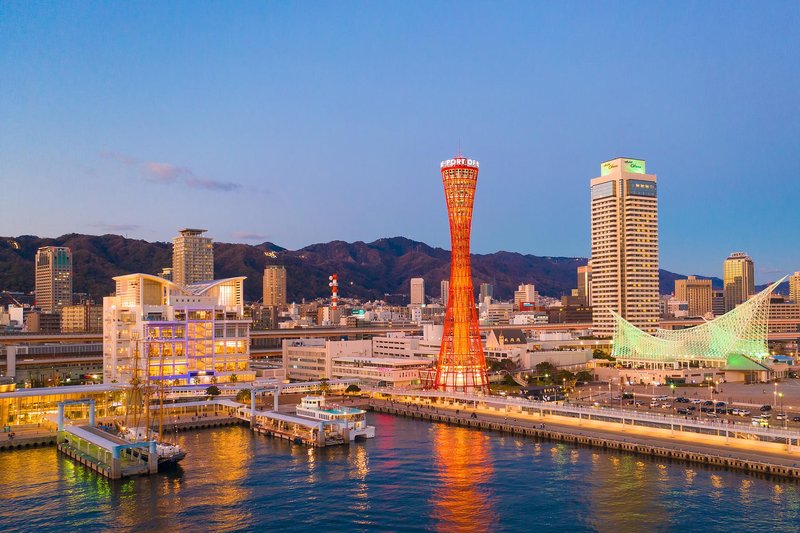
Hotels in Higashinaruse
Discover your perfect stay in Higashinaruse.
Higashinaruse(Japan) Travel 2026: Cheap Flights, Hotels & Top Attractions
Popular Landmarks in Higashinaruse
Discover the most iconic attractions in Higashinaruse
Recommended Hotels in Higashinaruse
Find the perfect place to stay in Higashinaruse
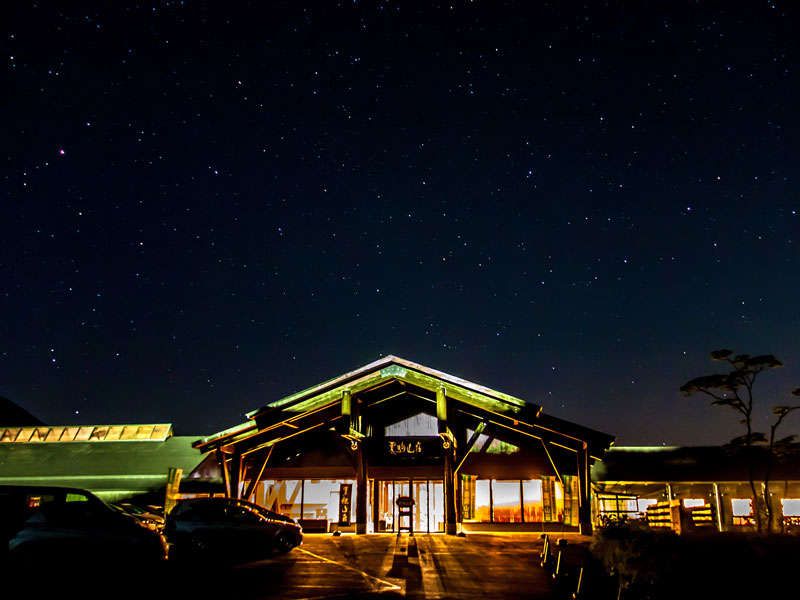
Sukawa Onsen Kurikoma Sanso
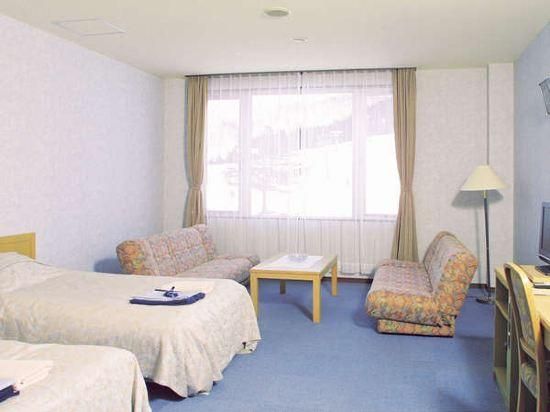
Hotel Blanc
Best Hotels in Higashinaruse
Discover curated hotel collections in Higashinaruse

EN Resort Grandeco Hotel
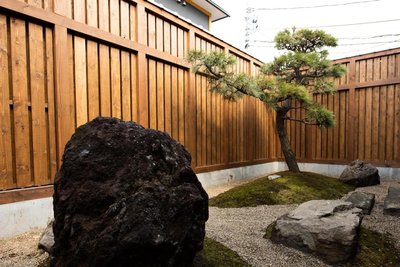
Hotel Zen-Adult Only
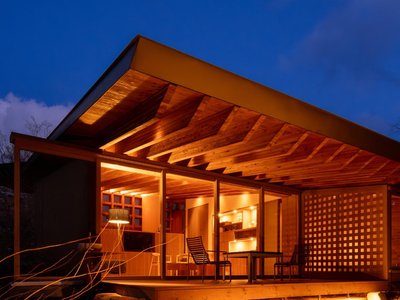
Nasu Mukunone
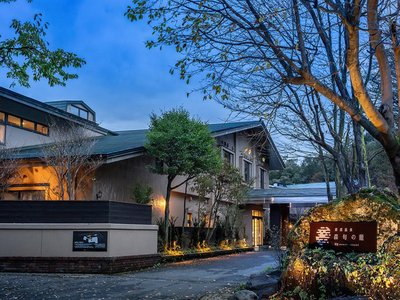
Nasu Onsen Shinshun no Kago Hewitt Resort
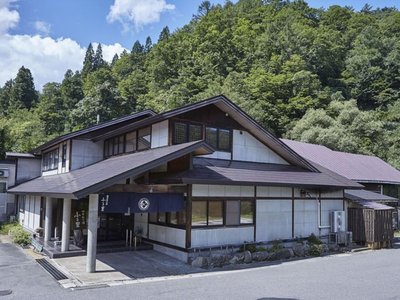
Fulsato
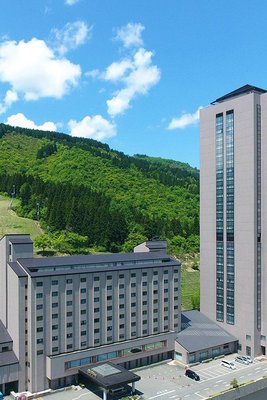
Naspa New Otani
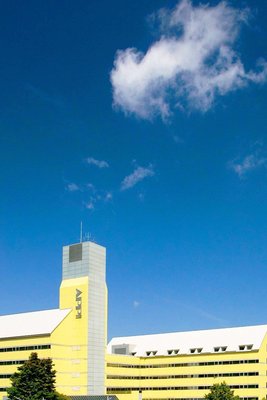
Crowne Plaza - ANA RESORT APPI KOGEN
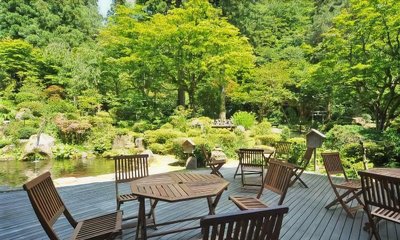
Choseikan
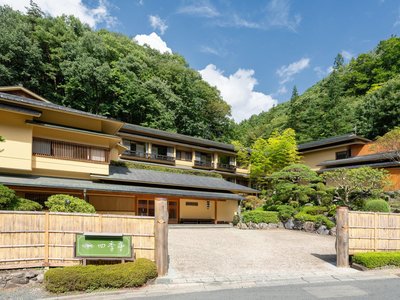
Shikitei Morioka TsunagiOnsen
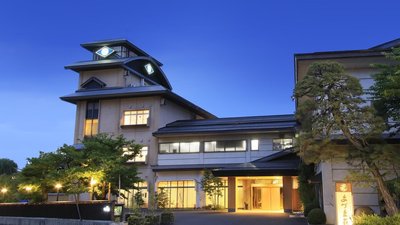
Shouhakutei Azumaso
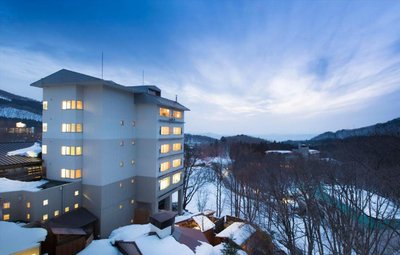
Takamiya Hotel Lucent
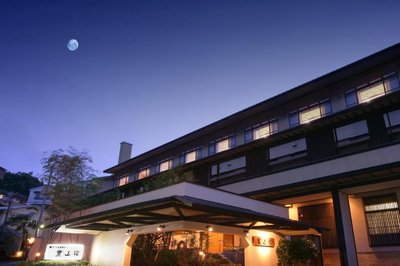
Hayamakan
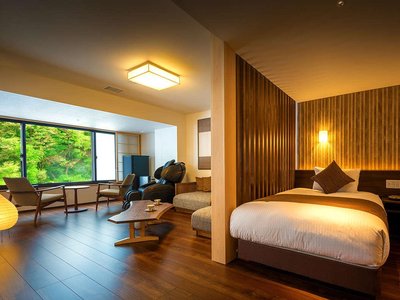
Harataki
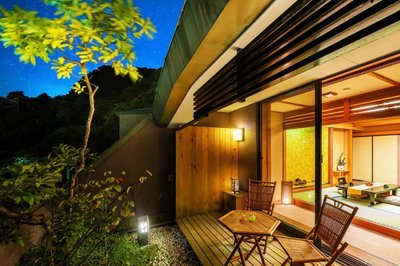
Konjakutei
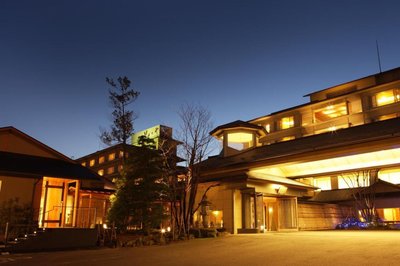
Yumotoya
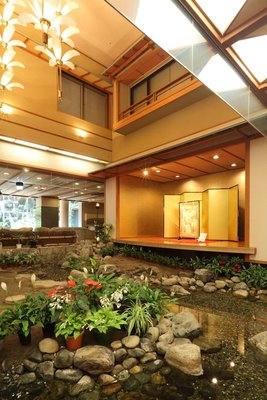
Hotel Futaba
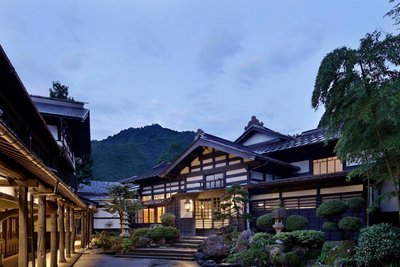
Ryugon
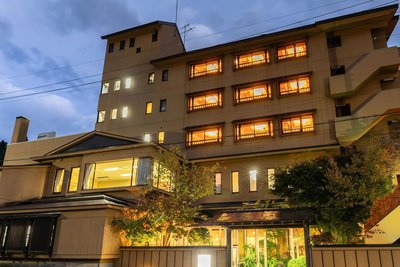
Kashintei Shirahama
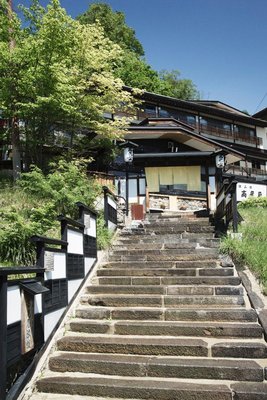
Takamiya Ryokan Miyamaso
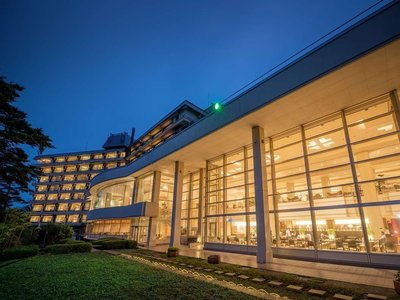
Hotel Matsushima Taikanso
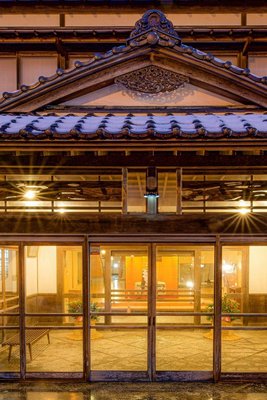
Wakamatsu Hot Spring Resort
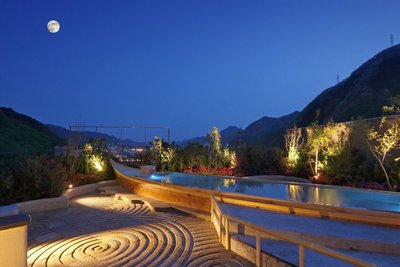
Asaya
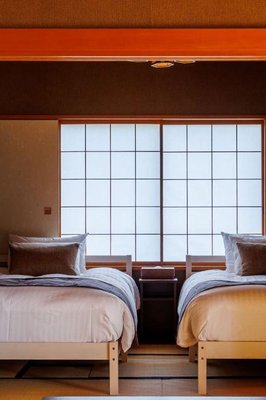
Sado Resort Hotel Azuma
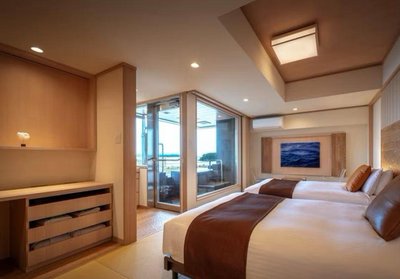
Komatsu-Kan Kofu-Tei
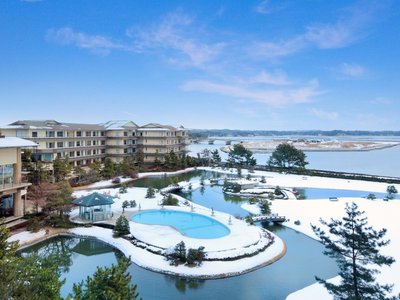
Matsushima Ichinobo
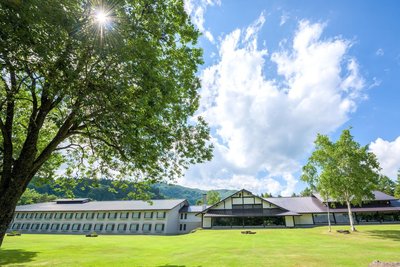
Towada Prince Hotel
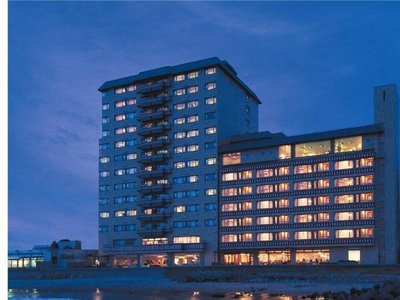
Heiseikan Shiosaitei Hanatsuki
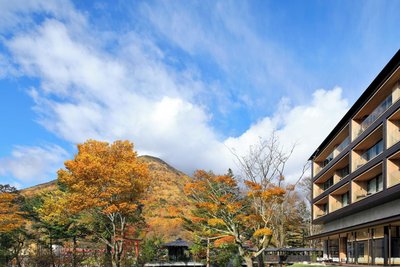
The Ritz-Carlton, Nikko
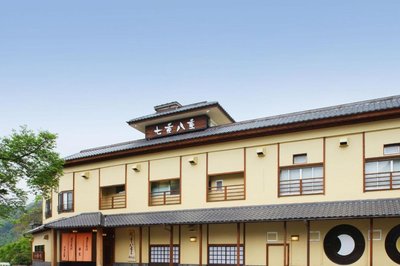
Nanaeyae
Auberge Suzukane
Wakamatsu Hot Spring Resort
Konjakutei
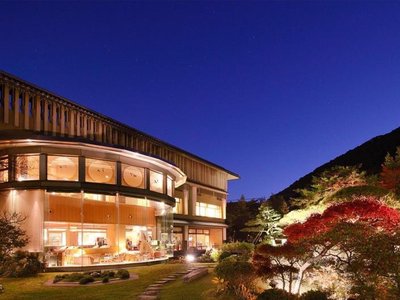
Shikisai Ichiriki
Sado Resort Hotel Azuma
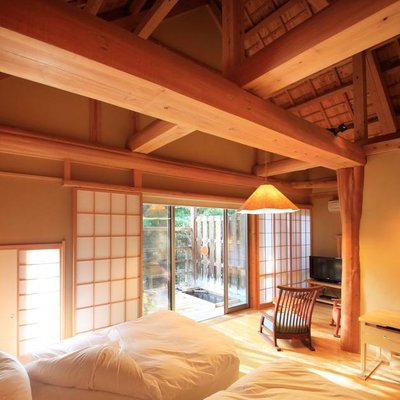
Daikon-No-Hana
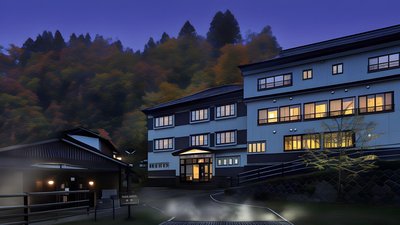
Zao Onsen Omiya Ryokan
Nanaeyae
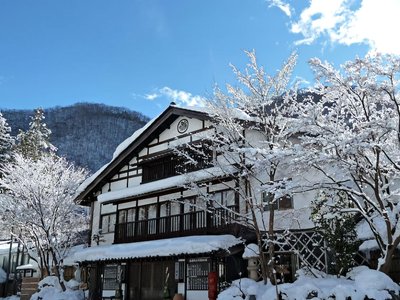
Yunishigawa Onsen Honke Bankyu
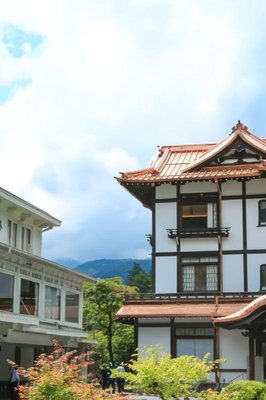
Nikko Kanaya Hotel
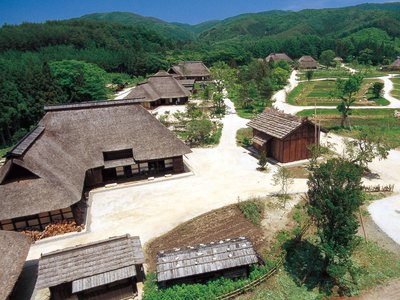
Jodogahama Park Hotel
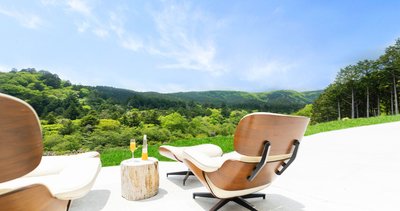
Shelter Garden Nikko
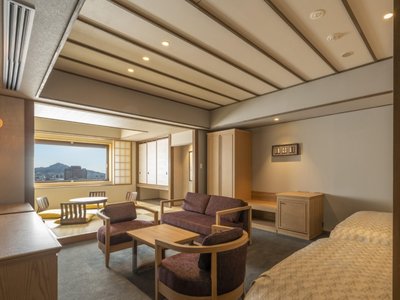
La Vista Hakodate Bay Annex
Wakamatsu Hot Spring Resort
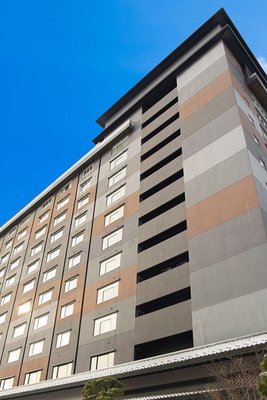
Bourou NOGUCHI Hakodate
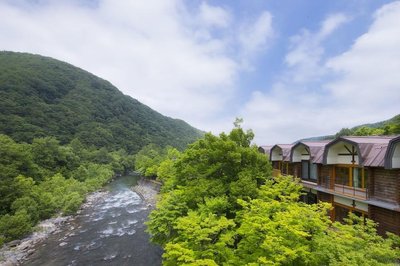
Hoshino Resorts Oirase Keiryu Hotel
Asaya
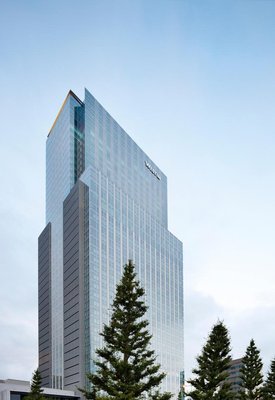
The Westin Sendai Hotel
Heiseikan Shiosaitei Hanatsuki
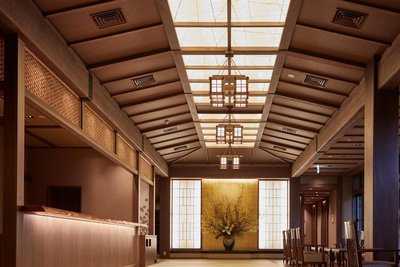
Yukinohana

Yukemuri No Yado Inazumi Onsen
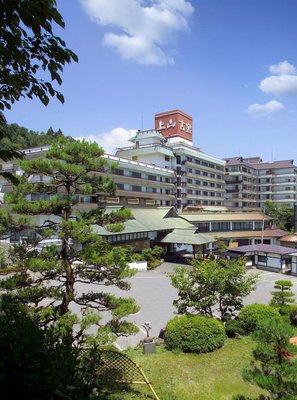
Hotel Koyo
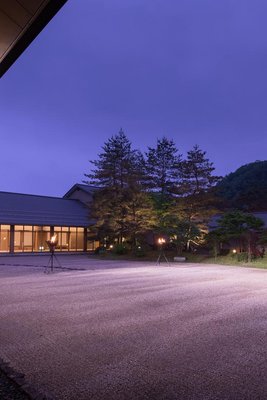
Kashoen
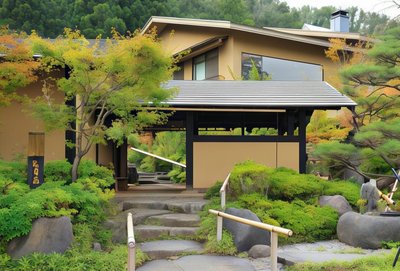
Meigetsuso
Nikko Kanaya Hotel
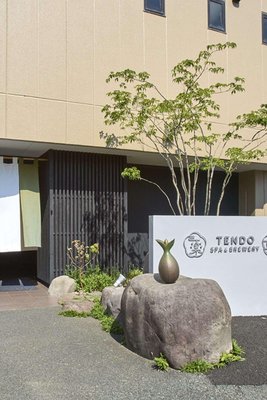
Yubo Ichiraku TENDO SPA&BREWERY
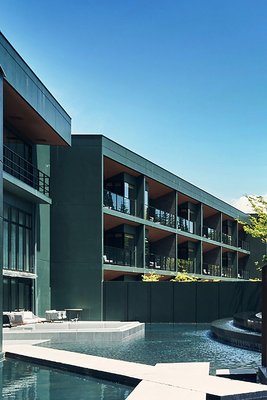
ANA InterContinental Appi Kogen Resort
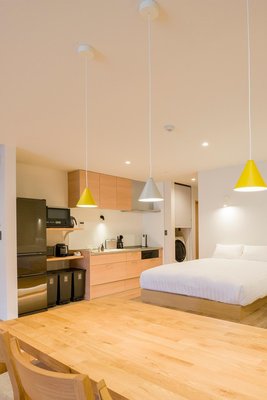
Rakuten STAY VILLA Nasu
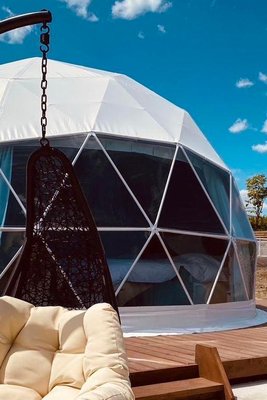
chillout glamping zao
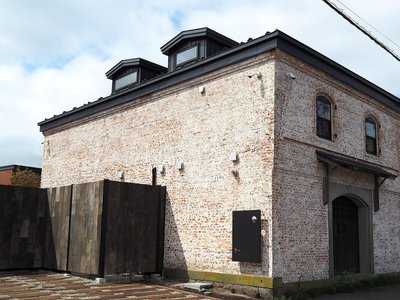
Pres de La Mer
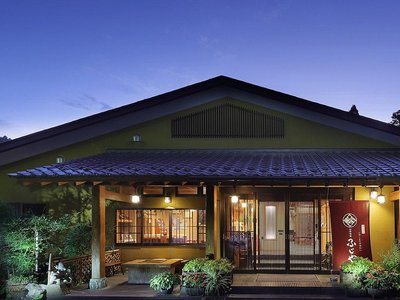
Shikimitei Fujiya
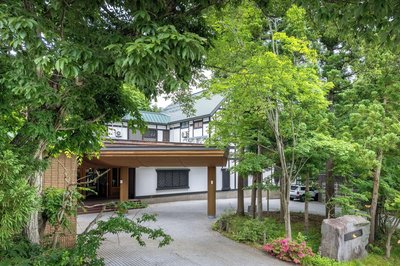
Forest Resort Yamanote Hotel

Hotel Barrière Fouquet's New York
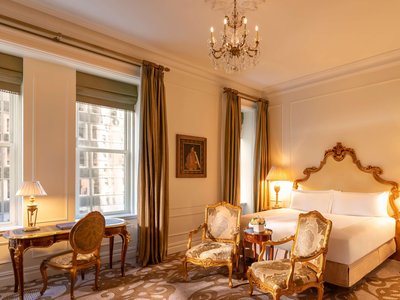
The Plaza - A Fairmont Managed Hotel
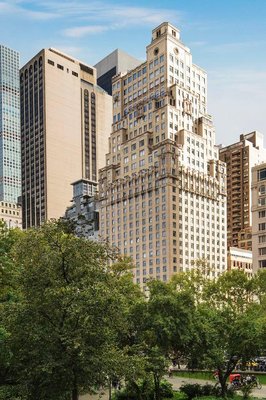
The Ritz-Carlton New York, Central Park
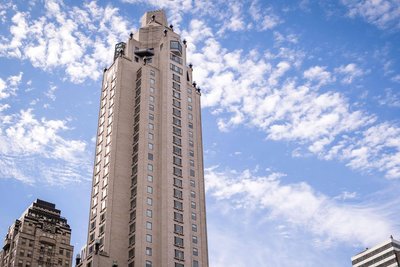
Four Seasons Hotel New York

The St. Regis New York
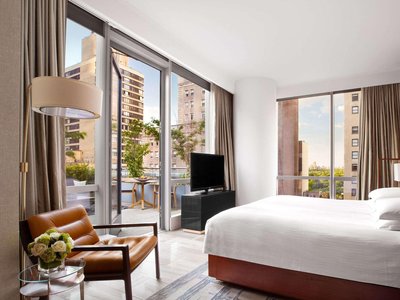
Park Hyatt New York
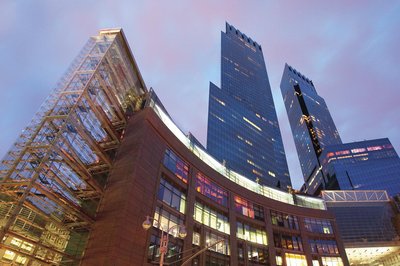
Mandarin Oriental New York
Times Square Edition New York
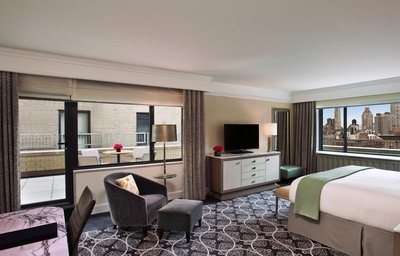
Loews Regency New York Hotel
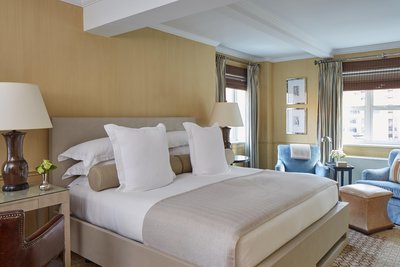
Lowell Hotel
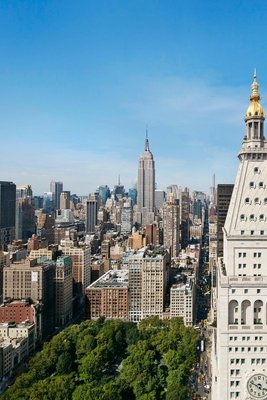
New York Edition
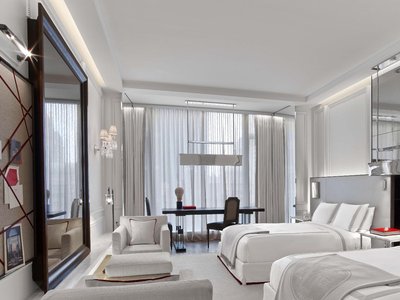
Baccarat Hotel New York
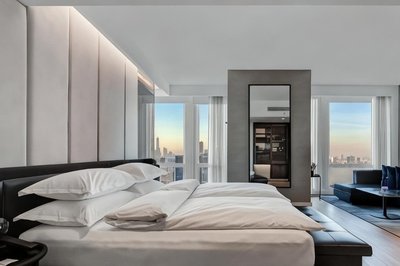
Equinox Hotel New York
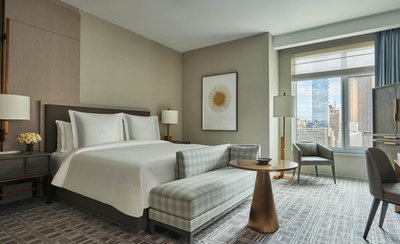
Four Seasons Hotel New York Downtown
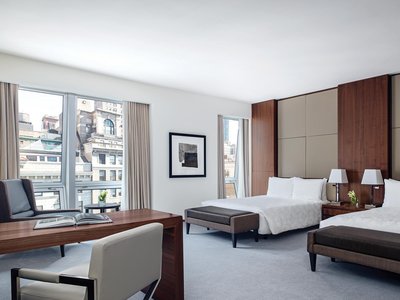
The Langham, New York, Fifth Avenue
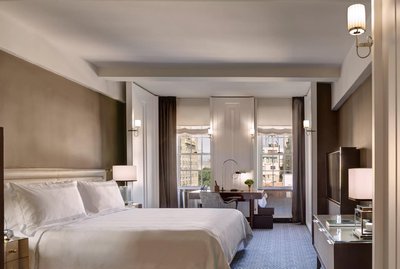
The Carlyle, A Rosewood Hotel

The Chatwal, in the Unbound Collection by Hyatt
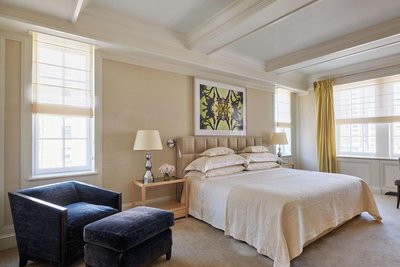
The Mark New York
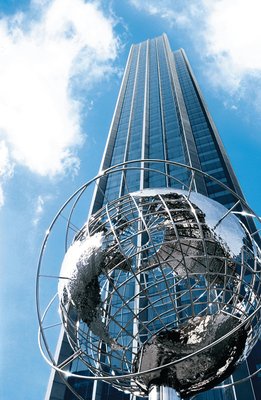
Trump International Hotel & Tower® New York
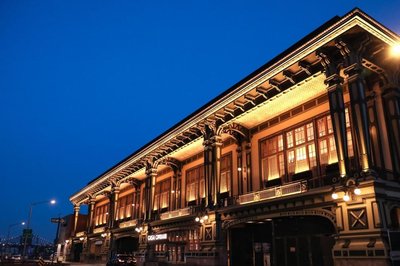
Casa Cipriani New York
Frequently Asked Questions about Traveling to Higashinaruse
Questions You Might Need to Know About Traveling to Higashinaruse
For budget-conscious travelers, Higashi Narase Village Guesthouse offers simple yet authentic Japanese-style rooms with tatami mats and shared bathrooms. Located just steps from the main village path, it provides access to local farms and forest trails. The hosts serve homemade breakfast using seasonal vegetables from their own garden. Prices start at ¥4,500 per night, including a welcome drink and free use of bicycles for exploring nearby nature paths. It’s ideal for solo backpackers or small families seeking an immersive rural experience without breaking the bank.
The most scenic spots are along the Ōkawa River Trail, where terraced rice fields cascade down the hillsides and reflect sunlight like mirrors during summer. For autumn views, hike to Shirakawa Ridge, a high-altitude path offering panoramic vistas of red and gold maple forests. Another hidden gem is Yamabiko Grove, a secluded woodland with ancient cedar trees and a small waterfall. These locations are best visited early morning or late afternoon when light is soft and crowds are minimal. All trails are well-marked but require sturdy shoes due to uneven terrain.
Visitors can participate in traditional rice planting and harvesting ceremonies led by local farmers, offering insight into sustainable agriculture. During fall, join the Higashi Narase Autumn Festival, featuring folk dances, handmade crafts, and regional cuisine like pickled mountain vegetables. There's also a tea ceremony workshop using locally grown matcha, where guests learn to prepare tea in a traditional chashitsu. These activities foster deep connections with villagers and provide a rare glimpse into Japan’s living rural heritage.
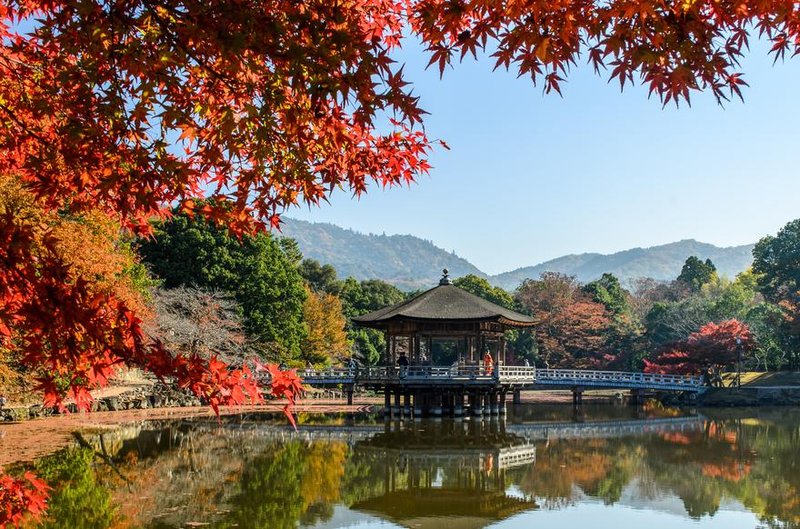
The peak season for autumn foliage is mid-October to early November, when the hills turn vibrant shades of crimson, orange, and gold. The Ōkawa River Valley becomes especially stunning, with leaves reflected in the clear stream below. Many guesthouses offer guided hikes to viewing points like Takamori Lookout and Kurokawa Hill. Weather is cool but pleasant, perfect for long walks. Early HopeGoo is essential as accommodations fill quickly. Avoid visiting during rainy periods, which can obscure views and make trails slippery.
Yes, one lesser-known site is Shiratori Falls, a secluded 10-meter cascade accessible via a 25-minute forest trail that winds through moss-covered rocks and old-growth trees. Another secret is Kōdaiyama Cave, a small limestone grotto with stalactites and a quiet underground stream—best explored with a local guide. For solitude, try Mizugaki Marsh, a wetland habitat home to herons and kingfishers, ideal for birdwatching. These spots remain untouched by tourism, preserving the village’s pristine natural beauty.
From Akita Station, take the Akita Bus Line 67 to Narase-kōmachi Stop, which takes about 90 minutes. Buses run only twice daily, so check schedules in advance. Alternatively, rent a car at Akita Station and drive via Prefectural Road 18, following signs to Higashi Narase. The road is narrow but well-maintained. Some guesthouses offer pickup services, but only with prior reservation. In winter, be cautious of snow; ensure your vehicle has snow tires and check road conditions before departure.
Must-try dishes include mountain vegetable hot pot (yamagata nabe) made with wild ferns, bamboo shoots, and local mushrooms, simmered in a light soy broth. Try Higashi Narase rice balls (onigiri) filled with pickled radish and dried fish. For dessert, sample red leaf persimmon jam—a sweet spread made from the village’s unique heirloom fruit. Many guesthouses serve meals using ingredients sourced directly from nearby farms. The emphasis on freshness and zero-mile food ensures an authentic taste of rural Akita.
Absolutely. The village is ideal for families seeking nature-based adventures. Children can enjoy farm animal feeding, rice paddy play sessions, and handmade paper-making workshops. Most guesthouses offer spacious family rooms with futons and children’s bath towels. There are also safe, flat walking paths around the village center, perfect for stroller use. Evening events like campfire storytelling and stargazing are designed to engage all ages. With no traffic and minimal noise, it’s a peaceful retreat for kids to unwind and reconnect with nature.
Nighttime highlights include star gazing—the village is designated a Dark Sky Preserve, making it perfect for observing constellations and meteor showers. Some guesthouses host night walks with lanterns, guiding guests through quiet forest paths. During winter, join the bonfire gathering under the stars, where locals share folk tales and sing traditional songs. For relaxation, many lodges offer open-air baths with views of the Milky Way. Silence and stillness are key features, allowing full immersion in the serene atmosphere.
Look for handwoven bamboo baskets crafted by local artisans using traditional techniques. Also popular are natural dye textiles in earthy tones, dyed with plants like indigo and persimmon bark. Don’t miss Higashi Narase Red Leaf Persimmon Dried Fruit and wild mountain herb tea blends. Some guesthouses sell limited-edition village calendar sets, each page hand-painted by residents showing seasonal farm life. These items support local craftsmanship and make meaningful, eco-friendly gifts.
Higashinaruse Overview
City Summary
Higashinaruse Village is a tranquil hamlet nestled in the mountains of Akita Prefecture, Japan. Known for its traditional thatched-roof houses and stunning natural scenery, the village offers a glimpse into traditional Japanese rural life. The area is particularly famous for its autumn foliage and winter snowscapes.
Must-See Attractions
Key attractions include Gassho-zukuri thatched-roof houses, designated as Important Cultural Properties. The village's nature trails lead to waterfalls and streams, while nearby ski resorts attract winter sports enthusiasts. Local traditional crafts like woodwork and textiles are also noteworthy.
Food Guide
Higashinaruse's cuisine features local ingredients, with specialties like Akita Hinai-jidori chicken and wild mountain vegetable dishes. Farmhouse restaurants serve seasonal meals with fresh produce. In winter, hot pot dishes and grilled river fish are must-tries.
Transportation Guide
Public transport is limited; renting a car or taking taxis is recommended. From Akita City, take the JR Ou Main Line to Yokote Station, then a 1-hour bus ride to the village. Walking or cycling is ideal for exploring locally. Winter travelers should use snow tires or chains.
Best Time to Visit
The best seasons are autumn (September-November) for foliage and winter (December-February) for snow activities. Summers are humid, while spring offers brief cherry blossoms.
Travel Tips
- Respect local customs; remove shoes when entering homes.
- Pack warm clothing for subzero winter temperatures.
- Bring essentials as shops are scarce.
- Some attractions require advance bookings.
- Cash is preferred; credit cards have limited acceptance.
- Practice eco-friendly tourism by carrying out trash.
Useful Information
Japanese is primary language; English is uncommon (translation apps helpful). Mobile coverage exists but may be spotty in mountains. Cash dominates transactions; few accept credit cards. For emergencies, contact the village office or Yokote City medical facilities. Emergency numbers: Police 110, Ambulance 119. Travel insurance is strongly advised.